Problem-Solving Skills Reading Comprehension Worksheets for Ages 4-5
5 filtered results
-
From - To
Discover our engaging Problem-Solving Skills Reading Comprehension Worksheets designed specifically for children ages 4-5. These worksheets boost young learners' critical thinking and comprehension abilities through fun stories and relatable scenarios. By encouraging kids to explore problems and develop solutions, they enhance their cognitive skills and build a strong foundation for future learning. Each worksheet offers age-appropriate challenges that promote word recognition, and sequential thinking, while keeping learning fun and interactive. Perfect for both classroom and home use, these resources align with early educational standards, ensuring your child is well-prepared for their academic journey. Unlock the power of problem-solving today!
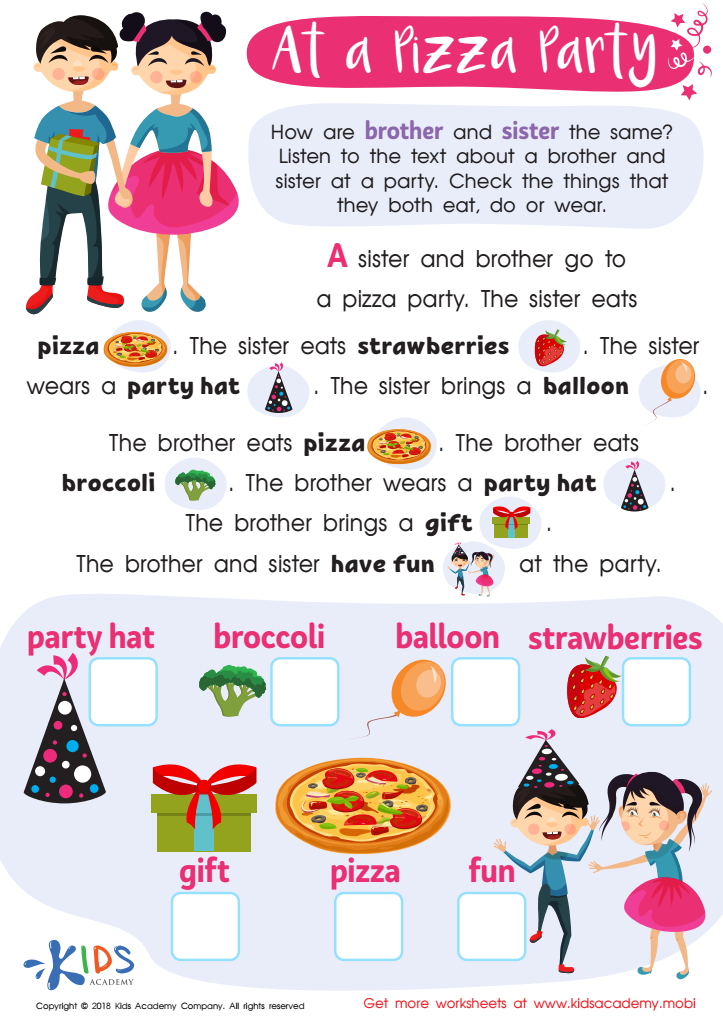
At a Pizza Party Worksheet
 Assign to My Students
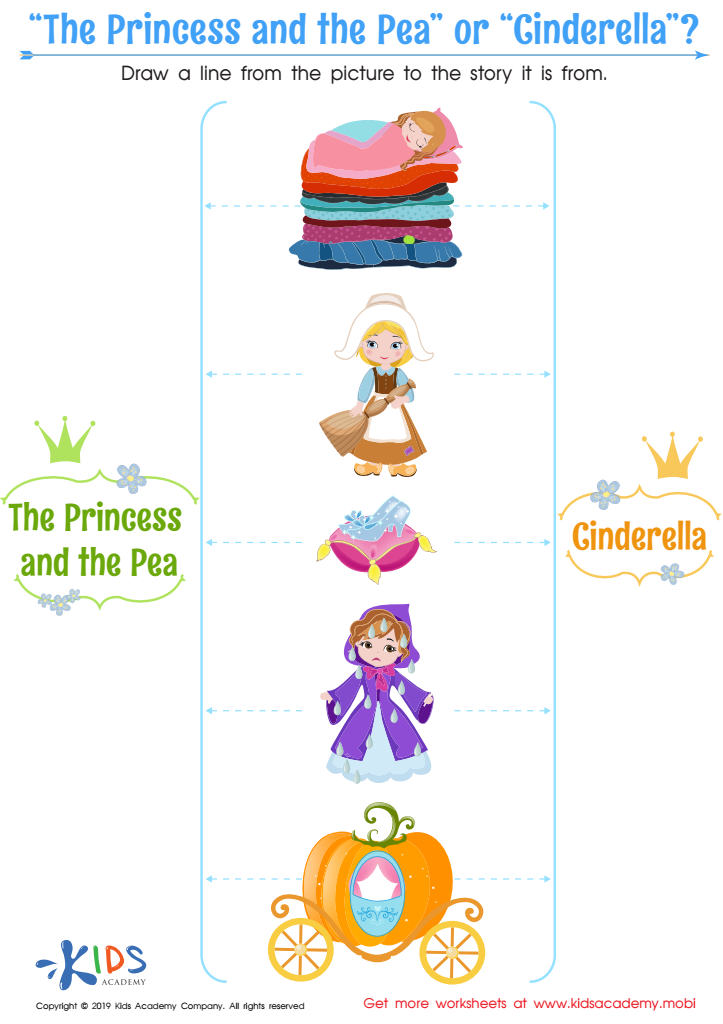
“The Princess and the Pea” or “Cinderella” Worksheet

Towns Worksheet
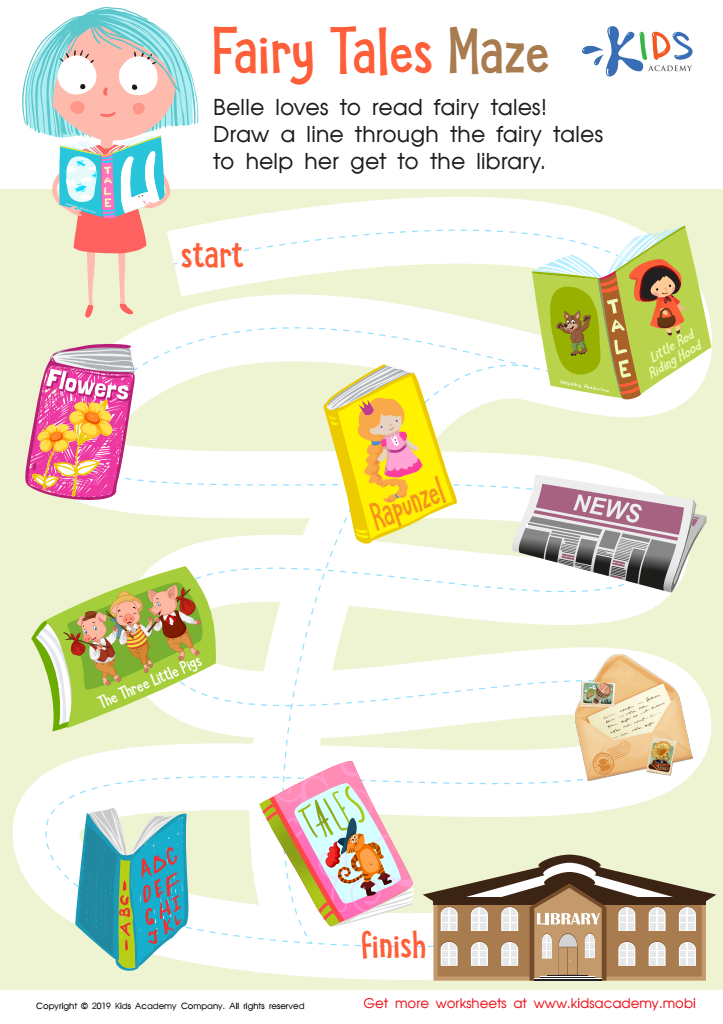
Fairy Tales Maze Worksheet
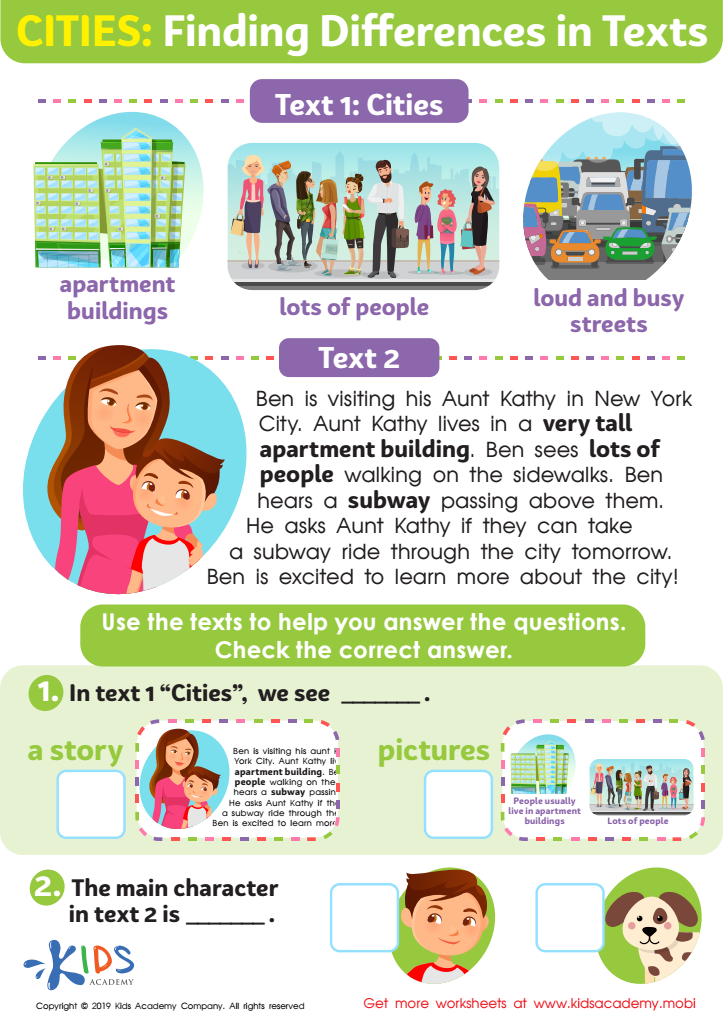
Cities: Finding Differences Worksheet


.jpg)





Problem-solving skills and reading comprehension are crucial for early childhood development, especially for children aged 4-5. At this age, children are rapidly developing cognitive abilities, and nurturing these skills lays a foundation for lifelong learning.
Parents and teachers should prioritize problem-solving skills because they teach children how to approach challenges logically and creatively. This ability fosters resilience, allowing young learners to bounce back from setbacks and think critically about solutions. Integrating problem-solving with reading comprehension further enriches a child's learning experience. When children engage with stories, evaluating characters' decisions or predicting plot outcomes hones their analytical skills, promoting deeper understanding and retention of material.
Additionally, reading comprehension enhances vocabulary and communication abilities, essential tools for expressing thoughts and ideas effectively. As children enjoy interactive discussions about stories, they learn to articulate their reasoning and justify their thoughts.
Incorporating problem-solving practices into reading sessions makes learning cohesive and engaging. This active participation not only builds confidence but also promotes a love of reading. Ultimately, fostering these skills at an early age cultivates independent thinkers prepared to navigate challenges in school and life. Parents and teachers play a pivotal role in this essential developmental stage, ensuring that children thrive academically and socially.








