Observational skills Science Worksheets for Ages 4-5
3 filtered results
-
From - To
Nurture your child's curiosity with our Observational Skills Science Worksheets for Ages 4-5! Tailored to develop critical thinking and keen observation in young learners, these engaging worksheets promote exploration through colorful and interactive activities. Each worksheet is designed to help children identify patterns, compare objects, and observe the world around them, enhancing their natural ability to notice details and differences. Perfect for building a strong foundation in science, these worksheets make learning fun and effective, setting the stage for future academic success. Explore today and encourage your preschooler’s love for discovery and learning!
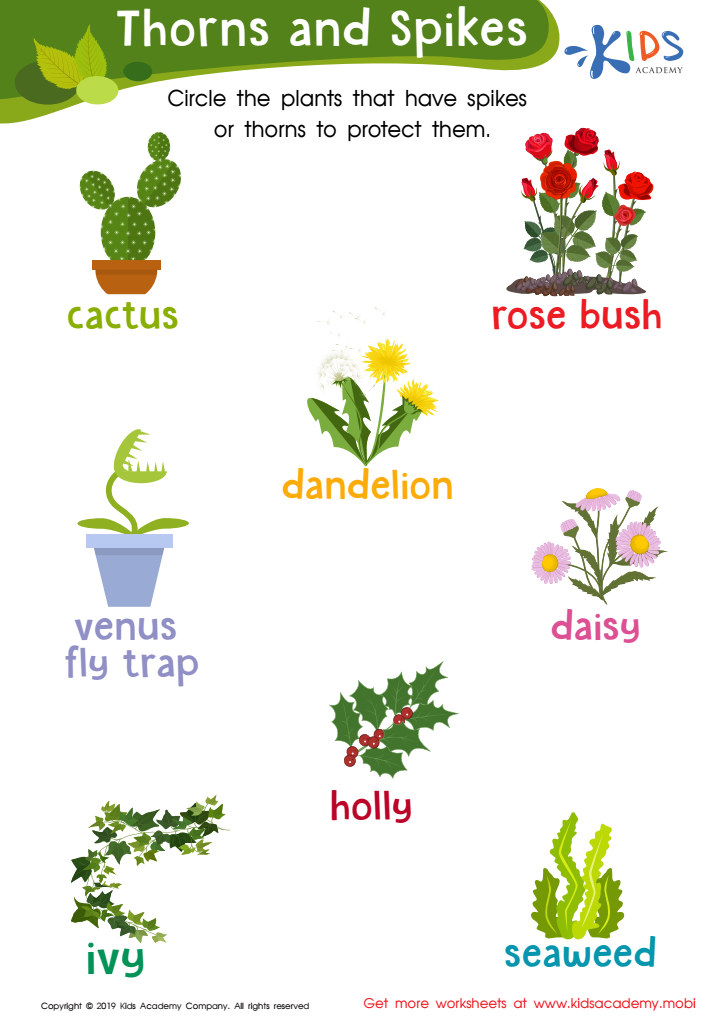
Thorns and Spikes Worksheet
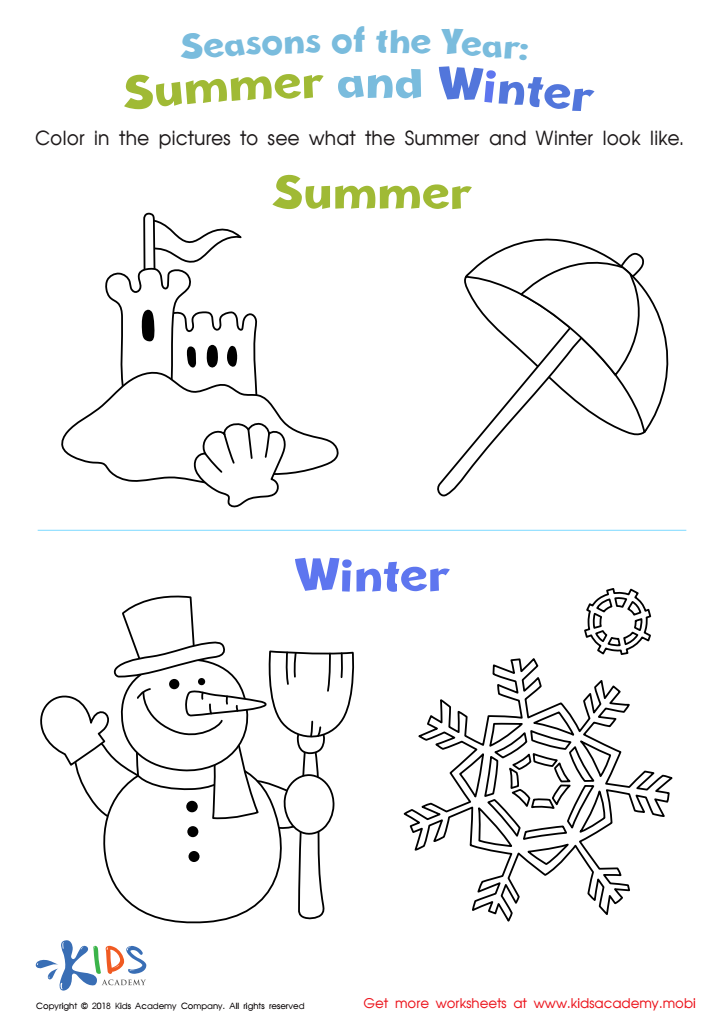
Summer and Winter Worksheet
 Assign to My Students
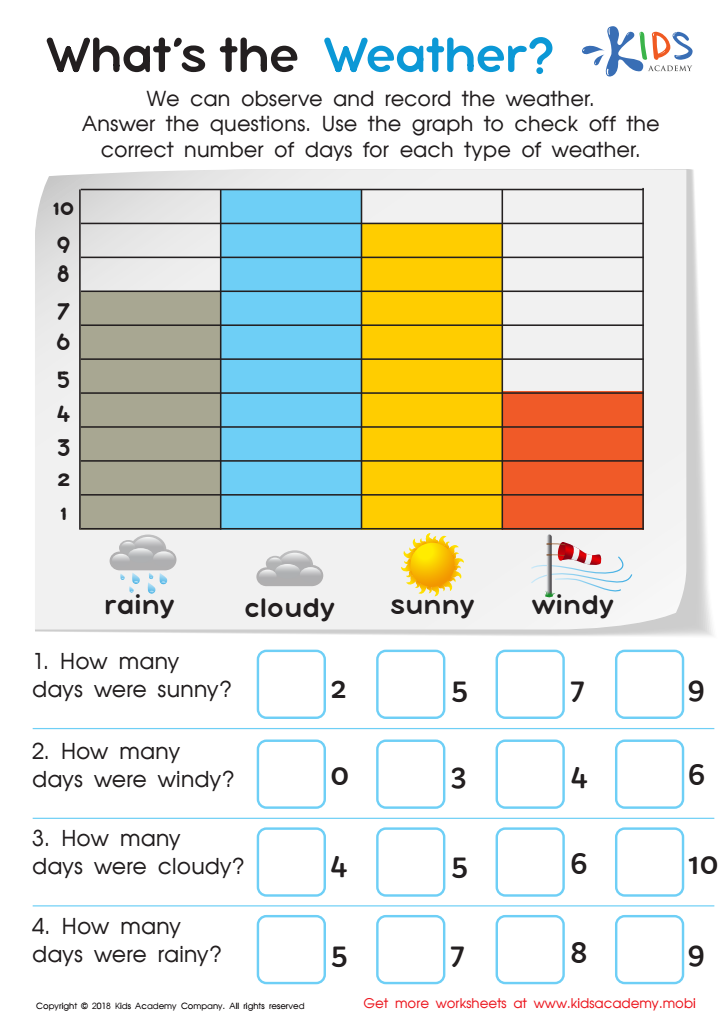
What's the Weather? Worksheet


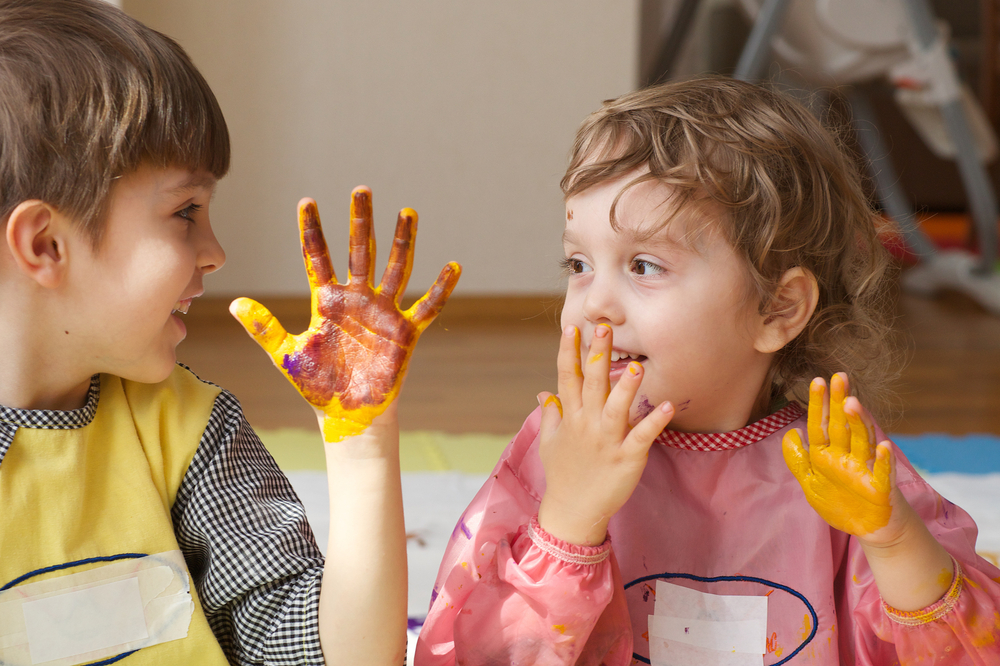





Observational skills are a cornerstone of scientific education, especially for children aged 4-5. At this developmental stage, kids are naturally curious, and honing their ability to observe helps nurture their innate inquisitiveness. Encouraging close observation teaches critical early scientific methodology, allowing young children to engage directly with the world around them. It fosters a sense of discovery and wonder.
For parents and teachers, investing time in developing these skills lays a vital foundation for later academic achievement and a lifelong interest in science. Observation activities promote essential cognitive abilities such as attention to detail, pattern recognition, and comparative analysis. These skills are not just foundational in science but are transferable to other areas of learning, including literacy and numeracy.
Moreover, practicing observational skills helps 4- and 5-year-olds improve their verbal and communication abilities. Describing what they see helps them expand their vocabularies and articulate thoughts clearly. Socially, these activities can foster teamwork and collaborative inquiry, as children often share and discuss their findings.
Additionally, enhancing observational skills in early childhood supports emotional regulation and mindfulness. Being present and focused on their environment may help children develop patience and a more profound appreciation for nature and everyday phenomena.
In sum, cultivating observational skills in young children equips them with a toolkit essential for both personal development and academic success, forging a pathway toward becoming inquisitive and thoughtful learners.







