 Assign to My Students





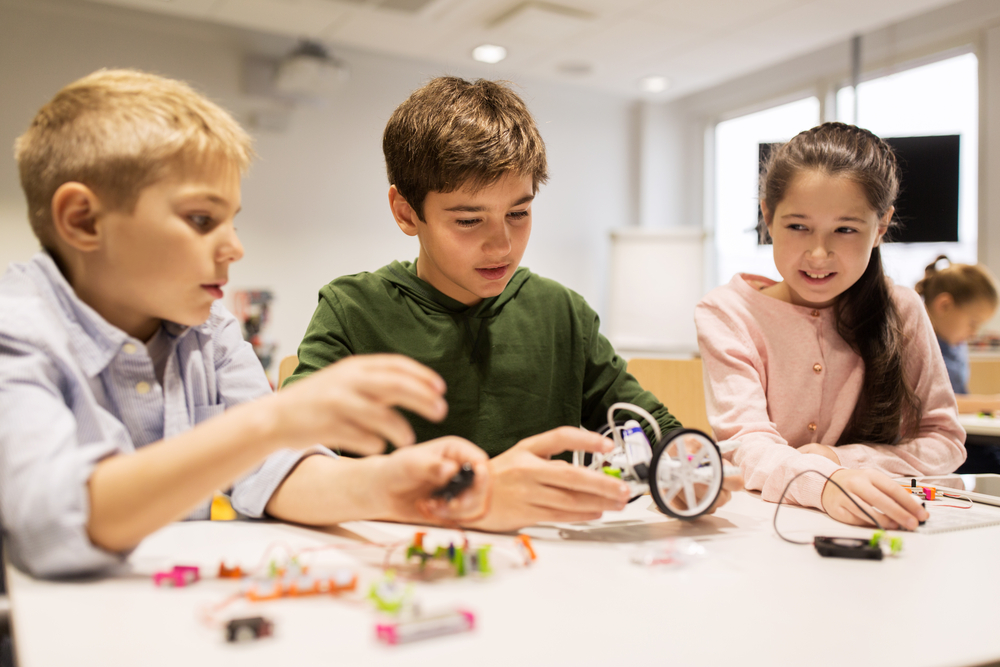


Vocabulary enhancement in young children, particularly in the context of science, serves as a fundamental building block for their cognitive, language, and overall academic development. For children ages 4-5, this is a critical period known as the "sensitive period" where their capacity to absorb new information is incredibly high. Introducing scientific vocabulary helps to expand their language skills and fosters early literacy, crucial for their success in school.
Understanding basic scientific terms can ignite curiosity and a love for exploration. For example, learning words like "gravity," "habitat," or "evaporation" through age-appropriate activities and stories engages children's natural sense of wonder. It also encourages observational skills and critical thinking. When parents and teachers work together to introduce these concepts, children can relate to their environment in more profound ways, making sense of the world around them.
Enhancing vocabulary also equips children with the words to express their ideas, questions, and experiences more effectively. This improved communication is vital in diverse aspects of their life, enabling better social interaction and emotional expression. Furthermore, early exposure to scientific vocabulary sets a foundation for future STEM (Science, Technology, Engineering, and Mathematics) learning, making higher-level concepts more approachable as they grow. By prioritizing vocabulary enhancement, parents and teachers pave the way for a lifetime of learning and curiosity.







