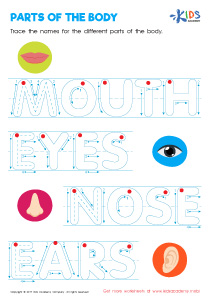
Color Identification World Around Us Worksheets for Ages 4-5
3 filtered results
-
From - To
Discover the vibrant "Color Identification World Around Us Worksheets" designed for ages 4-5. These engaging, printable activities help young learners recognize and name colors through fun, everyday scenes. Perfect for preschoolers, each worksheet boosts their observational skills and cognitive development. Children will explore the world around them, identifying and matching colors in various objects, enhancing their understanding of hues and shades in their environment. Crafted by educational experts, these worksheets ensure a delightful learning experience, fostering creativity and essential preschool skills. Let your child’s colorful journey begin with these captivating and educational resources!
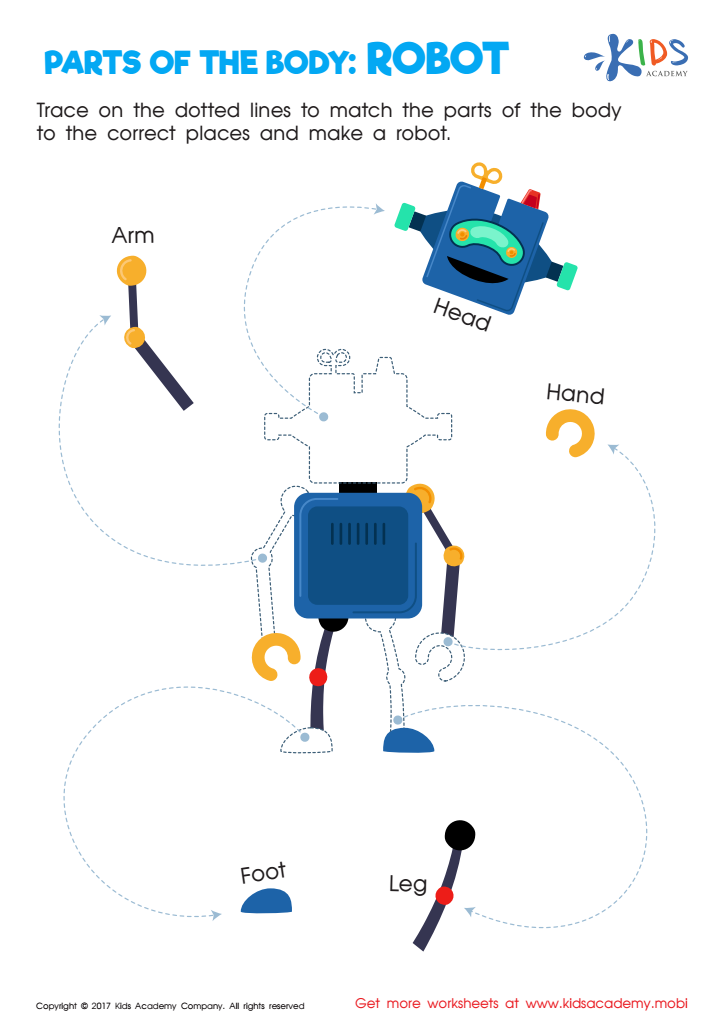
Robot Printable
 Assign to My Students
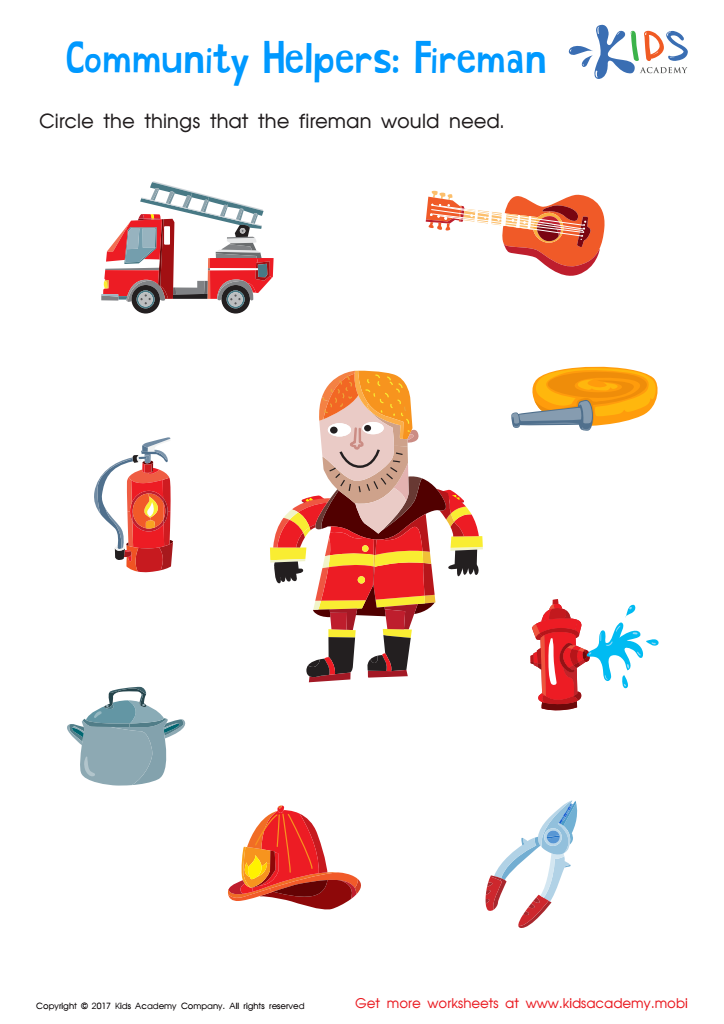
Fireman Worksheet
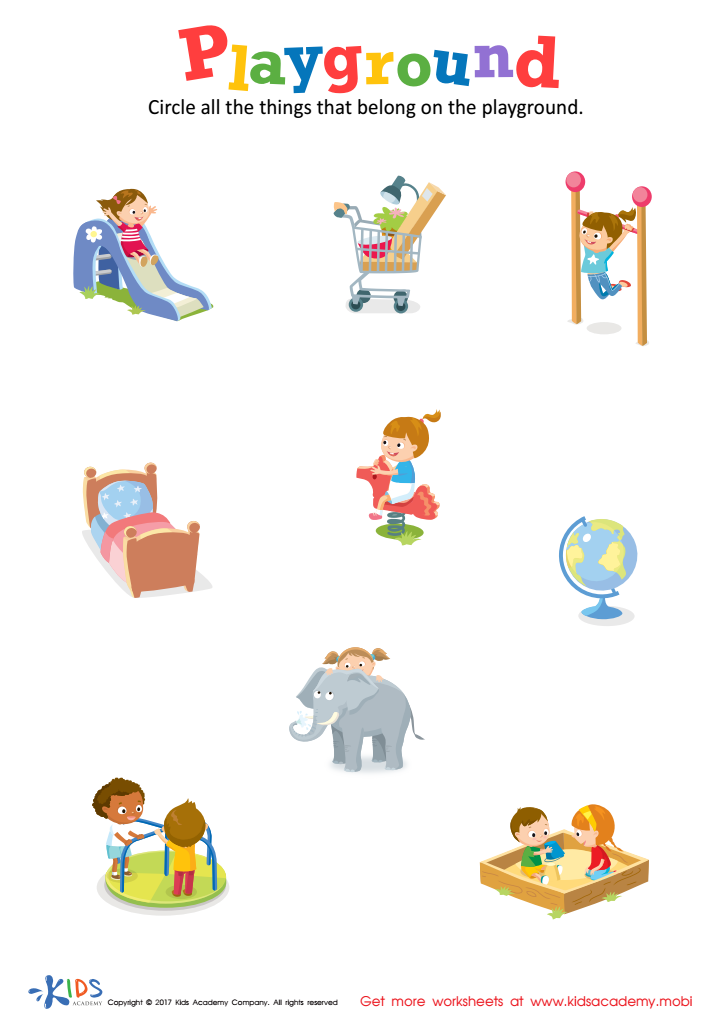
Playground Worksheet




.jpg)

Parents and teachers play a crucial role in early childhood development, and color identification is a foundational skill for children aged 4-5. At this stage, children are rapidly developing cognitive, motor, and social skills, and understanding colors helps in multiple ways. First, recognizing and naming colors enhances a child's visual and cognitive skills, providing a solid foundation for reading and mathematics. Activities that focus on color identification boost memory and fine motor skills, as children manipulate objects and drawings.
Second, color recognition fosters creativity and self-expression. When children learn and identify different colors, they become more confident in expressing themselves through art, design, and even clothing choices. For educators, color-based activities can also serve as a playful, engaging way to introduce other key educational concepts such as sorting, patterns, and comparisons, which are critical in early math and logical reasoning.
Moreover, being aware of colors in their environment helps children develop language skills. Discussing different colors expands their vocabulary, enabling better communication and social interactions. Finally, early color identification can aid in teaching cultural awareness and emotional intelligence, as colors often have cultural significance and can articulate feelings.
Investing effort in teaching color identification is not just about knowing red from blue; it’s about laying a versatile foundation for educational and personal growth.