Color Identification Writing Worksheets for Ages 4-5
3 filtered results
-
From - To
Transform color recognition into a fun learning adventure with our Color Identification Writing Worksheets for ages 4-5! Specially designed to foster early learning, these engaging worksheets help children identify, write, and differentiate colors through creative activities. Each worksheet combines vibrant illustrations with practice sections to enhance your child's color vocabulary and fine motor skills. Ideal for preschoolers and kindergarteners, our worksheets support cognitive development and prepare little learners for more advanced educational challenges. Nurture your child's curiosity and set the foundation for essential early learning skills with our expertly crafted, color-focused worksheets today!
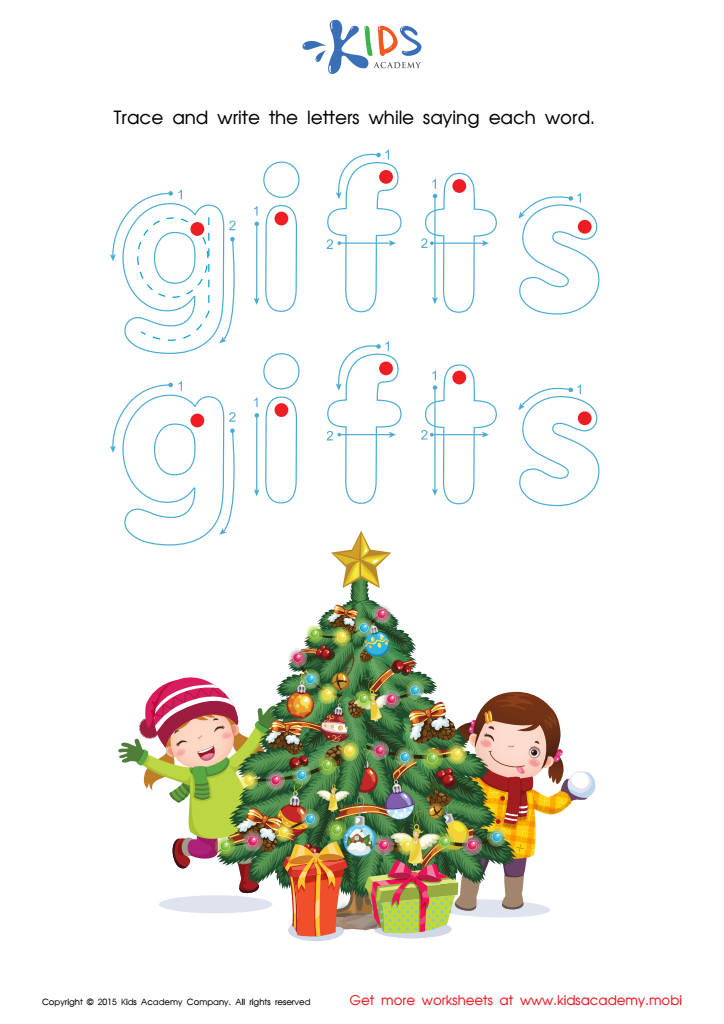
Christmas Tree Tracing Winter Words Worksheet
 Assign to My Students
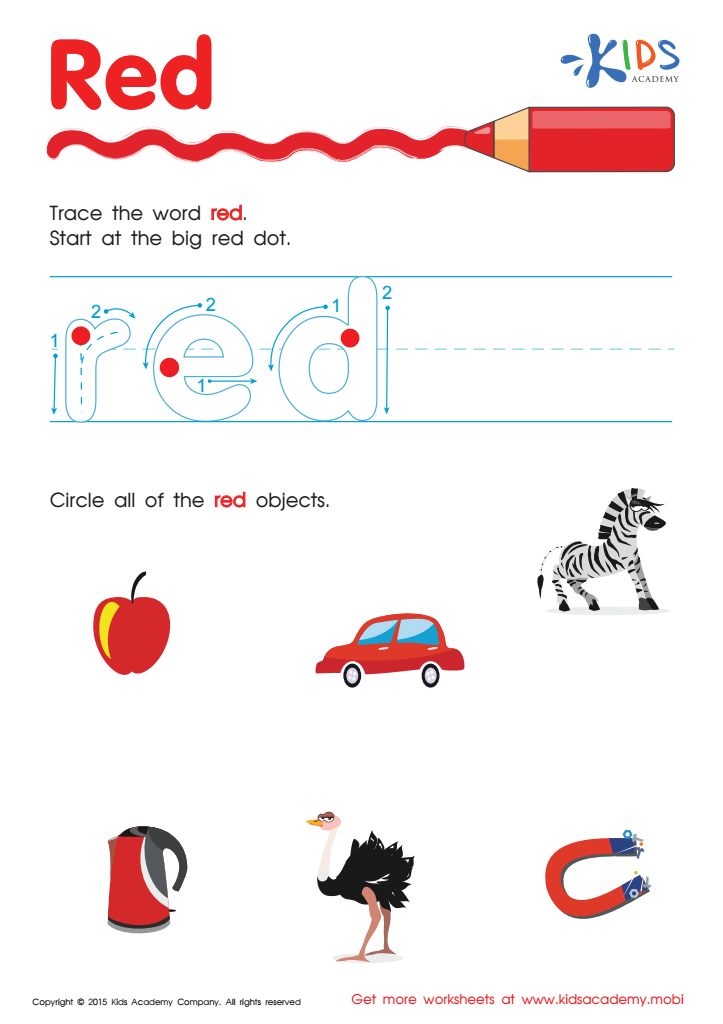
Red Tracing Color Words Printable
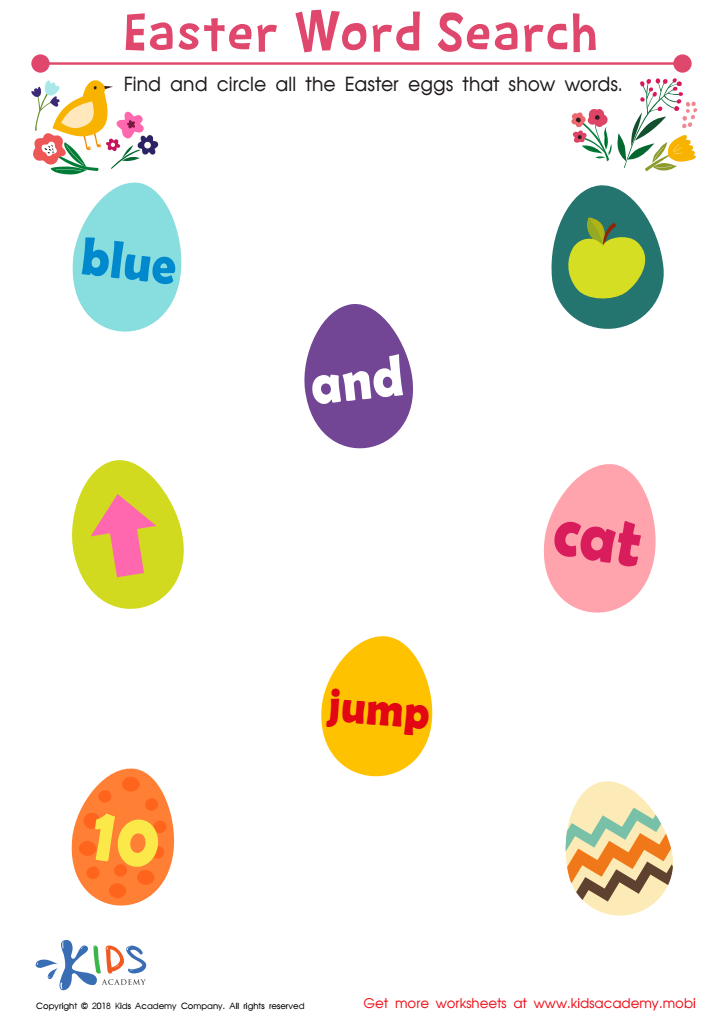
Easter Word Search Worksheet


.jpg)



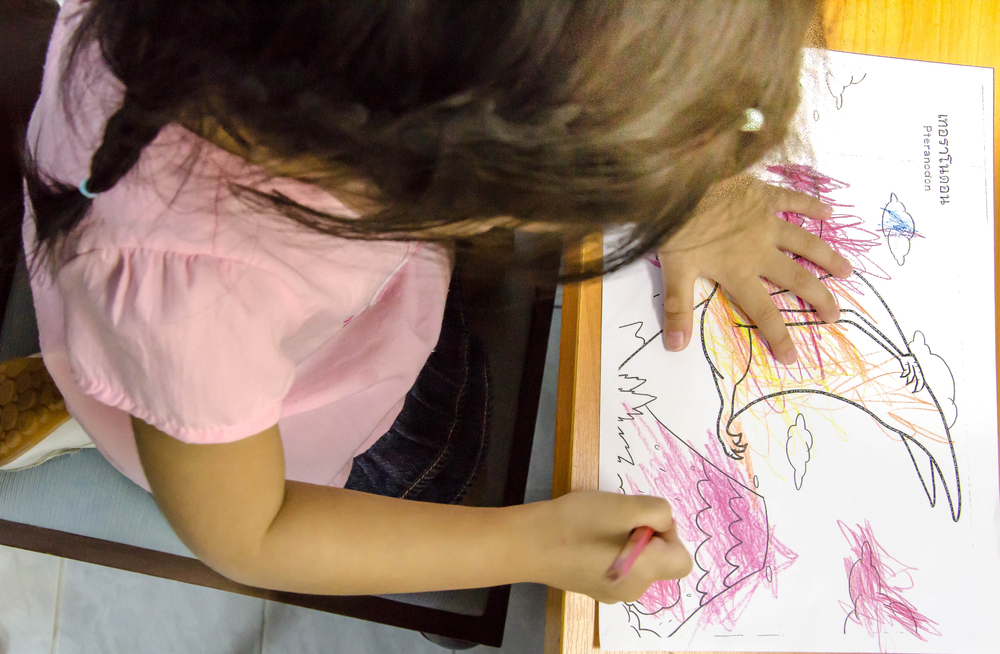

Color identification and writing are essential skills that play an important role in the cognitive and emotional development of children aged 4-5. At this age, children are naturally curious and ready to explore the world around them, making it the perfect time to introduce concepts that will serve as building blocks for future learning.
Firstly, color identification enhances visual discrimination, which is the ability to notice and distinguish subtle differences in visual traits such as shape, pattern, and color. This skill is crucial for reading and math. Understanding colors also boosts a child's vocabulary and language skills; when children learn the names of colors, they're expanding their descriptive vocabulary.
Additionally, writing is another pivotal skill that marks a transition from mere recognition to the application of knowledge. Learning to write the names of colors reinforces fine motor skills and hand-eye coordination, which are essential for all types of writing activities. Writing exercise fosters concentration and memory.
Emotionally, knowing about colors allows children to express themselves more accurately. Colors often carry emotional meaning, and being able to identify and articulate these can help children communicate their feelings.
By focusing on color identification and writing, parents and teachers provide children with foundational skills that promote academic readiness and personal expression, setting the stage for a successful learning journey.








