Spelling practice Vowels Worksheets for Ages 4-6
21 filtered results
-
From - To
Enhance your child's spelling skills with our engaging Vowel Worksheets designed specifically for ages 4-6! These worksheets make learning fun and interactive, helping young learners master the essential vowel sounds in a playful way. Each activity provides various exercises to improve spelling proficiency, while reinforcing phonetic awareness. Our thoughtfully crafted worksheets cater to different learning styles, ensuring that your child stays motivated and enthusiastic about learning. Whether at home or in the classroom, our Spelling Practice Vowels Worksheets are perfect for building a strong foundation in reading and writing. Empower your little ones to become confident spellers today!
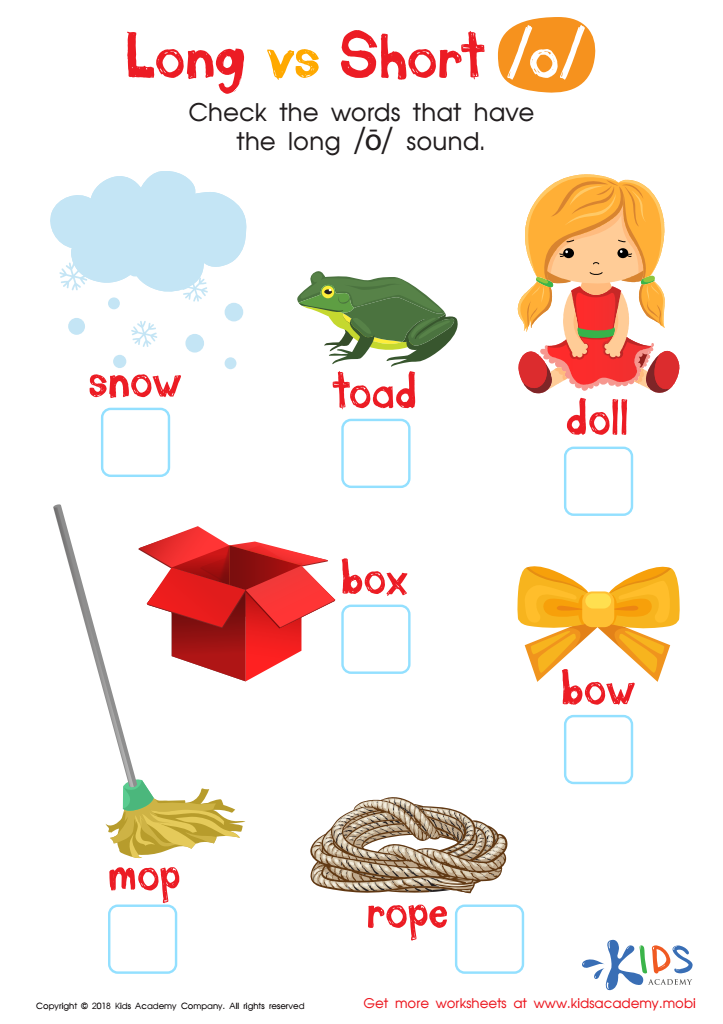
Long vs Short O Reading Worksheet
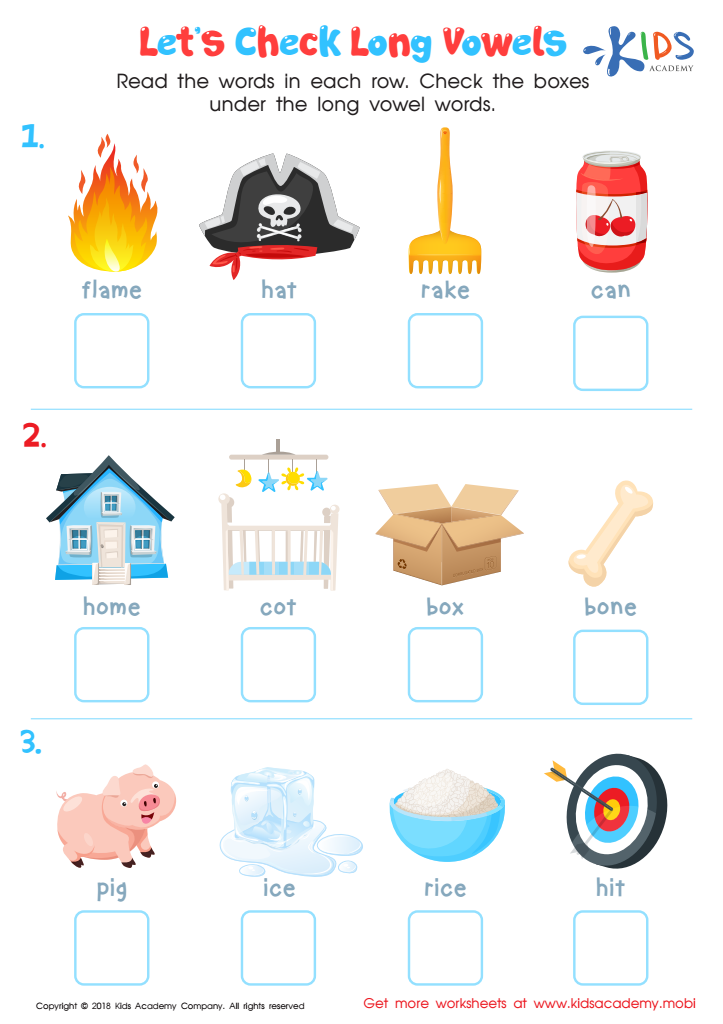
Let's Check Long Vowels: Assessment Worksheet
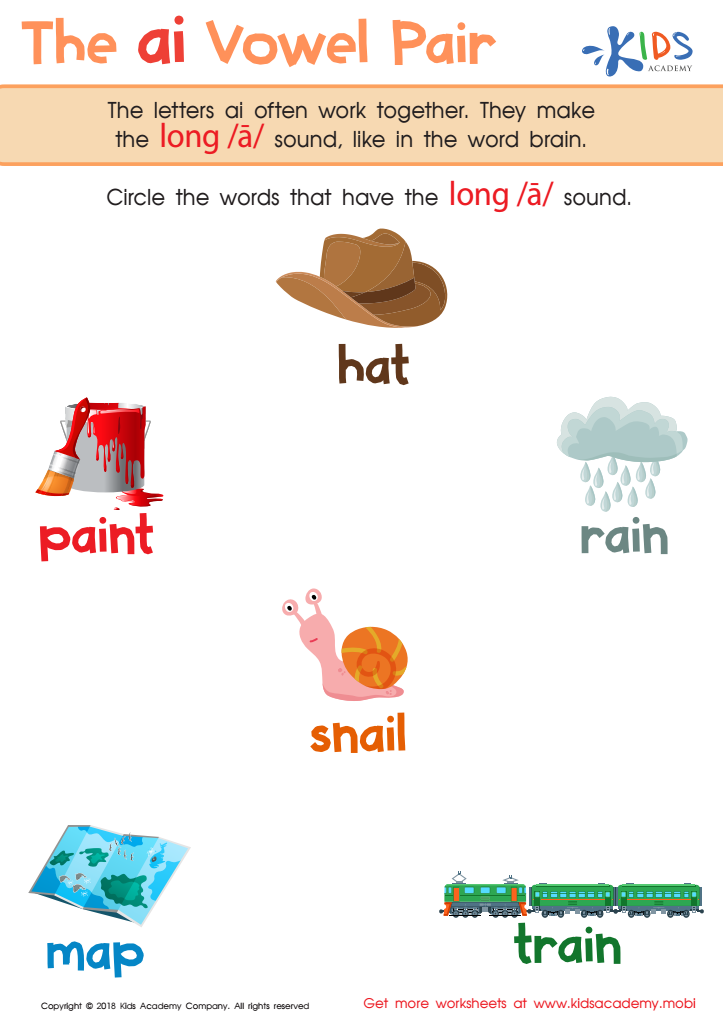
The AI Vowel Pair Worksheet
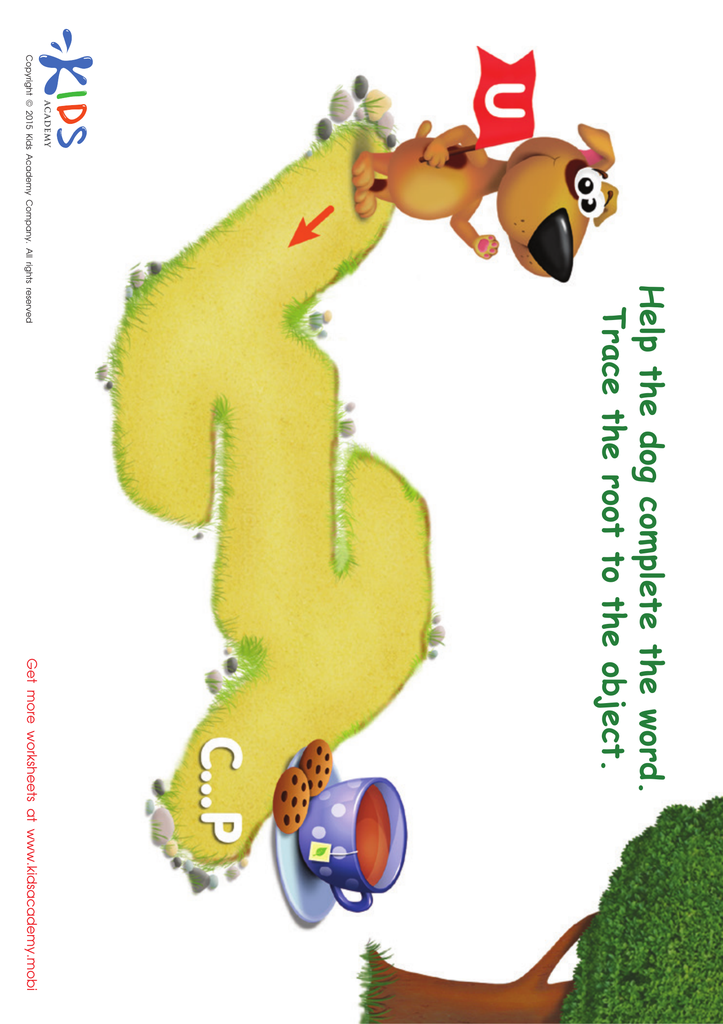
Short Vowel Sound U Worksheet Worksheet
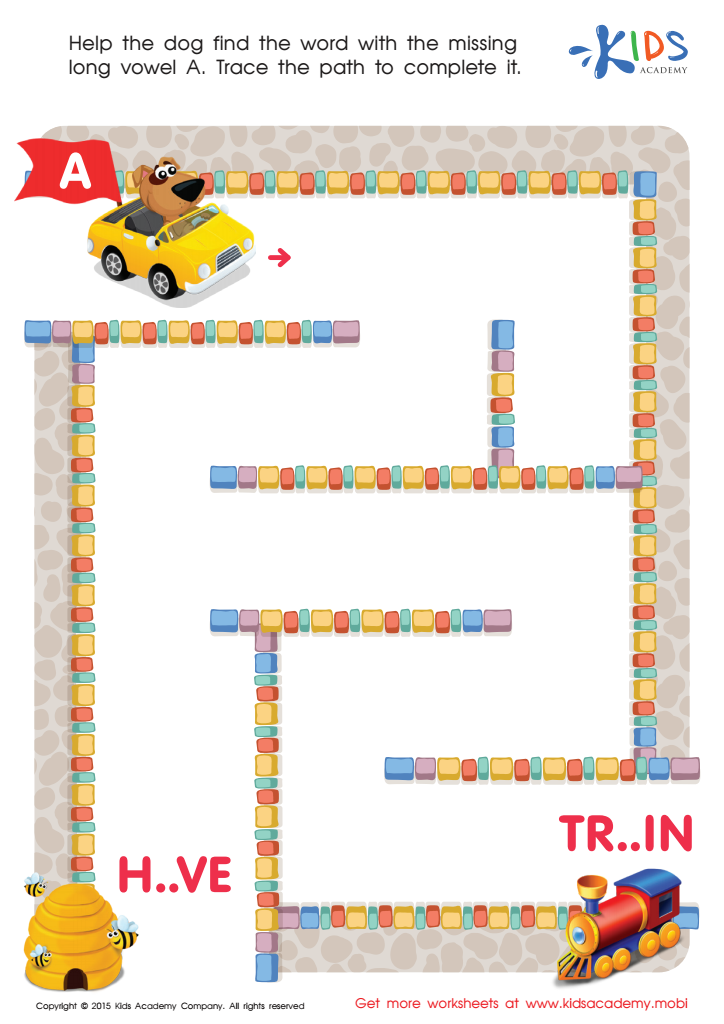
Long Vowel Sound A Worksheet
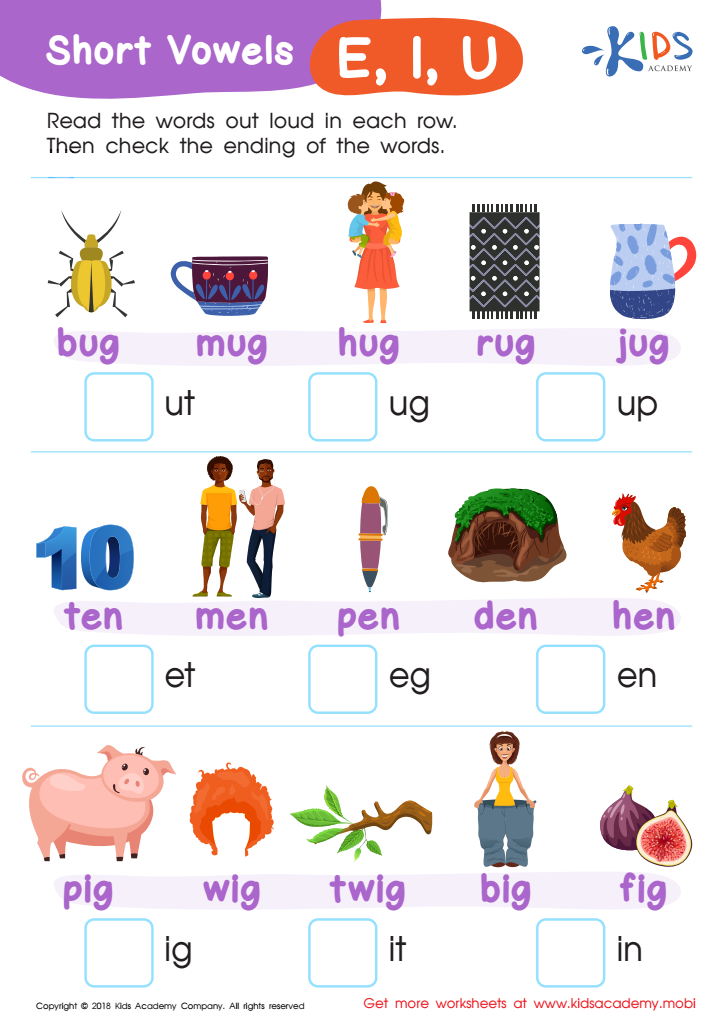
Short Vowels /e/, /i/, and /u/ Worksheet
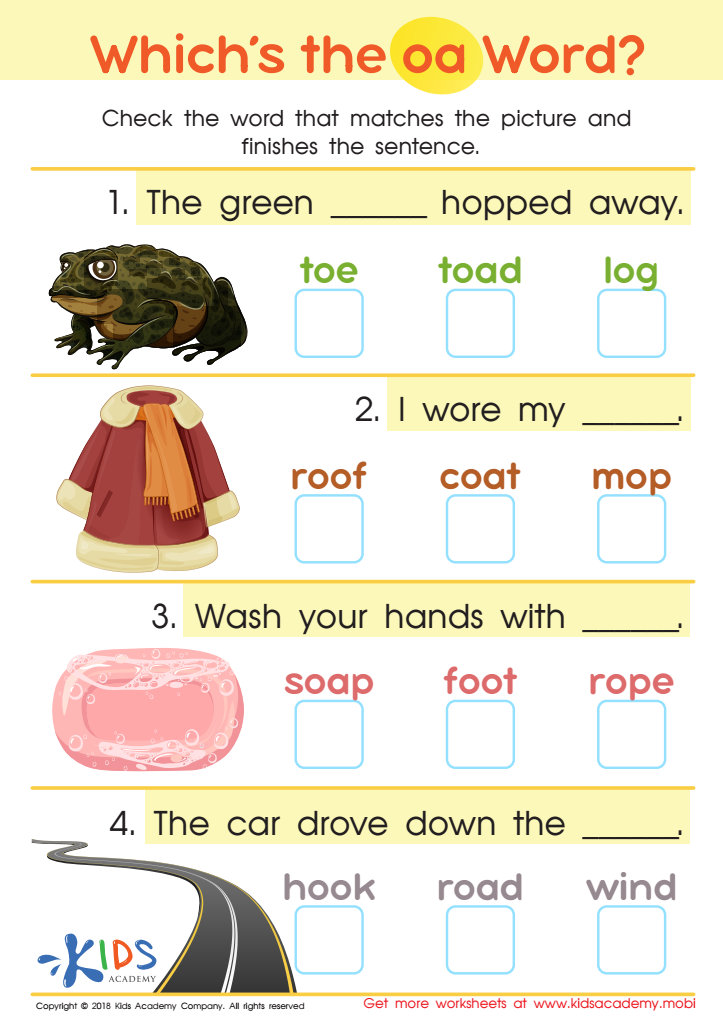
Which's the OA Word? Worksheet
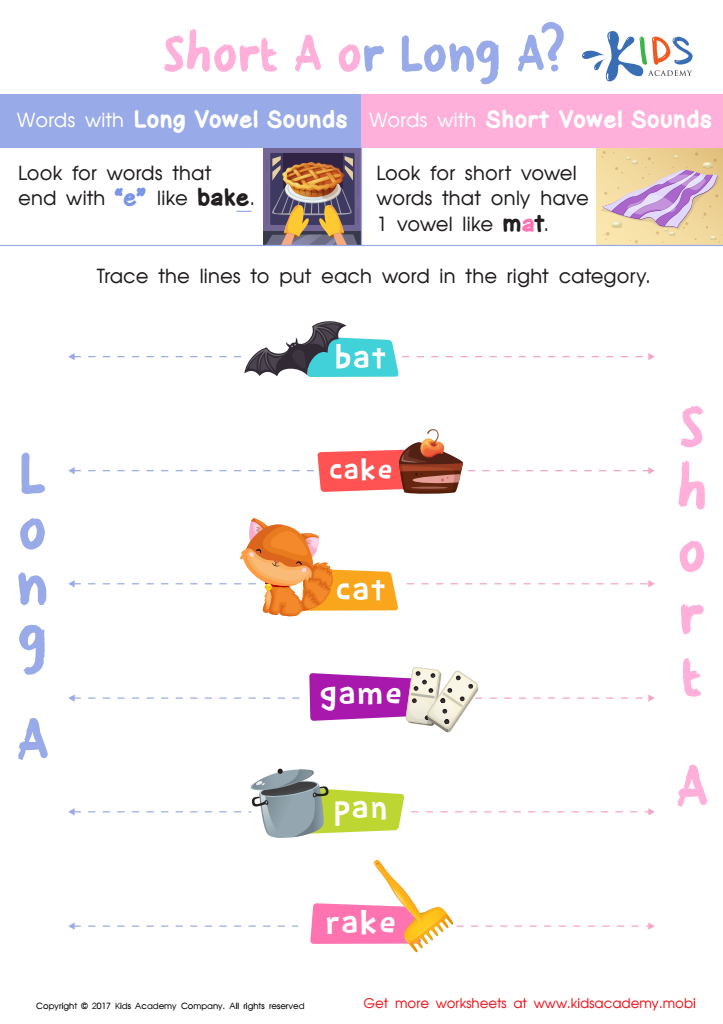
Short /a/ or Long /a/? Worksheet
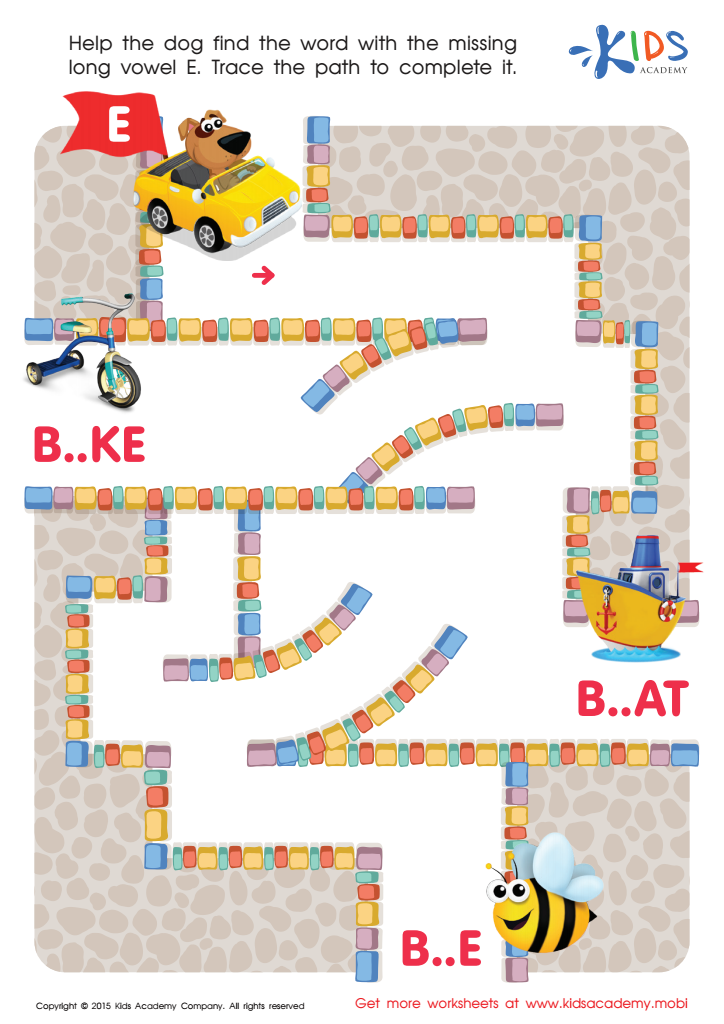
Long Vowel Sound E Worksheet
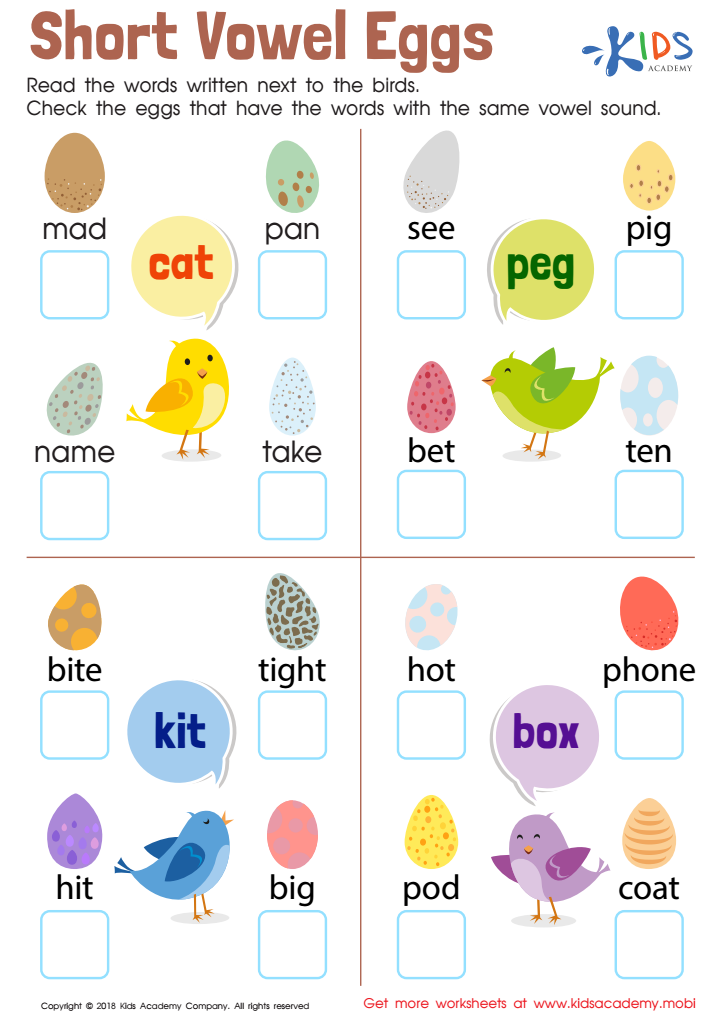
Short Vowel Eggs Worksheet
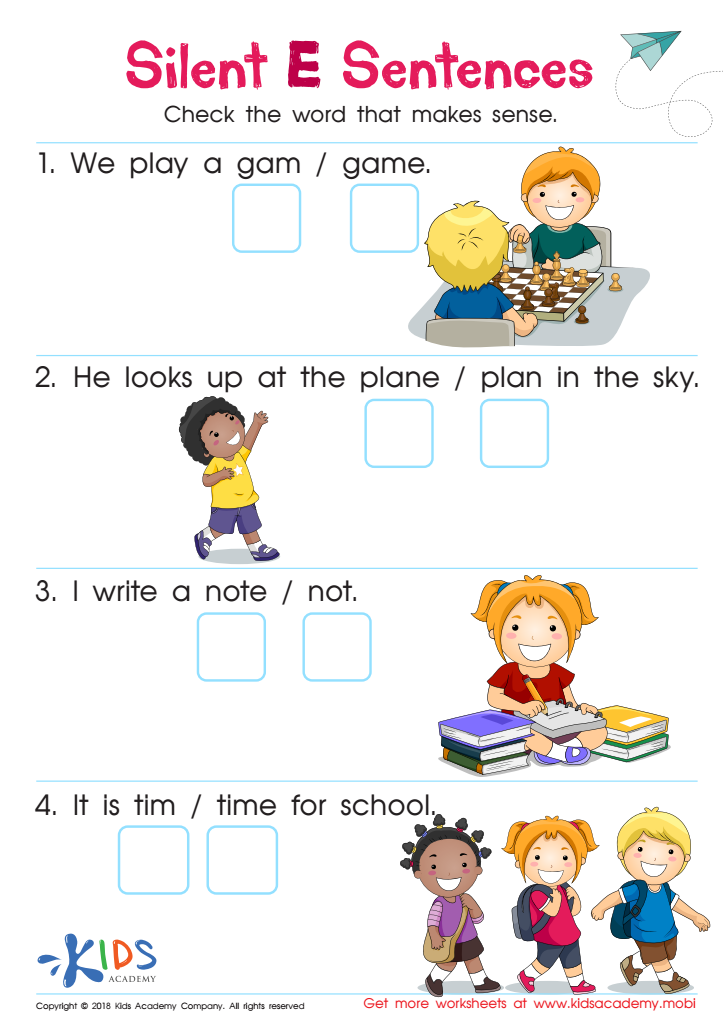
Silent E Sentences Worksheet
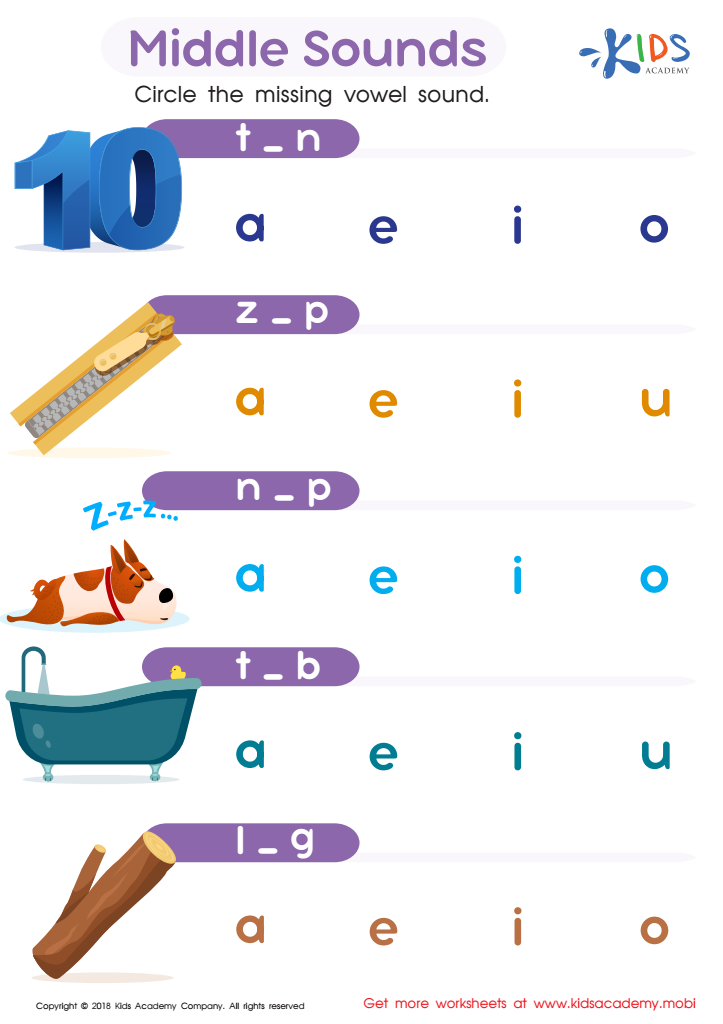
Middle Sounds Worksheet
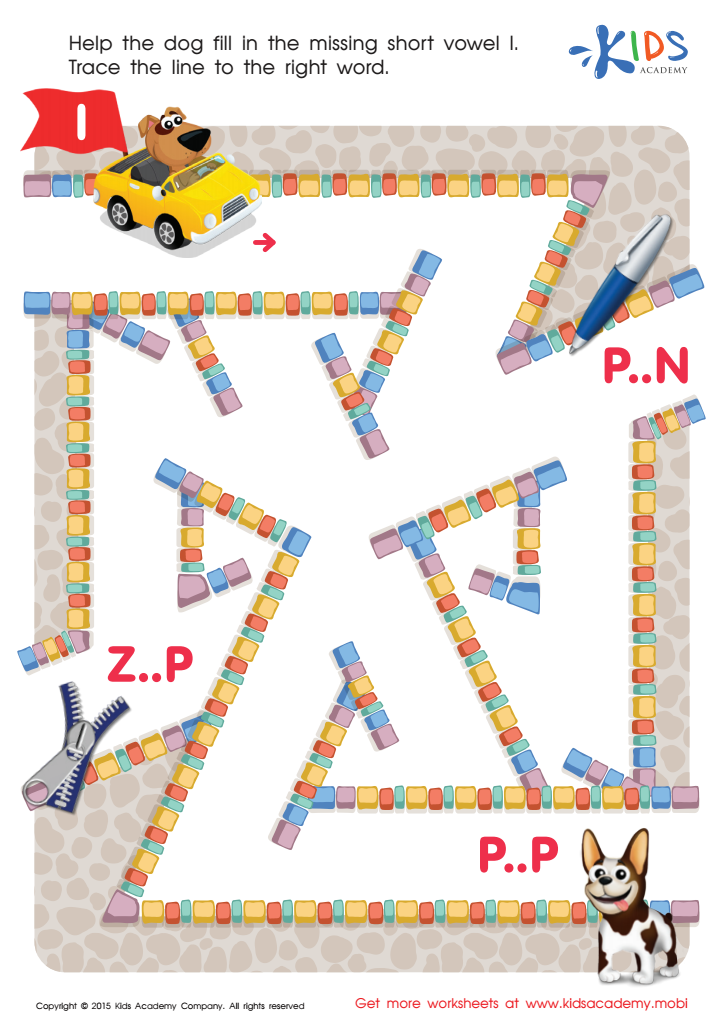
Short Vowel Sound I Worksheet
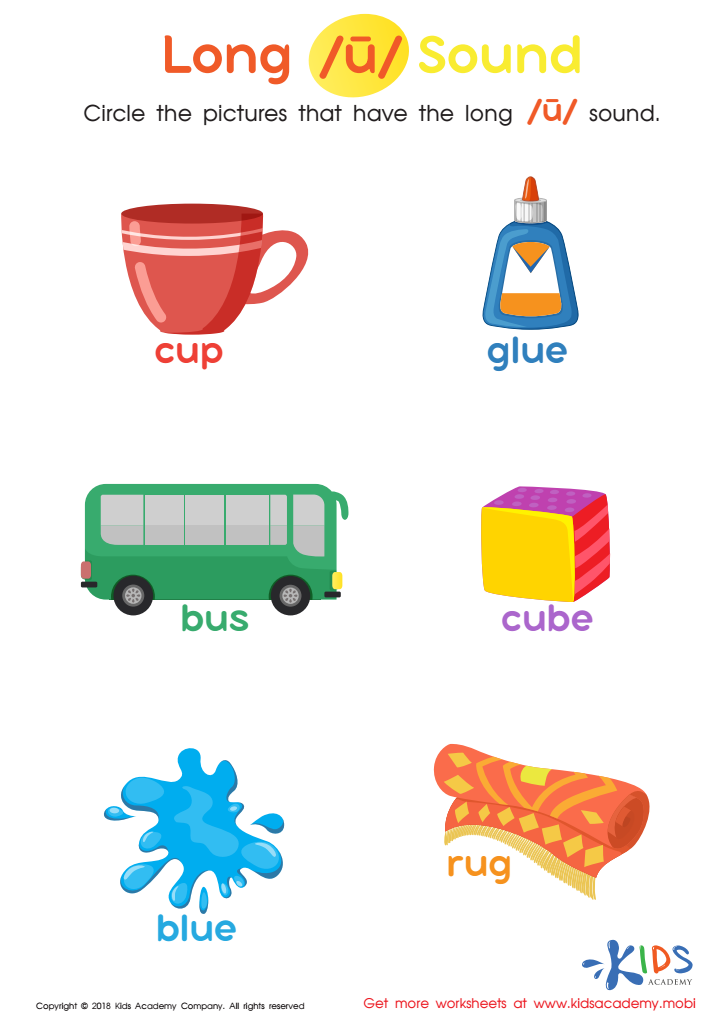
Long «u» Sound Worksheet
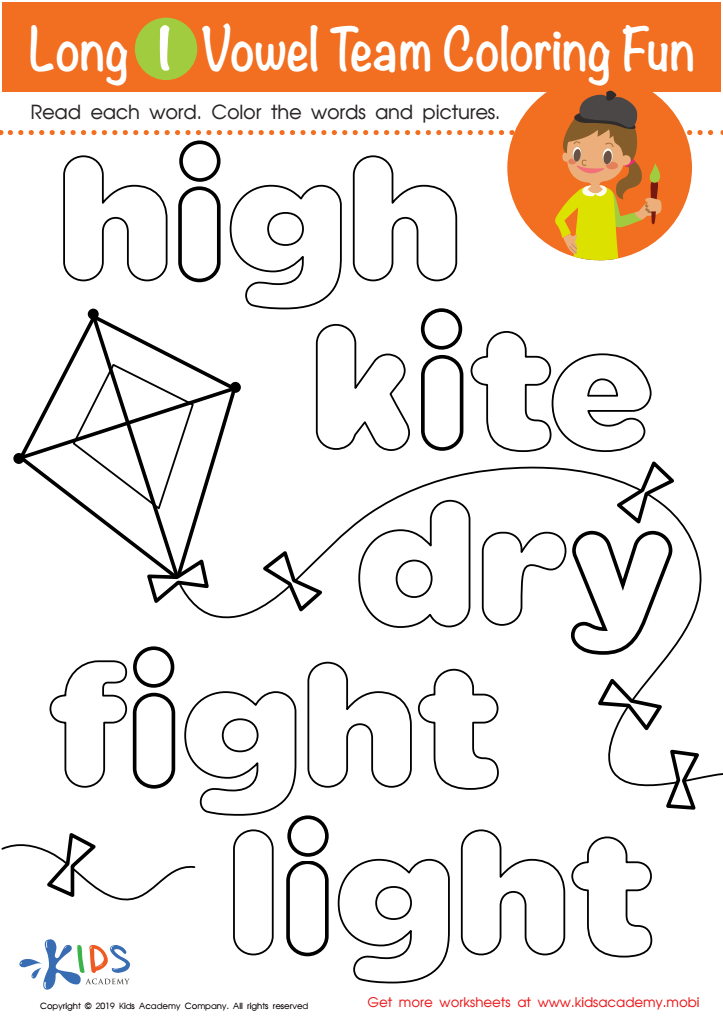
Long I Vowel Team Coloring Worksheet
 Assign to My Students
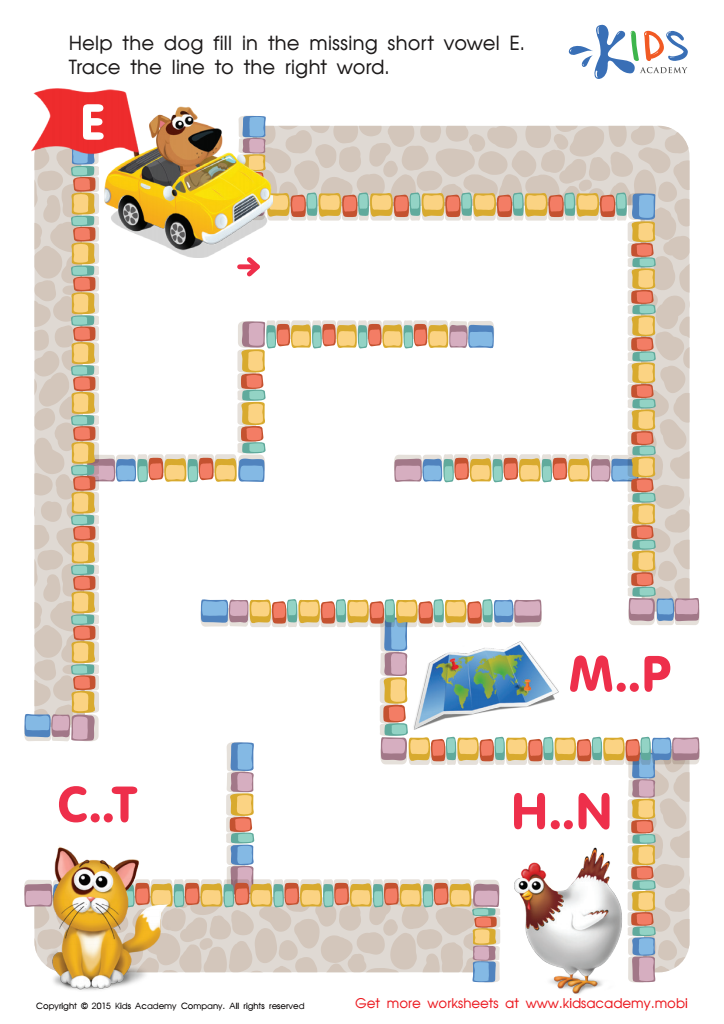
Short Vowel Sound E Worksheet
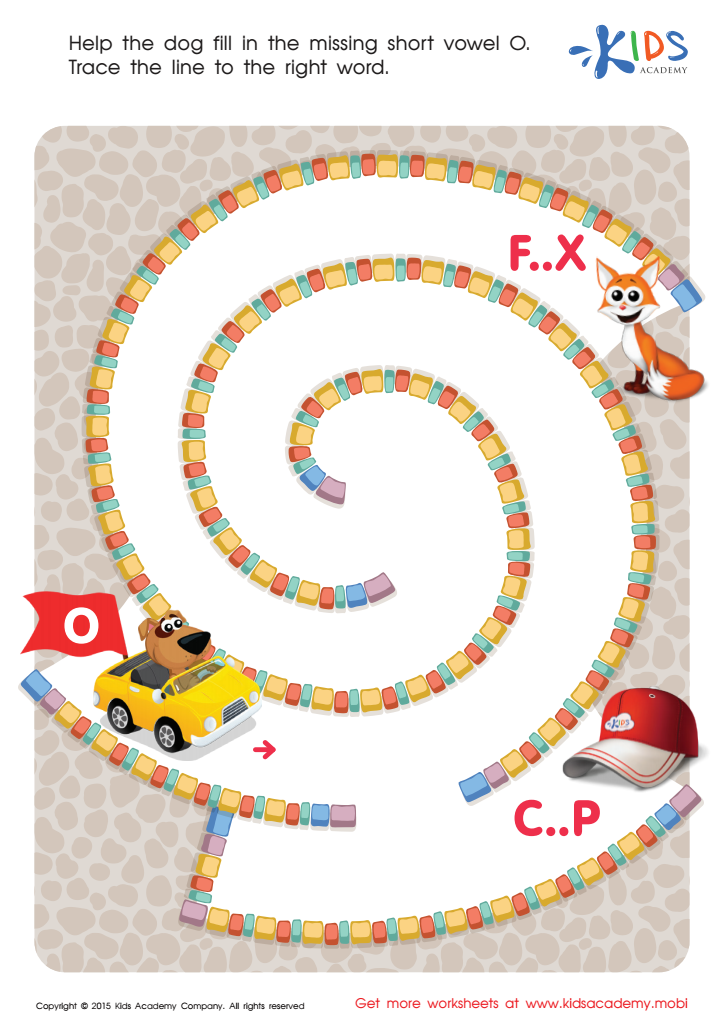
Short Vowel Sound O Worksheet
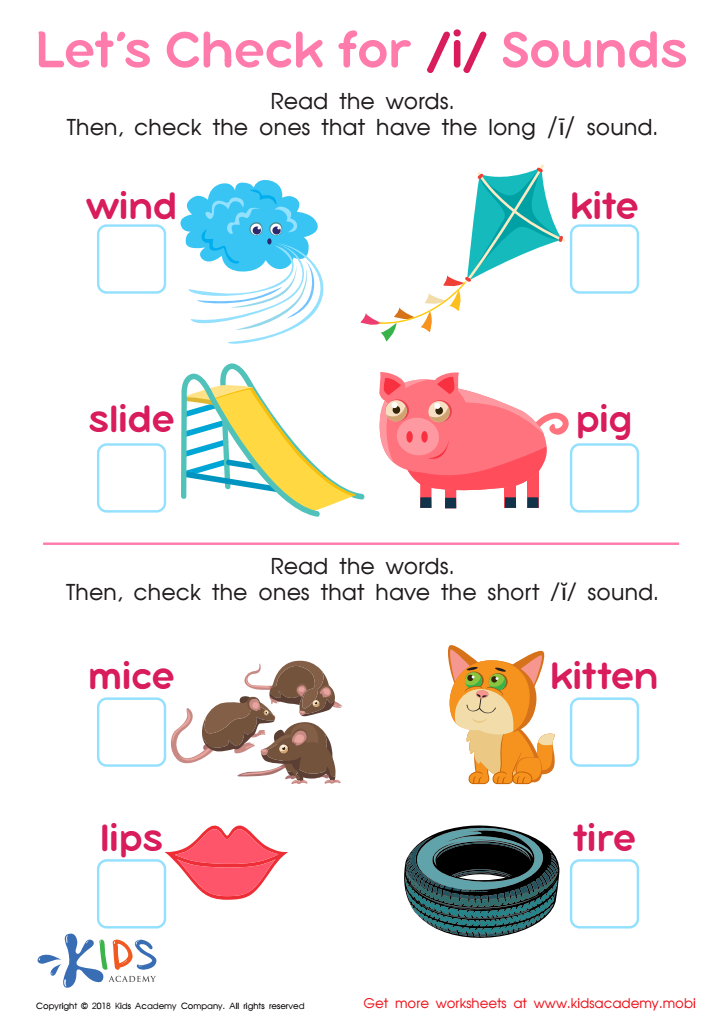
Let's Check for «i» Sounds Worksheet
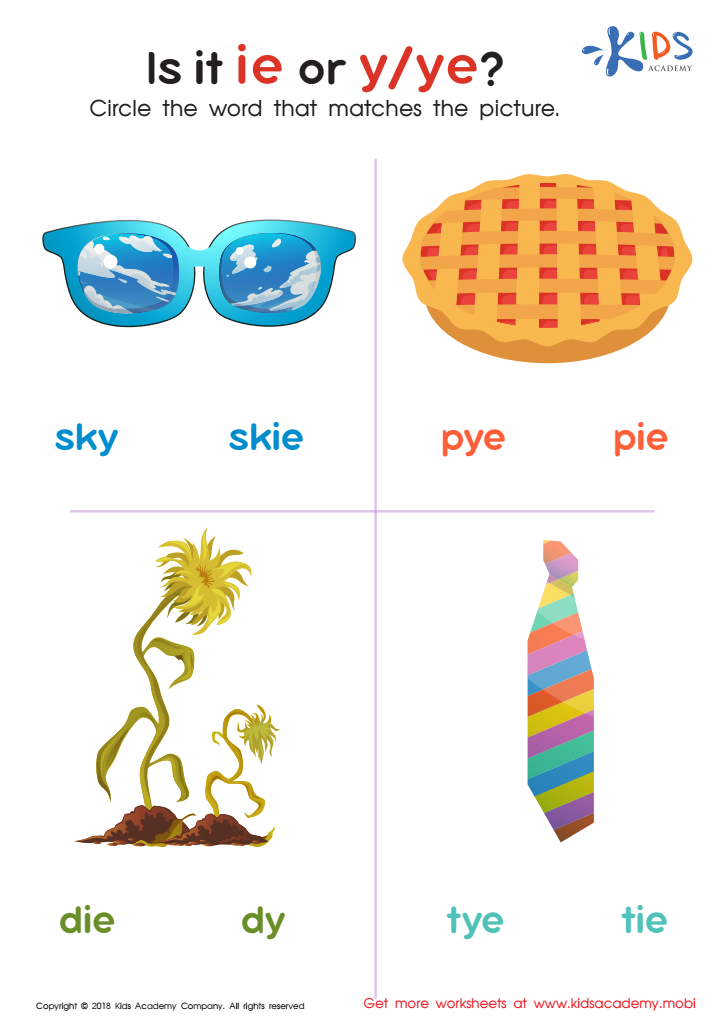
Is It IE or Y/Ye? Worksheet
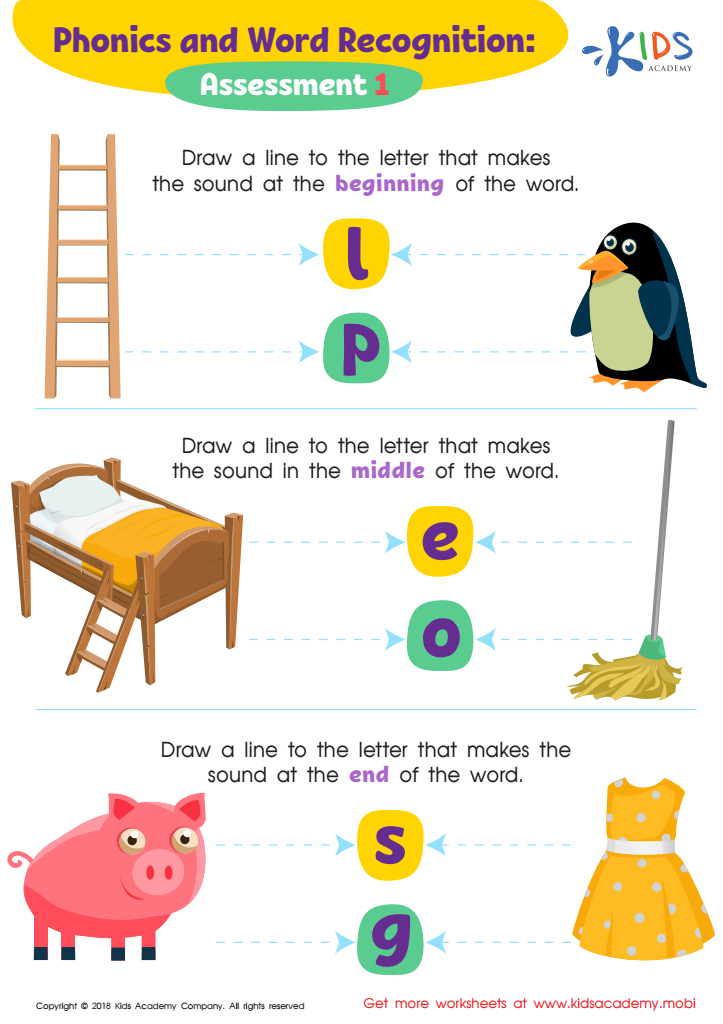
Phonics and Word Recognition: Assessment 1 ELA Worksheet
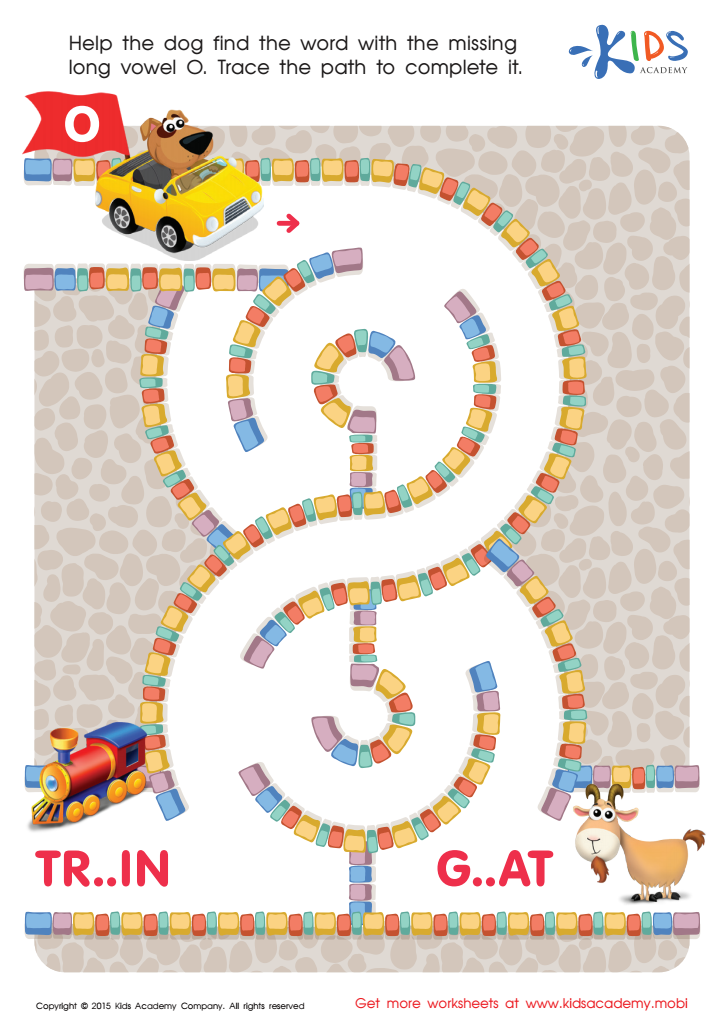
Long Vowel Sound O Worksheet





Spelling practice, particularly focusing on vowels, is crucial for children aged 4-6 for several reasons. First, vowels form the backbone of most words in the English language. Understanding how vowels function — their sounds and positions — helps children develop strong phonetic awareness, which is essential for reading and writing.
At this age, children are in a critical period for language development. Engaging them in fun spelling activities that focus on vowels can enhance their communication skills, helping them express their thoughts more clearly. Additionally, practicing spelling helps improve their memory and cognitive skills, fostering their ability to recognize patterns in language.
Moreover, establishing good spelling habits early on encourages confidence in literacy skills. Children who are proficient with vowels will find reading easier, which can motivate them to explore books more and build a love for reading.
For parents and teachers, promoting vowel understanding can create a positive learning environment. Also, integrating vowel spelling games into playtime or lesson plans can make learning interactive, reinforcing important language skills in an enjoyable manner. By investing in these foundational literacy skills, caregivers are setting children on a path toward academic success and lifelong learning.