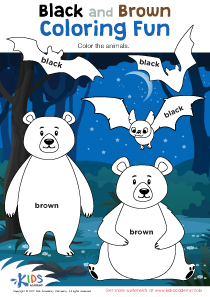
Handwriting practice English for Beginners Worksheets for Ages 4-6 - Page 2
43 filtered results
-
From - To
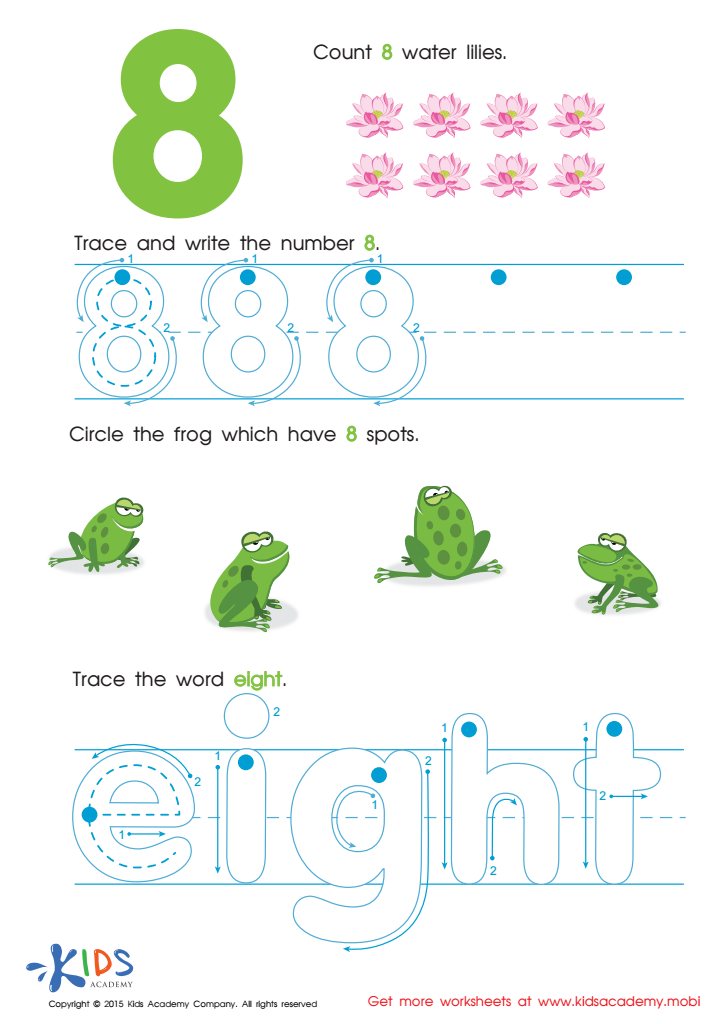
Learn Number 8 Easily Worksheet
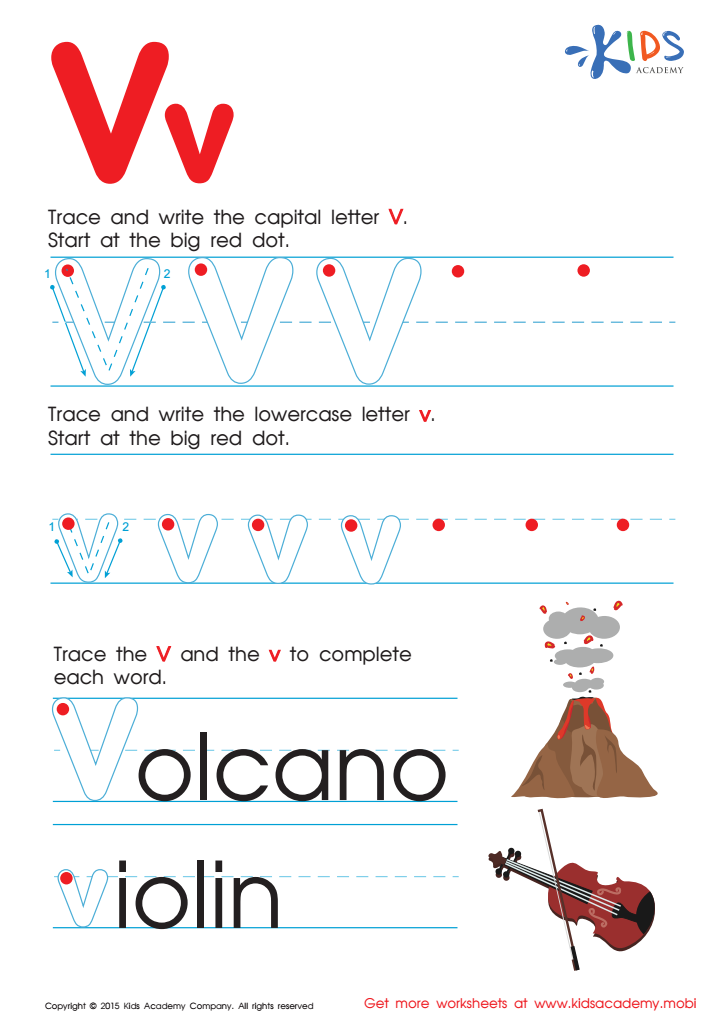
Letter V Tracing Page
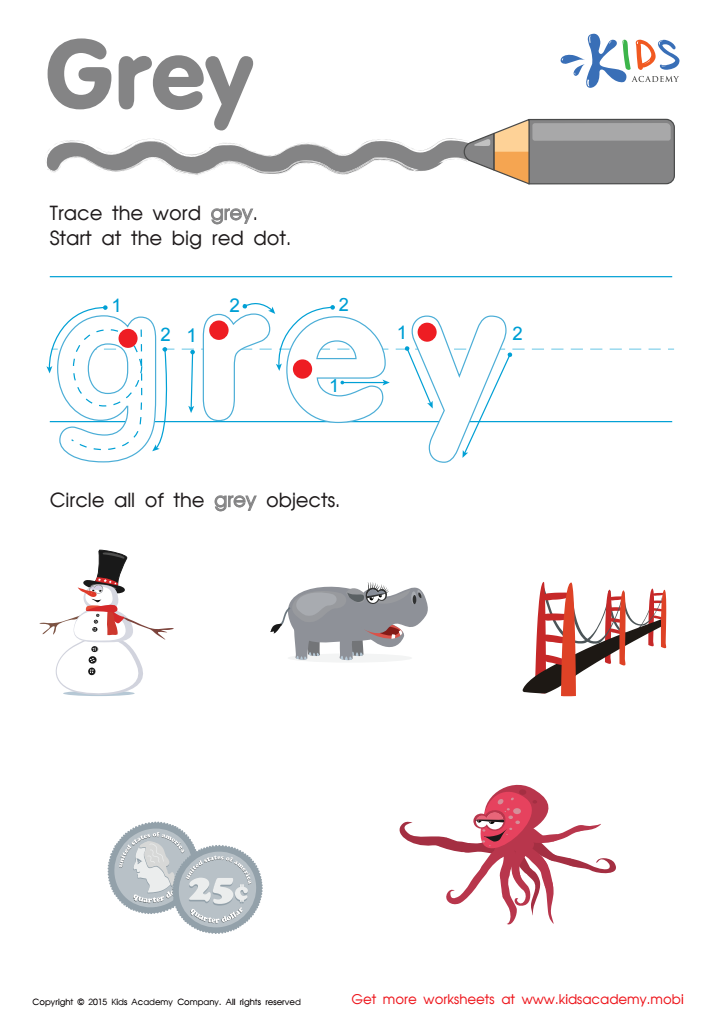
Grey Tracing Color Words Worksheet
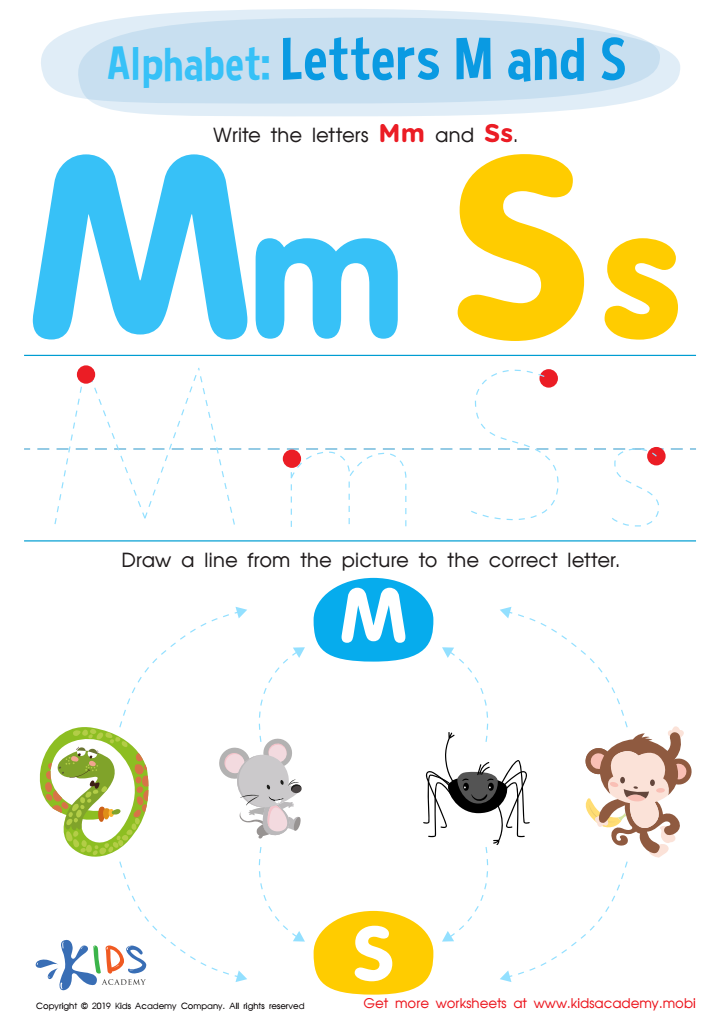
Letters M and S Tracing Worksheet
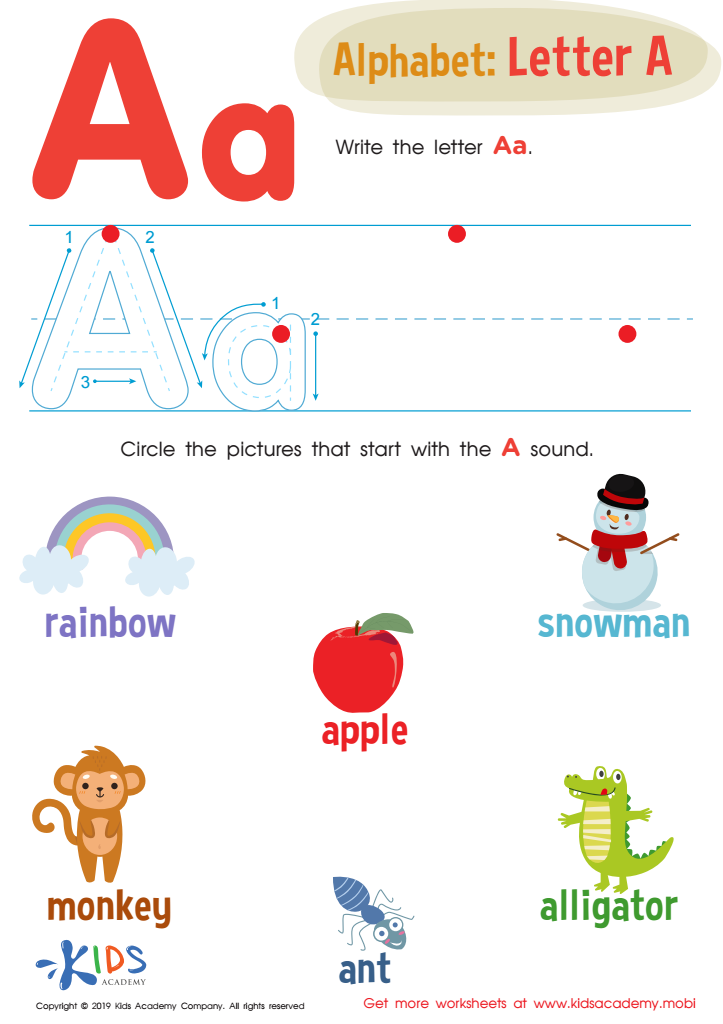
Letter A Tracing Worksheet
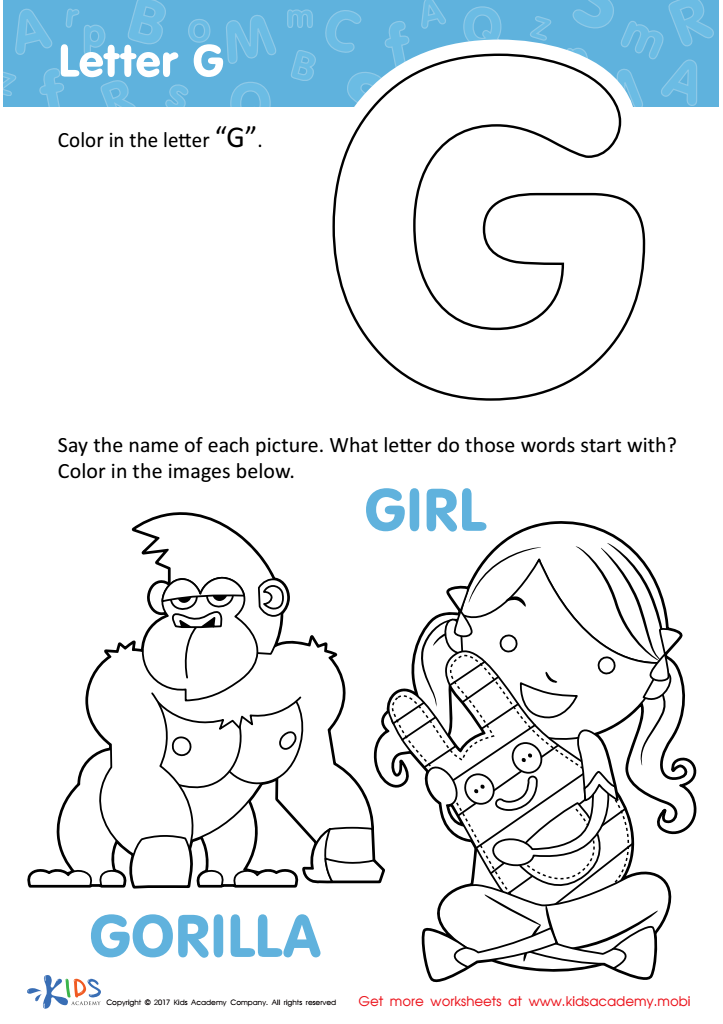
Letter G Coloring Sheet
 Assign to My Students
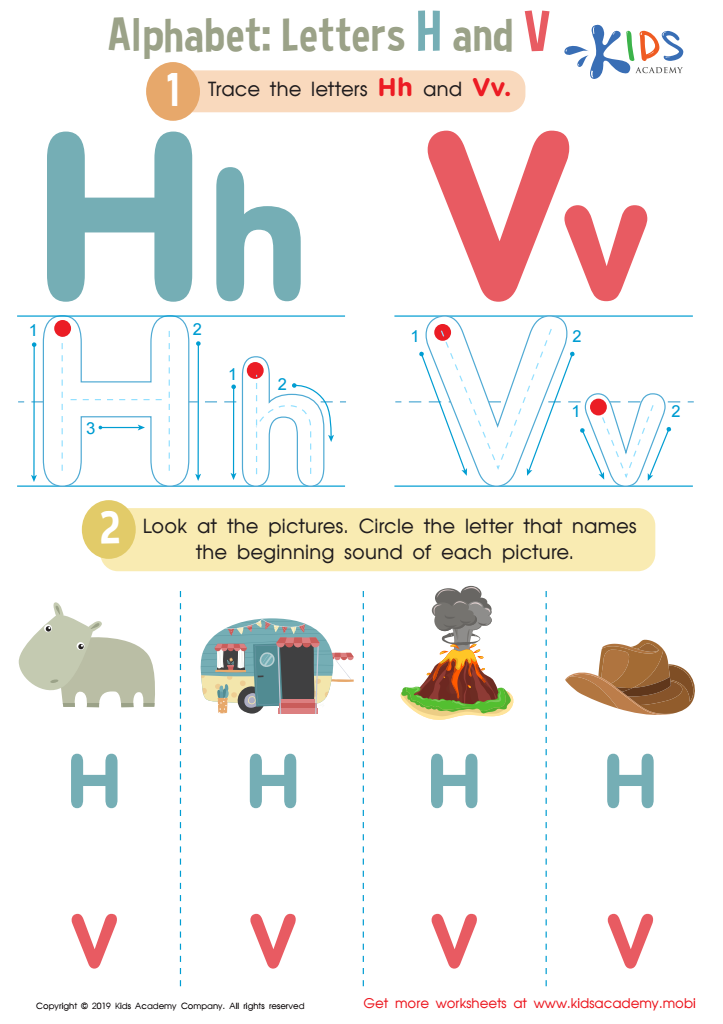
Letters H and V Tracing Worksheet
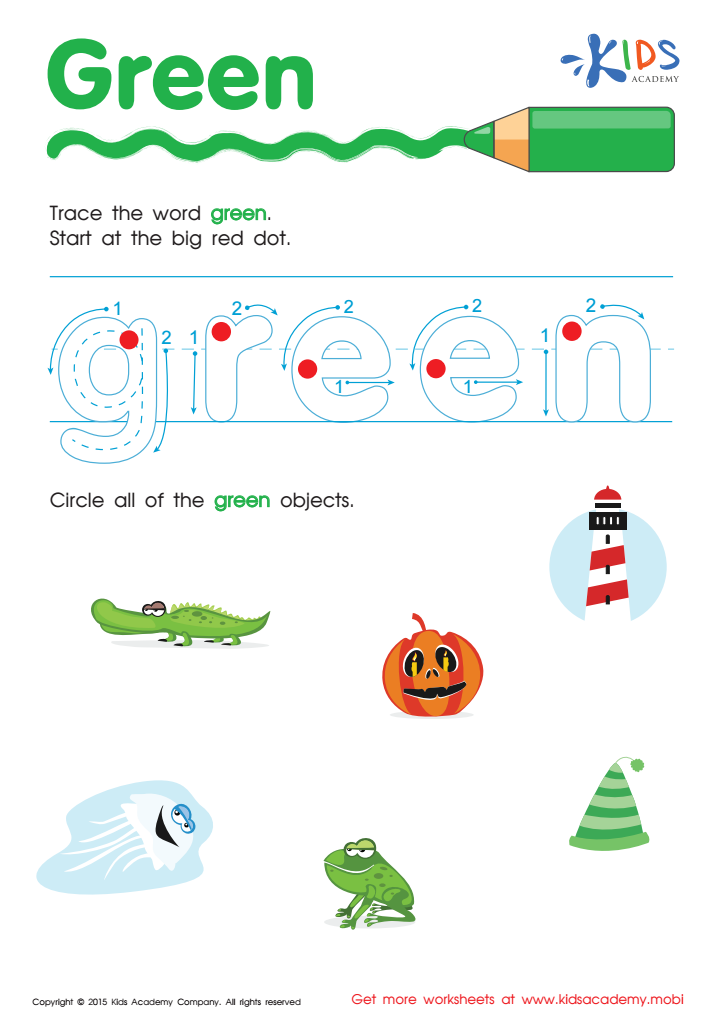
Green Tracing Color Words Worksheet
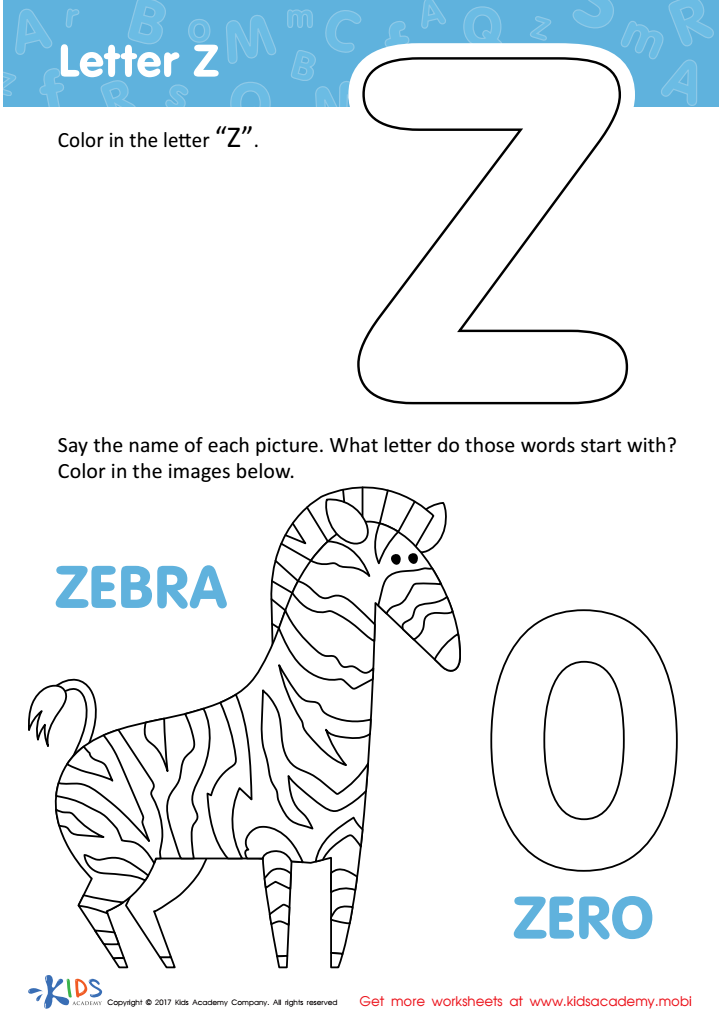
Letter Z Coloring Sheet
Assign to My Students
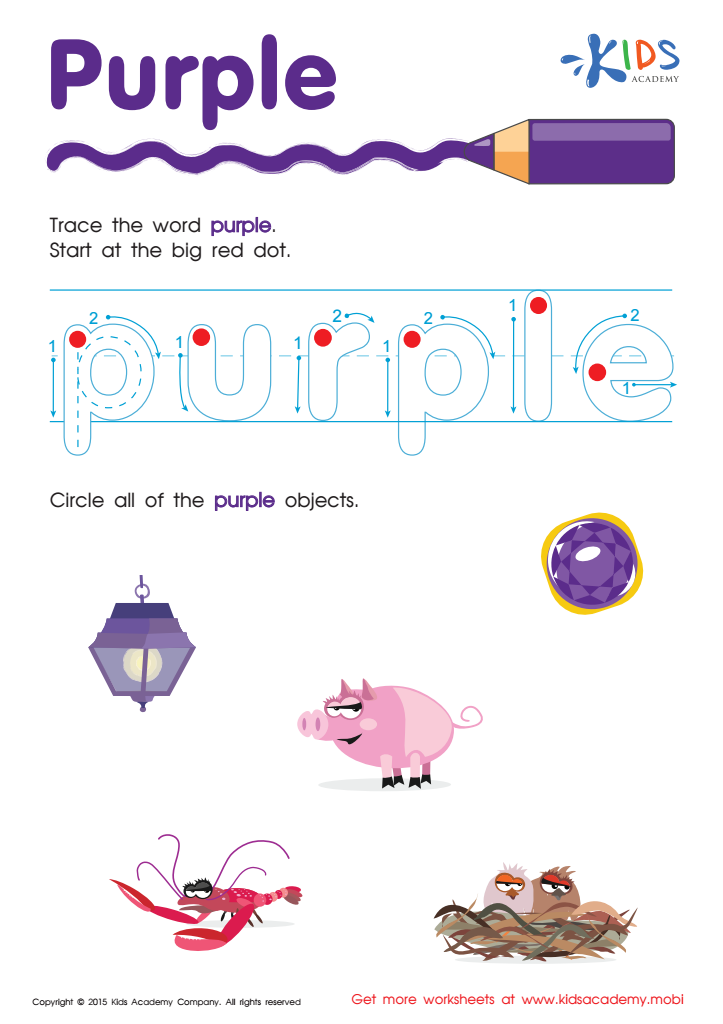
Purple Tracing Color Words Worksheet
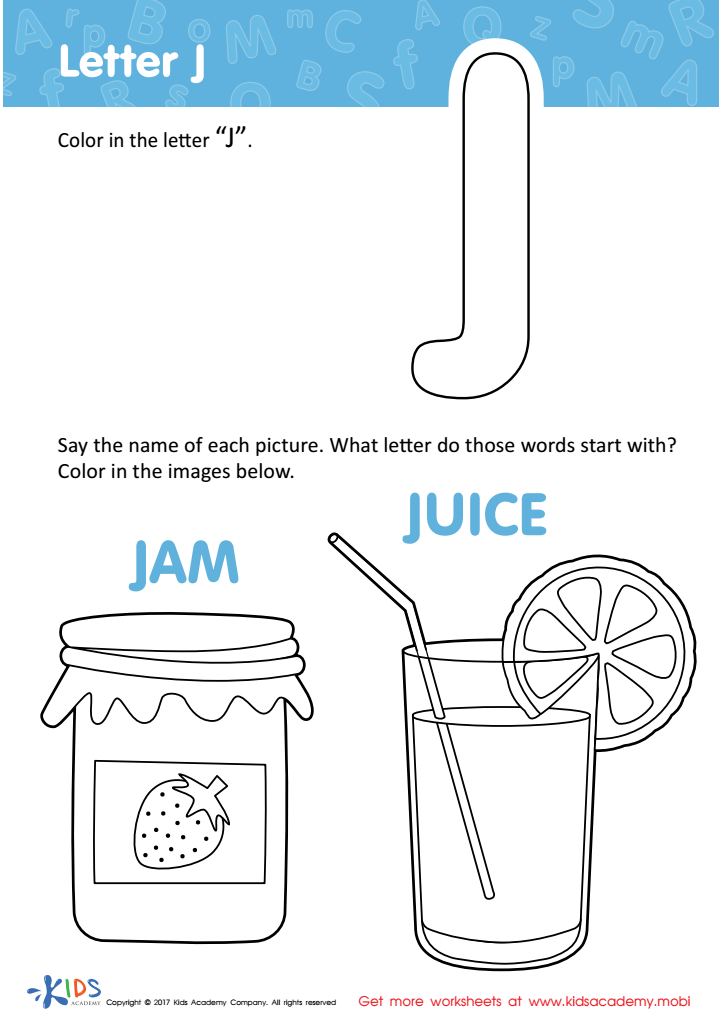
Letter J Coloring Sheet
Assign to My Students
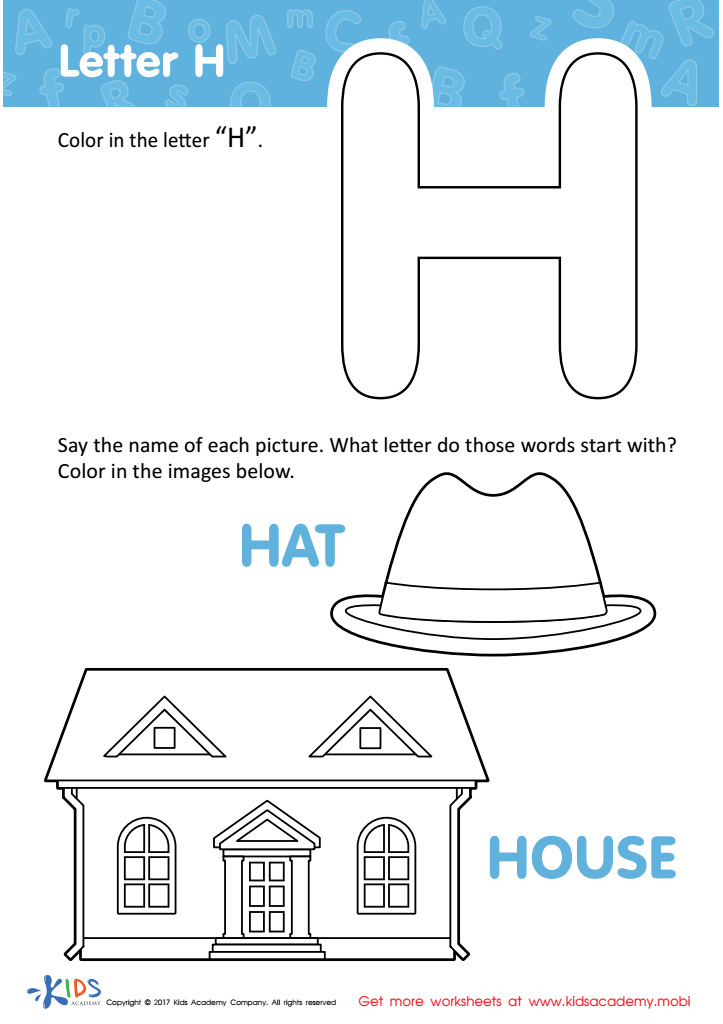
Letter H Coloring Sheet
Assign to My Students
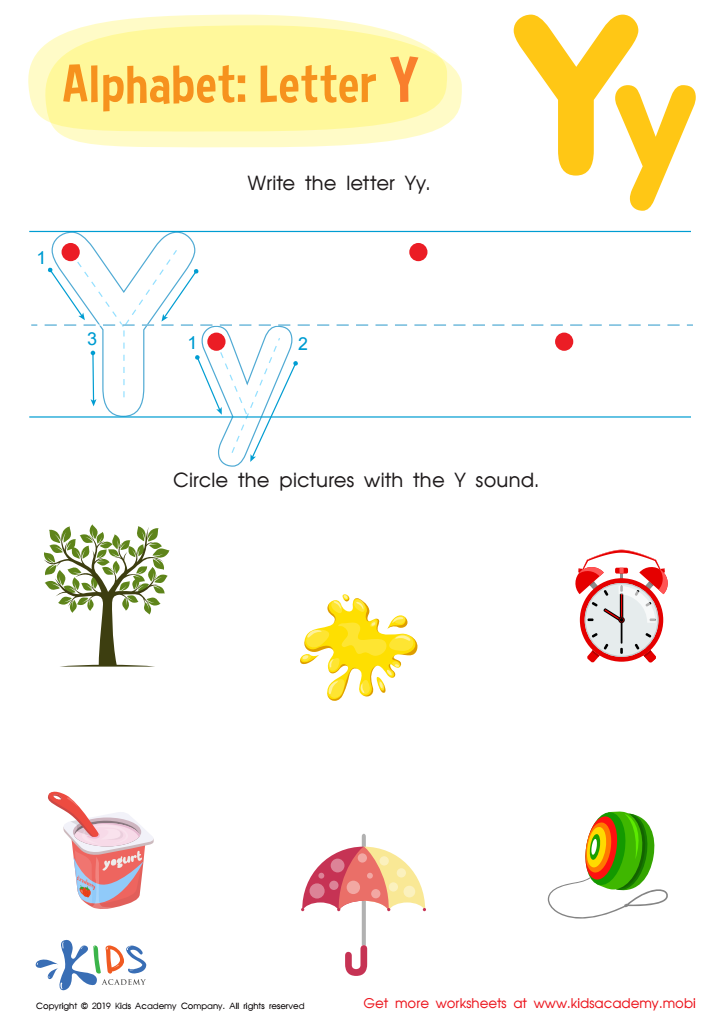
Letter Y Tracing Worksheet
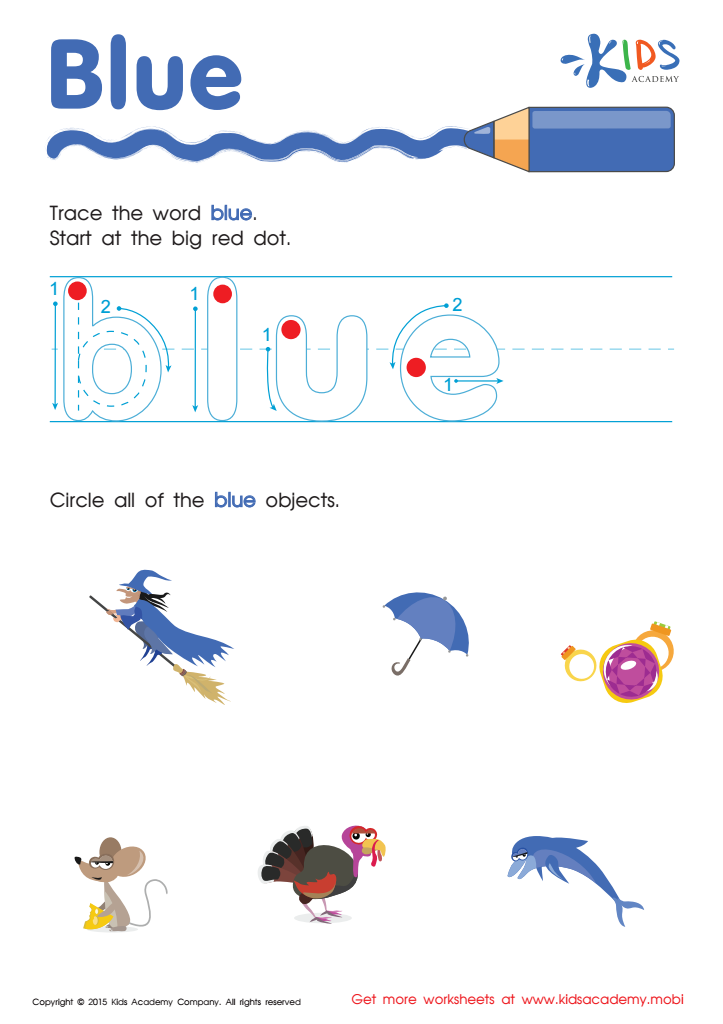
Blue Tracing Color Words Printable
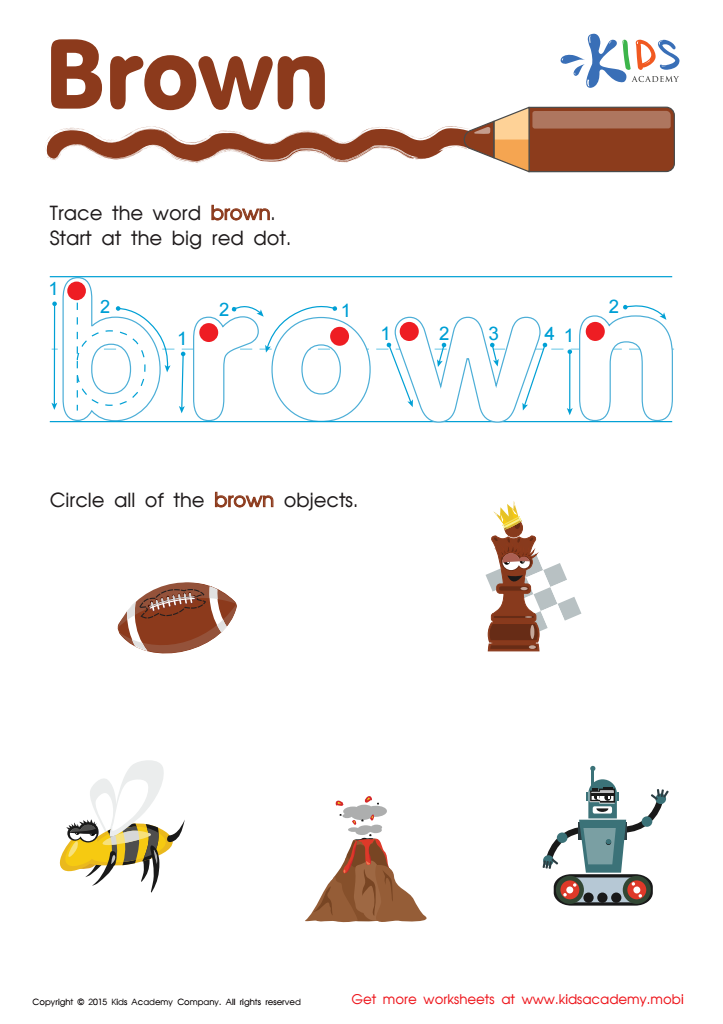
Brown Tracing Color Words Worksheet
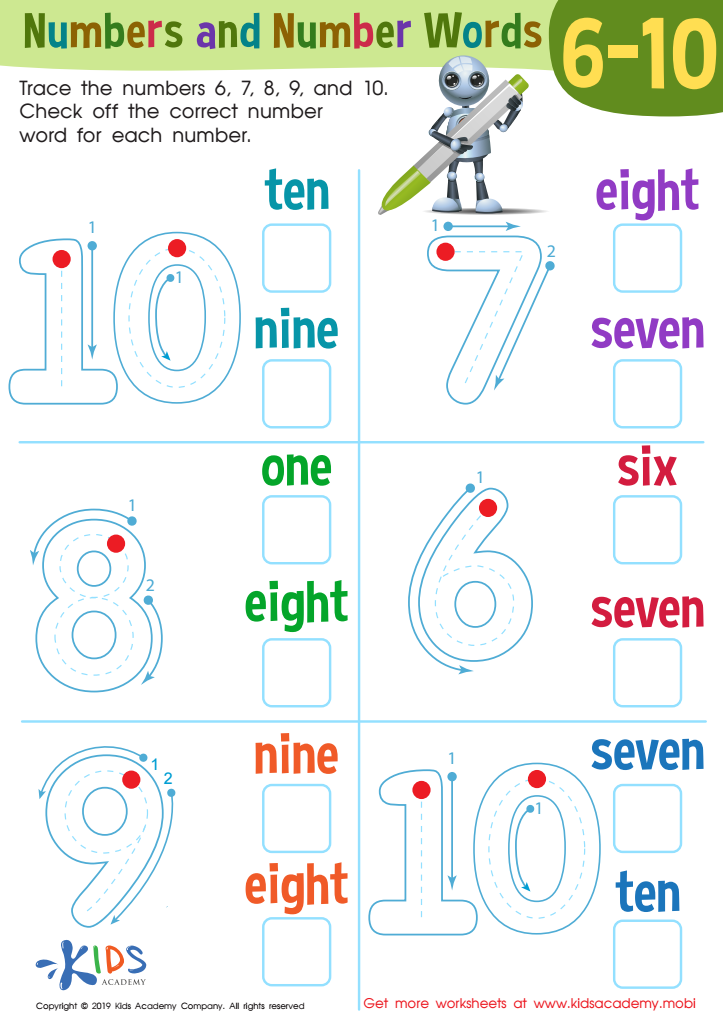
Numbers and Number Words 6–1 Worksheet
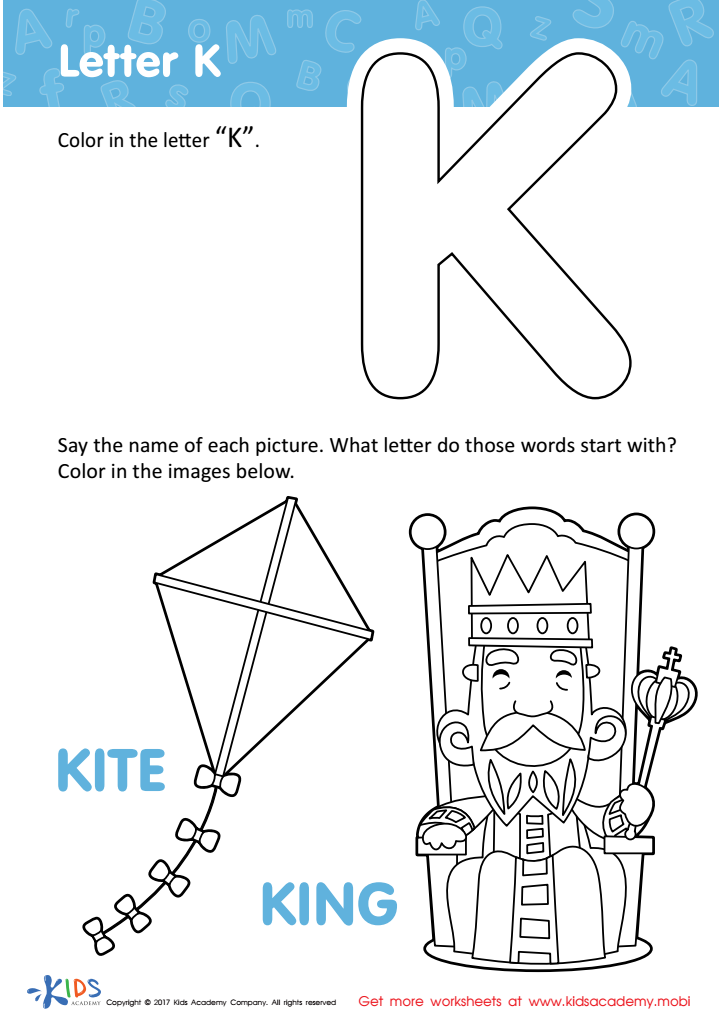
Letter K Coloring Sheet
Assign to My Students
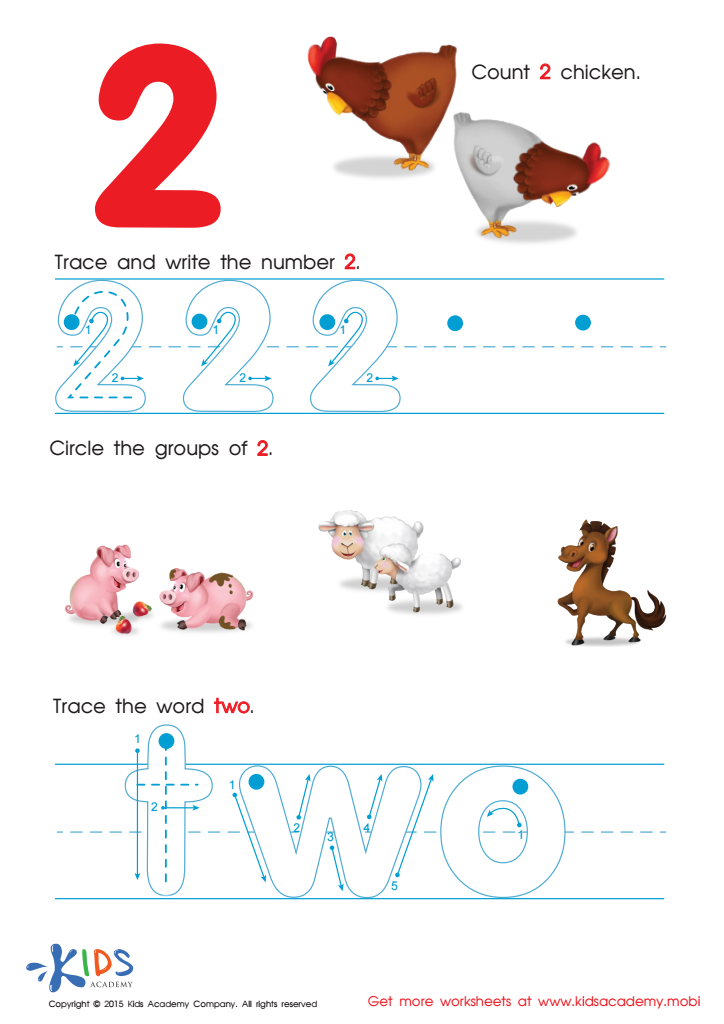
Learn to Write the Number 2 Worksheet
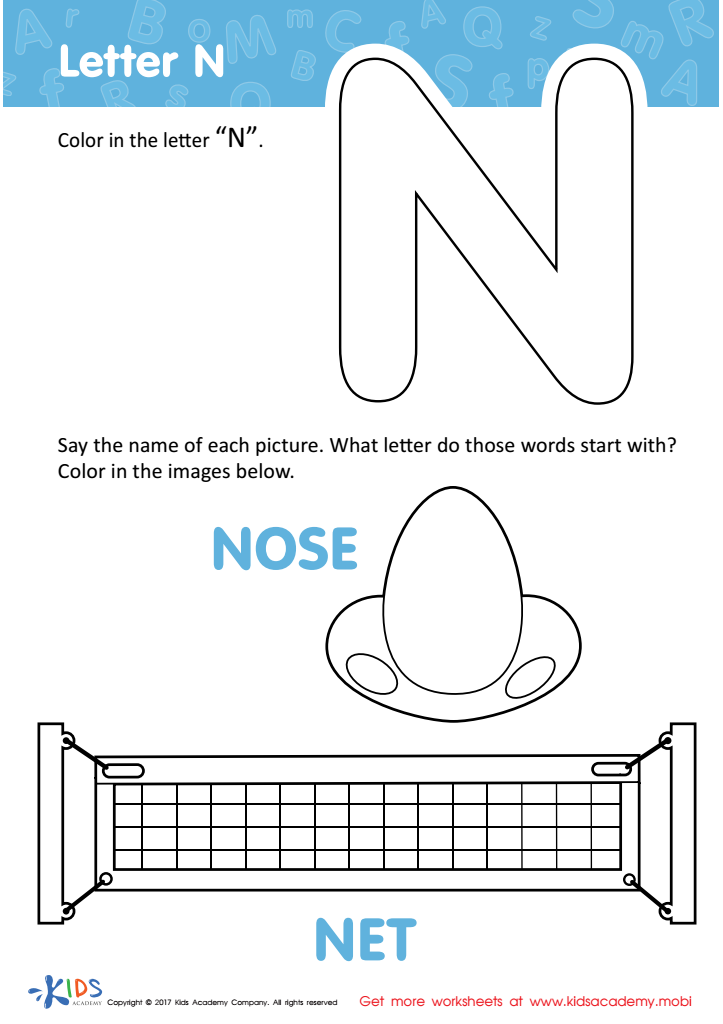
Letter N Coloring Sheet
Assign to My Students





Handwriting practice is a crucial component of learning for children aged 4-6, as it lays the foundation for fine motor skills and literacy development. At this early stage, young learners are not only exploring letters and sounds, but they are also developing the essential dexterity needed for writing. Engaging in handwriting activities helps children gain control over writing tools, which enhances their hand-eye coordination and boosts their confidence.
Moreover, handwriting practice fosters cognitive skills. When children write by hand, they are more likely to remember letter shapes and their corresponding sounds, aiding in spelling and vocabulary acquisition. Practicing writing also encourages focus and patience, which are vital traits as they progress in their education.
For teachers and parents, being involved in this practice provides an opportunity for nurturing creativity and expression. Children often transform letters into art through imaginative writing exercises, reinforcing learning through play. Furthermore, a solid grasp of handwriting lays the groundwork for academic success in the future. By prioritizing handwriting practice, adults can ensure that young learners build a strong literacy foundation, develop essential life skills, and foster a lifelong love for writing and communication.