Phonics practice Worksheets for Ages 4-6
19 filtered results
-
From - To
Discover engaging phonics practice worksheets designed for children ages 4-6! Our comprehensive collection supports early literacy development through fun, interactive activities that enhance letter recognition, sound-letter correspondence, and vocabulary building. Each worksheet encourages hands-on learning, helping young learners to develop essential phonetic skills essential for reading success. Whether in the classroom or at home, these thoughtfully crafted worksheets foster a love for reading, making phonics an enjoyable experience. Perfect for reinforcing classroom lessons or as a supplemental tool, these worksheets will empower your child on their reading journey. Start building a strong phonics foundation today with our printable resources!
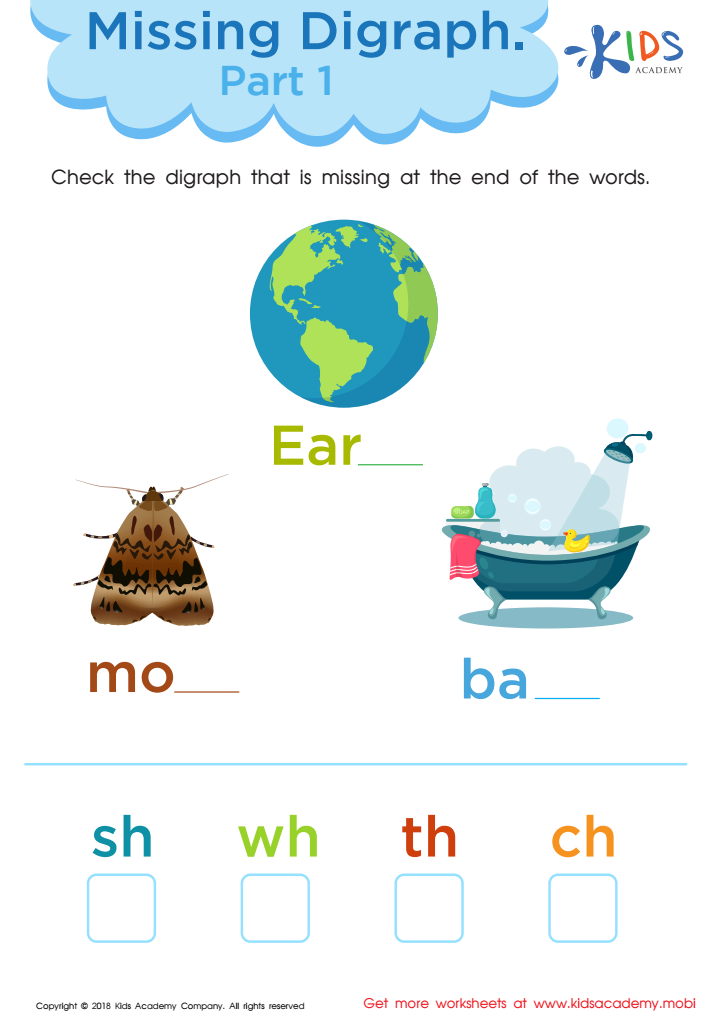
Missing Digraph: Part 1 Worksheet
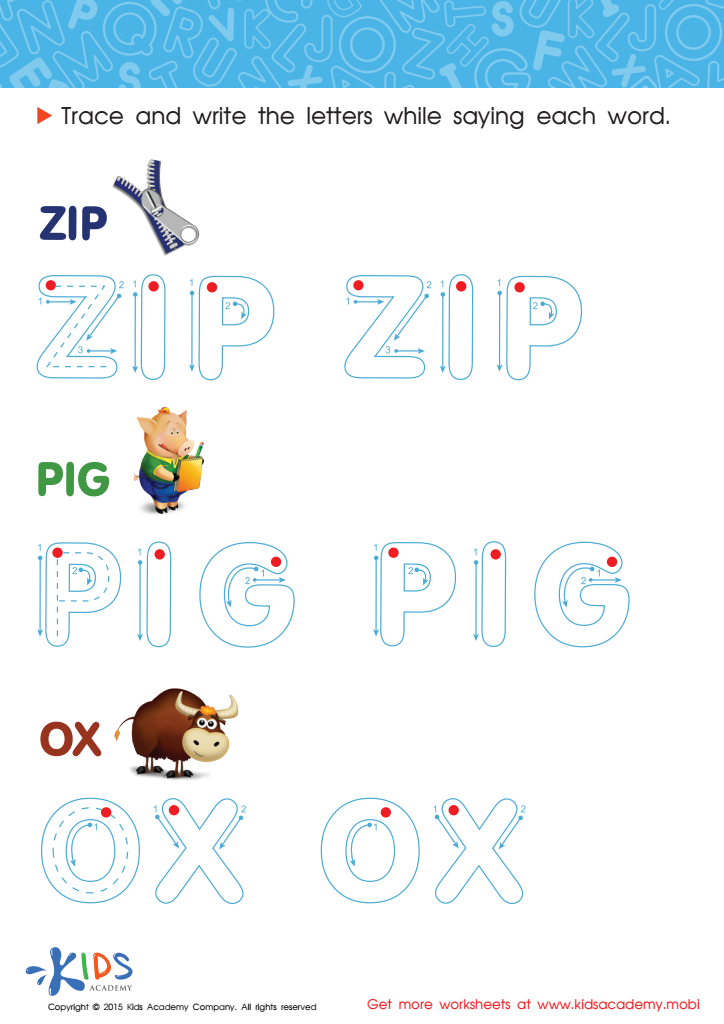
A Zip, a Pig and an Ox Spelling Worksheet
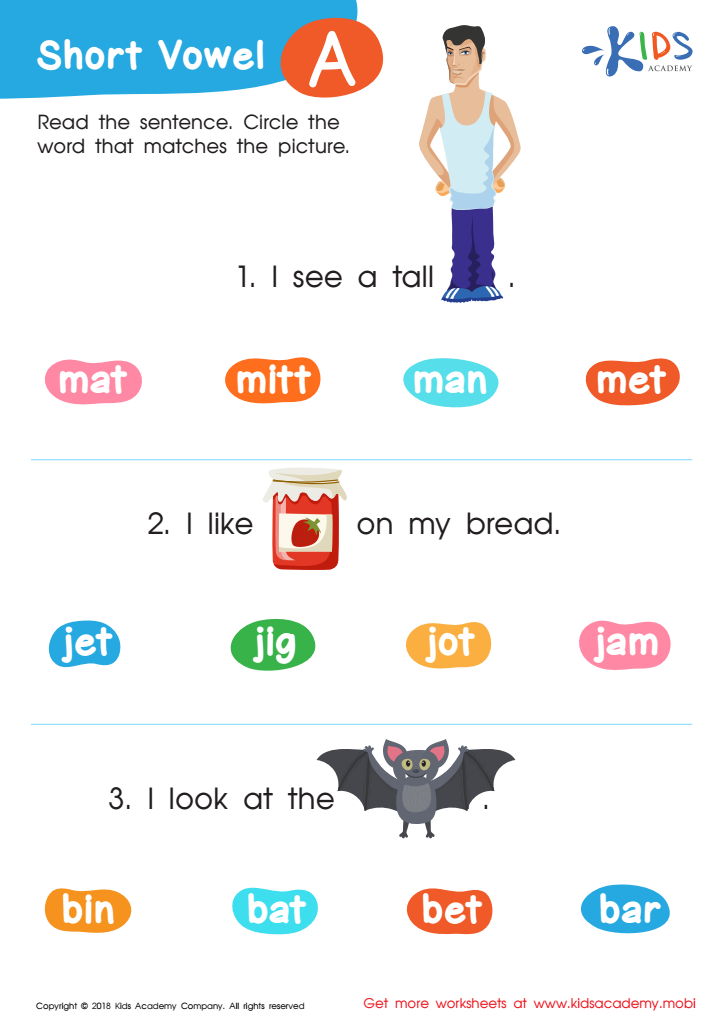
Short Vowel /a/ Worksheet
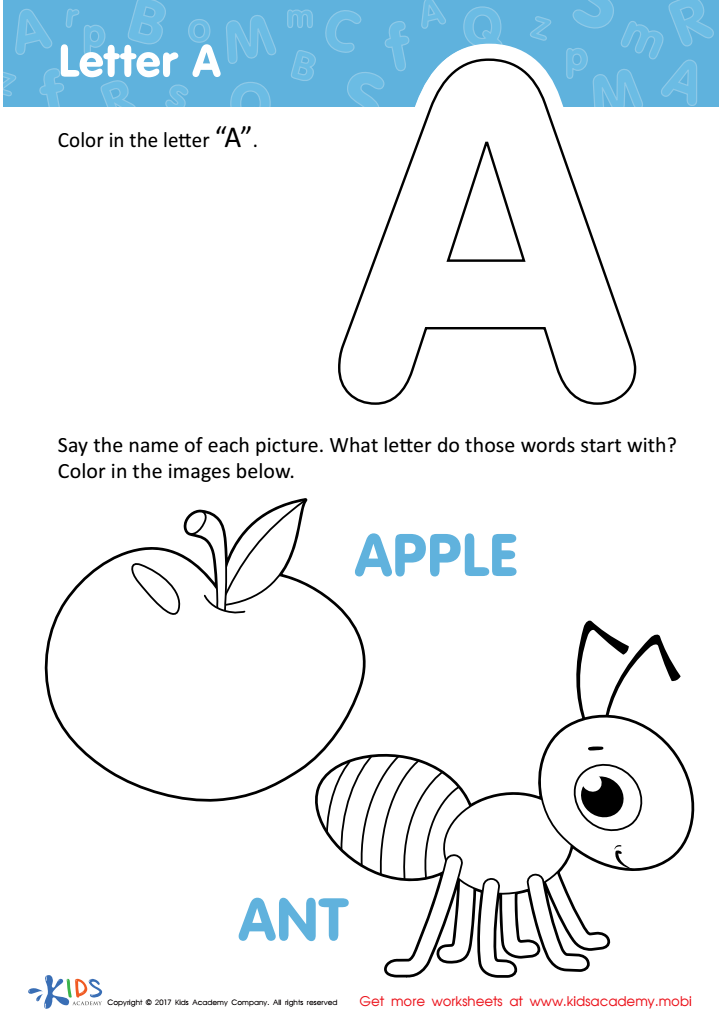
Letter A Coloring Sheet
 Assign to My Students
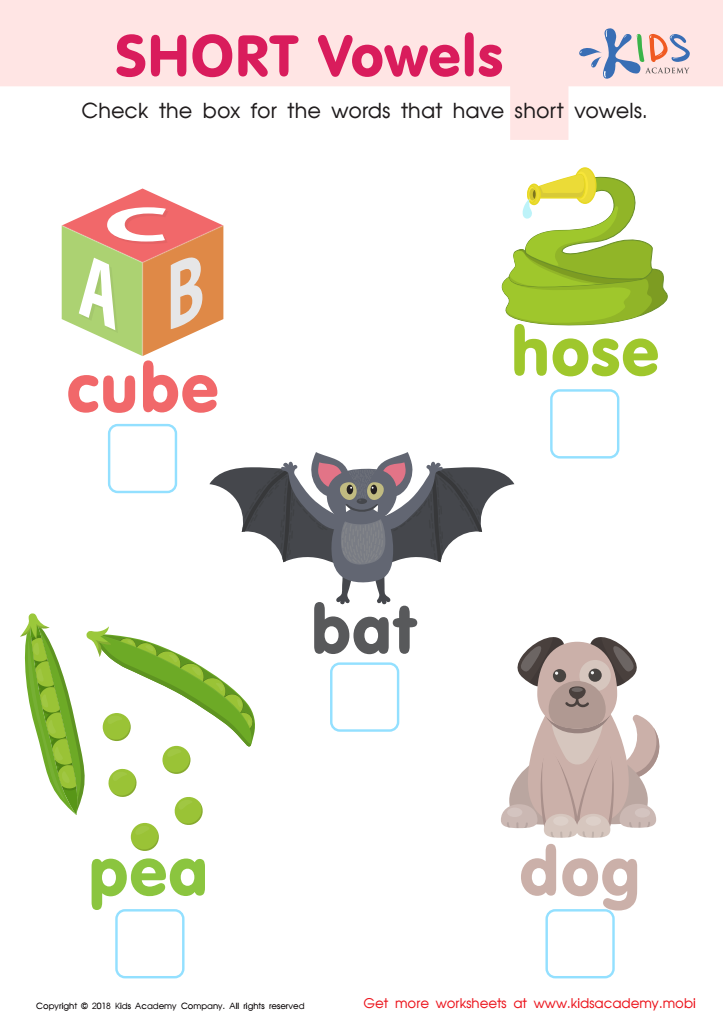
short vowels Worksheet
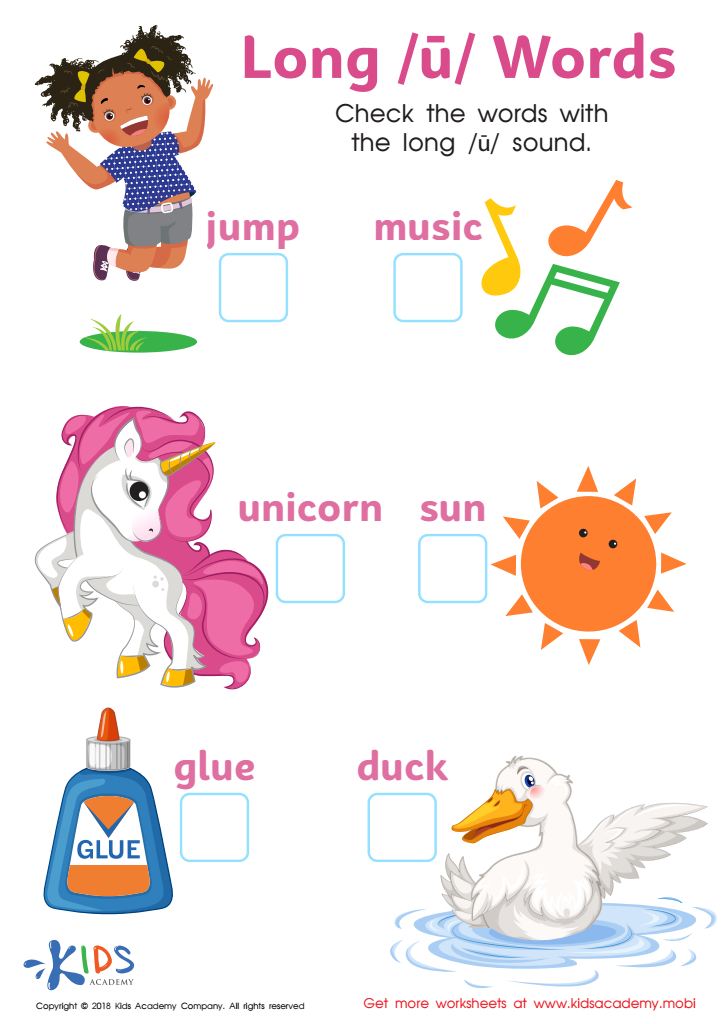
Long U Words Reading Worksheet
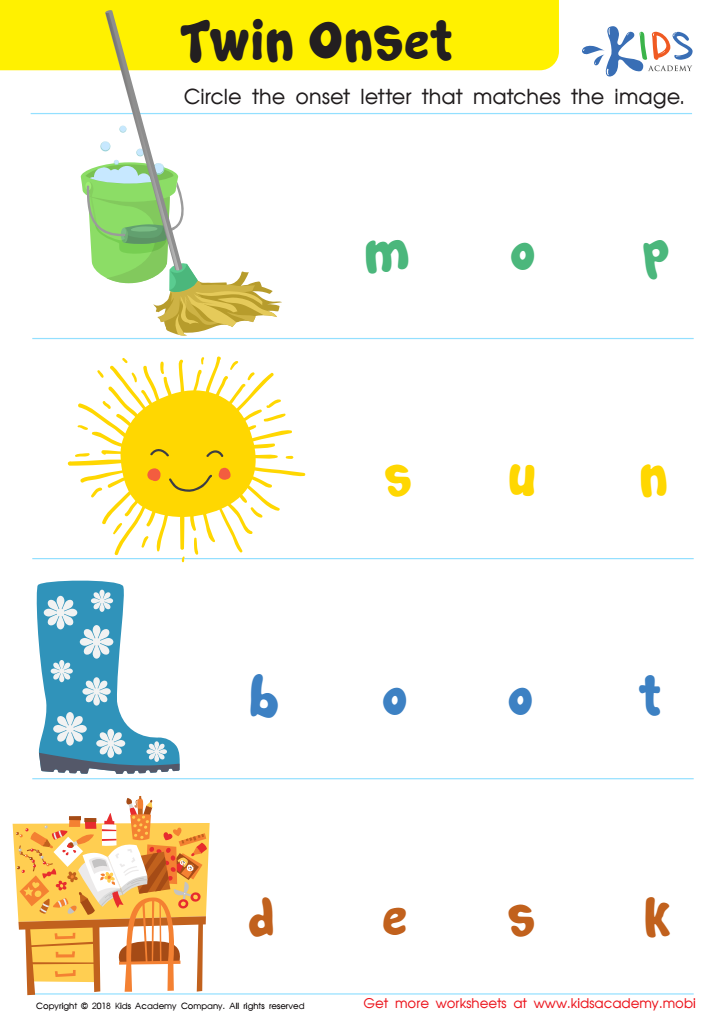
Twin Onset Worksheet
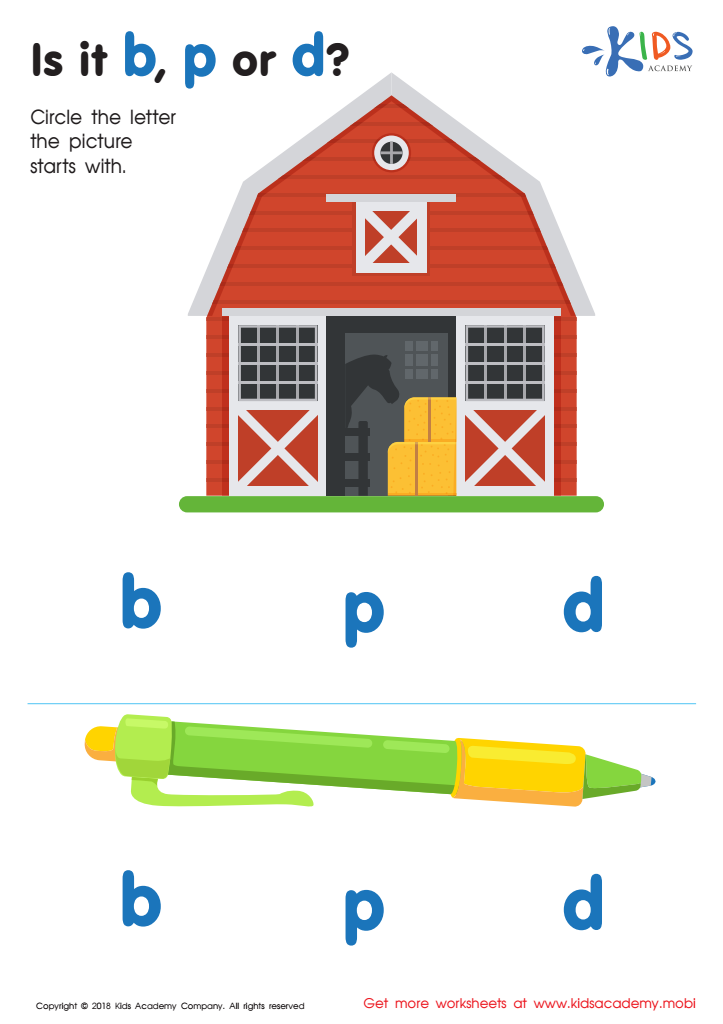
Is it b, p or d? Worksheet
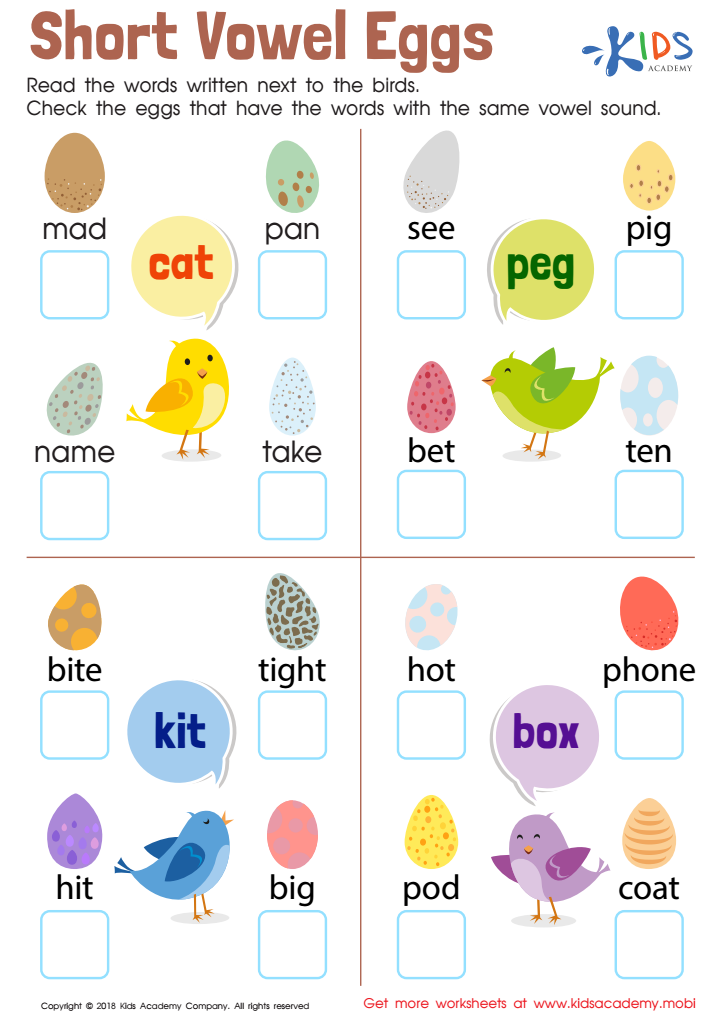
Short Vowel Eggs Worksheet
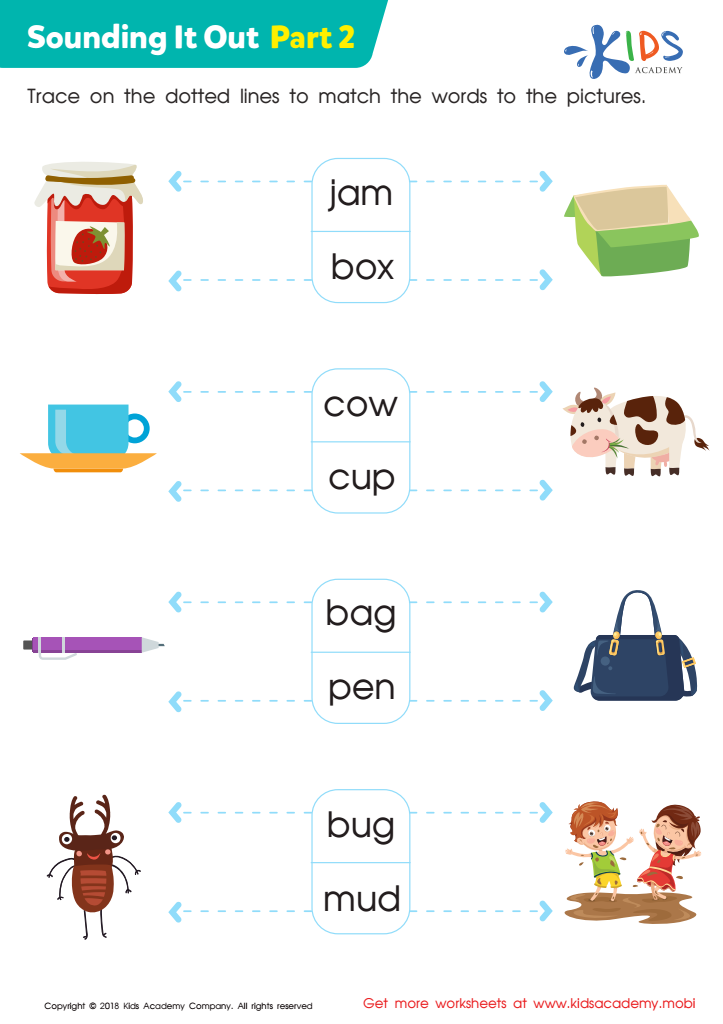
Sounding it Out: Part 2 Worksheet
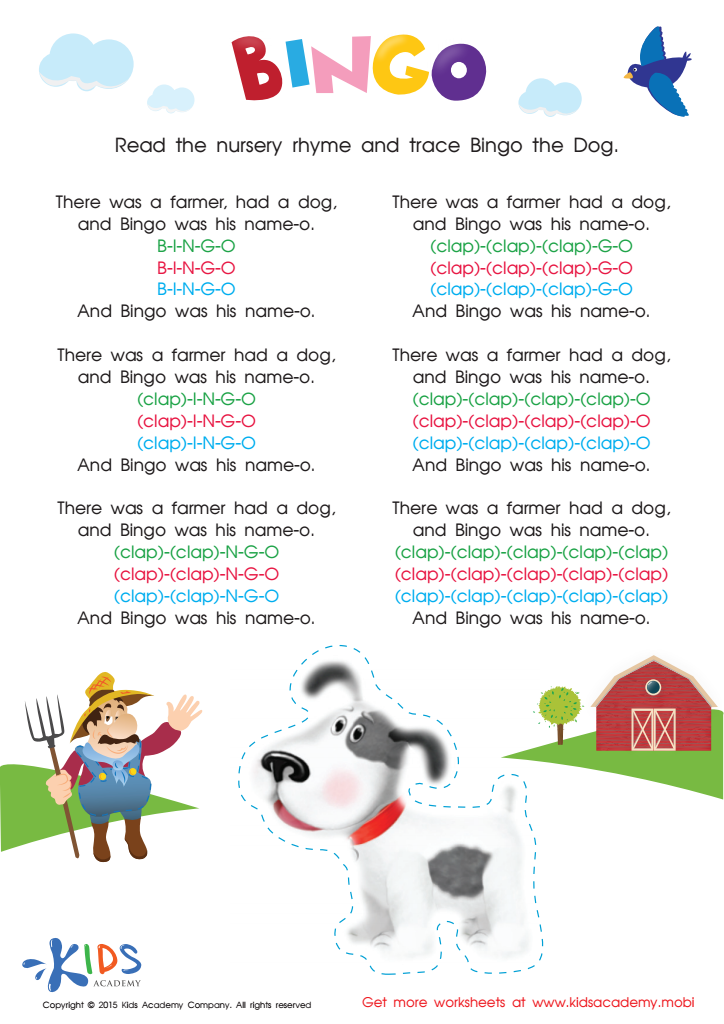
Nursery Rhymes: The Bingo Song Worksheet
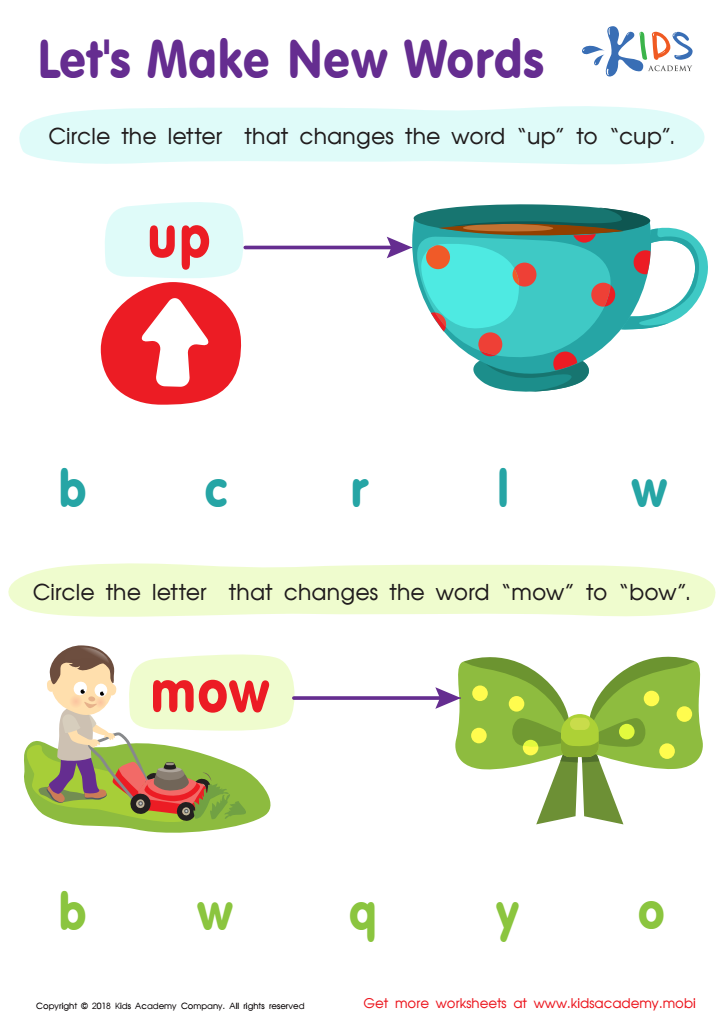
Let's Make New Words Worksheet
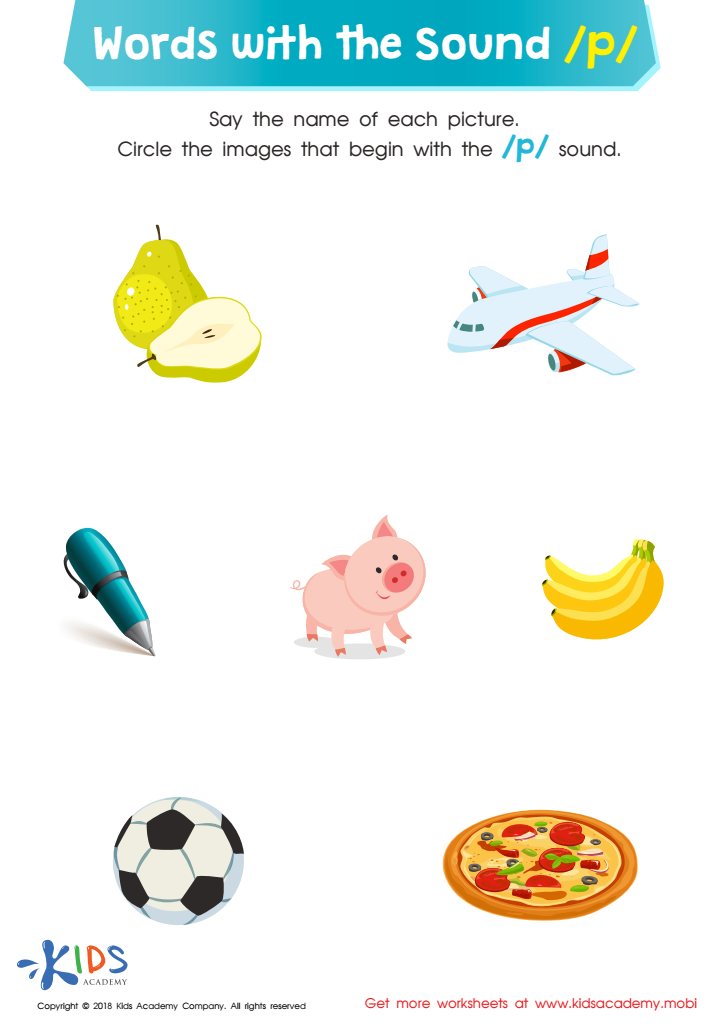
Words with sound p Reading Worksheet
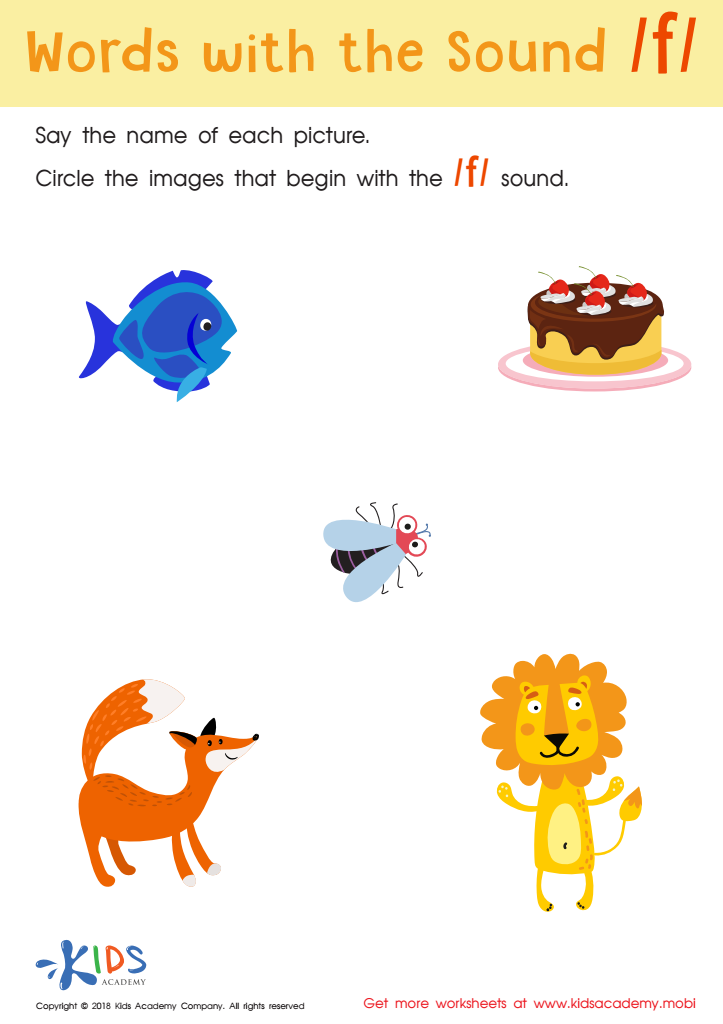
Words with sound f Reading Worksheet
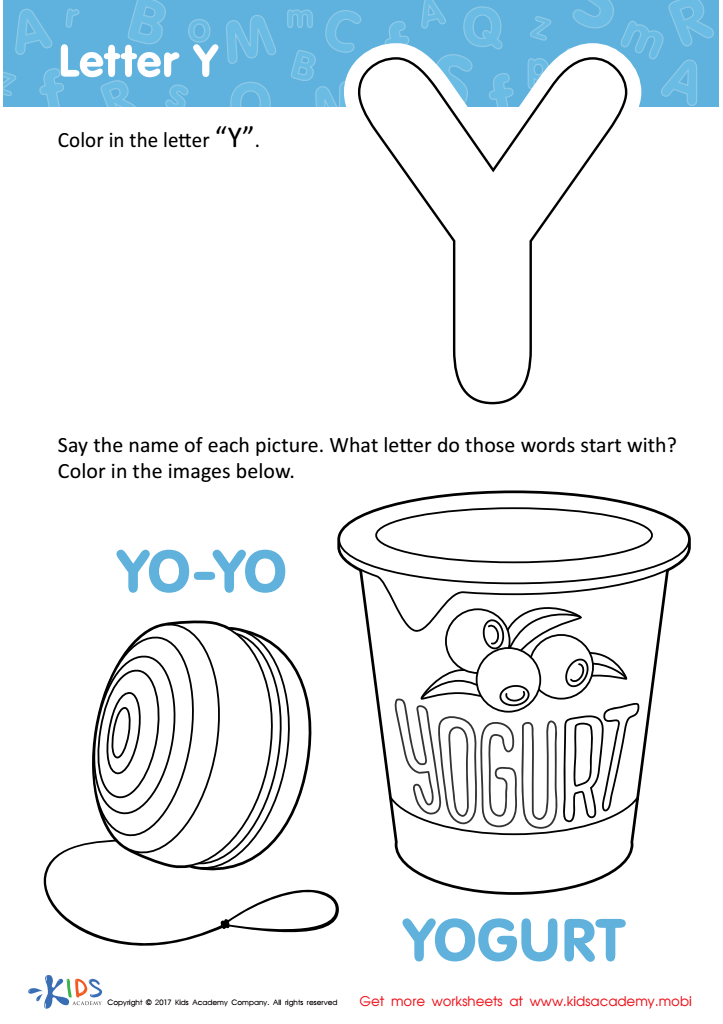
Letter Y Coloring Sheet
Assign to My Students
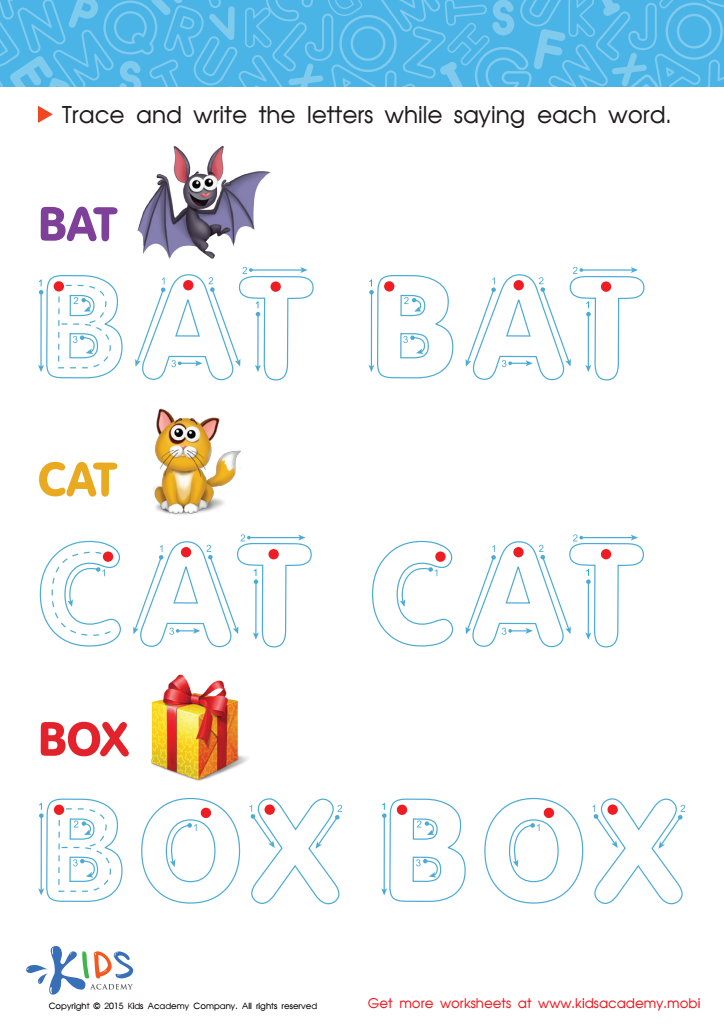
A Bat, a Cat and a Box Spelling Worksheet
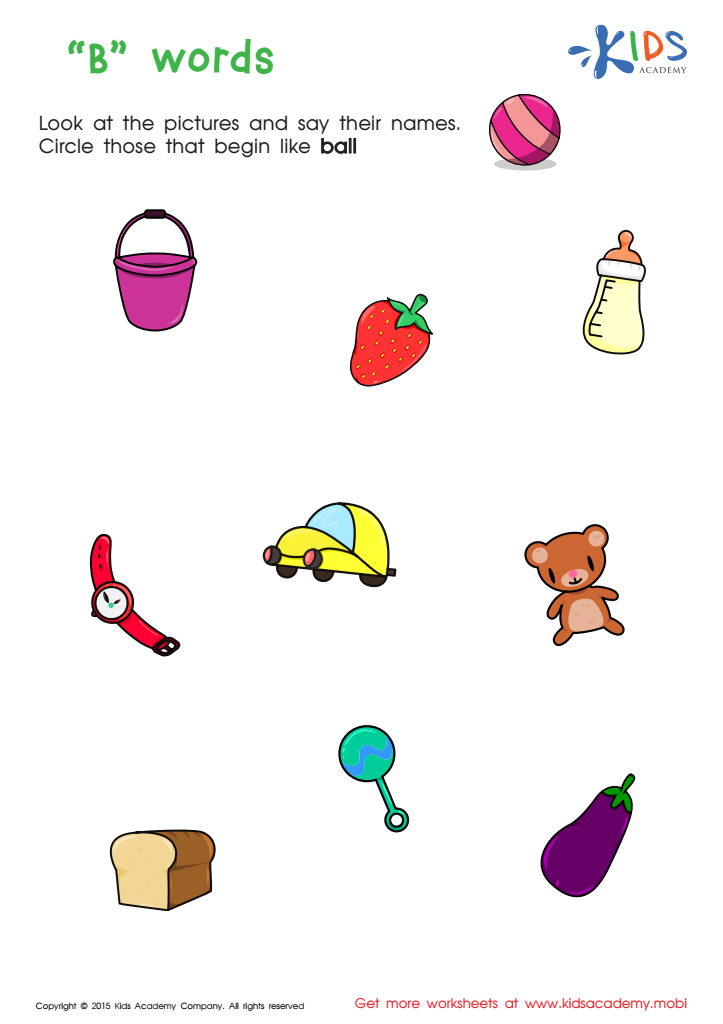
First Words Worksheet
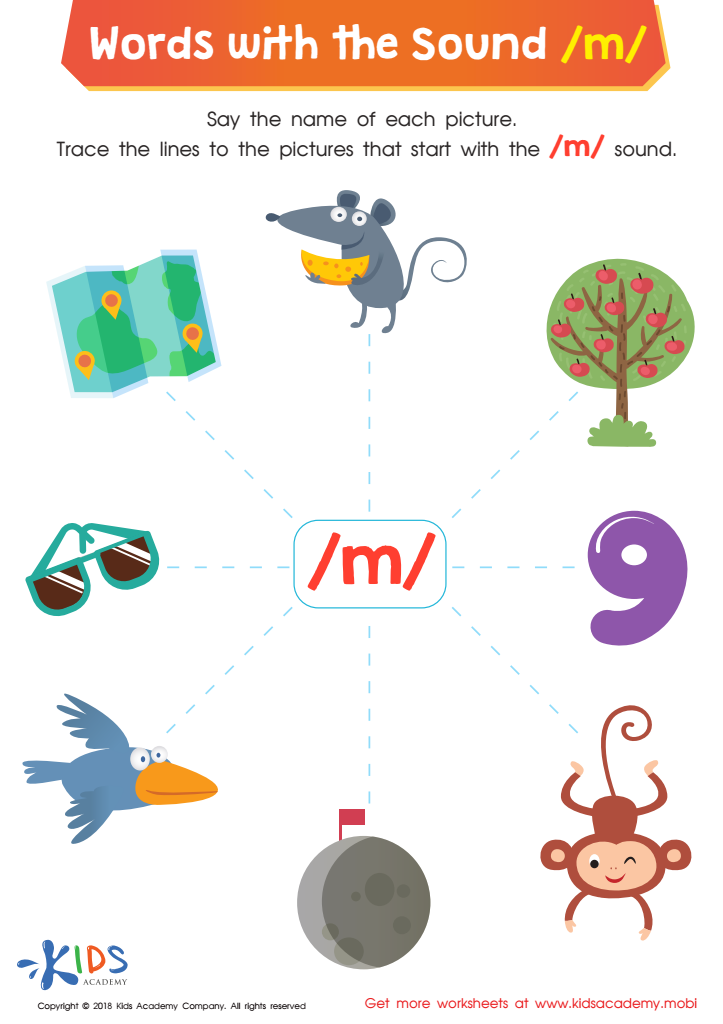
Words with Sound M Reading Worksheet
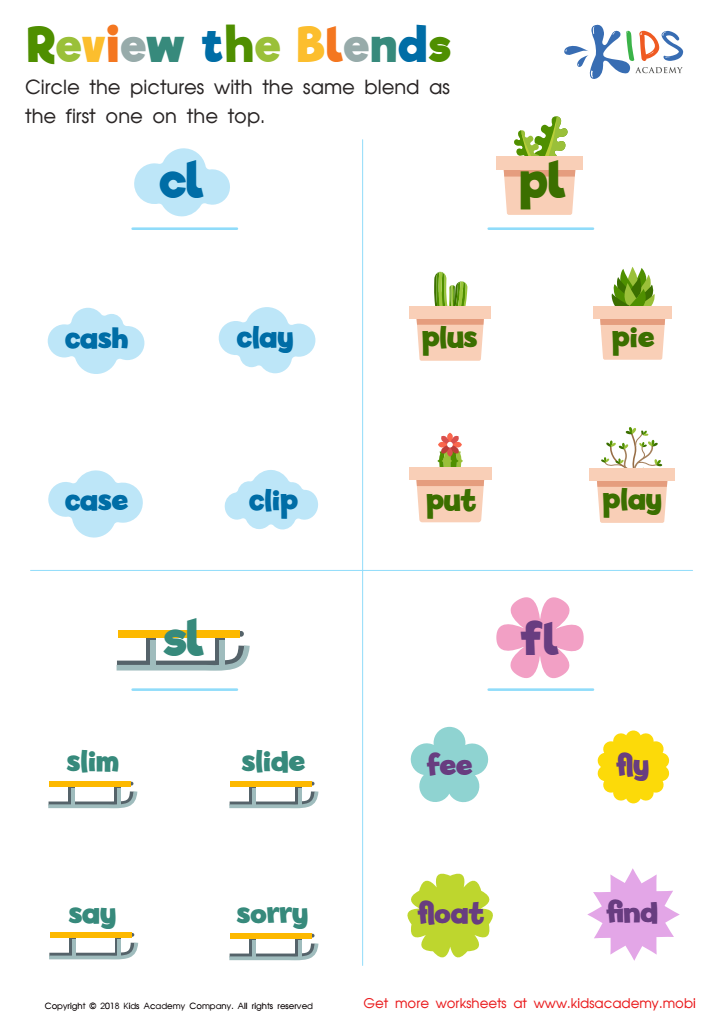
Review the Blends Worksheet








Phonics practice is crucial for children aged 4-6 as it lays the foundation for their reading and writing skills. During these formative years, children are developing their understanding of letters and sounds, which are essential components of literacy. Phonics instruction teaches young learners how to decode words by connecting sounds with their corresponding letters, enabling them to read independently and fluently.
Early mastery of phonics promotes confidence in students, as they experience success in reading. This success not only enhances their literacy skills but also encourages a love for reading, which is vital for lifelong learning. Moreover, children who receive effective phonics instruction are better equipped to tackle more complex text as they progress in their education.
Parents and teachers play a critical role in supporting this learning process. Engaging in phonics activities together—such as rhyming games, sound-matching, and reading simple phonics-based books—can make learning enjoyable. By prioritizing phonics practice, parents and teachers are investing in students’ academic success, helping them to become proficient and enthusiastic readers, which has long-term benefits in all areas of their education. Ultimately, phonics is a key piece of the puzzle in nurturing competent, confident readers.








