Visual Perception Skills Worksheets for Ages 4-6
19 filtered results
-
From - To
Discover our vibrant Visual Perception Skills Worksheets designed for children aged 4-6. These engaging worksheets enhance kids' ability to interpret and respond to visual information, aiding critical development areas like pattern recognition, spatial awareness, and memory. Each activity is crafted to boost cognitive skills while providing fun and interactive learning experiences. Our resources support both parents and educators in fostering essential abilities that underpin reading, writing, and problem-solving. Prepare your child for academic success by exploring, engaging, and excelling with our colorful and thoughtful visual perception tools. Start this exciting educational journey today.
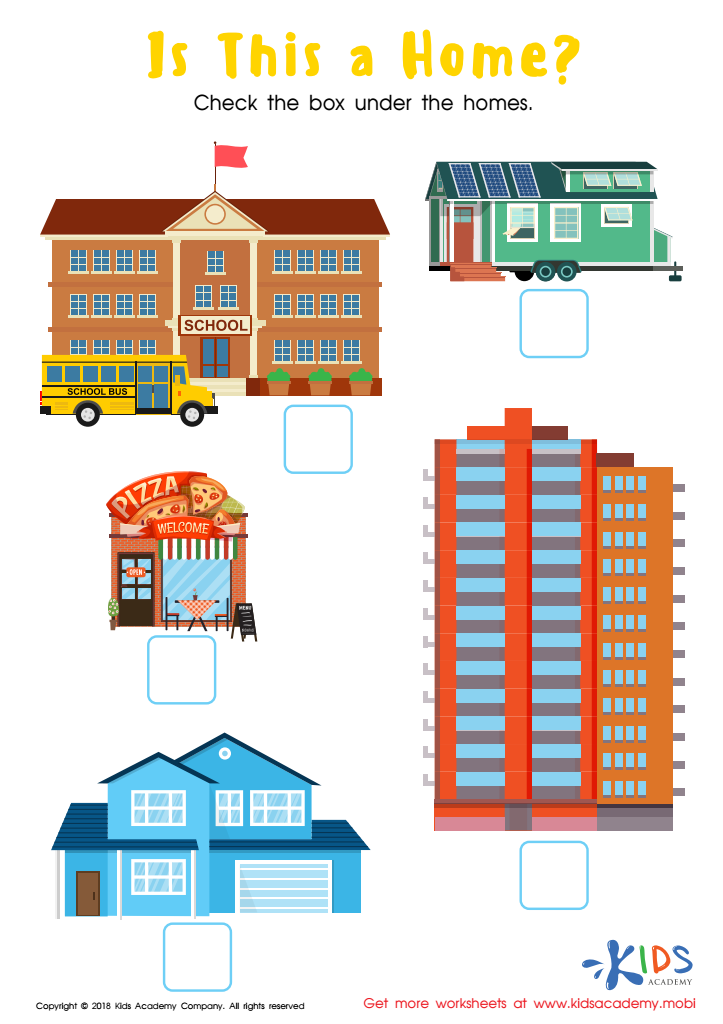
Is this a Home? Worksheet
 Assign to My Students
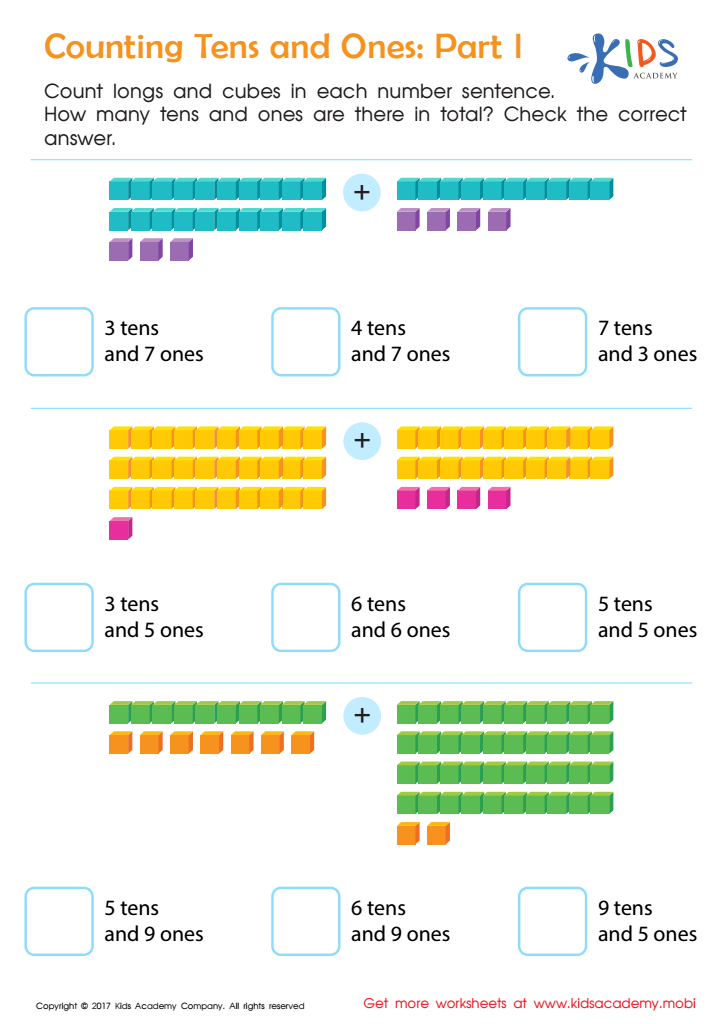
Counting Tens and Ones: Part 1 Worksheet
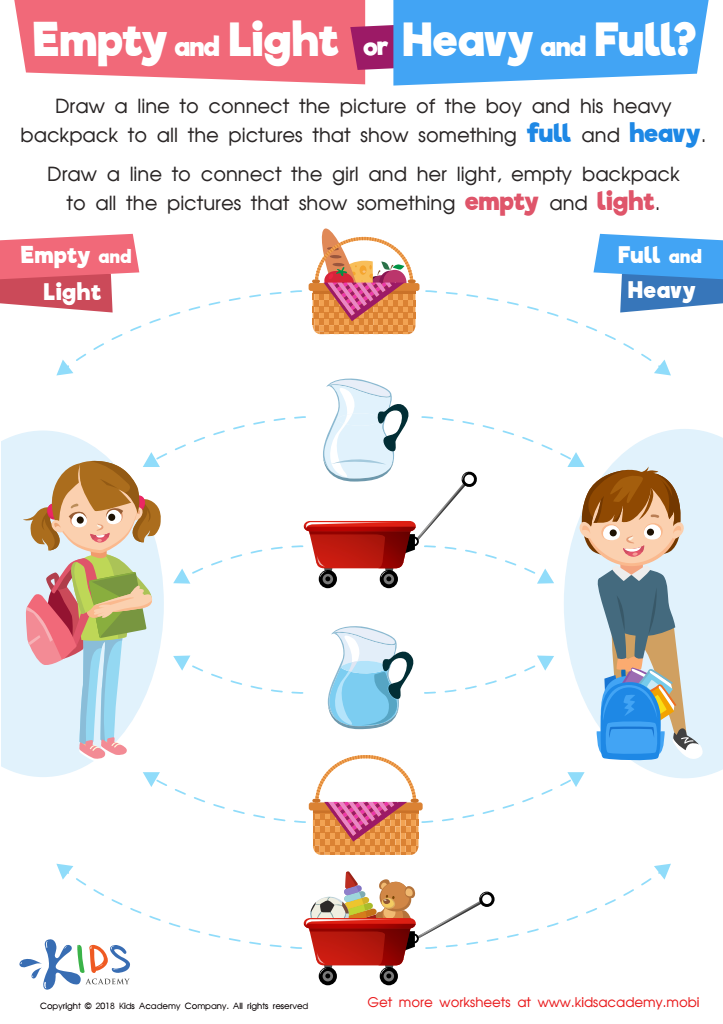
Empty and Light or Heavy and Full? Worksheet
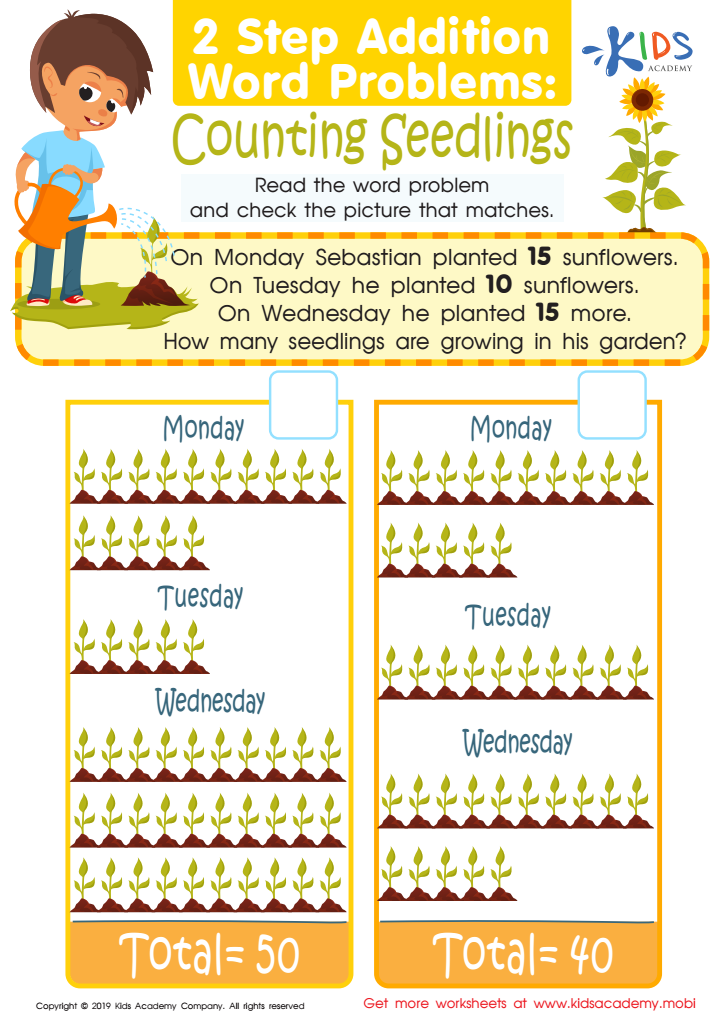
Counting Seedlings Worksheet
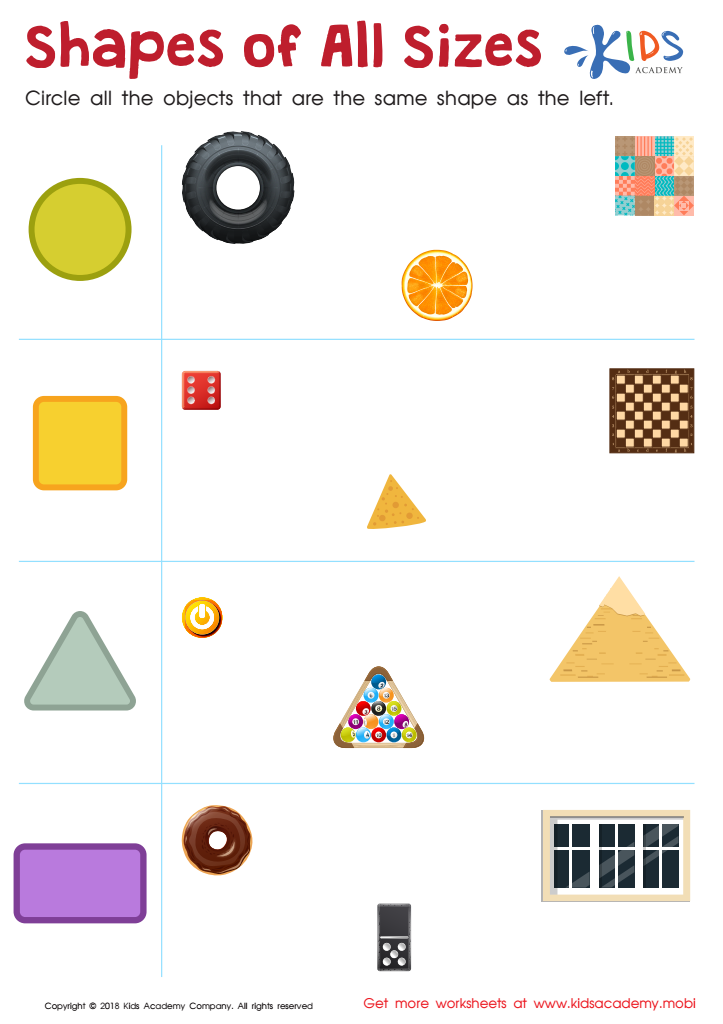
Shapes of All Sizes Worksheet
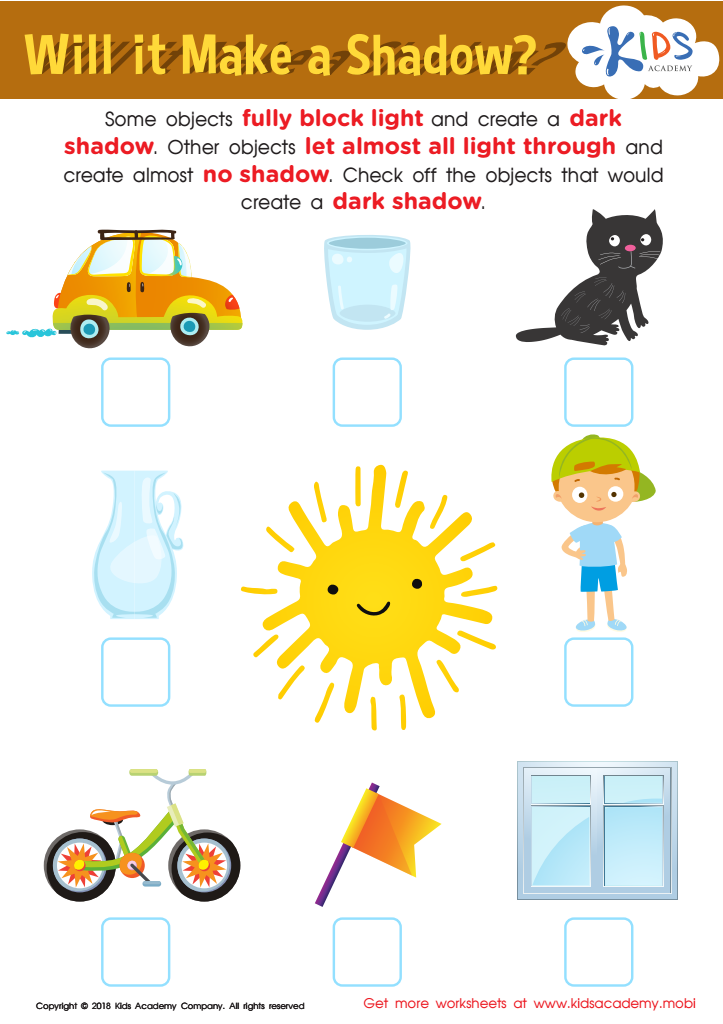
Will It Make a Shadow? Worksheet
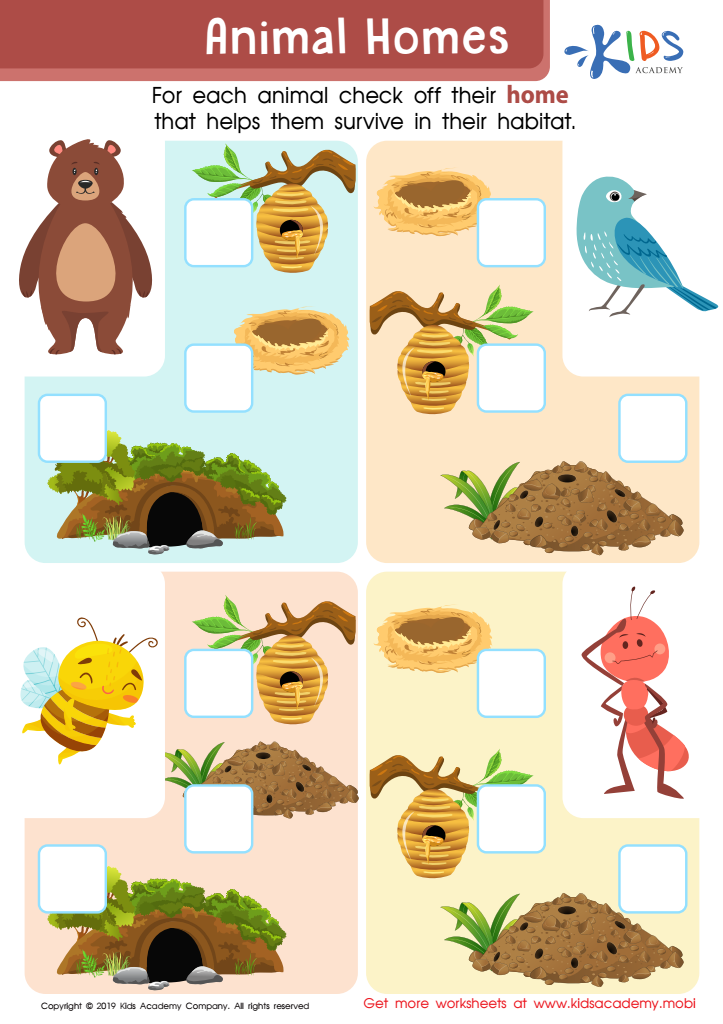
Animal Homes Worksheet
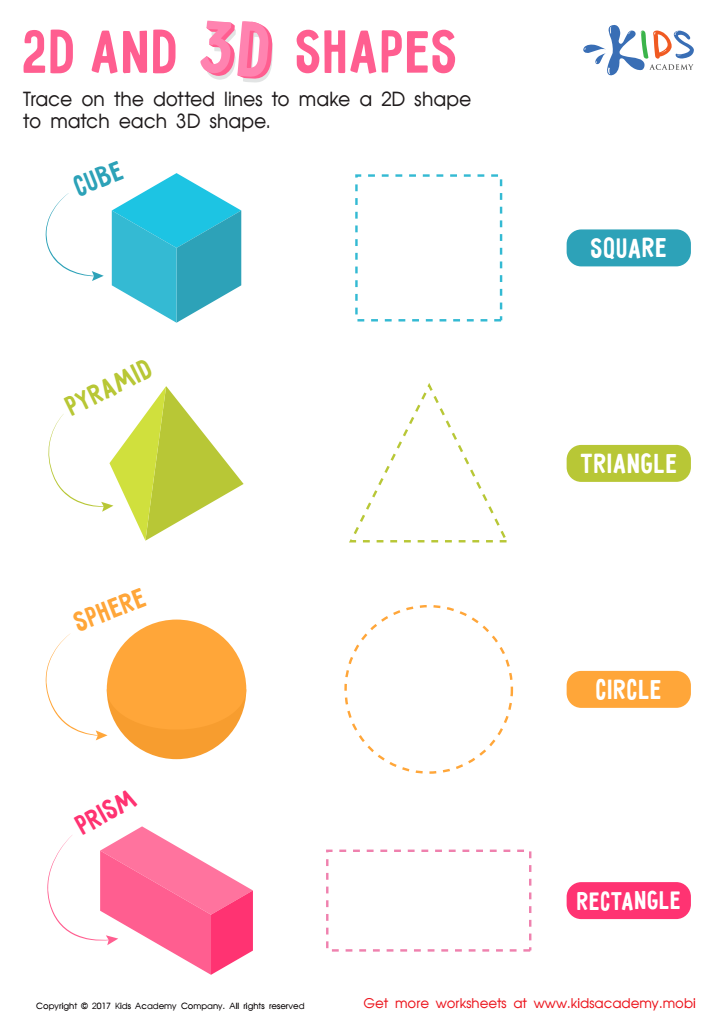
2D and 3D Shapes Worksheet
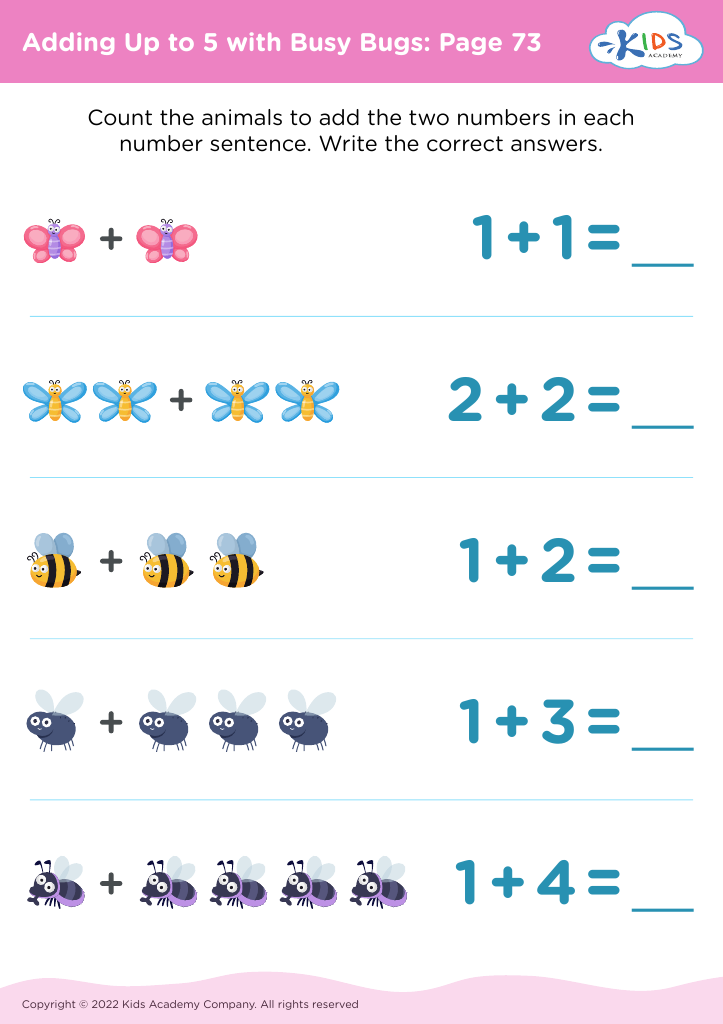
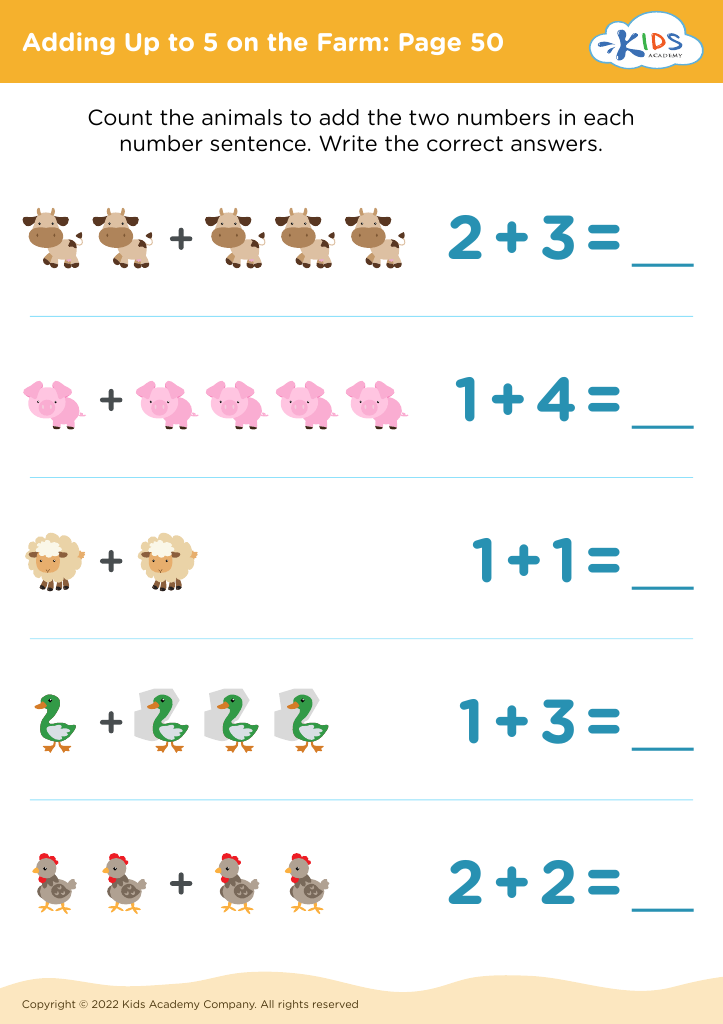
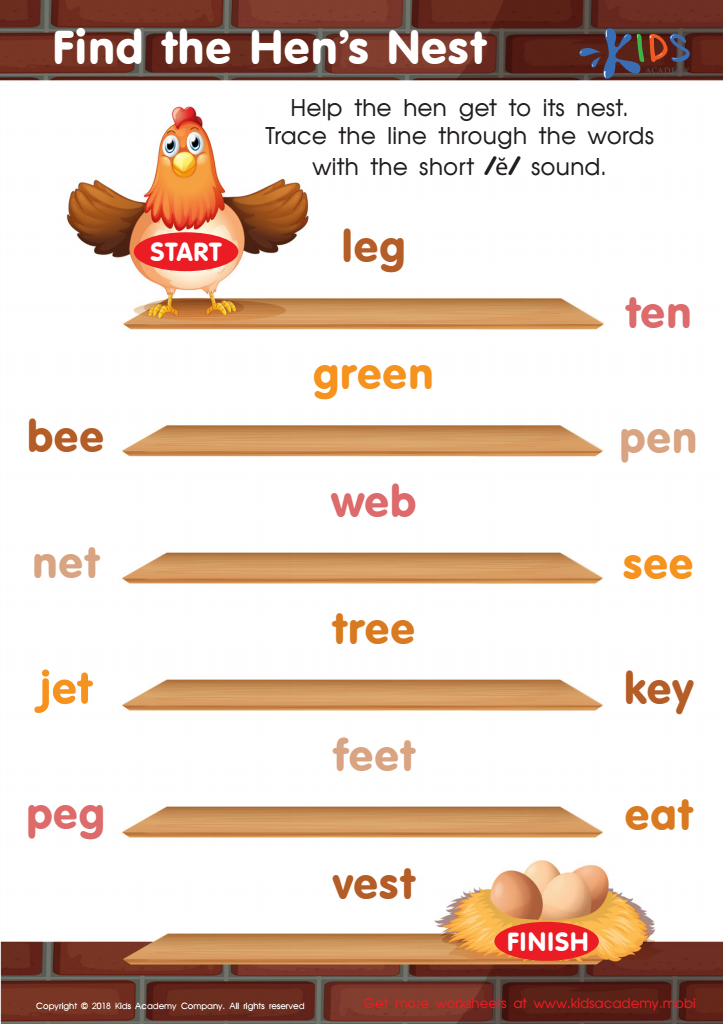
Find Hens Nest Reading Worksheet
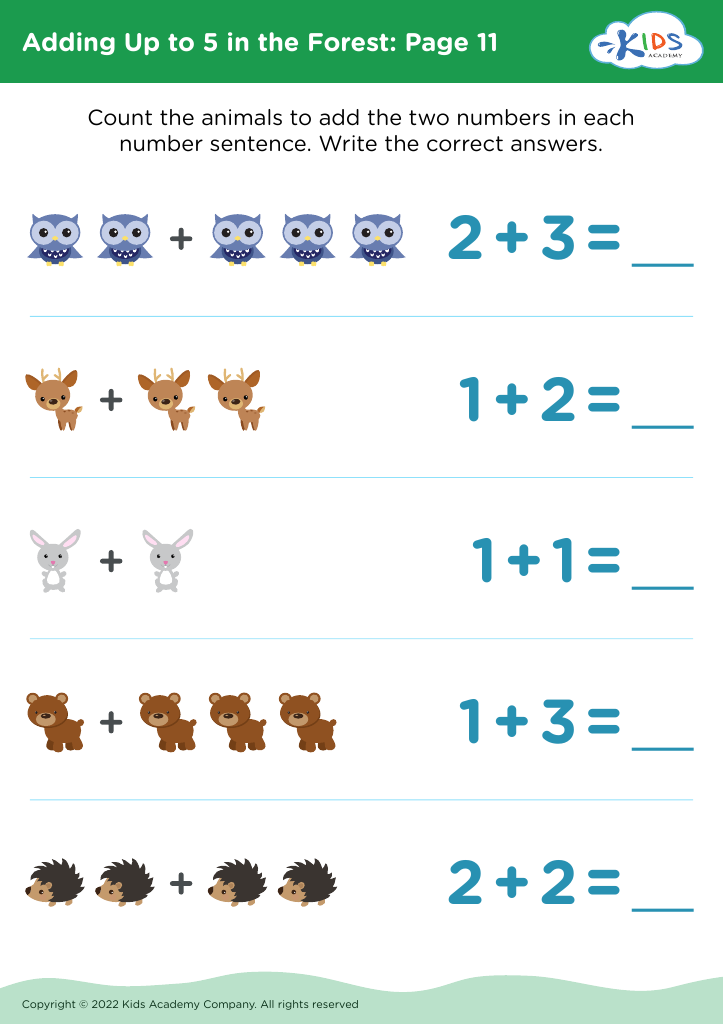
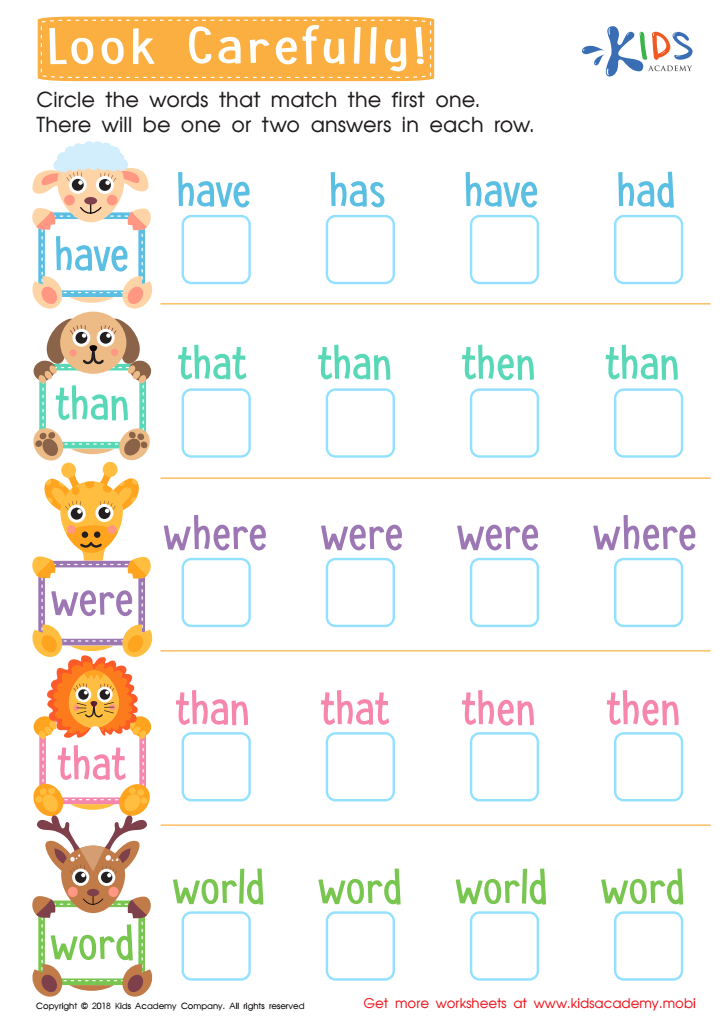
Look Carefully Worksheet
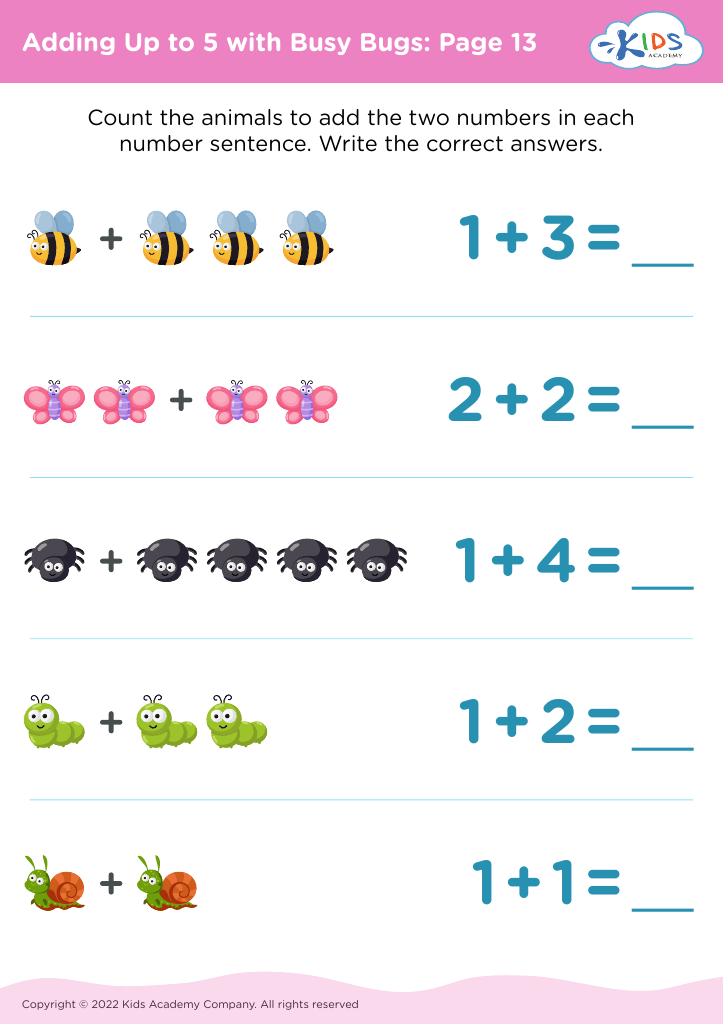
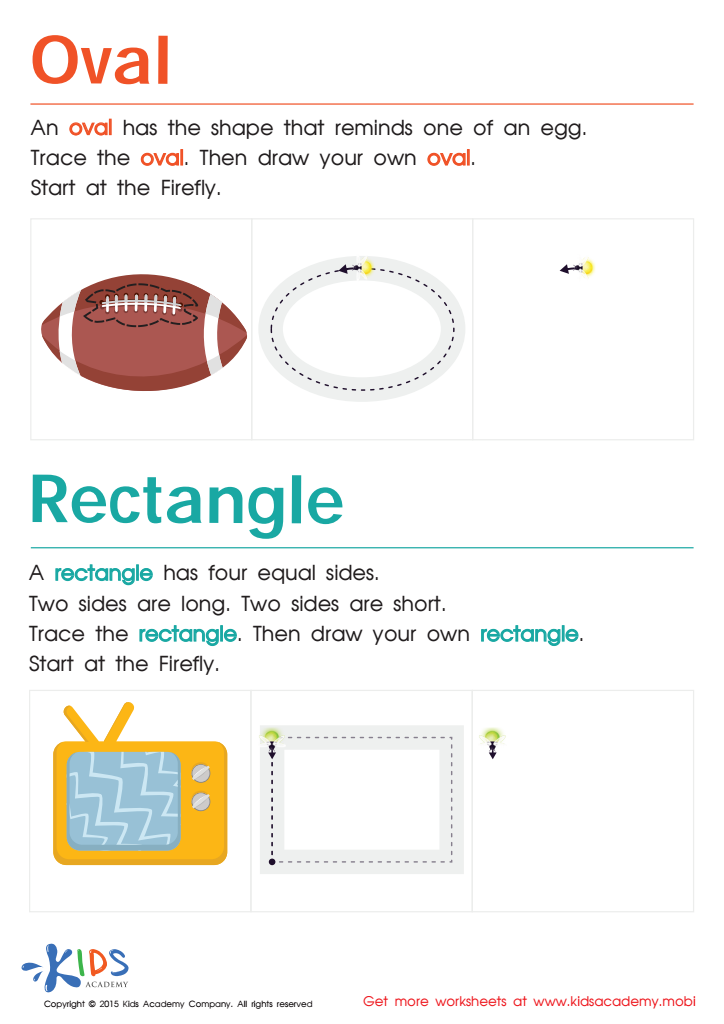
Easy Drawing of Ovals And Rectangles Worksheet
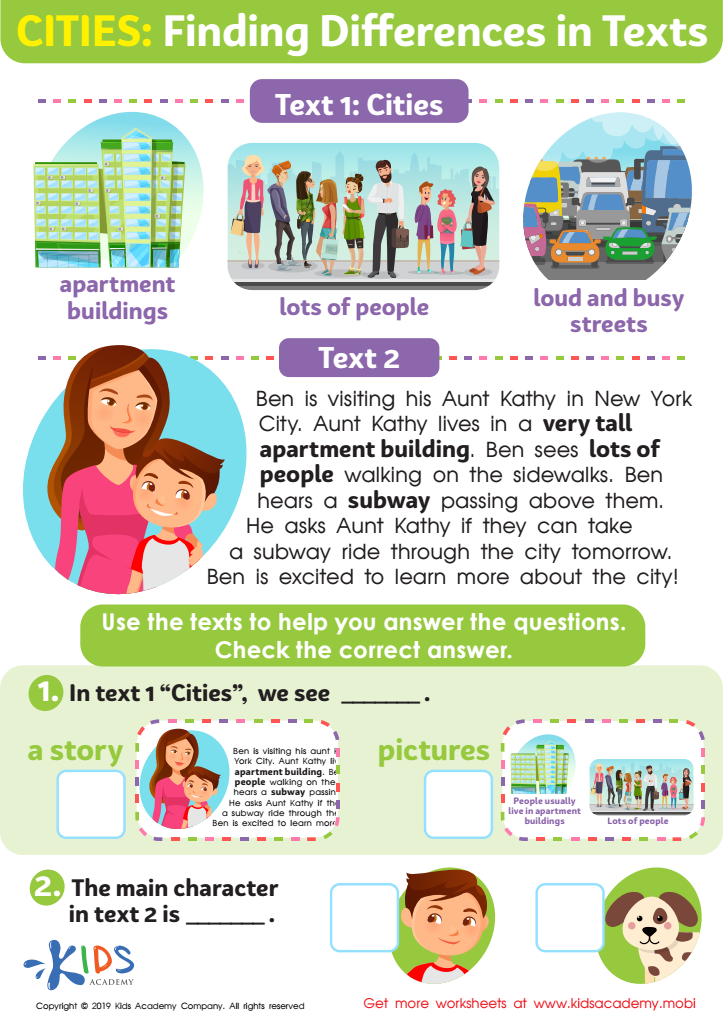
Cities: Finding Differences Worksheet
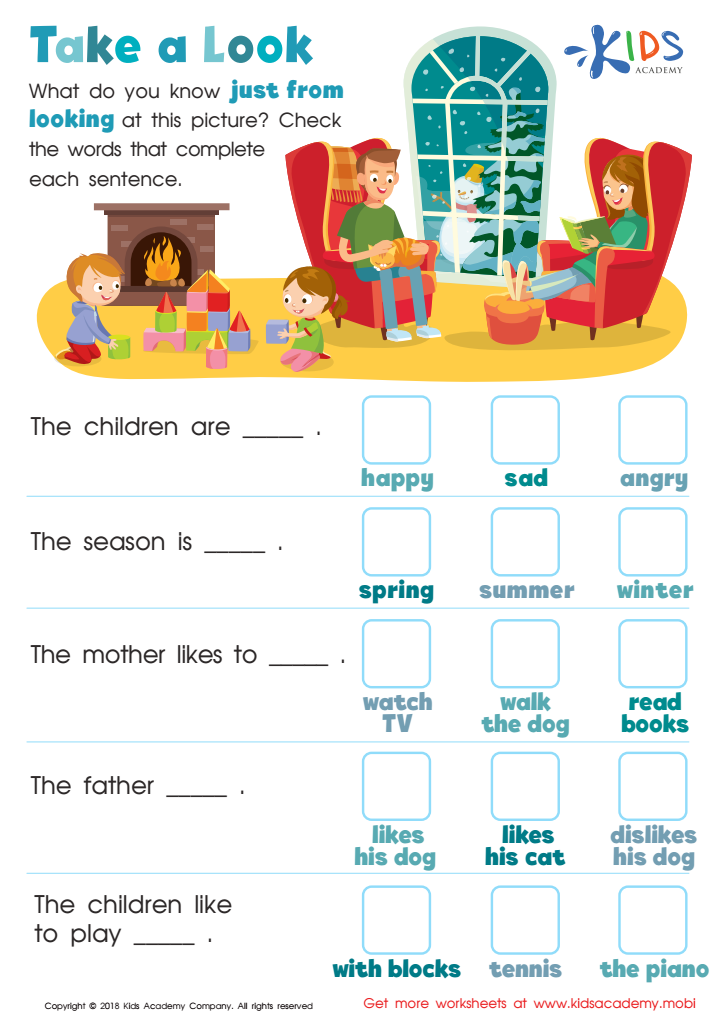
Take a Look - Part 1 Worksheet
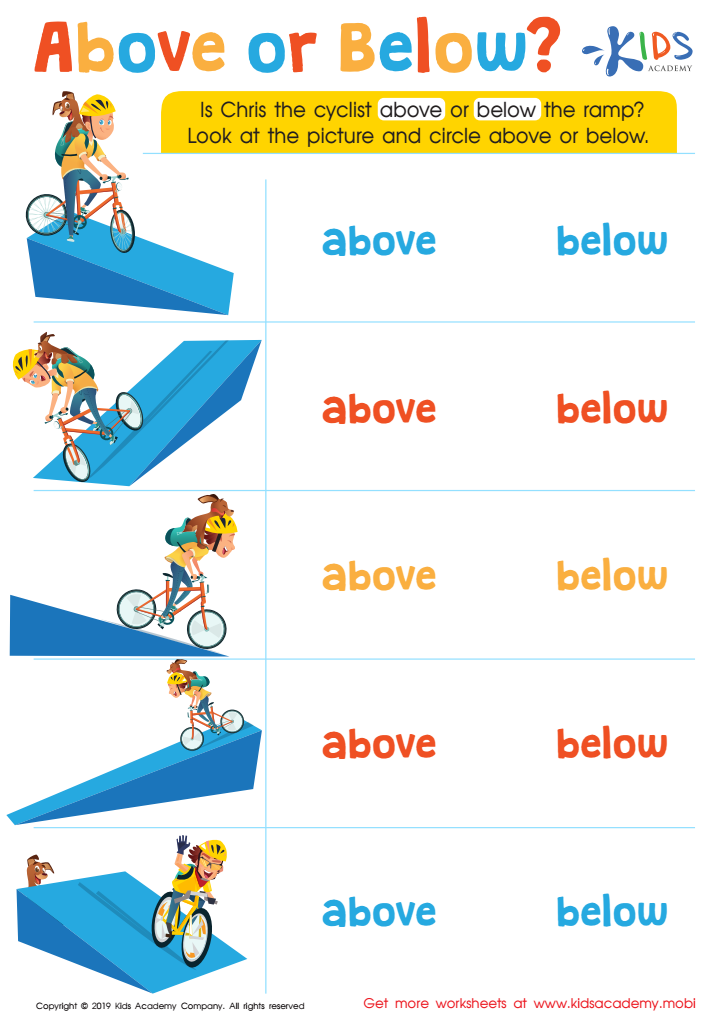
Above or Below? Worksheet
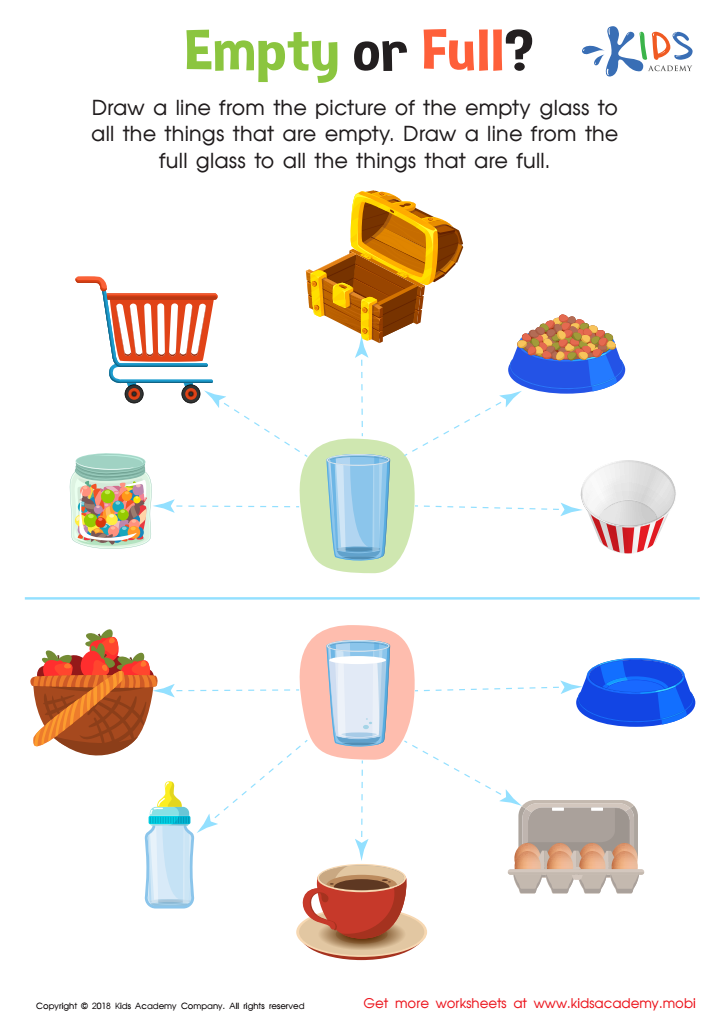
Empty or Full? Worksheet







Visual perception skills are crucial for children aged 4-6 as they form the foundation for many essential learning processes. These skills include the ability to understand and recognize visual information such as shapes, colors, and spatial relationships. When these skills are well-developed, children can more easily engage in activities that require hand-eye coordination, like writing, drawing, or cutting with scissors.
For parents and teachers, fostering strong visual perception skills can lead to significant improvements in a child’s academic performance. Early literacy and math skills often require precise visual discrimination to recognize letters and numbers, for patterns and even to follow instructions effectively. For example, distinguishing between similar-colored objects or recognizing differences in letter shapes (such as 'b' and 'd') are critical for reading and comprehension.
Additionally, strong visual perception skills contribute to a child’s confidence and independence in both learning and play. Children who can effortlessly interact with their environment are more likely to engage positively in group activities and follow classroom routines, setting a solid groundwork for future learning phases.
Investing time in activities like puzzles, matching games, and drawing can support these perceptual abilities. Therefore, parents and teachers should prioritize and nurture visual perception skills during these formative years to establish a vital foundation for lifelong learning and development.








