Problem-Solving Skills Addition & Subtraction Worksheets for Ages 4-6 - Page 5
113 filtered results
-
From - To
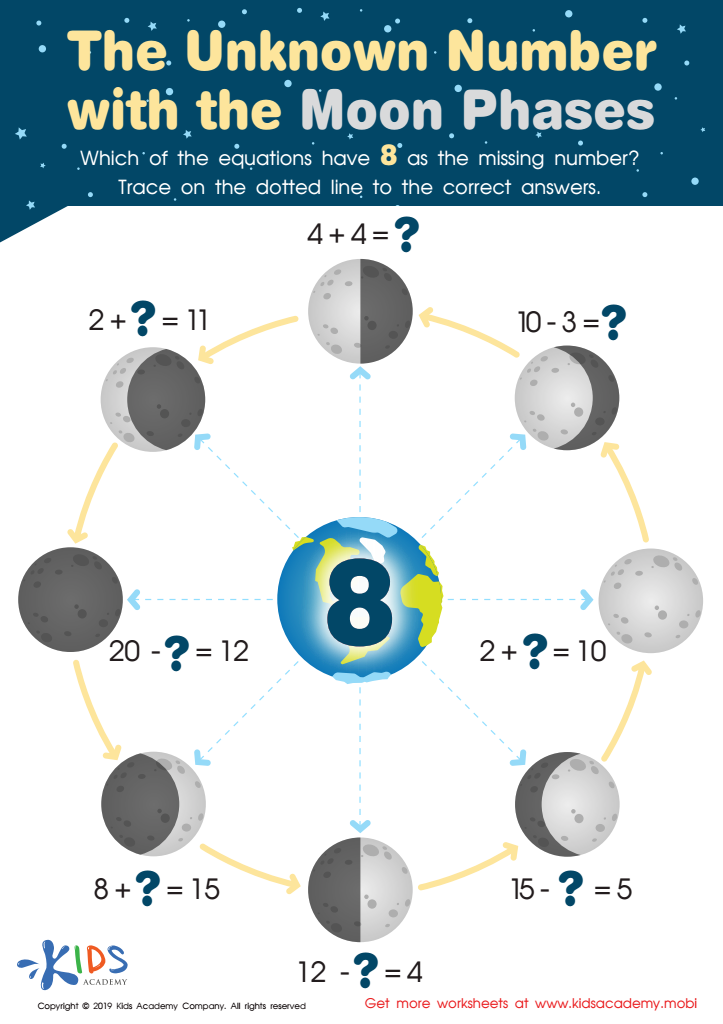
The Unknown Number with the Moon Phases Worksheet
 Assign to My Students
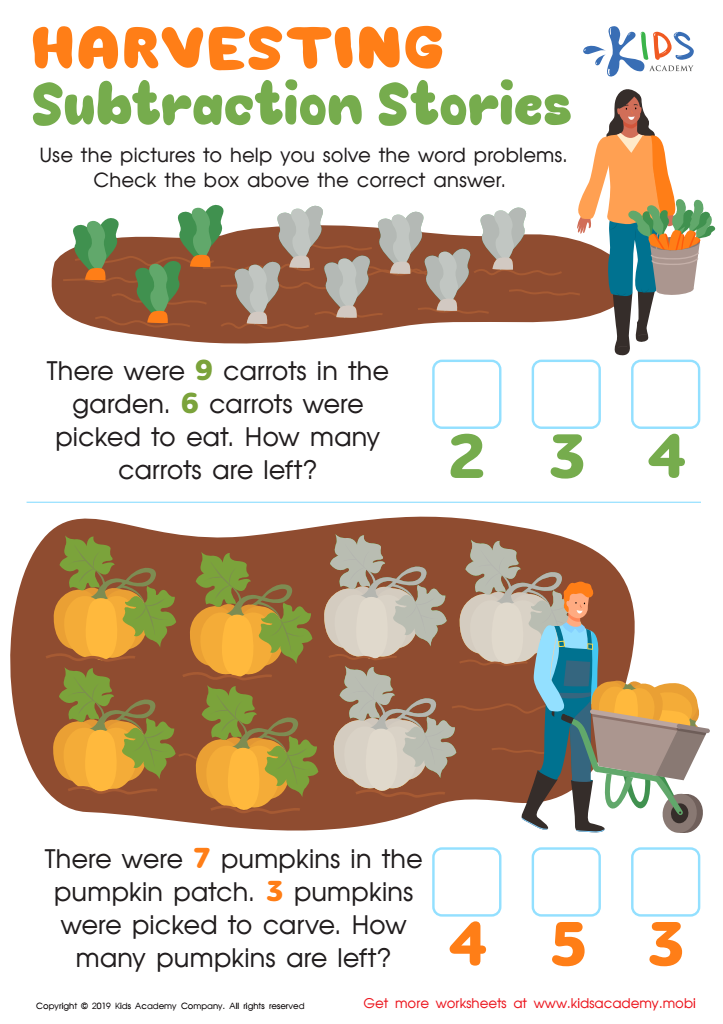
Harvesting Subtraction Stories Worksheet
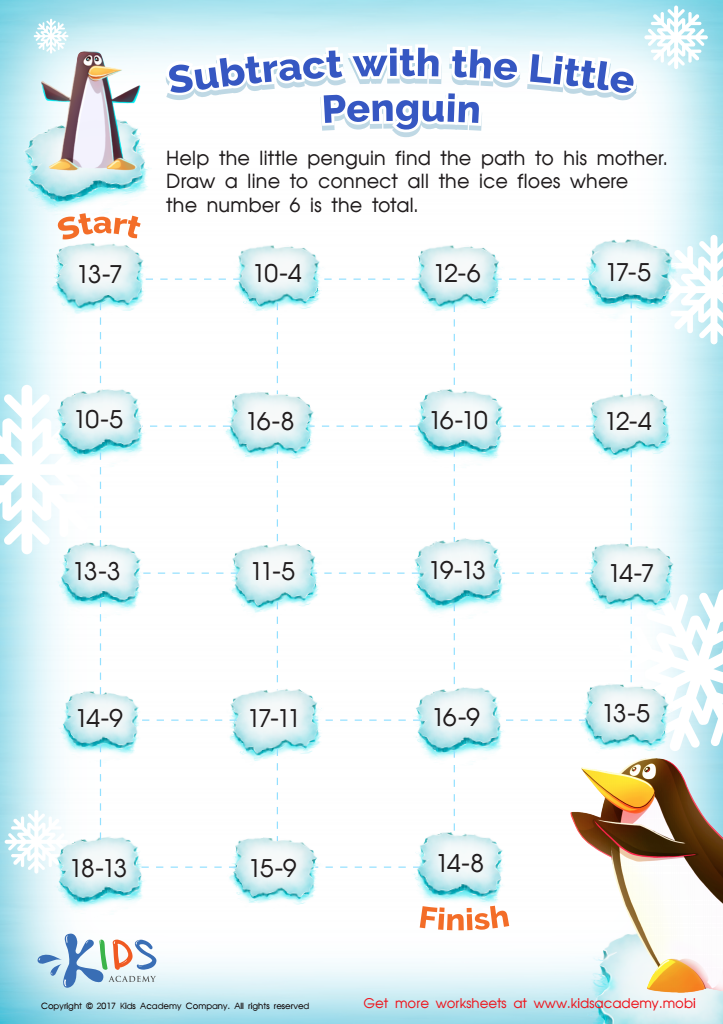
Subtract With The Little Penguin Substraction Worksheet
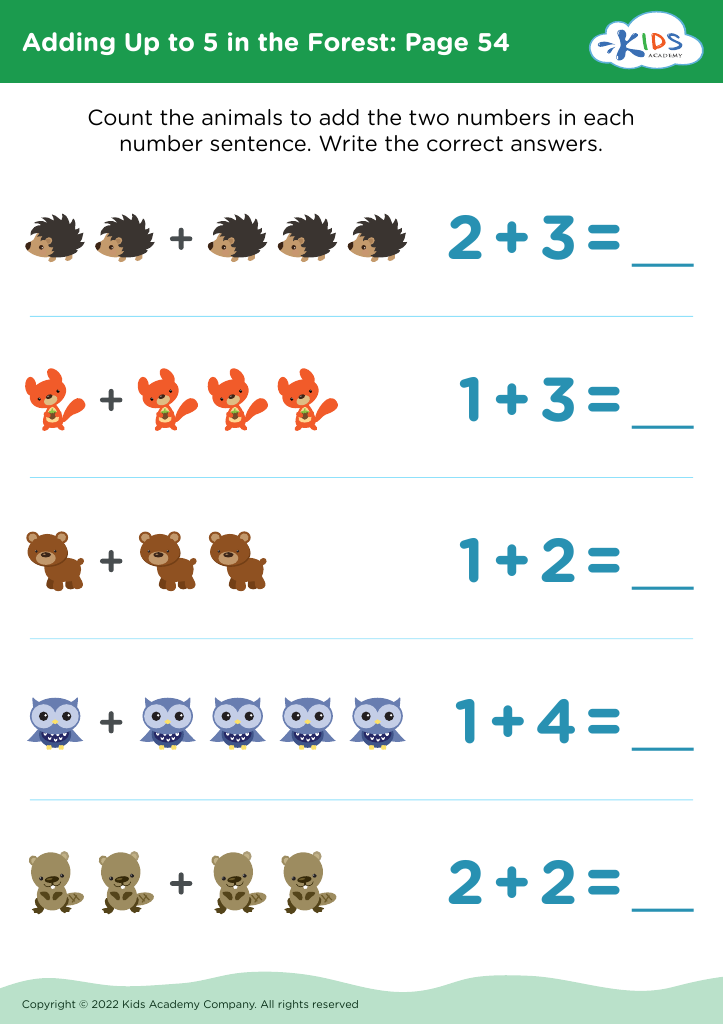
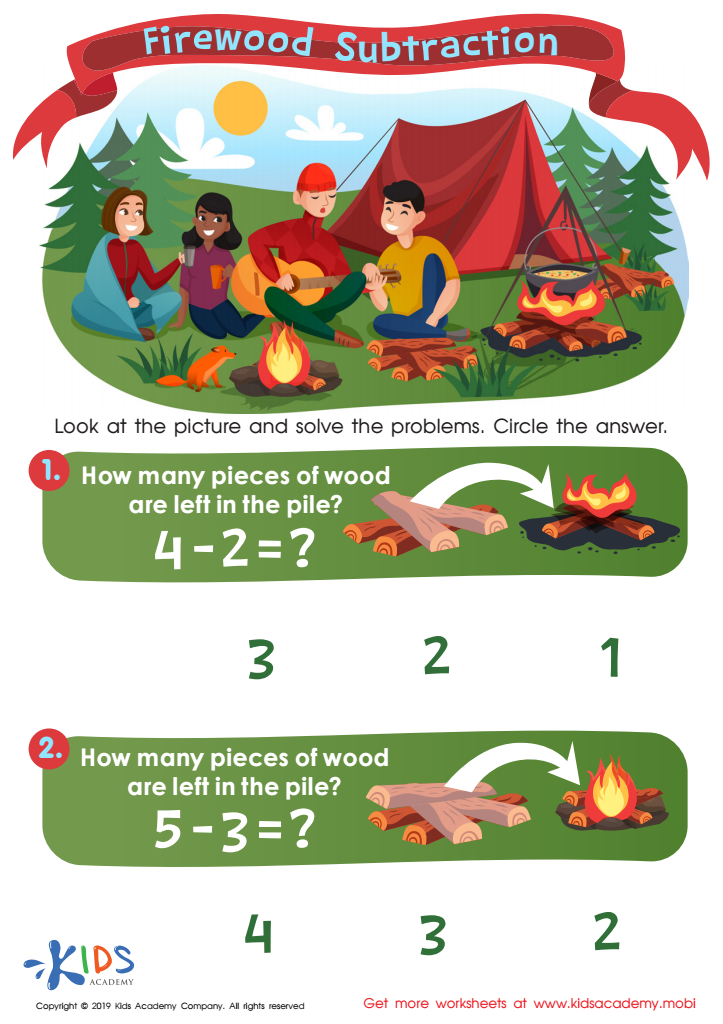
Firewood Subtraction Worksheet
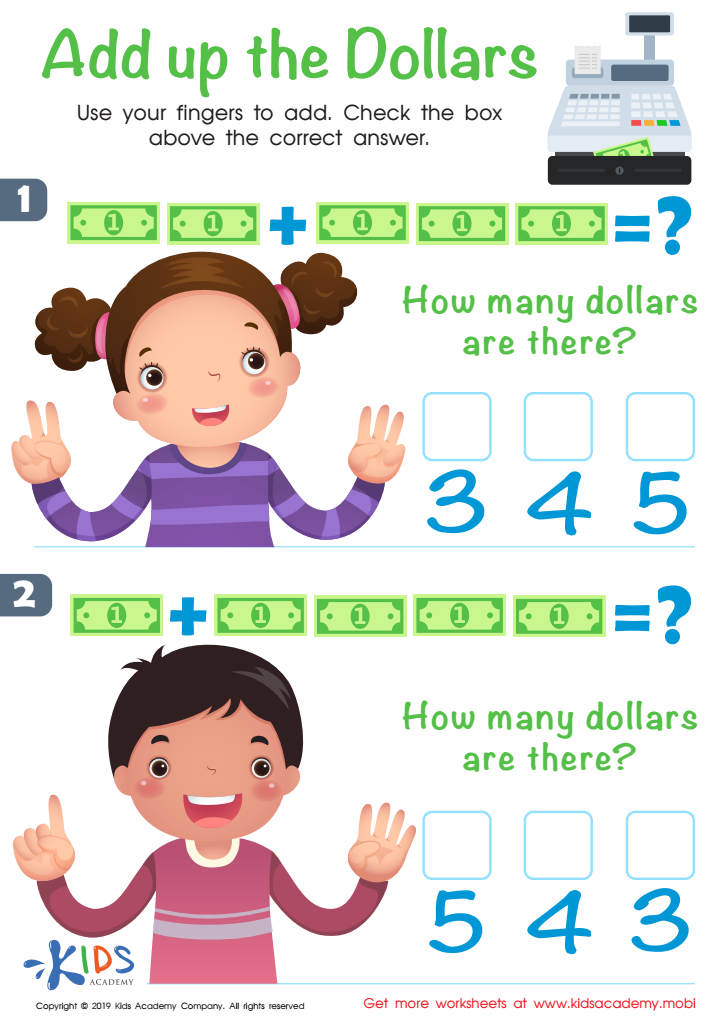
Add up the Dollars Worksheet
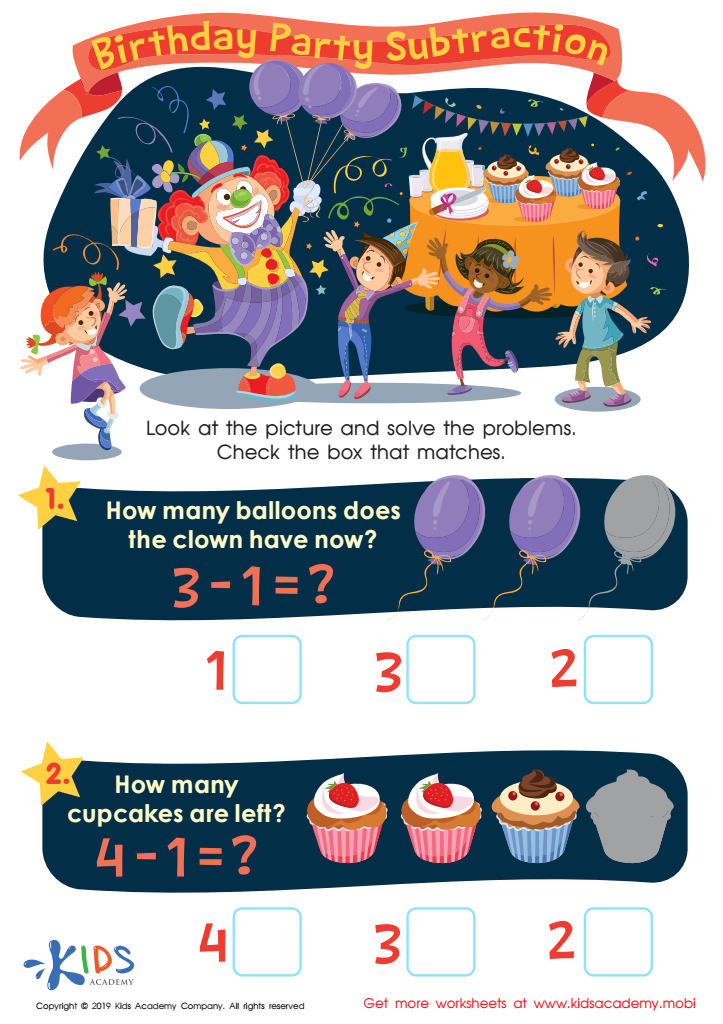
Birthday Party Subtraction Worksheet
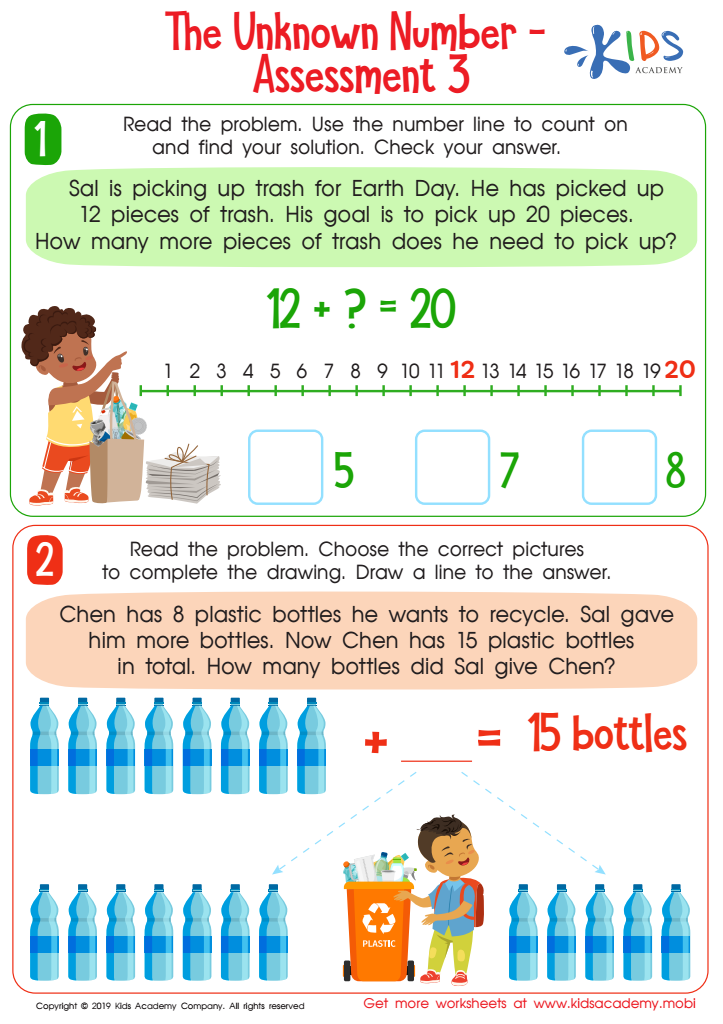
The Unknown Number - Assessment 3 Worksheet
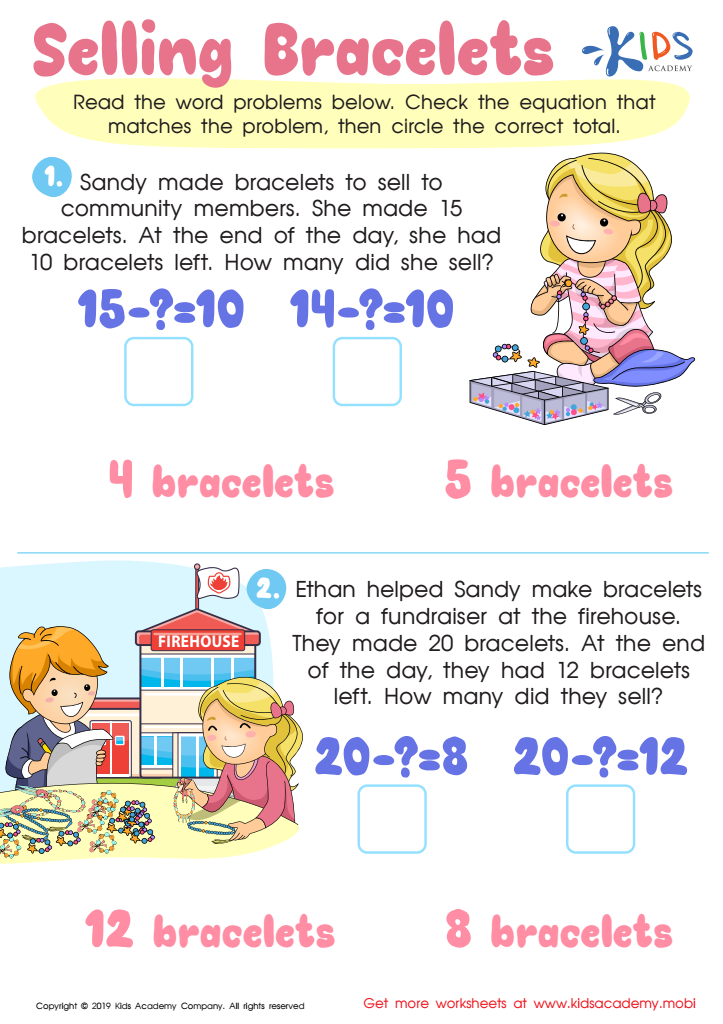
Selling the Bracelets Worksheet
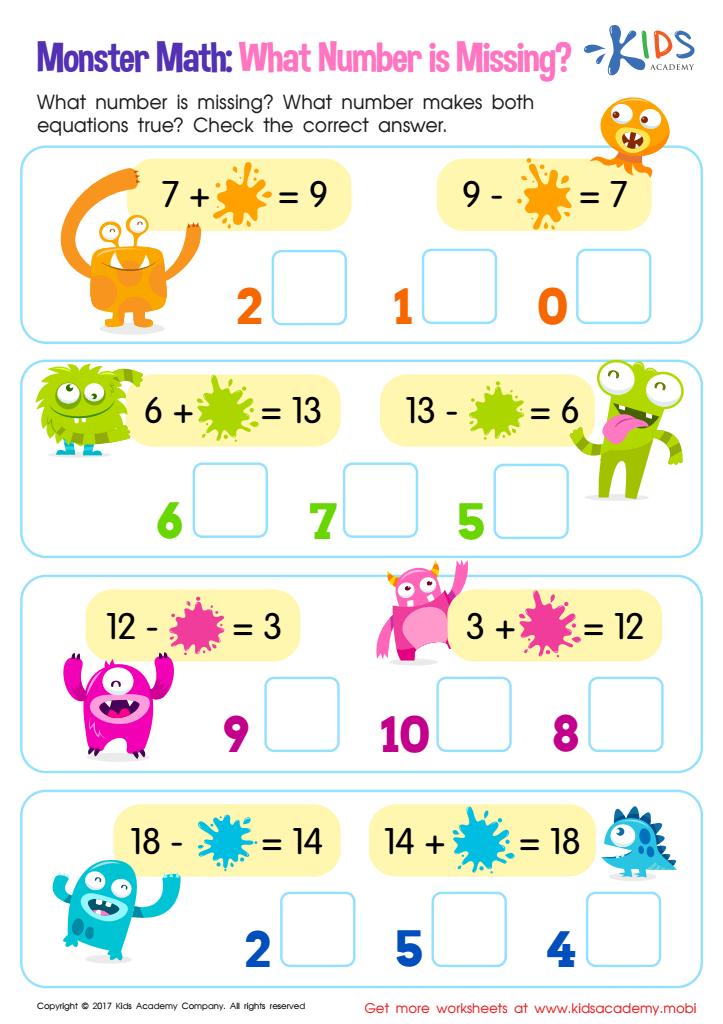
Missing Number: Monster Math Worksheet
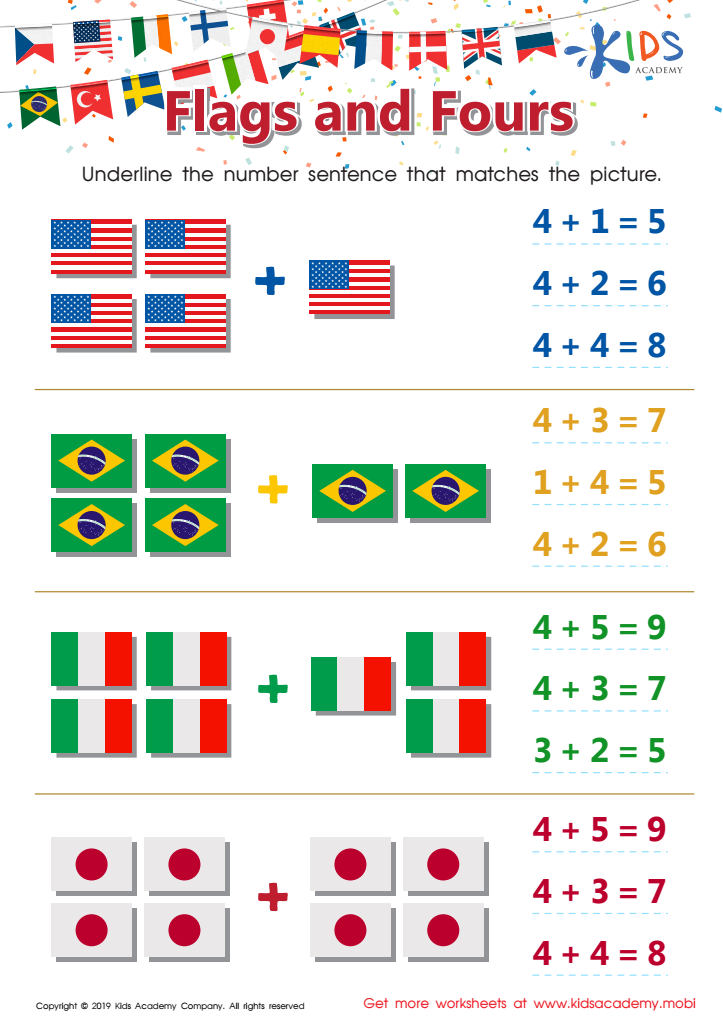
Flags and Fours Worksheet
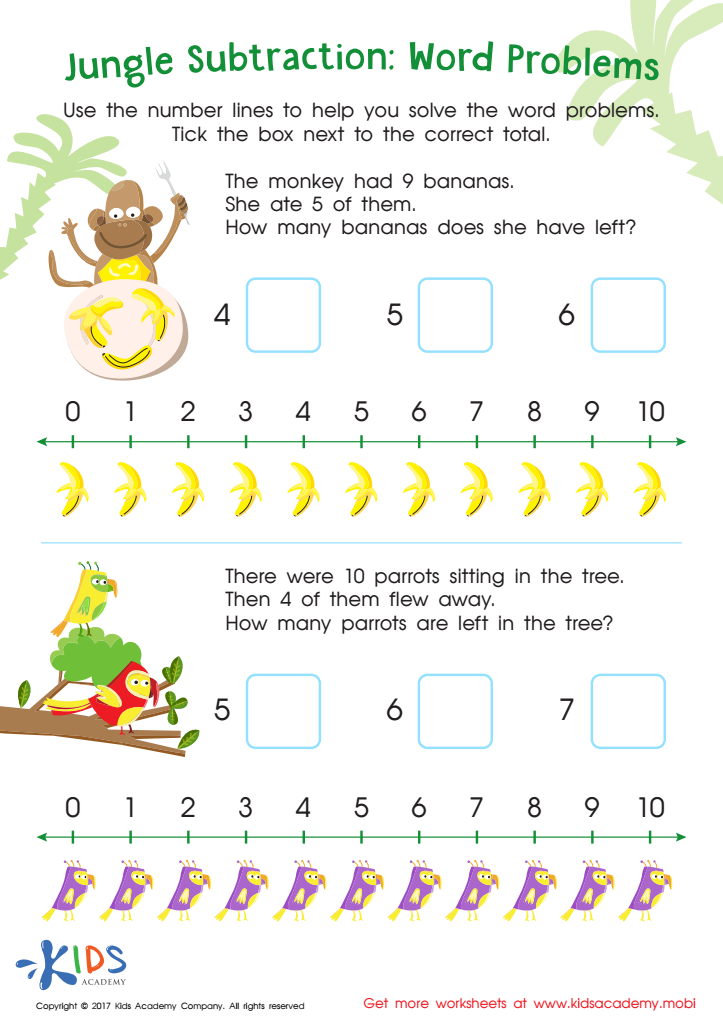
Jungle Subtraction Word Problems Substraction Worksheet
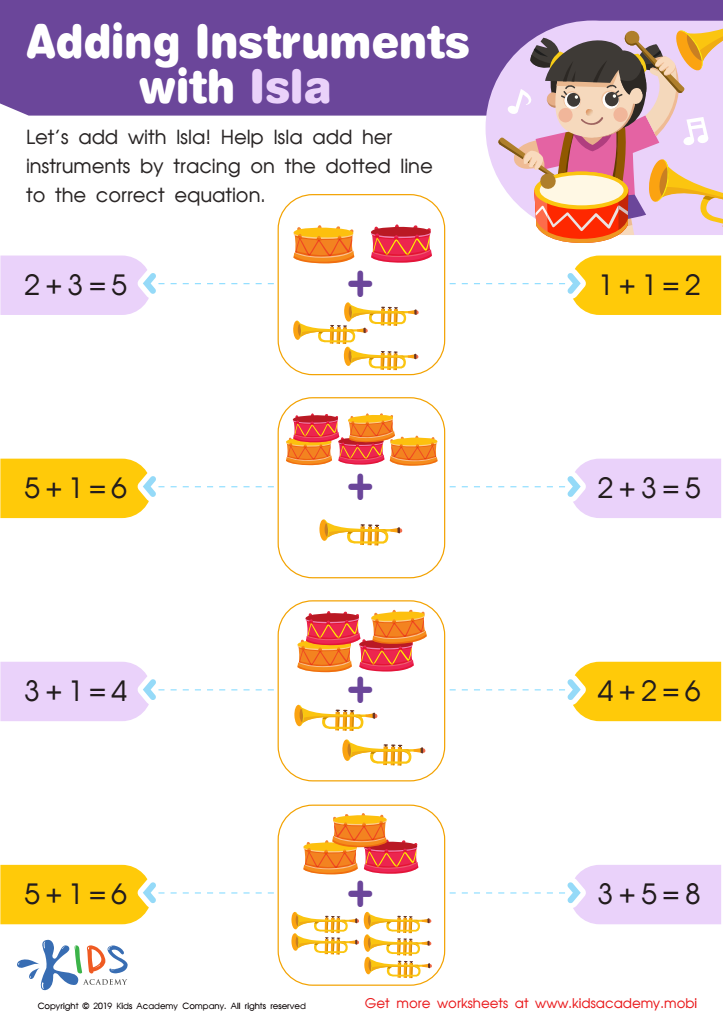
Adding Instruments with Isla Worksheet







Parents and teachers should prioritize problem-solving skills in addition and subtraction for children aged 4-6 because these foundational skills underpin a child's overall mathematical understanding and cognitive development. As young learners begin to grasp basic arithmetic concepts, fostering effective problem-solving abilities enhances their critical thinking, reasoning, and analytical skills. These competencies are crucial not only in mathematics but across various subjects and real-life situations.
Early engagement with addition and subtraction through problem-solving prepares children to approach mathematical challenges with confidence and creativity. By encouraging them to explore different methods of finding solutions, educators can help develop flexibility in thinking, allowing children to adapt to unfamiliar problems later on. Furthermore, involving parents in this learning process reinforces the connection between home and school, creating a supportive environment for exploration and understanding.
Incorporating playful and meaningful contexts for problem-solving makes math more relatable and enjoyable, instilling a positive attitude towards the subject. Ultimately, nurturing these skills during the formative years lays the groundwork for academic success and lifelong learning, equipping children with the tools to tackle complex problems they will encounter as they grow.








