Basic Addition Skills Numbers Worksheets for Ages 4-6
6 filtered results
-
From - To
Discover our engaging Basic Addition Skills Worksheets designed for children aged 4-6! These interactive printables help young learners master essential addition concepts while fostering their love for math. Each worksheet features colorful illustrations and age-appropriate exercises that make practice enjoyable and effective. From counting objects to simple addition problems, these resources build a solid foundation in numeracy and problem-solving. Parents and educators can easily download and print these worksheets, creating a fun learning environment at home or in the classroom. Give your child a head start in math with our Basic Addition Skills Worksheets and watch them develop confidence in their abilities!
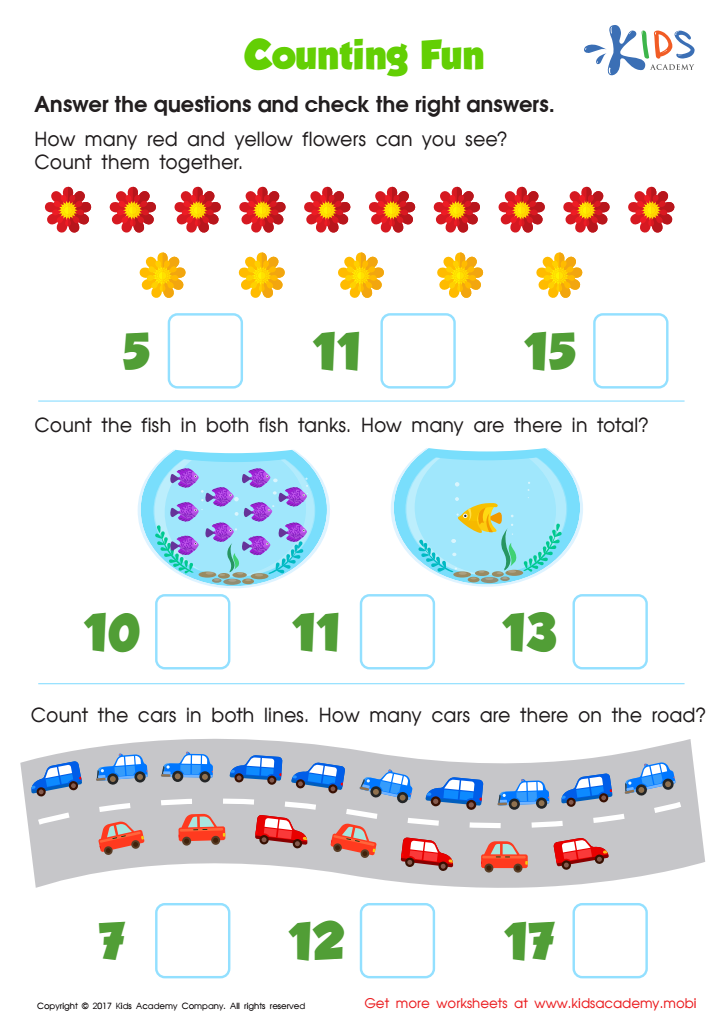
Counting Fun Worksheet
 Assign to My Students
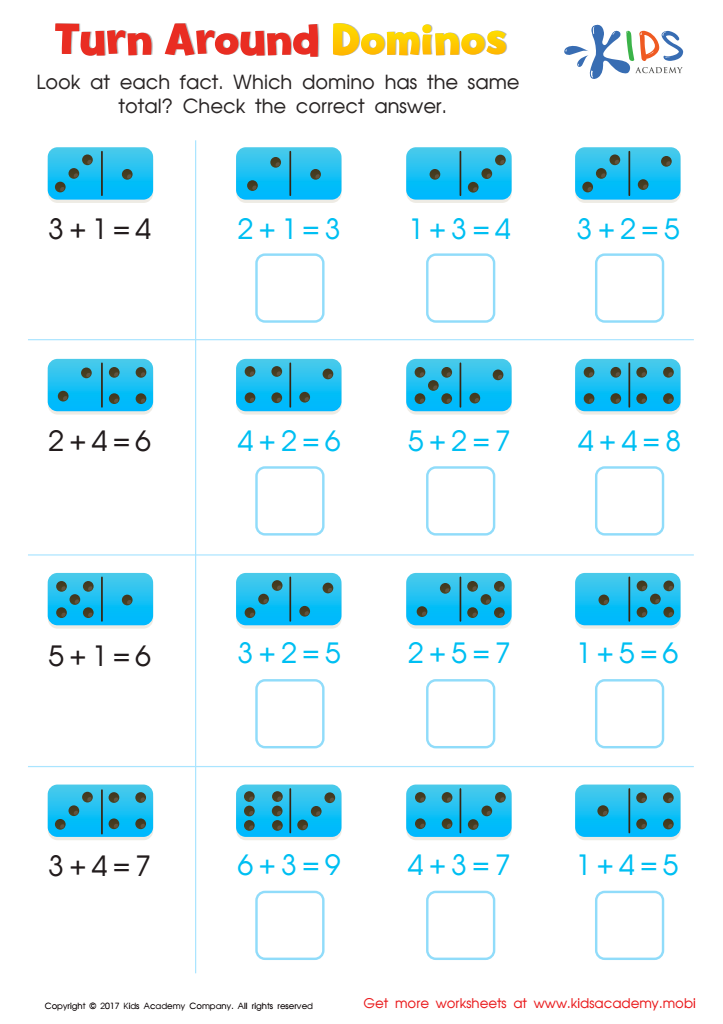
Turn Around Dominos Worksheet
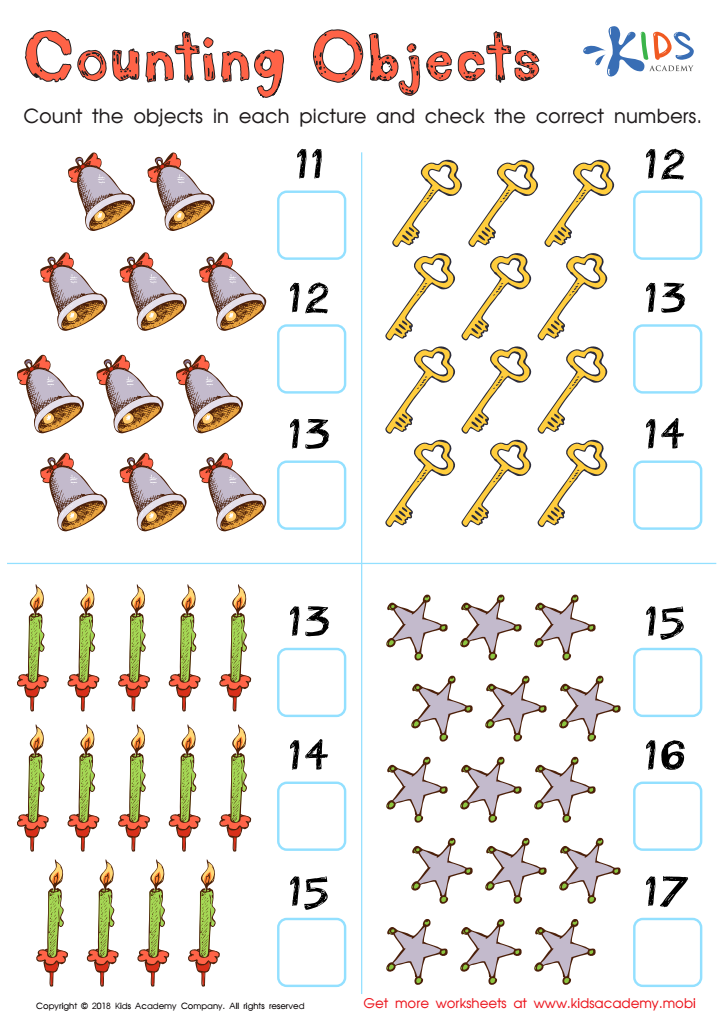
Counting Numbers Worksheet For Kindergarten
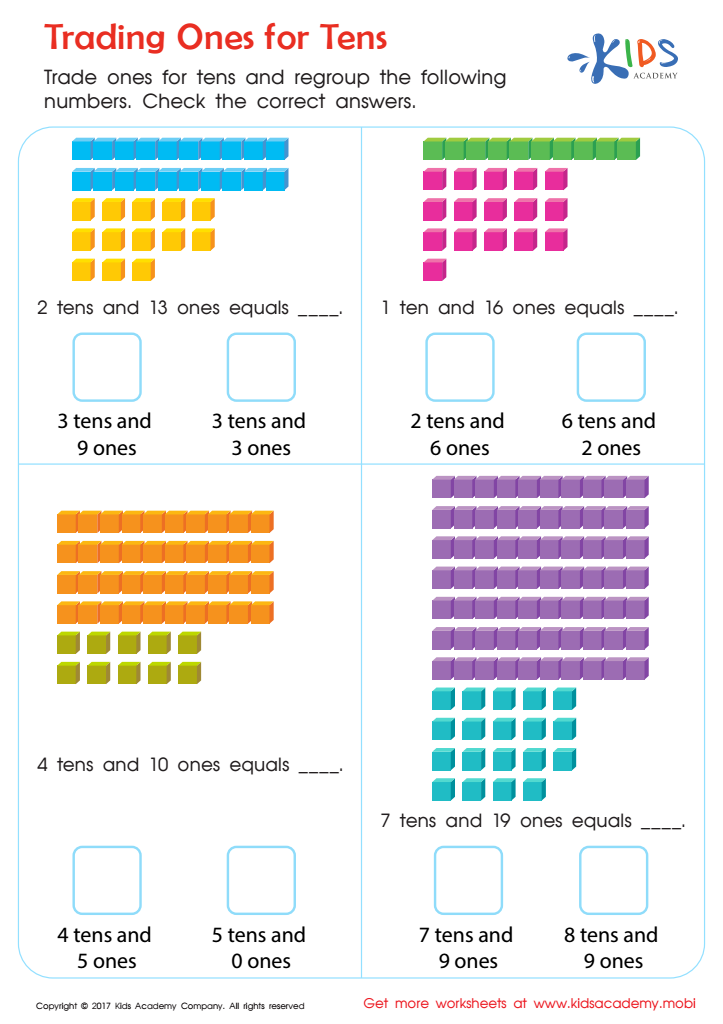
Trading Ones for Tens Worksheet
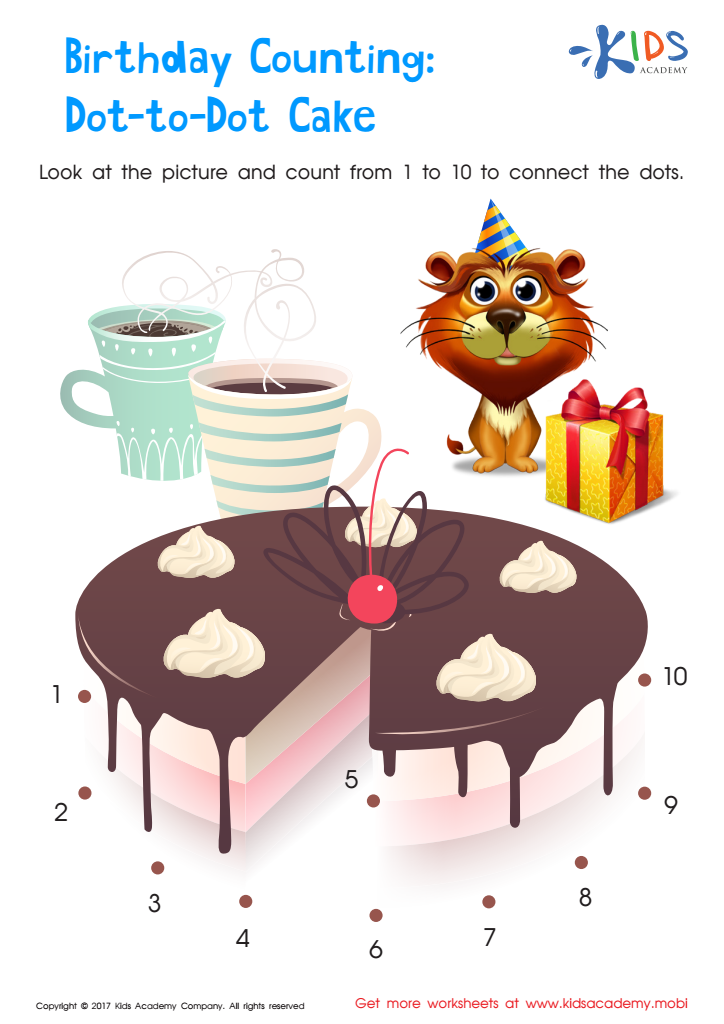
Birthday Counting Connect Dots Worksheet
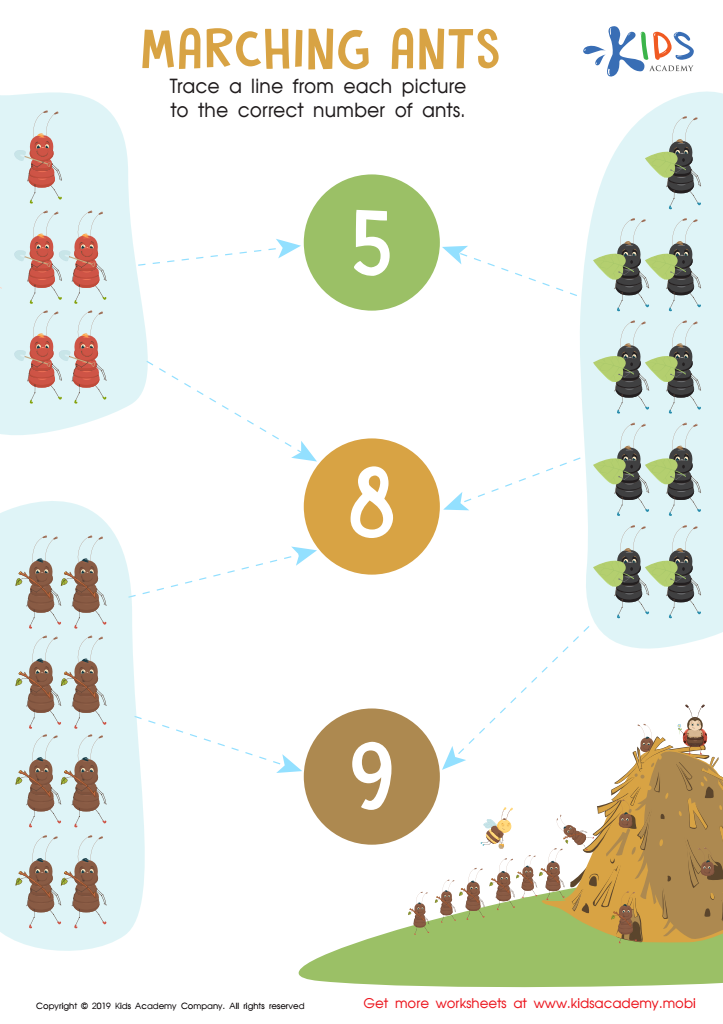
Marching Ants Worksheet








Basic addition skills for children ages 4-6 are foundational for their overall learning and development. At this age, children are naturally curious and eager to engage with the world mathematically. Mastering basic addition not only helps them understand numbers but also enhances critical thinking and problem-solving abilities. It promotes cognitive development, encouraging them to relate numerical concepts to everyday experiences, such as sharing toys or counting snacks.
Furthermore, strong addition skills lay the groundwork for more advanced math concepts that they will encounter in later grades. Early proficiency in addition fosters confidence in mathematical abilities, which can reduce anxiety surrounding math as they progress in school. It also facilitates the development of social skills through group activities, as children often learn better in collaborative settings.
Parents and teachers play a crucial role in nurturing these skills through interactive and enjoyable activities, such as games or playful exercises. This engagement not only solidifies basic math concepts but also strengthens the bond between adult caregivers and the child, creating a supportive learning environment. By focusing on addition skills at this early stage, parents and teachers prepare children for academic success while instilling a lifelong love for mathematics.








