Fine Motor Skills Numbers Worksheets for Ages 4-6 - Page 4
76 filtered results
-
From - To
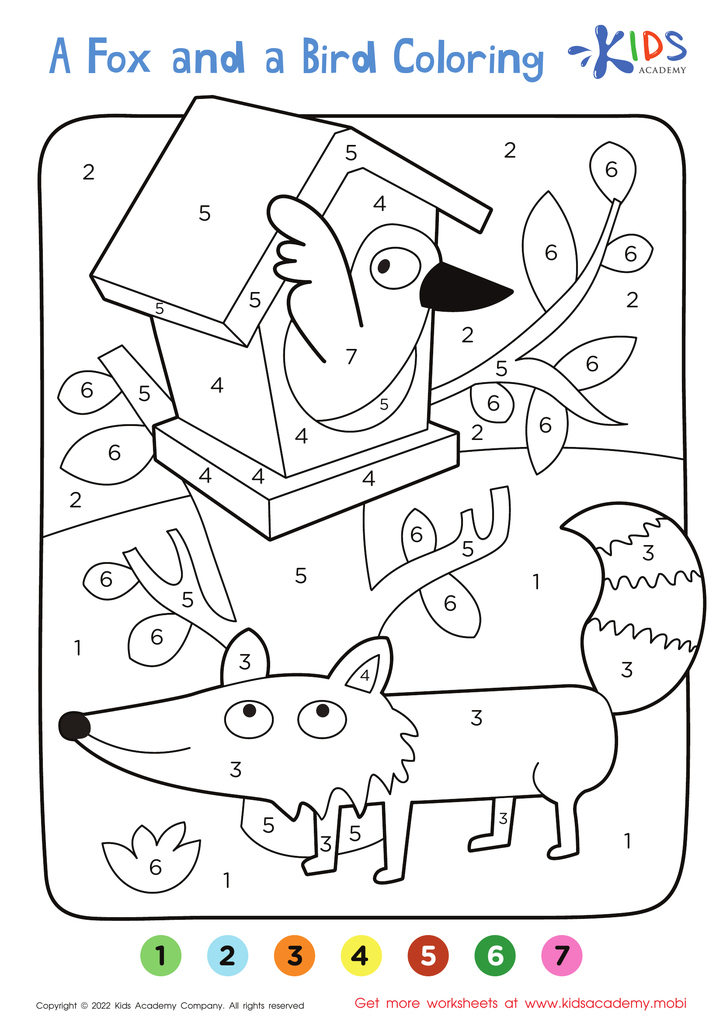
A Fox and a Bird – Coloring by Numbers
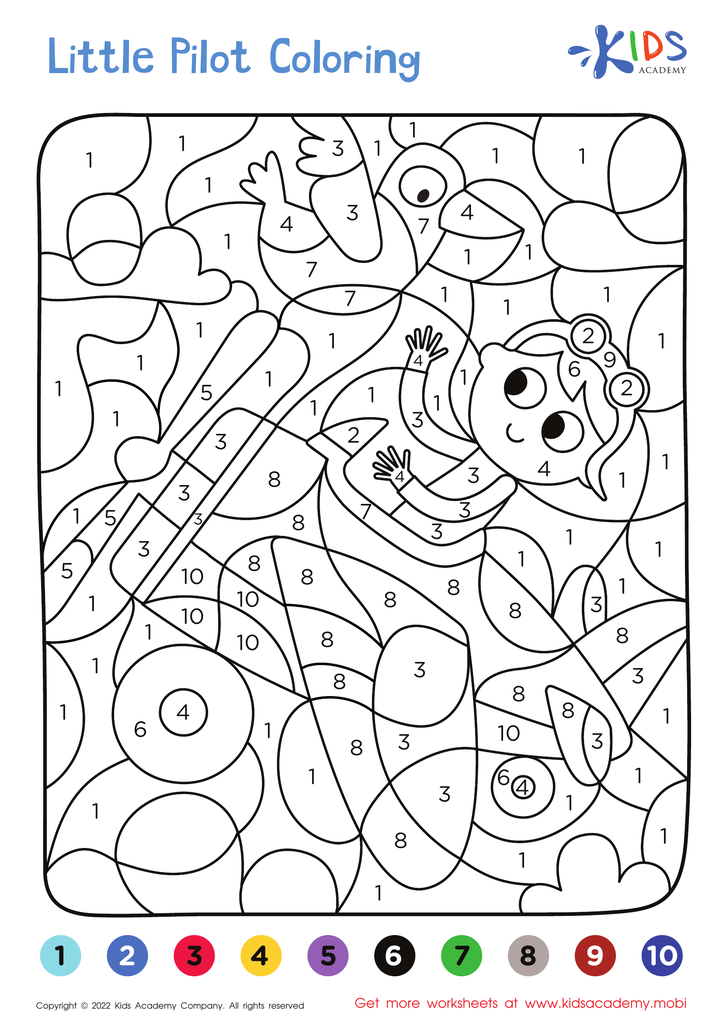
Little Pilot – Coloring by Numbers
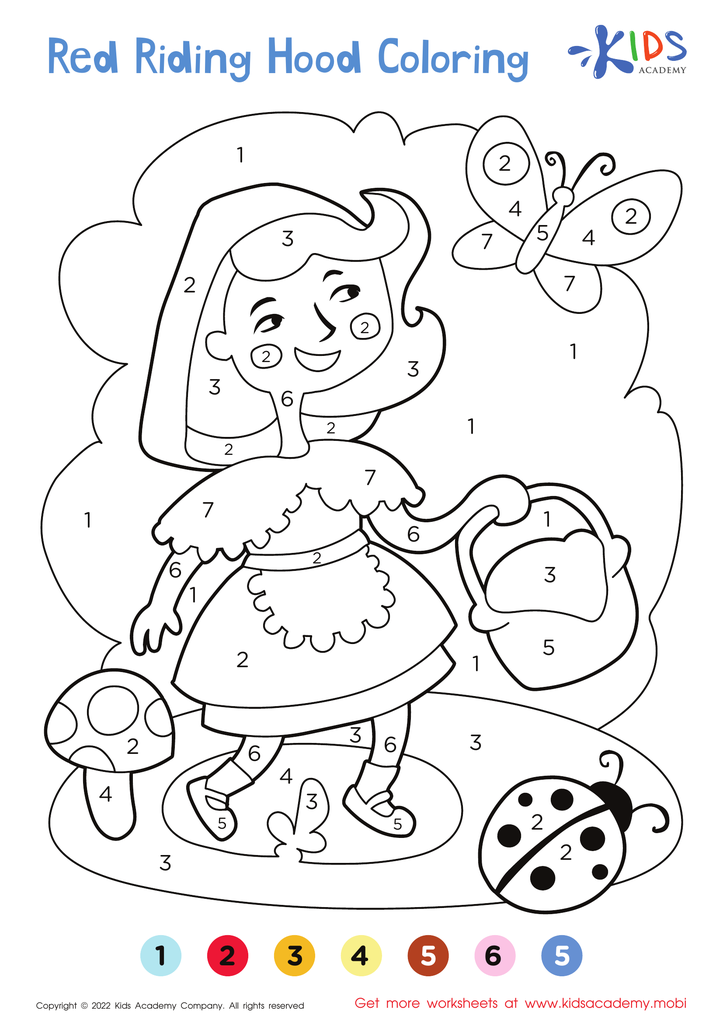
Little Red Riding Hood – Coloring by Numbers
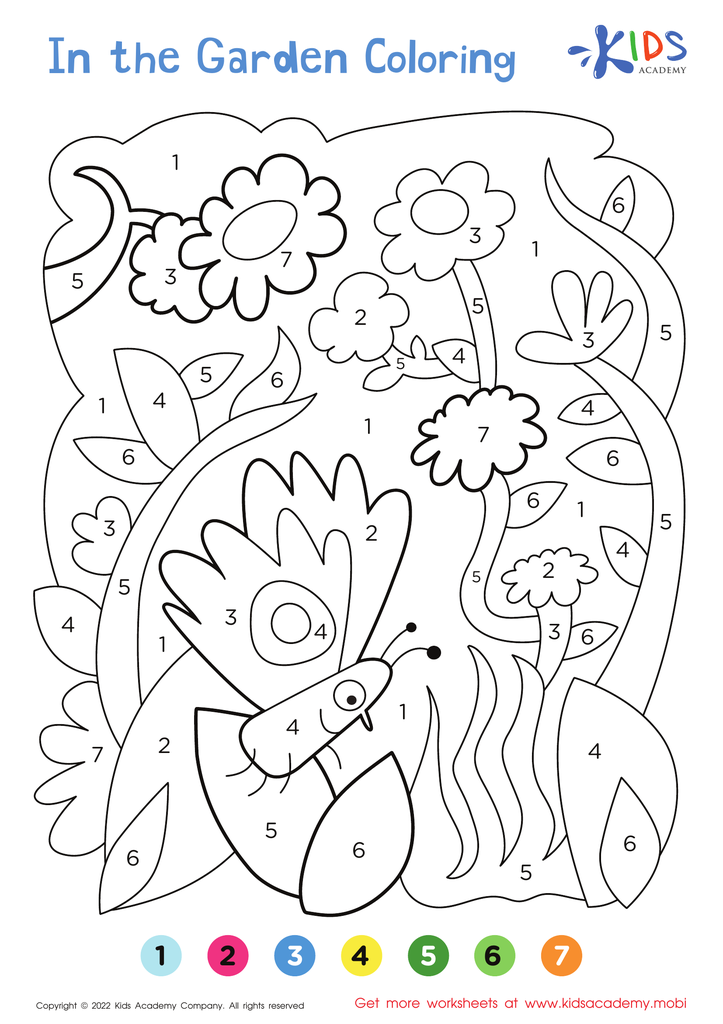
In the Garden – Coloring by Numbers








Parents and teachers should prioritize developing fine motor skills in children aged 4-6 because these skills are fundamental for many aspects of daily life and academic success. Fine motor skills involve the coordination of small muscle movements in the hands and fingers, essential for tasks like writing, cutting with scissors, buttoning clothes, and manipulating small objects.
At ages 4-6, children are in a critical phase of growth where they transition from playful exploration to more structured learning environments, like preschools and kindergartens. Developing fine motor skills helps ensure that children can participate effectively in these educational settings. Strong fine motor coordination is closely linked to improved handwriting, enabling children to express their thoughts clearly on paper. This, in turn, facilitates better academic performance, particularly in literacy and numeracy.
Moreover, fine motor skills impact children's independence and confidence. When children can button their clothes, tie their shoes, and manage lunchtime tasks without assistance, they gain a sense of accomplishment and self-esteem. Fine motor activities also enhance hand-eye coordination and attention to detail, fostering cognitive development.
Investing time and effort in nurturing fine motor skills sets a strong foundation for future learning experiences and daily activities, making it a crucial focus for both parents and teachers during this developmental stage.








