Matching skills Math Worksheets for Ages 4-6
18 filtered results
-
From - To
Discover engaging "Matching Skills Math Worksheets for Ages 4-6" designed to enhance early learning! Our interactive and fun worksheets focus on essential matching skills, helping young learners improve their ability to pair objects, numbers, and shapes. Perfect for developing critical thinking and problem-solving abilities, these carefully crafted activities foster cognitive growth and foundational math skills. Ideal for preschool and kindergarten students, each worksheet offers colorful graphics and exciting tasks that keep children motivated and eager to learn. Give your child a head start in math with these delightful and educational matching worksheets from Kids Academy!
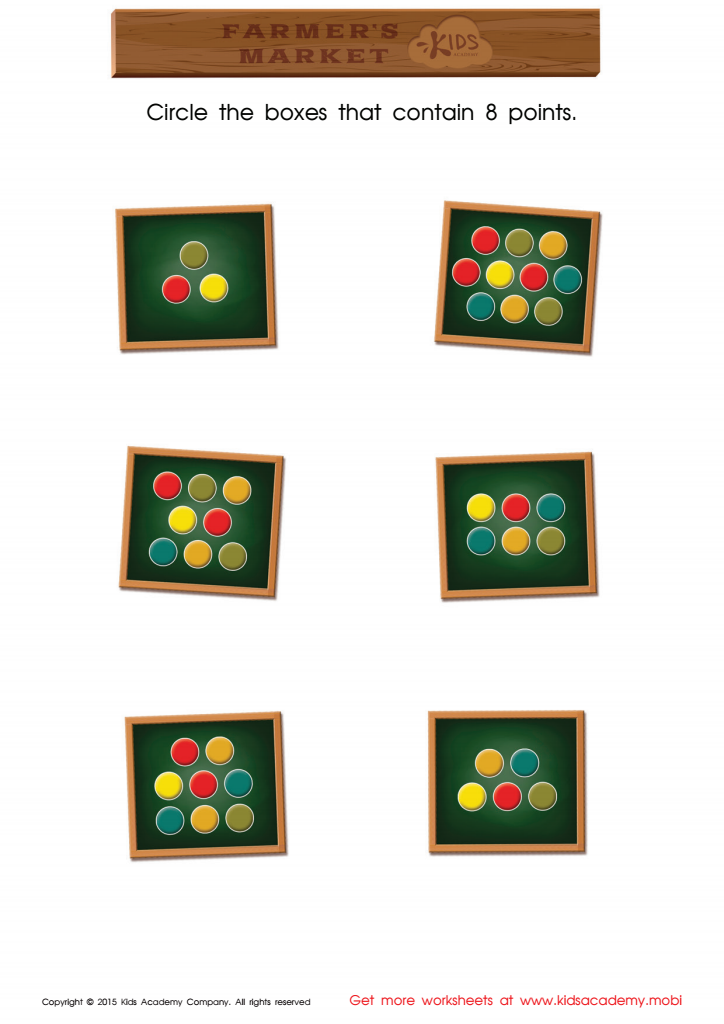
Count and Match Points 8 Math Worksheet
 Assign to My Students
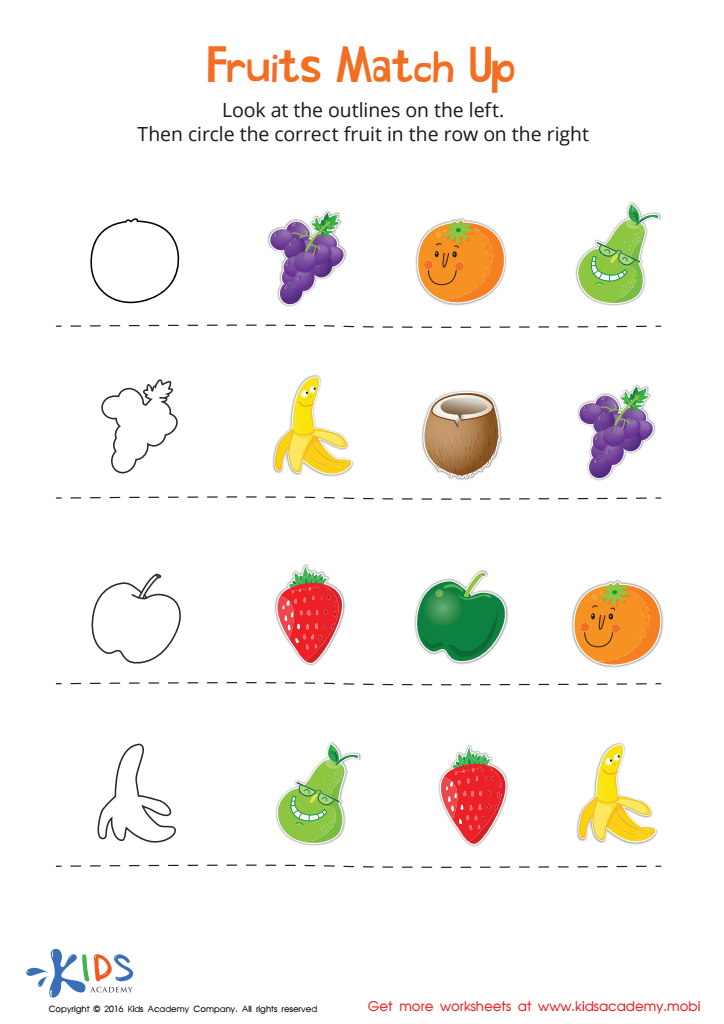
Fruits Match Up Worksheet
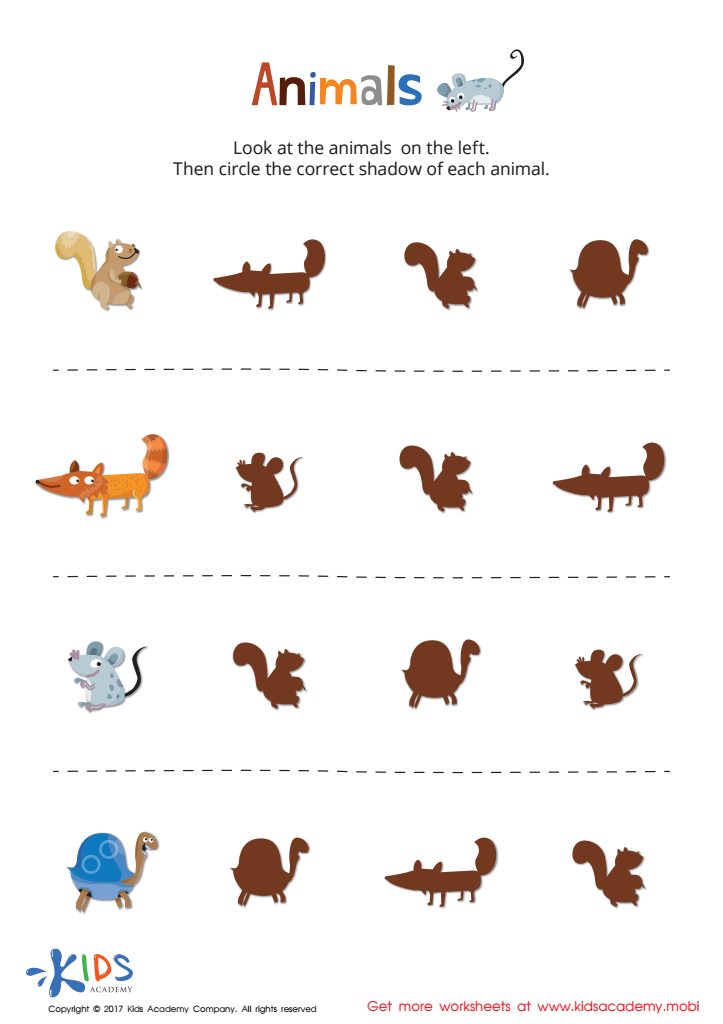
Animal Shadows Sorting Worksheet
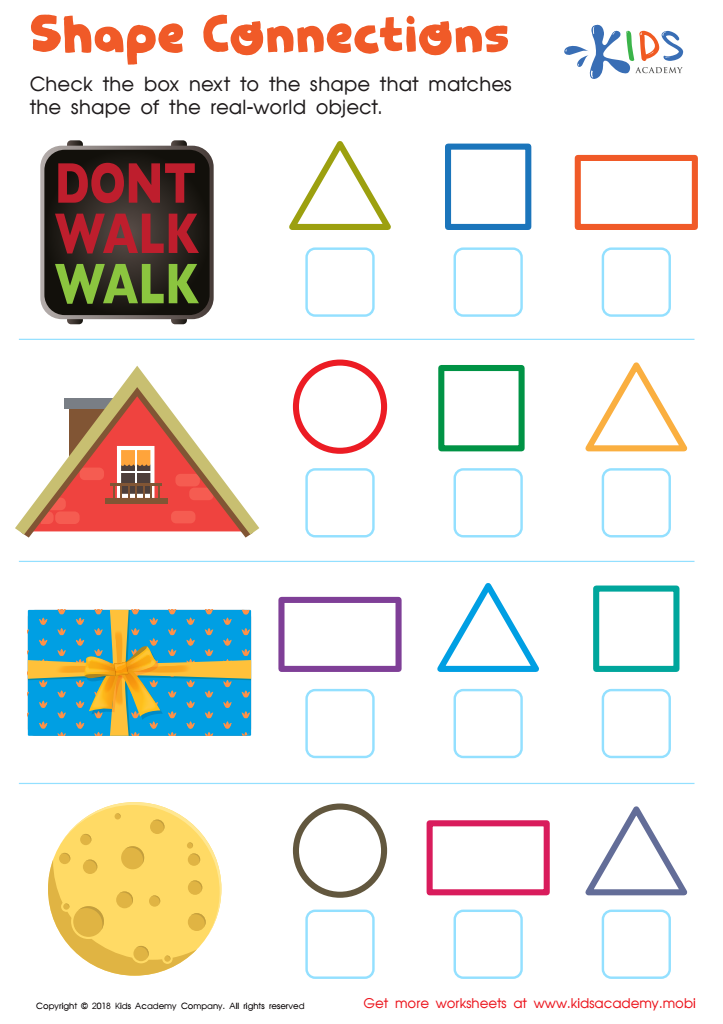
Shape Connections Worksheet
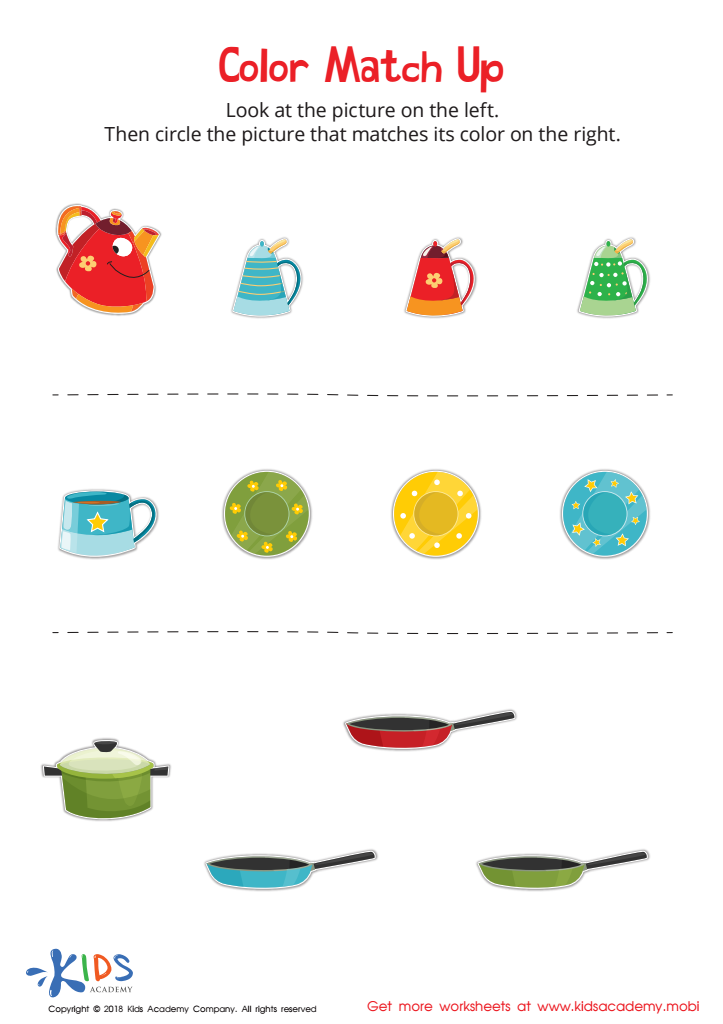
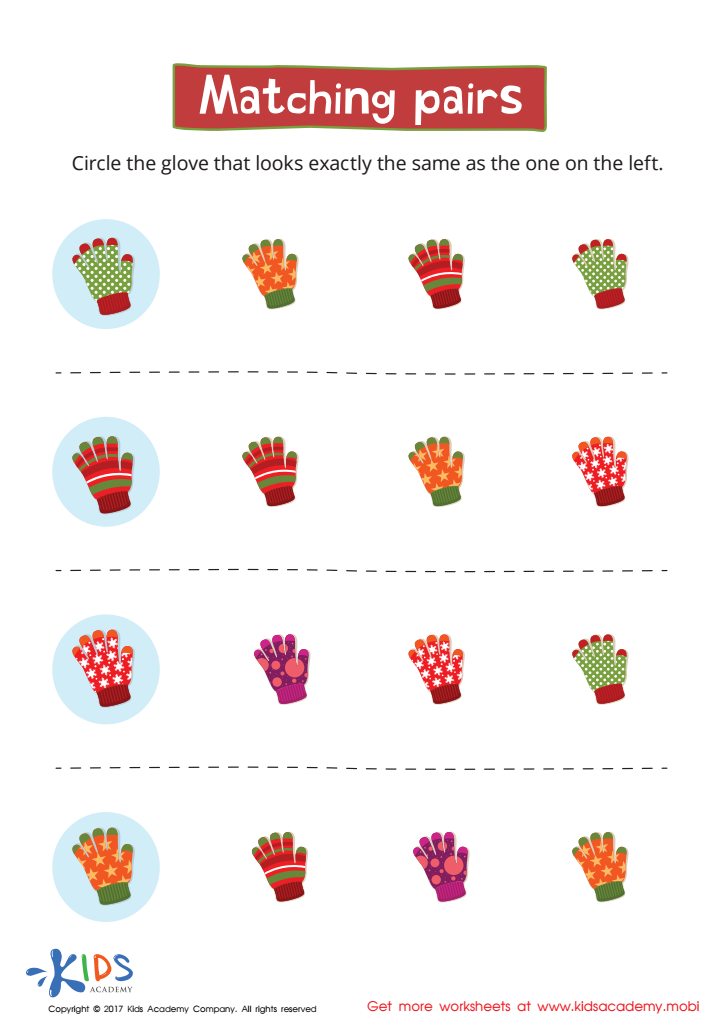
Matching: Matching Pairs Worksheet
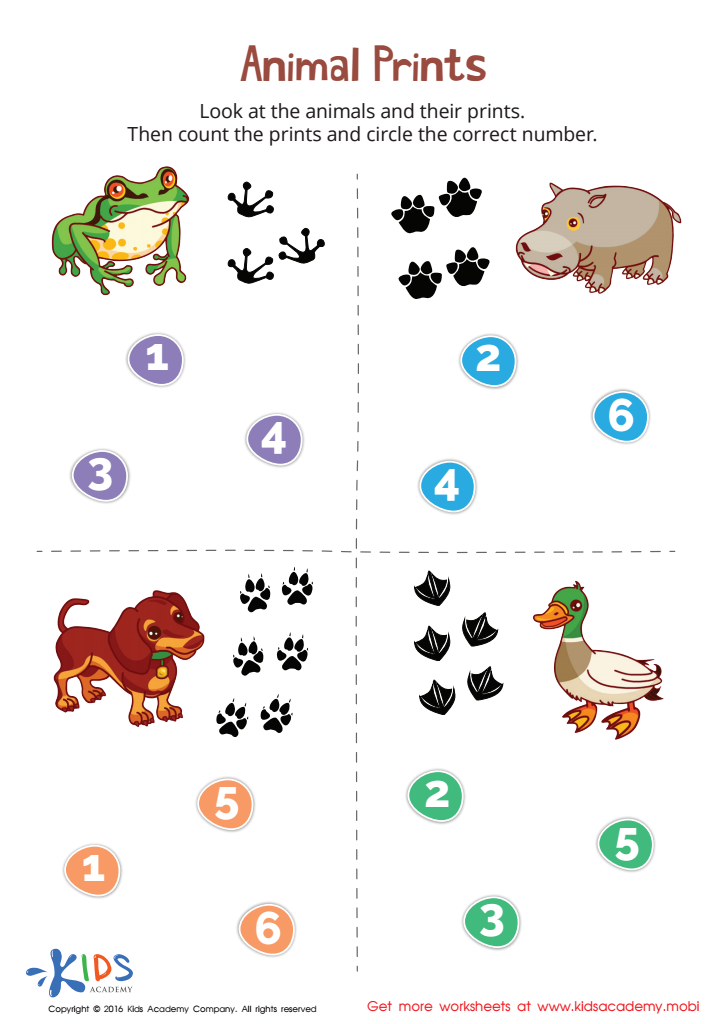
Animal Prints Match-Up Worksheet
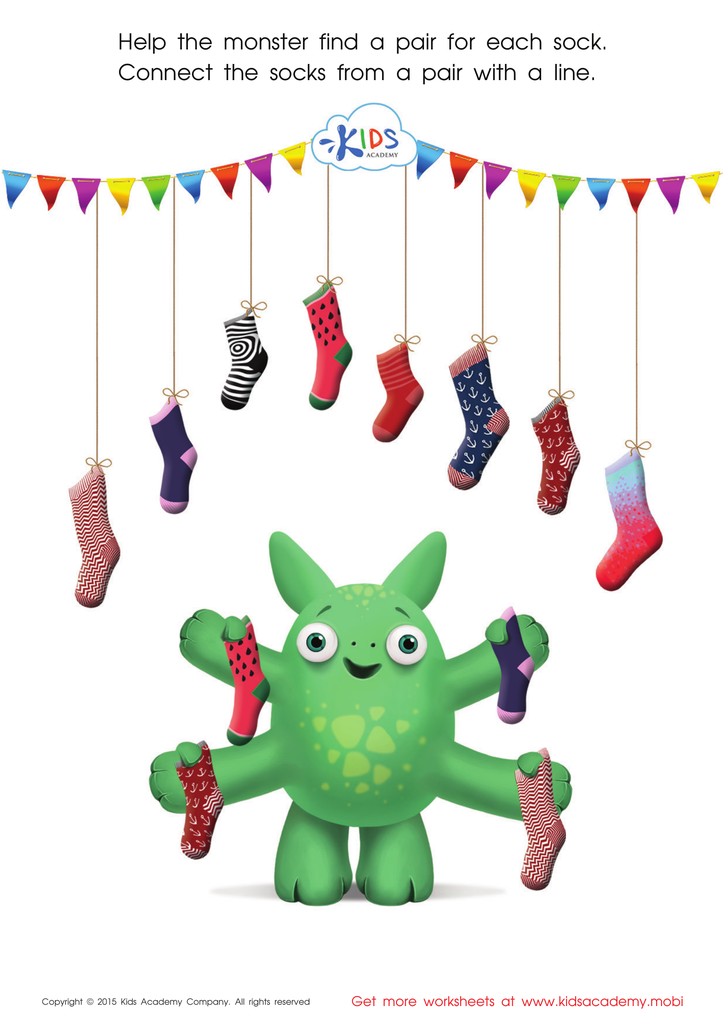
Math Matching Game: Monsterв's Socks Worksheet
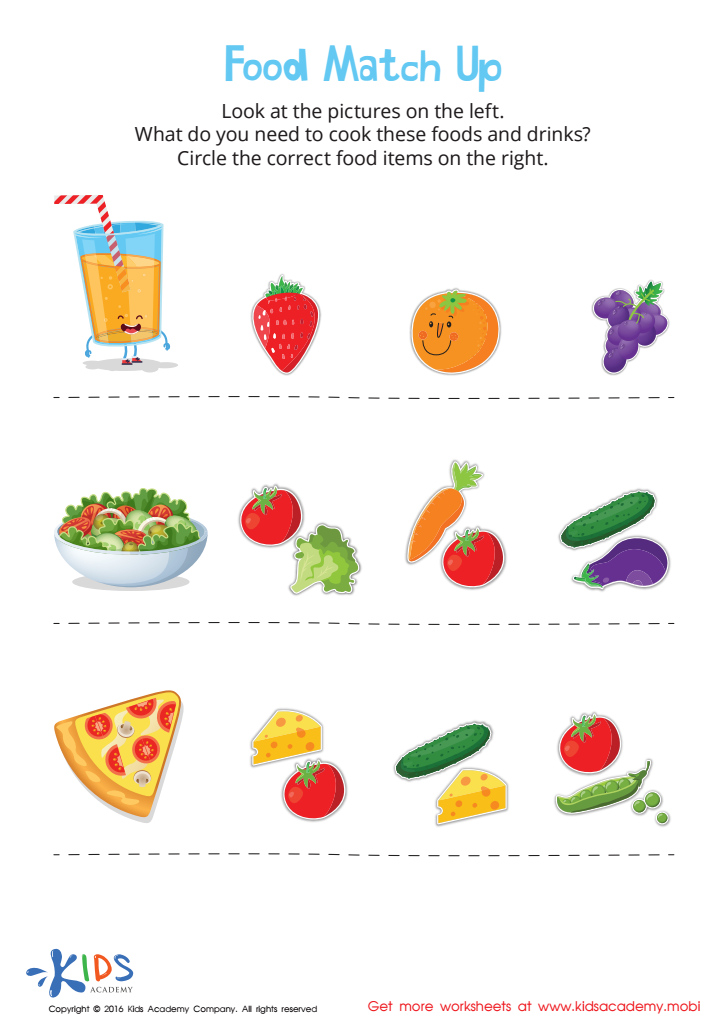
Food Match Up Worksheet
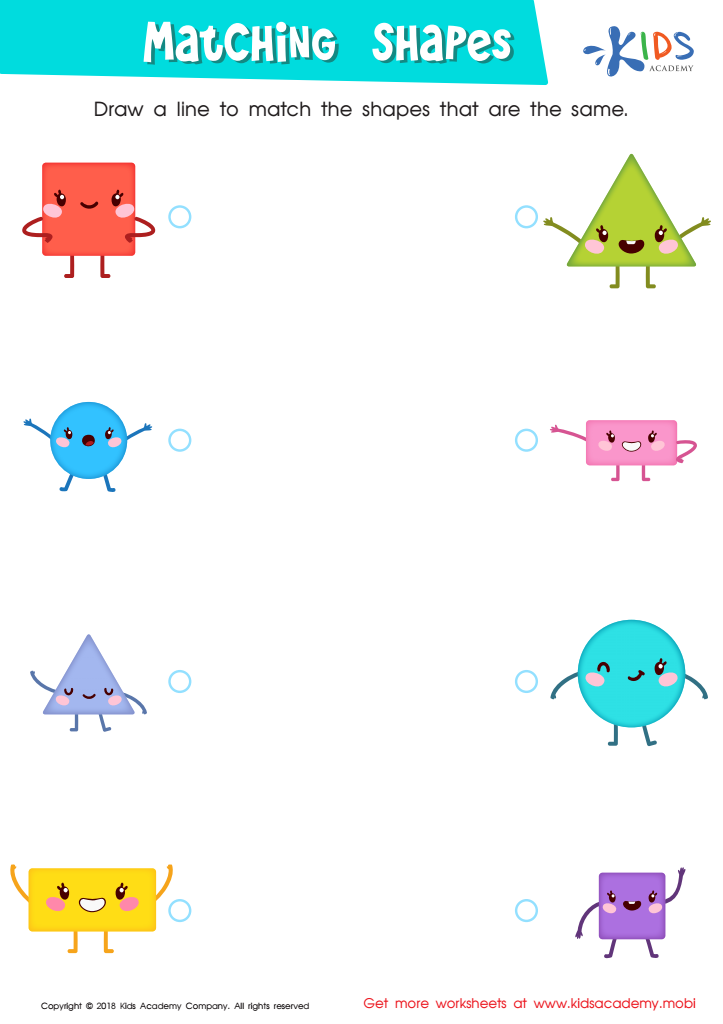
Matching Shapes Worksheet
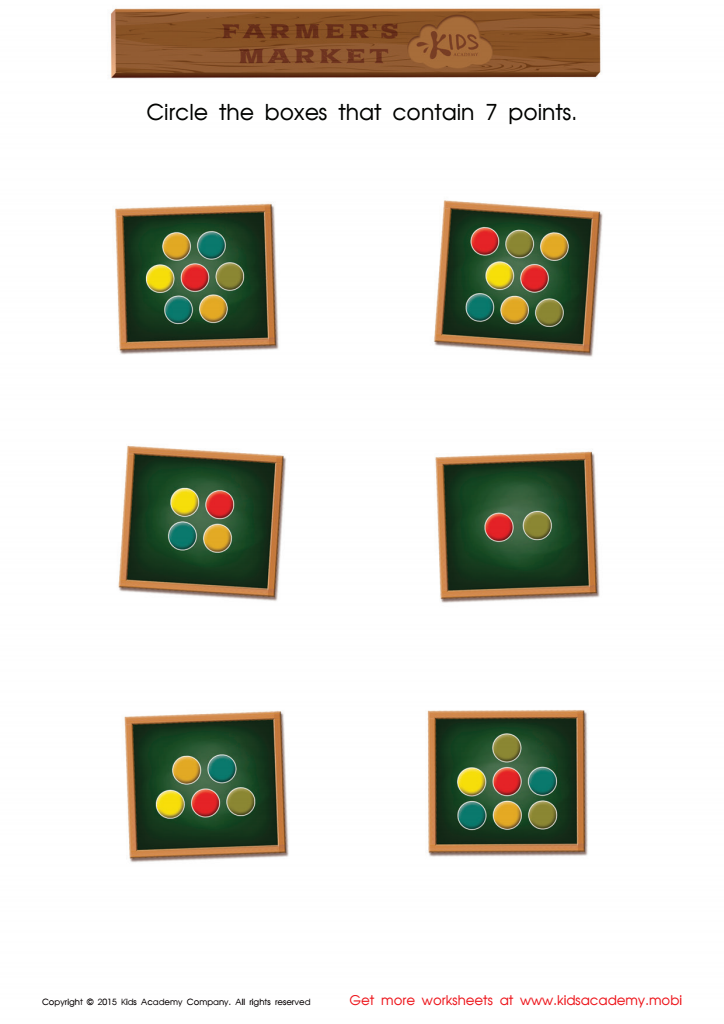
Count and Match Points 7 Math Worksheet
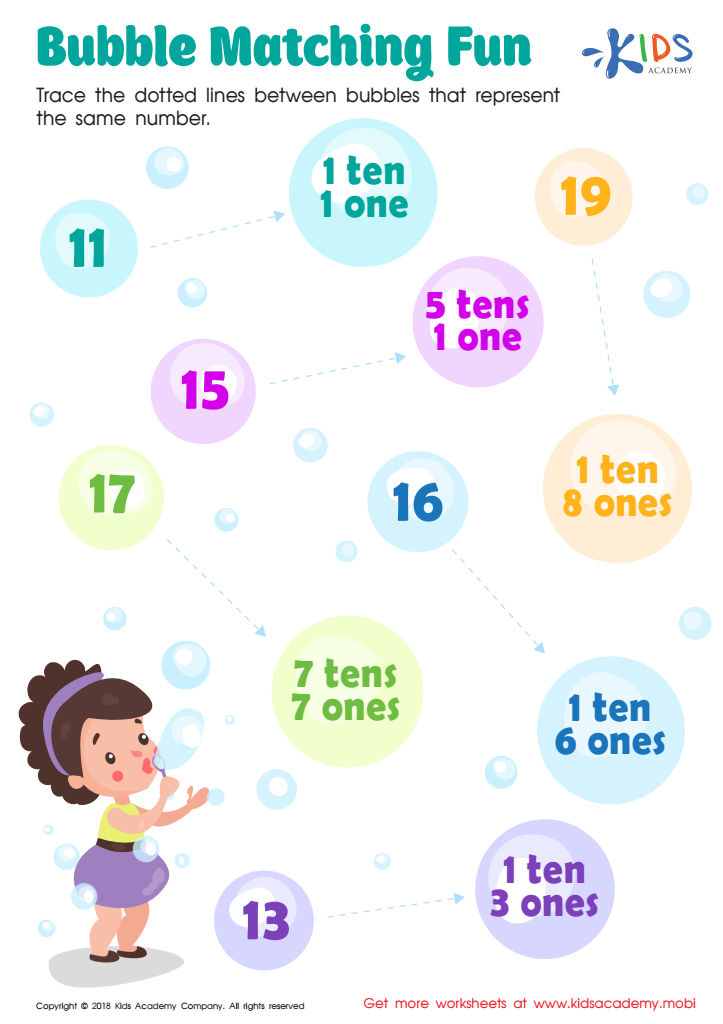
Bubble Matching Fun Worksheet
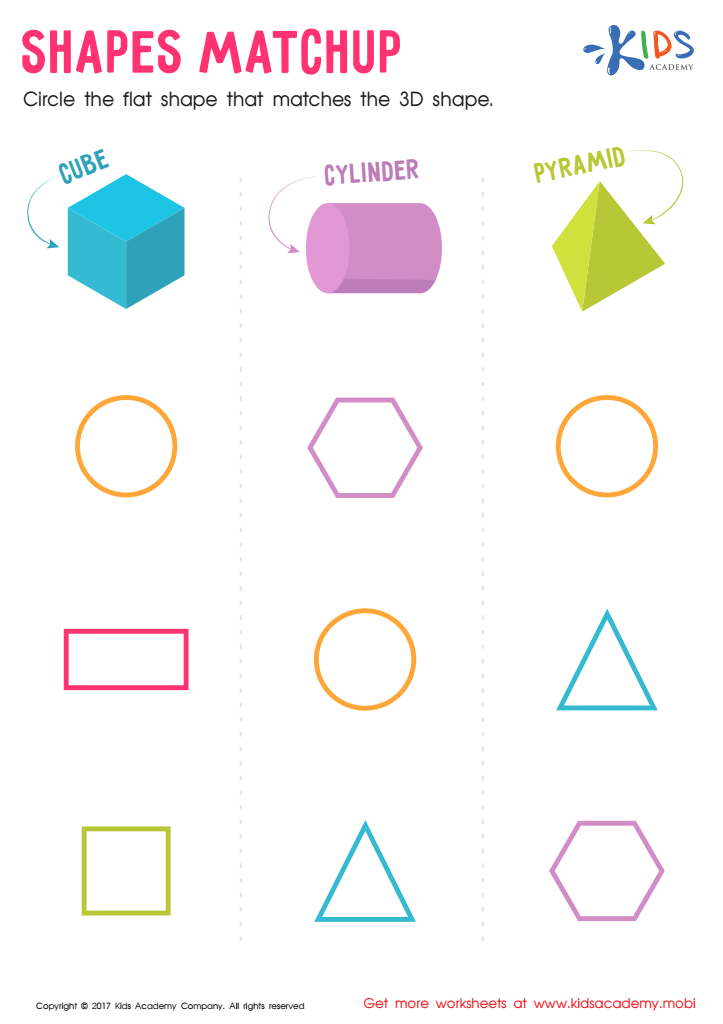
Shapes Matchup Worksheet
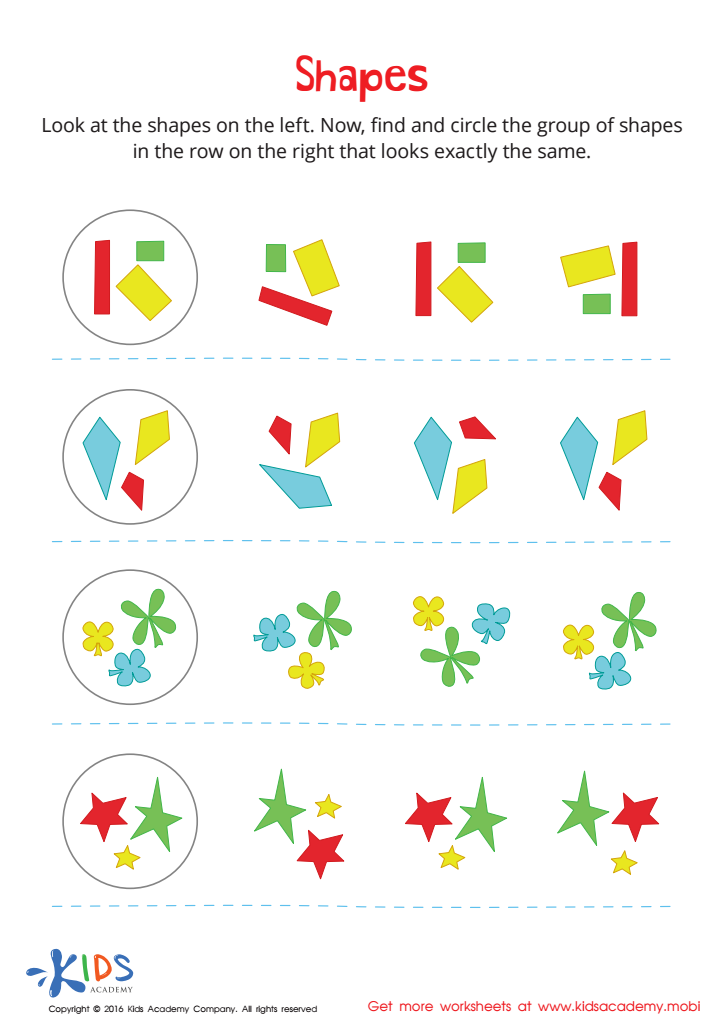
Shapes Worksheet
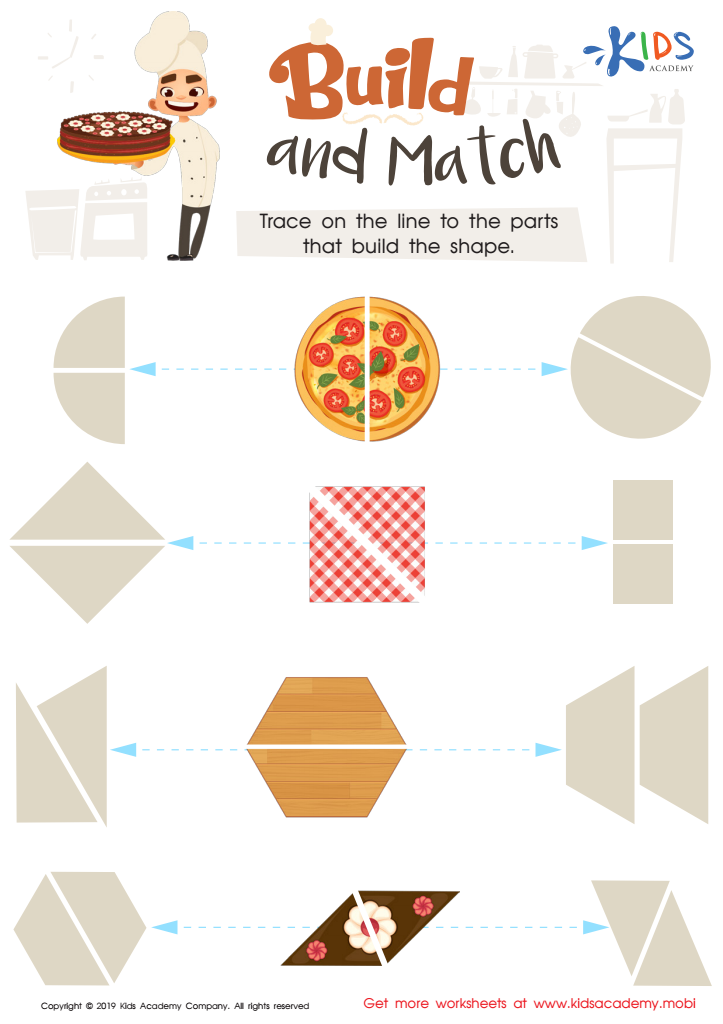
Build and Match Worksheet
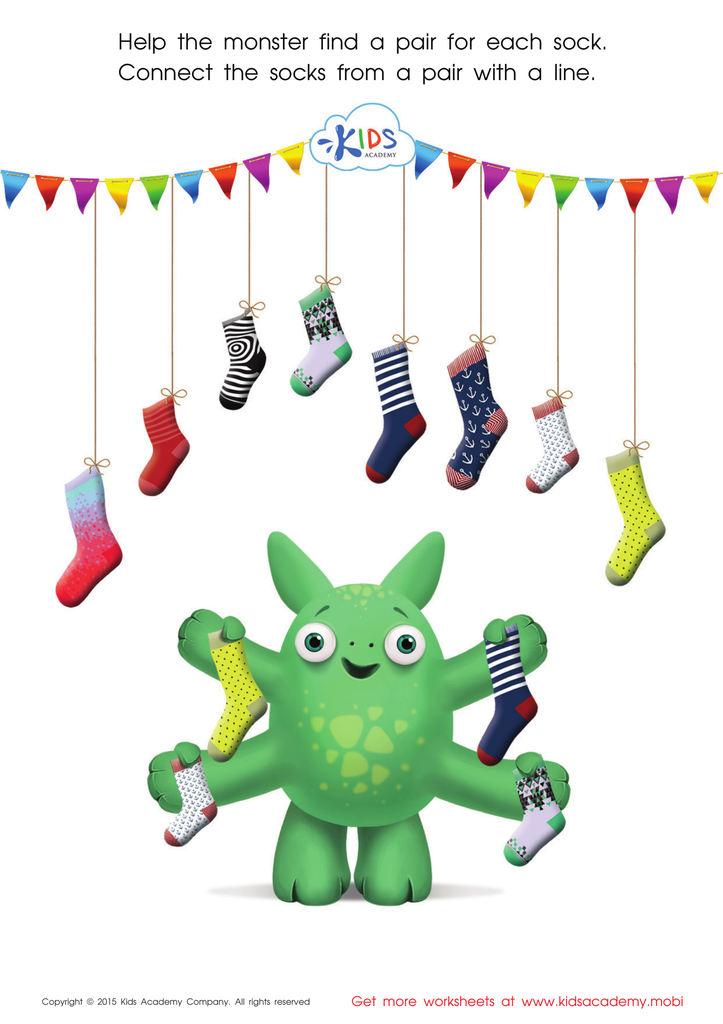
Math Matching Pairs Game: Monsterв's Socks Worksheet
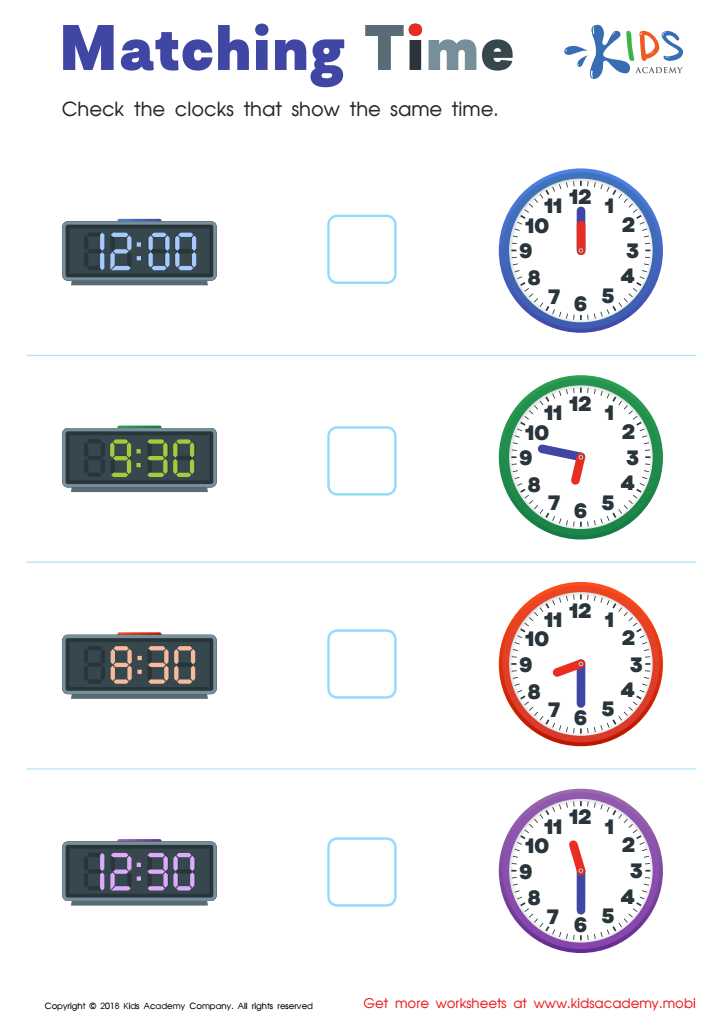
Matching Time Worksheet
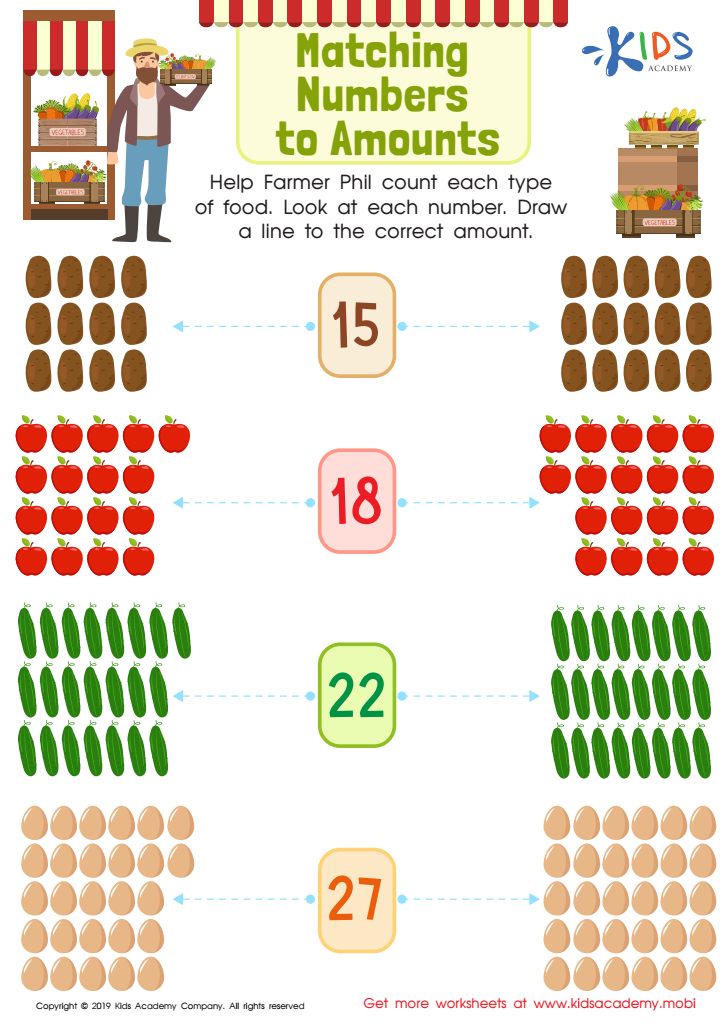
Matching Numbers to Amounts Worksheet


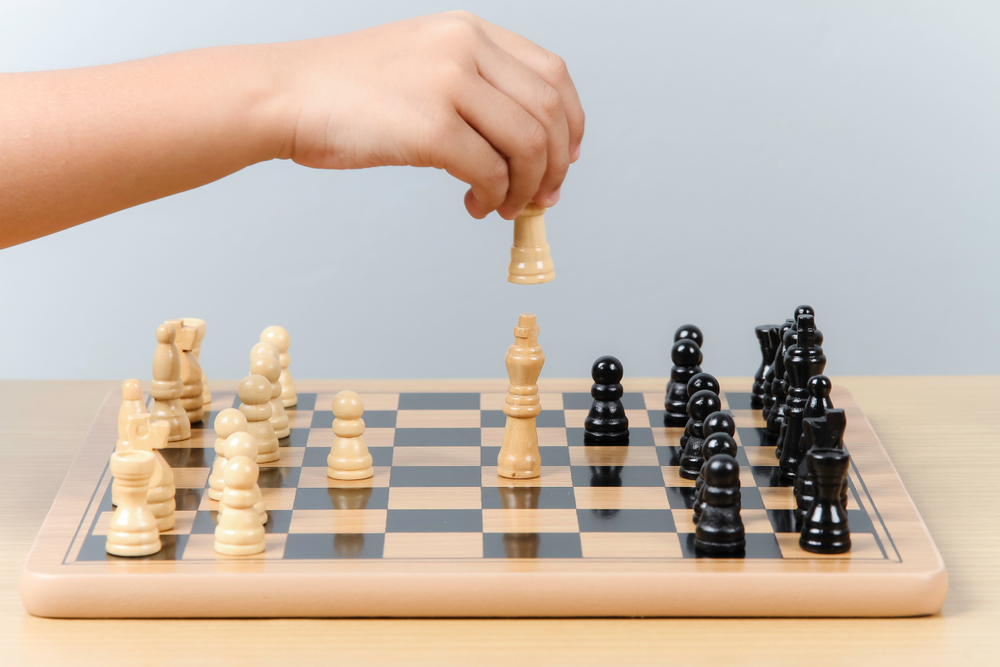
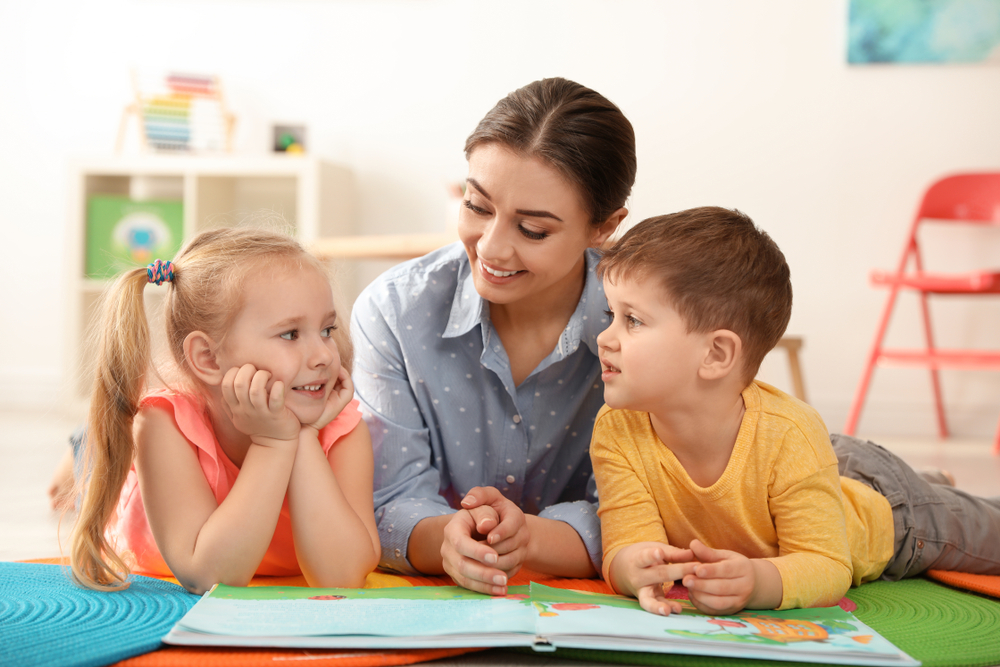




Matching skills in math for children aged 4-6 are crucial for several key reasons. First, matching is foundational for developing critical thinking and problem-solving abilities. When children match objects, numbers, or shapes, they learn to notice similarities and differences, enhancing their cognitive development.
Furthermore, matching supports early numeracy skills. It strengthens the understanding of one-to-one correspondence—a fundamental concept where children learn that numbers correspond to specific quantities. This is a critical precursor to addition and subtraction.
Matching activities can also enhance children’s recognition and memory, important for both academic and daily life tasks. For example, when matching pairs of socks or recognizing number patterns, children practice skills that will help in more complex mathematical concepts down the road.
In addition, matching helps develop fine motor skills as children handle objects, and improves their visual discrimination abilities. These are essential for reading, writing, and various other academic pursuits.
Finally, creating a fun and engaging learning environment through matching activities fosters a positive attitude towards education. Children are more likely to enjoy math and embrace learning when they find it enjoyable and relevant.
Thus, both parents and teachers should prioritize matching skill activities to lay a robust foundation for future academic and life success.








