Visual discrimination Math Worksheets for Ages 4-6
16 filtered results
-
From - To
Our Visual Discrimination Math Worksheets for ages 4-6 provide an engaging and educational way to enhance your child's early math skills. These thoughtfully designed worksheets help young learners differentiate between shapes, numbers, and patterns, fostering crucial visual perception abilities. Each activity is tailored to capture a child's attention while building foundational skills in counting, sorting, and recognizing differences and similarities. Perfect for both preschool and kindergarten, our resources support cognitive development and prepare your child for future academic success. Elevate learning through fun and interactive exercises that can be easily printed and incorporated into daily routines.
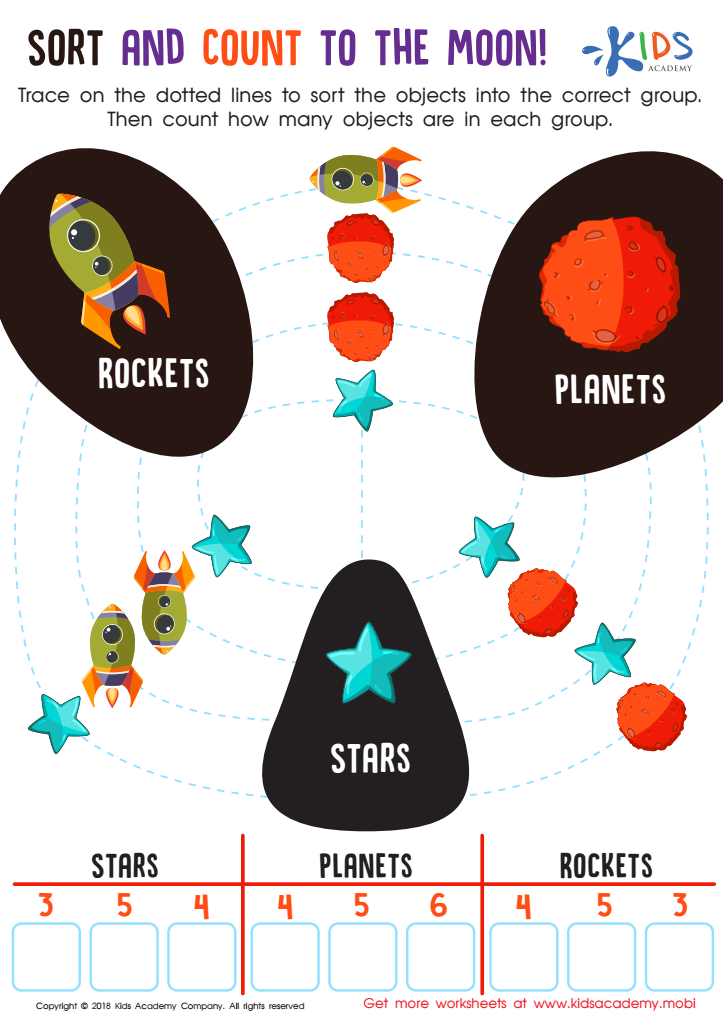
Sort and Count to the Moon Worksheet
 Assign to My Students
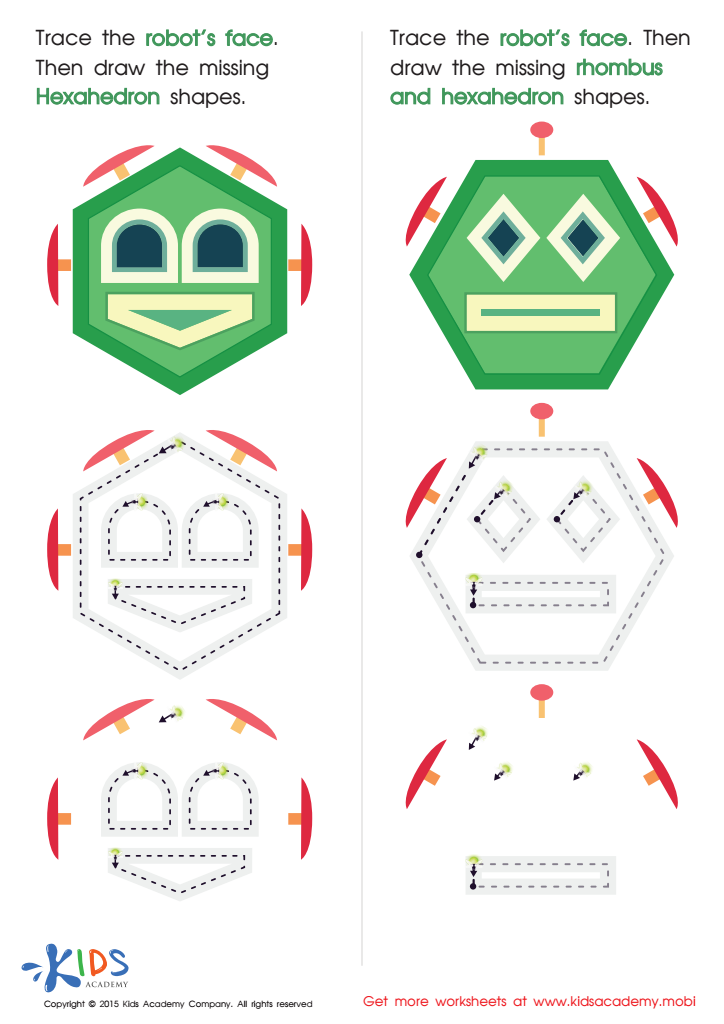
Practice Drawing Hexahedrons And a Rhombus Worksheet
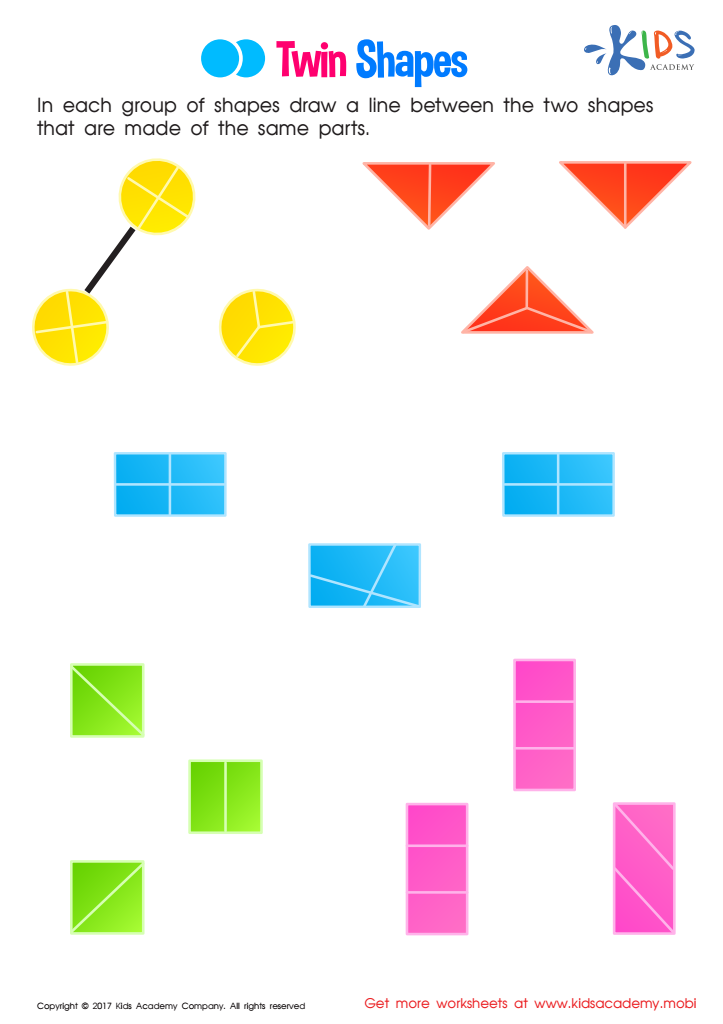
Twin Shapes Worksheet
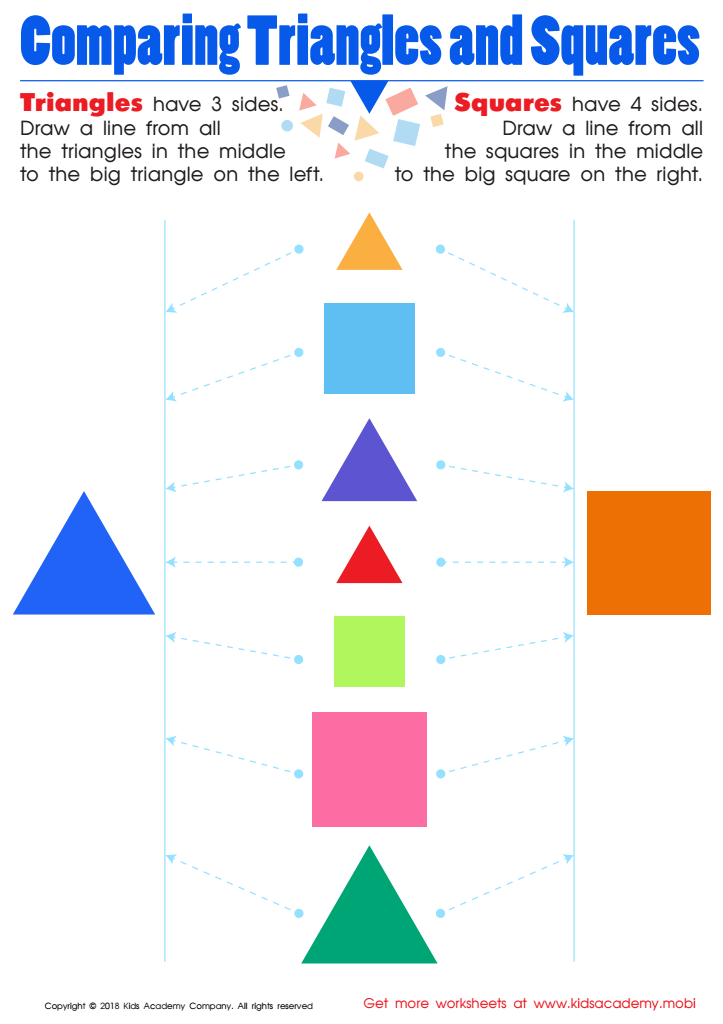
Comparing Triangles Squares Worksheet
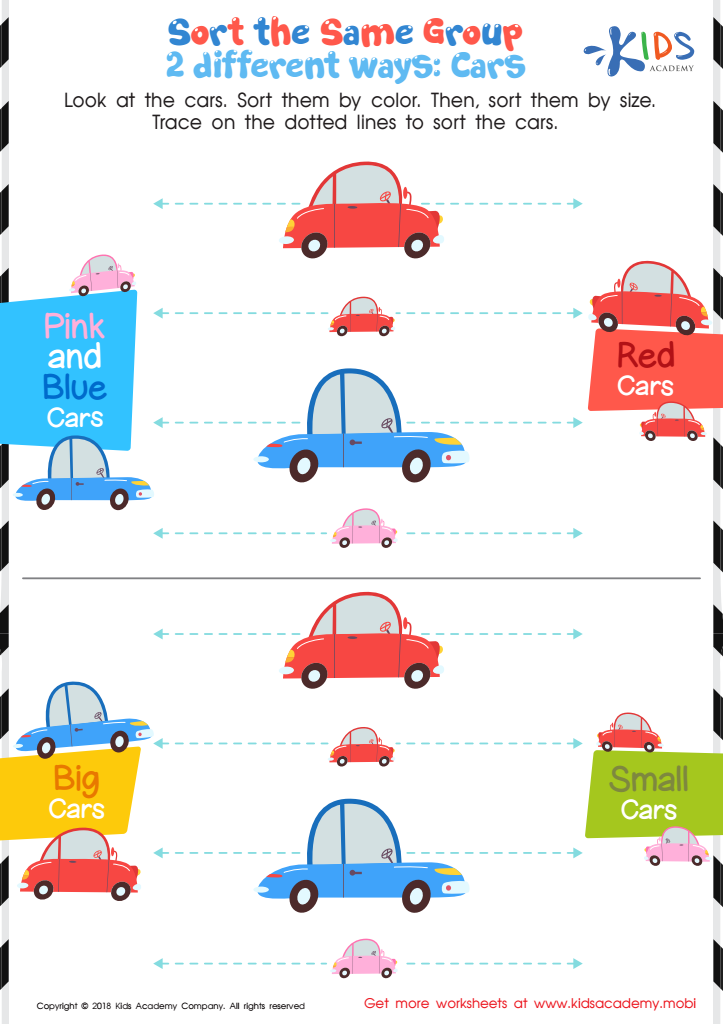
Sort the Same Group 2 Different Ways: Cars Worksheet
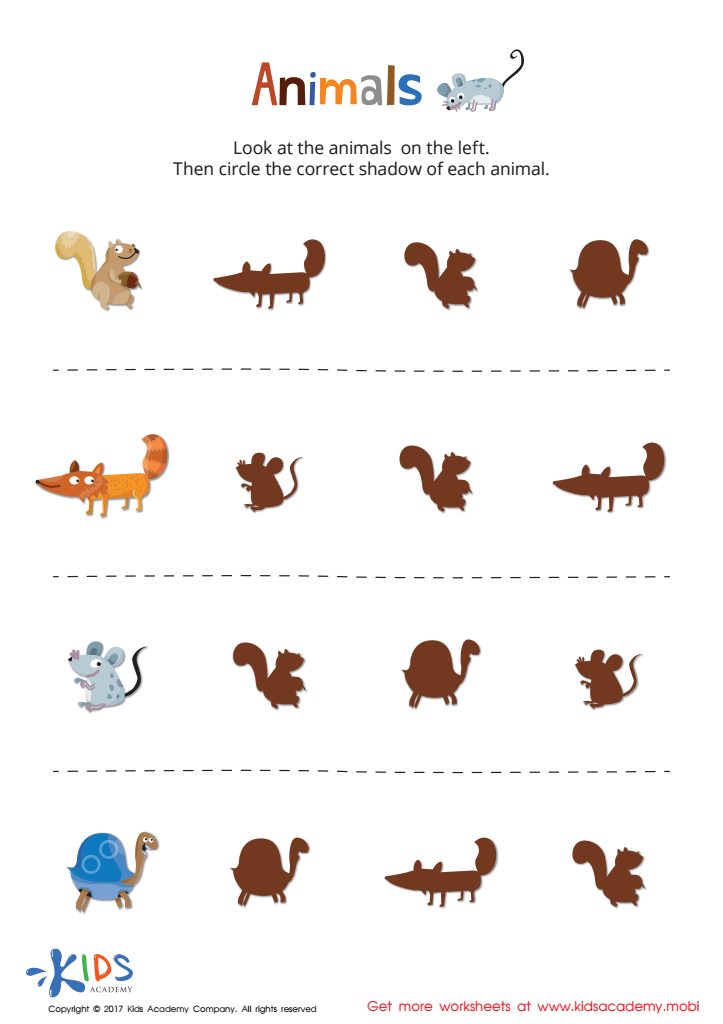
Animal Shadows Sorting Worksheet
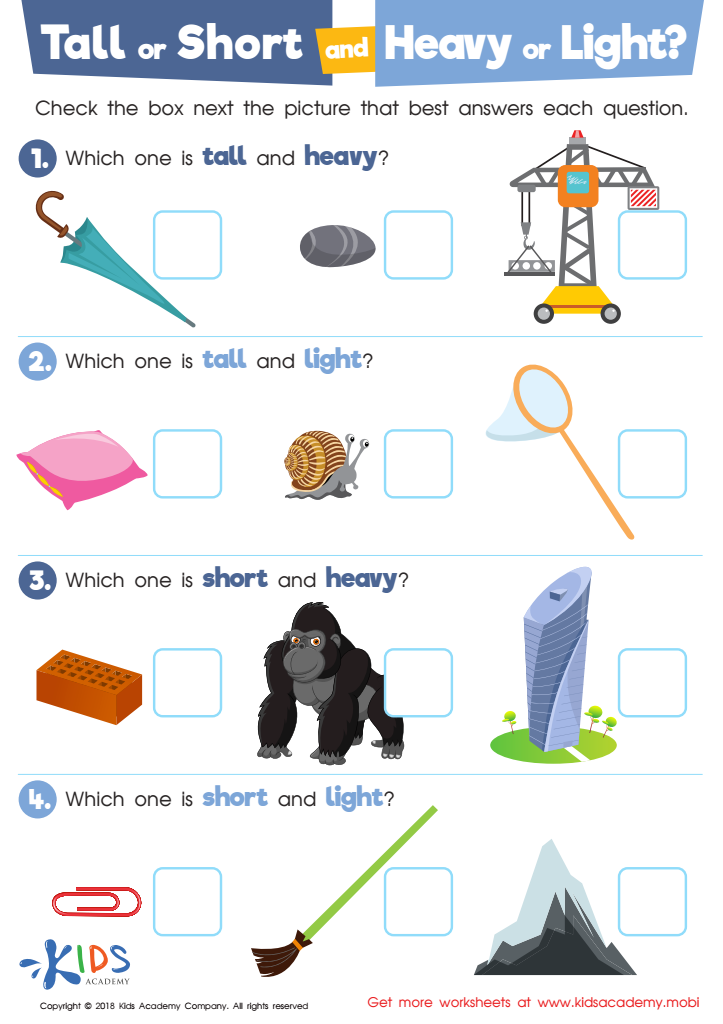
Tall or Short and Heavy or Light? Worksheet
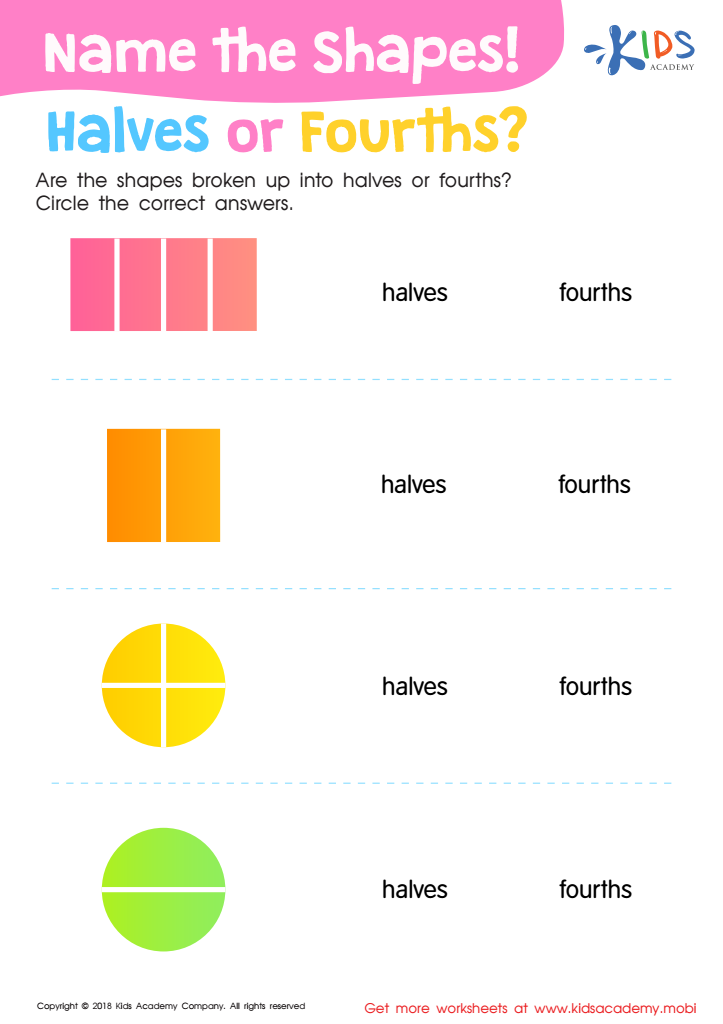
Name the Shapes Halves or Fourths? Worksheet
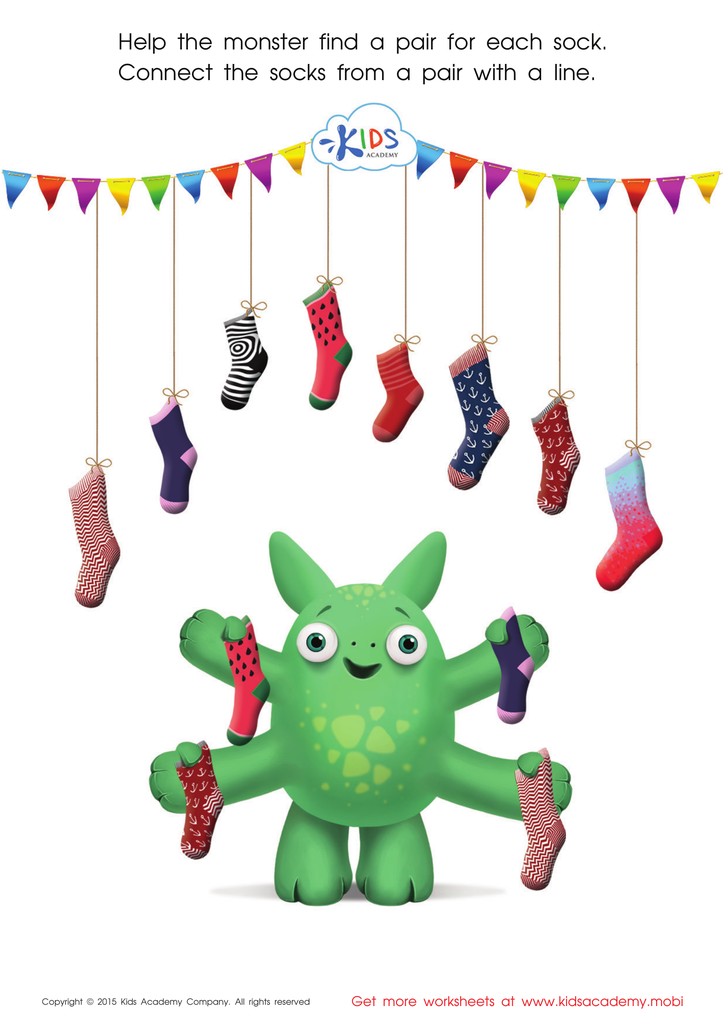
Math Matching Game: Monsterв's Socks Worksheet
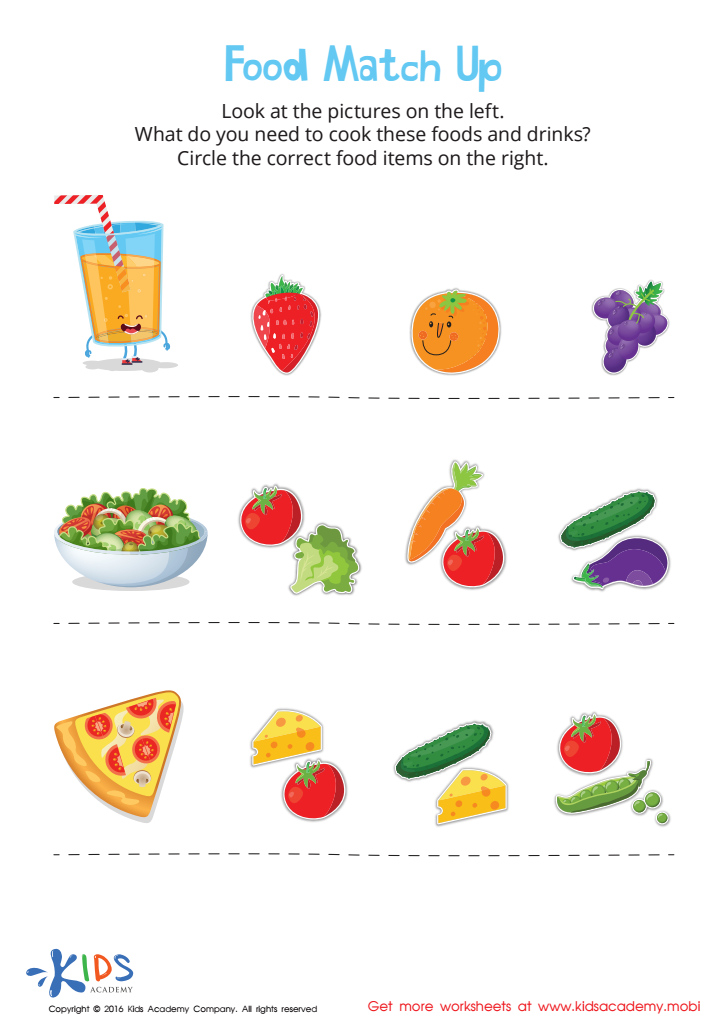
Food Match Up Worksheet
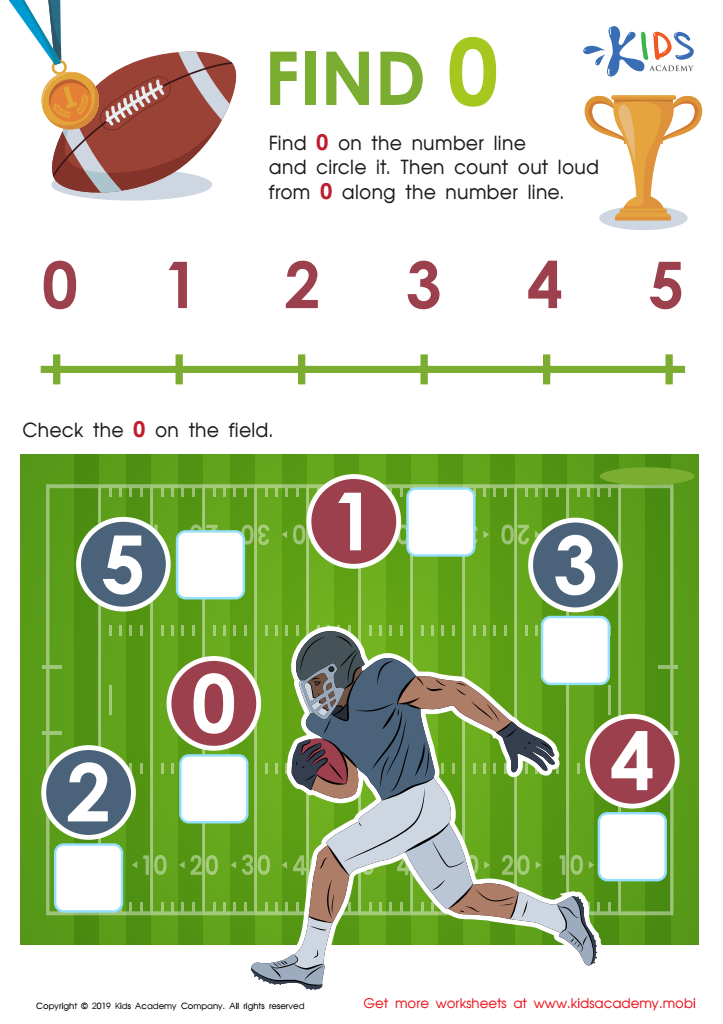
Find 0 Worksheet
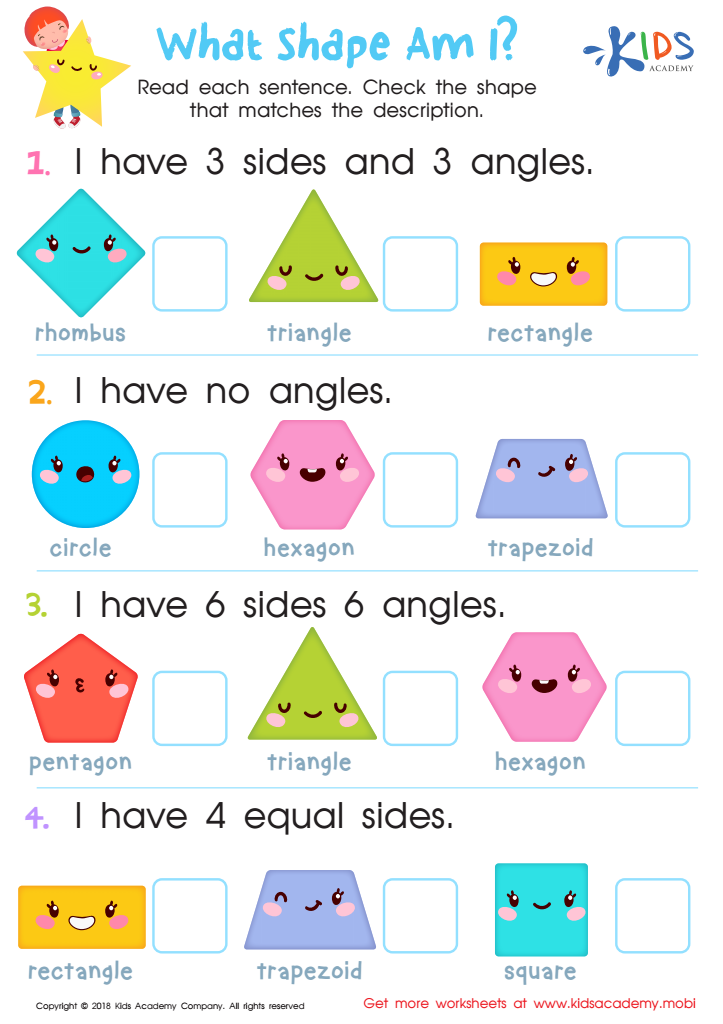
What Shape Am I? Worksheet
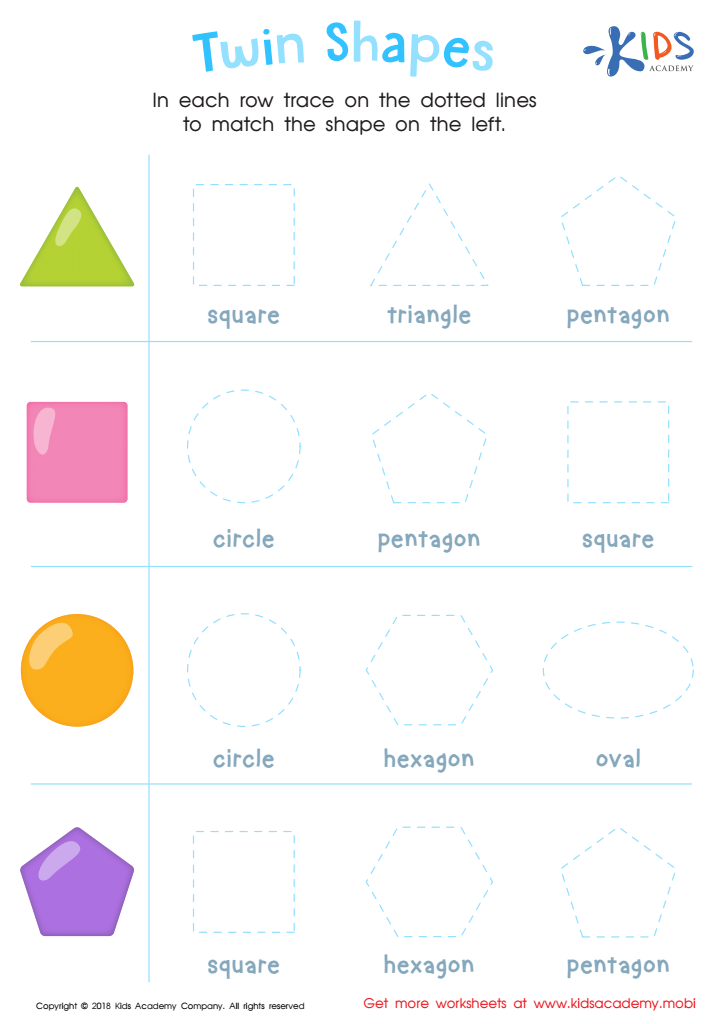
Twin Shapes Dot-to-Dot Worksheet
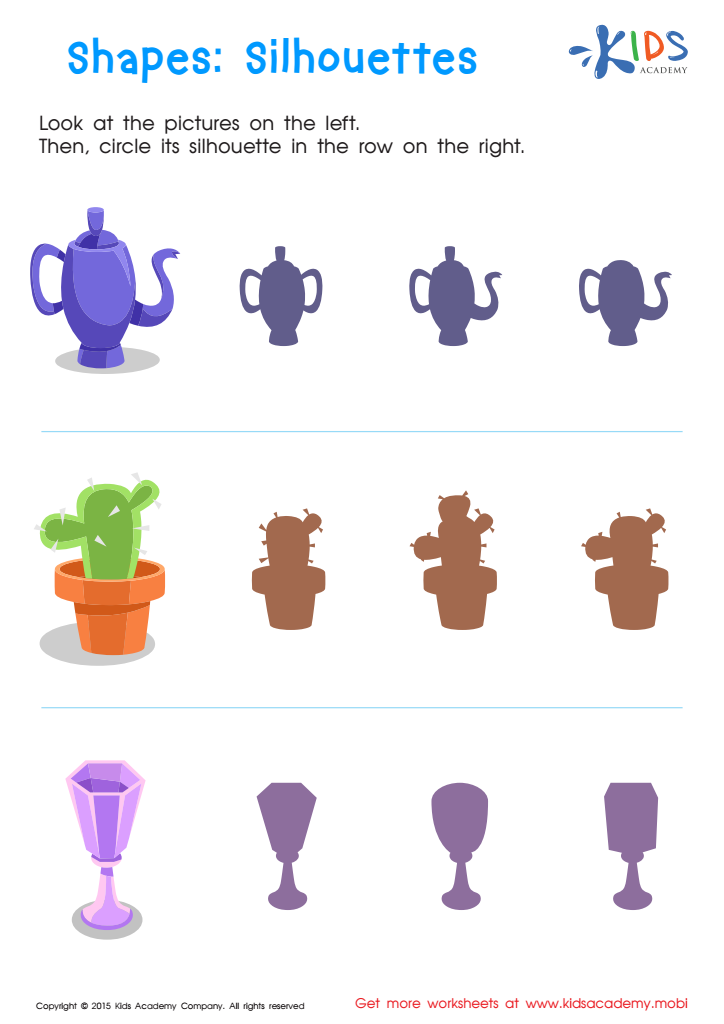
Silhouettes – Shapes Worksheet






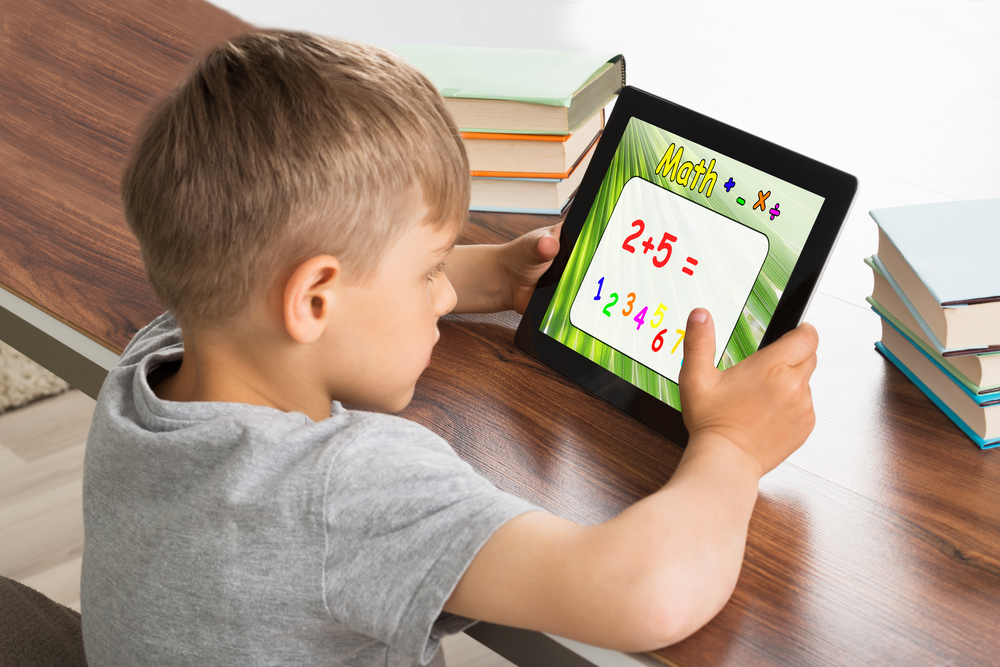

Visual discrimination is the ability to recognize differences and similarities in shapes, patterns, and symbols. For children aged 4-6, developing this skill is crucial, especially when it comes to learning math. At this formative age, kids are building foundational cognitive skills, and the ability to discern these visual differences plays a key role in their overall learning process.
Visual discrimination is involved in recognizing numbers, understanding which number is greater or smaller, and solving basic arithmetic problems. For example, distinguishing between the numbers 6 and 9, or understanding that a triangle has three sides while a rectangle has four, helps children comprehend basic math concepts independently. This skill supports their pre-reading abilities as well, since mathematical symbols often resemble letters and other visual symbols they will encounter in literacy.
Developing strong visual discrimination skills can also boost children’s confidence and competence in their academic abilities. It enables them to approach math with less frustration and more curiosity. Early success in understanding math concepts builds a positive attitude toward the subject, setting a strong foundation for future learning. For parents and teachers, nurturing this skill through activities like matching games, sorting tasks, and puzzles can significantly enhance children’s ability to grasp more complex concepts as they progress in their education.








