Categorization skills Matching Worksheets for Ages 4-6
6 filtered results
-
From - To
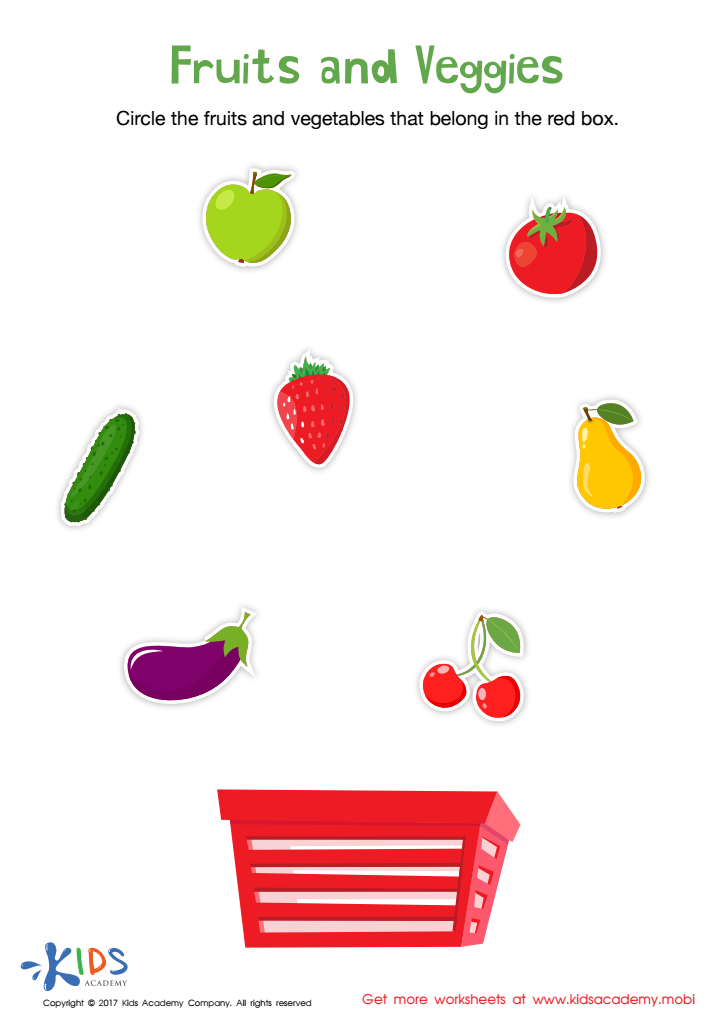
Enhance your child's learning with our Categorization Skills Matching Worksheets for ages 4-6. These engaging activities are designed to help young learners identify and sort objects based on color, shape, size, and category. By participating in these fun worksheets, children will strengthen their critical thinking and organizational skills, laying the foundation for future academic success. Whether at home or in the classroom, these printable resources are user-friendly and cater to diverse learning styles. Make learning interactive and enjoyable today! Explore our collection of categorization worksheets, perfect for nurturing early cognitive and fine motor skills in a playful environment.
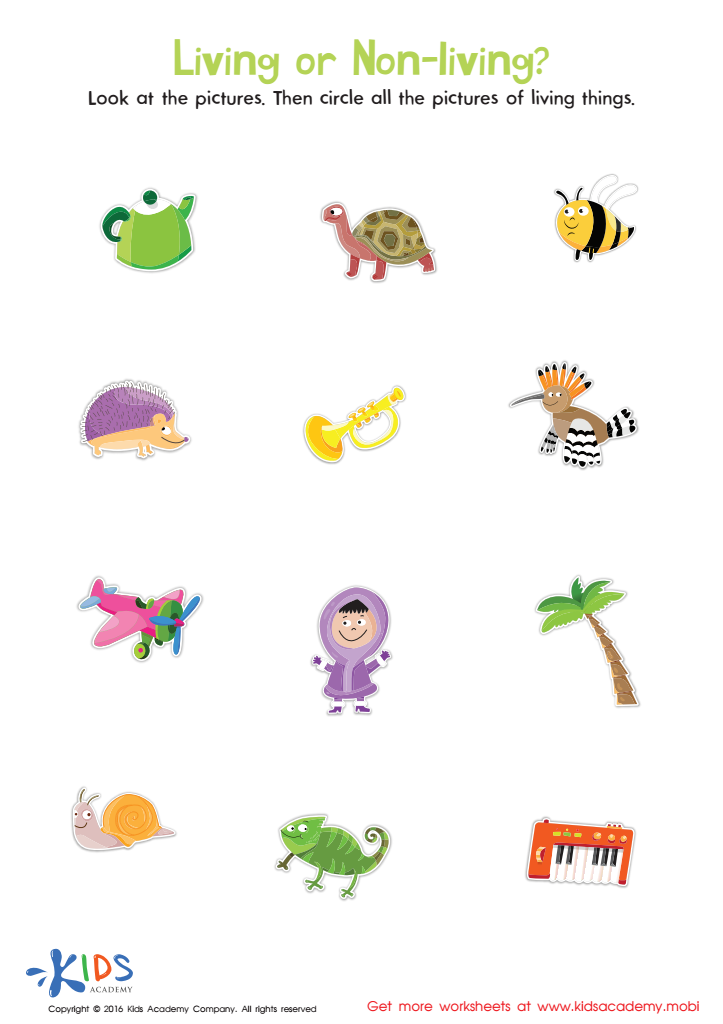
Identifying Living and Non–living Things Sorting Worksheet
 Assign to My Students
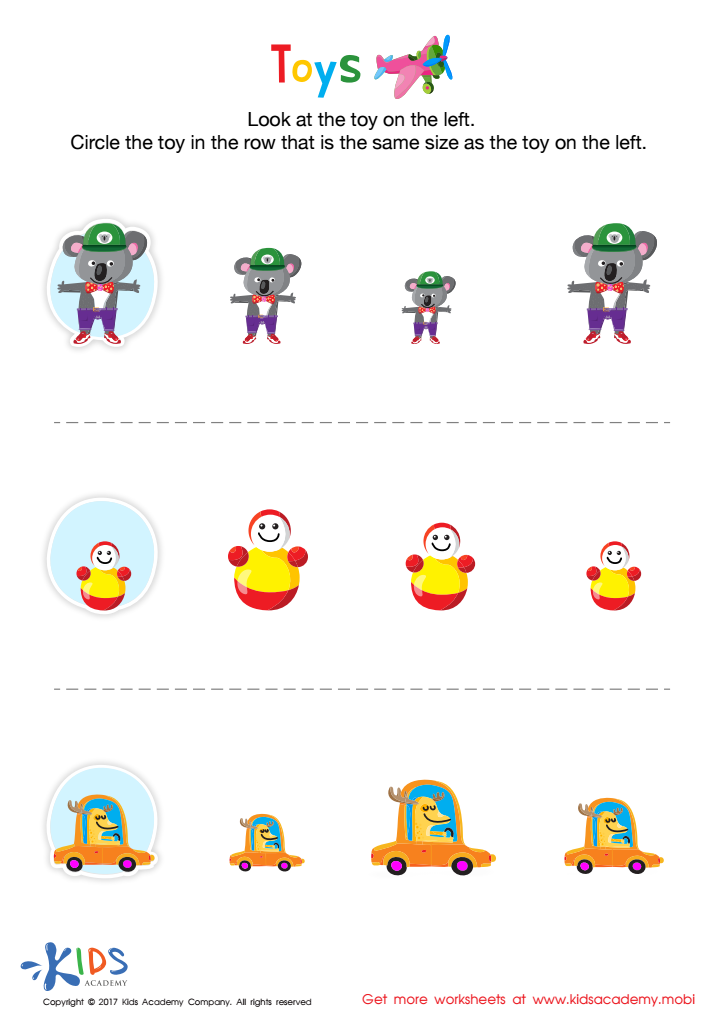
Matching: Classifying Toys by Size Worksheet
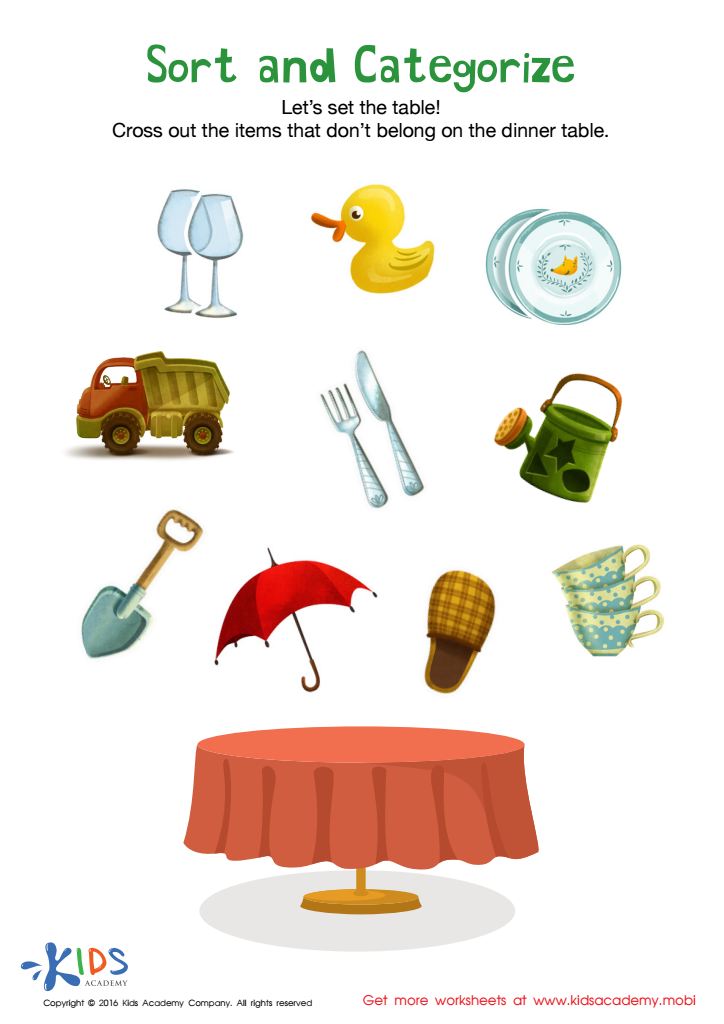
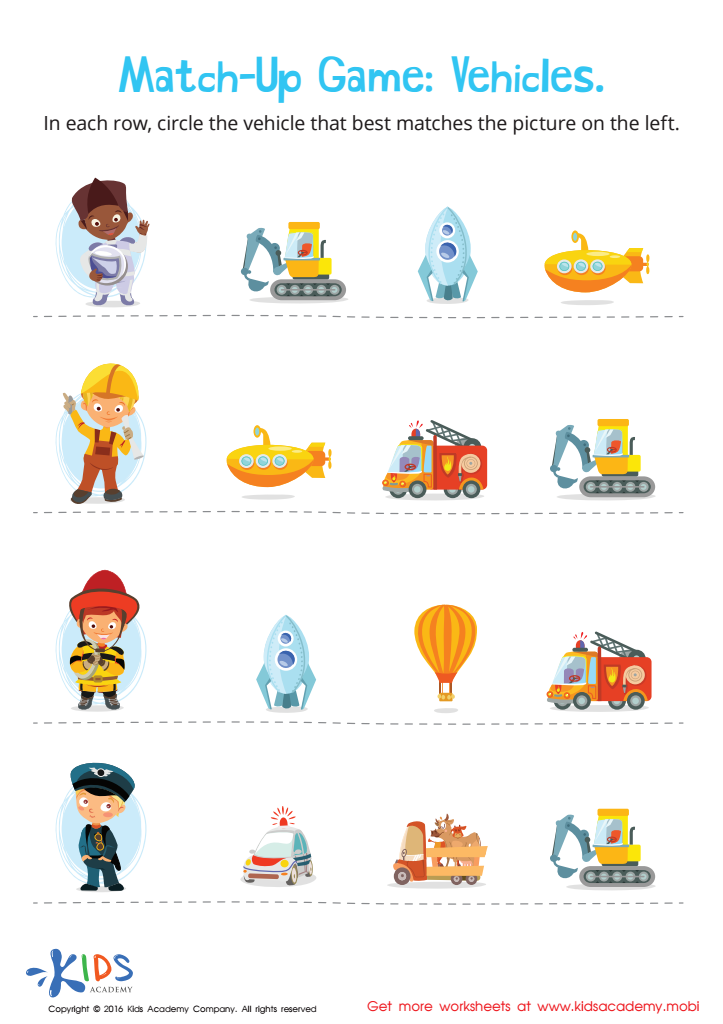
Vehicles Worksheet
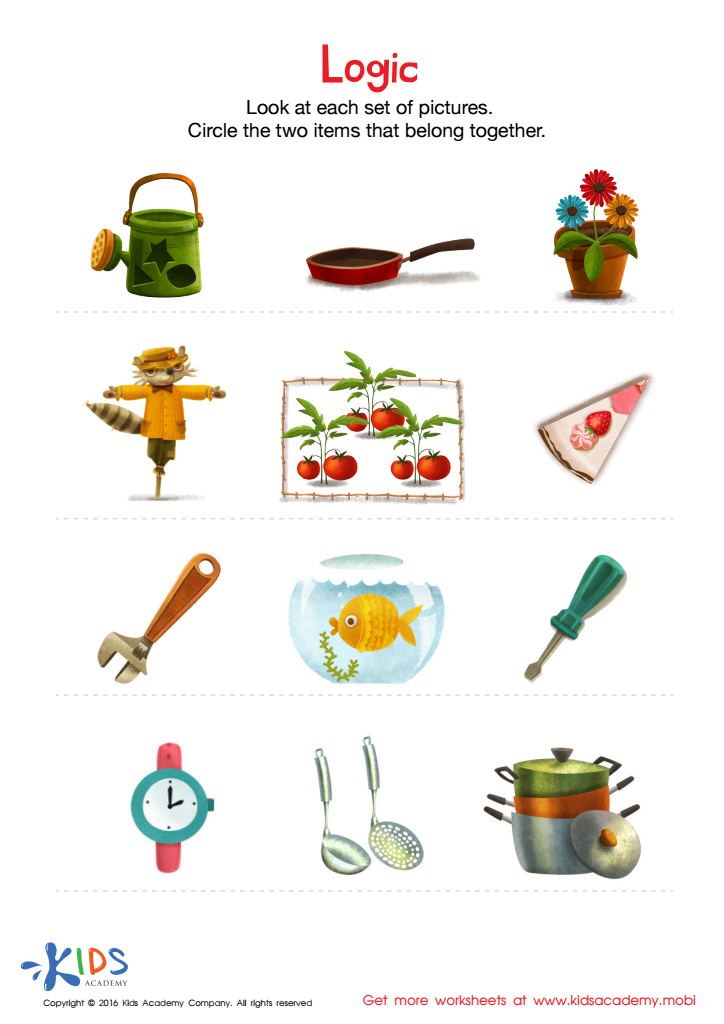
Logic Game Sorting Worksheet








Categorization skills, particularly matching, are foundational cognitive abilities that significantly impact a child’s overall development during the formative ages of 4 to 6. At this stage, children begin to understand how to organize information in meaningful ways, which is vital for their learning and social interactions.
When children learn to categorize and match objects, they enhance their critical thinking and problem-solving skills. This process helps them recognize similarities and differences, fostering an understanding of the world around them. For parents and teachers, supporting this skill not only facilitates academic success in subjects like math and science, but also lays the groundwork for effective communication abilities.
Additionally, matching activities promote fine motor skills and hand-eye coordination, as children manipulate various objects. It aids in vocabulary development, as children learn to label and describe the categories they create. These skills can boost a child’s confidence, as they experience success in completing matching tasks.
Investing time in developing categorization skills can encourage independence and creativity, essential traits for lifelong learning. Therefore, parents and teachers should prioritize matching activities to enrich children's cognitive, social, and emotional growth during these critical early years.








