Logical thinking Matching Worksheets for Ages 4-6
5 filtered results
-
From - To
Unlock your child’s potential with our engaging Logical Thinking Matching Worksheets for ages 4-6! Designed to foster critical thinking skills, these worksheets help young learners identify patterns, categorize objects, and enhance problem-solving abilities. Each printable worksheet is crafted to provide a fun and interactive way for kids to build their logical reasoning while improving their cognitive skills. With colorful graphics and relatable themes, children will enjoy identifying matching pairs and making connections between different concepts. Perfect for home or classroom use, our worksheets promote creativity and a love for learning in early childhood education. Start your journey toward strong logical thinking today!
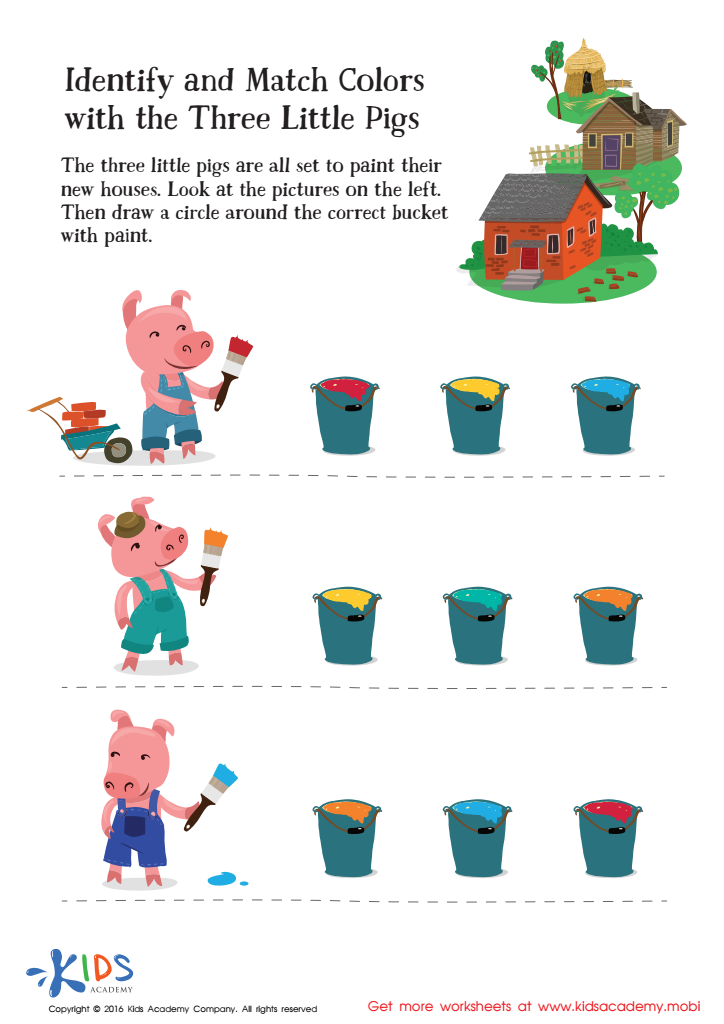
Fairy Tale Worksheet: Identify and Match Colors with Three Little Pigs
 Assign to My Students
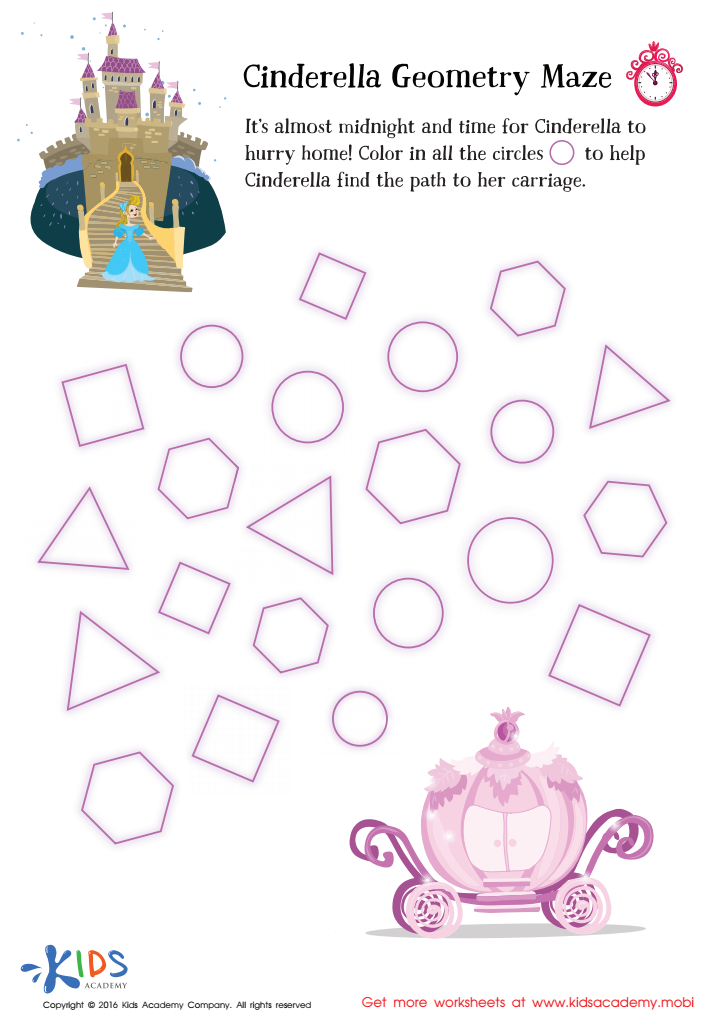
Cinderella Geometry Maze Worksheet
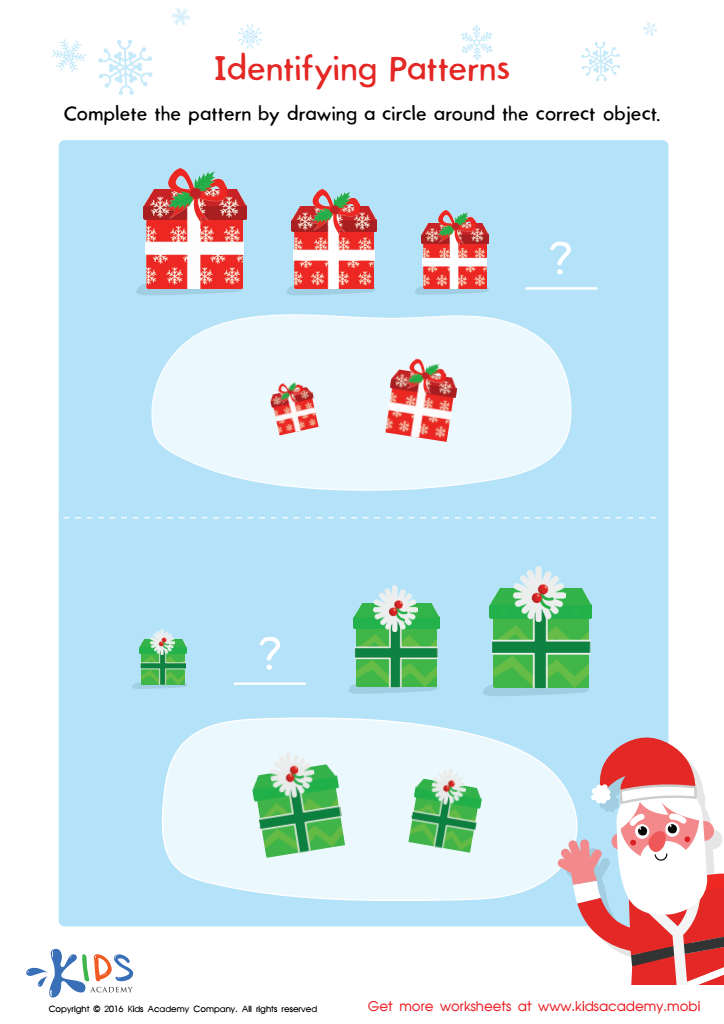
Identifying Patterns Worksheet
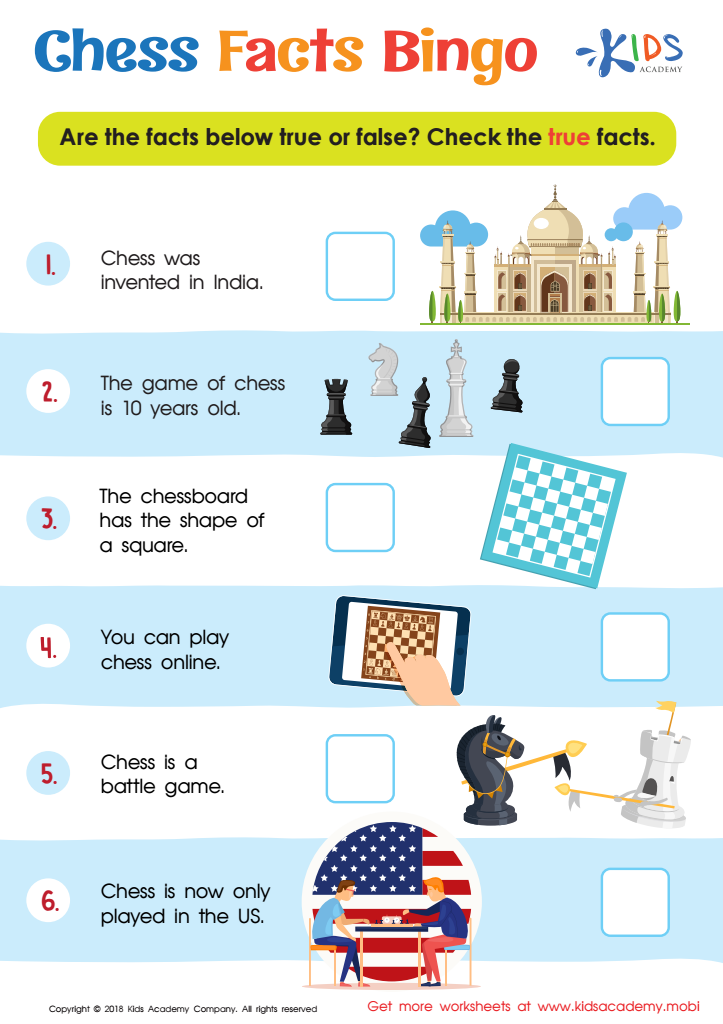
Chess Facts Bingo Worksheet
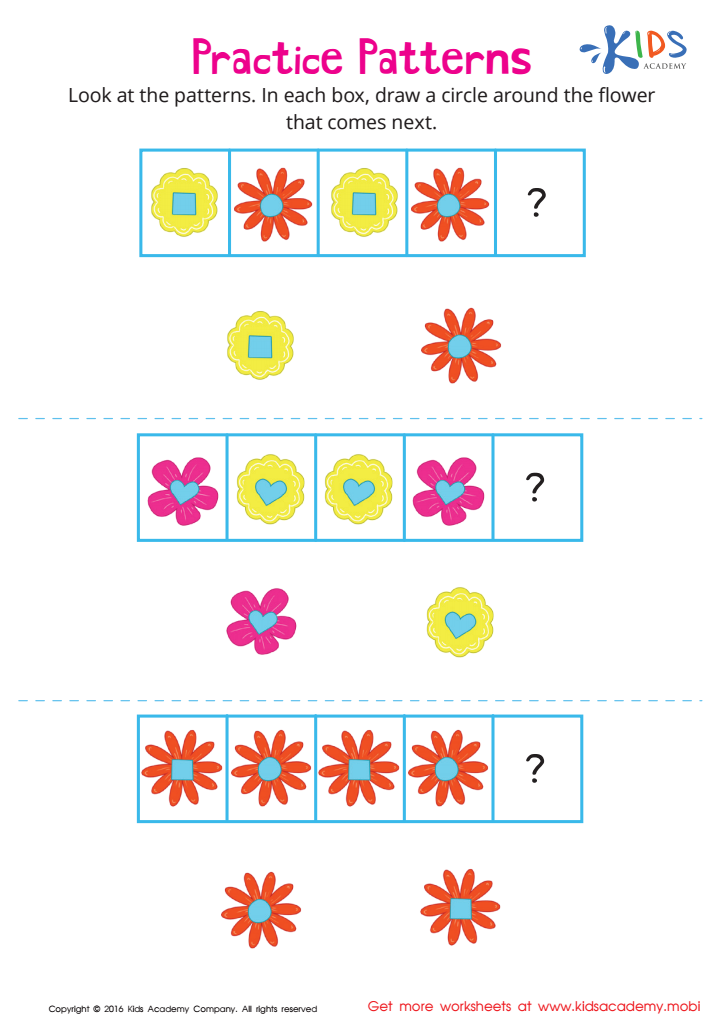








Logical thinking matching activities are crucial for children aged 4-6 because they lay the foundation for essential cognitive skills. At this stage, children are naturally curious and eager to make connections between different concepts. Engaging them in logical thinking matching activities hones their ability to categorize, compare, and recognize patterns, which are foundational components of problem-solving and critical thinking.
These activities not only stimulate cognitive development but also enhance memory and attention span. Children learn how to connect two seemingly unrelated items, strengthening their understanding of cause and effect relationships in the world around them. Moreover, logical thinking aids in language development as children articulate their reasoning and express their thought processes.
For parents and teachers, fostering logical thinking in young children builds confidence and independence as they tackle challenges. Children who engage in these activities become better equipped to evaluate situations and make informed decisions. Consequently, investing time in logical thinking matching games can lead to long-term academic success and a lifelong love for learning. Thus, helping children develop these skills at an early age is not just beneficial but essential for their overall growth and future endeavors.








