Filters

22 filtered results

Clear all filters
Favorites
With answer key
Interactive

22 filtered results

Difficulty Level

Grade


Enhance your child's early counting skills with our engaging Counting Skills Reading Worksheets, designed specifically for ages 4-6. These interactive worksheets combine fun visuals and age-appropriate exercises that make learning to count enjoyable! Each activity promotes number recognition and foundational counting concepts, ensuring that children grasp essential early math skills. Perfect for home or classroom use, our worksheets foster a love for learning through playful exploration. Watch as your little ones improve their counting abilities while developing their reading skills simultaneously. Help lay the foundation for future academic success with these high-quality, printable resources tailored to young learners. Explore now!

Check out this FREE Trial Lesson on Reading for age 4-6!

Distinguish Between Similarly Spelled Words

Favorites
With answer key
Interactive
  • 4-6
  • Counting skills
  • Reading
Frame it Up Worksheet

Frame it Up Worksheet

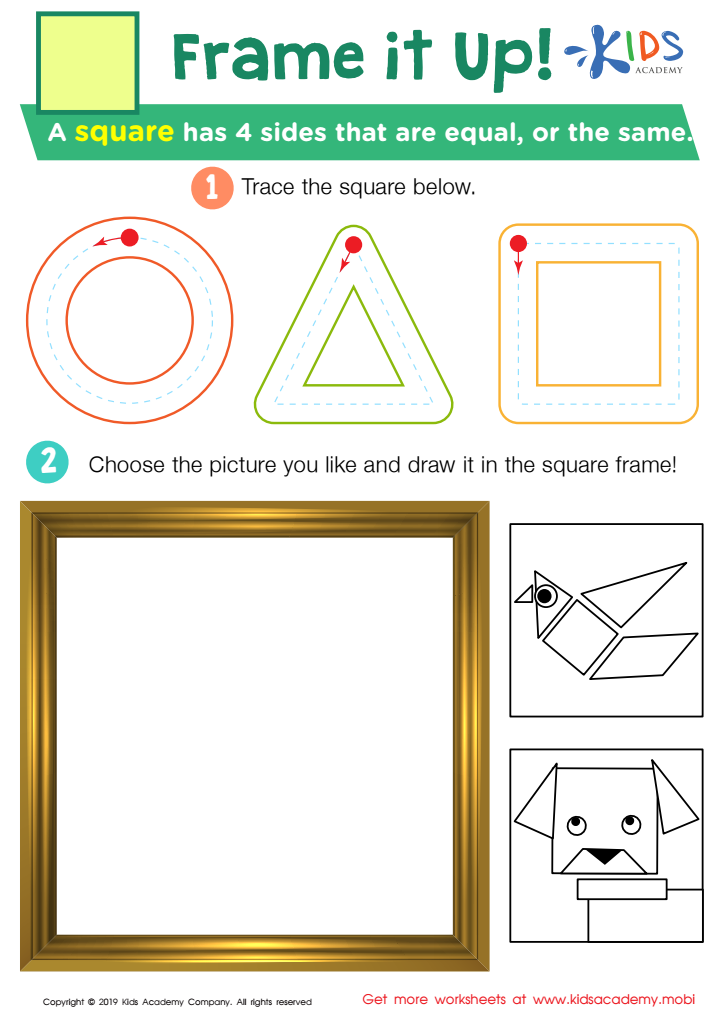
This worksheet helps kids learn the difference between squares and other shapes. It guides them to trace a square and draw a picture inside it. Examples of shapes-based drawings are included. Kids will have fun and clear up any confusion about squares.
Frame it Up Worksheet
Worksheet
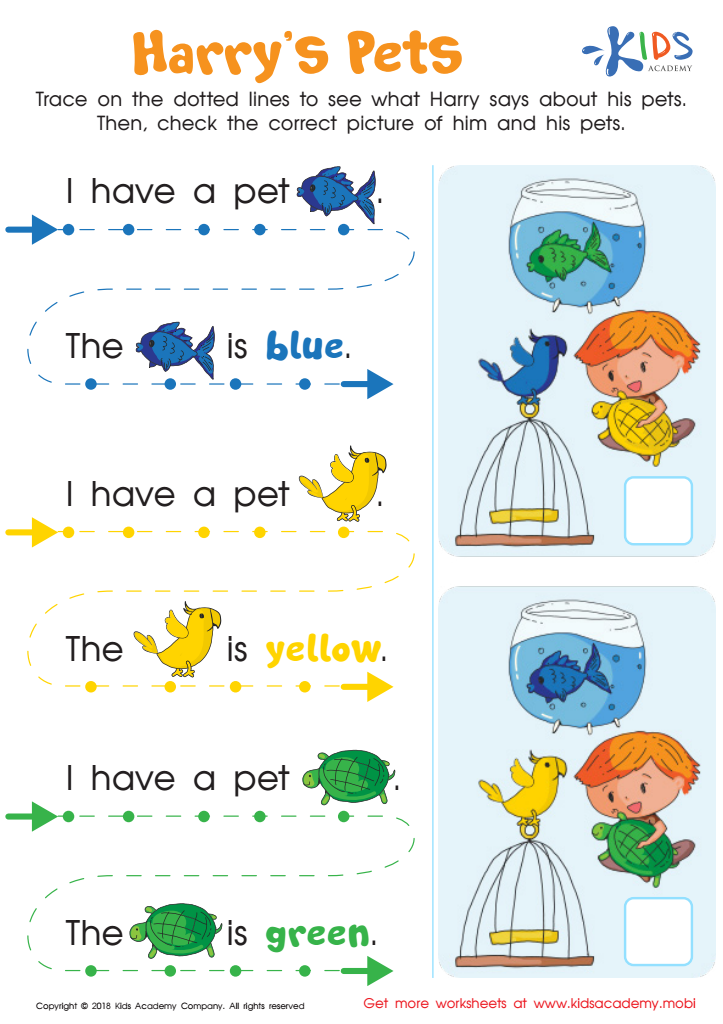
Read from Left to Right: Harry's Pets Worksheet

Read from Left to Right: Harry's Pets Worksheet

Help your child read the sentences on this tracing sheet about Harry and his pets. Point to the dotted lines and follow the sentences to the correct picture. Ask your child to identify which animal corresponds to which color. Check the picture to ensure accuracy. 80 words.
Read from Left to Right: Harry's Pets Worksheet
Worksheet
The Five Little Monkeys Nursery Rhyme Worksheet

The Five Little Monkeys Nursery Rhyme Worksheet

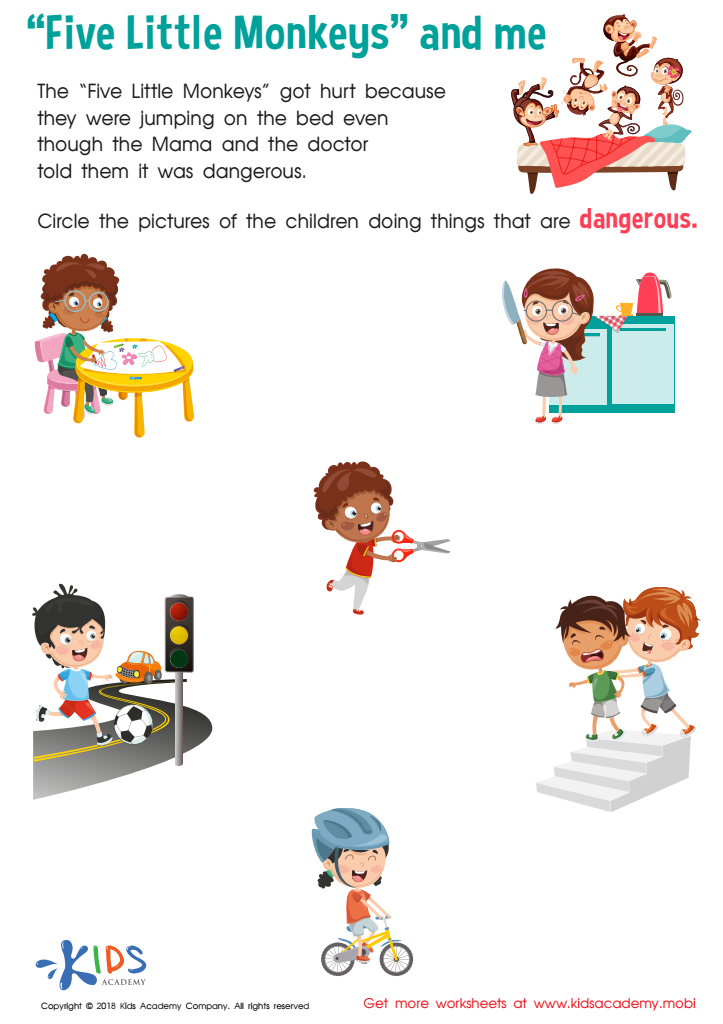
Sing the beloved nursery rhyme "Five Little Monkeys" with your child, and add a finger play for extra fun! After a few times, encourage them to join in and fill the songs with laughter. Also, have fun coloring the worksheet featuring the monkeys and their Mama.
The Five Little Monkeys Nursery Rhyme Worksheet
Worksheet
Five Little Monkeys and Me Worksheet

Five Little Monkeys and Me Worksheet

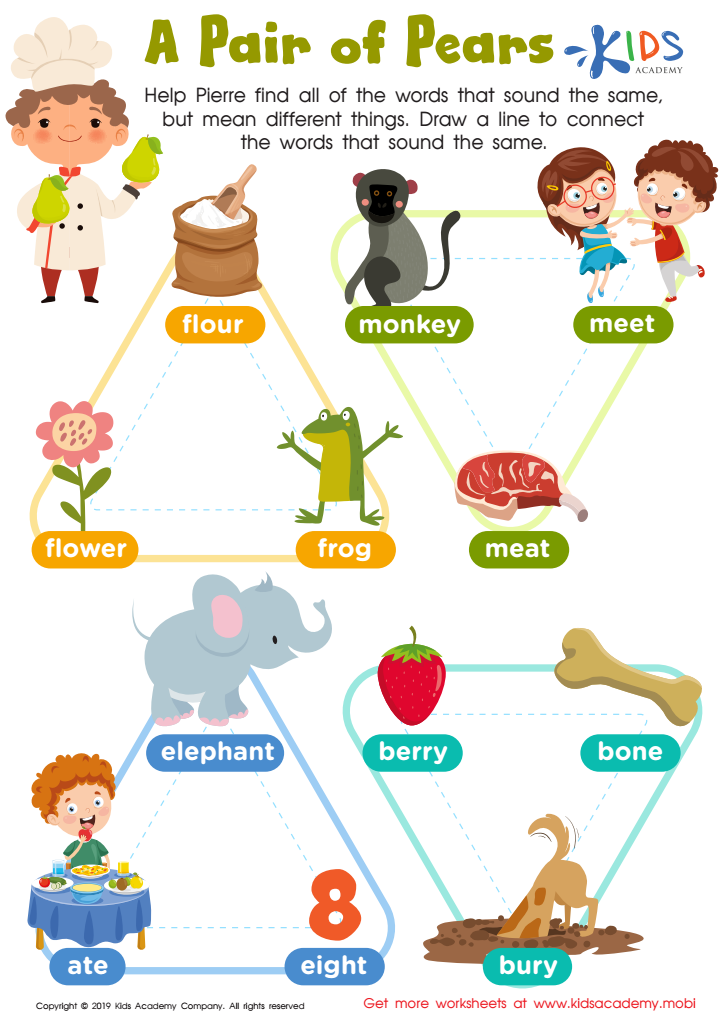
This free PDF worksheet provides preschoolers an understanding of danger and appropriate play. It allows them to recognize dangerous situations and why they can be risky, granting kids perspective from both parents and teachers. It's a fun, safe way to help them internalize what's dangerous and what's not.
Five Little Monkeys and Me Worksheet
Worksheet
Pair Pears Worksheet
Pair Pears Worksheet
Young readers can have difficulty knowing when to use the right homophone. This free worksheet helps them use familiar imagery to understand better by connecting words that sound similar but are spelled and mean different things. Students will trace the lines to form a picture and have a reference image to differentiate between the different homophones.
Pair Pears Worksheet

Worksheet
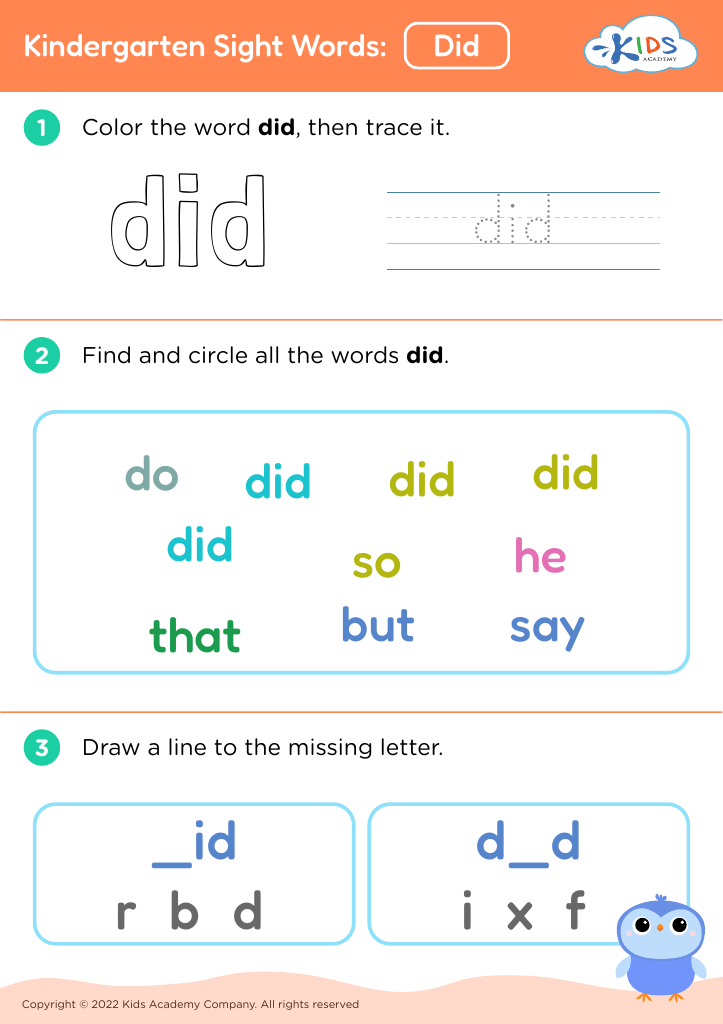
Kindergarten Sight Words: Did

Kindergarten Sight Words: Did

Kindergarten Sight Words: Did
Worksheet
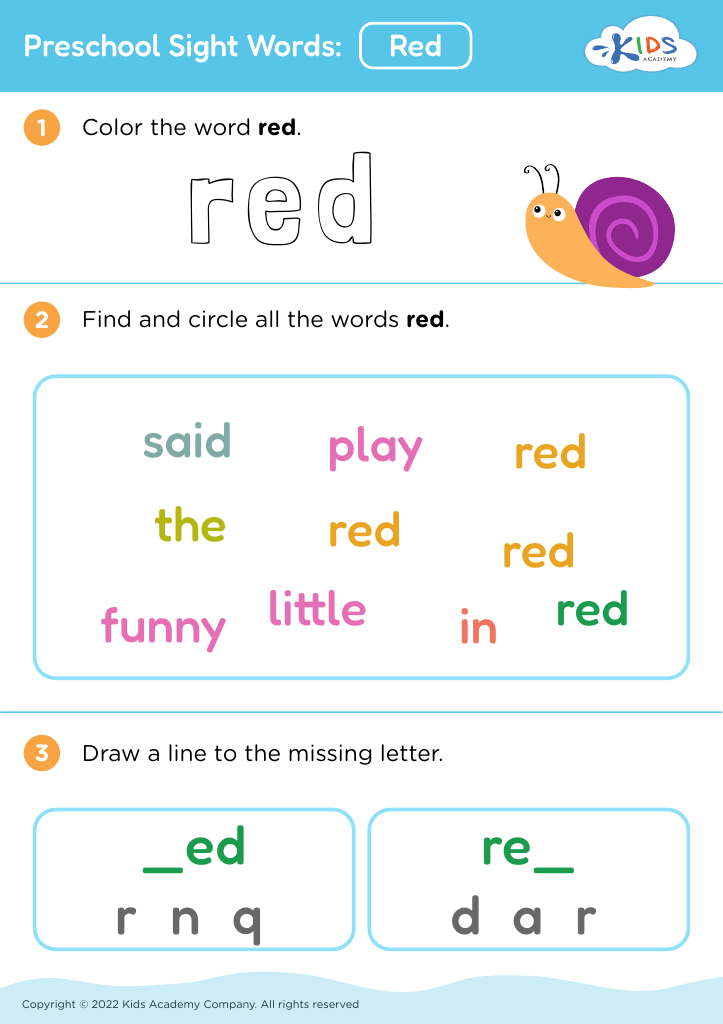
Preschool Sight Words: Red

Preschool Sight Words: Red

Preschool Sight Words: Red
Worksheet
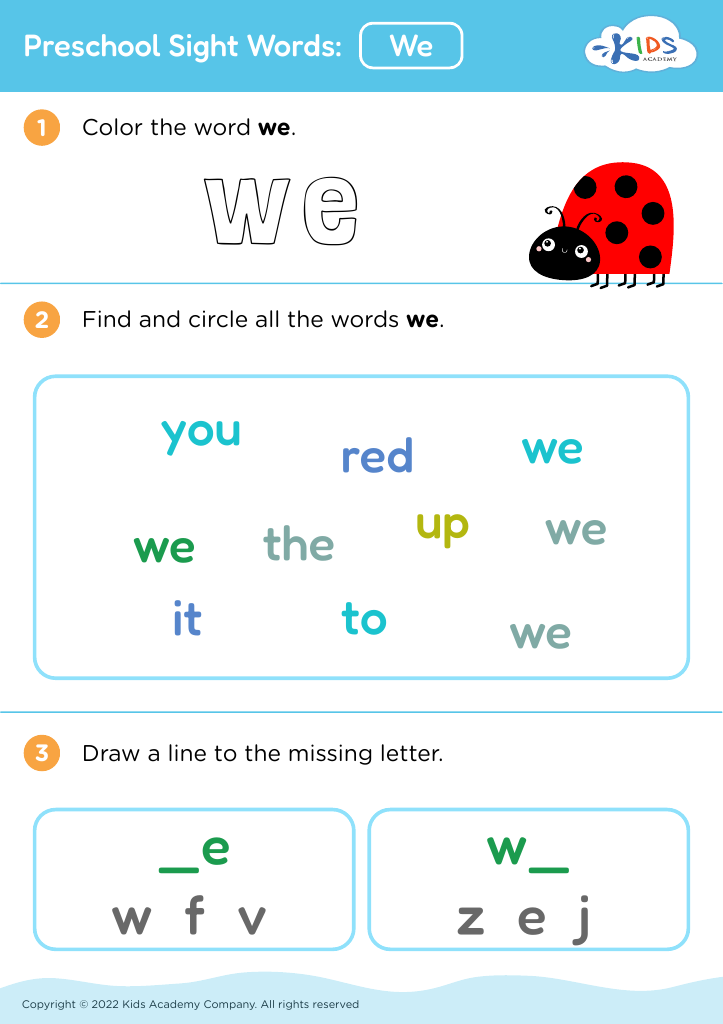
Preschool Sight Words: We

Preschool Sight Words: We

Preschool Sight Words: We
Worksheet
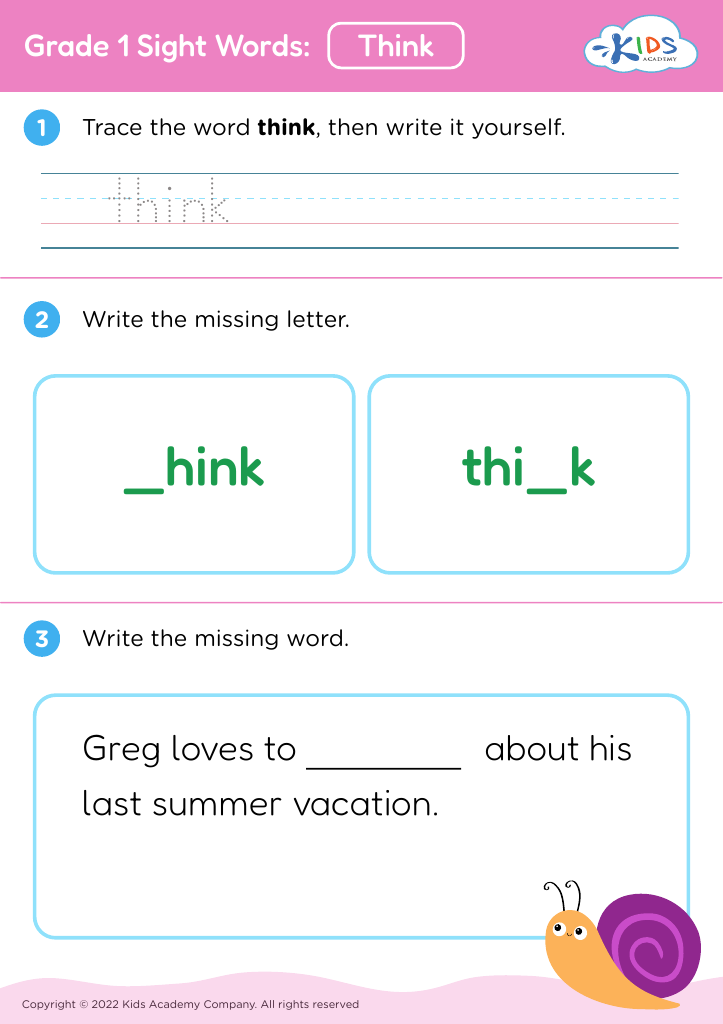
Grade 1 Sight Words: Think

Grade 1 Sight Words: Think

Grade 1 Sight Words: Think
Worksheet
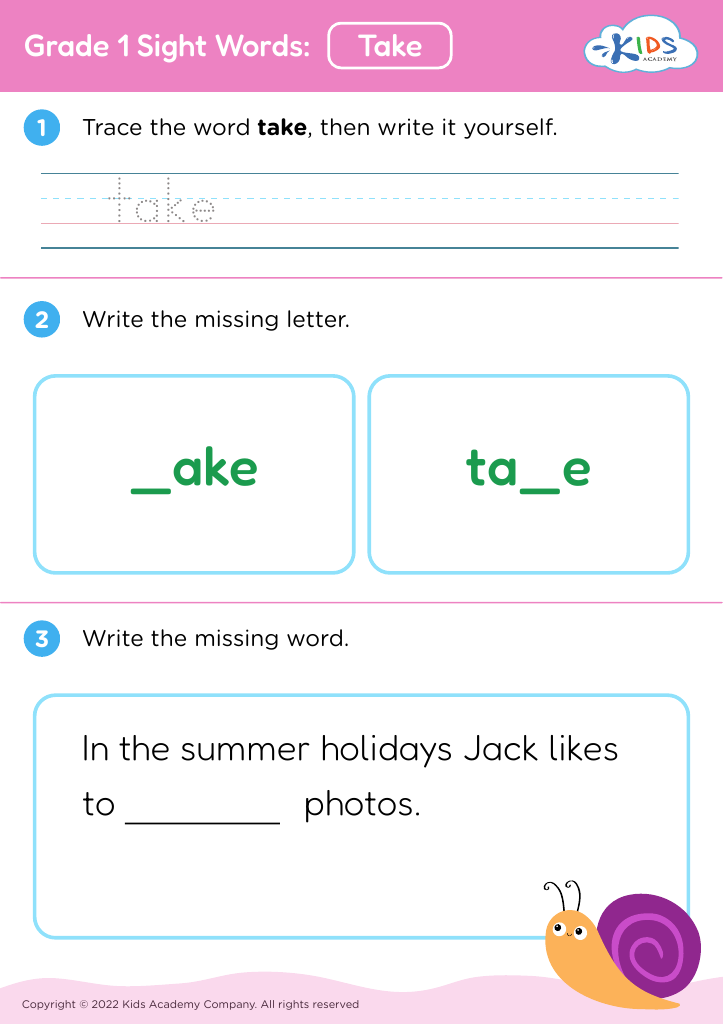
Grade 1 Sight Words: Take

Grade 1 Sight Words: Take

Grade 1 Sight Words: Take
Worksheet
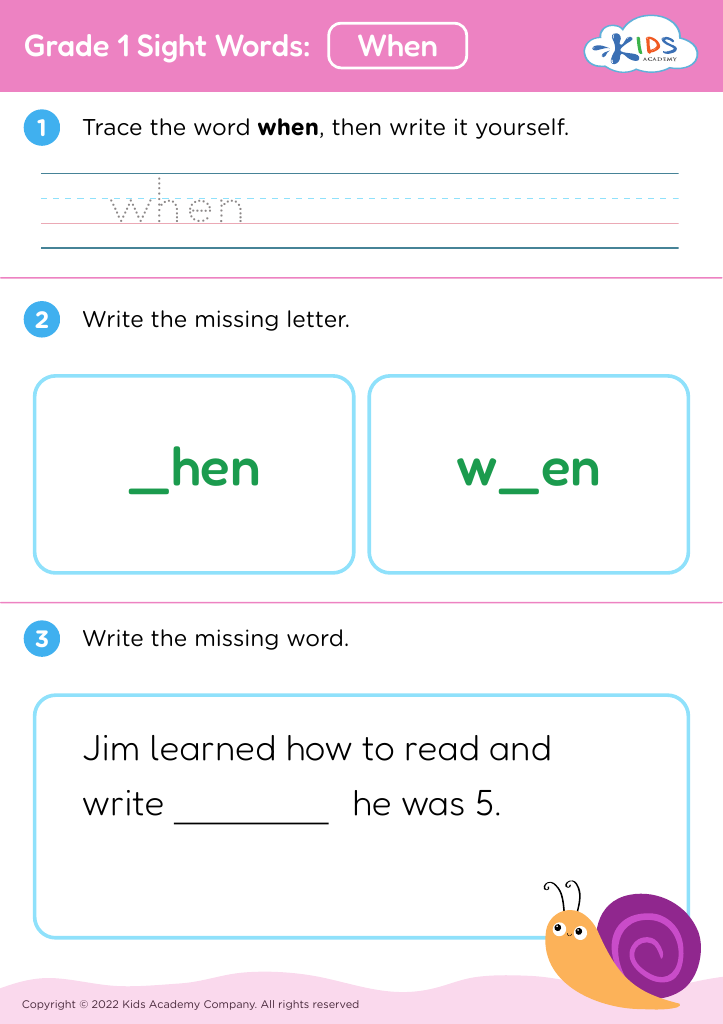
Grade 1 Sight Words: When

Grade 1 Sight Words: When

Grade 1 Sight Words: When
Worksheet
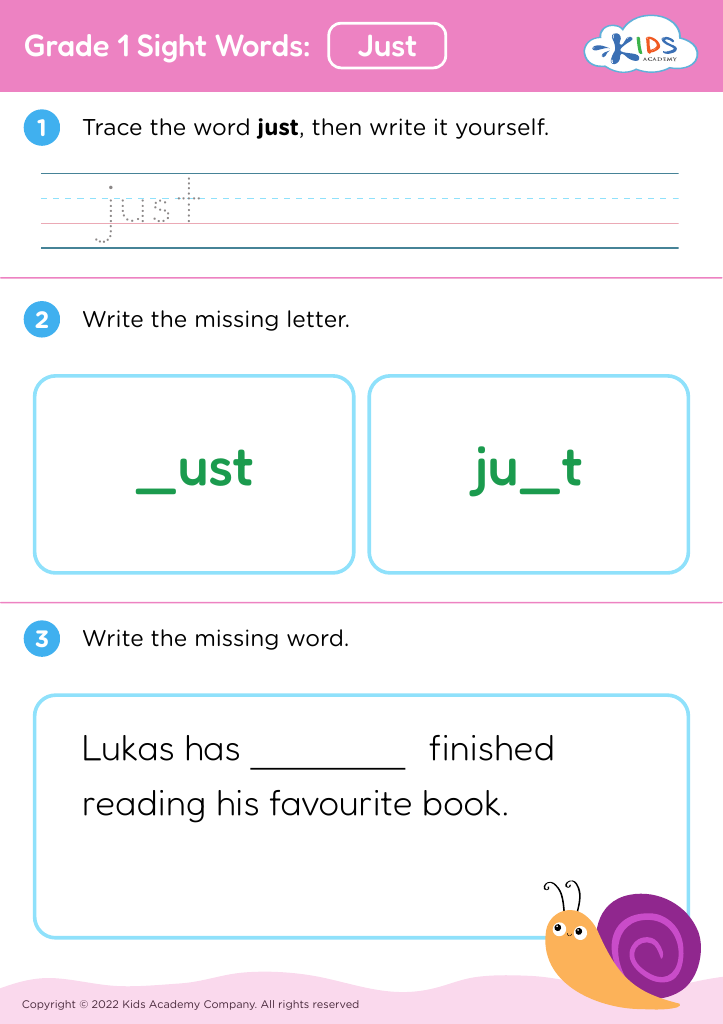
Grade 1 Sight Words: Just

Grade 1 Sight Words: Just

Grade 1 Sight Words: Just
Worksheet
Preschool Sight Words: Jump

Preschool Sight Words: Jump

Preschool Sight Words: Jump
Worksheet
Grade 1 Sight Words: How

Grade 1 Sight Words: How

Grade 1 Sight Words: How
Worksheet
Grade 1 Sight Words: Him

Grade 1 Sight Words: Him

Grade 1 Sight Words: Him
Worksheet
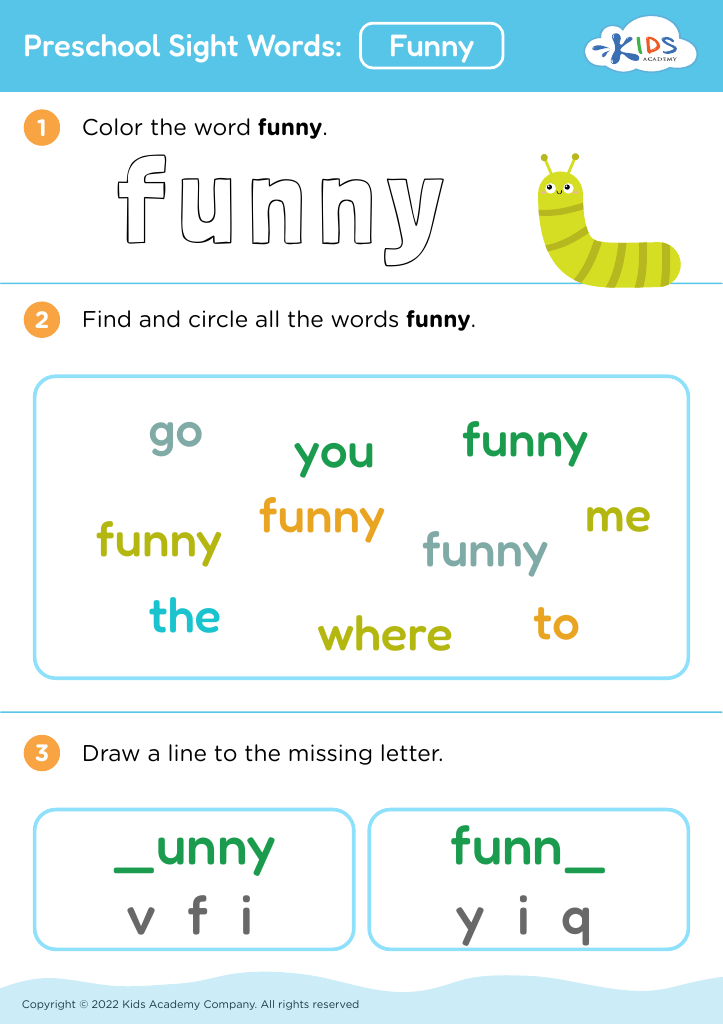
Preschool Sight Words: Funny

Preschool Sight Words: Funny

Preschool Sight Words: Funny
Worksheet
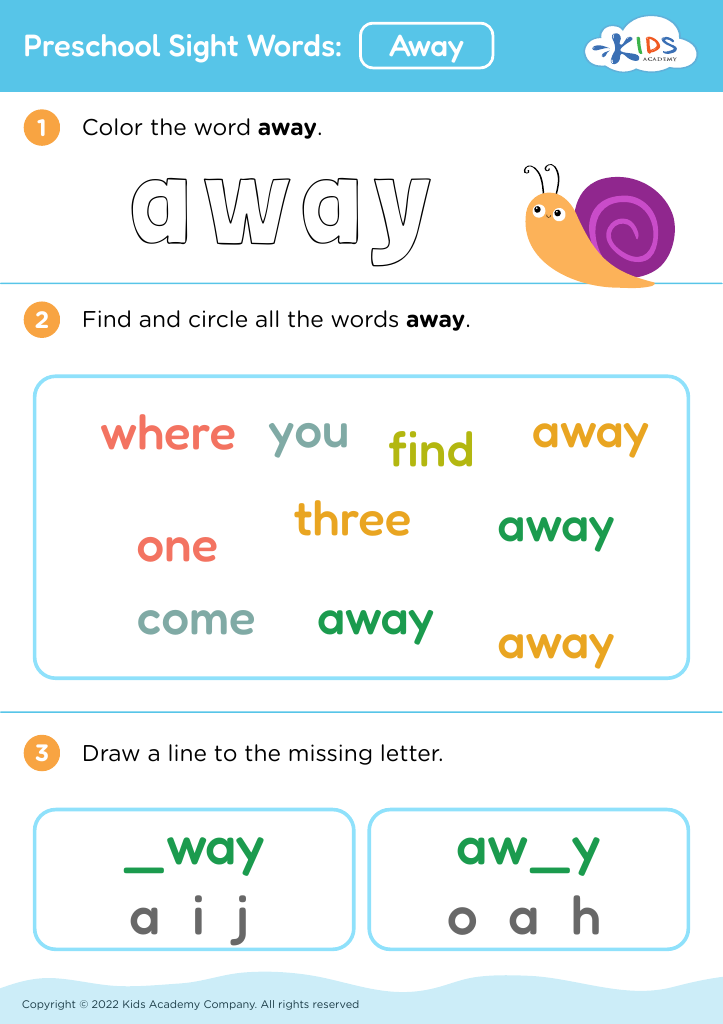
Preschool Sight Words: Away

Preschool Sight Words: Away

Preschool Sight Words: Away
Worksheet
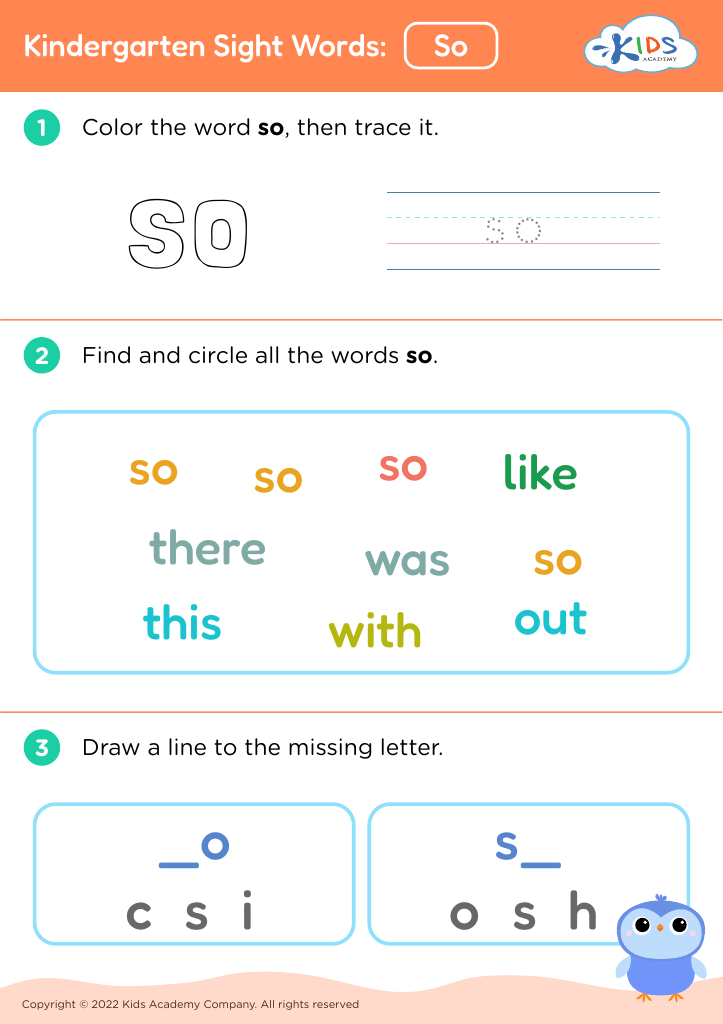
Kindergarten Sight Words: So

Kindergarten Sight Words: So

Kindergarten Sight Words: So
Worksheet
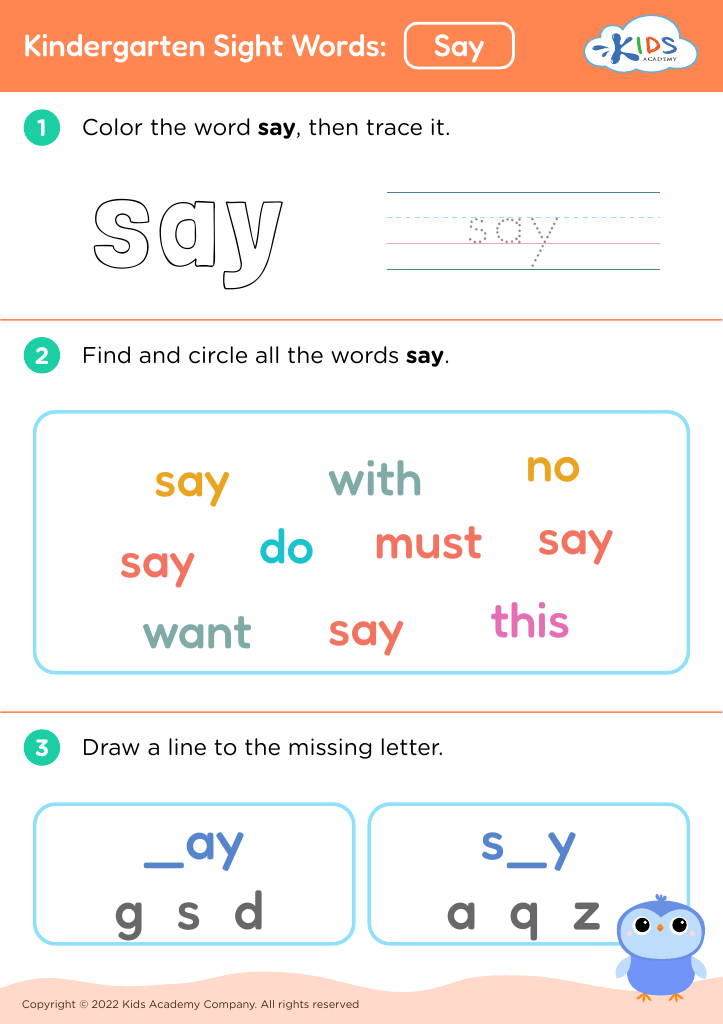
Kindergarten Sight Words: Say

Kindergarten Sight Words: Say

Kindergarten Sight Words: Say
Worksheet
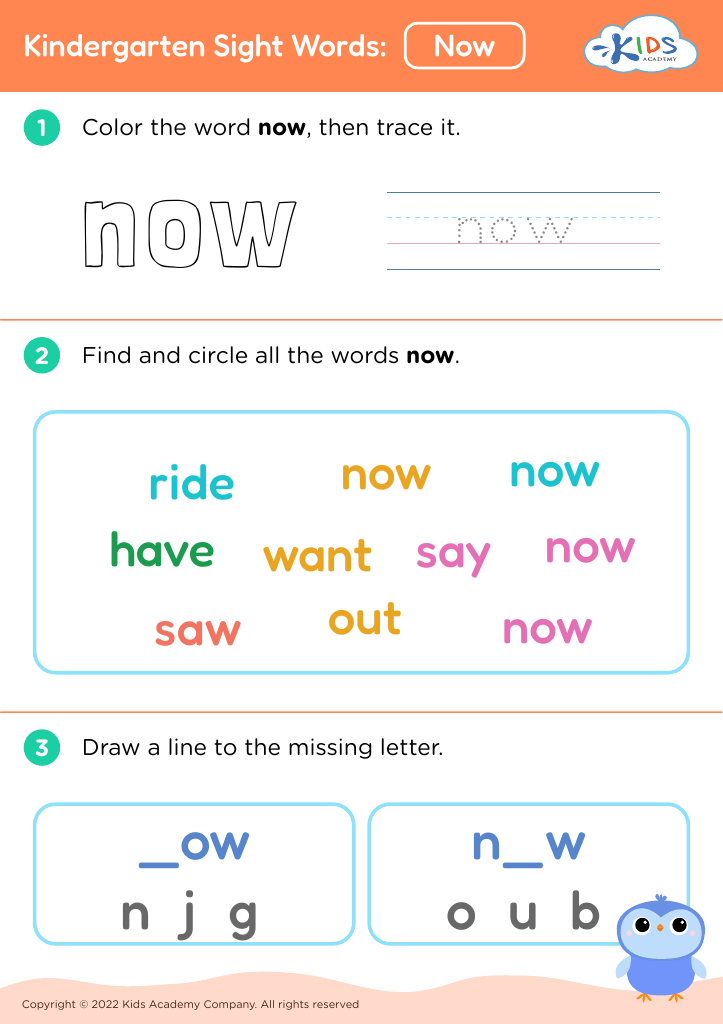
Kindergarten Sight Words: Now

Kindergarten Sight Words: Now

Kindergarten Sight Words: Now
Worksheet
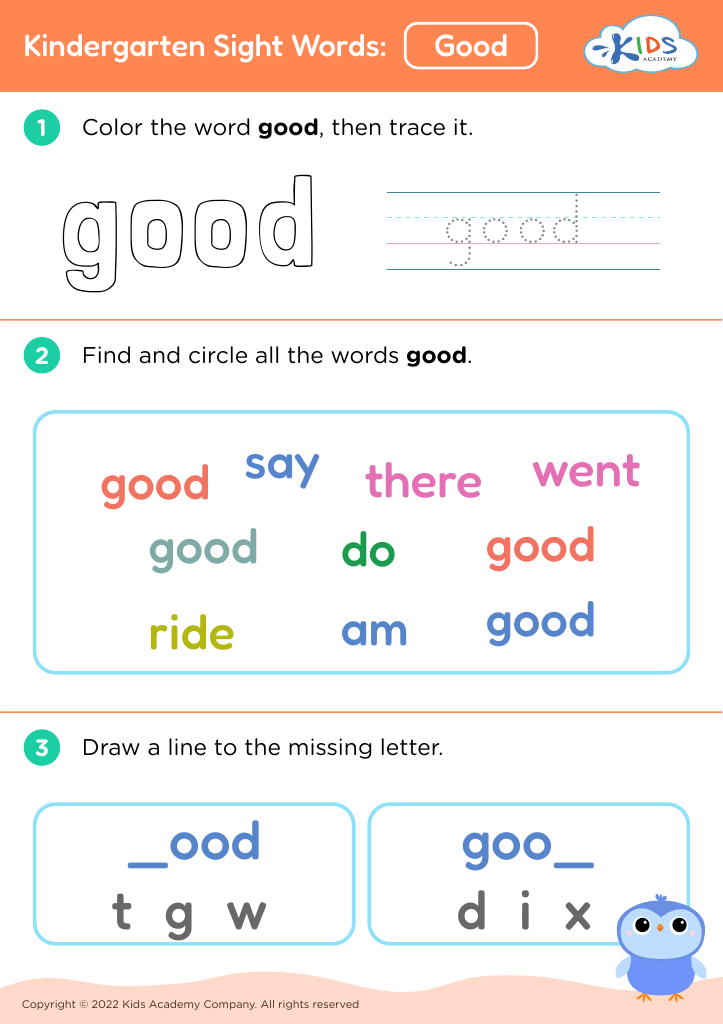
Kindergarten Sight Words: Good

Kindergarten Sight Words: Good

Kindergarten Sight Words: Good
Worksheet
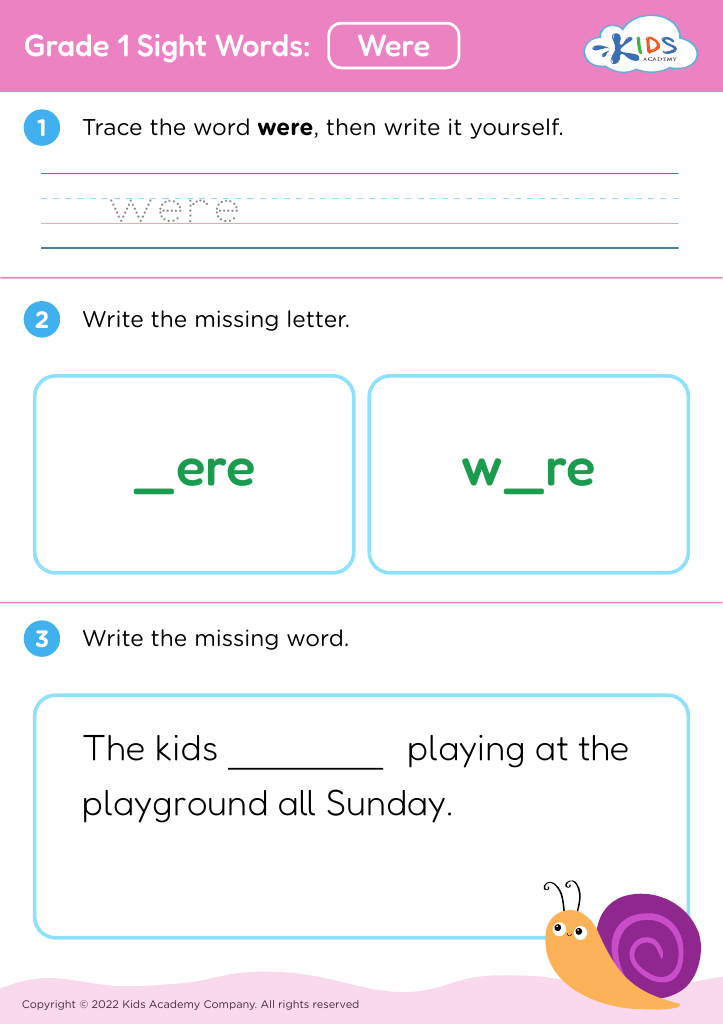
Grade 1 Sight Words: Were

Grade 1 Sight Words: Were

Grade 1 Sight Words: Were
Worksheet


Counting skills and reading play a crucial role in the early development of children ages 4-6, forming the foundation for their academic journey. For parents and teachers, fostering these skills is essential for several reasons.

Firstly, counting skills enhance cognitive development. They help children understand number concepts, patterns, and relationships, laying the groundwork for future mathematics. Engaging children in counting activities, such as counting objects or rhythmic clapping, makes learning fun and interactive.

Secondly, reading promotes language development and comprehension skills. At this age, children are like sponges, absorbing new words and ideas. Reading to them encourages vocabulary expansion and boosts their ability to communicate effectively, which is vital for social skill development.

Additionally, both counting and reading exercises help in fostering concentration, memory, and spatial awareness, which are important for overall academic success.

Moreover, these skills intertwine; number-related books enhance both literacy and numeracy. Parents and teachers should encourage an integrated approach, making learning lively and enjoyable. By investing their time and resources into developing counting and reading skills, they are setting children up for lifelong learning success and a strong confidence in their abilities.