Letter recognition Reading Worksheets for Ages 4-6
12 filtered results
-
From - To
Introduce your little learners to the world of letters with our engaging Letter Recognition Reading Worksheets for Ages 4-6. Tailored specifically for preschoolers and kindergarteners, these worksheets help children connect letters with sounds, identify the alphabet, and build foundational reading skills. Each activity is designed to be fun and interactive, making learning enjoyable for early readers. Our resources are perfect for parents and educators looking to support young learners in developing crucial literacy skills. Download, print, and start the journey to literacy success today with our expertly crafted letter recognition worksheets!
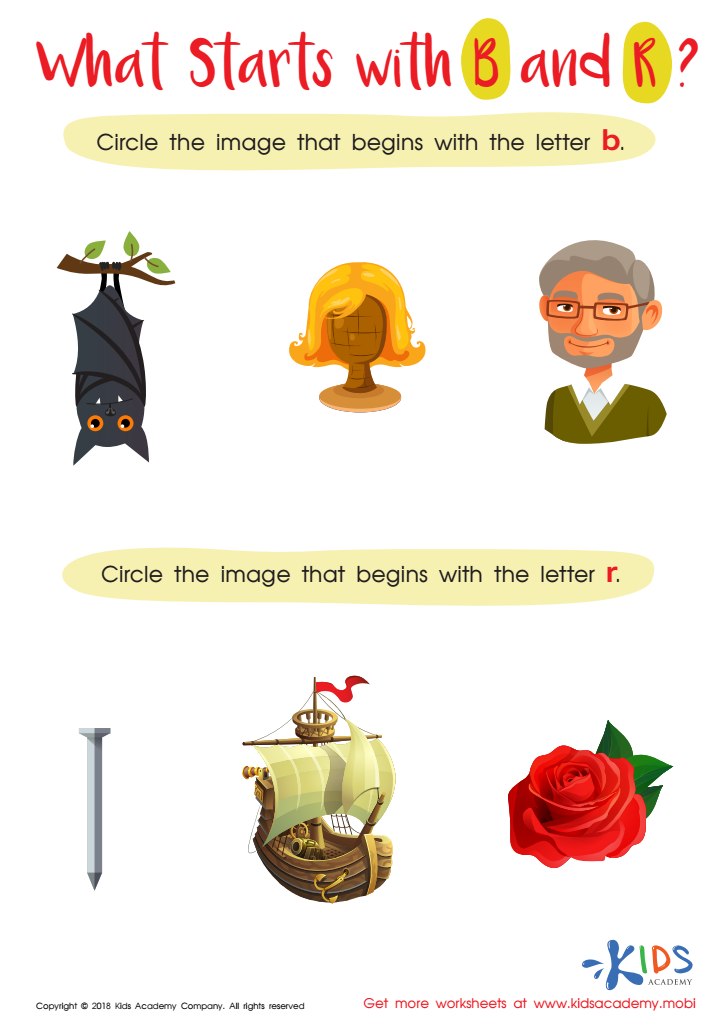
What Starts with B and R? Worksheet
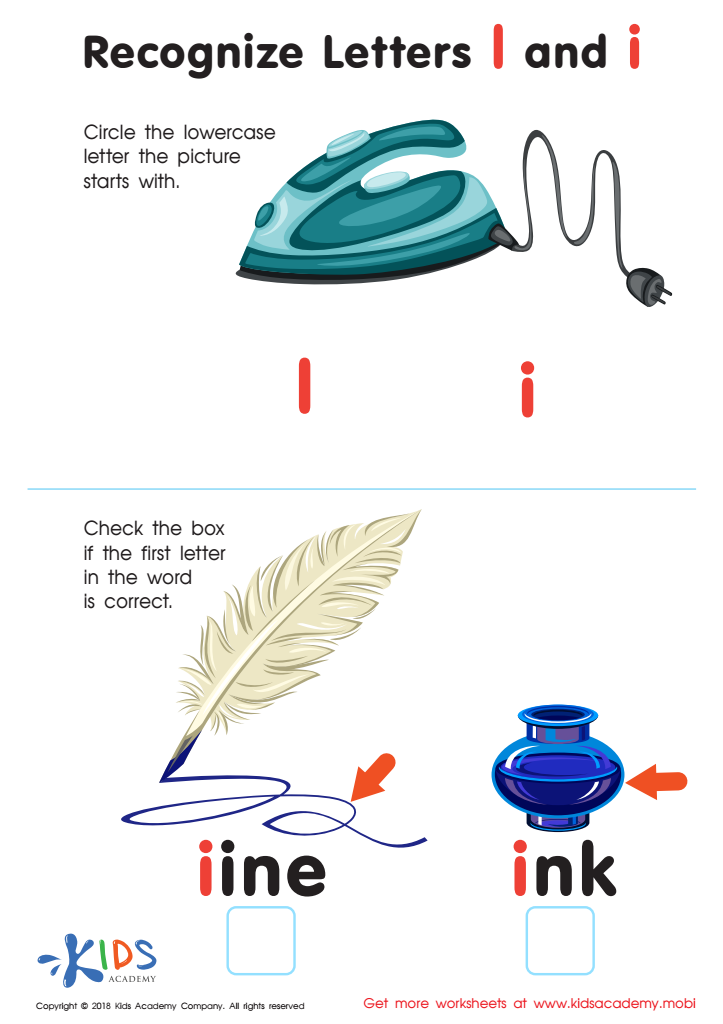
Recognize Letters l and i Worksheet
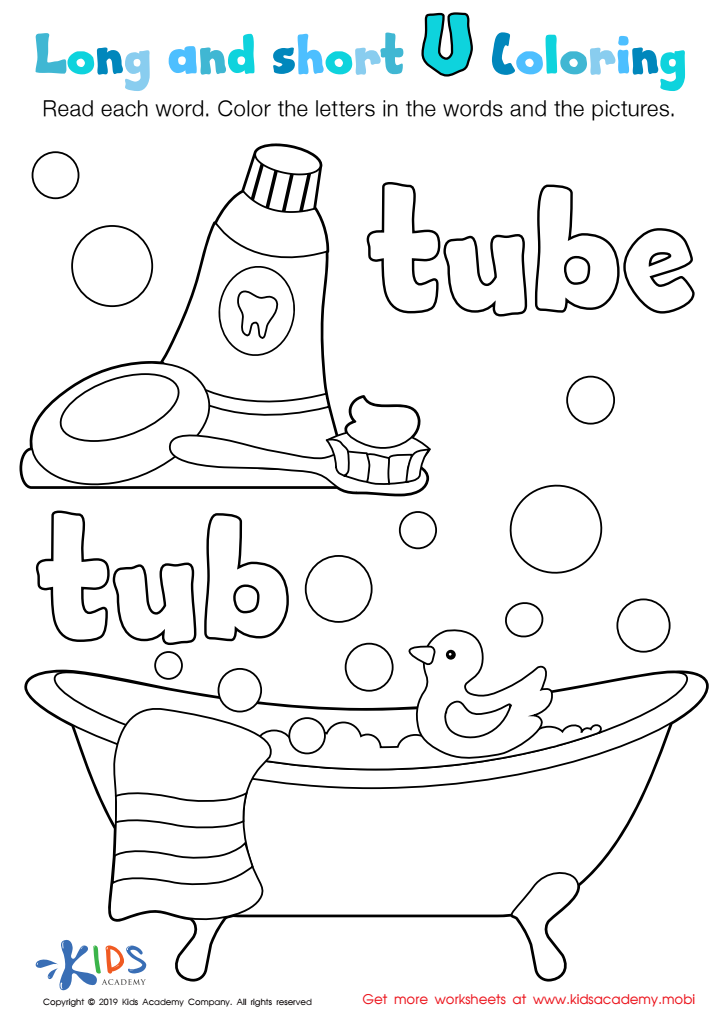
Long and Short U Worksheet
 Assign to My Students
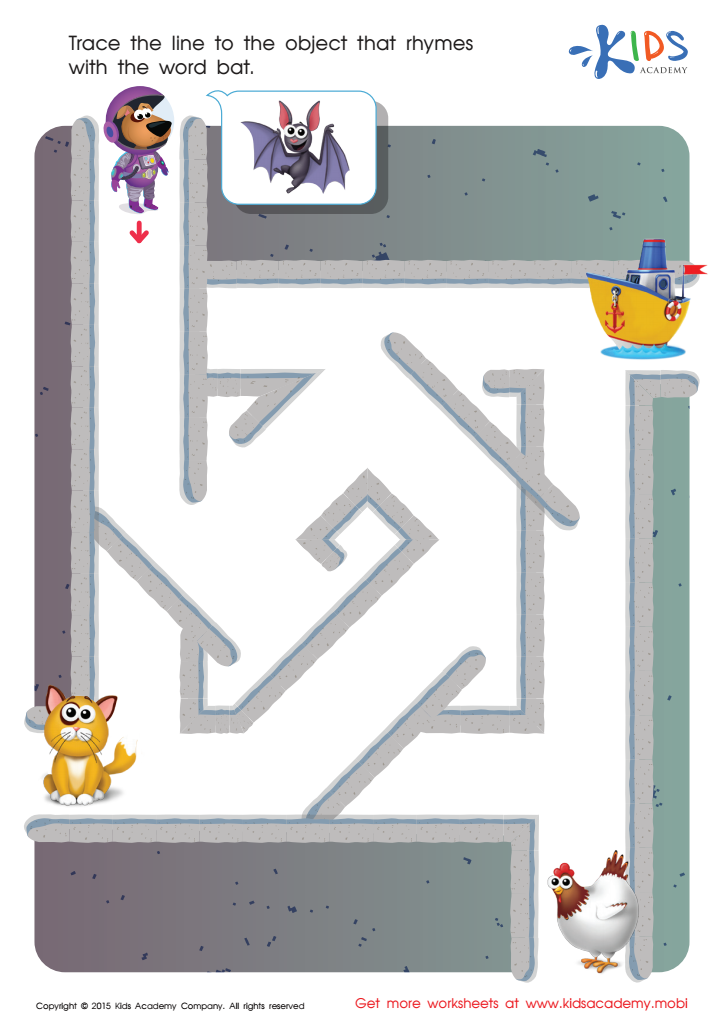
Bat Rhyming Words Worksheet
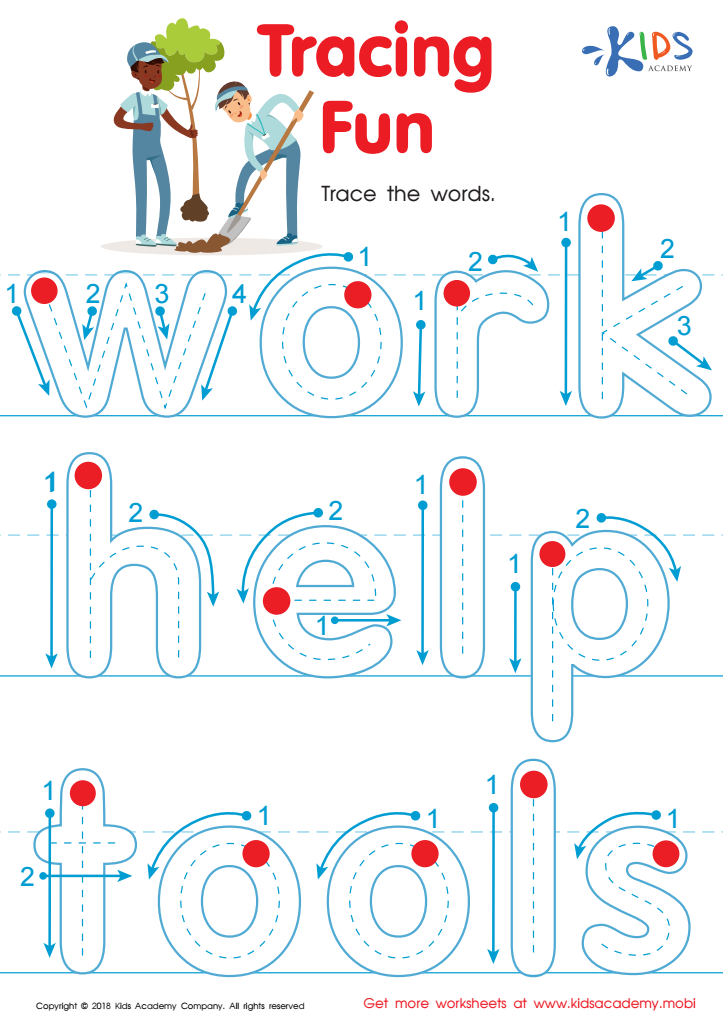
Tracing Fun Worksheet
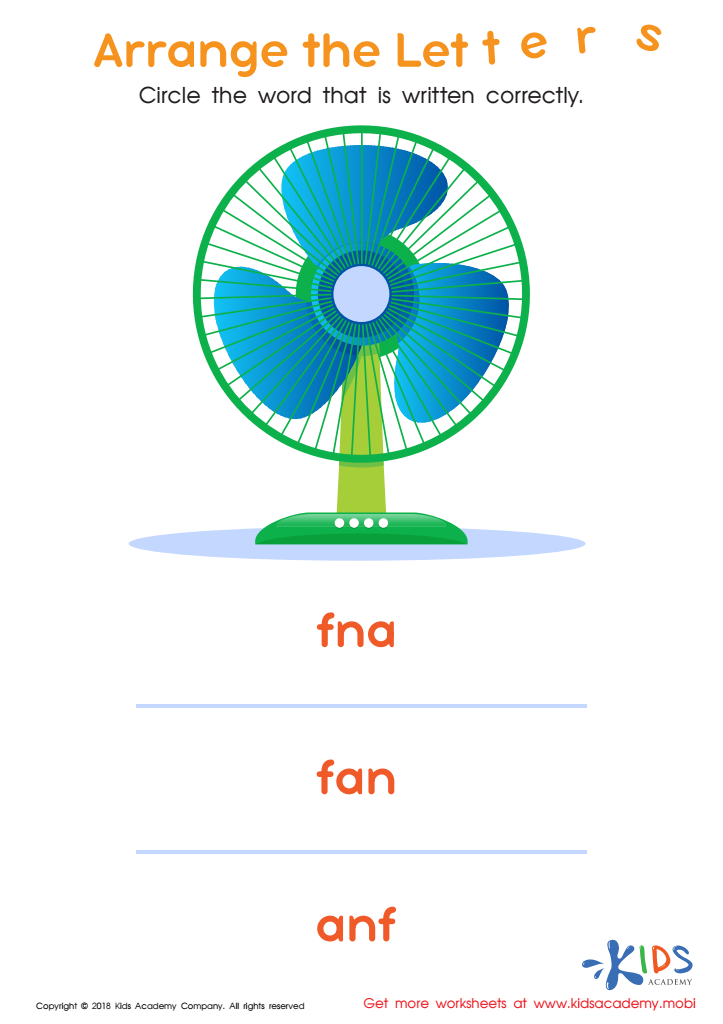
Arrange the Letters Worksheet
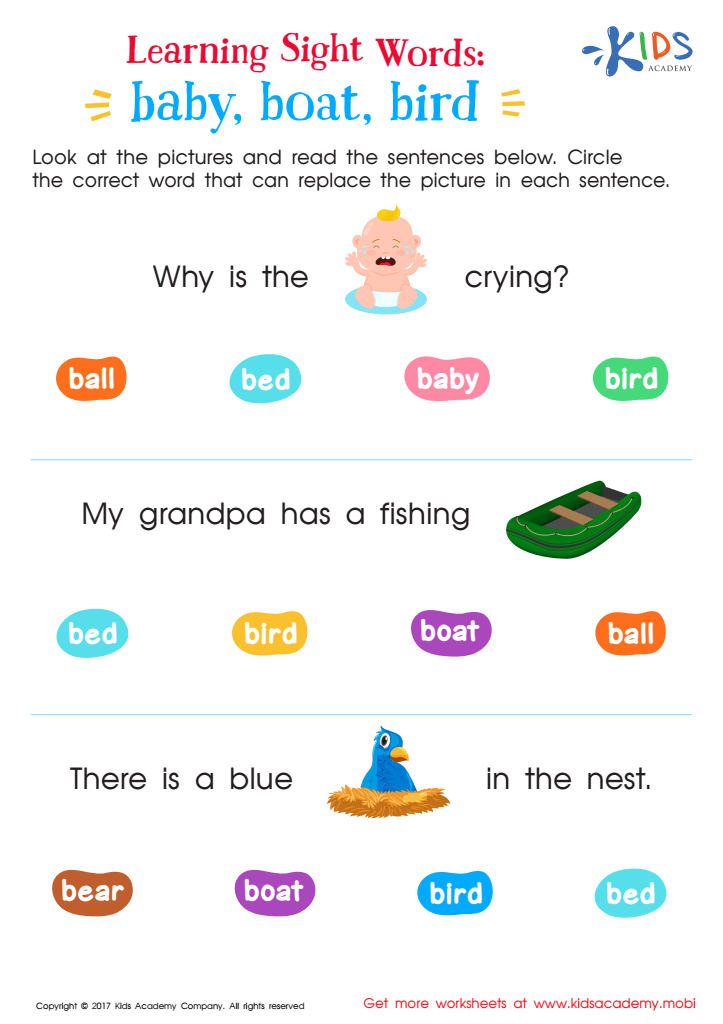
Baby, Boat, Bird Worksheet Sight Words Worksheet
First Words Worksheet
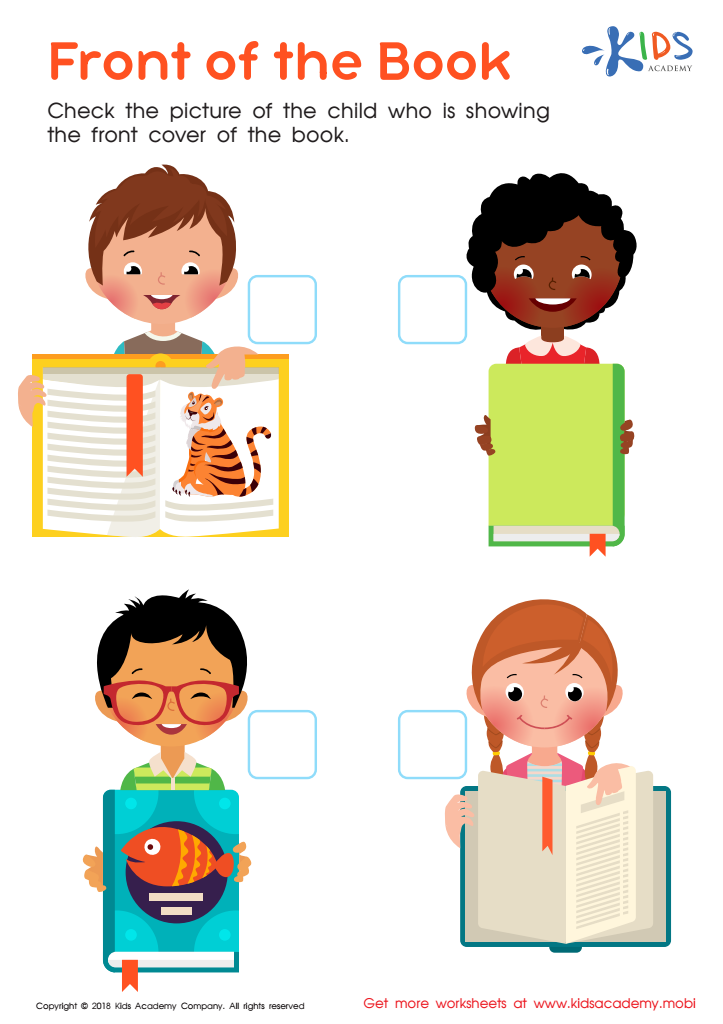
Front of the Book Worksheet

Long and Short E Worksheet
Assign to My Students
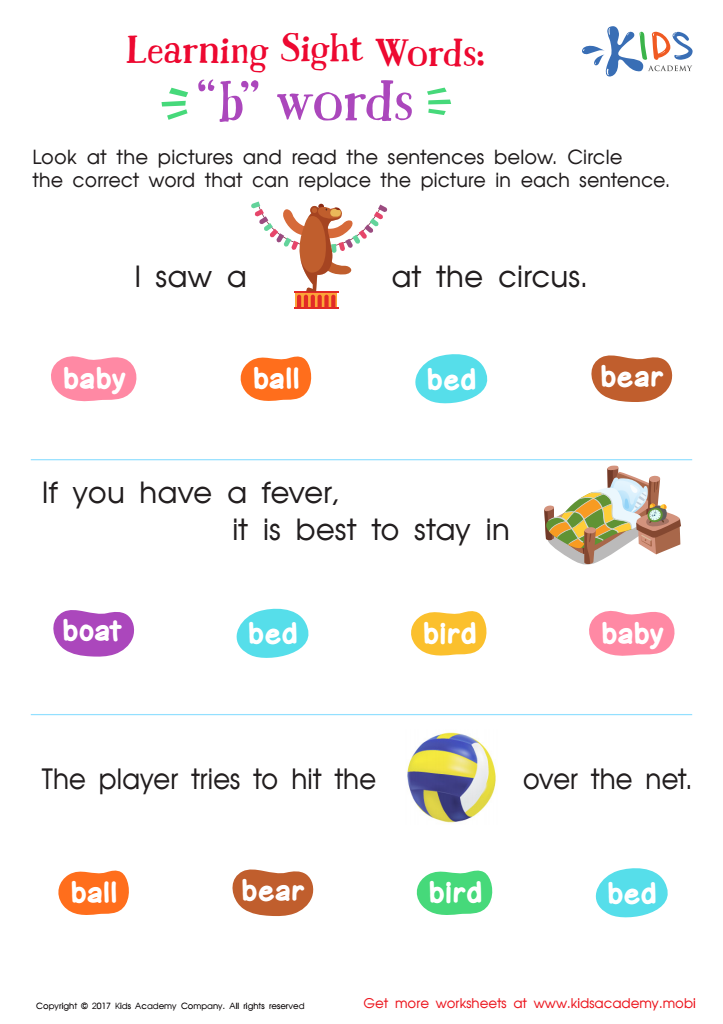
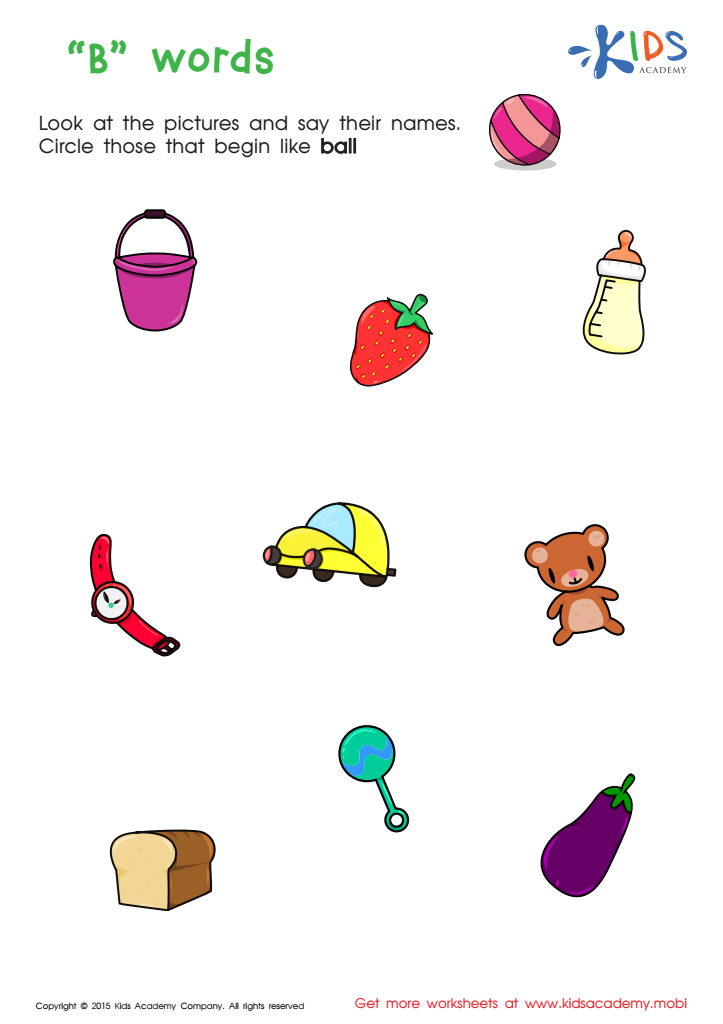
"B" Words Printable Sight Words Worksheet
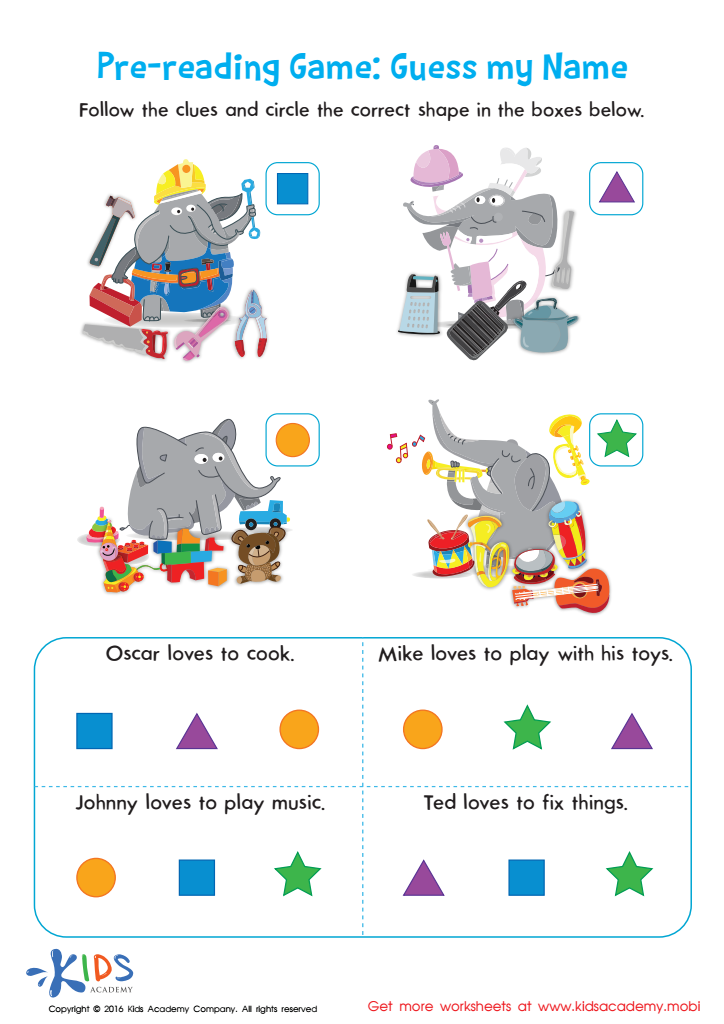
Pre Reading Worksheet Guess My Name








Letter recognition is a foundational skill for young children, typically ages 4-6, which acts as the cornerstone for early literacy development. For parents and teachers, focusing on letter recognition is crucial for several reasons. First, understanding letters and their corresponding sounds directly impacts a child's ability to learn to read. Knowing the alphabet enables children to decode words, recognize patterns, and ultimately read fluently.
Moreover, strong letter recognition skills are linked to early writing abilities. Children who can identify letters are more likely to try writing and spelling words, fostering fine motor skills and cognitive associations between sounds and symbols. This, in turn, encourages expressive and receptive language development, furthering overall literacy.
On an emotional level, mastering letter recognition instills a sense of achievement and confidence in young learners. It creates a robust foundation that mitigates potential frustrations with reading and writing as they progress academically. For educators and parents, early intervention ensures that children do not fall behind, enabling personalized learning strategies suited to each child's pace and style.
Promoting letter recognition also sets the stage for enriched literacy environments, where children are more likely to engage with books, storytelling, and educational activities. Ultimately, prioritizing letter recognition equips children with the essential tools to become proficient readers and lifelong learners.








