Animal identification Science Worksheets for Ages 4-6
6 filtered results
-
From - To
Discover our engaging Animal Identification Science Worksheets designed for children ages 4-6! These fun and interactive worksheets introduce young learners to the fascinating world of animals, helping them recognize different species while fostering their curiosity about nature. Activities include matching animals with their habitats, identifying unique characteristics, and coloring fun illustrations. Designed by experts to promote early science skills, these worksheets encourage critical thinking, enhance vocabulary, and support fine motor development. Perfect for classroom use or at-home learning, our Animal Identification resources make science exciting and accessible for preschool and kindergarten children. Explore now and inspire a lifelong love for learning!
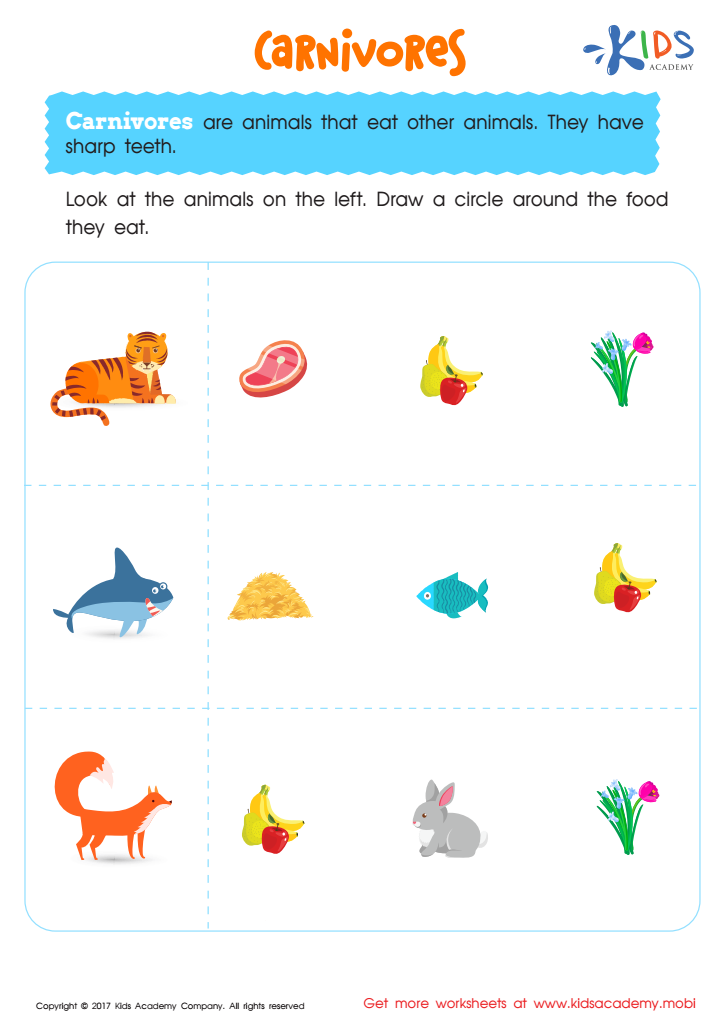
Carnivores Worksheet
 Assign to My Students
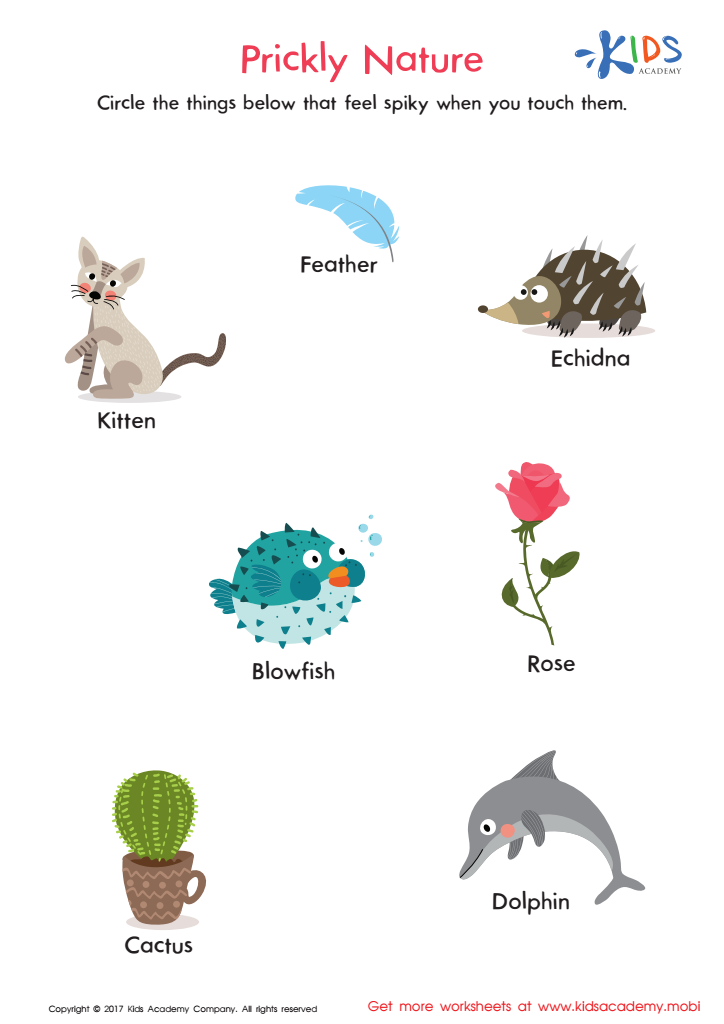
Prickly Nature Worksheet
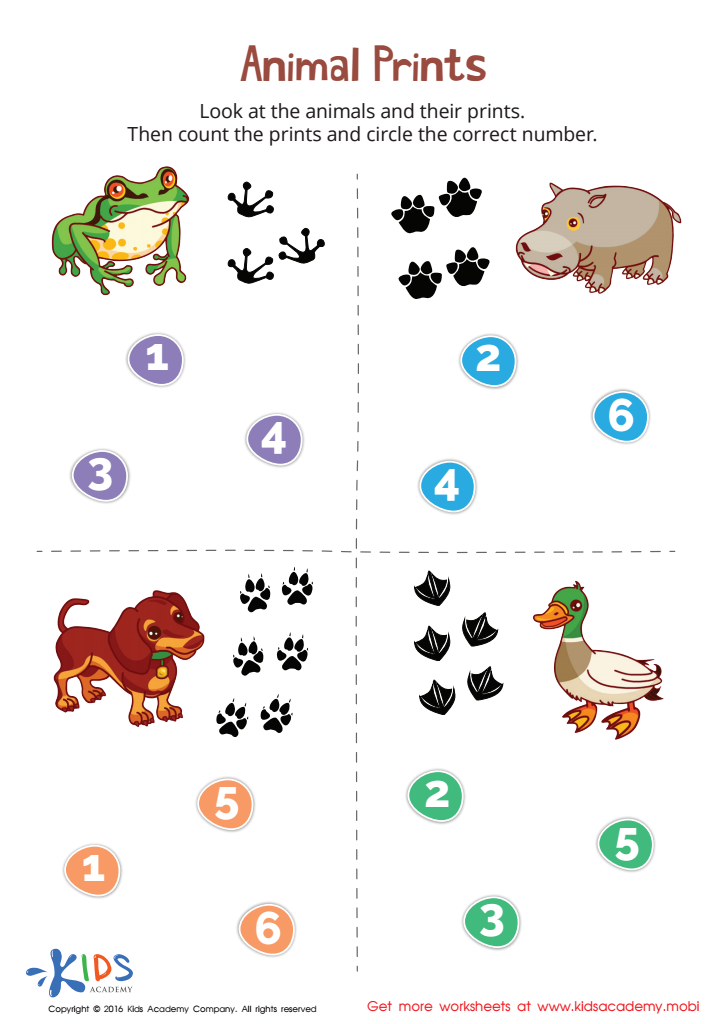
Animal Prints Match-Up Worksheet
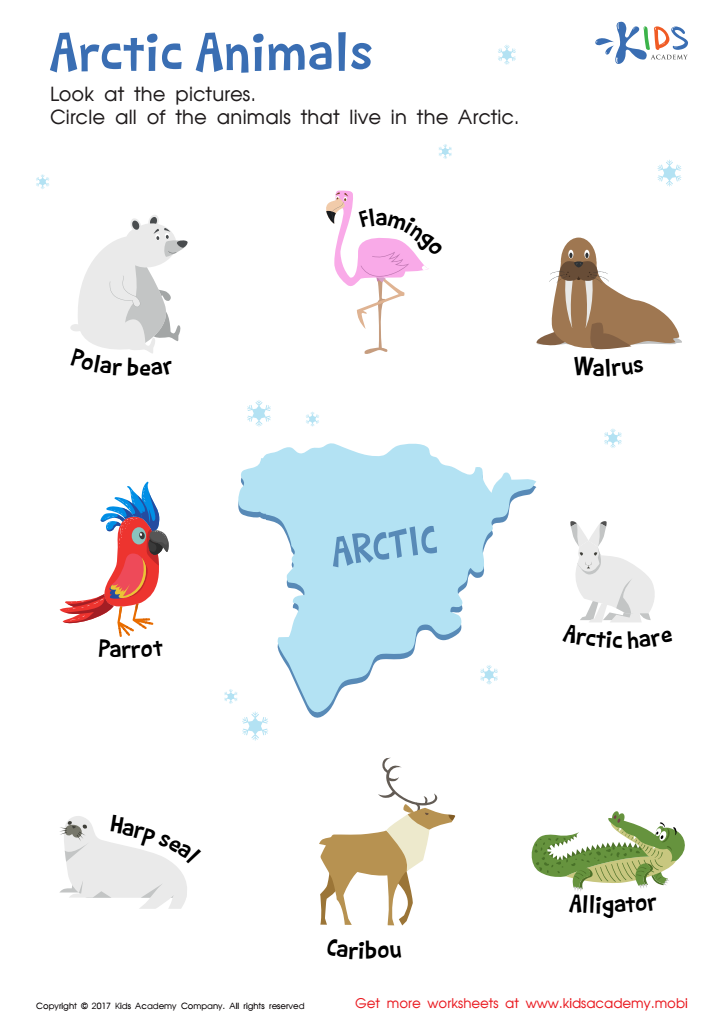
Arctic Animals Worksheet
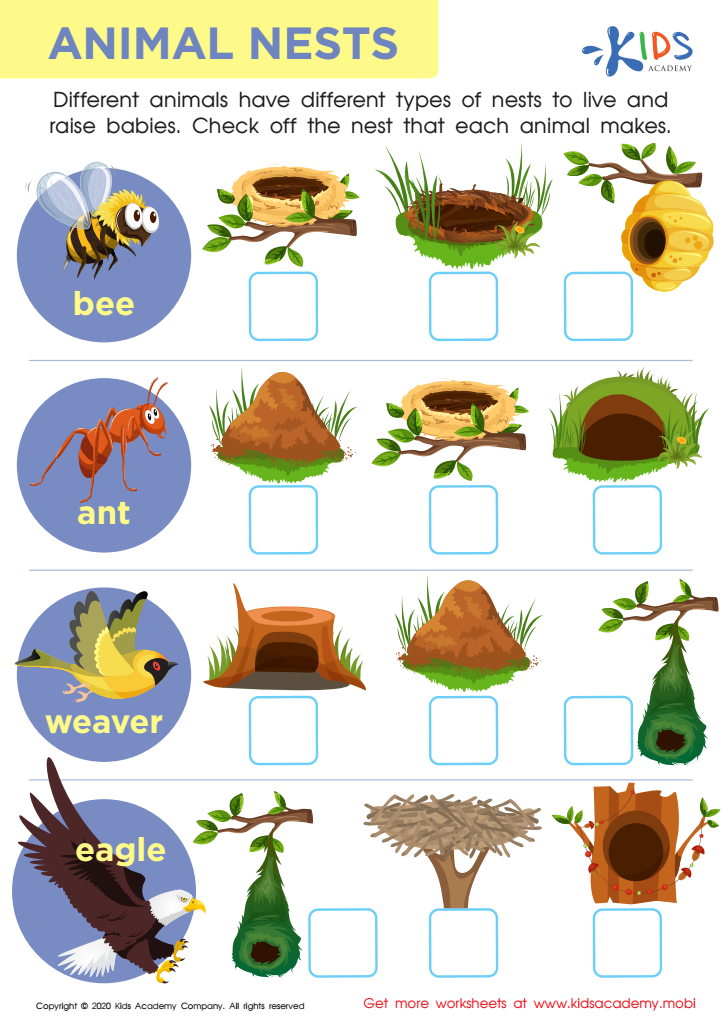
Animal Nests Worksheet
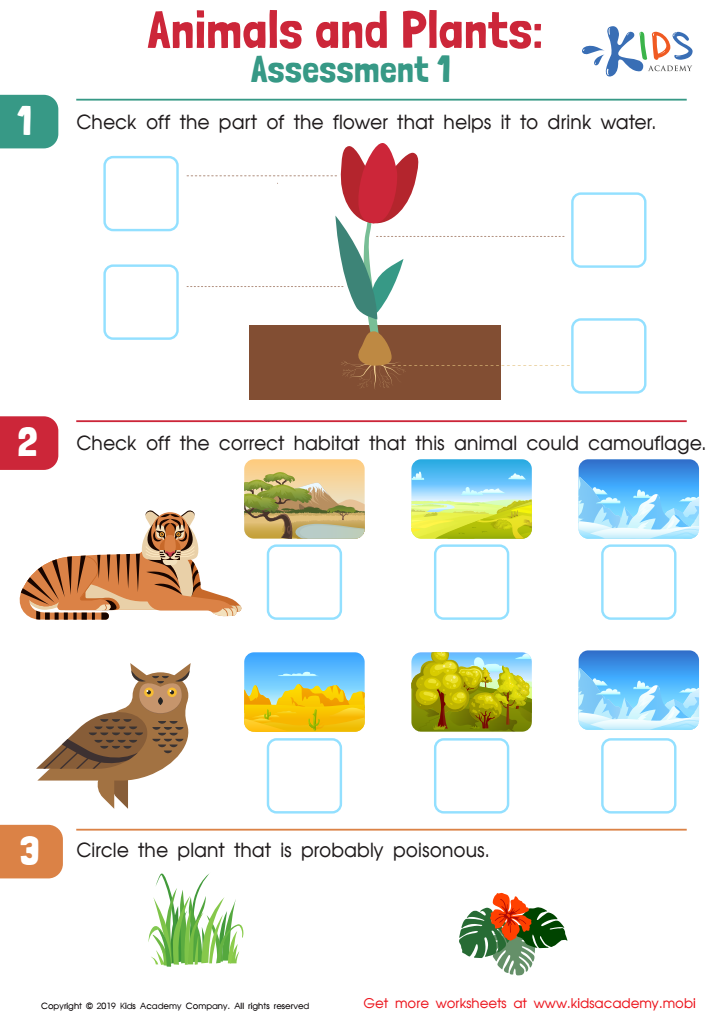
Animals and Plants: Assessment 1 Worksheet








Animal identification science is crucial for young children aged 4-6, as it lays the foundation for their understanding of the natural world. At this age, children's curiosity about animals is at its peak, and introducing them to concepts of identifying different species fosters a sense of wonder and engagement with their environment.
Parents and teachers should care about this topic because it enhances observational skills, critical thinking, and fosters a sense of responsibility toward nature. By helping children learn to recognize various animals and their characteristics, we cultivate a respect for biodiversity and encourage empathy towards living creatures.
Moreover, animal identification can be integrated into playful and interactive learning experiences, making education both fun and effective. Activities such as nature walks, storytelling, or arts and crafts involving animal traits pique interests and stimulate cognitive development.
Additionally, understanding animal identification ties into broader themes like ecosystems and conservation, teaching children how all living things are interconnected. This foundational knowledge, nurtured from an early age, can inspire future generations to become environmentally conscious adults, ensuring the protection of wildlife and habitats for years to come. Engaging with animal identification science cultivates not only knowledge but also character and appreciation for our planet.







