Sequencing Skills Science Worksheets for Ages 4-6
3 filtered results
-
From - To
Explore our engaging Sequencing Skills Science Worksheets designed specifically for ages 4-6! These interactive worksheets help young learners develop essential sequencing skills through fun, age-appropriate activities. By understanding the order of events in scientific concepts, children can enhance their critical thinking and comprehension abilities. Our carefully crafted worksheets feature colorful illustrations and relatable themes that captivate young minds. Each activity encourages exploration and connects science to everyday experiences, making learning exciting and relevant. Parents and educators can easily download and print these worksheets to supplement classroom learning or homework. Ignite a love for science in your child today! Enjoy endless learning adventures with us!
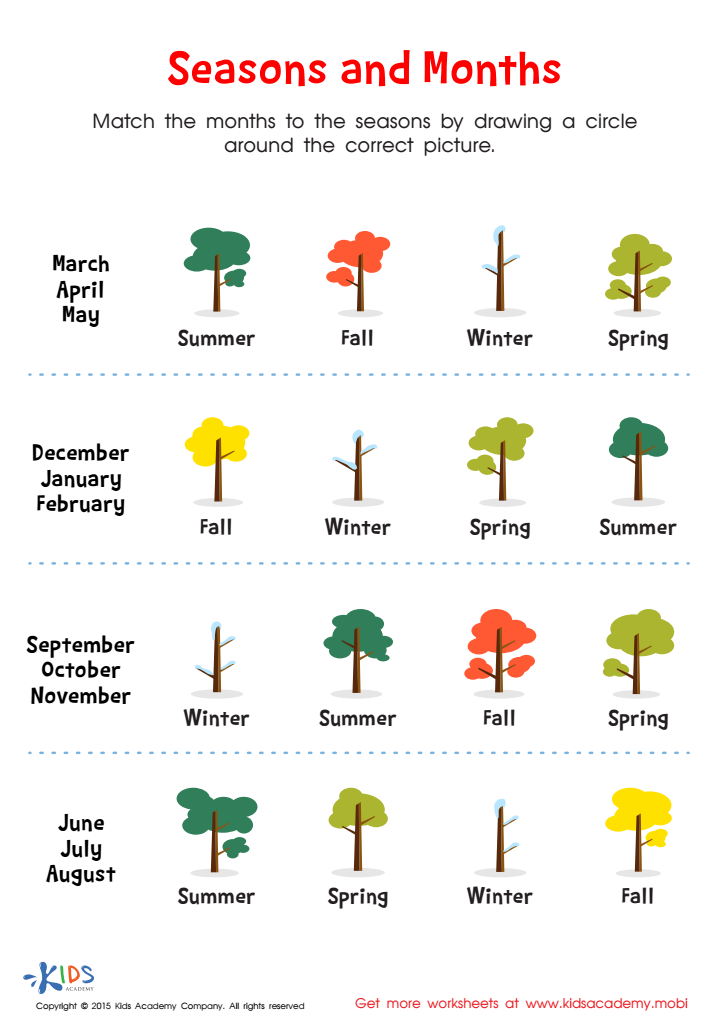
Seasons and Months Worksheet
 Assign to My Students
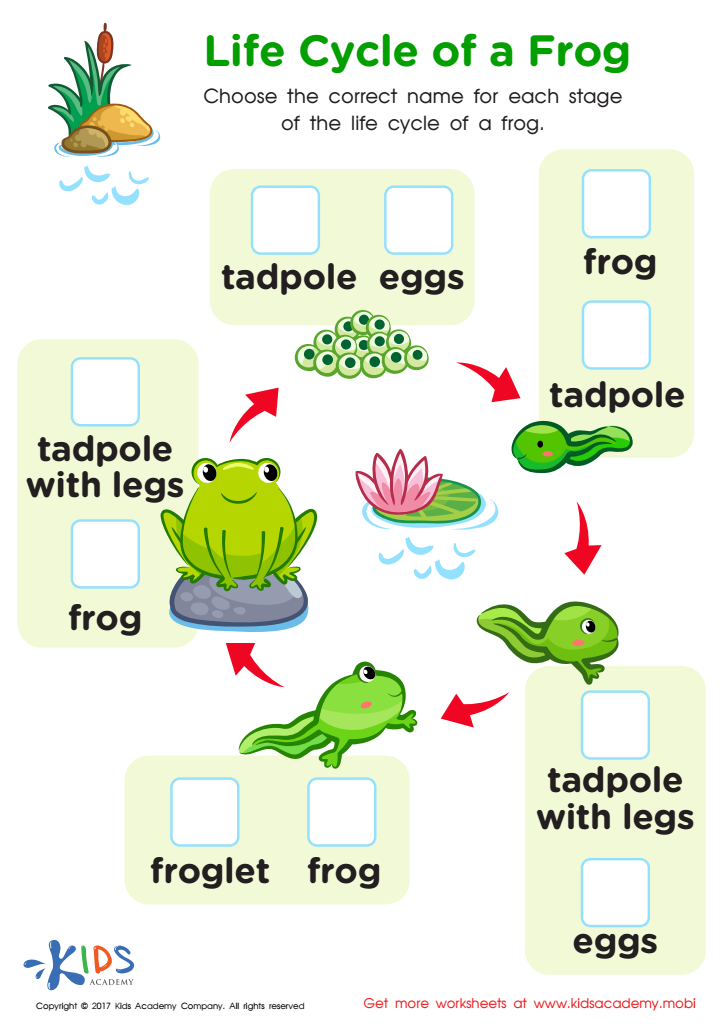
Life Cycle Frog Printable
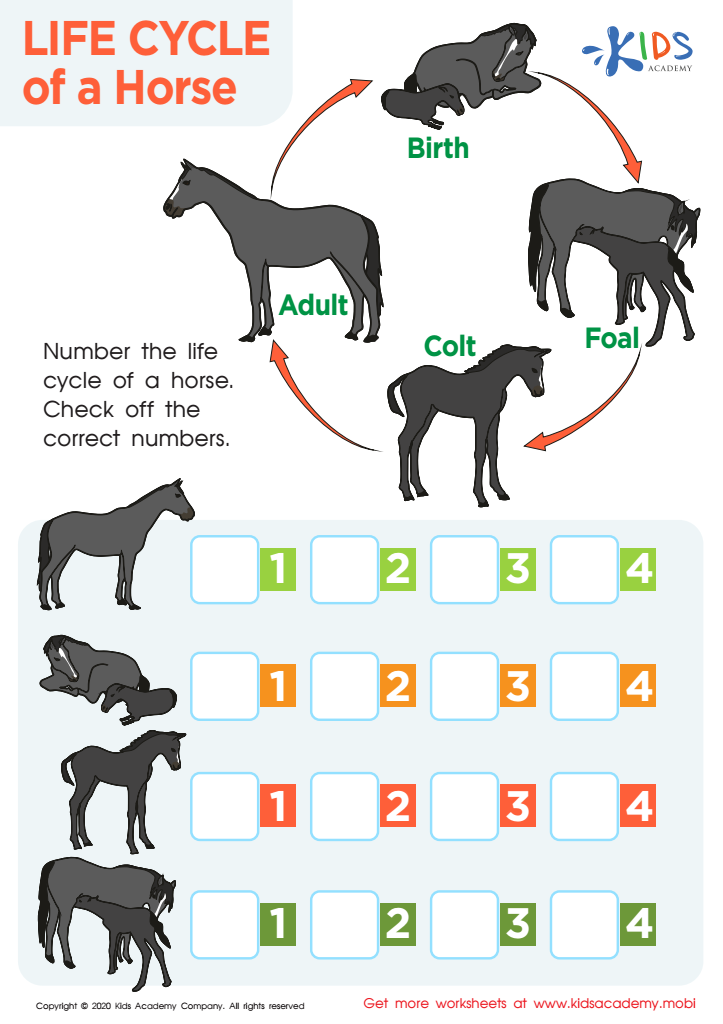
Life Cycle of a Horse Worksheet








Sequencing skills are vital for young learners, especially in the field of science, as they lay the foundation for logical thinking, comprehension, and problem-solving abilities. For children aged 4-6, developing these skills helps them understand the natural patterns and phenomena in the world around them.
First, sequencing activities support cognitive development, allowing young children to organize information and events in a logical manner. This critical skill aids in grasping scientific concepts such as life cycles, weather changes, or plant growth. By learning to sequence, children can better understand how different elements in science are interconnected.
Second, sequencing enhances language development. When children articulate the steps of an experiment or describe processes, they expand their vocabulary and improve their communication skills. This not only enriches their scientific literacy but also boosts overall academic achievement.
Furthermore, both parents and teachers play a crucial role in fostering these skills through engaging activities that involve sorting, ordering, and categorizing. Incorporating sequencing in hands-on experiments, storytelling, or daily routines can ignite curiosity and promote an active learning environment. Ultimately, by prioritizing sequencing skills early in a child's education, parents and teachers can cultivate confident, inquisitive learners who are prepared to explore the wonders of science.







