Shape Recognition Science Worksheets for Ages 4-6
5 filtered results
-
From - To
Discover engaging and educational Shape Recognition Science Worksheets for ages 4-6 at Kids Academy! Perfect for preschoolers and kindergarteners, these worksheets help young learners identify and understand different shapes through fun, hands-on activities. Boost your child’s cognitive and fine motor skills while sparking an interest in science. Each worksheet is crafted to hold a child's attention with vibrant images and simple instructions, making learning an enjoyable experience. Explore our collection and give your child the foundation they need in early geometry and critical thinking. Visit Kids Academy for your essential shape recognition resources today!
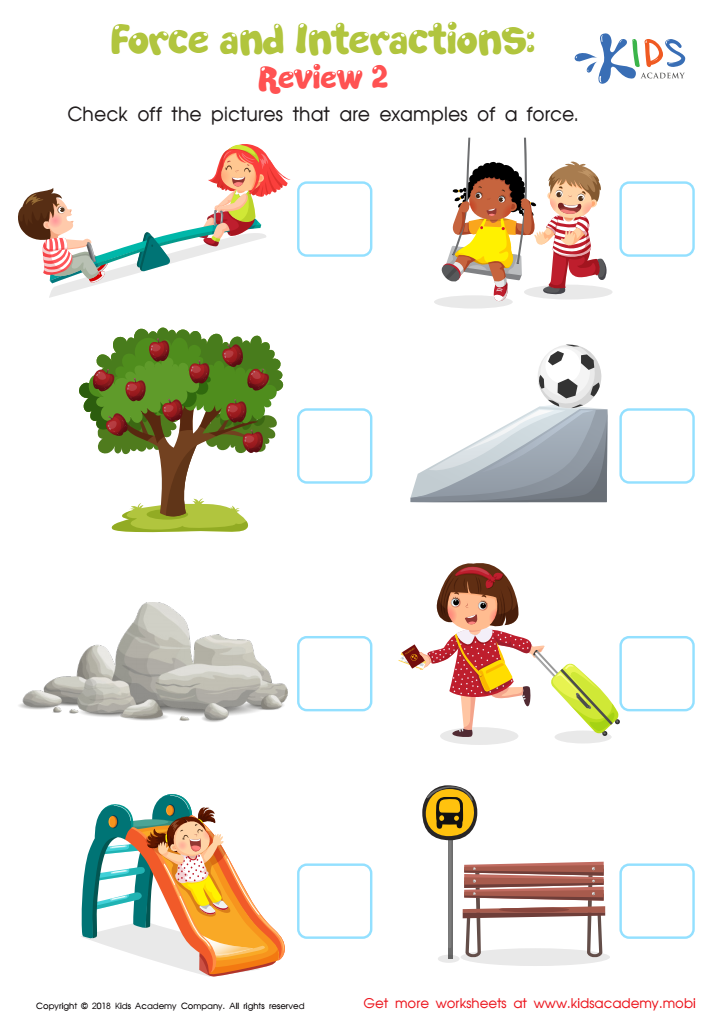
Force and Interactions: Review 2 Worksheet
 Assign to My Students
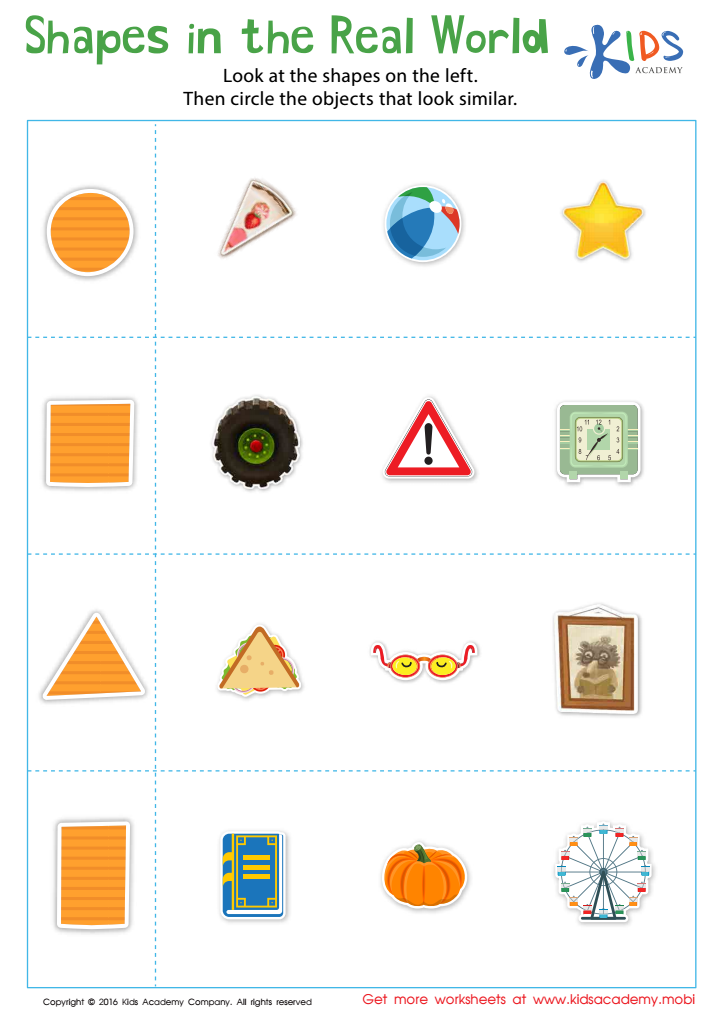
Shapes in the Real World Worksheet
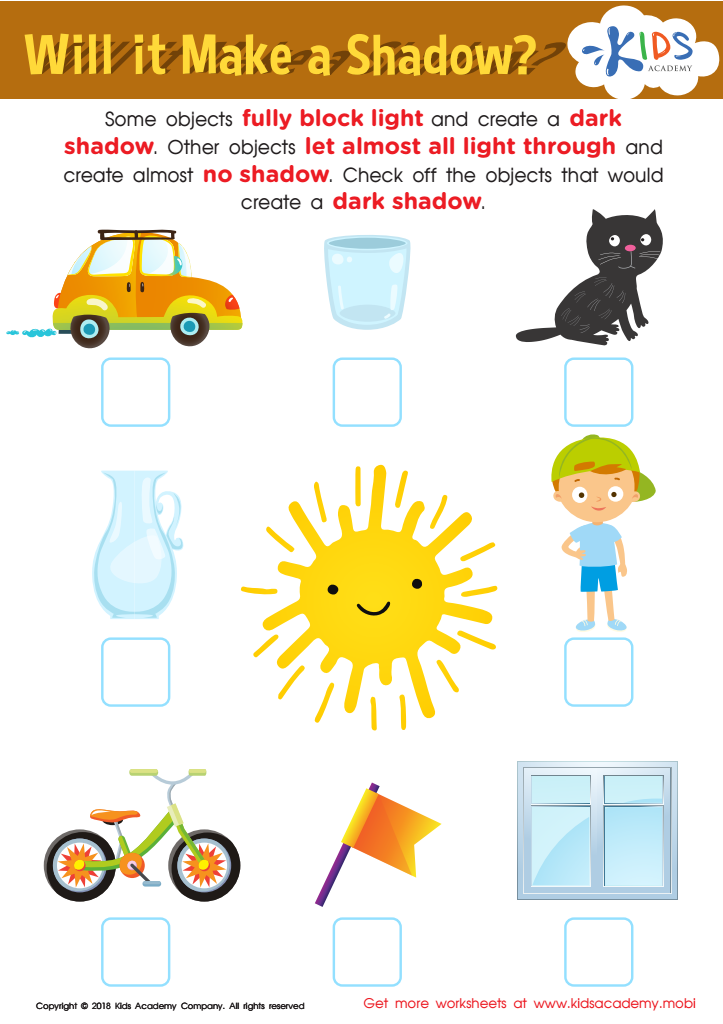
Will It Make a Shadow? Worksheet
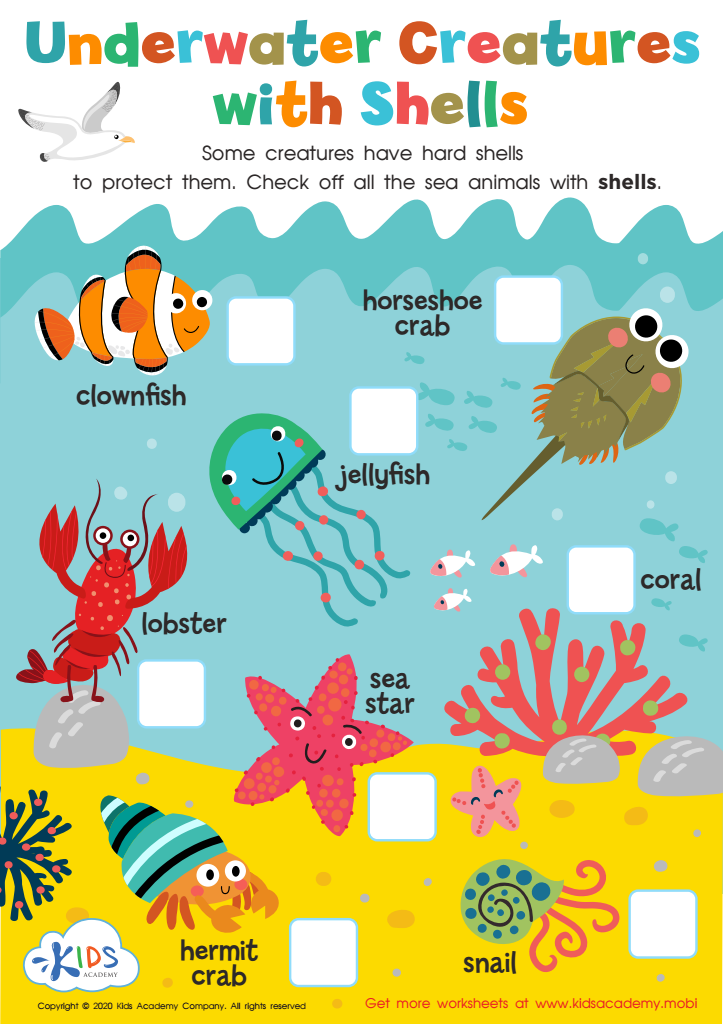
Underwater Creatures with Shells Worksheet
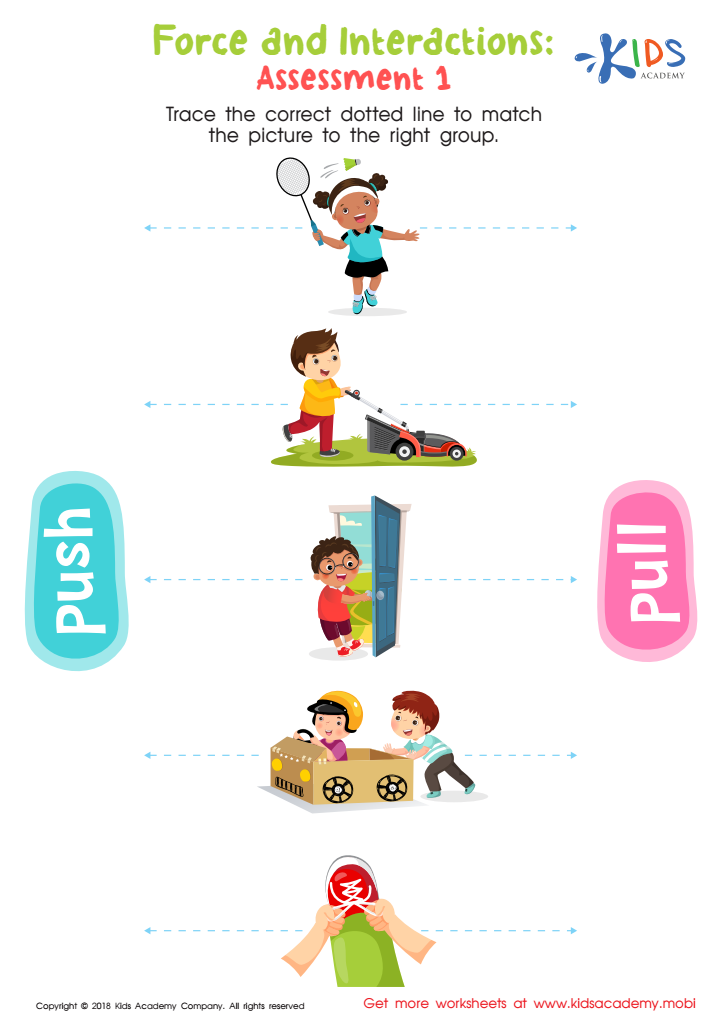
Force and Interactions: Assessment 2 Worksheet


.jpg)




Shape recognition is a foundational skill that has significant implications for a child's cognitive development, especially in the formative years of ages 4-6. During this critical period, the ability to identify and differentiate between shapes such as circles, squares, triangles, and rectangles helps children in a variety of ways.
First, mastering shape recognition aids in the development of spatial awareness and geometry skills. These are essential for understanding more complex mathematical concepts that will be encountered later in their education. Shapes help children grasp the basics of symmetry, edges, and vertices, leading to improved problem-solving abilities.
Second, shape recognition intersects with literacy skills. Children who can distinguish shapes are better equipped to recognize different letters, as understanding that "A" is different from "O" involves distinguishing between their unique shapes. This enhances reading and writing capabilities.
Furthermore, learning about shapes enhances fine motor skills as children draw, trace, and sort different shapes, which strengthens their hand-eye coordination. Cognitive abilities are enhanced as children classify and categorize objects based on their shapes, promoting logical thinking and organizational skills.
Lastly, shapes are everywhere—building blocks, puzzles, and household items. Recognizing and interacting with shapes in their environment makes learning relevant and further supports a child's experiential learning and observational skills. Thus, both parents and teachers should recognize the importance of shape recognition to prepare children for future academic and life success.







