Vocabulary development Science Worksheets for Ages 4-6
10 filtered results
-
From - To
Boost your child's vocabulary with our engaging Science Worksheets designed for ages 4-6! These interactive resources focus on essential science concepts while enhancing language skills. Packed with colorful illustrations and fun activities, these worksheets help young learners explore topics such as animals, plants, and the environment. As children build their vocabulary, they'll also develop critical thinking skills and scientific literacy. Perfect for both classroom and home use, these worksheets make learning enjoyable and effective. Equip your little ones with the language they need to express their curiosity about the world around them. Start fostering a love for science and words today!
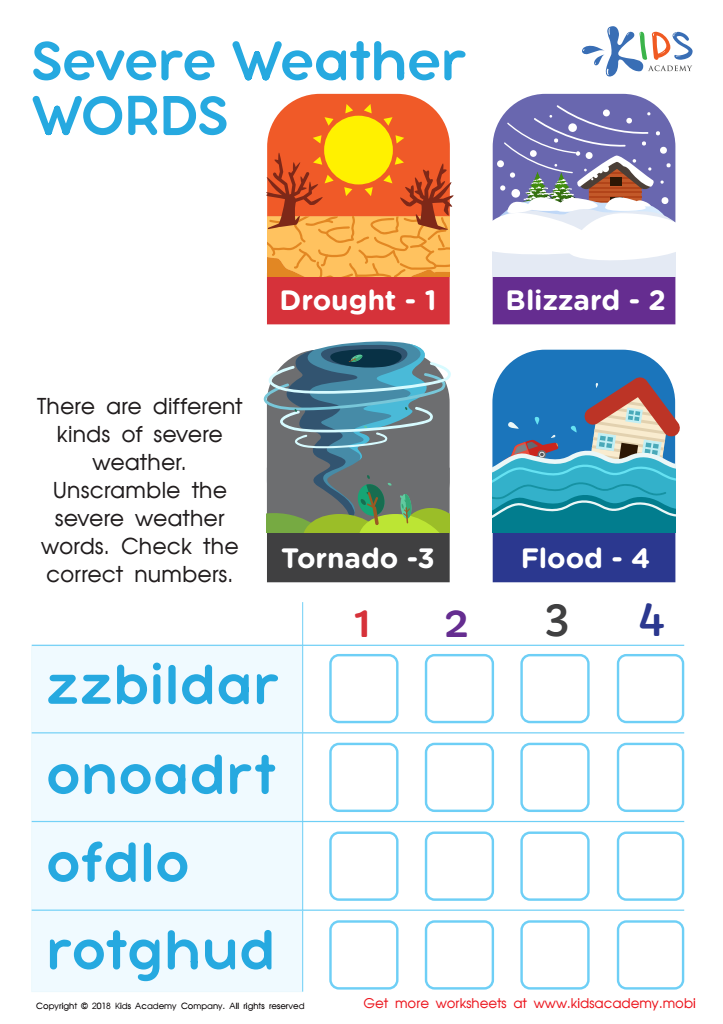
Severe Weather Words Worksheet
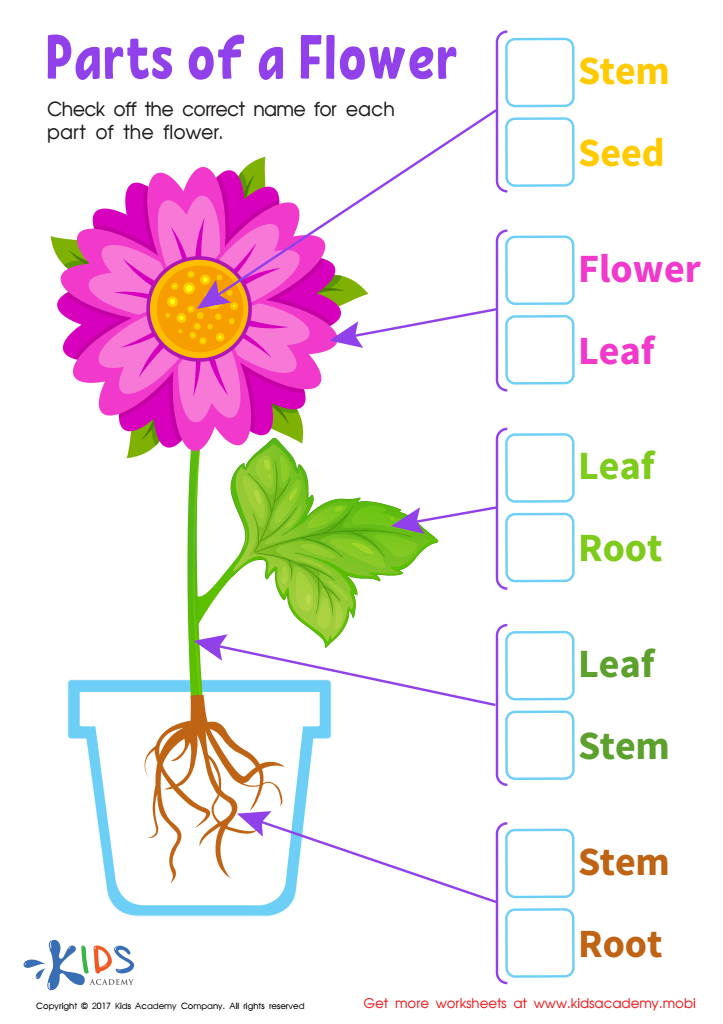
Parts Flower Printable
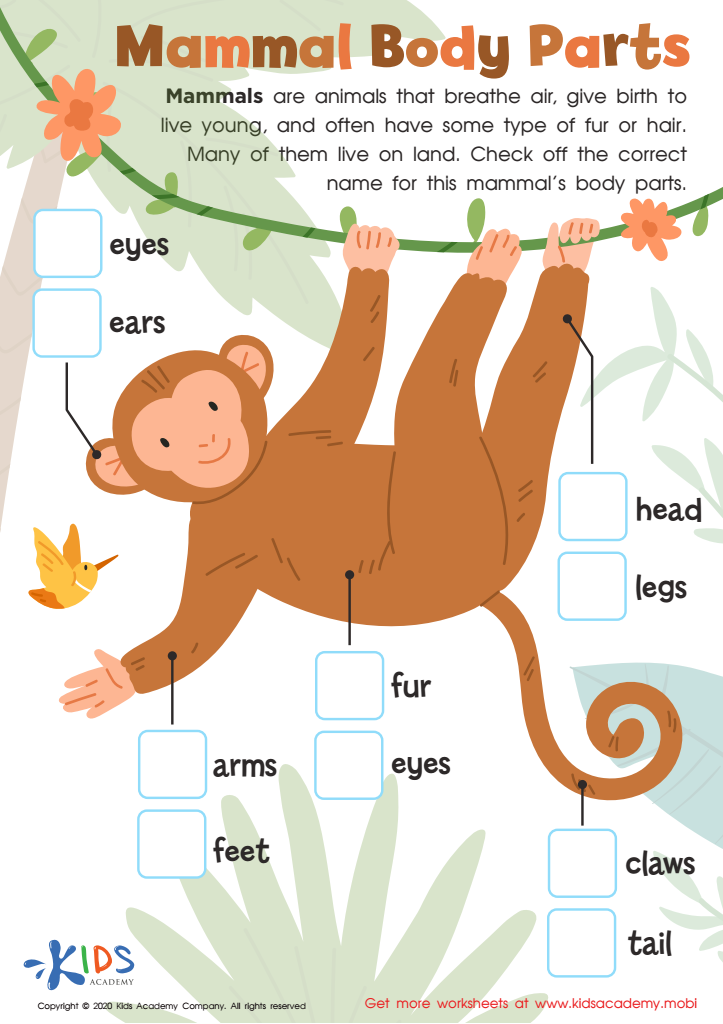
Mammal Body Parts Worksheet
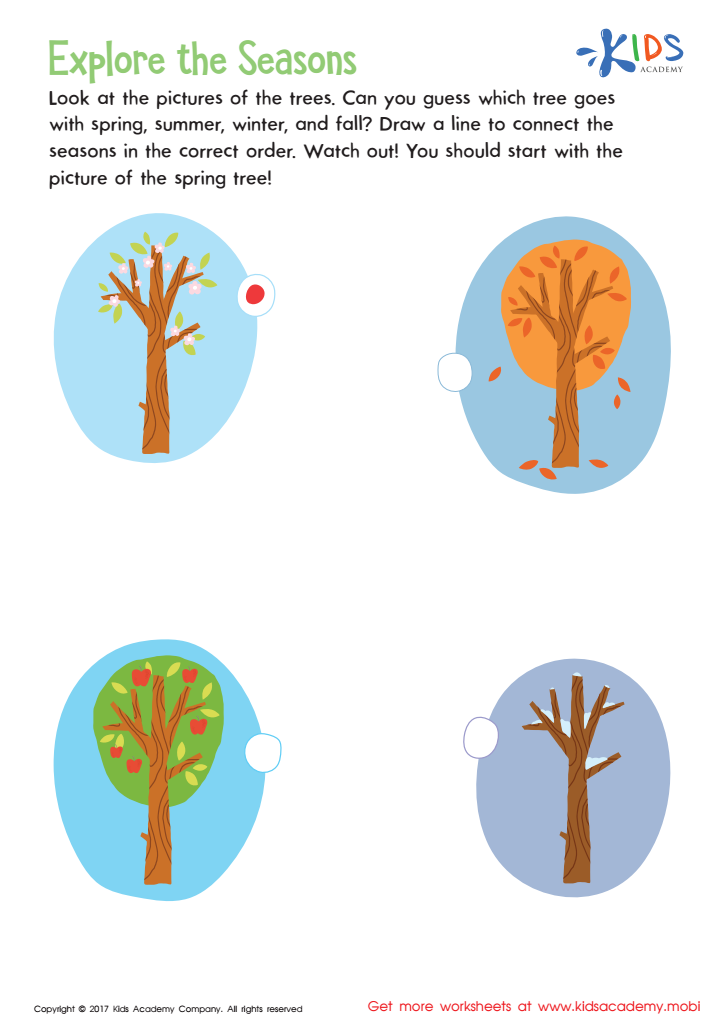
Explore the Seasons Worksheet
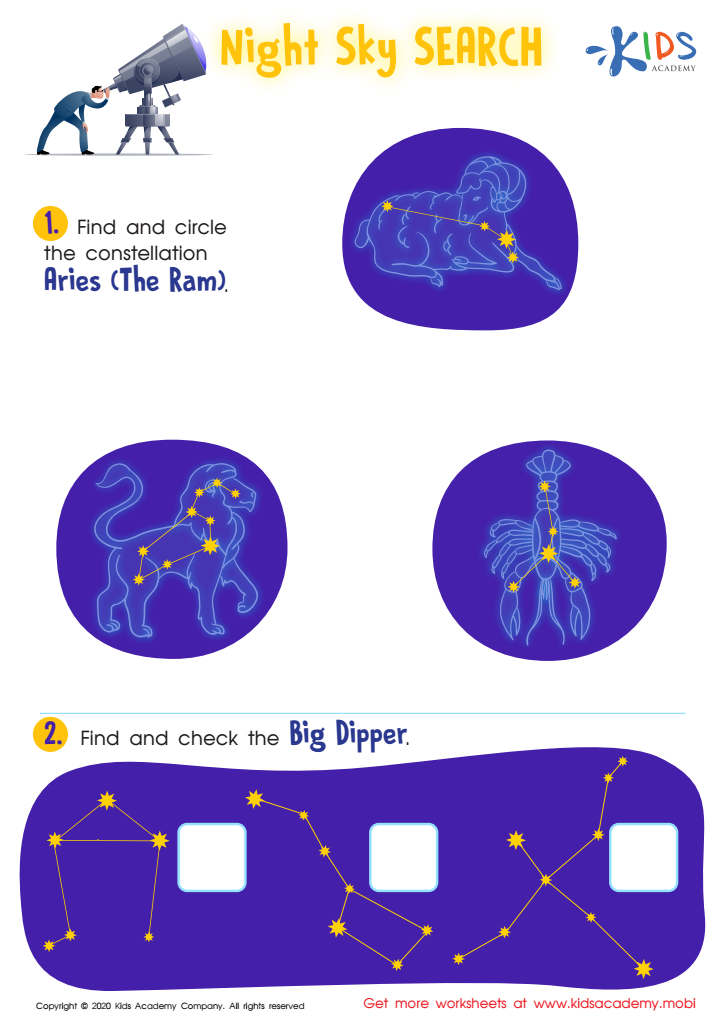
Night Sky Search Worksheet
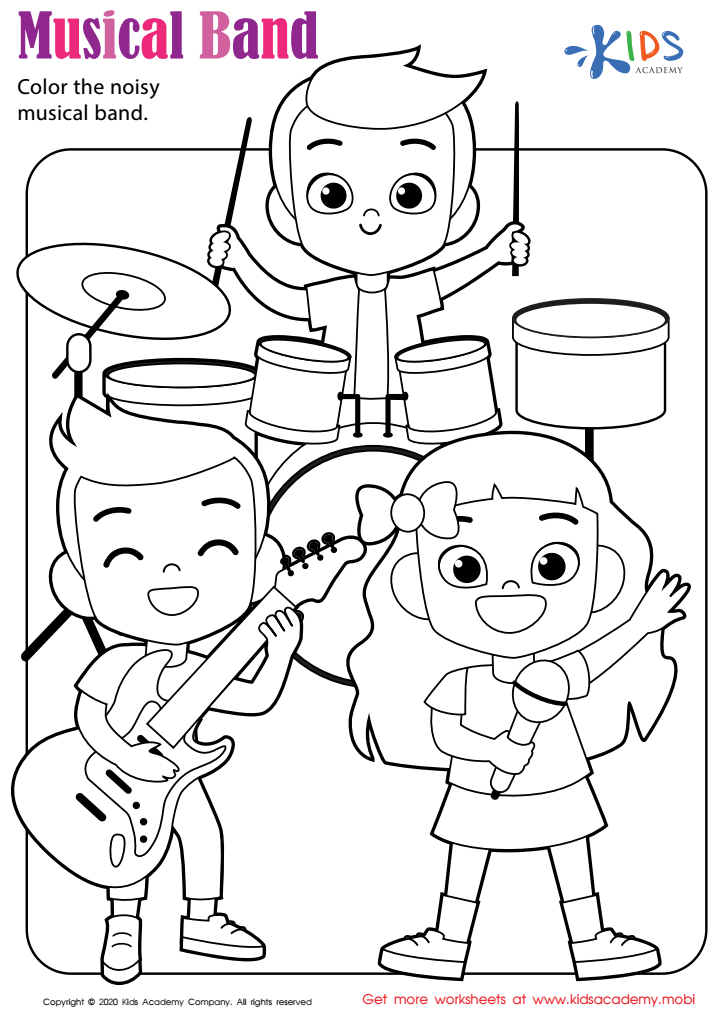
Musical Band Worksheet
 Assign to My Students
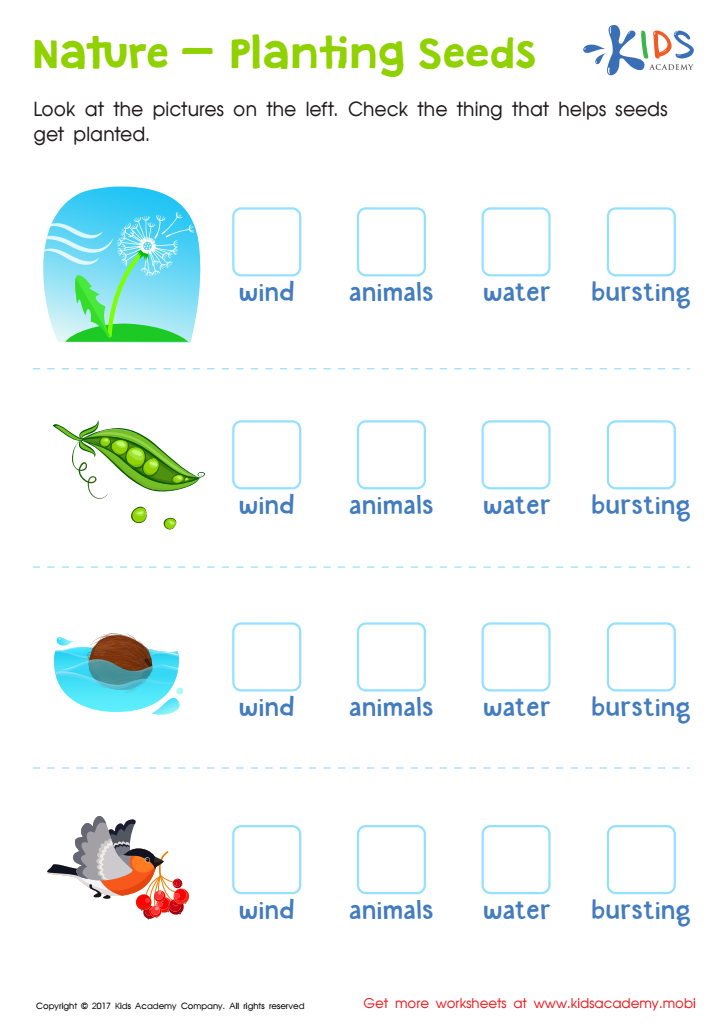
Nature Planting Seeds Worksheet
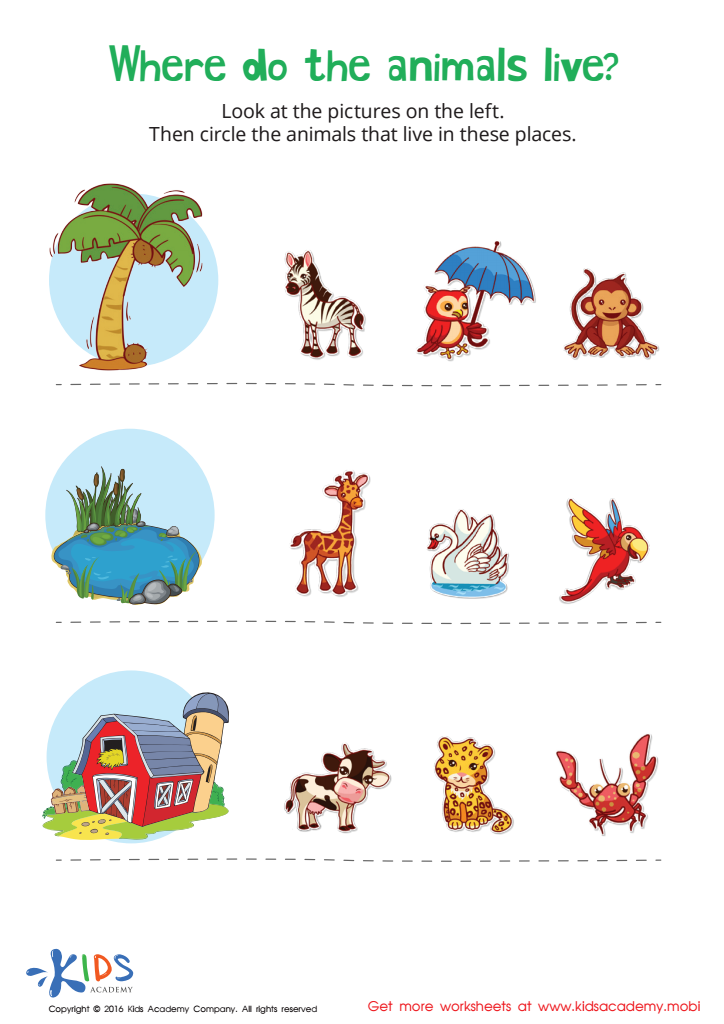
Where Animals Live Worksheet
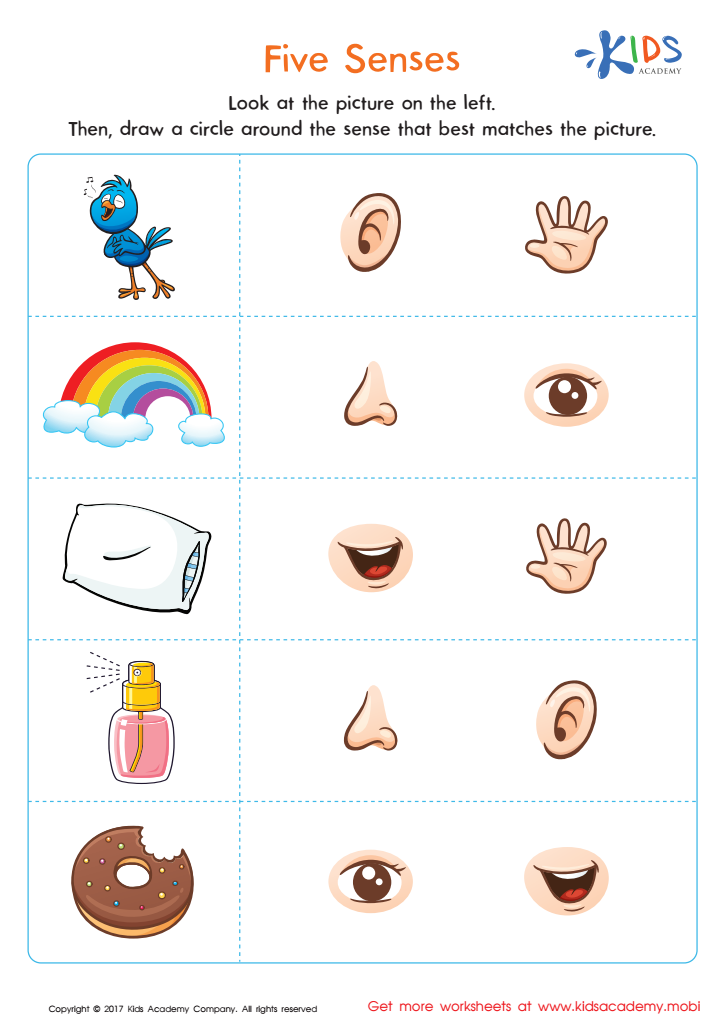
Five Senses Printable





.jpg)

Vocabulary development in young children, particularly for ages 4-6, is crucial for their overall cognitive and social growth. When parents and teachers prioritize vocabulary development within a scientific context, they empower children to explore the world around them through precise language. This foundational skill enhances their ability to express thoughts, ask questions, and engage in discussions about scientific concepts, promoting curiosity and critical thinking.
By introducing vocabulary related to science—such as terms associated with plants, animals, weather, and basic physical principles—educators and parents help children build a rich language base that connects to their observations and experiences. This age is characterized by rapid language acquisition, and exposure to varied vocabulary supports literacy skills, which are essential for academic success.
Moreover, a strong vocabulary fosters communication skills, allowing children to articulate ideas clearly and collaborate with peers. It also enhances comprehension, enabling them to understand instructions and engage with educational content more effectively.
Ultimately, investing in vocabulary development in a science context nurtures not just informed learners but also enthusiastic, inquisitive minds prepared to explore, innovate, and solve problems throughout their educational journey and beyond.







