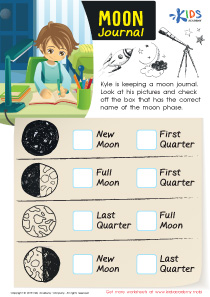
Critical thinking skills Plants and Animals Worksheets for Ages 4-6
4 filtered results
-
From - To
Enhance your child's critical thinking skills with our engaging Plants and Animals Worksheets, designed specifically for ages 4-6. These printable activities encourage young learners to explore the fascinating world of nature while developing essential cognitive abilities. Through fun exercises, children will analyze, compare, and classify various plants and animals, encouraging curiosity and understanding of their environment. Our worksheets support early childhood development by promoting problem-solving skills and the ability to think deeply about the information they encounter. Empower your little ones to become thoughtful, inquisitive explorers of the natural world today—explore our range of critical thinking worksheets and watch their skills bloom!
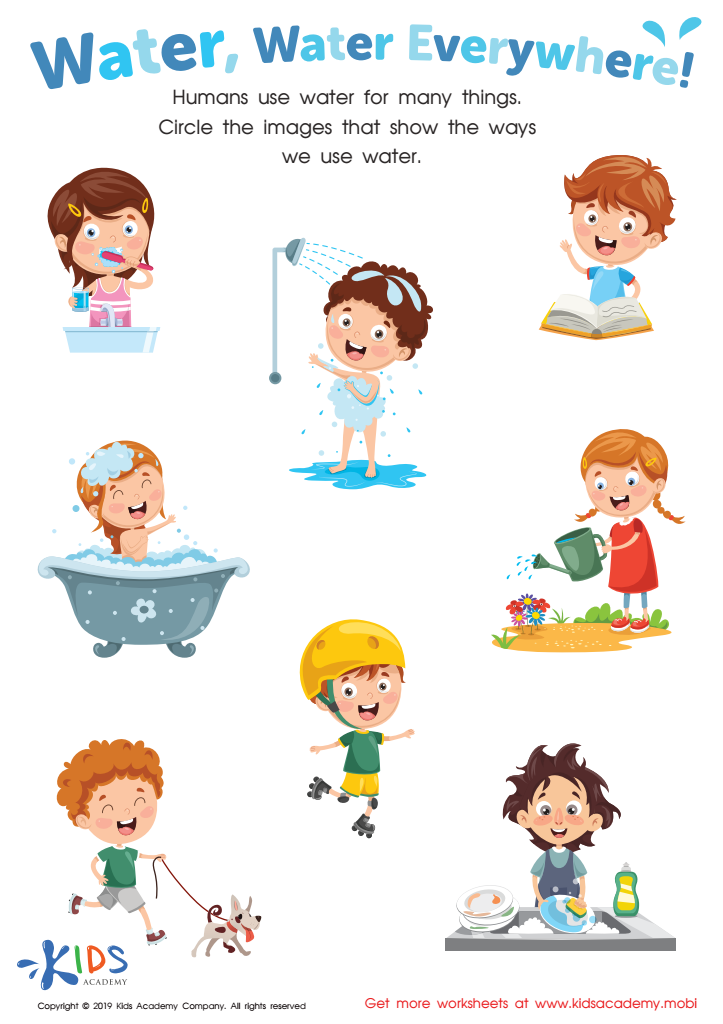
Water, Water Everywhere! Worksheet
 Assign to My Students
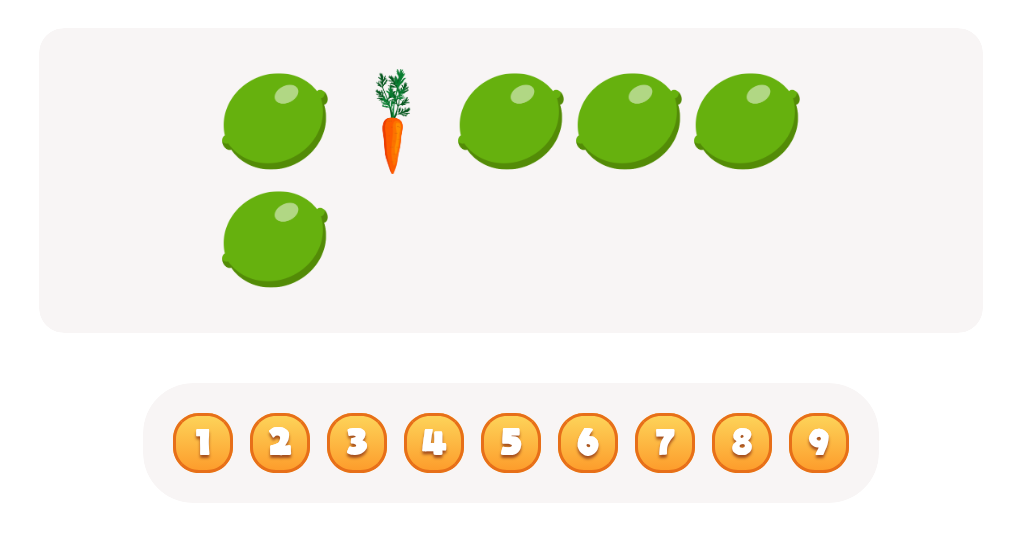


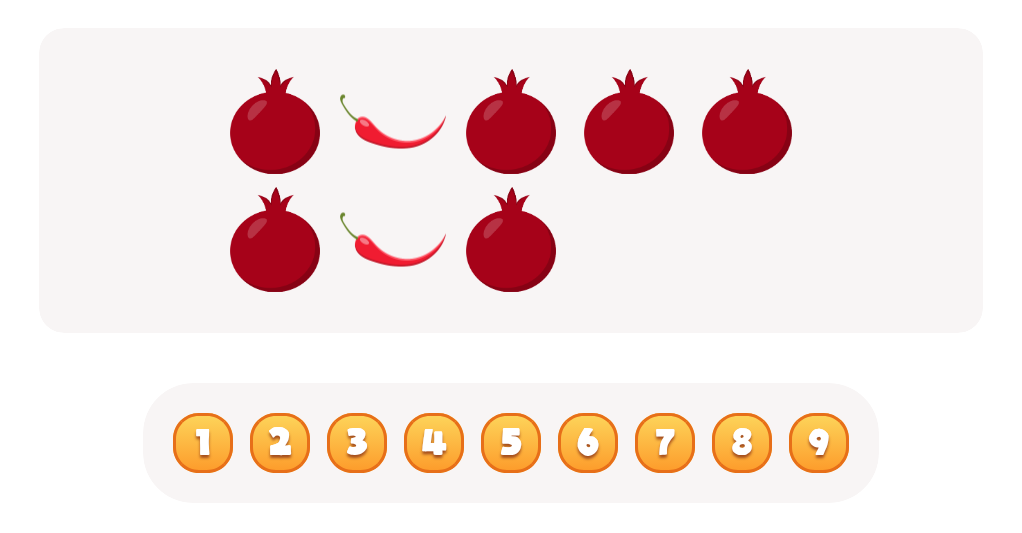
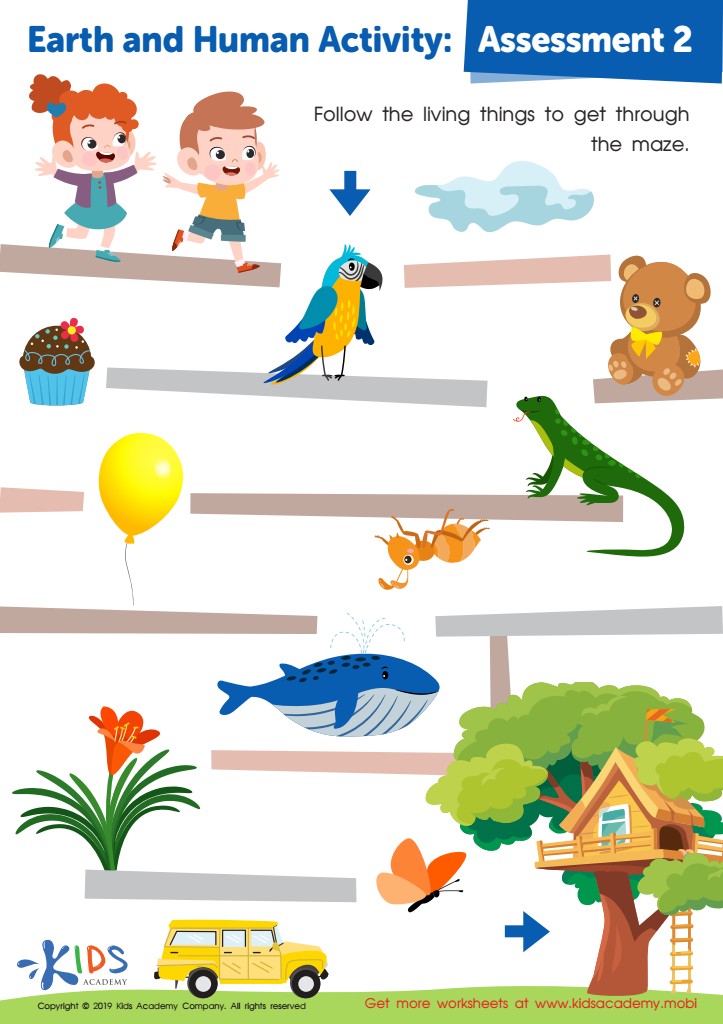
Earth and Human Activity: Assessment 2 Worksheet
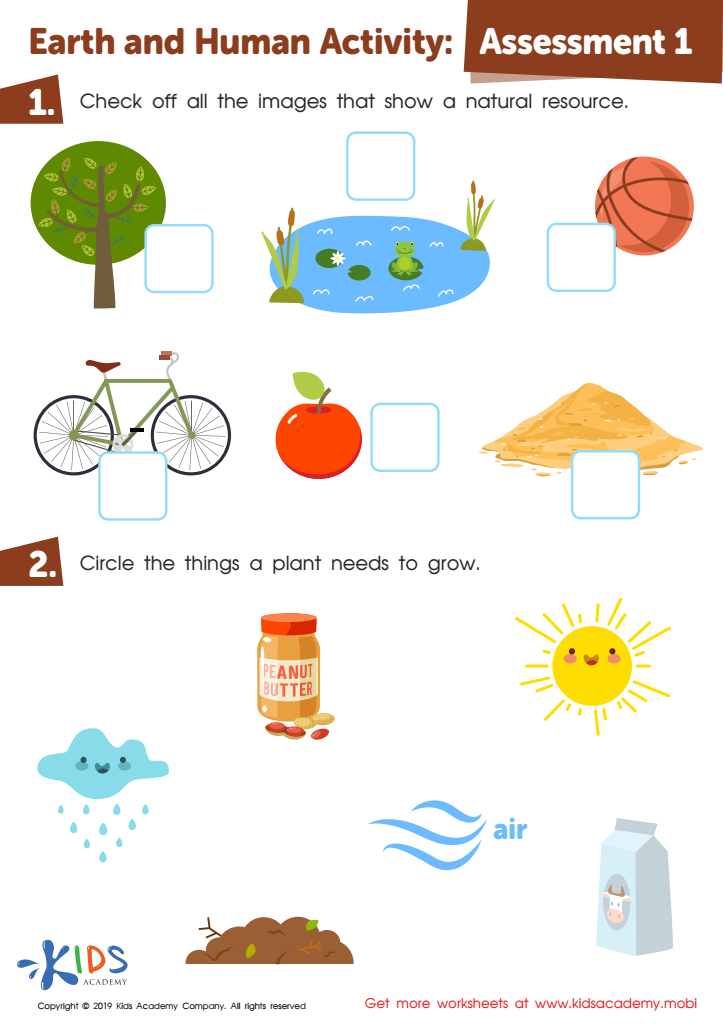
Earth and Human Activity: Assessment 1 Worksheet
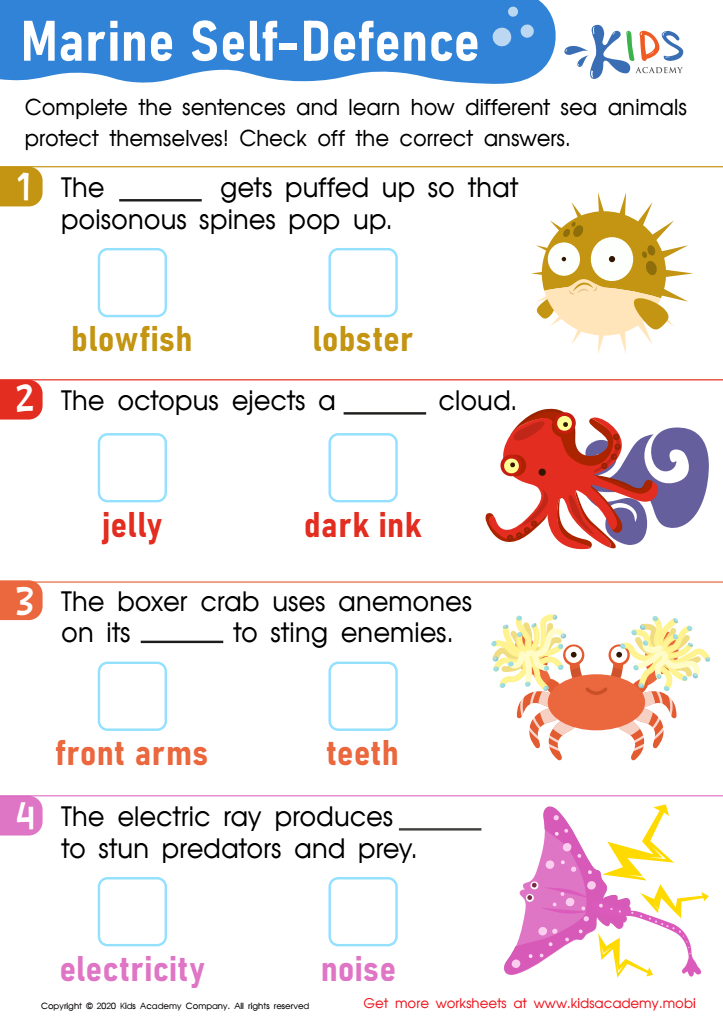
Marine Self-Defence Worksheet








Critical thinking skills are essential for young learners, especially when exploring concepts like plants and animals. For children aged 4-6, developing these skills encourages curiosity, observation, and imaginative inquiry. Engaging with topics related to plants and animals allows kids to make connections to their environment, enhancing their understanding of the world around them.
When children ask questions about how plants grow or how animals adapt to their habitats, they are practicing critical thinking. This skill helps them analyze information, evaluate options, and solve problems, which are foundational for academic success and personal development.
For parents and teachers, promoting critical thinking through the exploration of plants and animals not only aids cognitive development but also fosters a love for learning. This interaction encourages children to ask “why” and “how,” motivating them to seek answers and explore further.
Additionally, critical thinking nurtures perseverance; when children encounter challenges, they learn to approach them with resilience. Fostering these skills early on can lead to greater confidence, creativity, and adaptability in various situations, empowering children to become thoughtful, informed, and engaged individuals in their communities.