Logical Reasoning Plants and Animals Worksheets for Ages 4-6
4 filtered results
-
From - To
Discover a fun and engaging way to enhance your child's logical reasoning skills with our Plants and Animals Worksheets for ages 4-6! Designed specifically for young learners, these worksheets incorporate delightful illustrations and age-appropriate challenges that focus on critical thinking. Children will explore concepts related to the natural world while honing their ability to classify, compare, and predict outcomes. Our resources foster early scientific exploration and help nurture curiosity about plants and animals. Perfect for homeschooling, classroom activities, or additional practice, these worksheets are an invaluable tool in promoting cognitive development in young minds. Start your learning adventure today!
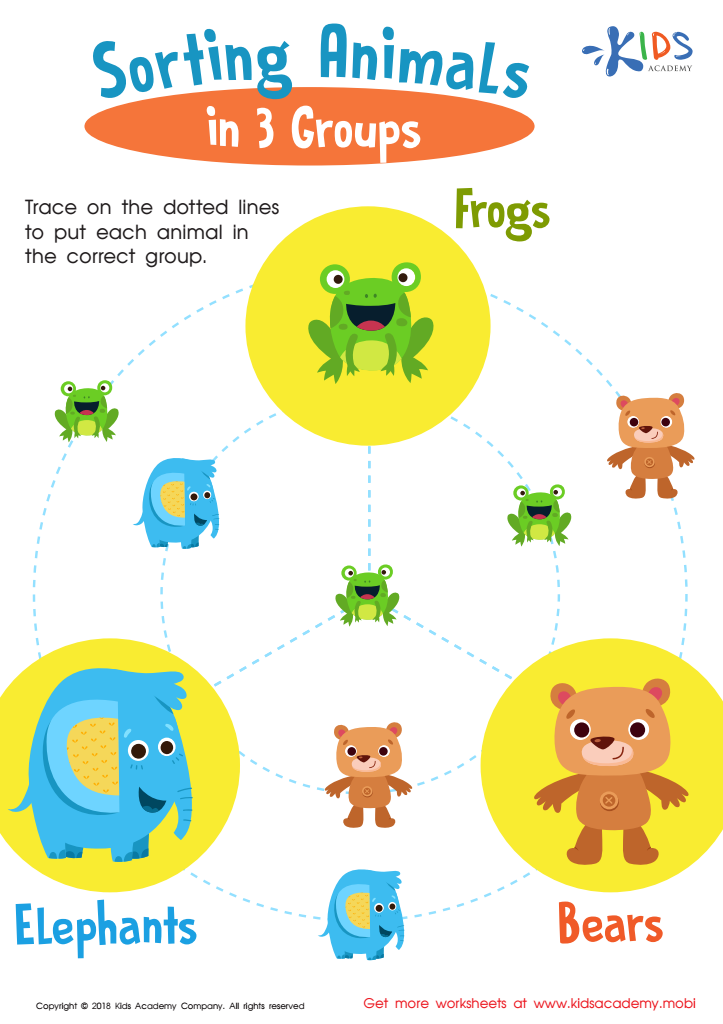
Sorting Animals in 3 Groups Worksheet
 Assign to My Students











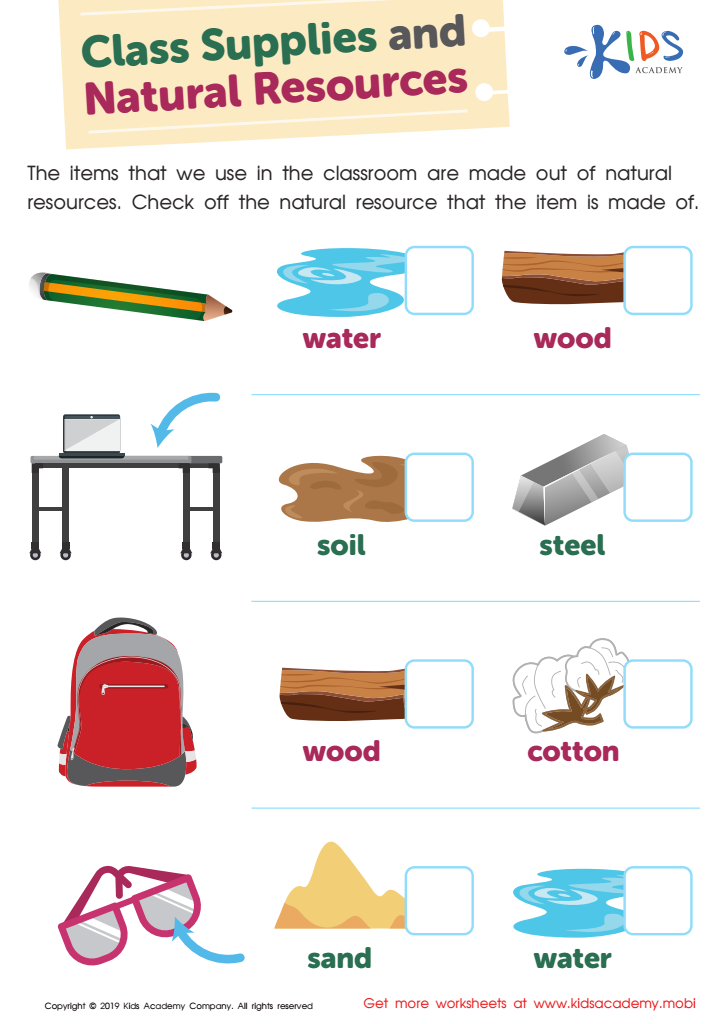
Class Supplies and Natural Resources Worksheet
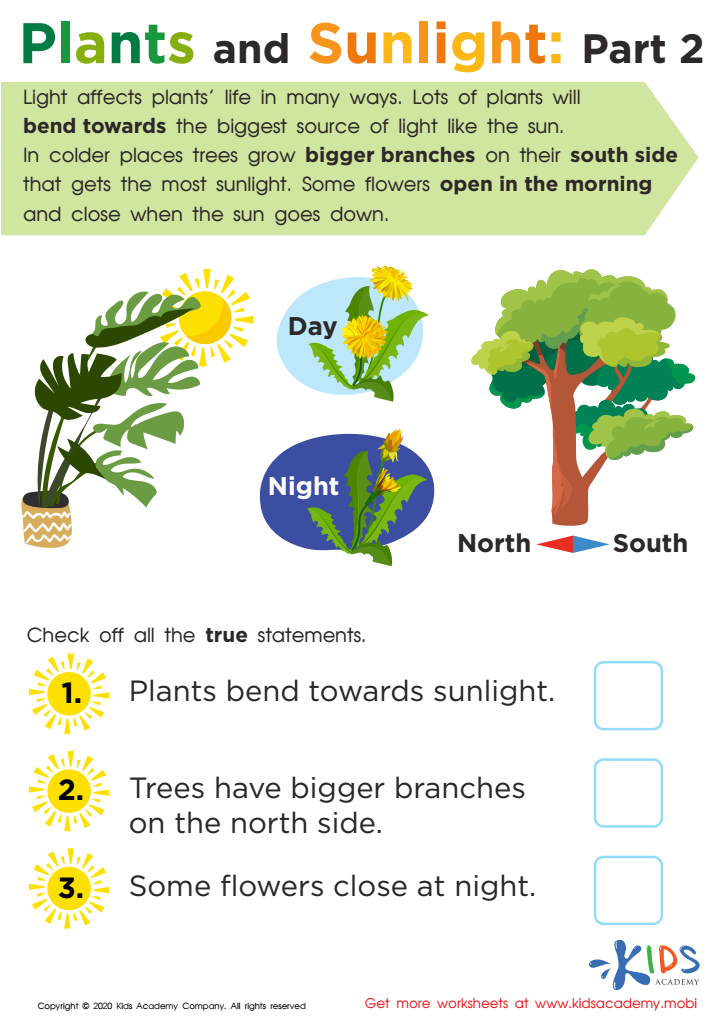
Plants and Sunlight: Part 2 Worksheet
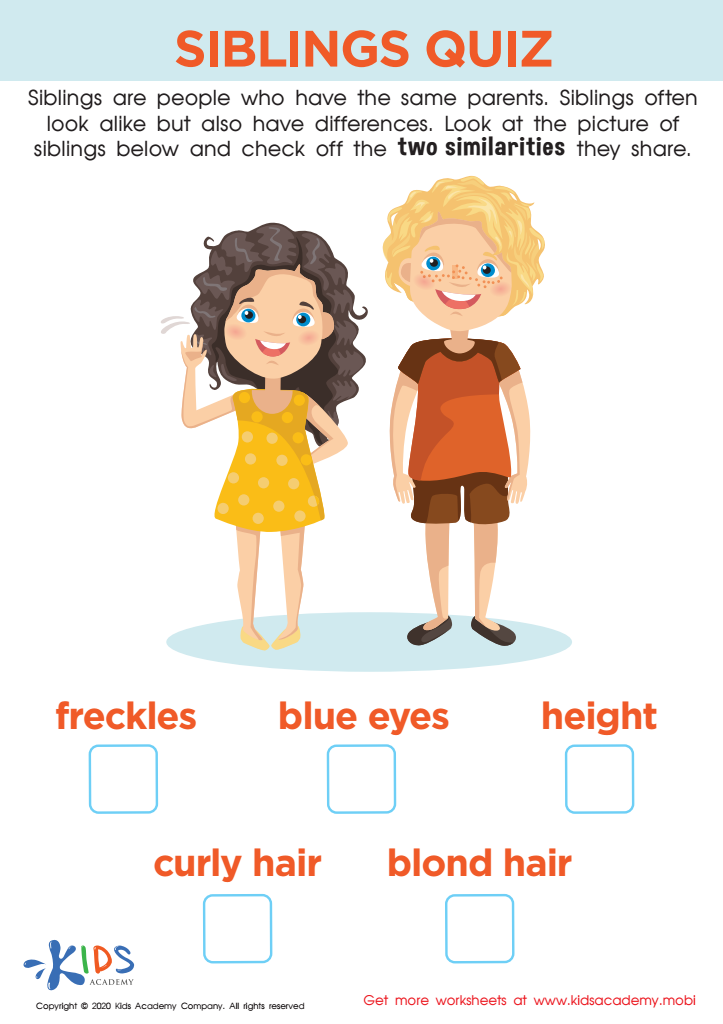
Siblings Quiz Worksheet





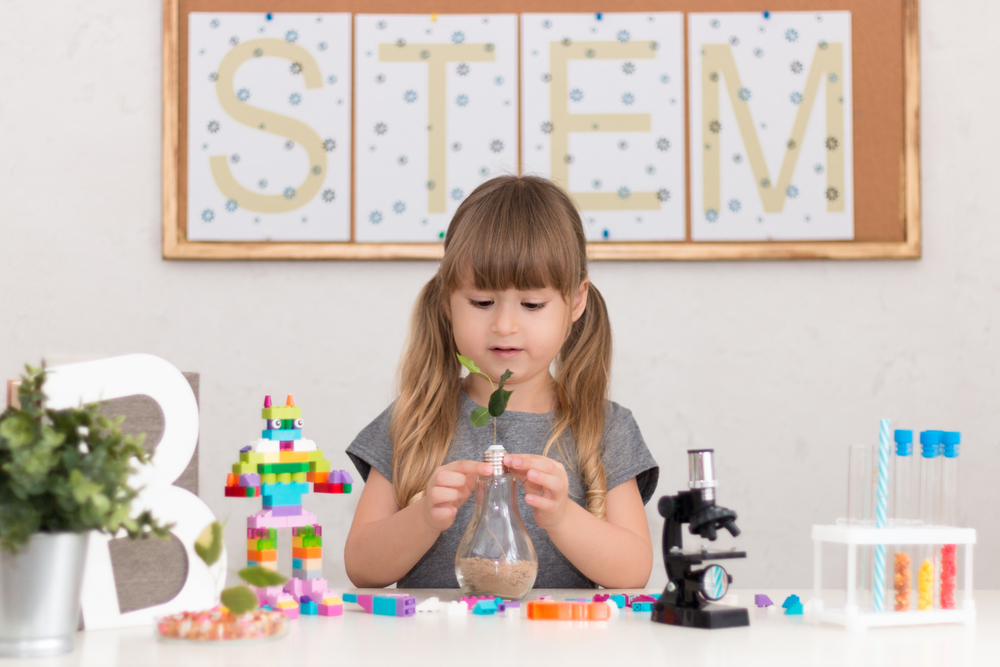


Logical reasoning is a crucial foundation for young children’s cognitive development, especially when exploring concepts like plants and animals. For parents and teachers of children ages 4-6, engaging in activities that foster logical reasoning skills can enhance their child’s ability to think critically and solve problems.
These skills are essential as they not only apply to academic learning but also to everyday life. When children understand how plants and animals interact within their ecosystems, they develop observational skills and learn about cause and effect, such as how plants depend on sunlight and water or how animals rely on plants for food.
By incorporating logical reasoning activities focused on plants and animals, adults can encourage curiosity and exploration. These activities promote hands-on learning experiences that enhance vocabulary, scientific literacy, and understanding of biodiversity, cultivating a child’s innate sense of wonder about the natural world. Furthermore, as children learn to categorize, compare, and connect different species, they build foundations for math and science concepts, enhancing their ability to analyze and apply knowledge in various contexts.
Ultimately, this early engagement can be instrumental in nurturing a love for learning, fostering environmental stewardship, and preparing children for future academic success.








