Fine Motor Skills Alphabet Worksheets for Ages 4-7 - Page 2
83 filtered results
-
From - To
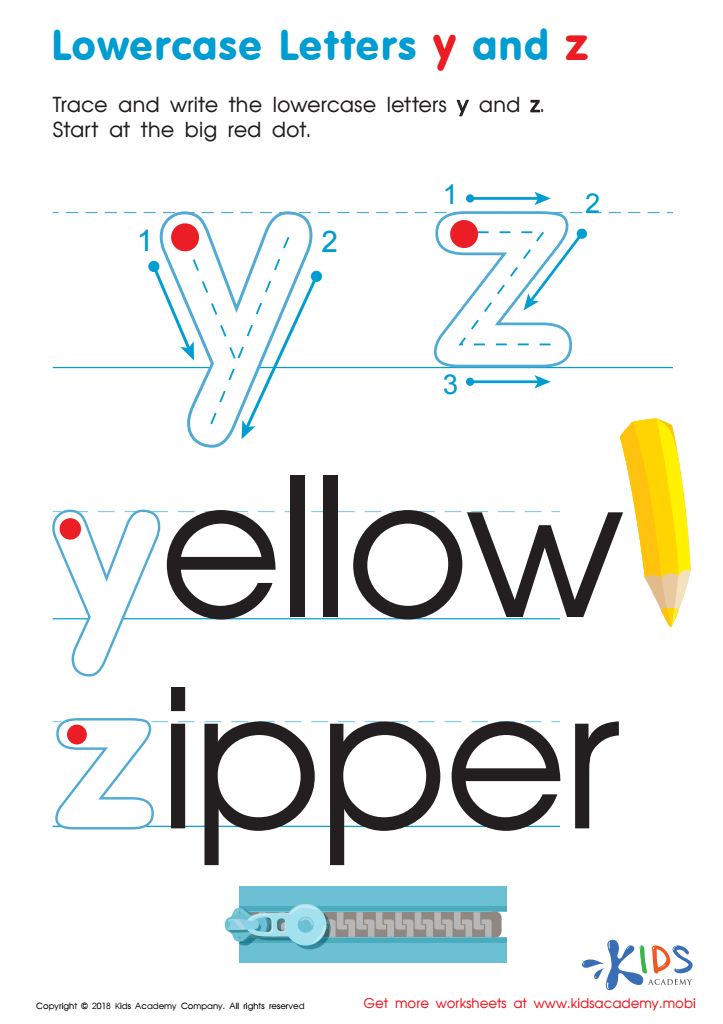
Lowercase Letters y z Worksheet
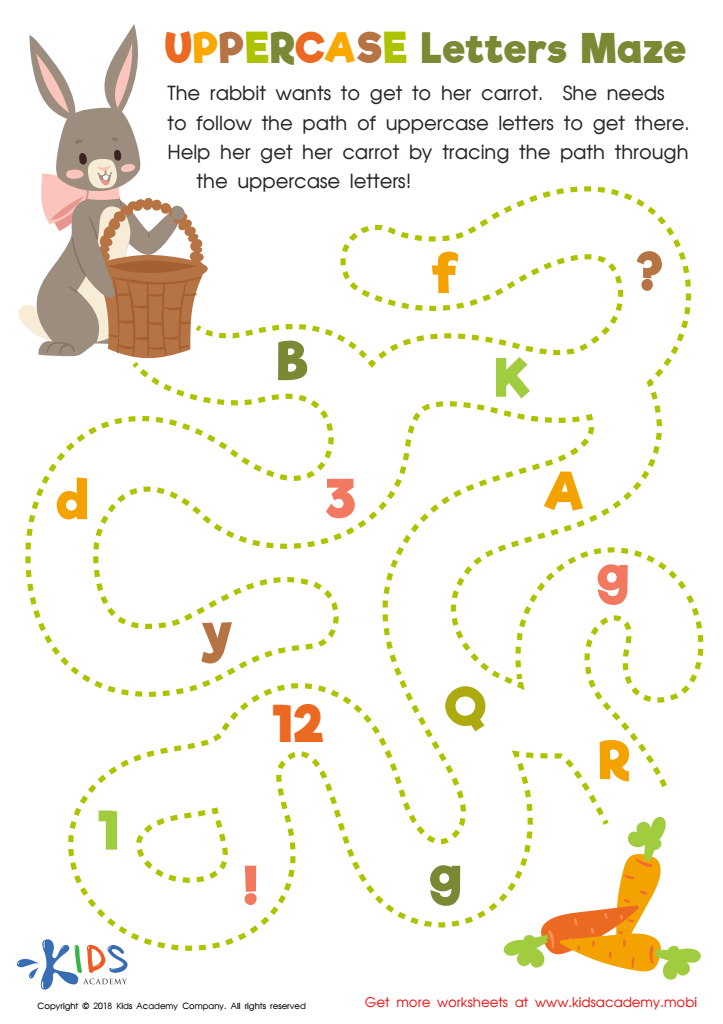
Uppercase Letters Maze Worksheet
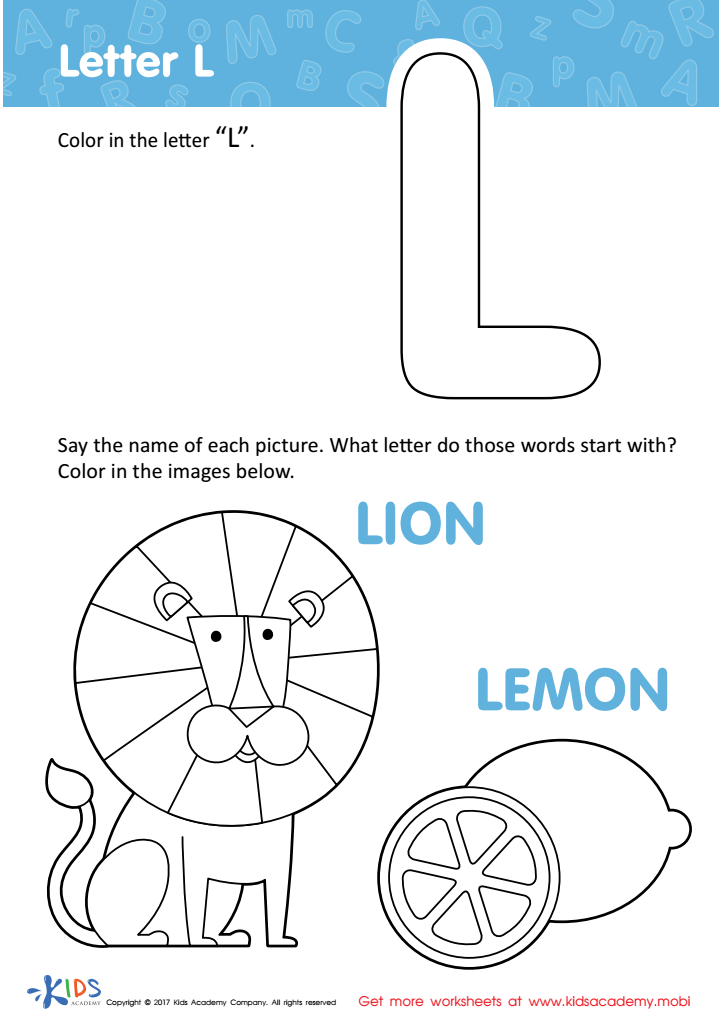
Letter L Coloring Sheet
 Assign to My Students
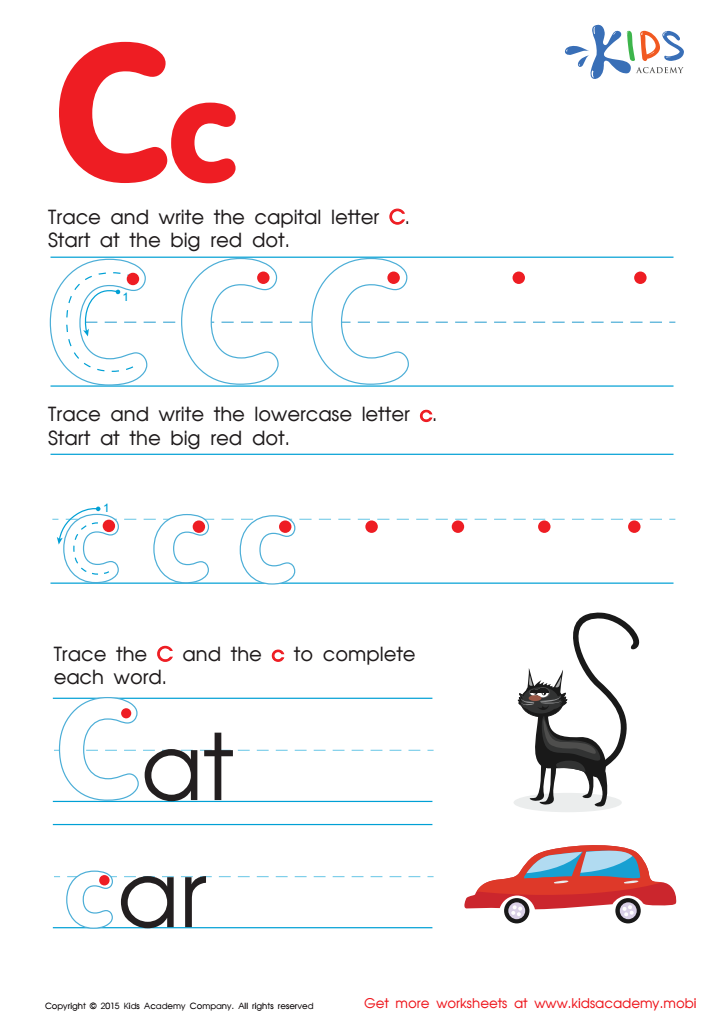
Letter C Tracing Page
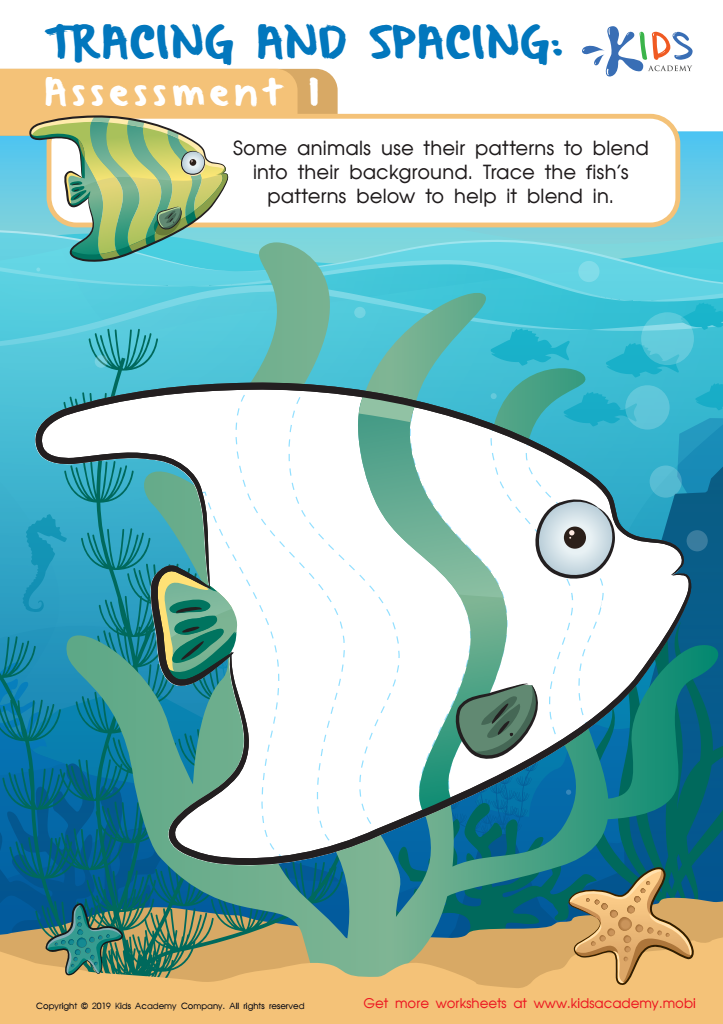
Tracing and Spacing: Assessment 1 Worksheet
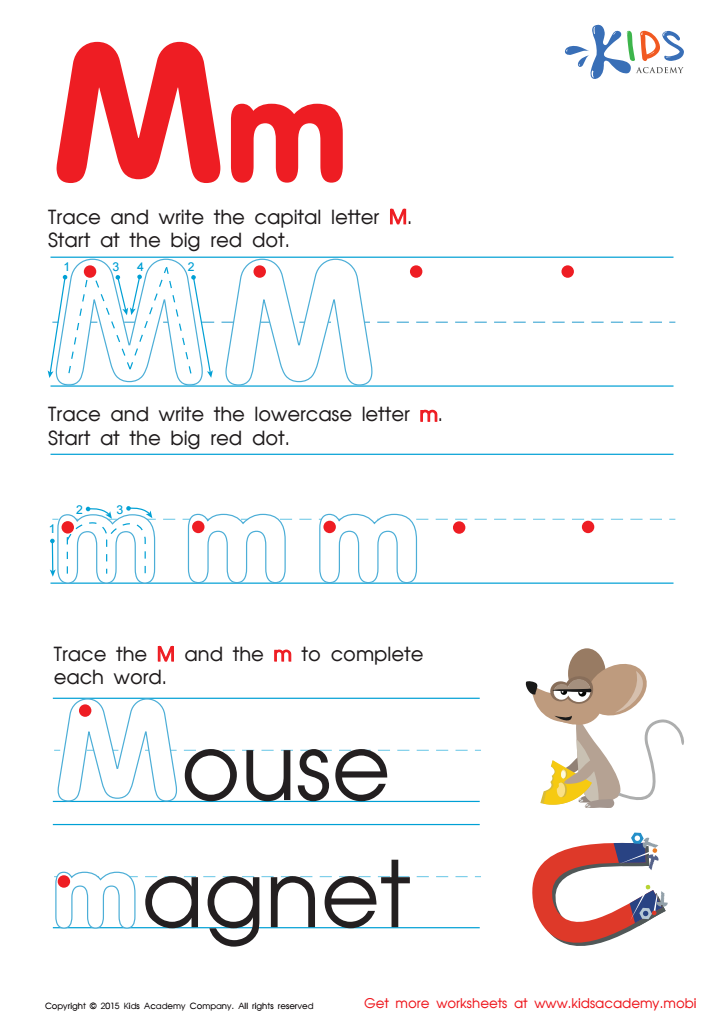
Letter M Tracing Page

Lowercase Letters j k l Worksheet
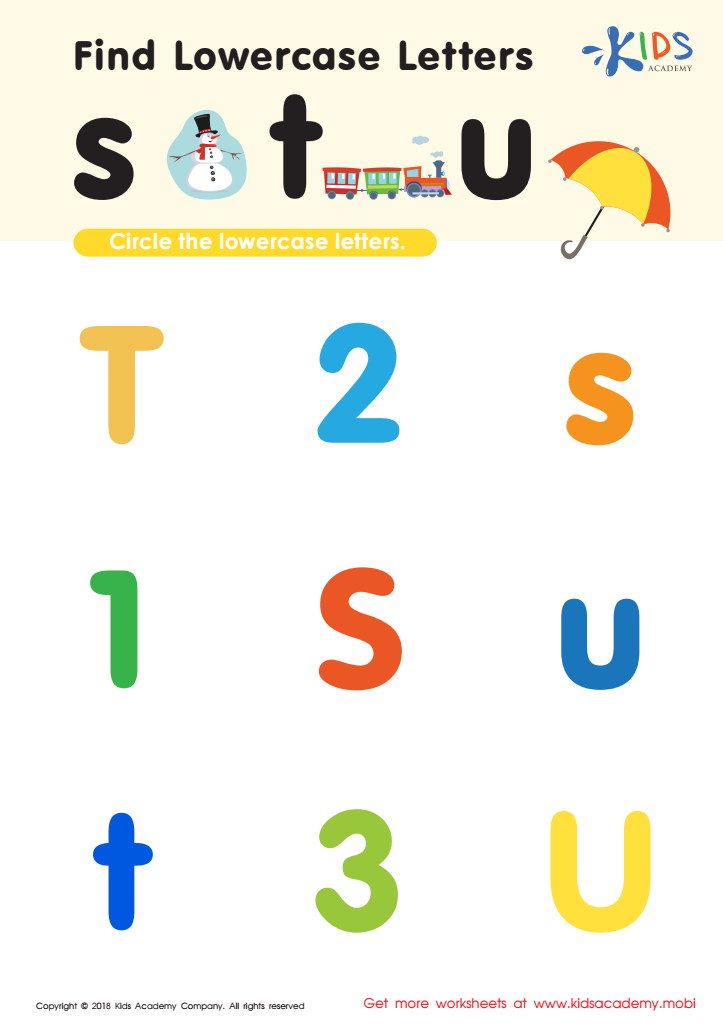
Find lowercase Letters s t u Worksheet
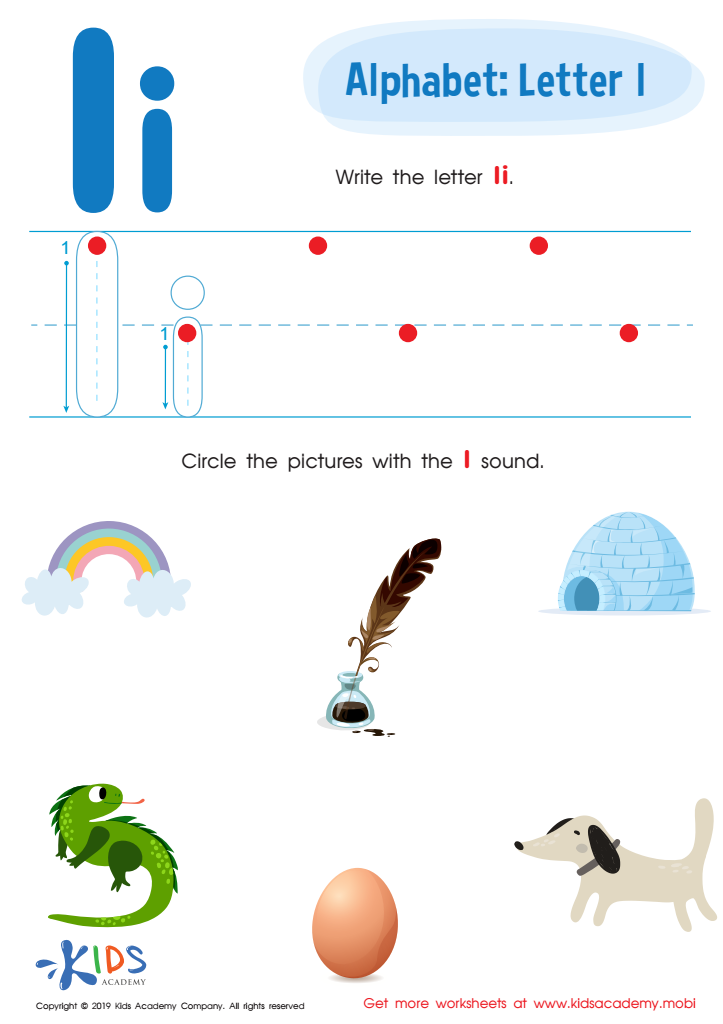
Letter I Tracing Worksheet
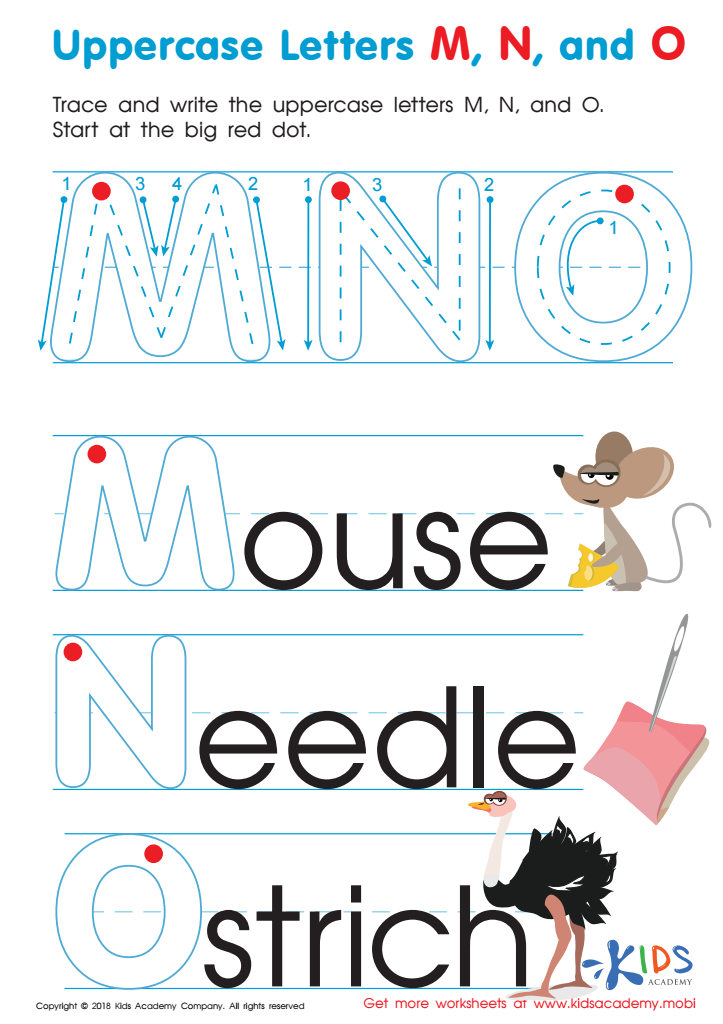
Uppercase Letters M, N, and O Worksheet
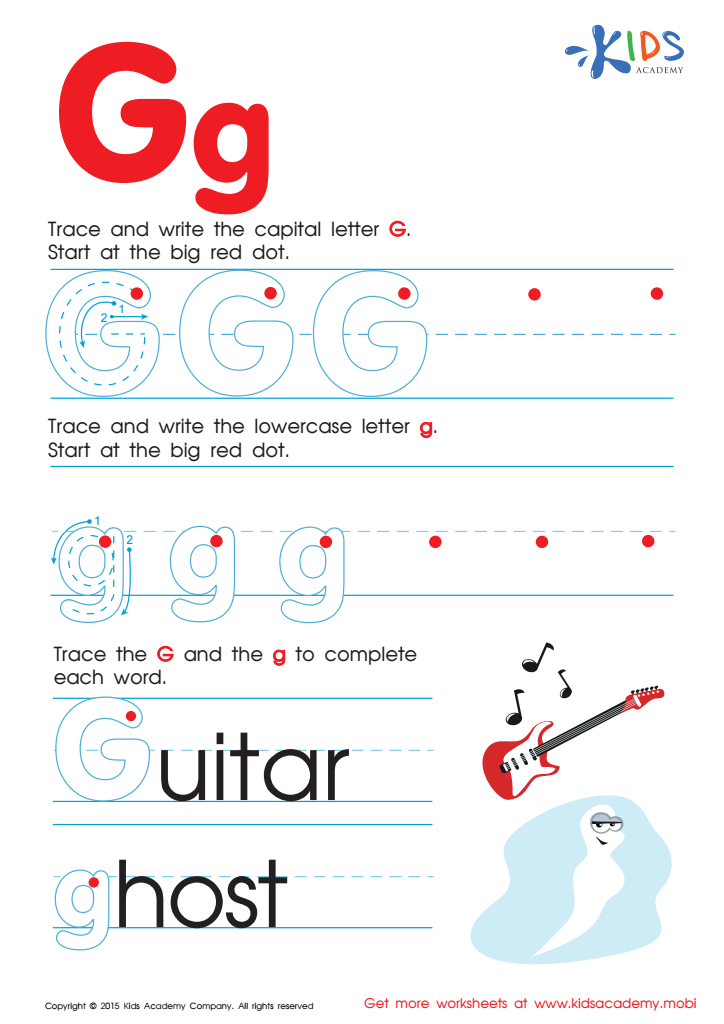
Letter G Tracing Page
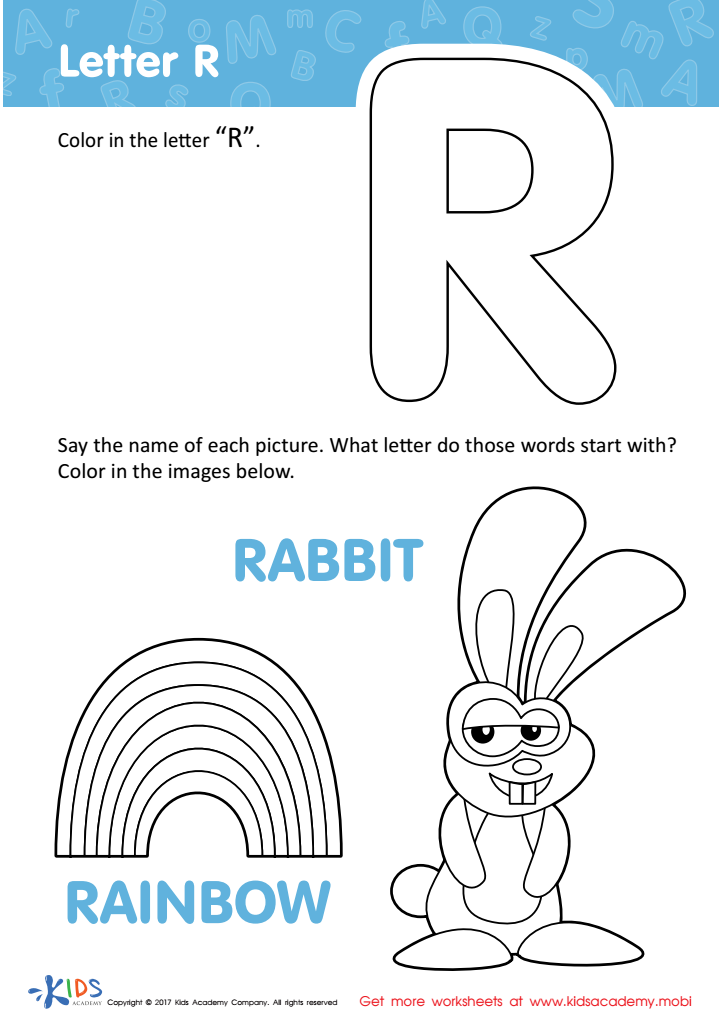
Letter R Coloring Sheet
Assign to My Students
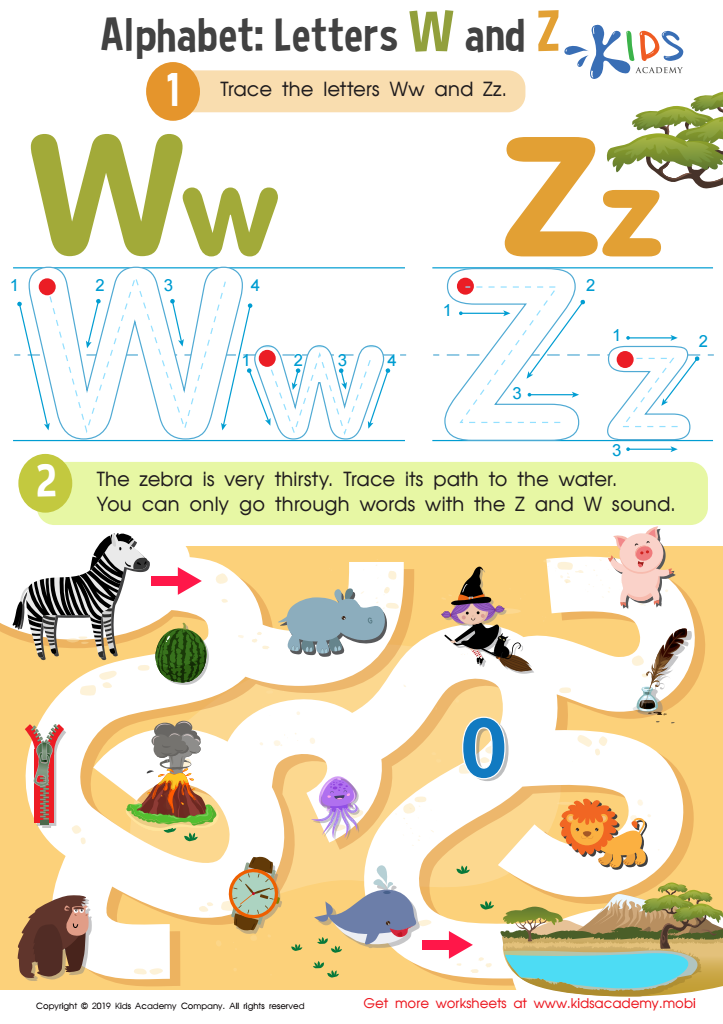
Letters W and Z Tracing Worksheet
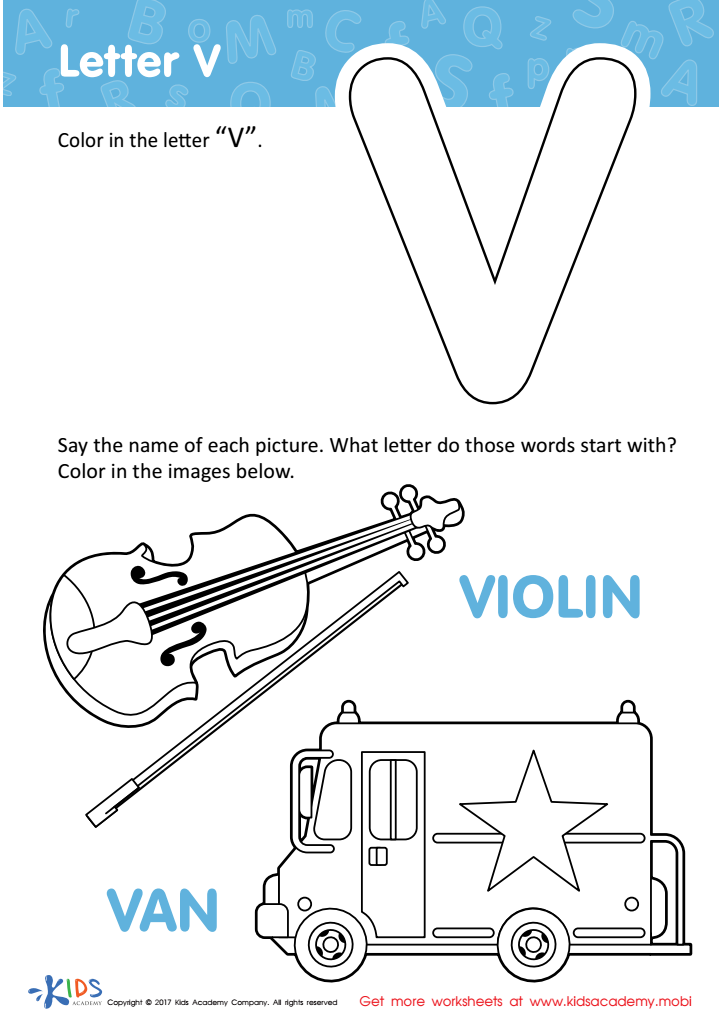
Letter V Coloring Sheet
Assign to My Students
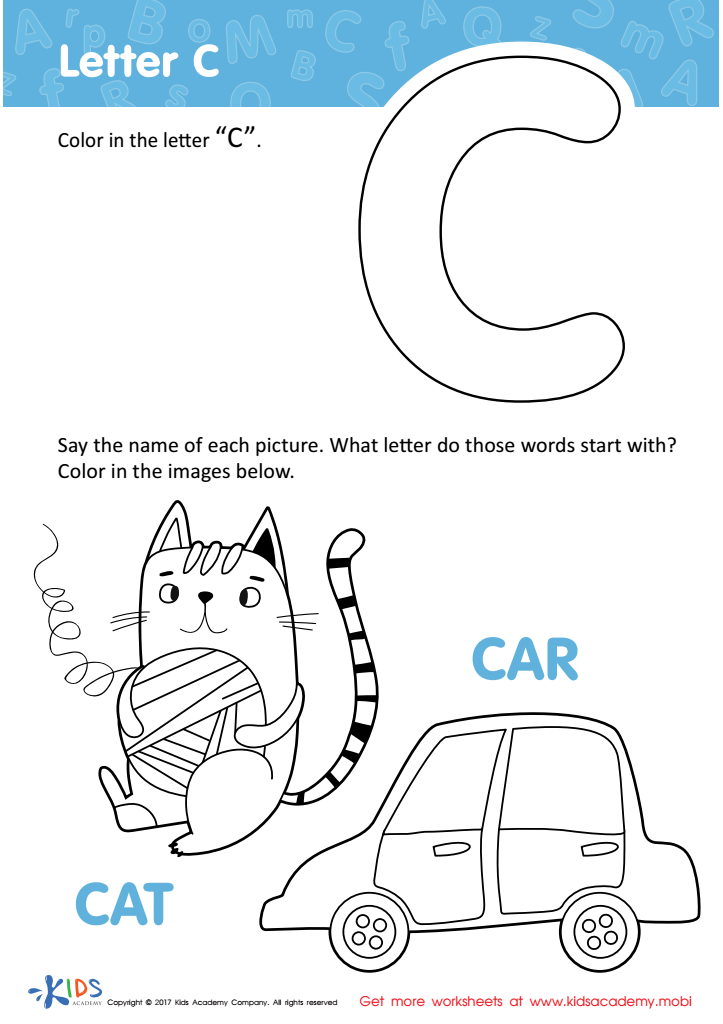
Letter C Coloring Sheet
Assign to My Students
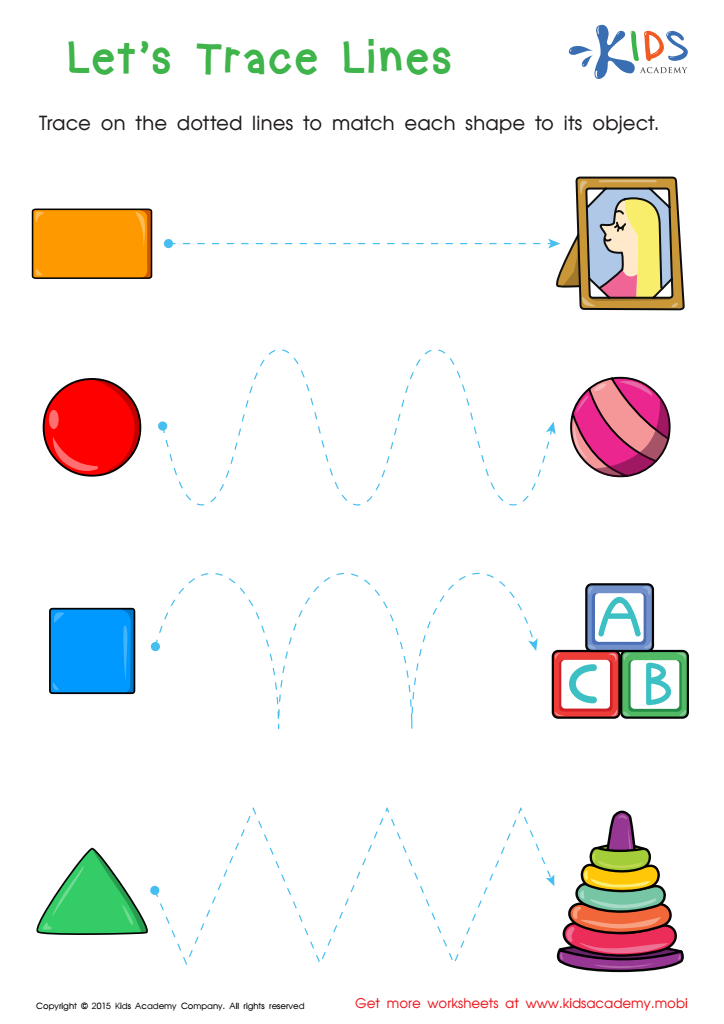
First Words: Let's Trace Lines Worksheet
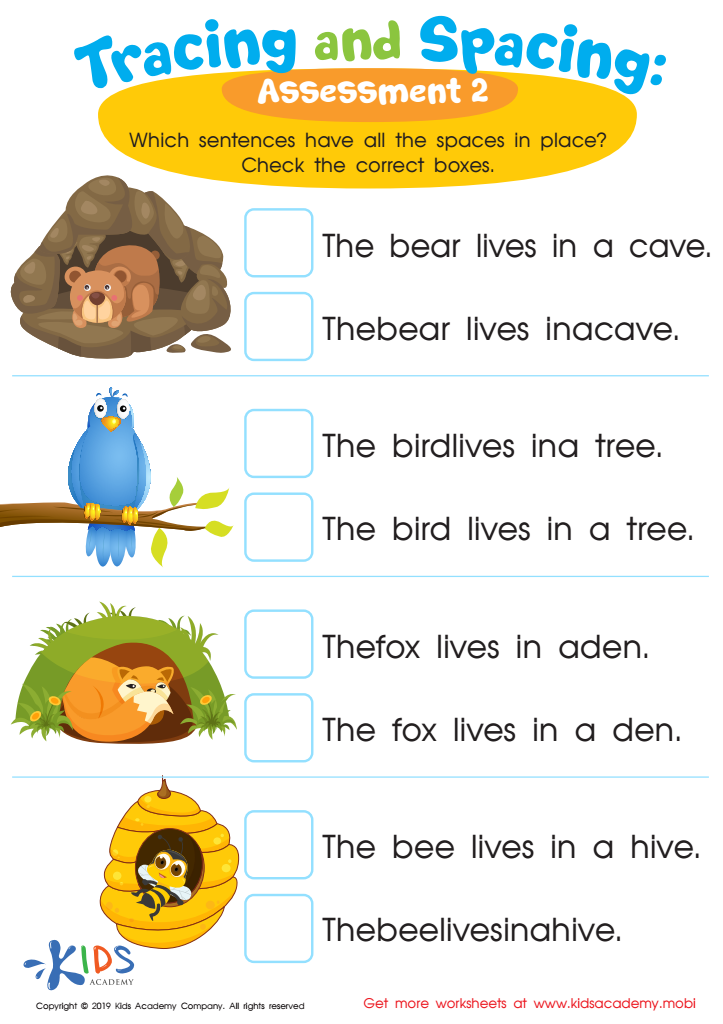
Tracing and Spacing: Assessment 2 Worksheet

Find Uppercase Letters A, B, and C Worksheet
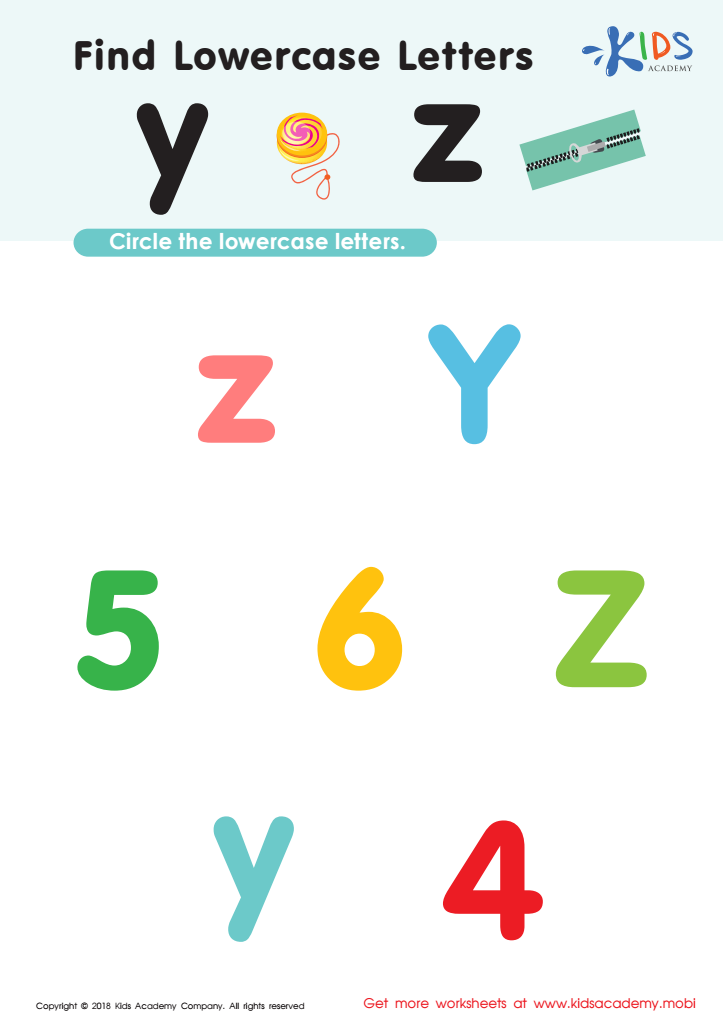
Find Lowercase Letters y z Worksheet
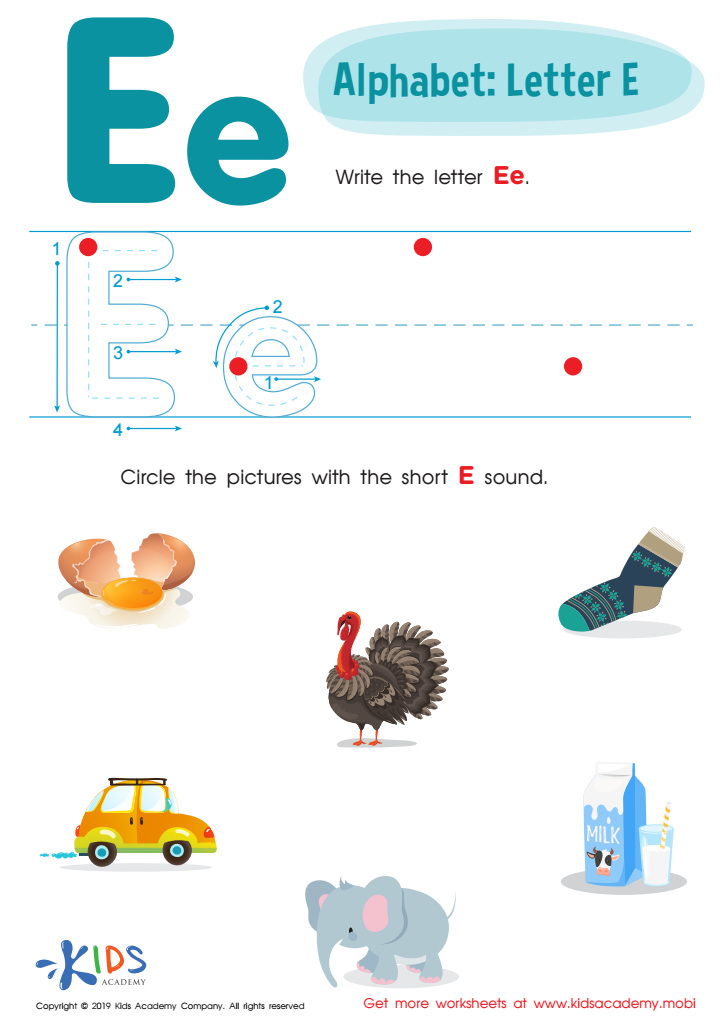
Letter E Tracing Worksheet
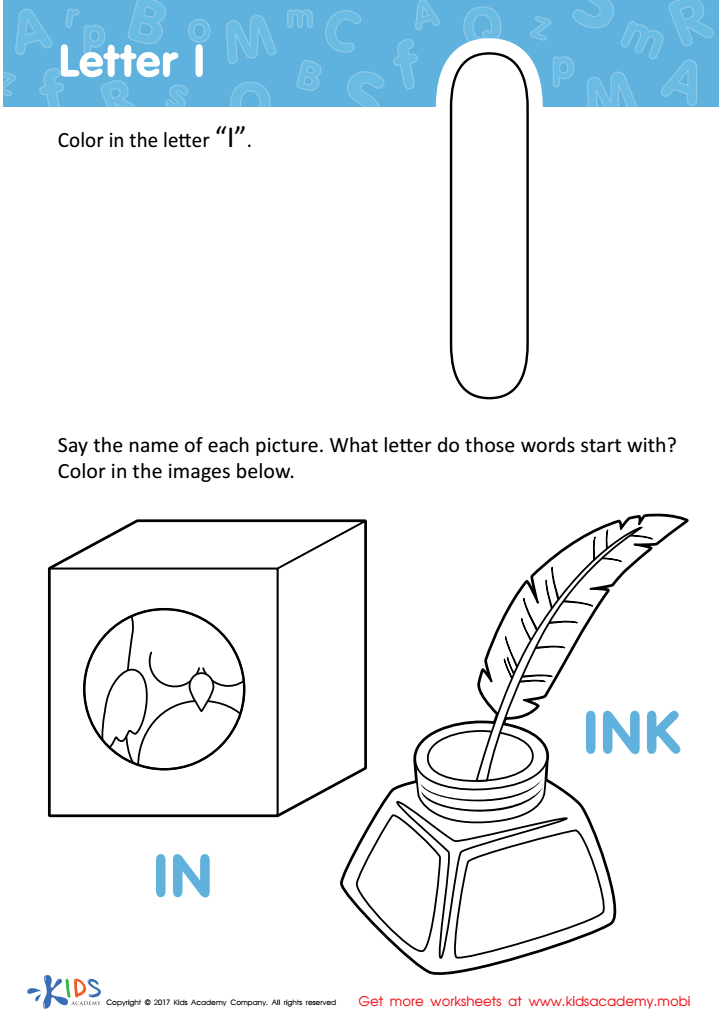
Letter I Coloring Sheet
Assign to My Students
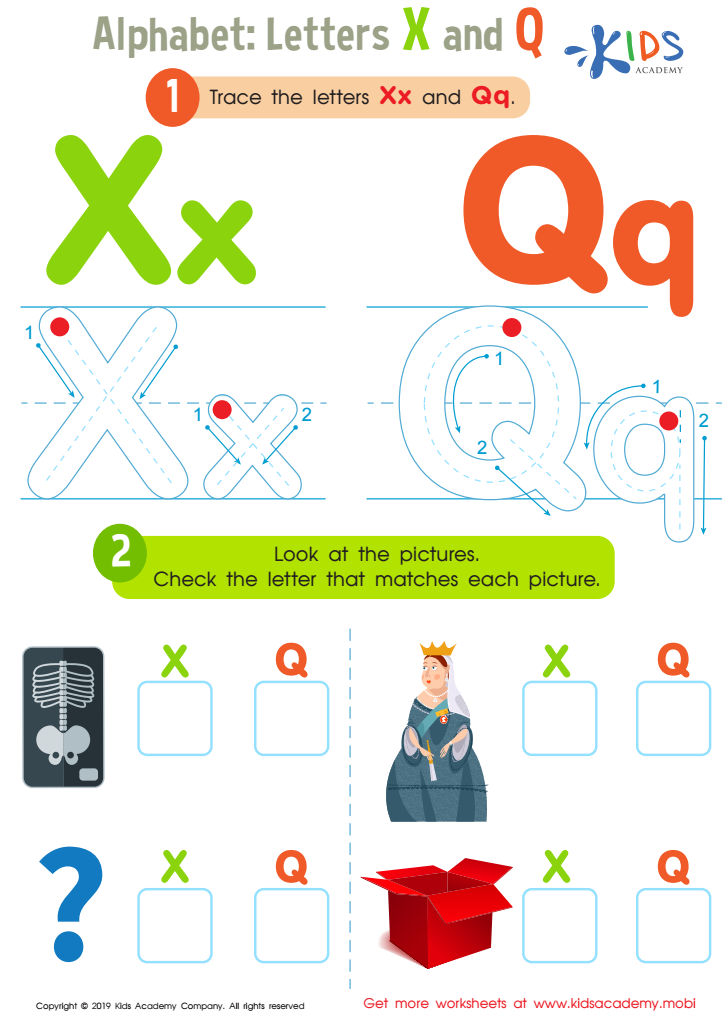
Letters X and Q Tracing Worksheet
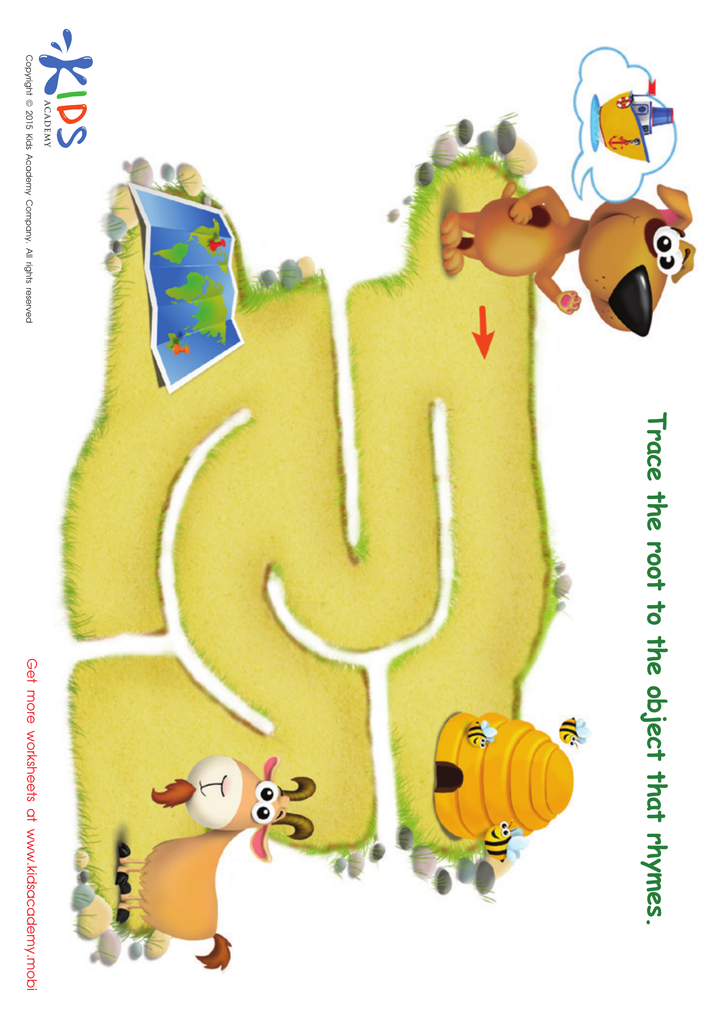
Boat Rhyming Words Worksheet
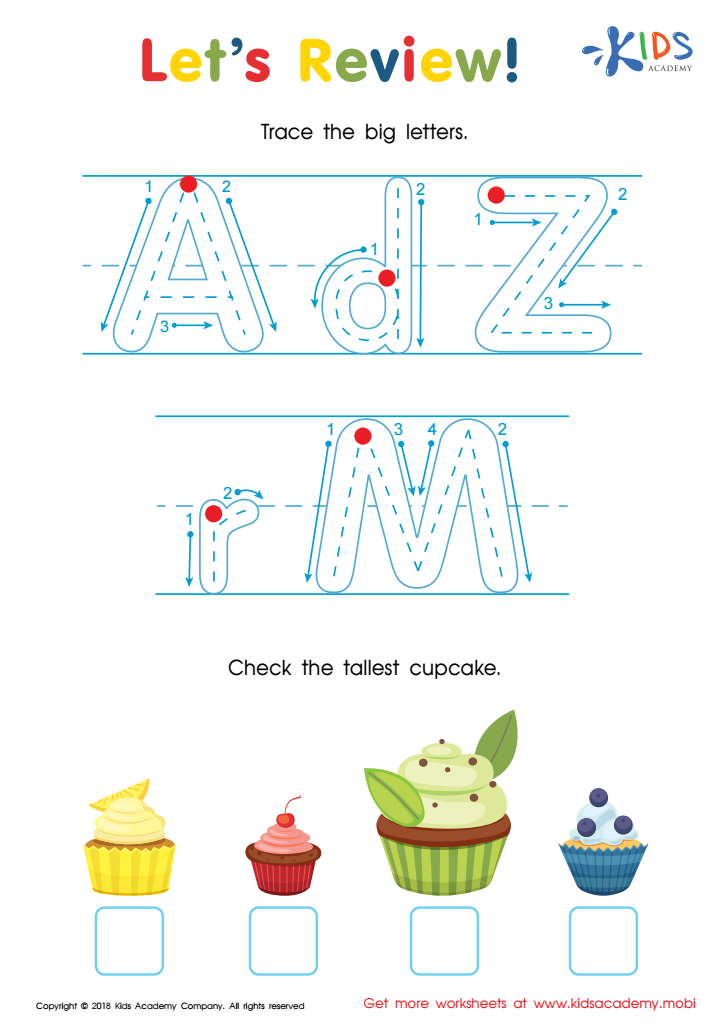
Let's Review! Big Letters Worksheet








Parents and teachers should prioritize fine motor skills development in children aged 4-7 because these foundational abilities significantly impact their overall growth and learning. Fine motor skills refer to the coordinated movements of small muscles, particularly in the hands and fingers, and are vital for tasks such as writing, drawing, and manipulating small objects. By focusing on teaching the alphabet through fine motor activities, children enhance their dexterity, hand-eye coordination, and bilateral coordination.
Developing fine motor skills in conjunction with alphabet recognition promotes confidence in children as they engage in writing letters and words. When children are proficient with fine motor tasks, they can better express their creativity and ideas through writing, which improves literacy skills. Moreover, fine motor activities often involve play, making learning enjoyable and engaging at this crucial developmental stage.
Involving parents in this process fosters a supportive learning environment that encourages practice at home. Simple activities like tracing letters in sand or using playdough to form letters can promote learning through play. Therefore, fortifying fine motor skills not only aids in literacy but also supports cognitive and emotional development, paving the way for lifelong learning habits.







