Letter recognition Alphabet Worksheets for Ages 4-7 - Page 2
90 filtered results
-
From - To
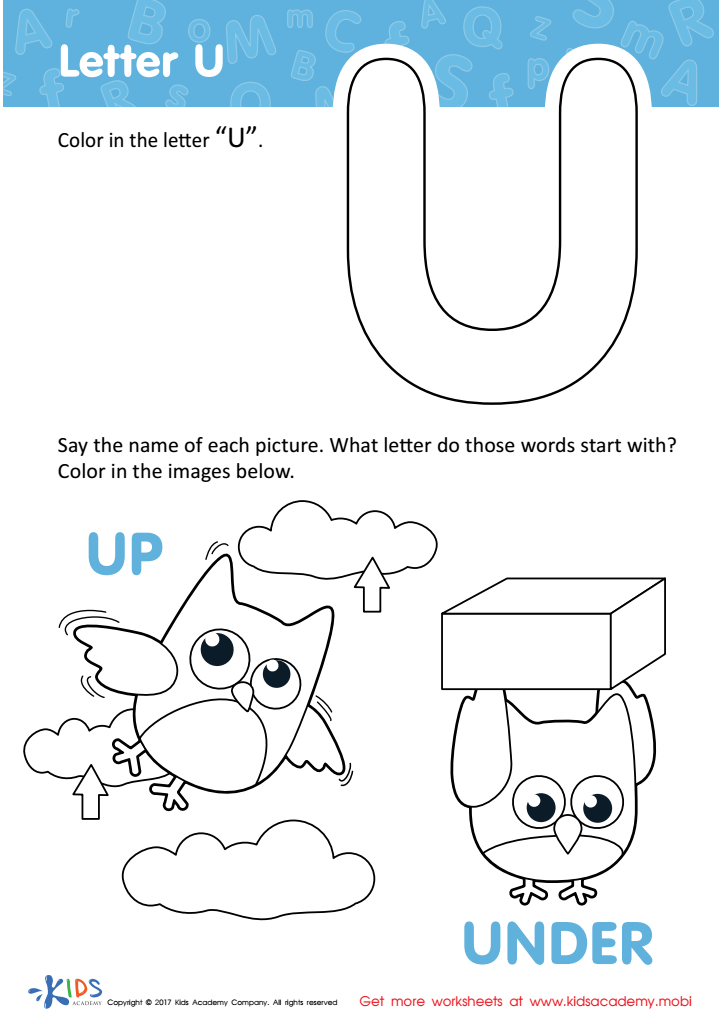
Letter U Coloring Sheet
 Assign to My Students
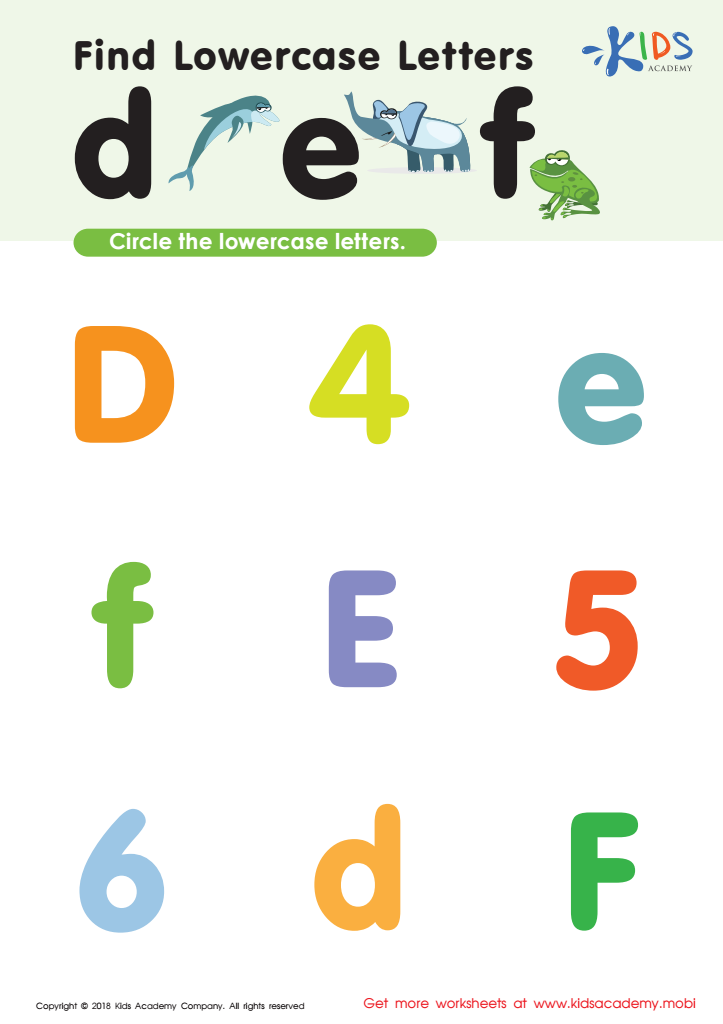
Find Lowercase Letters d e f Worksheet
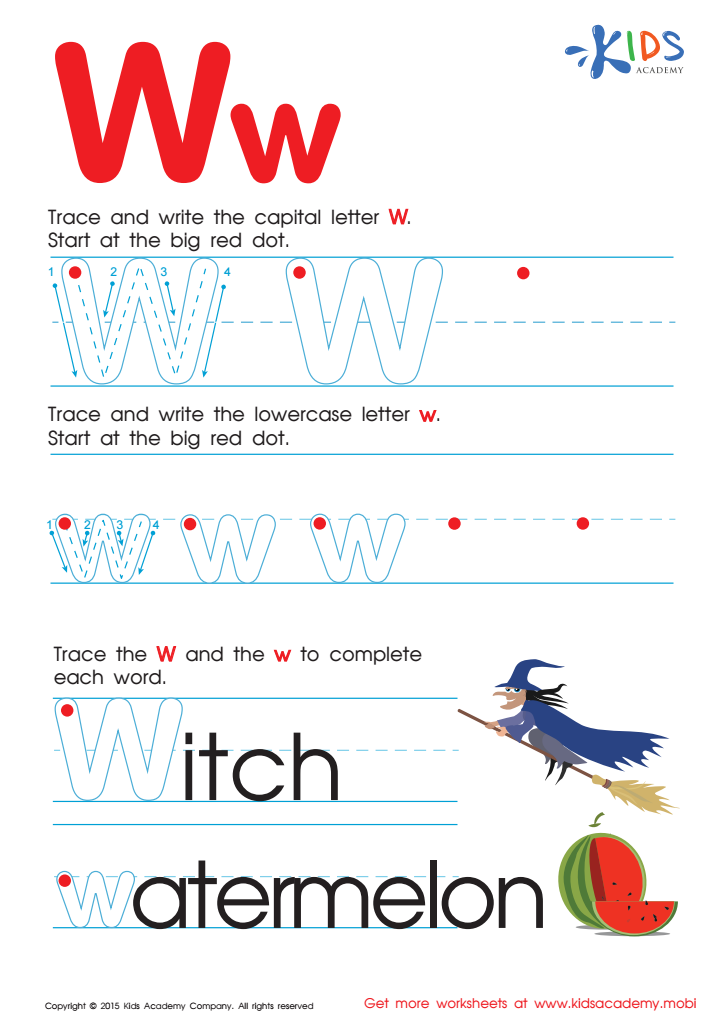
Letter W Tracing Page

Letter H Tracing Page
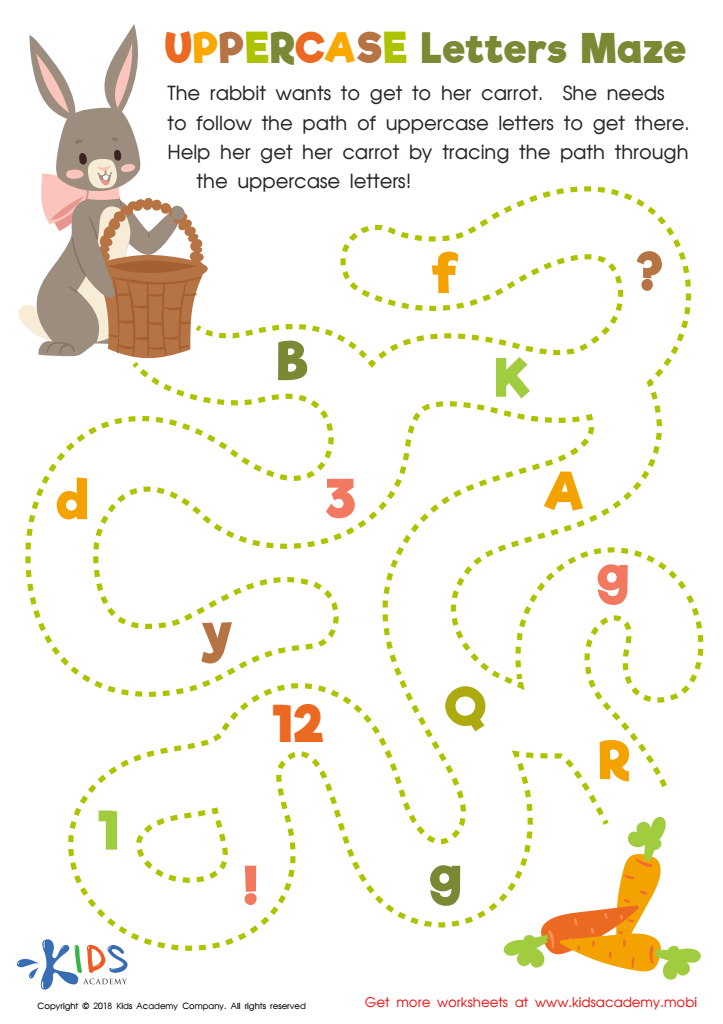
Uppercase Letters Maze Worksheet
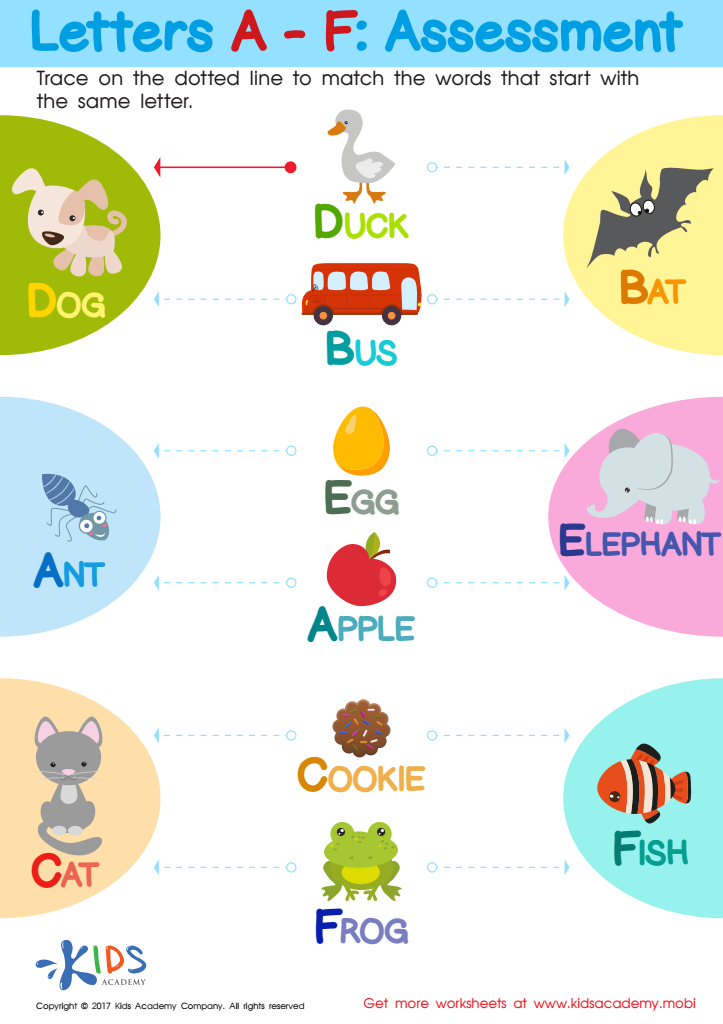
Letters A - F Worksheet
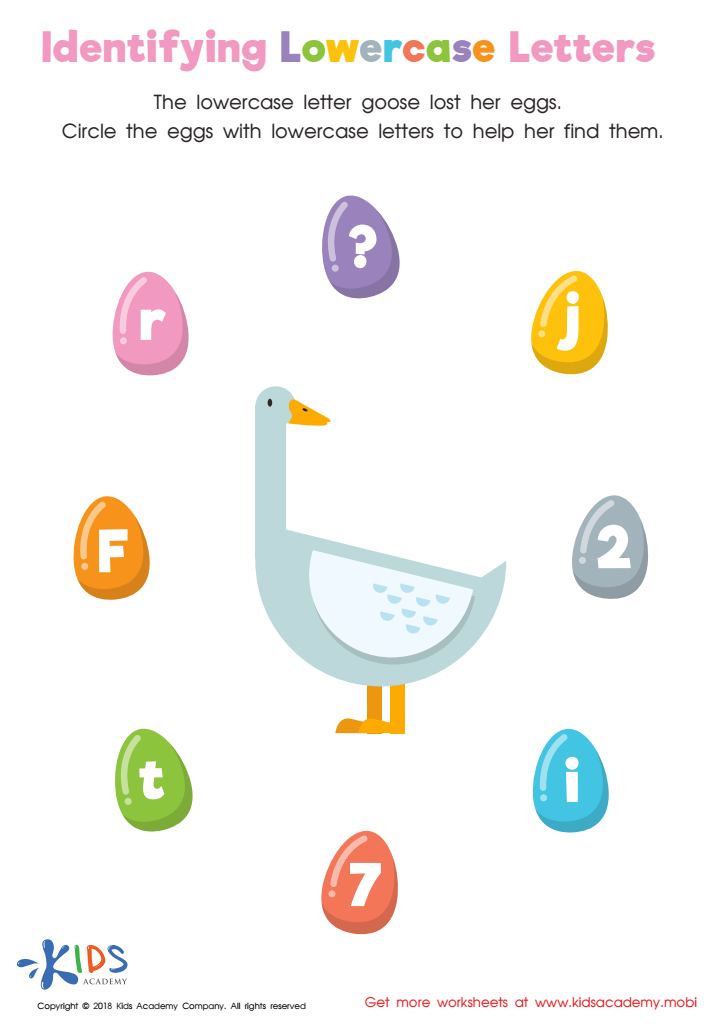
Identifying Lowercase Letters Worksheet
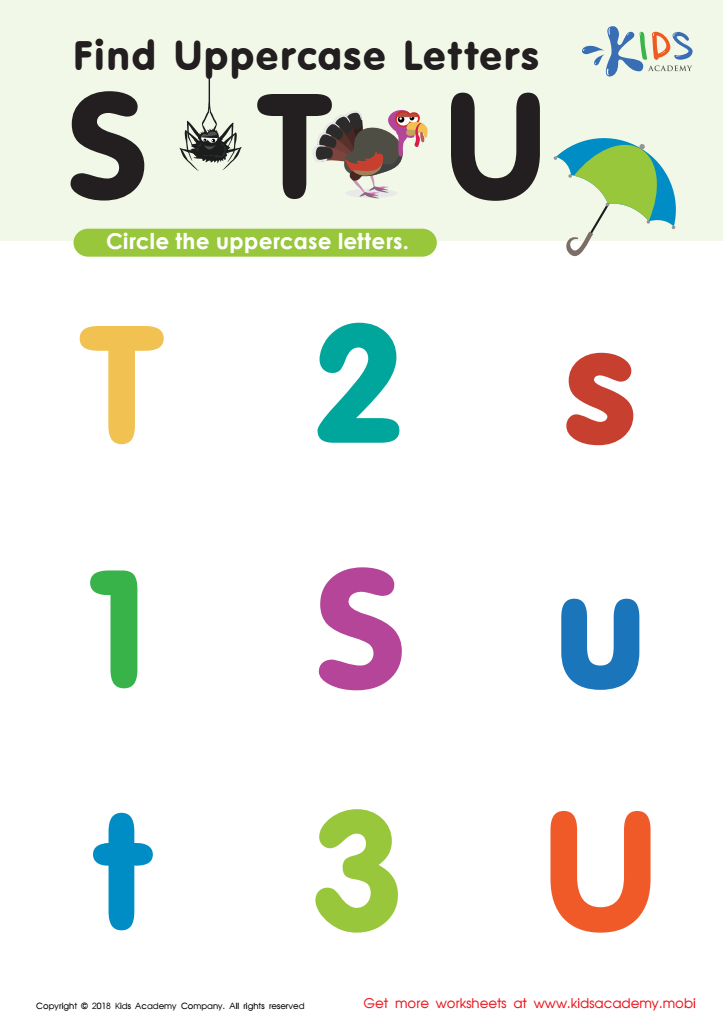
Find Uppercase Letters Worksheet
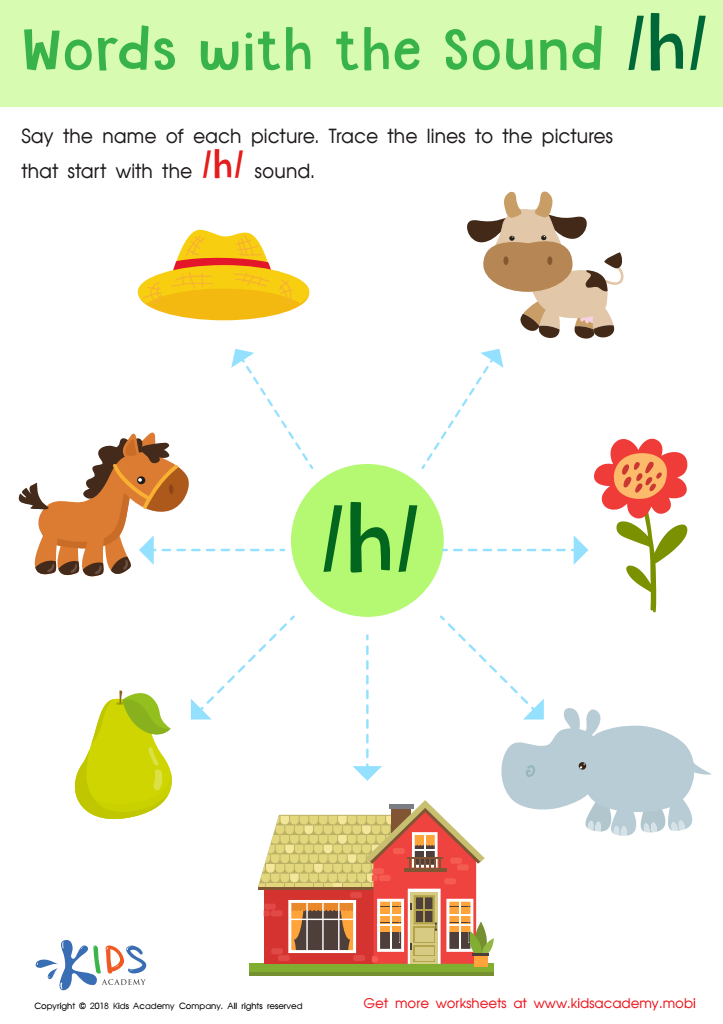
Words with sound h Reading Worksheet
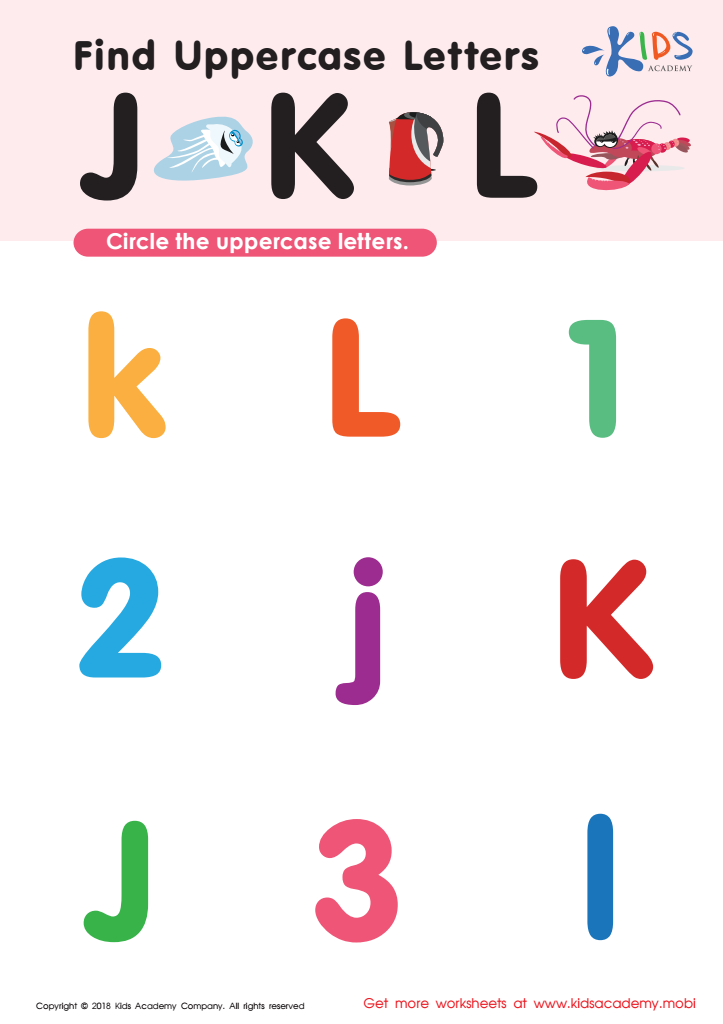
Find Uppercase Letters J, K, and L Worksheet
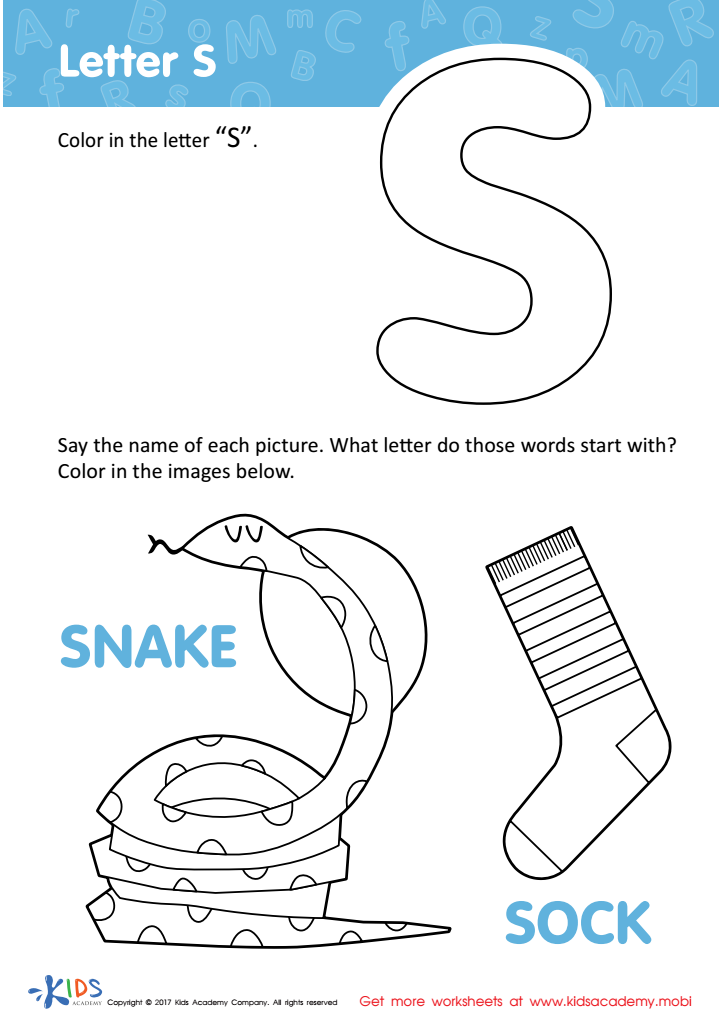
Letter S Coloring Sheet
Assign to My Students
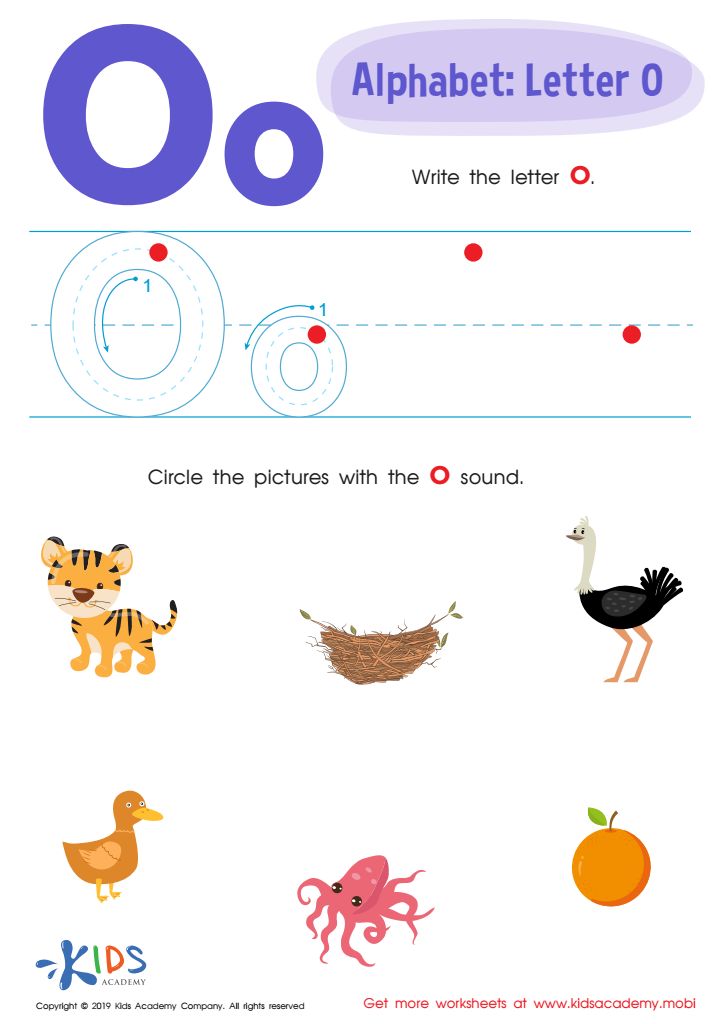
Letter O Tracing Worksheet
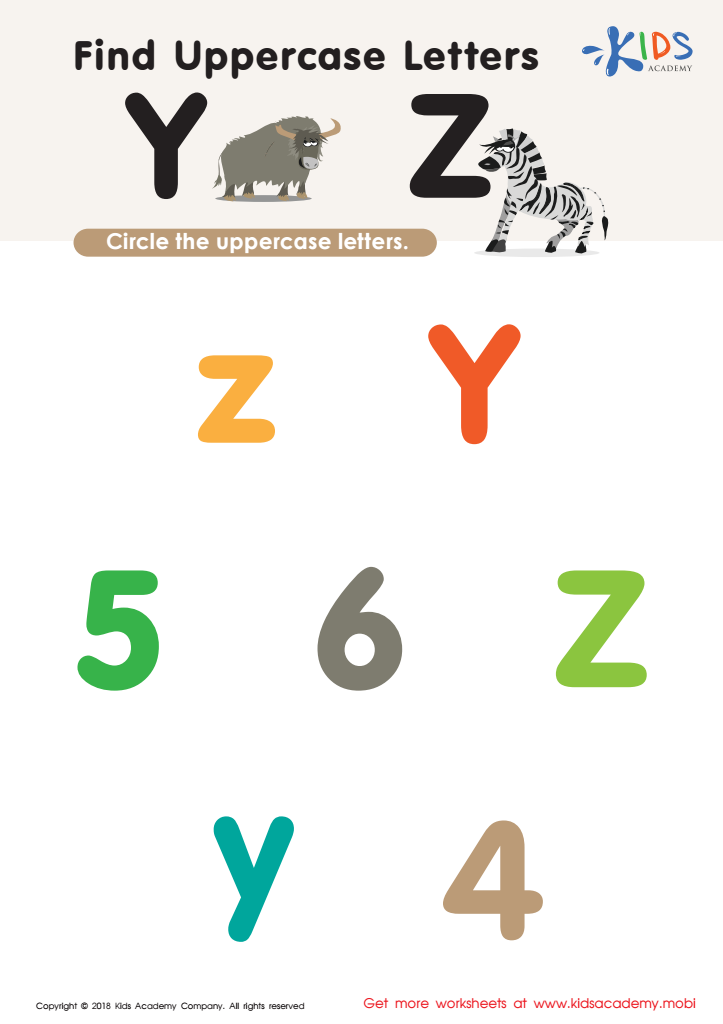
Find Uppercase Letters Y Z Worksheet
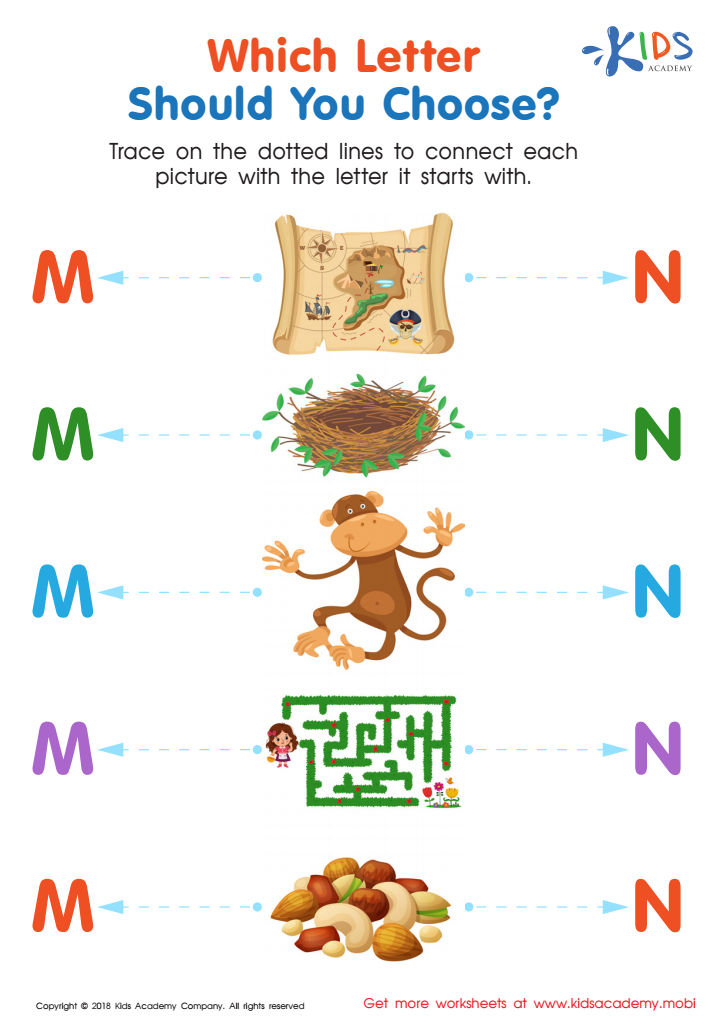
Which Letter Should you Choose? Worksheet
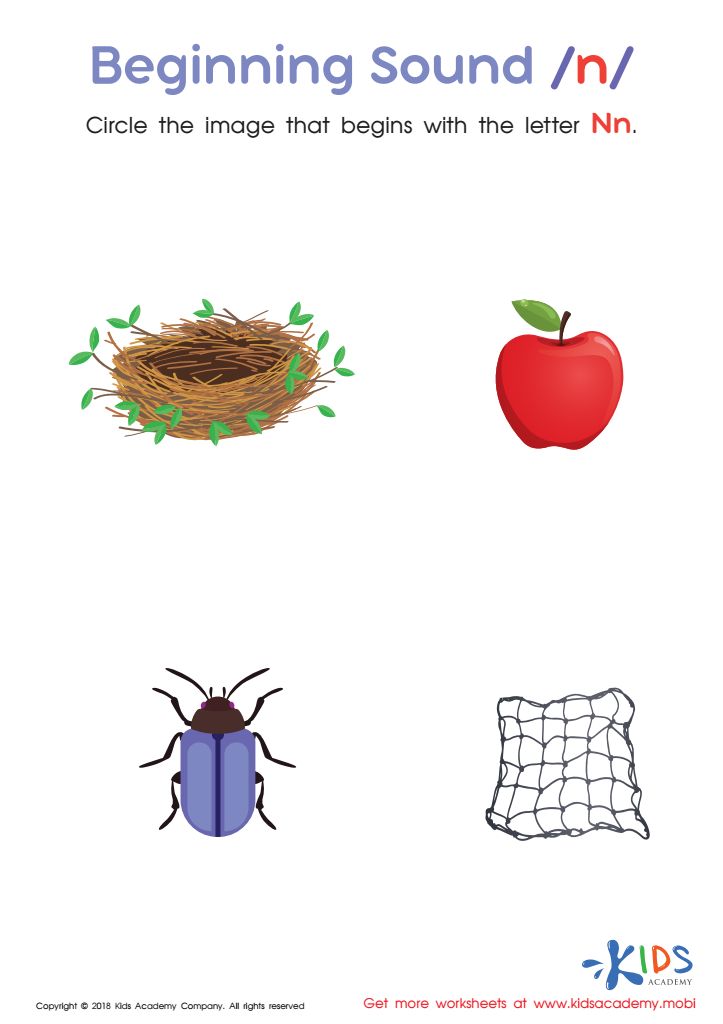
Beginning Sound «n» Worksheet
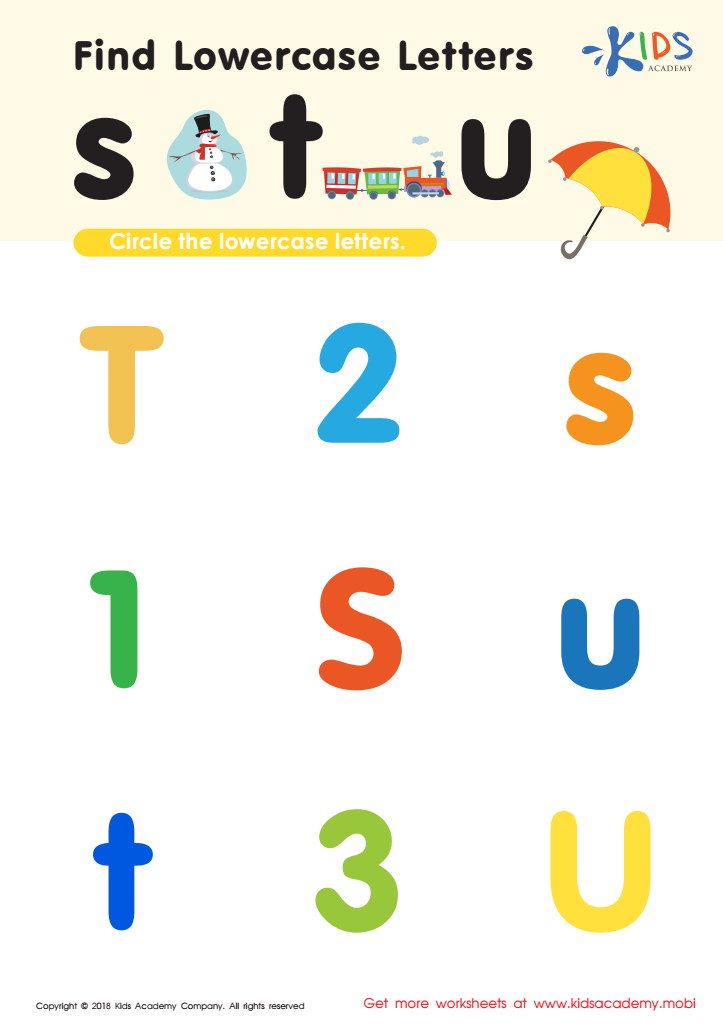
Find lowercase Letters s t u Worksheet
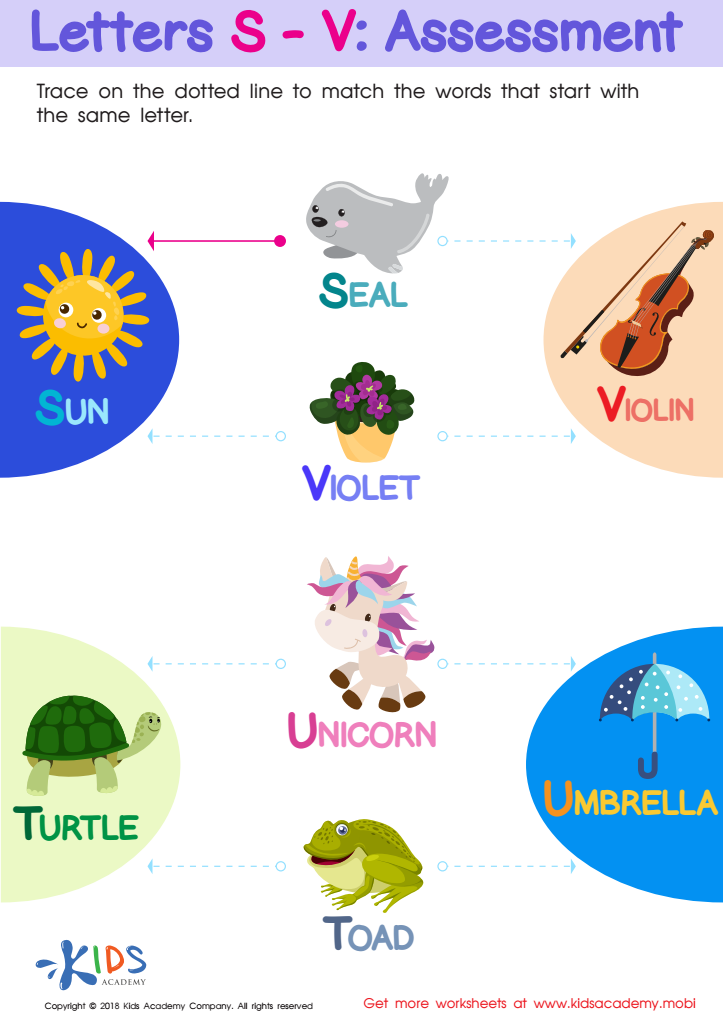
Letters S - V Tracing Worksheet
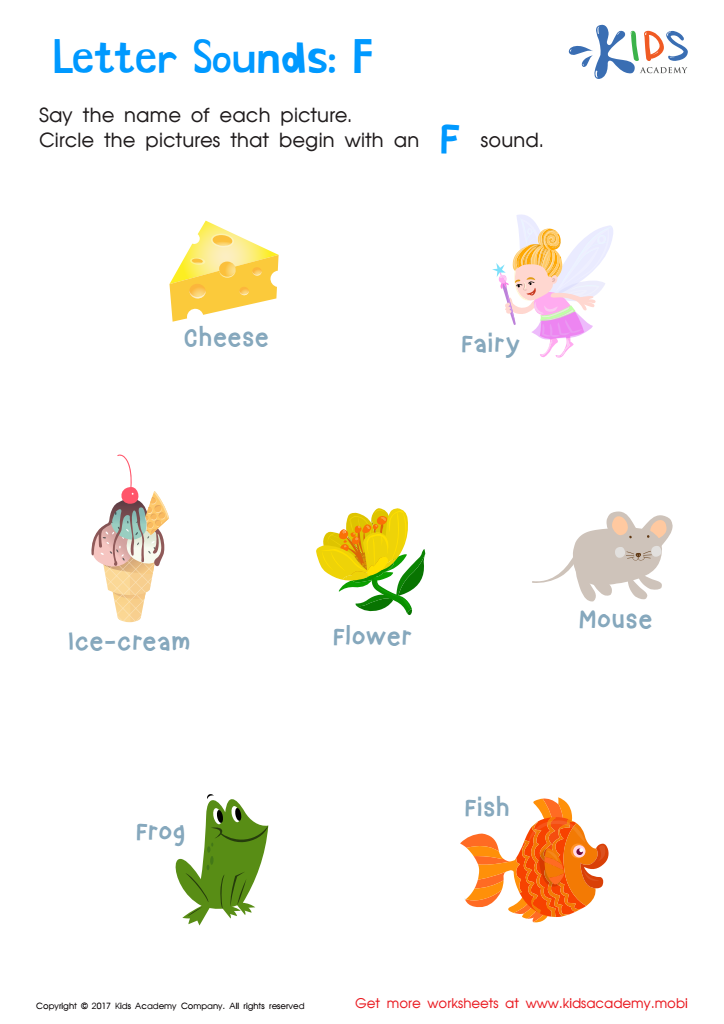
Letter F Sounds Worksheet

Letter G Tracing Page
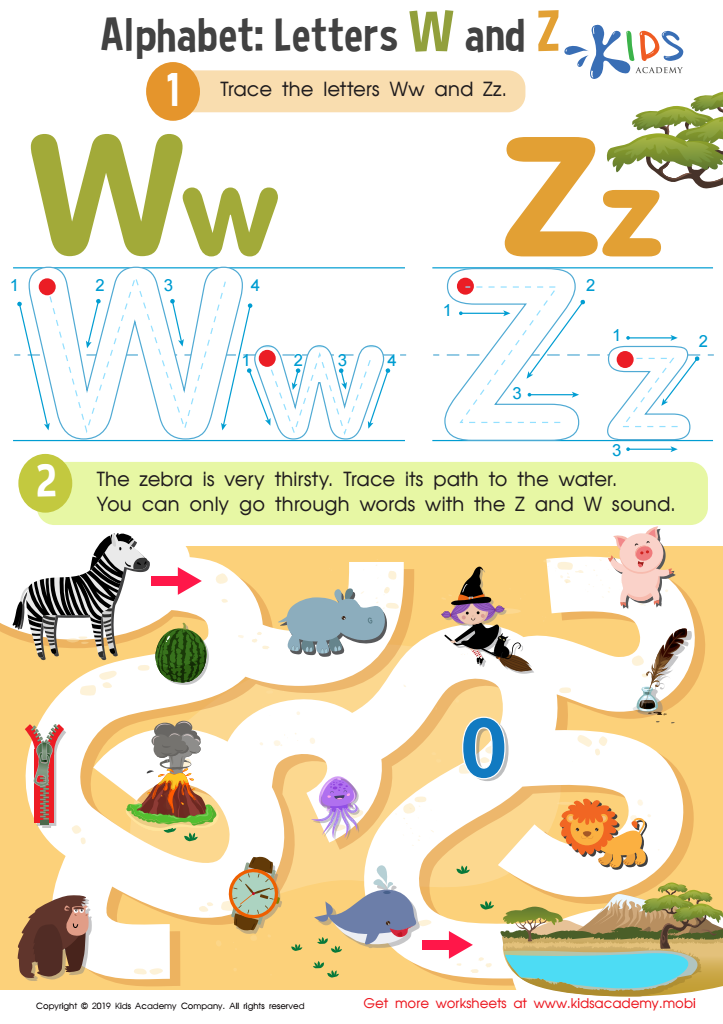
Letters W and Z Tracing Worksheet
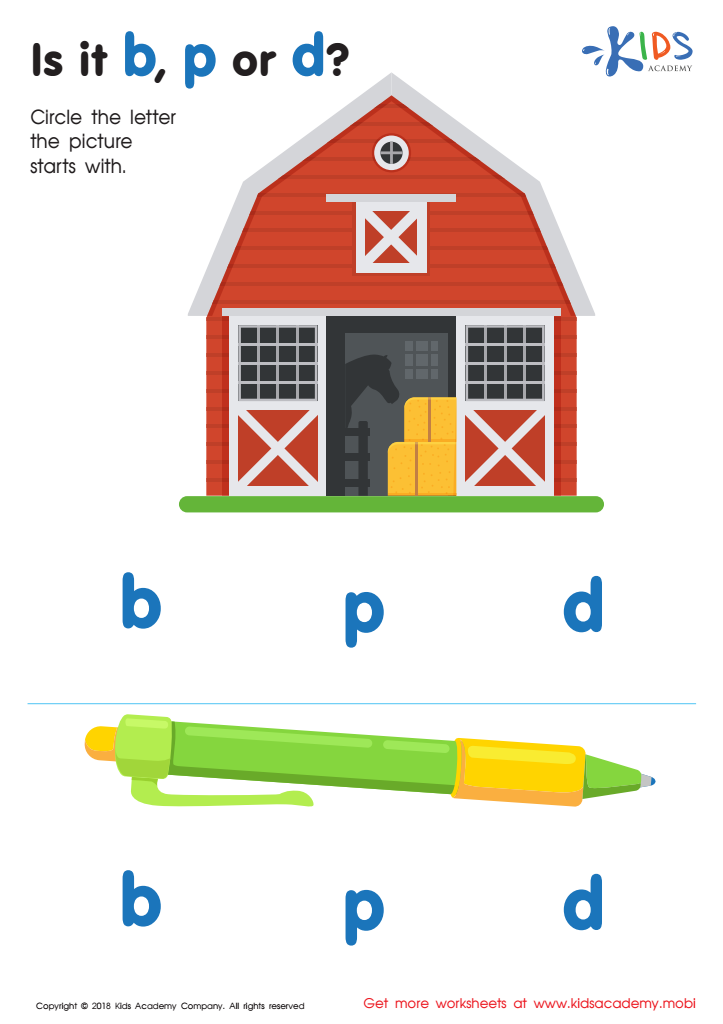
Is it b, p or d? Worksheet
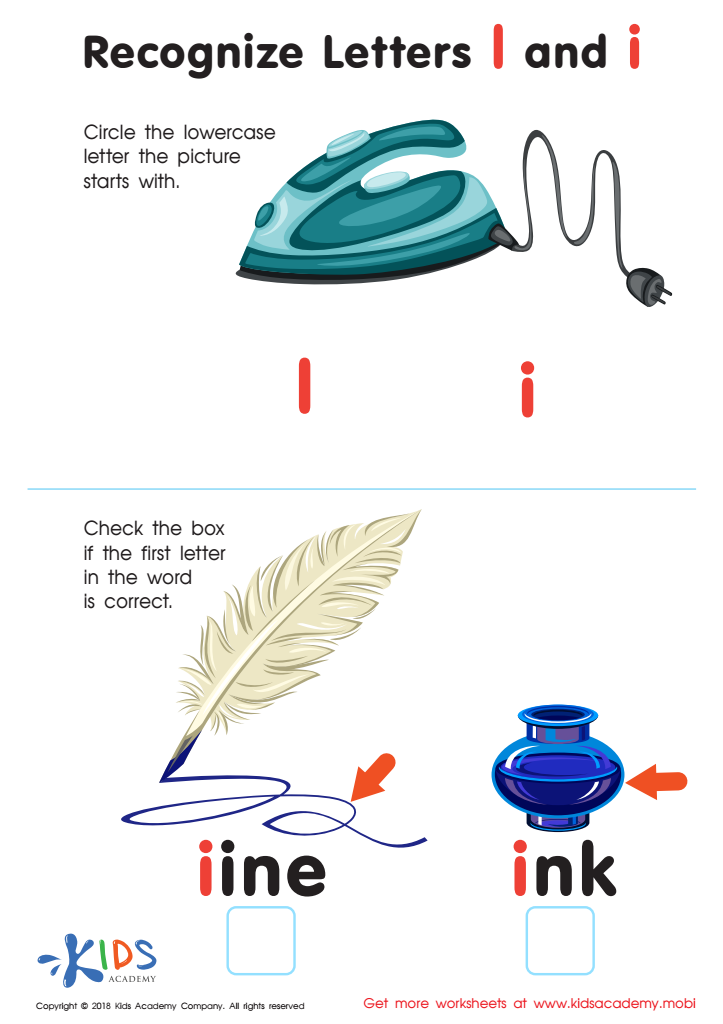
Recognize Letters l and i Worksheet
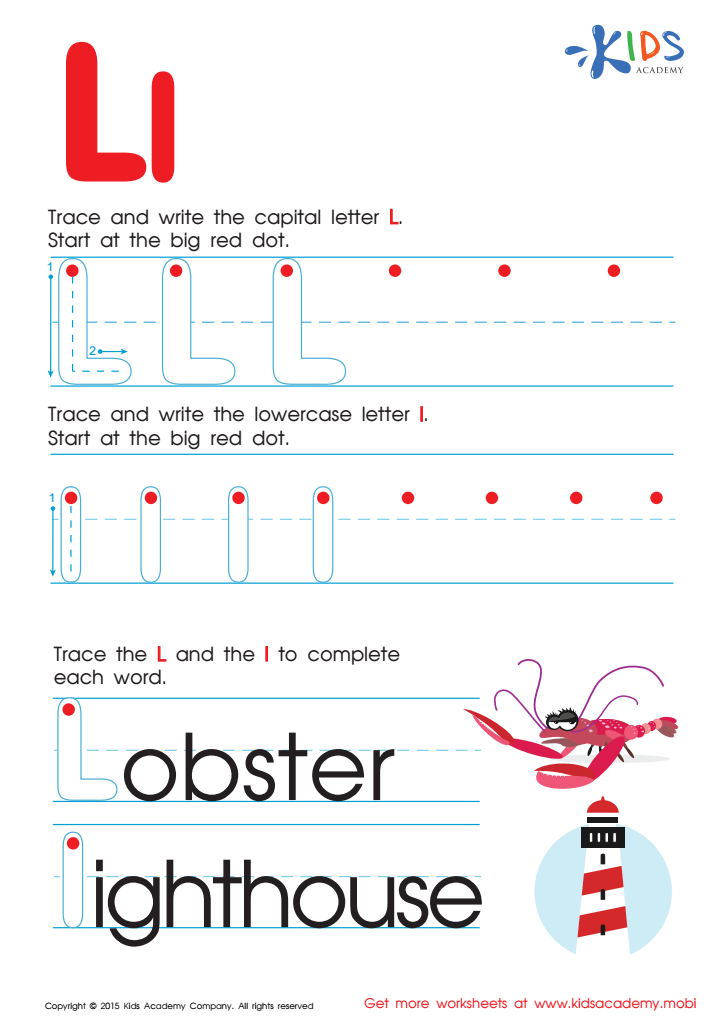
Letter L Tracing Page
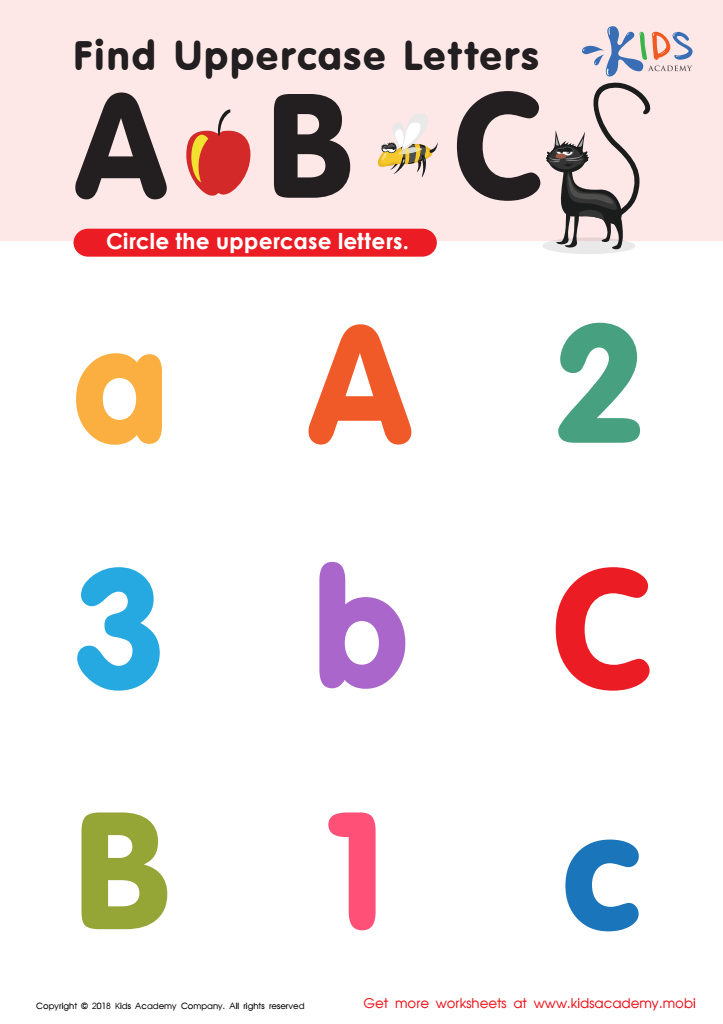
Find Uppercase Letters A, B, and C Worksheet






Letter recognition is foundational for early childhood literacy, making it crucial for both parents and teachers to focus on this skill for children ages 4-7. When children are familiar with the alphabet, they gain essential building blocks for developing reading and writing skills. Recognizing letters and understanding that they represent sounds allows children to decipher words independently, fostering fluent reading over time.
Early letter recognition also boosts cognitive development by improving memory, focus, and problem-solving abilities. It even strengthens phonemic awareness—the understanding that words are made up of sounds—which is vital for effective decoding and spelling.
Moreover, early success in letter recognition can build a child’s confidence and enthusiasm for learning. When children enter school with a solid grasp of the alphabet, they are better prepared for subsequent literacy instruction, reducing the likelihood of future learning difficulties.
Parents and teachers contribute significantly to this developmental milestone by engaging children through fun, interactive activities, such as singing alphabet songs, playing matching games, and encouraging letter-based crafts and story-telling. By investing in early letter recognition, parents and teachers lay a robust foundation for a child's academic journey and lifelong love for learning.







