Flora and Fauna Worksheets for Ages 4-7 - Page 2
32 filtered results
-
From - To

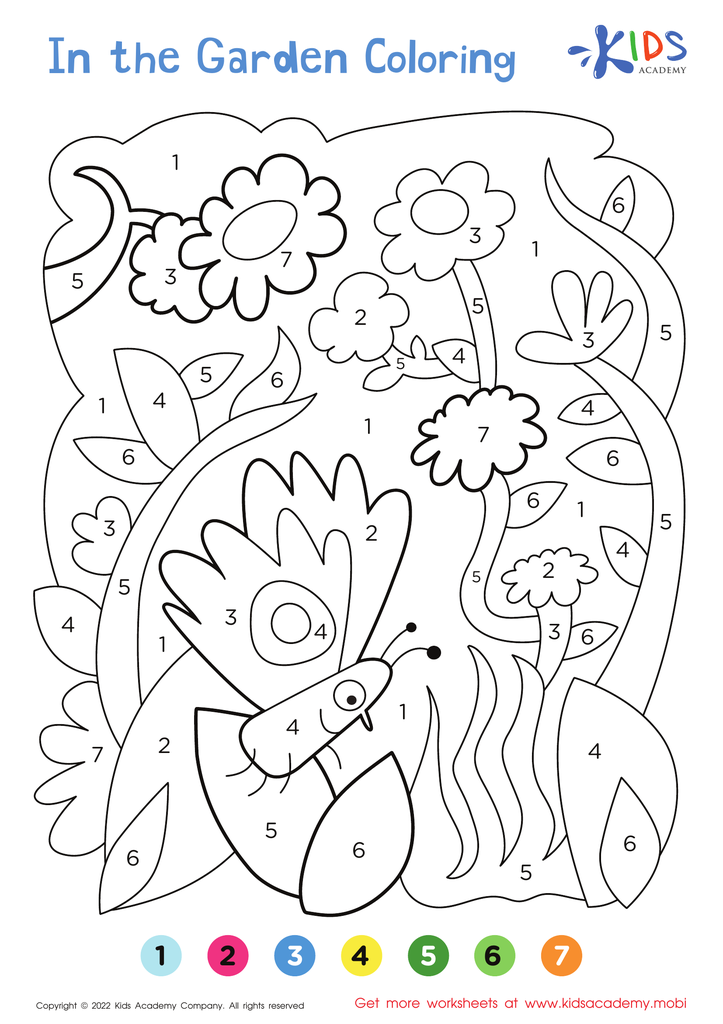
In the Garden – Coloring by Numbers


Parents and teachers should care about flora and fauna for children ages 4-7 because it lays the foundation for a child's understanding of the natural world. Teaching young children about plants and animals fosters curiosity, encouraging them to explore and ask questions about their environment. This engagement supports cognitive development, promoting observation skills and critical thinking.
Understanding flora and fauna also instills a sense of responsibility and stewardship for nature. By learning about different species and their roles in ecosystems, children develop empathy for living beings and become aware of environmental conservation issues. These lessons can foster a love for nature that lasts a lifetime.
Moreover, hands-on activities such as gardening, nature walks, or animal observation provide opportunities for experiential learning. These activities enhance fine motor skills, teamwork, and communication, essential competencies at this developmental stage. Additionally, early exposure to botanical and zoological concepts can spark an interest in science, leading to future academic pursuits.
Incorporating flora and fauna into childhood education not only enriches a child’s learning experience but also encourages a healthy relationship with nature, promoting well-being, curiosity, and a sense of belonging in the world around them.