Basic counting skills Worksheets for Ages 4-7
28 filtered results
-
From - To
Enhance your child's early math abilities with our Basic Counting Skills Worksheets designed for ages 4-7. These engaging and colorful worksheets help young learners grasp foundational counting concepts through fun activities. They will practice number recognition, counting objects, and simple arithmetic, all tailored to be age-appropriate and educational. Perfect for preschool, kindergarten, and first-grade students, our worksheets promote critical thinking and problem-solving. Download now to give your children the head start they need in math, fostering a lifelong love for learning. Visit Kids Academy to support your child's journey to becoming confident with numbers!
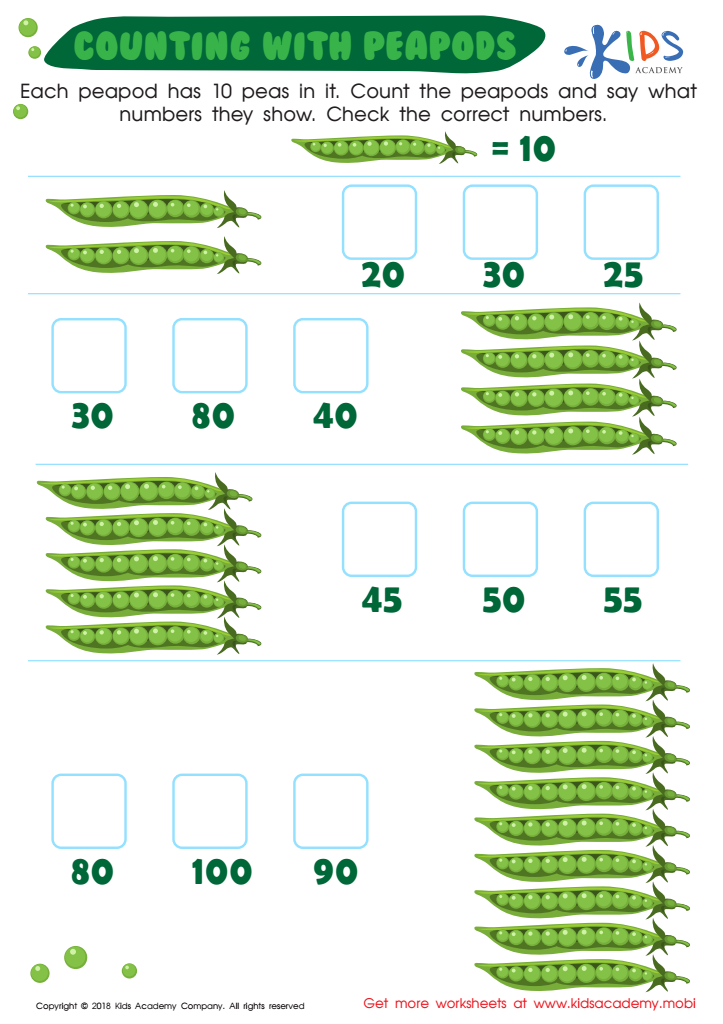
Number Worksheet: Counting With Peapods
 Assign to My Students
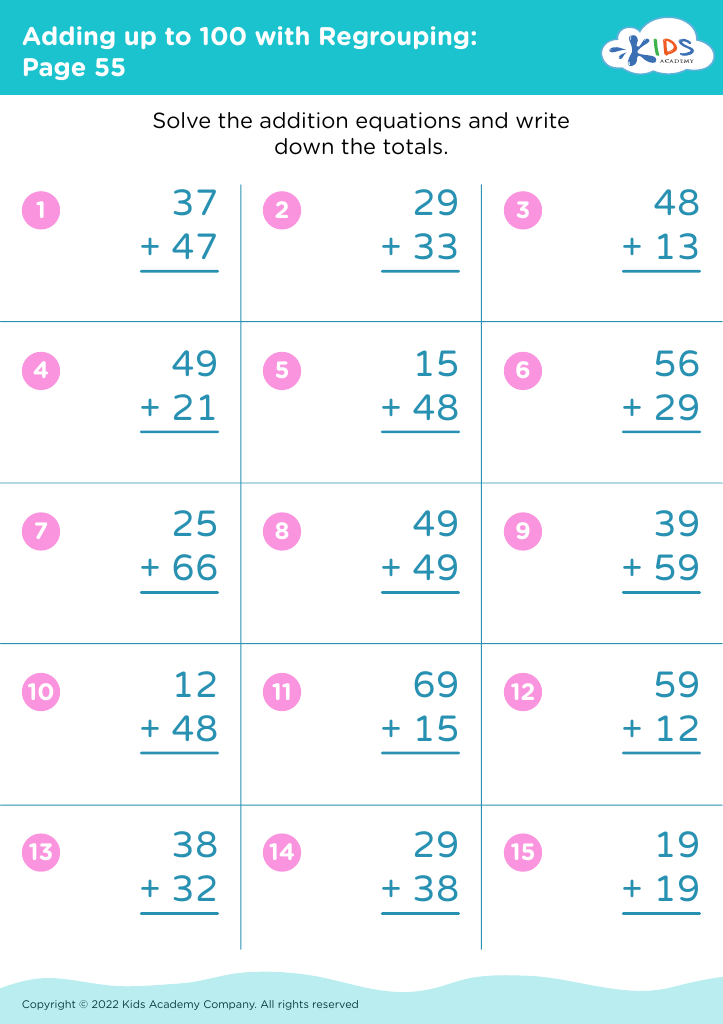
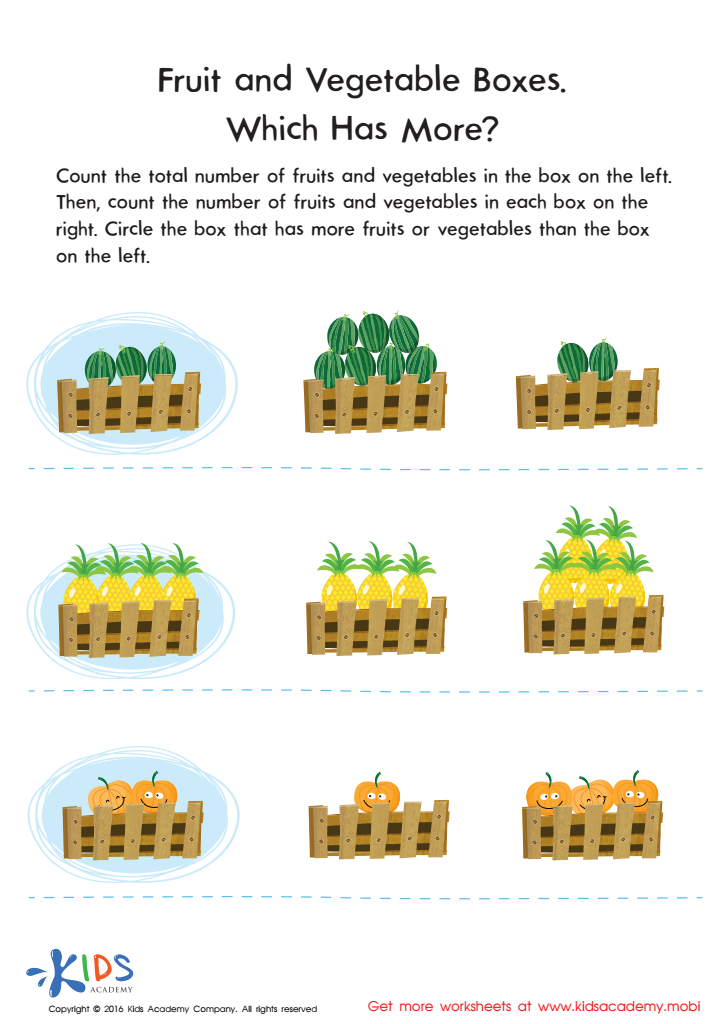
Which Has More? Size Worksheet
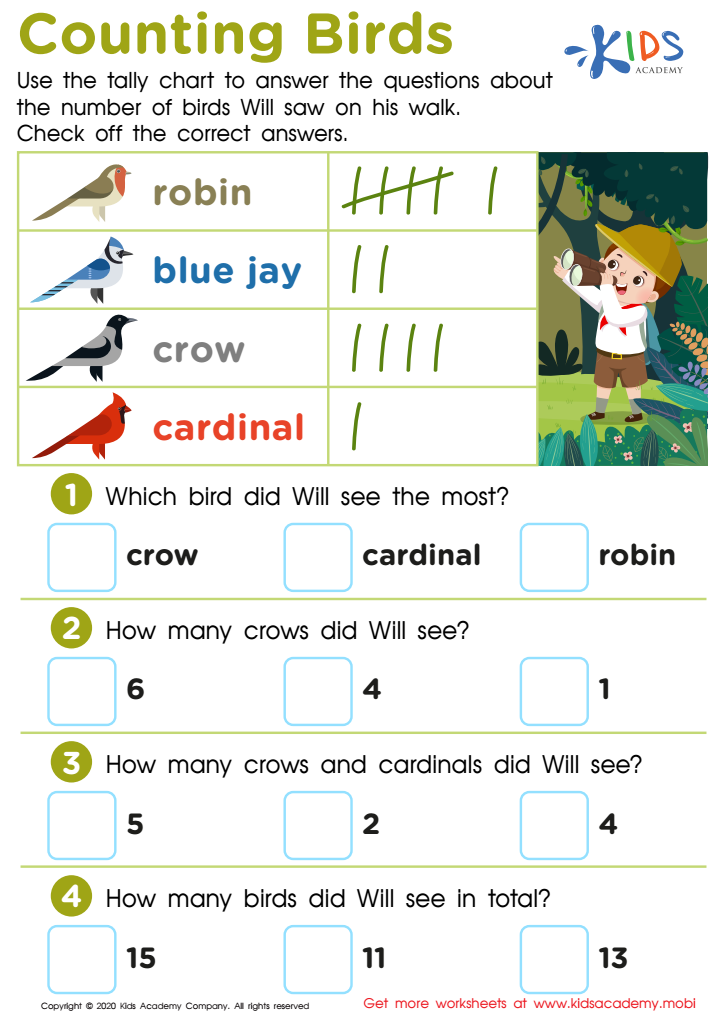
Counting Birds Worksheet
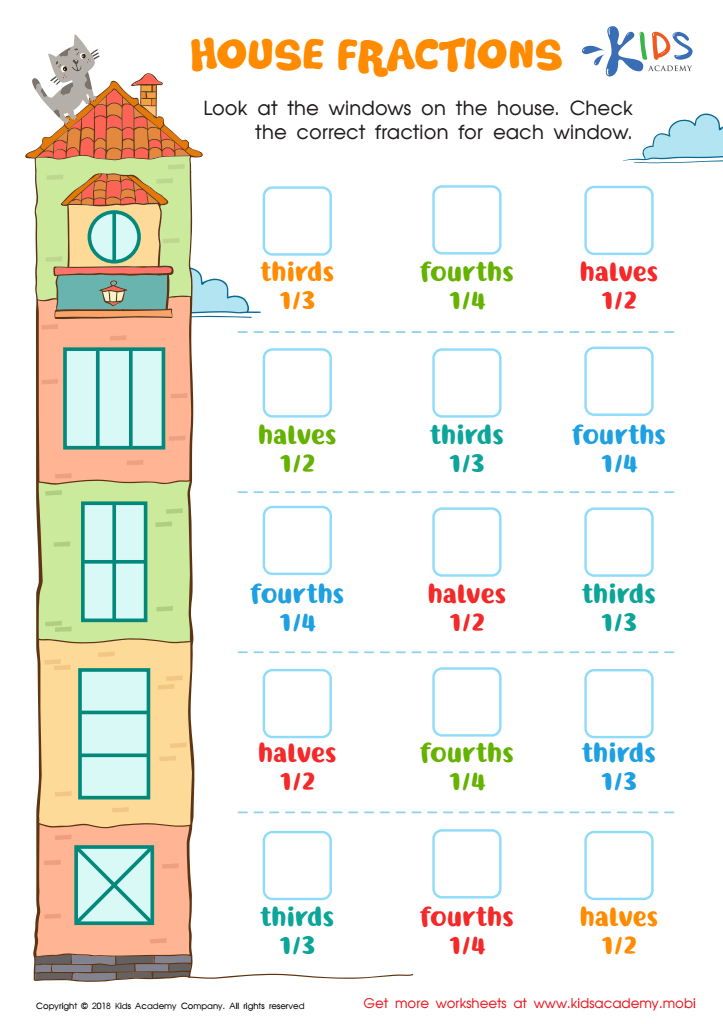
House Fractions Worksheet
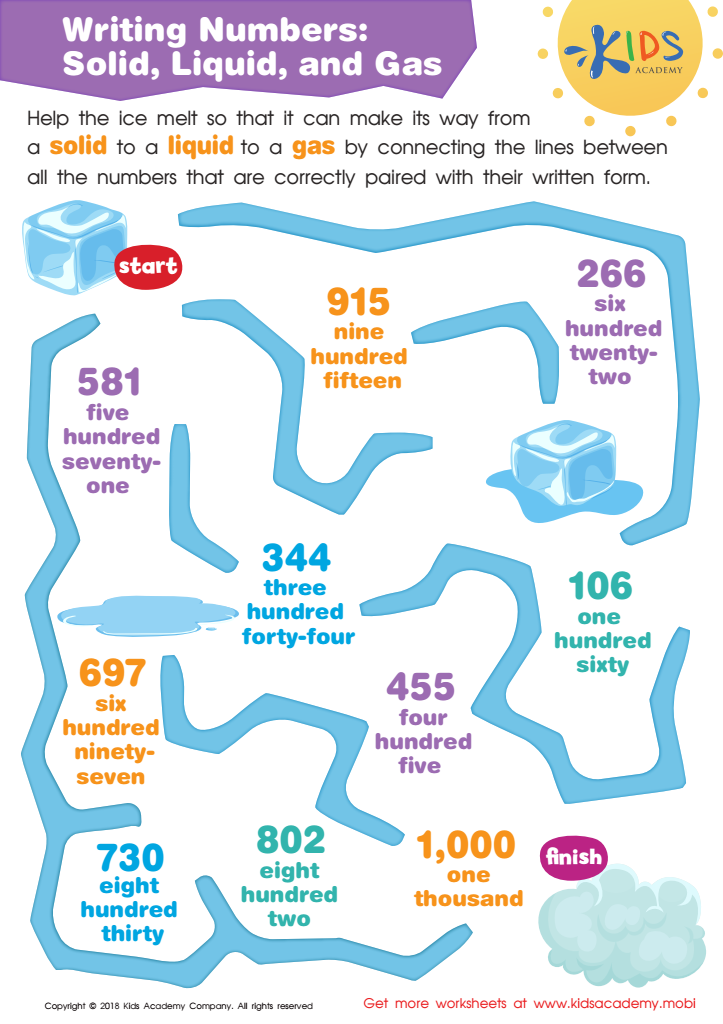
Solid, Liquid, and Gas Writing Numbers Worksheet
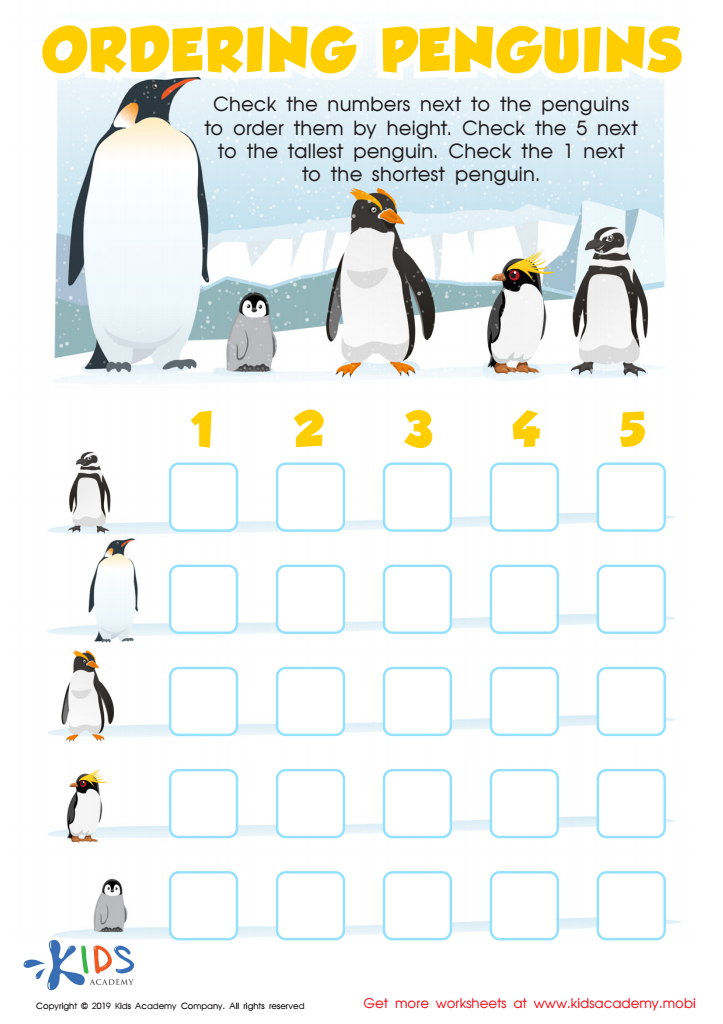
Ordering Penguins Worksheet
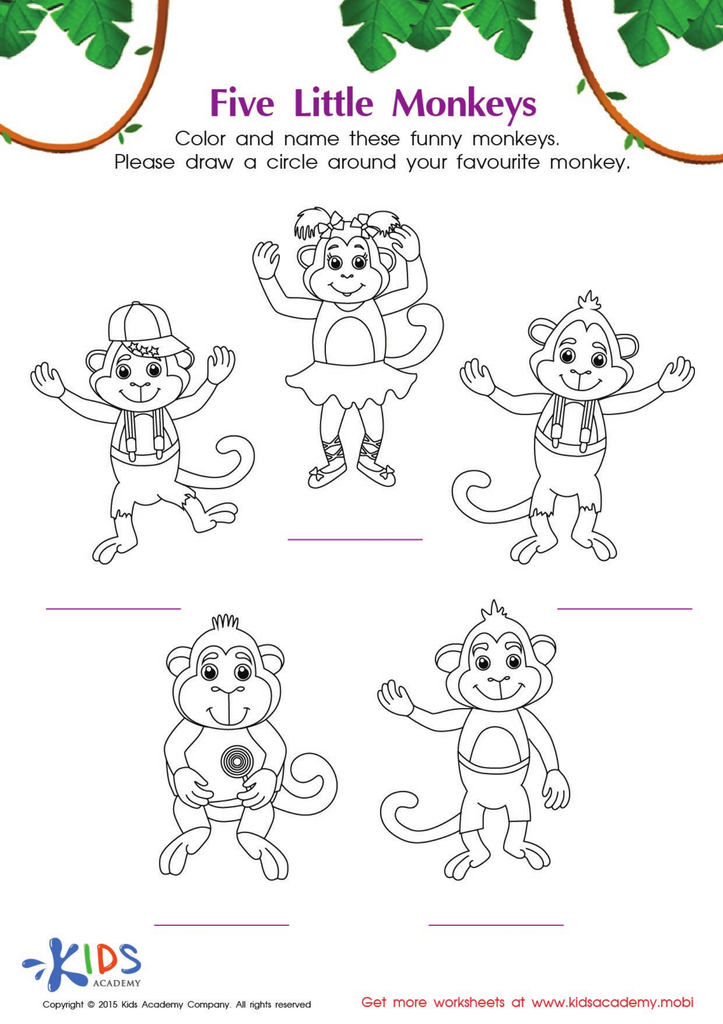
The Five Little Monkeys Coloring Worksheet
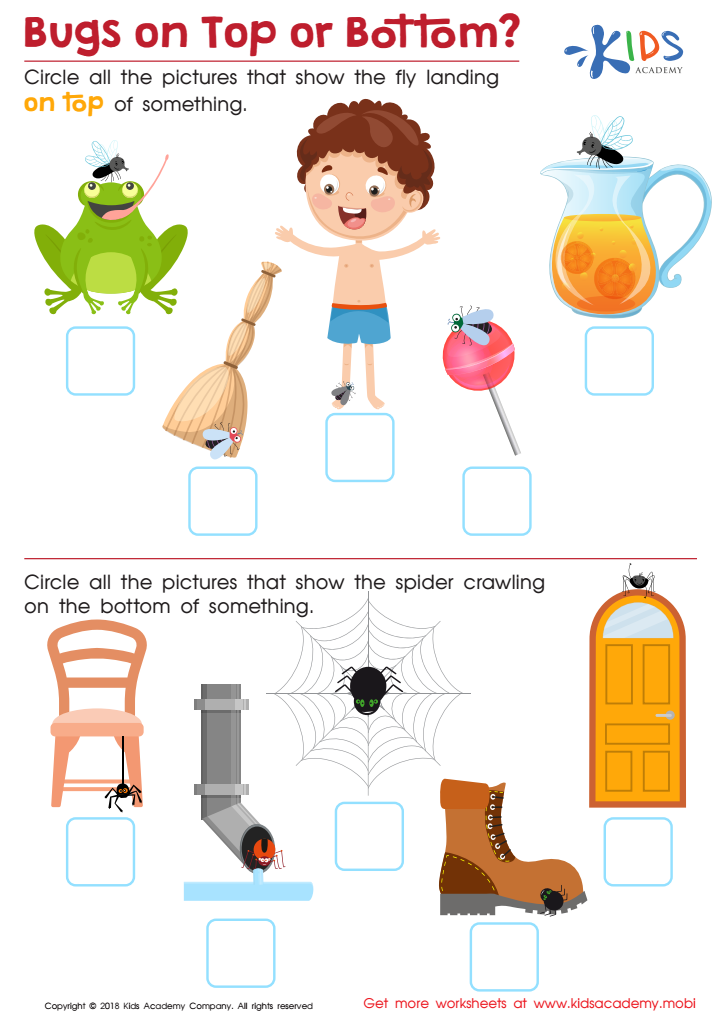
Bugs on Top or Bottom? Worksheet
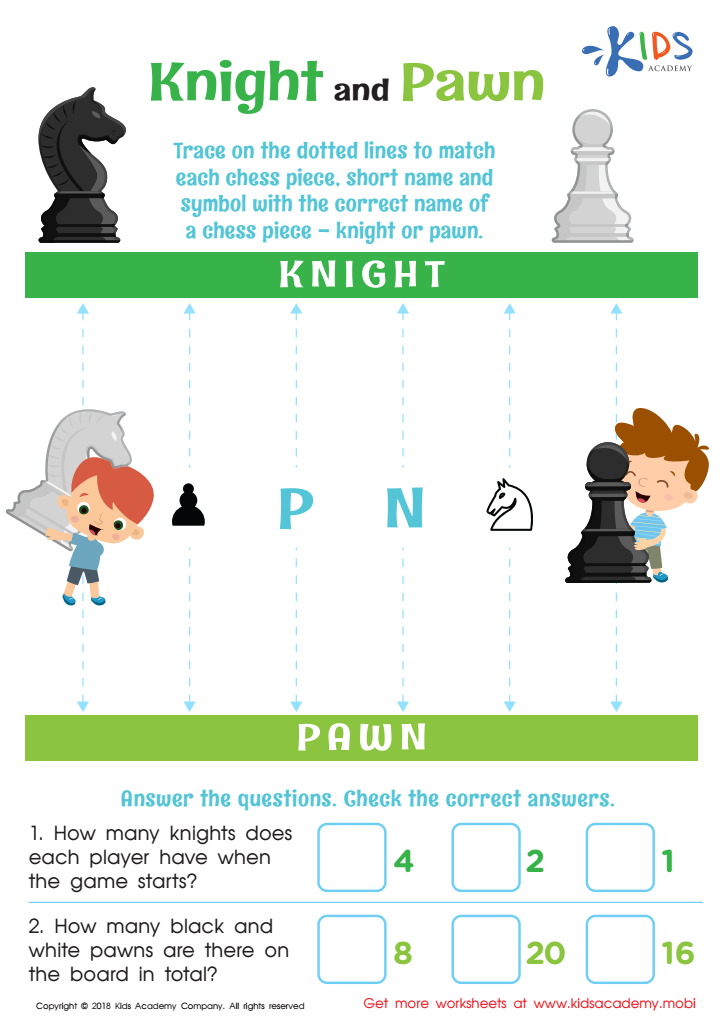
Knight and Pawn Worksheet
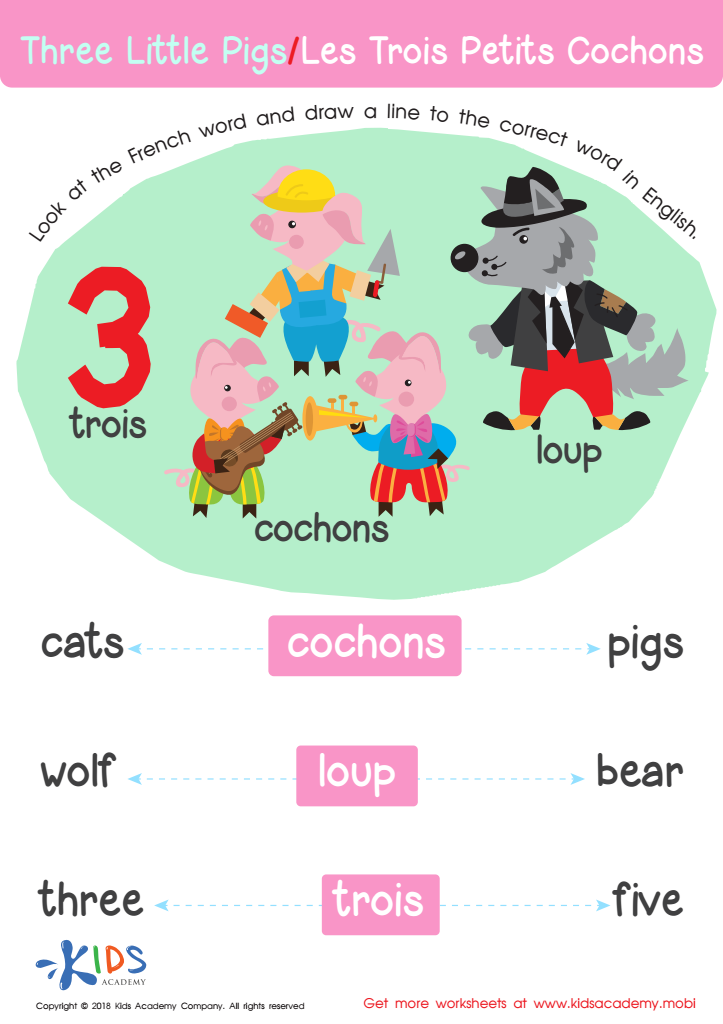
Three Little Pigs / Les Trois Petits Cochons Worksheet
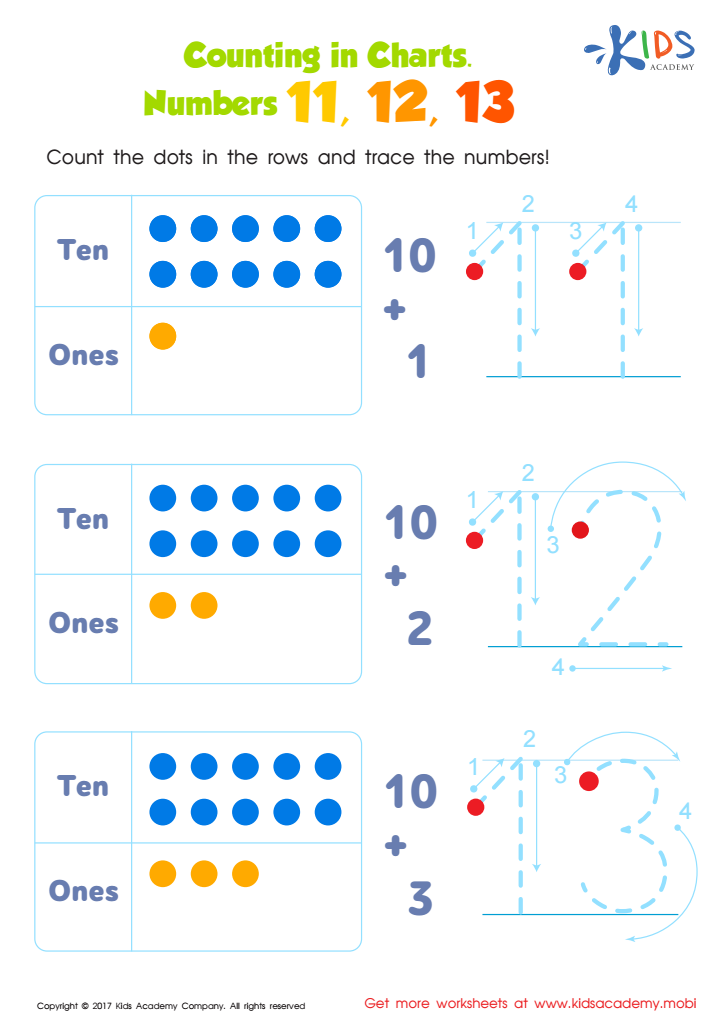
Number Tracing Worksheet For Kindergarten
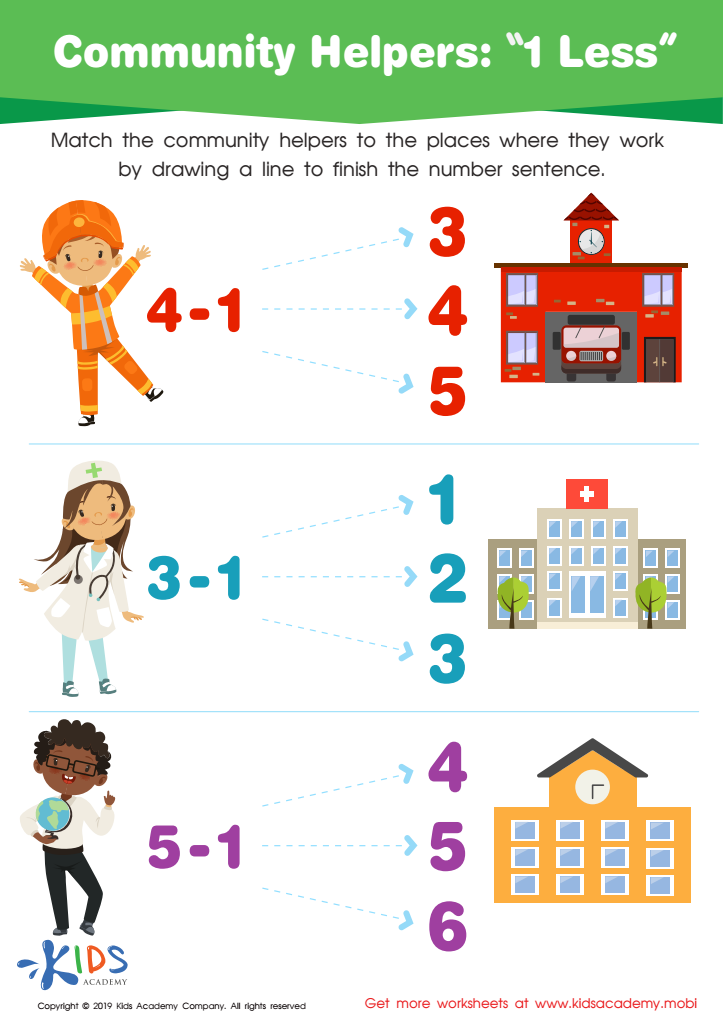
Community Helpers: 1 less Worksheet
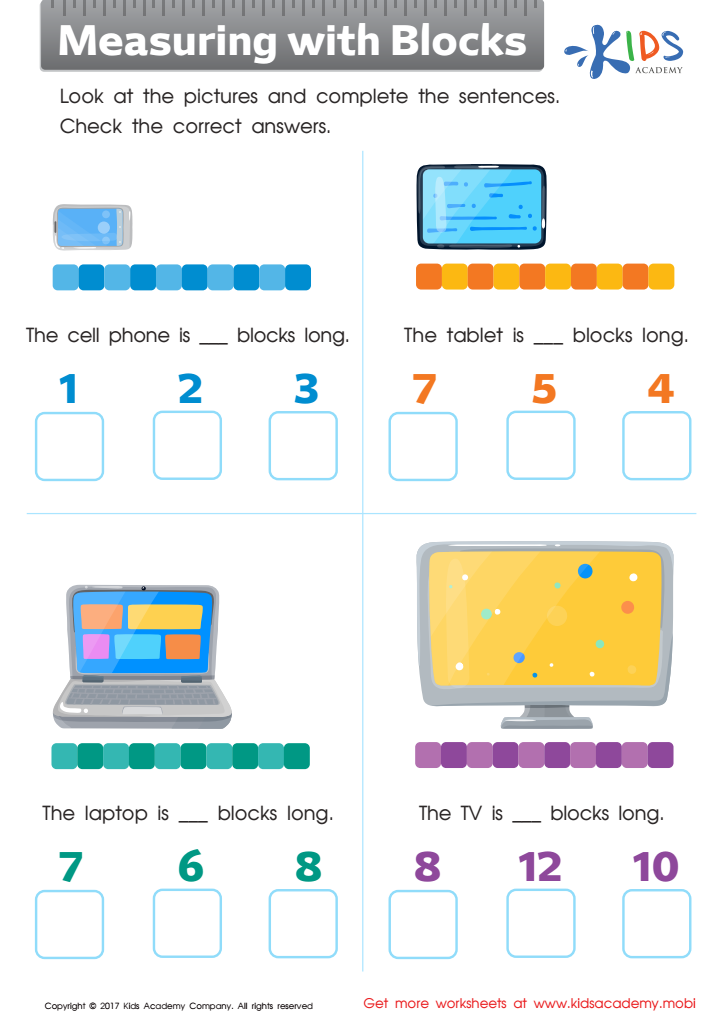
Measuring with Blocks Worksheet
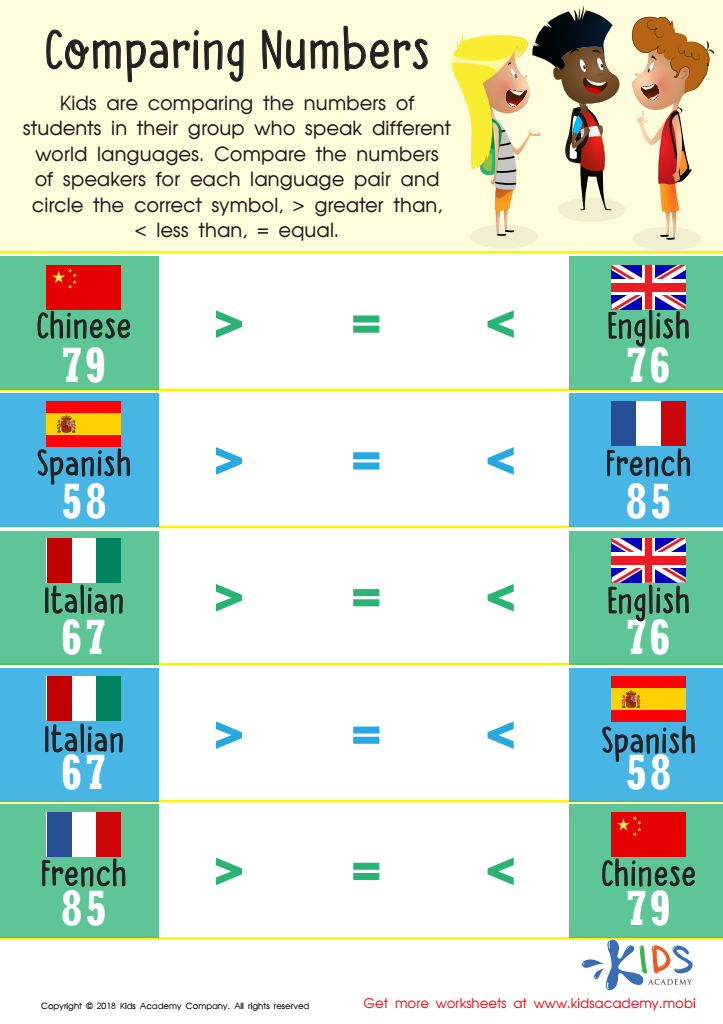
Comparing Numbers Worksheet for 1st Grade
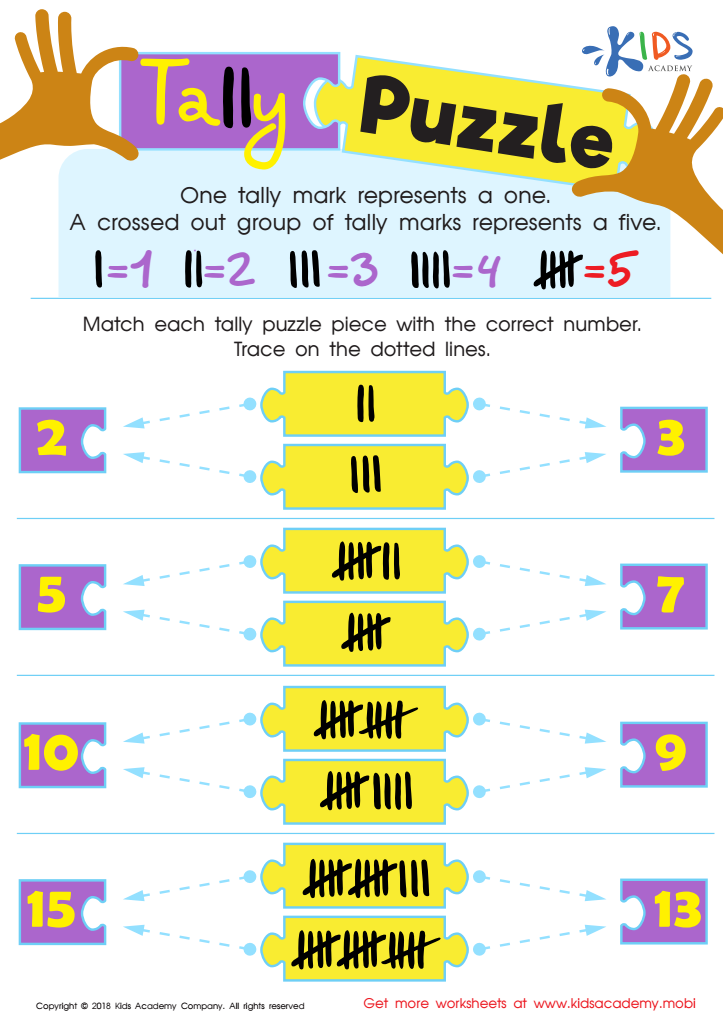
Tally Puzzle Worksheet
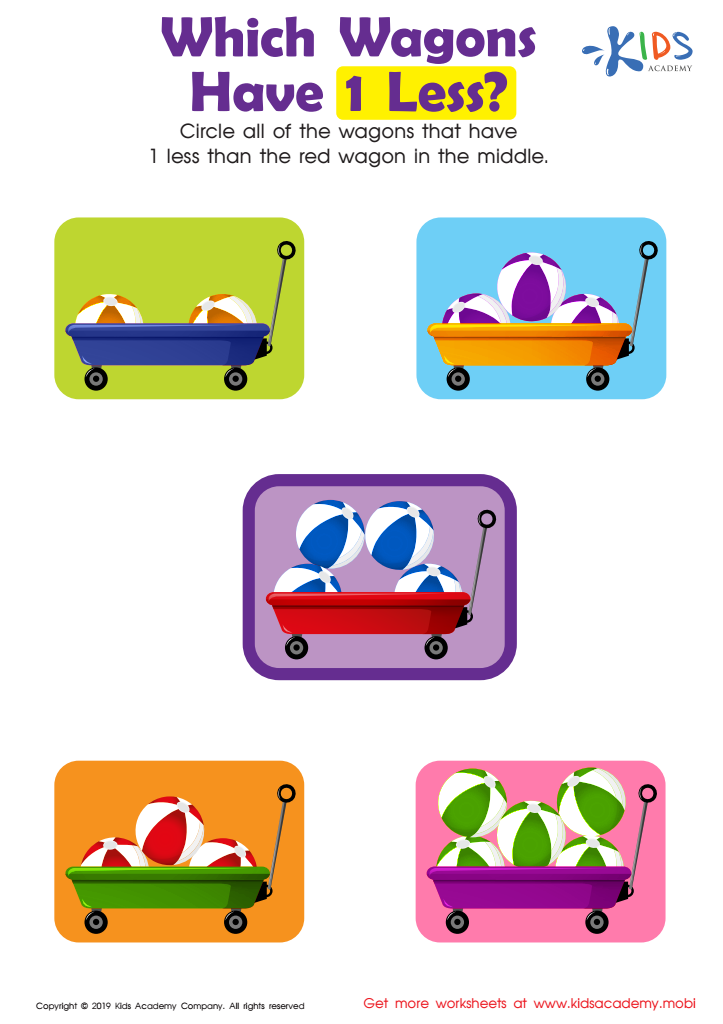
Which Wagons Have 1 Less? Worksheet
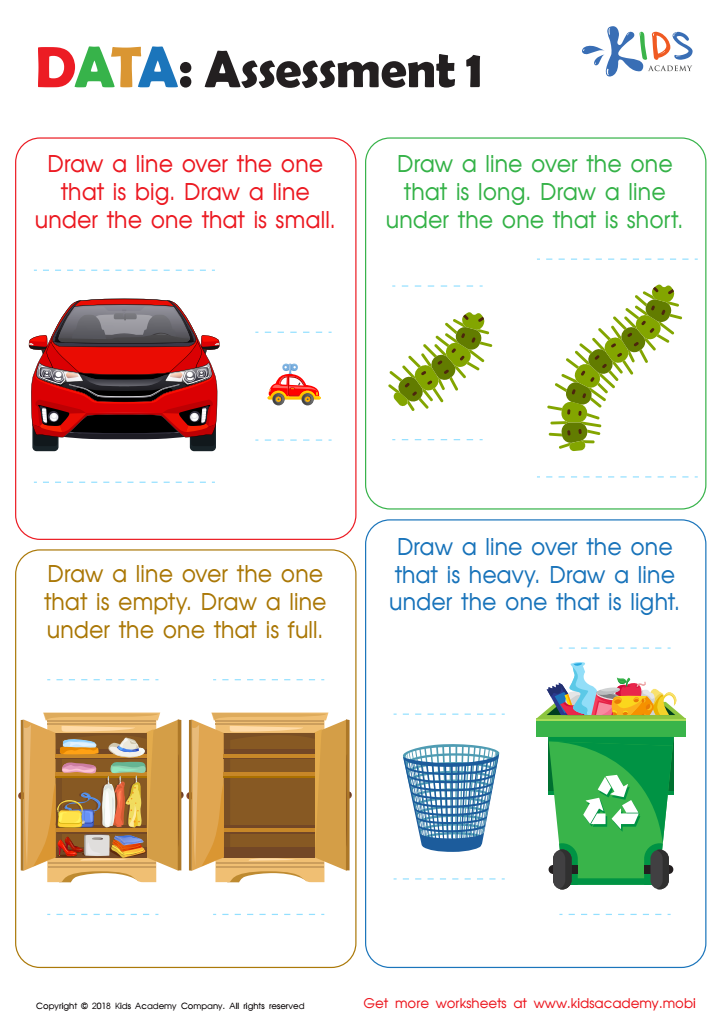
Data: Assessment 1 Worksheet
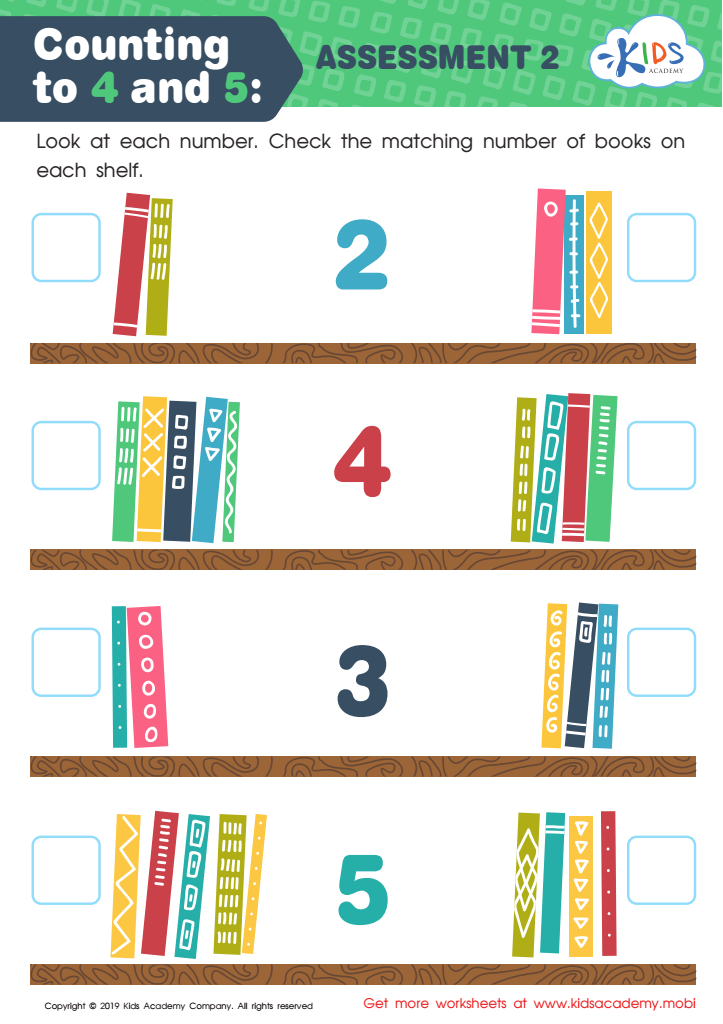
Counting to 4 and 5: Assessment 2 Worksheet








Basic counting skills form the foundation for a child's mathematical understanding and are crucial for young learners, typically ages 4-7. Parents and teachers should prioritize these skills because they enhance cognitive development, problem-solving abilities, and logical thinking. At this age, children are in a crucial developmental stage where their brains are highly receptive to new information. Learning to count helps them grasp numerical concepts and patterns, which are essential building blocks for more advanced math.
Moreover, basic counting helps children understand the world around them. Everyday activities like sharing toys, setting the table, or playing games often involve counting. These practical applications make learning relevant and engaging, boosting a child's confidence and interest in math.
Socially, counting skills support classroom participation and cooperation. Being able to count helps children follow routines, understand sequencing, and comply with rules, promoting a structured learning environment. Early math skills are also linked to better academic performance overall. Children proficient in counting are better prepared for kindergarten and beyond, setting a positive trajectory for their educational journey.
In summary, fostering basic counting skills in young children equips them with critical tools for academic success and everyday problem solving, making it an essential aspect of early education.








