Develop problem-solving abilities Worksheets for Ages 4-7
6 filtered results
-
From - To
Unlock your child's potential with our engaging problem-solving abilities worksheets for ages 4-7. Designed to foster critical thinking and enhance cognitive skills, these worksheets provide diverse challenges that promote logical reasoning and creativity. From puzzles and riddles to interactive activities, children will enjoy practicing essential problem-solving techniques in a fun way. Each worksheet aligns with developmental milestones, ensuring age-appropriate learning experiences. Parents and educators can easily access and print these resources, making them perfect for home or classroom use. Empower your young learners to think critically and tackle challenges confidently with our thoughtfully crafted worksheets today!
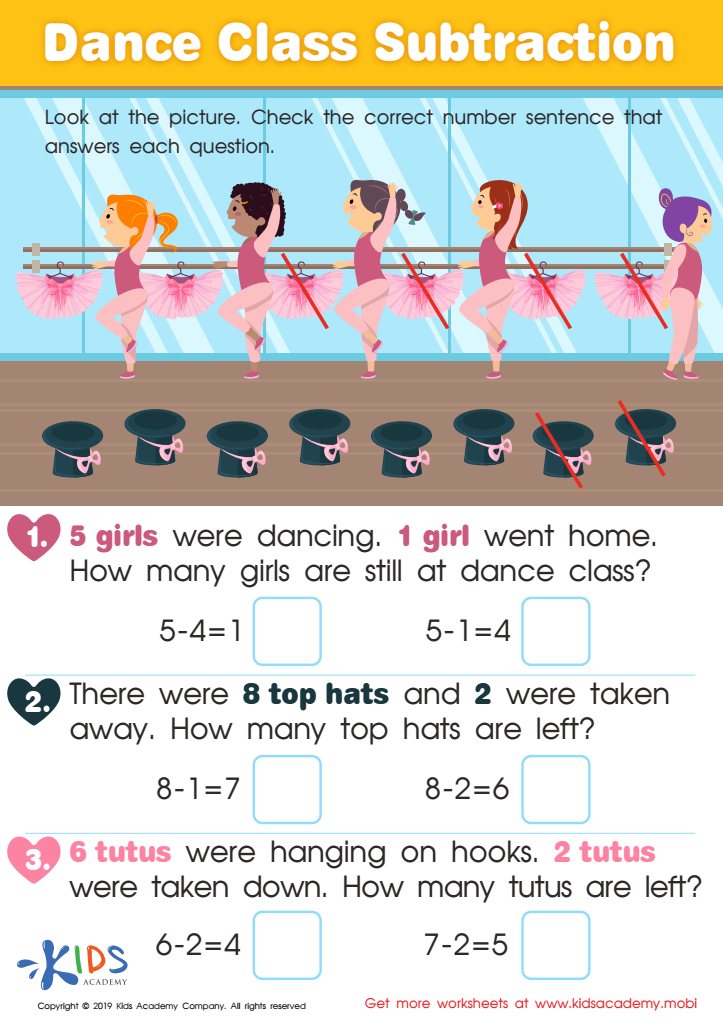
Dance Class Subtraction Worksheet
 Assign to My Students
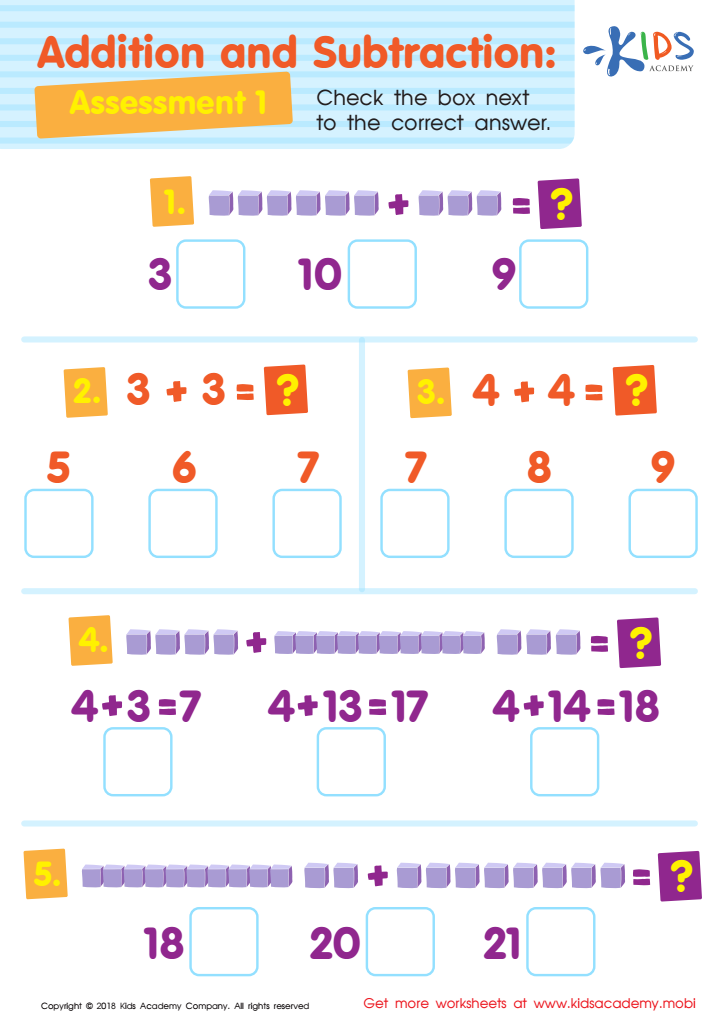
Addition and Subtraction Assessment 1 Worksheet
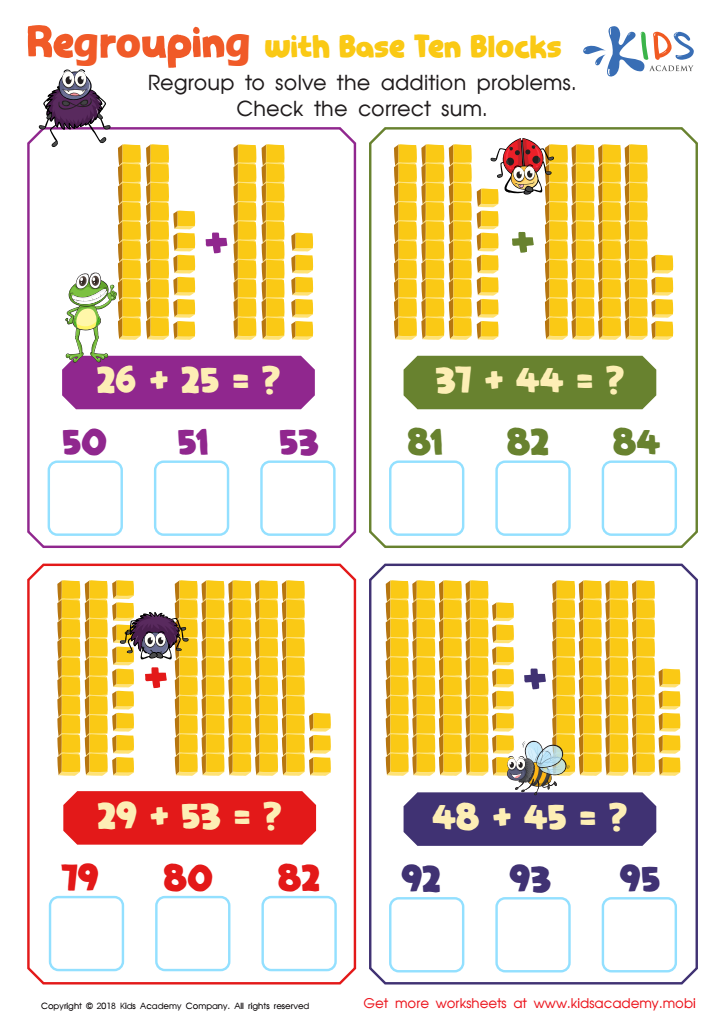
Regrouping With Base Ten Blocks Worksheet
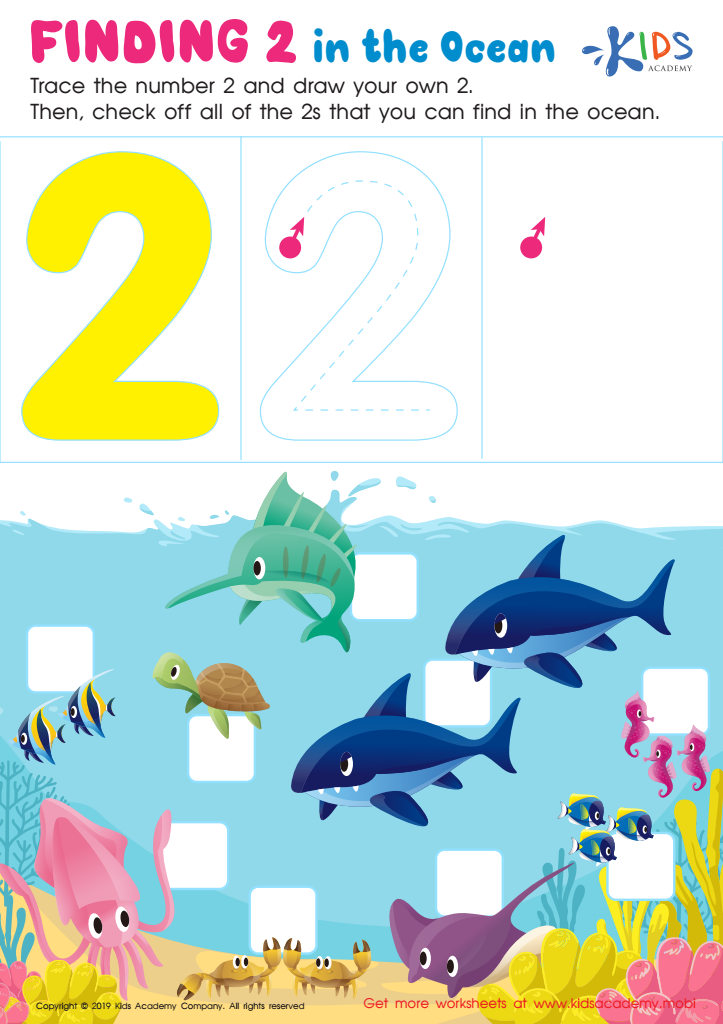
Finding 2: In the Ocean Worksheet








Developing problem-solving abilities in children aged 4-7 is crucial for several reasons. First, childhood is a critical period for cognitive development. Engaging kids in problem-solving tasks helps to build their analytical skills, encouraging them to think critically about the world around them. This foundational skill is essential for their academic success and can influence their ability to tackle subjects like math and science in later years.
Moreover, enhancing problem-solving abilities fosters independence and resilience. Children learn to approach challenges with confidence, and this perseverance is vital for overcoming obstacles both in and out of the classroom. It encourages a growth mindset, where they understand that making mistakes is part of the learning process.
Additionally, problem-solving often involves collaboration, teaching children valuable social skills such as communication, teamwork, and empathy. These skills form the basis for healthy relationships and successful interactions throughout life.
Finally, parents and teachers play a crucial role in nurturing these traits. By incorporating problem-solving activities—like puzzles, games, and group projects—into their teaching and parenting practices, they help children become creative and independent thinkers, prepared to face the complex challenges of the future. Promoting these abilities now lays the groundwork for lifelong learning and adaptability.








