Logical thinking Worksheets for Ages 4-7 - Page 2
33 filtered results
-
From - To
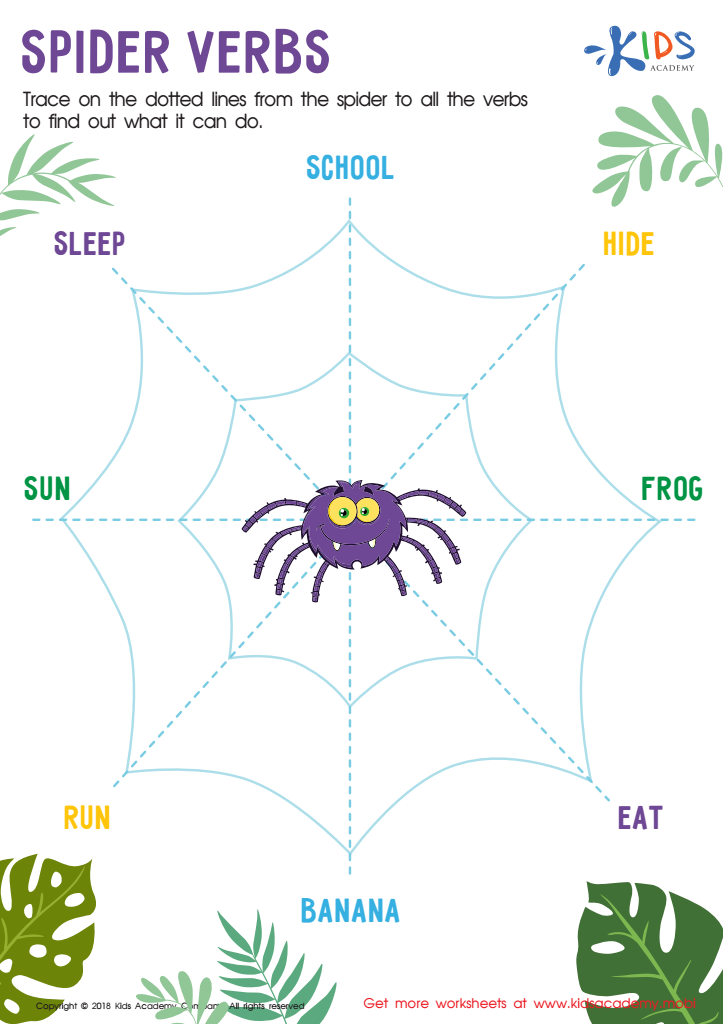
Spider Verbs Worksheet
 Assign to My Students
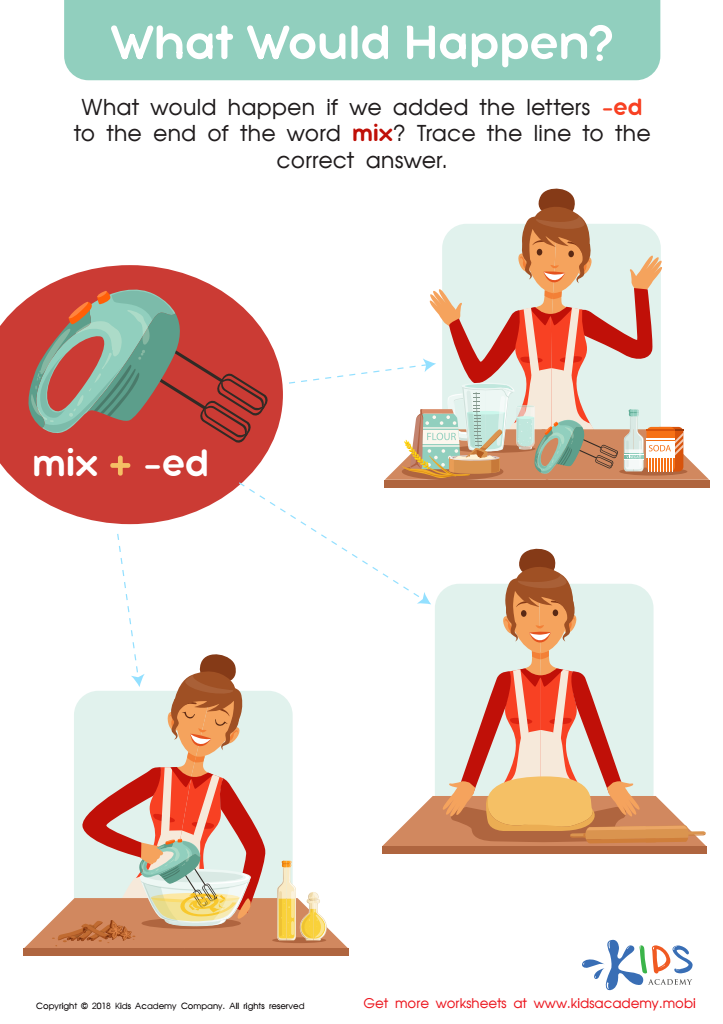
What Would Happen? Worksheet
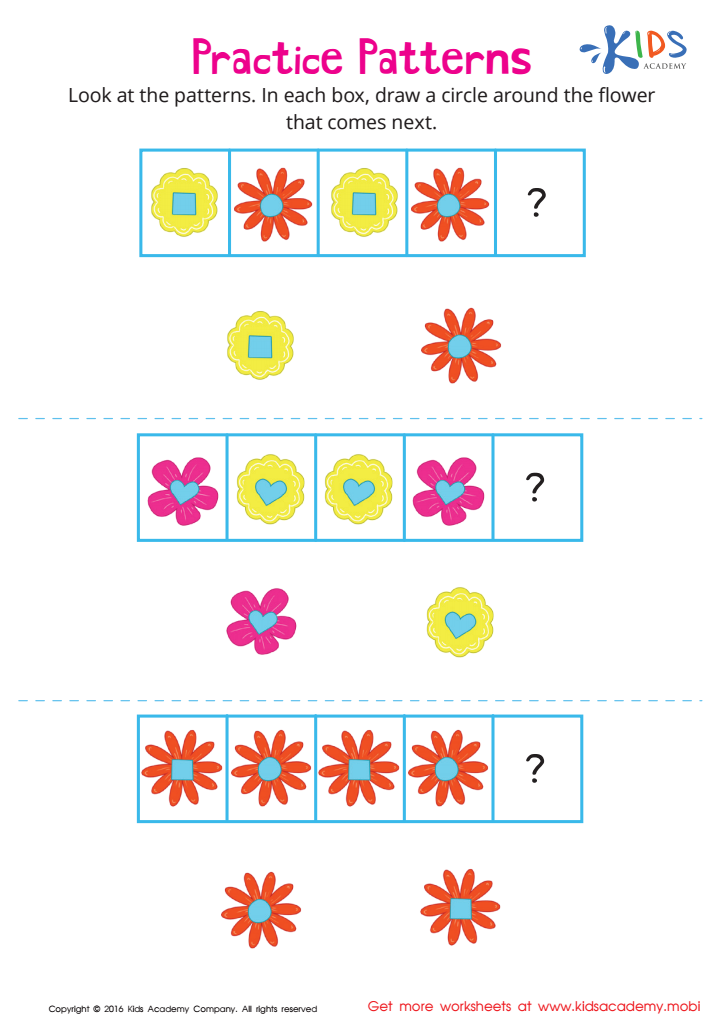
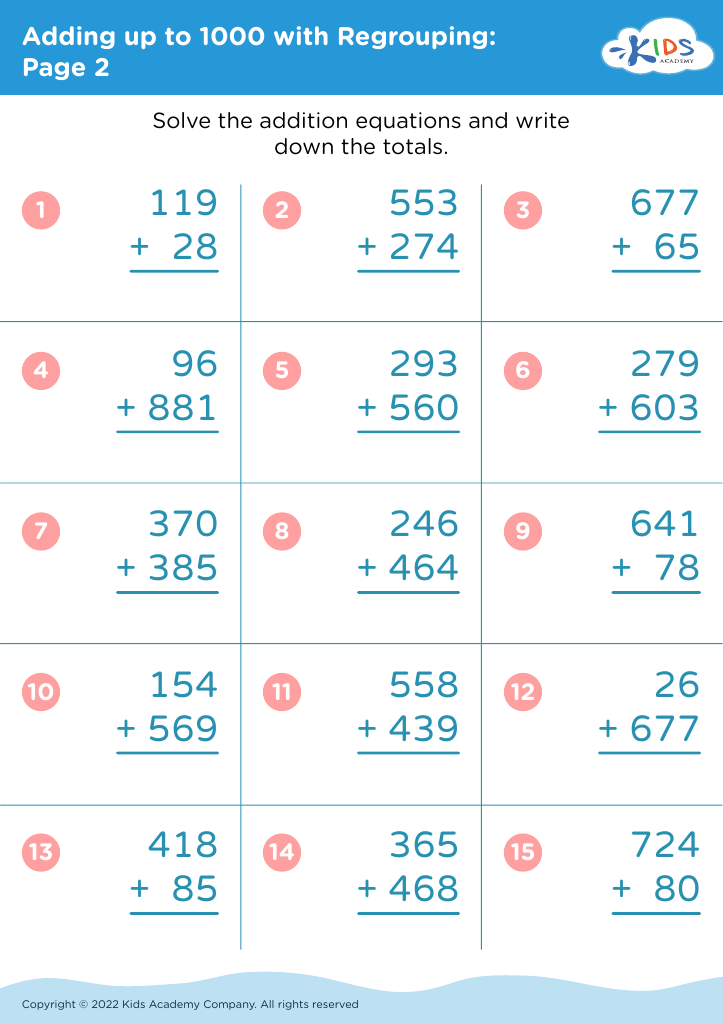
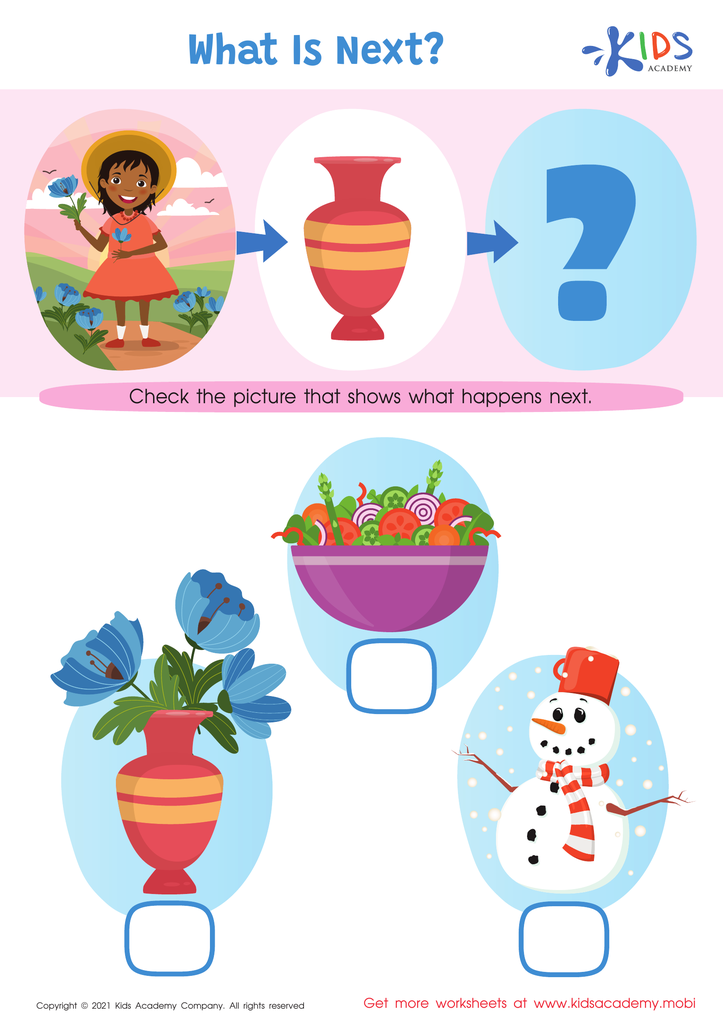
What is Next? Worksheet
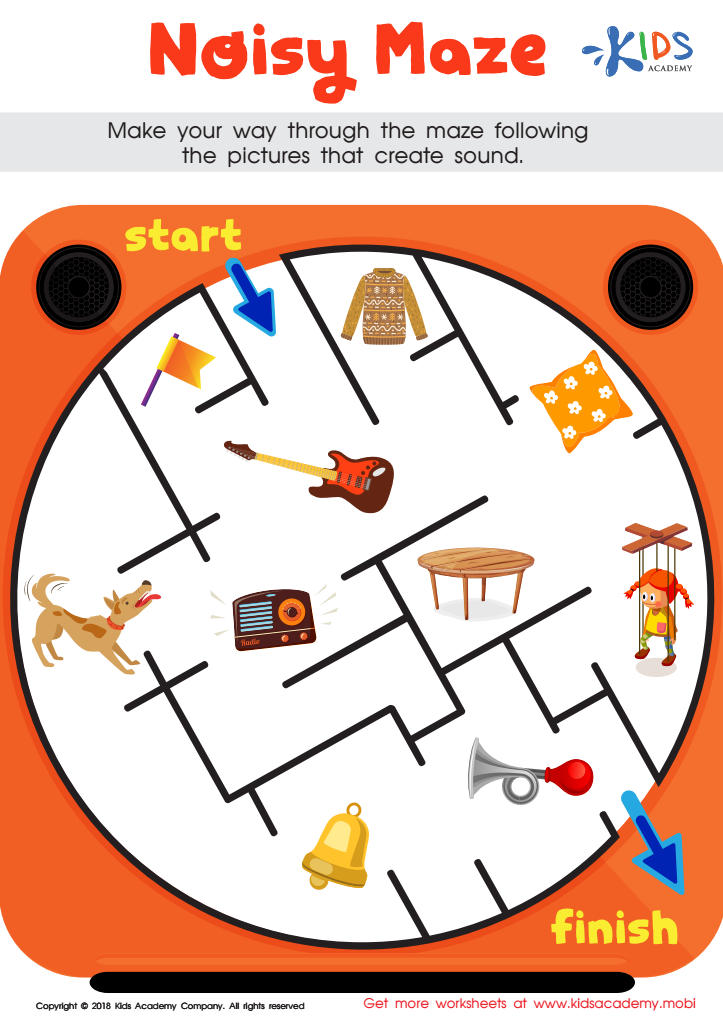
Noisy Maze Worksheet
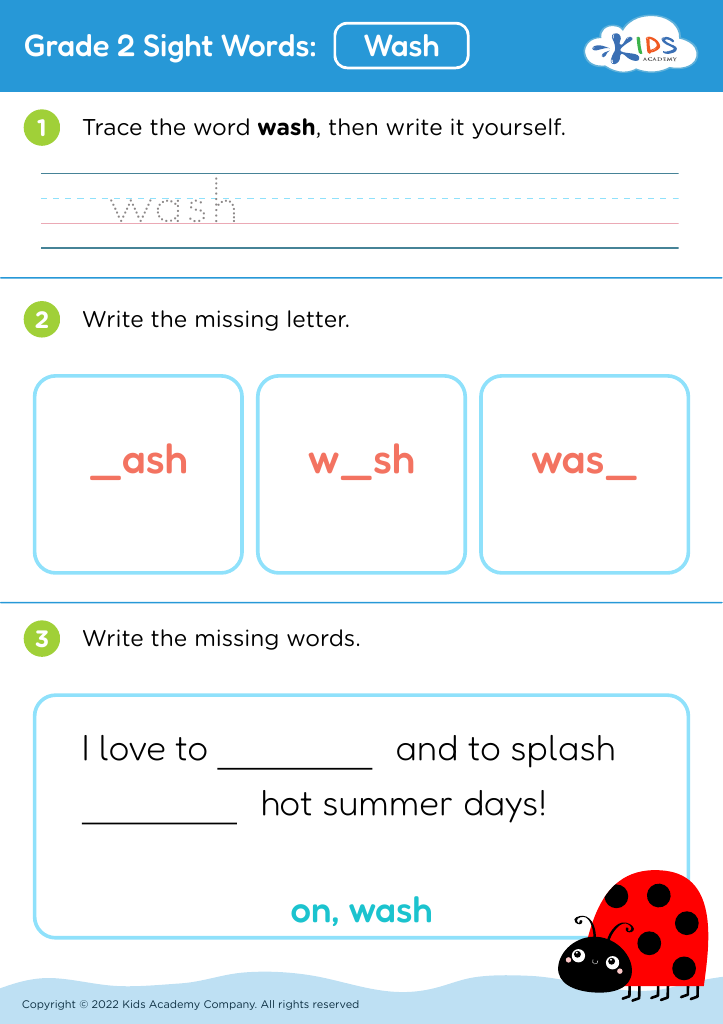
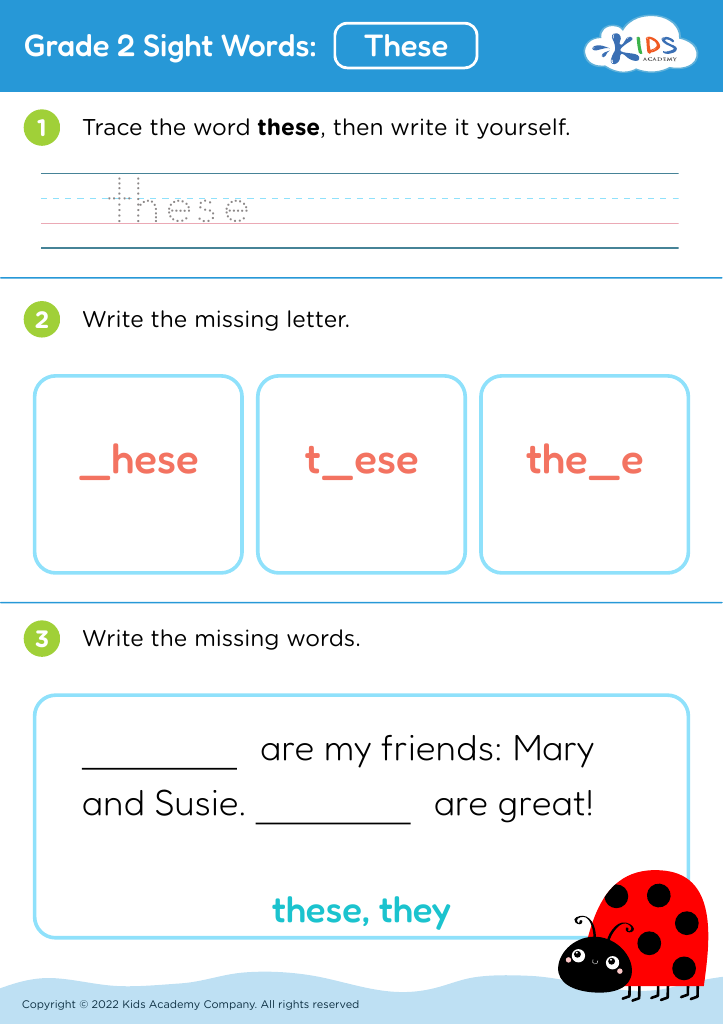







Logical thinking is a crucial skill for children ages 4-7, laying the groundwork for effective problem-solving, reasoning, and comprehension. During these formative years, children are naturally curious and actively engage with the world around them. Nurturing logical thinking helps them make connections, draw conclusions, and understand cause-and-effect relationships. Parents and teachers should prioritize this skill as it enhances academic performance and develops foundational abilities essential for future learning.
Logical thinking fosters creativity and critical thinking. By presenting children with simple puzzles, classification tasks, or open-ended questions, caregivers can encourage them to analyze situations, reflect on their reasoning, and explore multiple solutions. This not only boosts confidence but also promotes independence and resilience in facing challenges.
Furthermore, logical thinking has a significant role in social development. As children learn to reason and interpret others' perspectives, they improve their communication skills and emotional intelligence, essential for building relationships.
Incorporating logic-based activities into daily routines helps create a stimulating environment that encourages exploration and inquiry. Ultimately, fostering logical thinking during these early years sets the stage for lifelong learning, enabling children to navigate a complex world equipped with critical thinking skills they need to thrive.








