Phonics practice Worksheets for Ages 4-7
24 filtered results
-
From - To
Discover our engaging Phonics Practice Worksheets designed specifically for children aged 4-7. These resources help young learners develop essential reading and writing skills through fun and interactive activities. Each worksheet focuses on phonemic awareness, letter sounds, and blending techniques, making it easier for kids to grasp the building blocks of language. Our printable worksheets are colorful and appealing, encouraging children to practice independently or with parental guidance. Perfect for homeschooling or supplementing classroom learning, our phonics resources ensure that your child develops confidence in their reading abilities while enjoying the process. Start enhancing your child's literacy journey today!
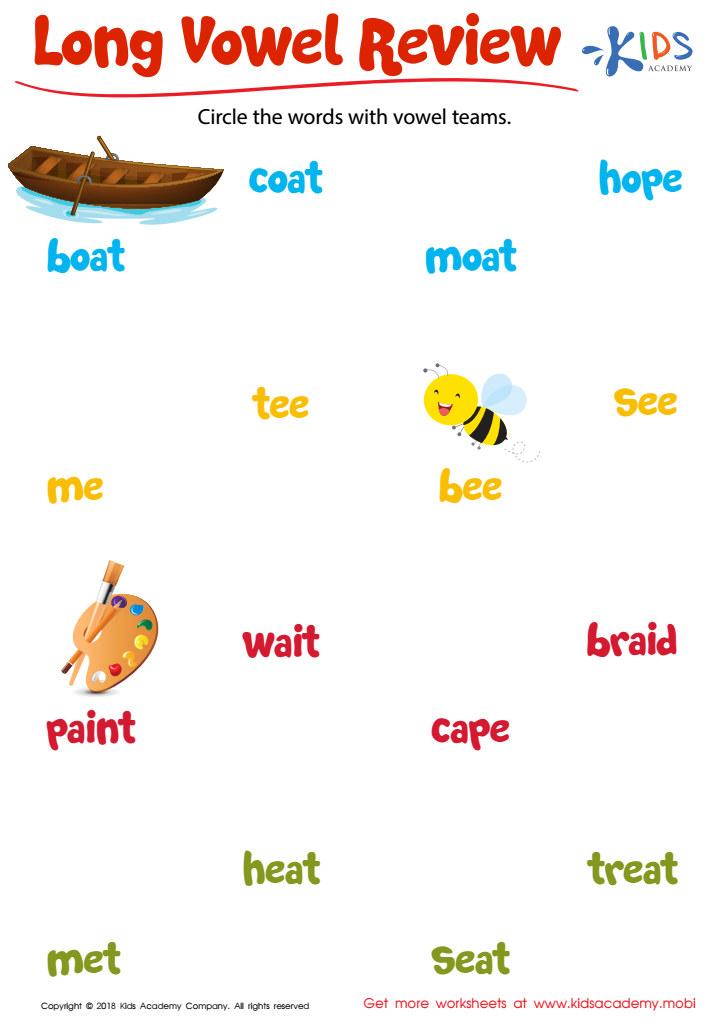
Long Vowel Review Worksheet
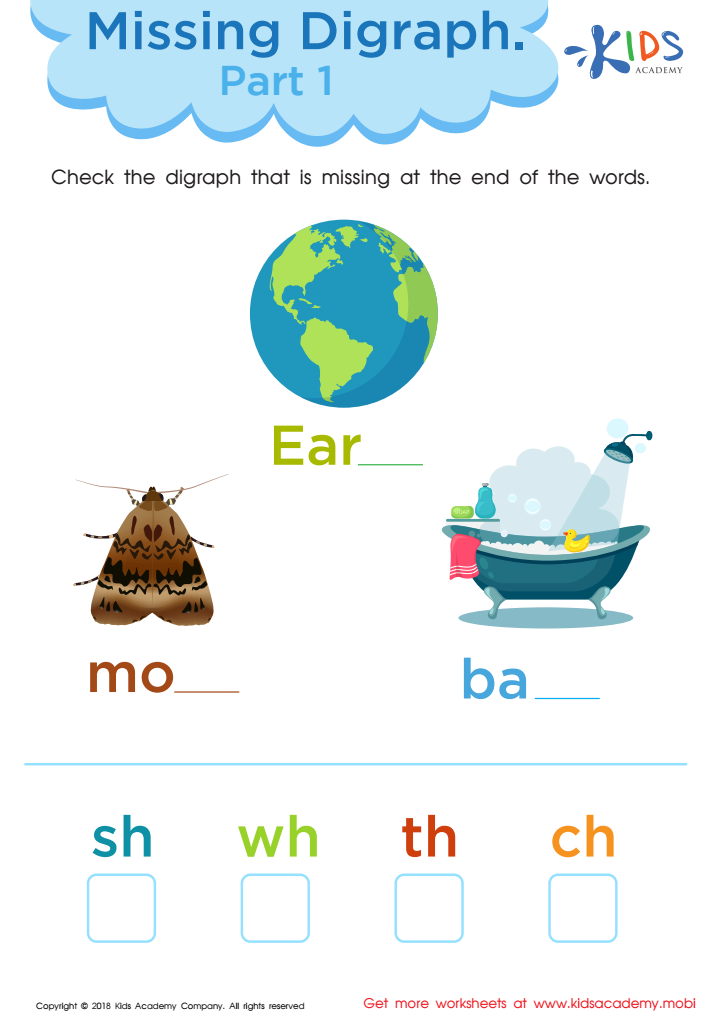
Missing Digraph: Part 1 Worksheet
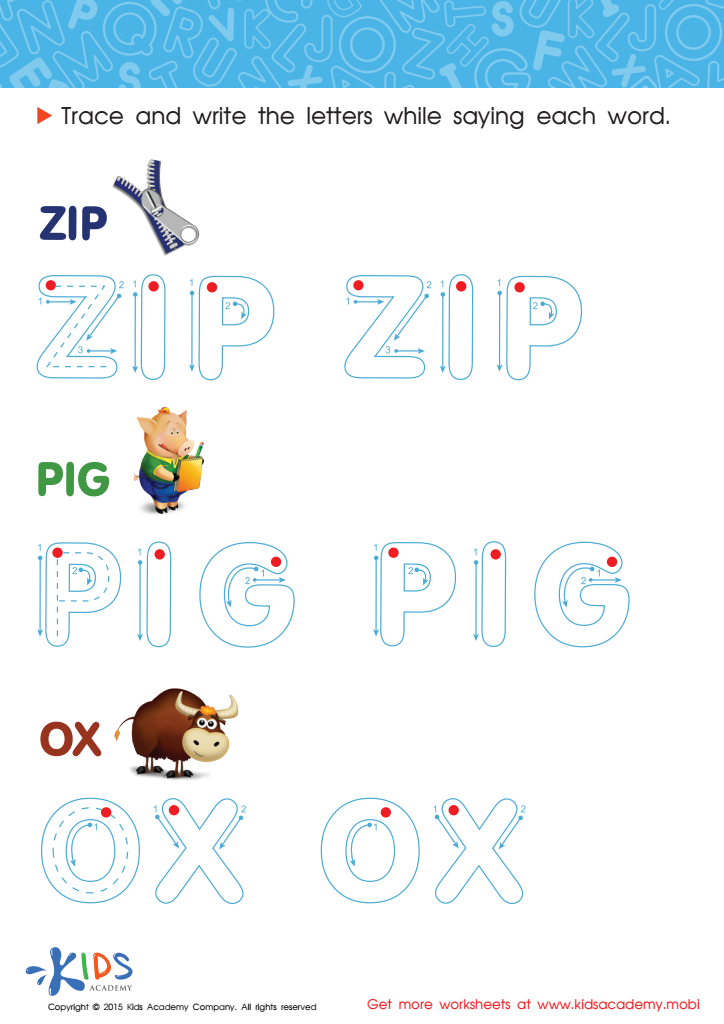
A Zip, a Pig and an Ox Spelling Worksheet
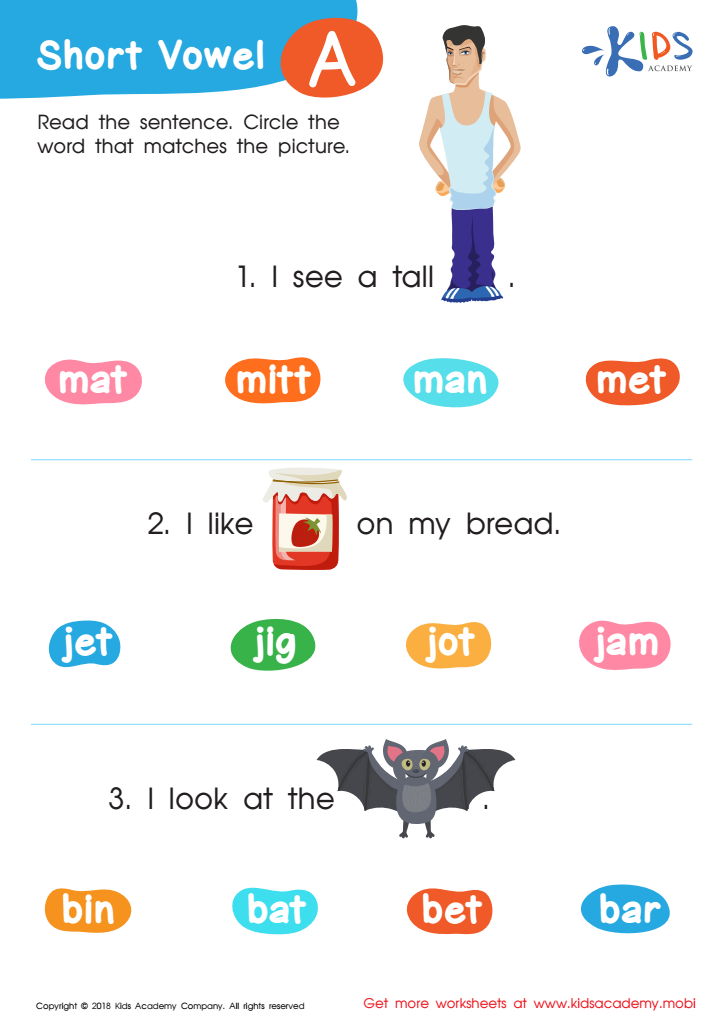
Short Vowel /a/ Worksheet
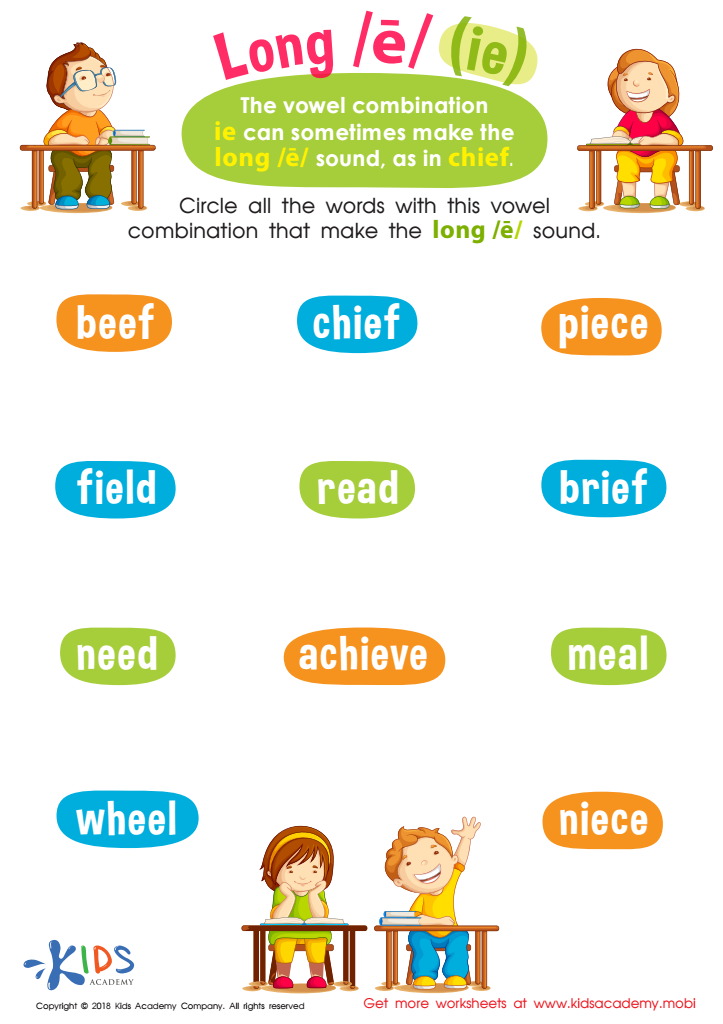
Reading: Long E and IE Worksheet
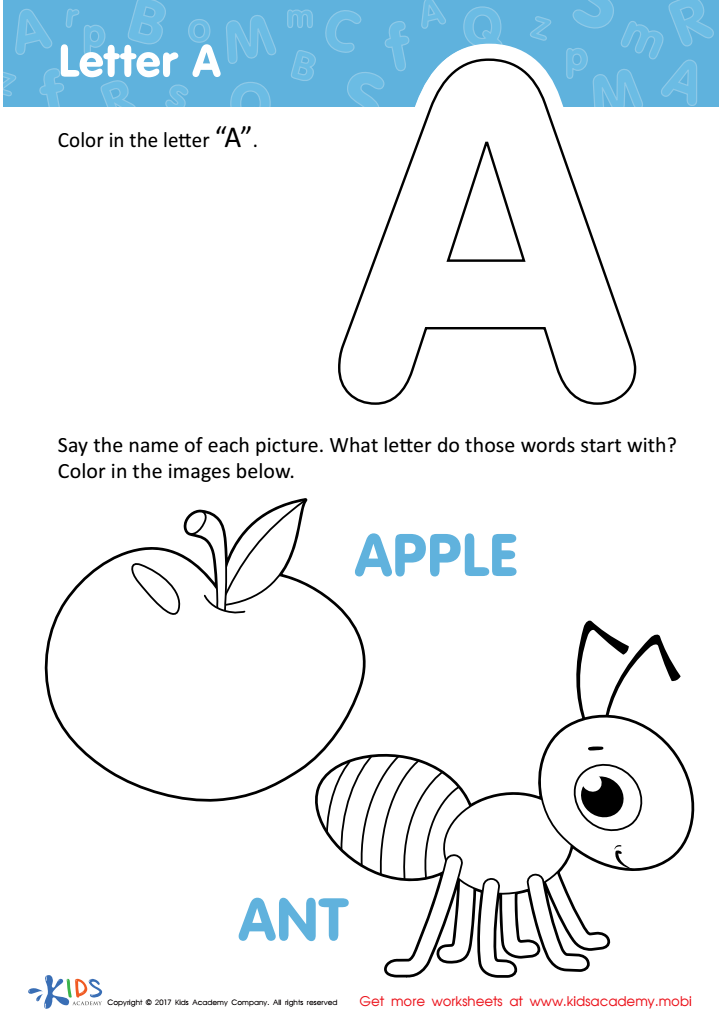
Letter A Coloring Sheet
 Assign to My Students
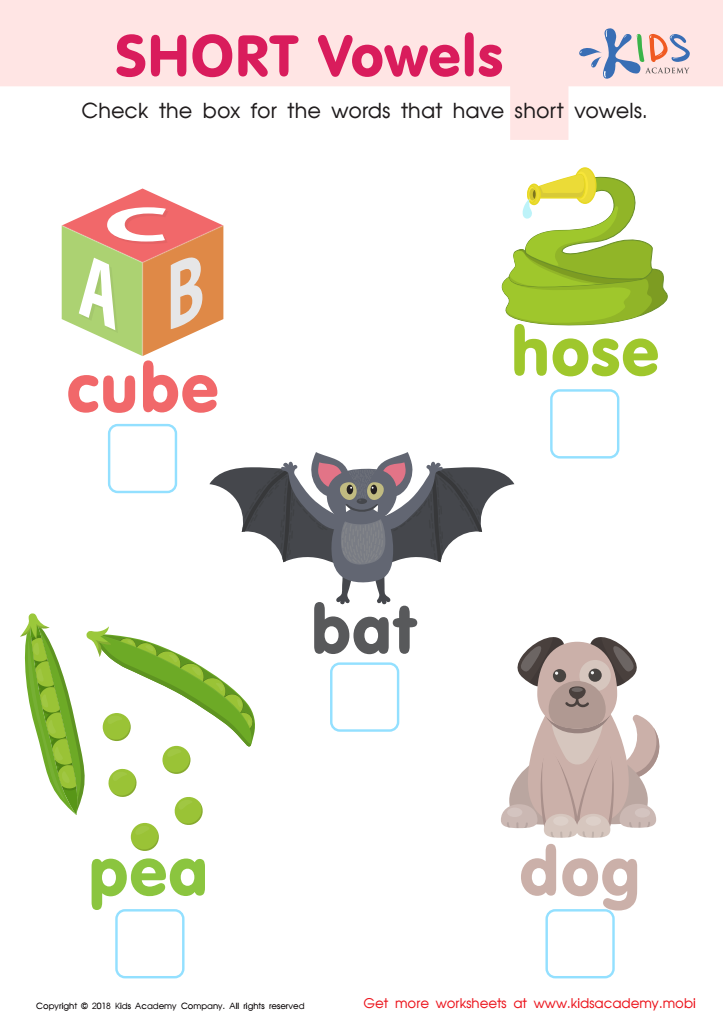
short vowels Worksheet
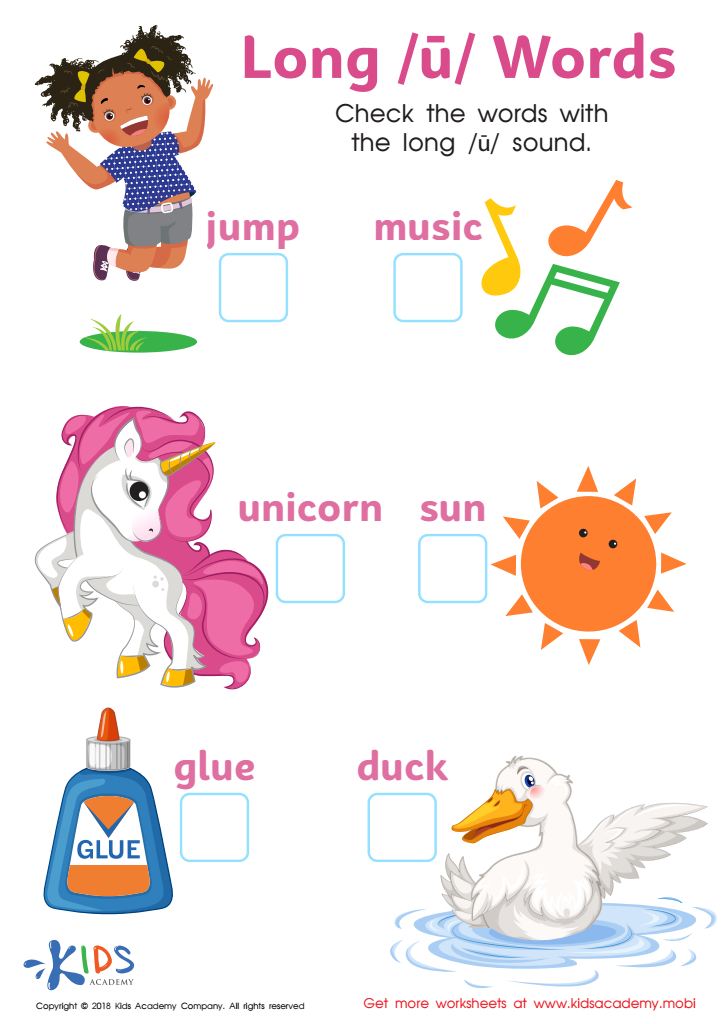
Long U Words Reading Worksheet
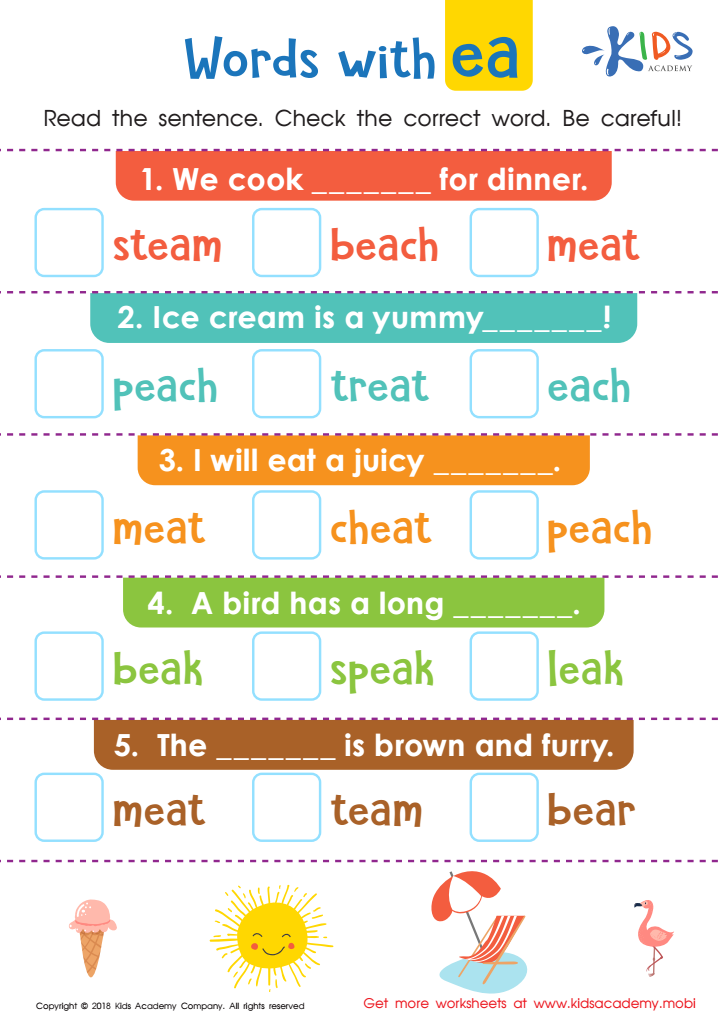
Words with ea Worksheet
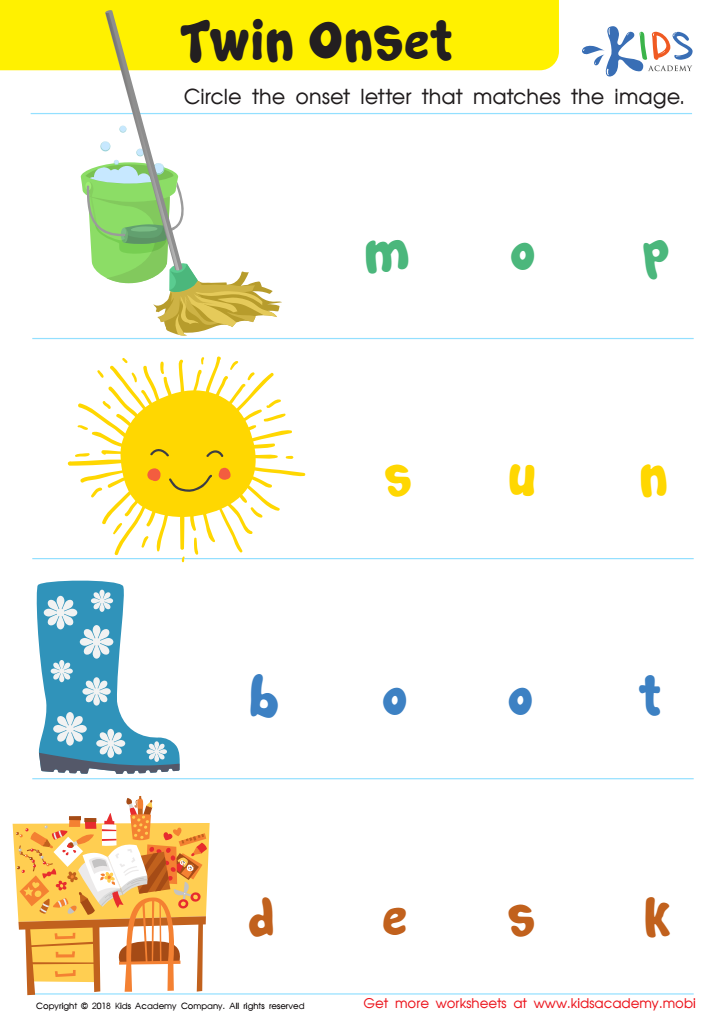
Twin Onset Worksheet
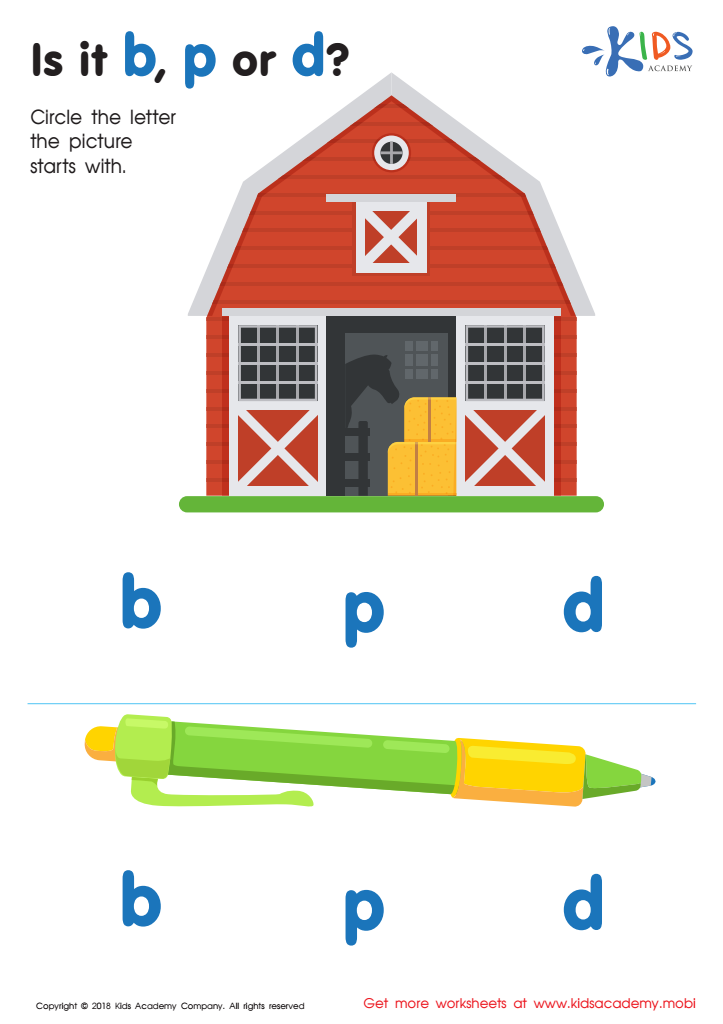
Is it b, p or d? Worksheet
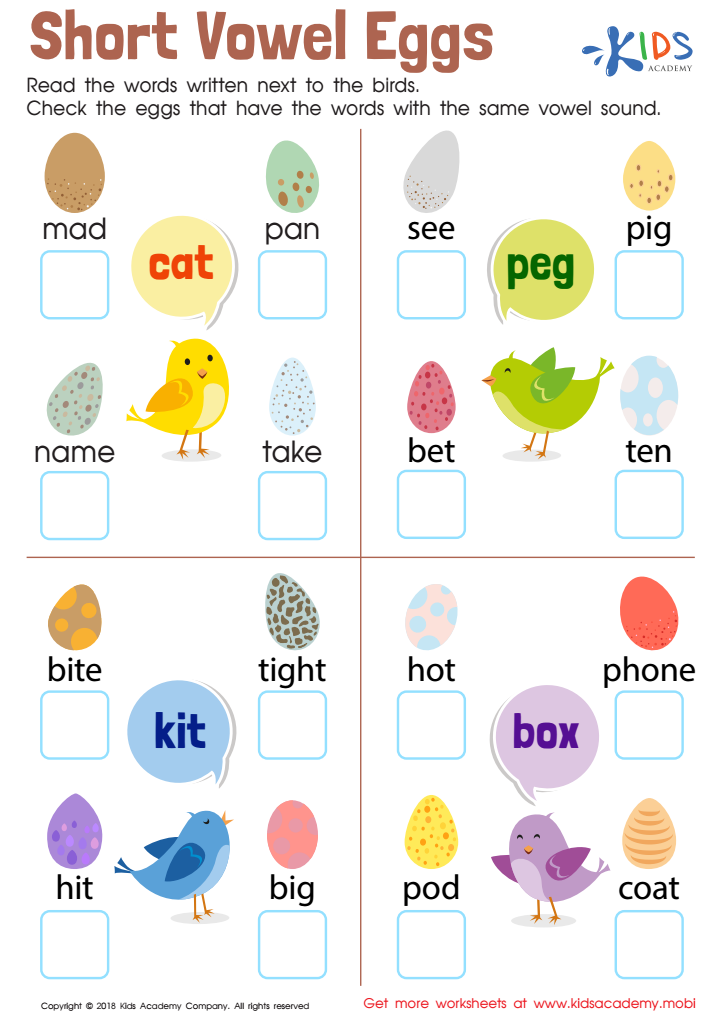
Short Vowel Eggs Worksheet
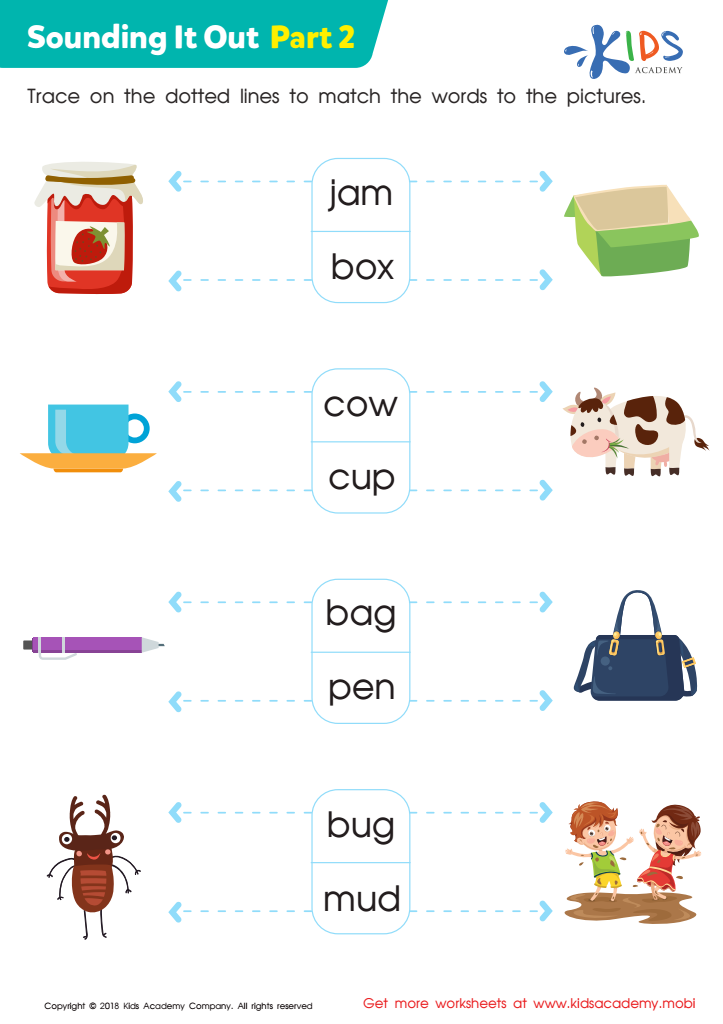
Sounding it Out: Part 2 Worksheet
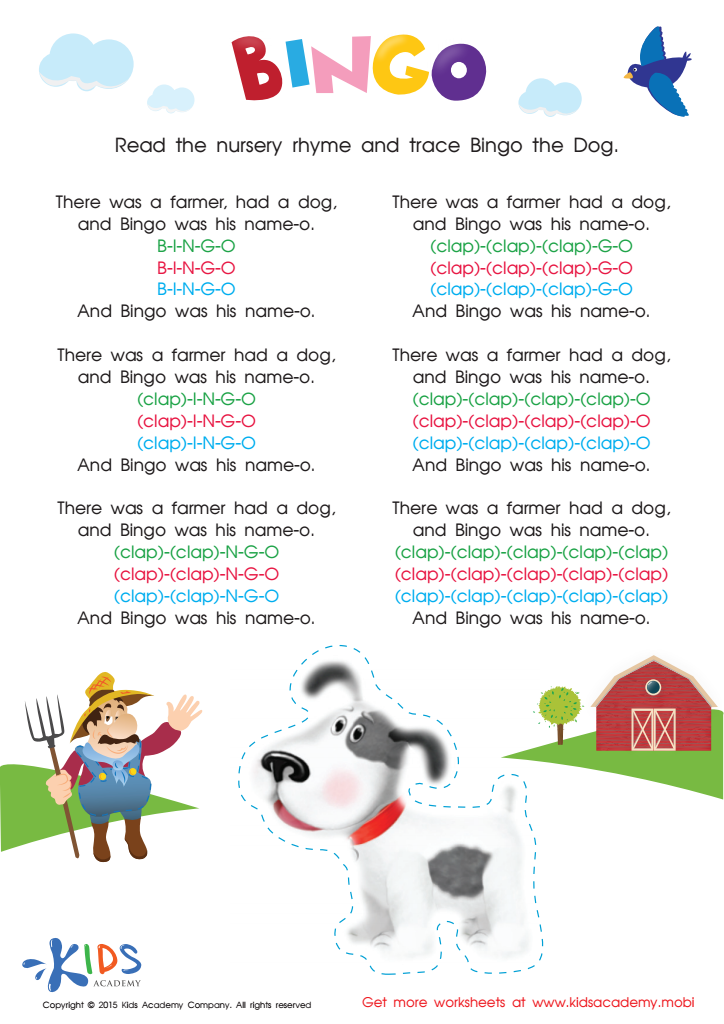
Nursery Rhymes: The Bingo Song Worksheet
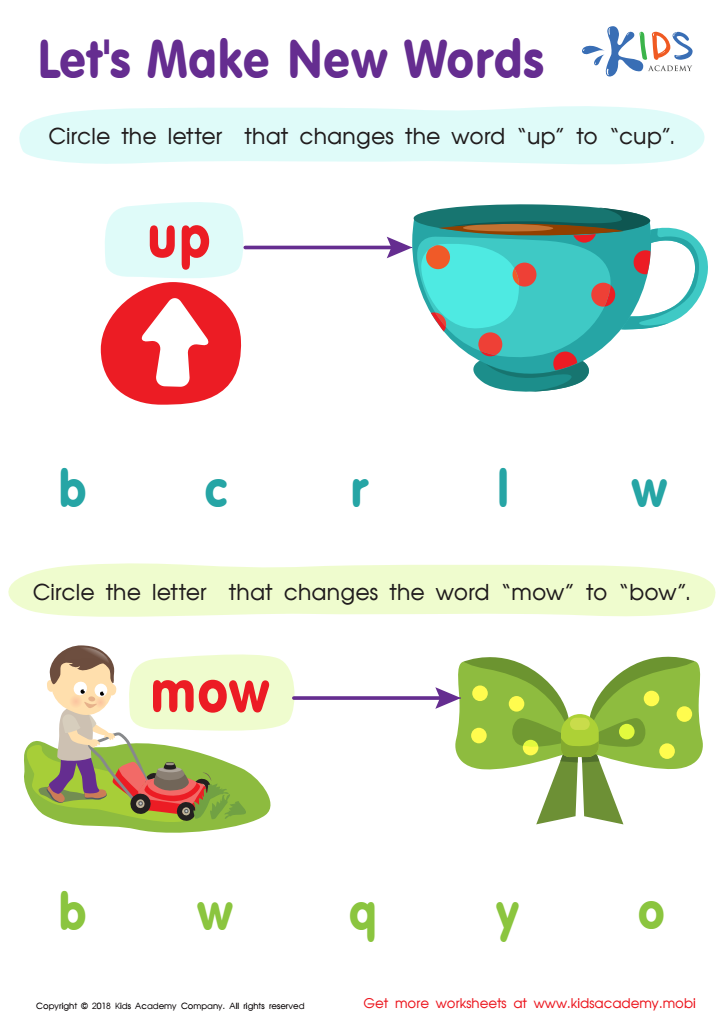
Let's Make New Words Worksheet
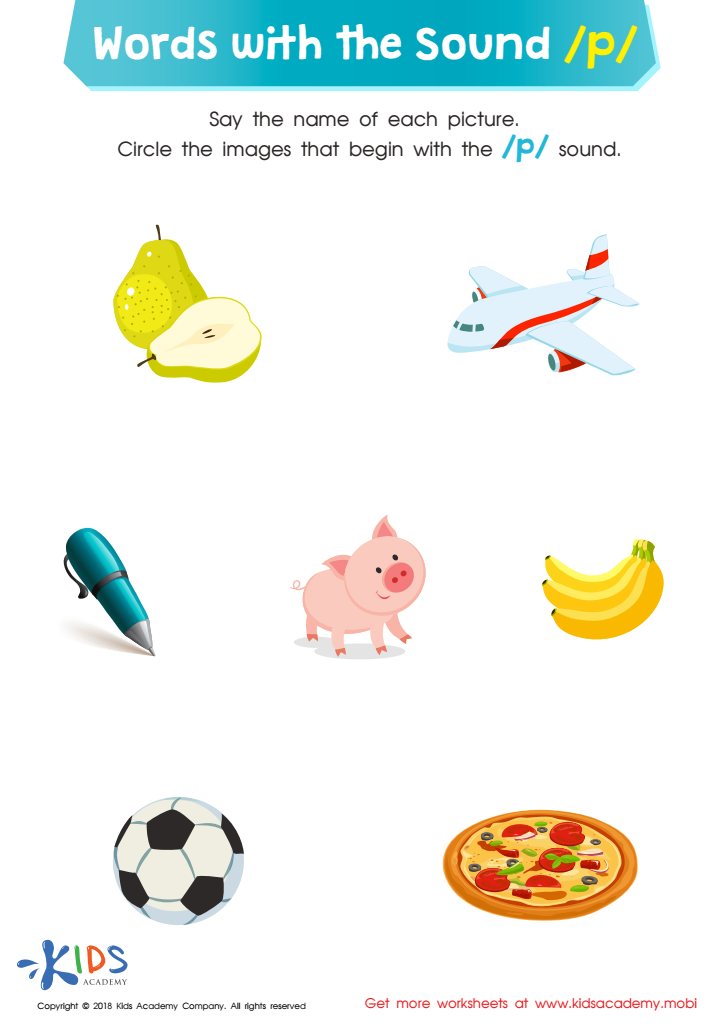
Words with sound p Reading Worksheet
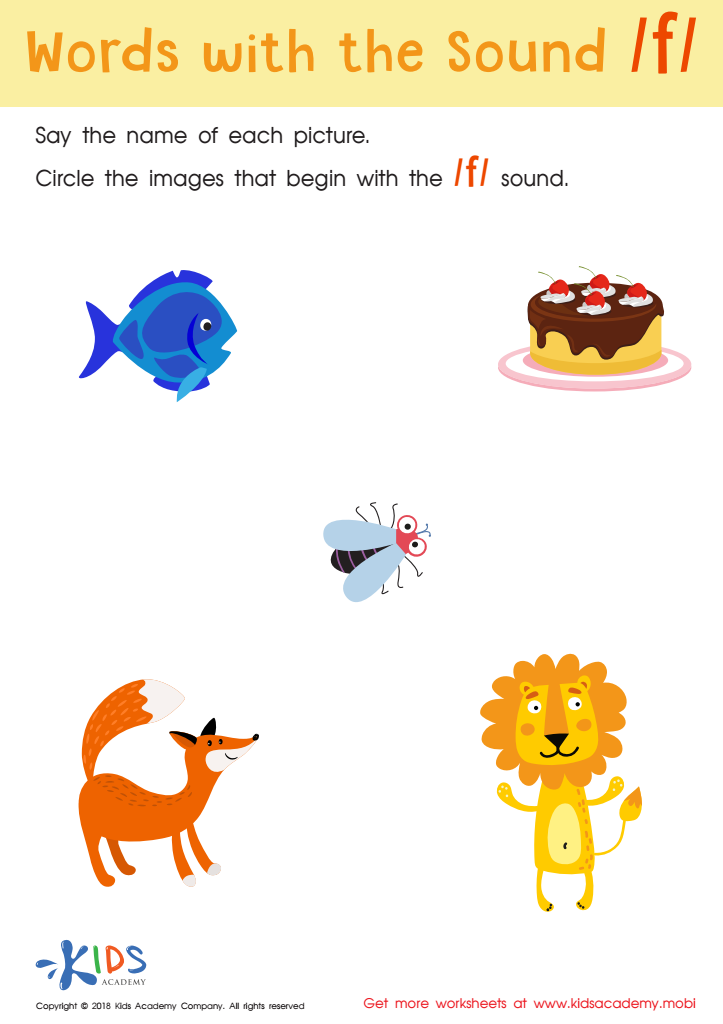
Words with sound f Reading Worksheet
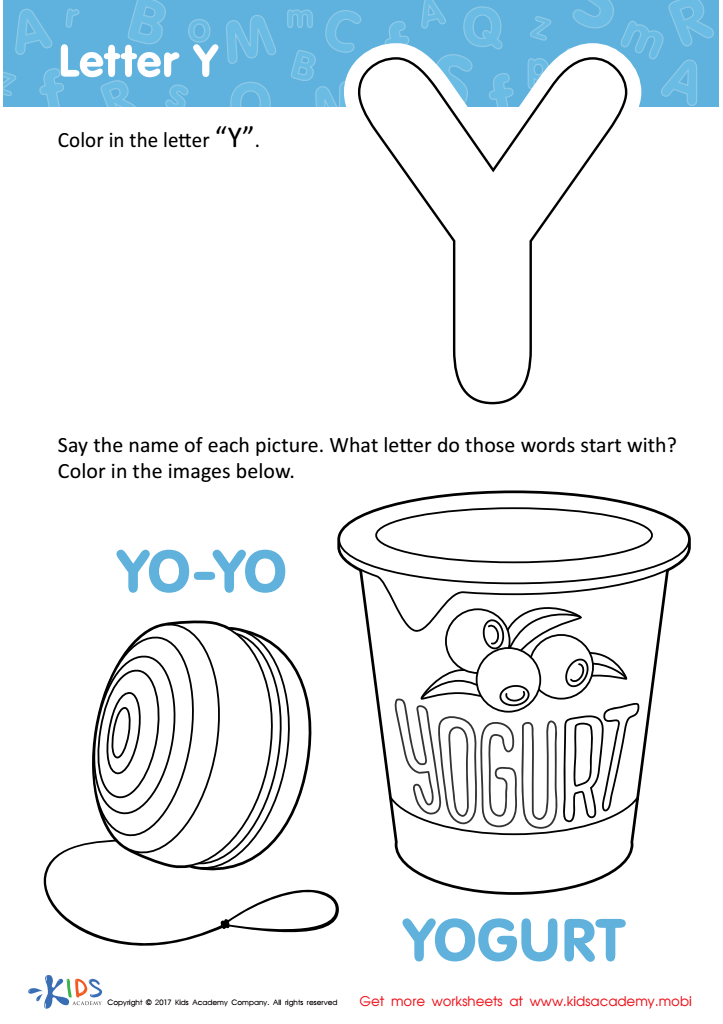
Letter Y Coloring Sheet
Assign to My Students
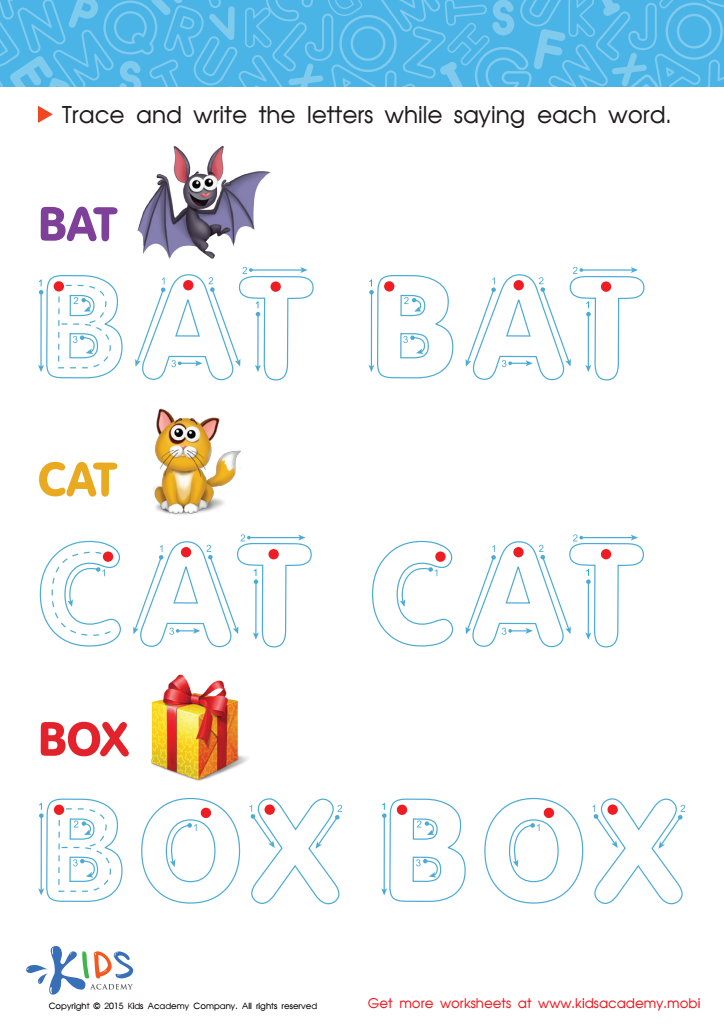
A Bat, a Cat and a Box Spelling Worksheet
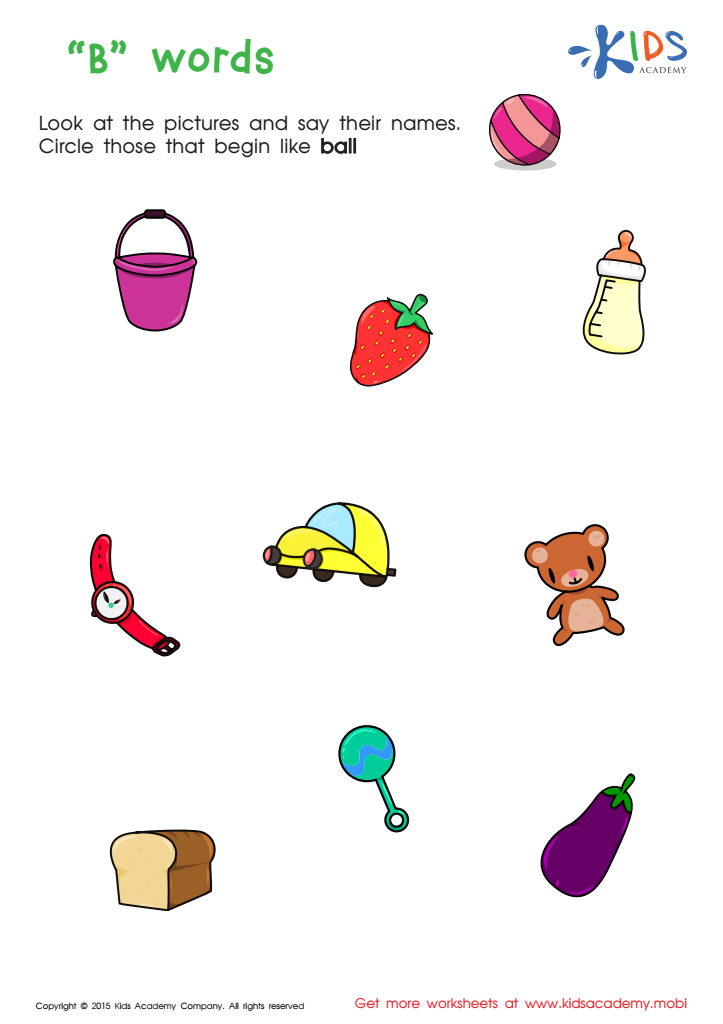
First Words Worksheet
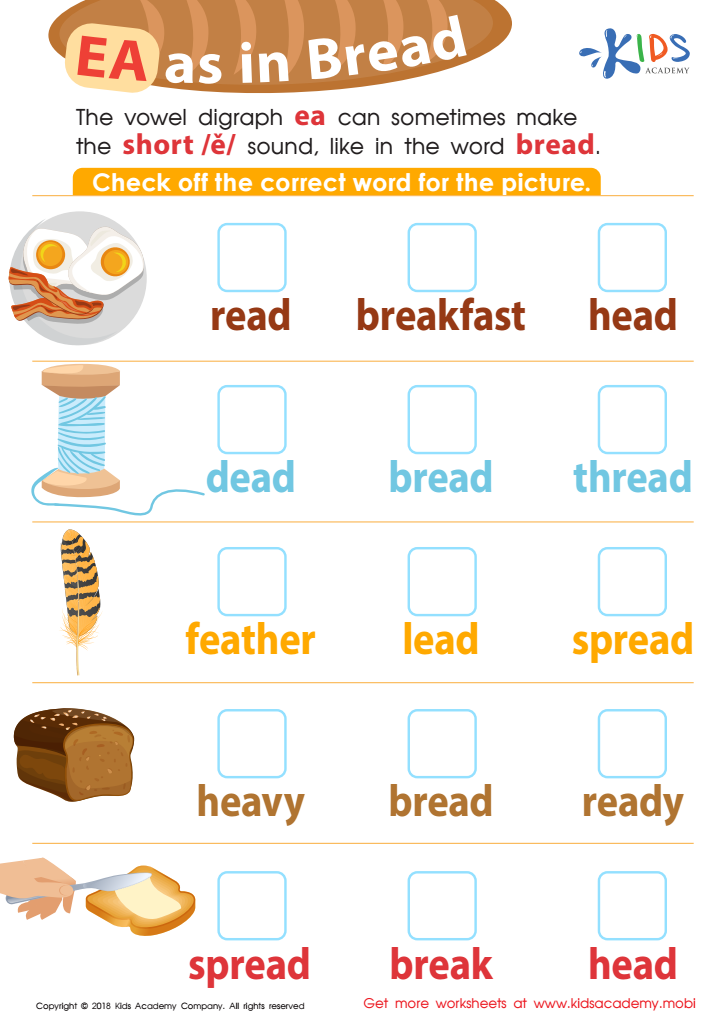
Reading: EA as in Bread Worksheet
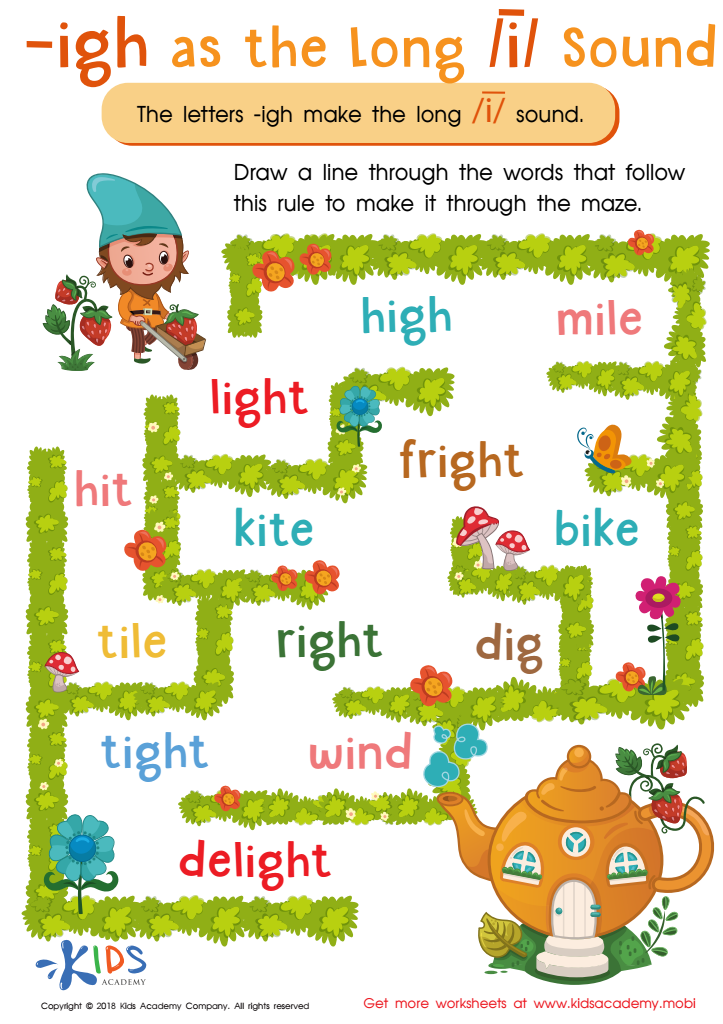
Reading: IGH as Long I Worksheet
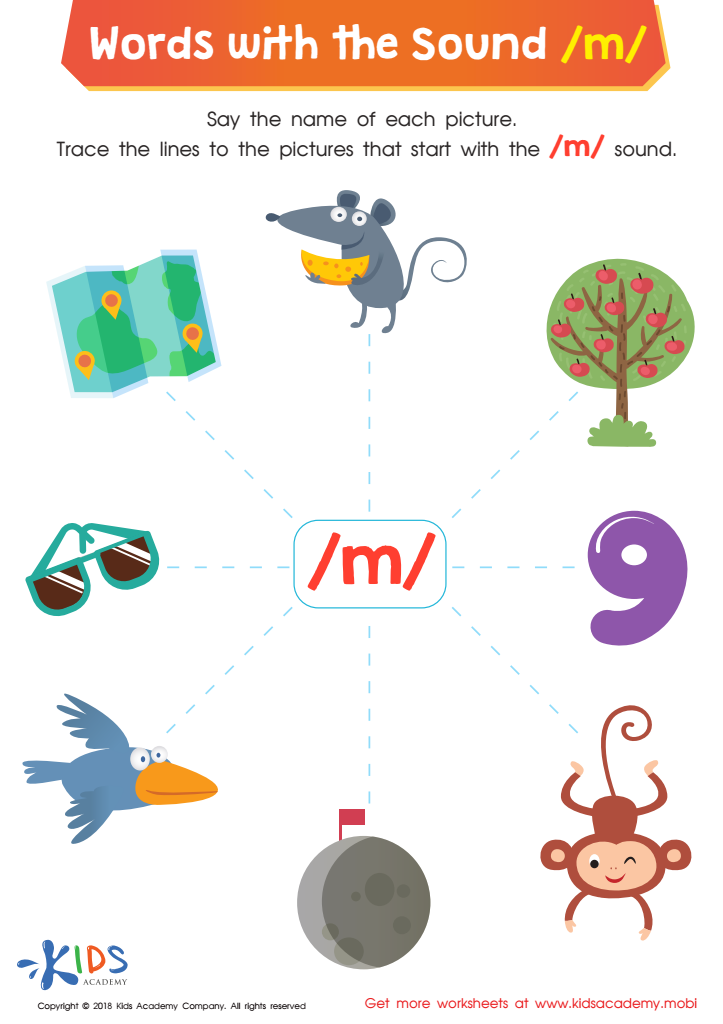
Words with Sound M Reading Worksheet
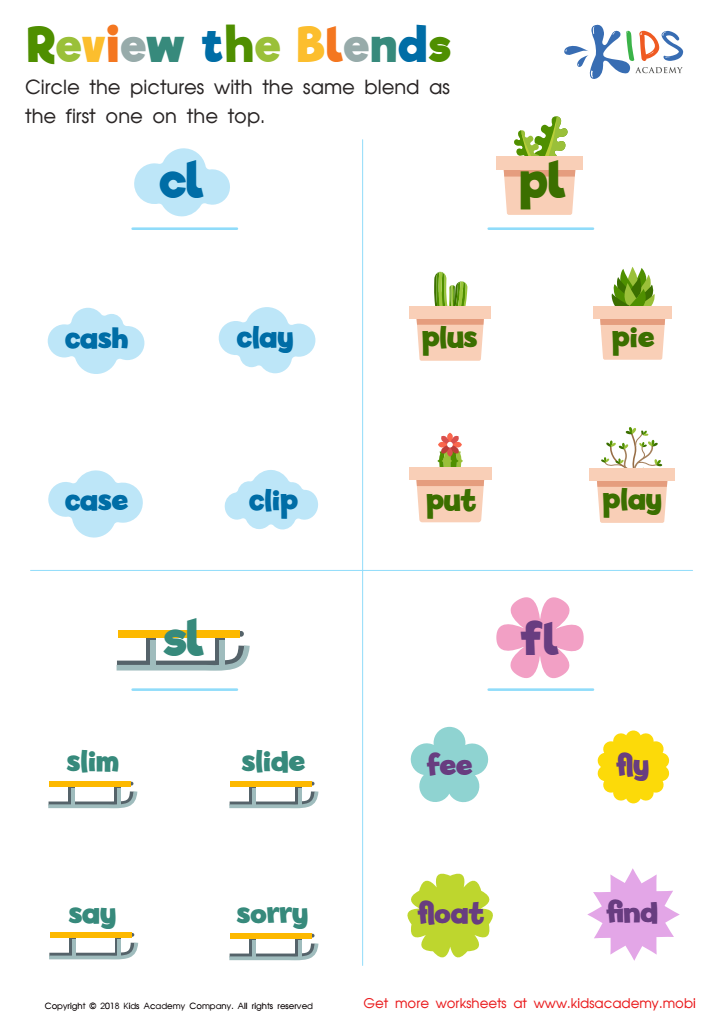
Review the Blends Worksheet







Phonics practice is crucial for children aged 4-7 as it lays the foundation for reading and writing. During these early years, children are beginning to develop essential language skills, and phonics provides them with an understanding of the relationship between letters and sounds. This skill is foundational for decoding words, which is vital for reading fluency and comprehension. When children grasp phonics, they gain confidence in their reading abilities, making them more likely to engage with texts.
Moreover, phonics practice supports spelling and writing development, allowing children to express themselves more effectively. It helps them recognize word patterns and apply rules consistently as they expand their vocabulary. Parents and teachers who emphasize phonics can help children build these critical skills through engaging activities that promote a love of reading.
Furthermore, a strong phonics foundation is associated with better academic performance in later grades. By investing time in phonics during these formative years, parents and teachers not only enhance literacy skills but also foster a lifelong appreciation for reading. This plays a significant role in students' overall educational success, social development, and confidence as learners, making phonics practice a priority for early childhood educators and caregivers alike.








