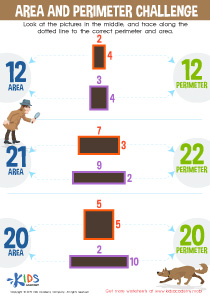
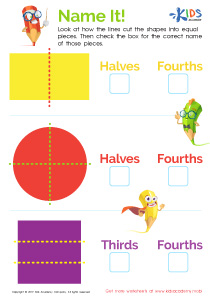
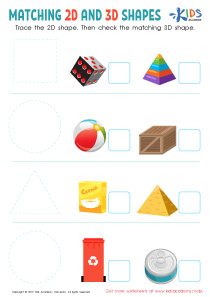
Critical Thinking 2D Shapes Worksheets for Ages 4-7
5 filtered results
-
From - To
Explore our engaging "Critical Thinking 2D Shapes Worksheets" designed specifically for children ages 4-7! These interactive worksheets foster essential critical thinking skills while introducing young learners to vibrant 2D shapes. Through fun activities, kids will identify, categorize, and manipulate shapes, enhancing their understanding of geometry. Our resources promote problem-solving abilities and creative thinking, making learning enjoyable and effective. Perfect for home or classroom use, these worksheets encourage exploration and discovery, helping children build a strong foundation in math. Join us on this exciting educational adventure and ignite a passion for learning in your little ones today!
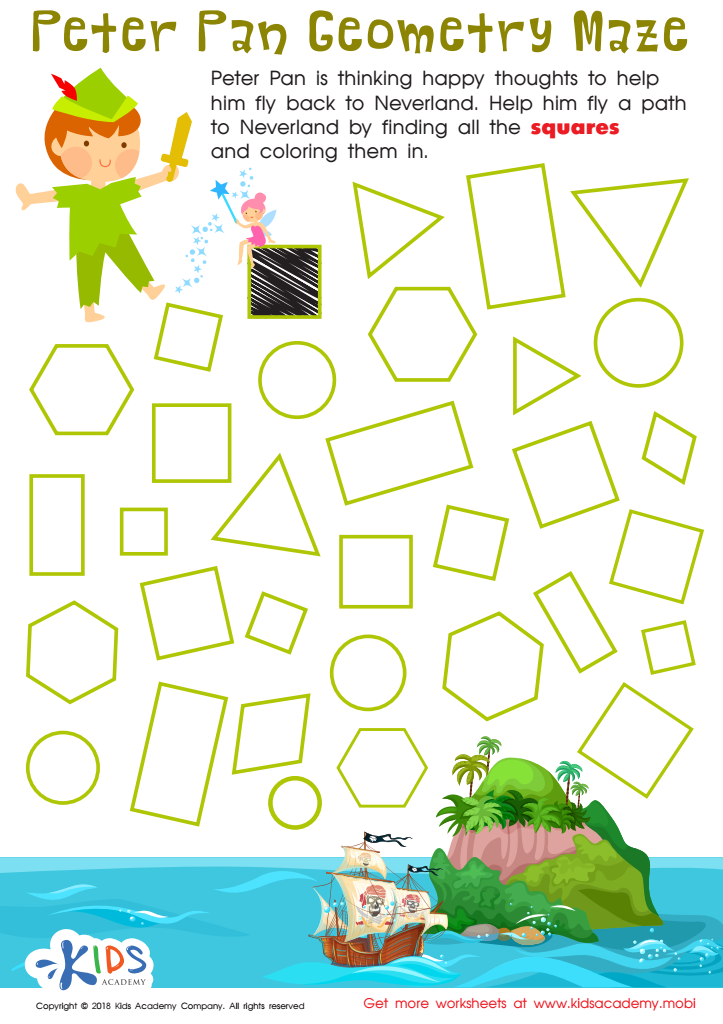
Peter Pan Worksheet
 Assign to My Students











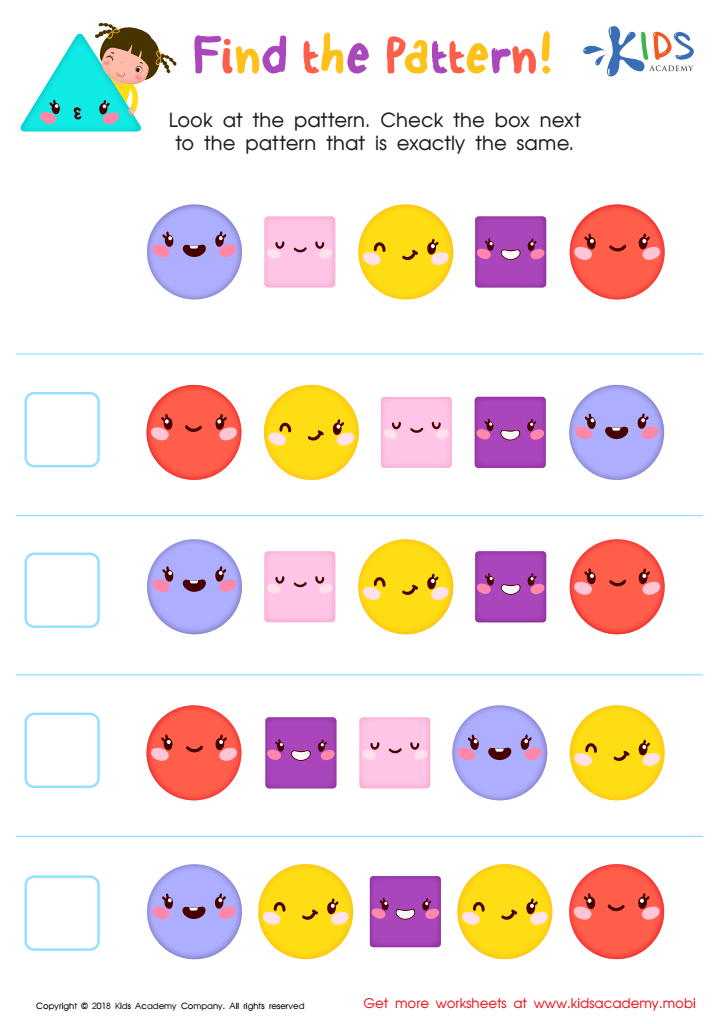
Find the Pattern Worksheet
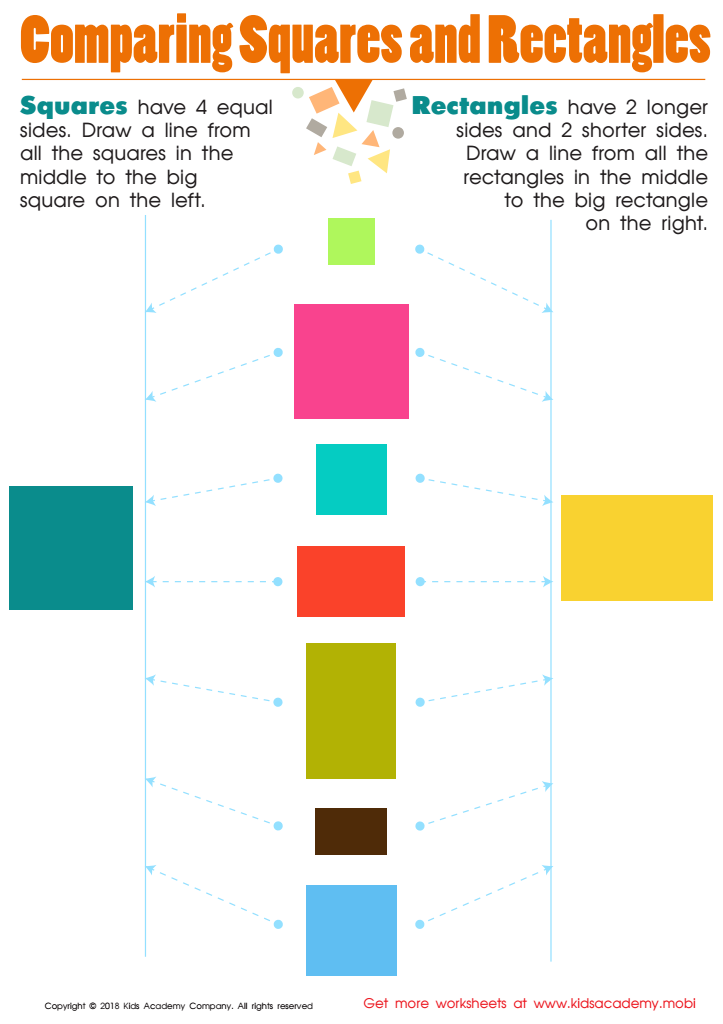
Comparing Squares Rectangles Worksheet
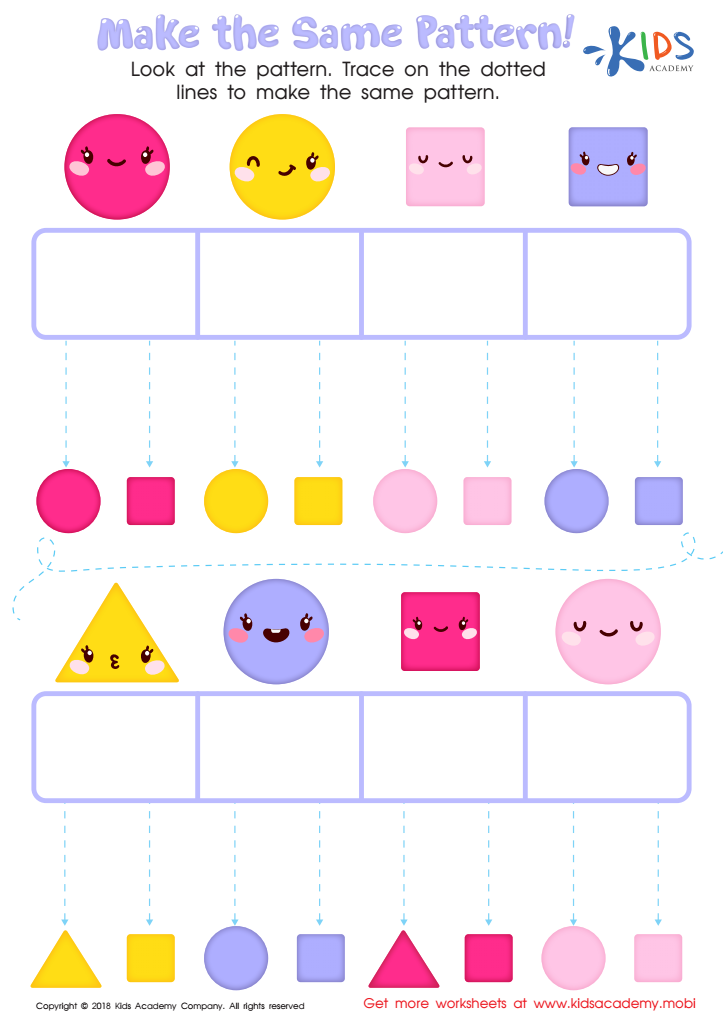
Make the Same Pattern Worksheet
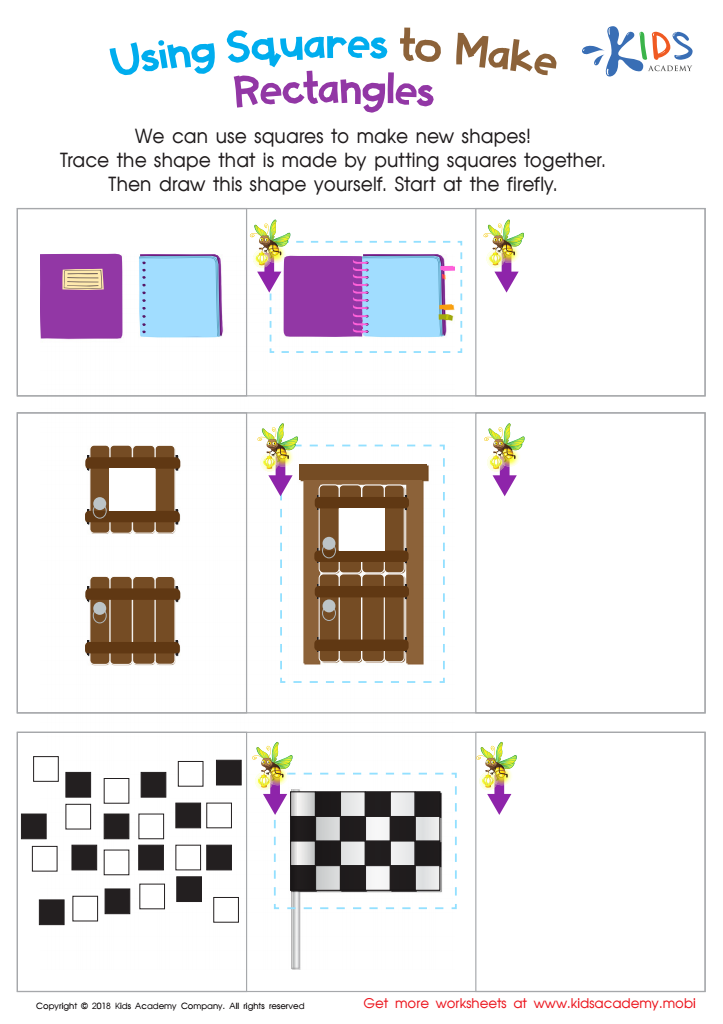
Using Squares to Make Rectangles Worksheet








Critical thinking skills are vital for young learners, particularly when engaging with foundational concepts like 2D shapes. Between ages 4-7, children's cognitive development surges, making it an ideal time for parents and teachers to instill critical thinking related to geometry. Understanding 2D shapes is more than memorizing names; it involves discerning properties, recognizing patterns, and comparing similarities and differences.
By promoting critical thinking regarding 2D shapes, children learn to analyze and problem-solve, skills that will benefit them in all areas of academia and everyday life. Activities involving shape identification encourage curiosity and exploration; for instance, asking children to categorize shapes based on color, size, or number of sides fosters analytical thinking. This foundation can enhance their ability to approach more complex Math and Science concepts in later grades.
Moreover, developing critical thinking skills in relation to geometry supports creativity. As children learn to visualize shapes and their relationships, they are encouraged to think outside the box, essential for innovation and imagination. Ultimately, parents and teachers play a crucial role in encouraging these skills, helping children become confident thinkers who are prepared to tackle future challenges.