
Practicing multiplication Numbers Worksheets for Ages 4-7
3 filtered results
Difficulty Level
Grade
Age
-
From - To
Subject
Activity
Standards
Help your young learners master multiplication with our engaging worksheets designed specifically for ages 4-7. These printable resources provide a fun and interactive way for children to practice essential multiplication skills through colorful and age-appropriate exercises. Our worksheets cover basic multiplication concepts using visual aids, simple problems, and creative activities that make learning enjoyable. By using these practicing multiplication worksheets, kids will build a solid foundation in math while developing confidence in their abilities. Perfect for homeschooling or classroom use, these resources ensure that children gain the necessary skills to succeed in math as they grow. Start their multiplication journey today!
Favorites
With answer key
Interactive
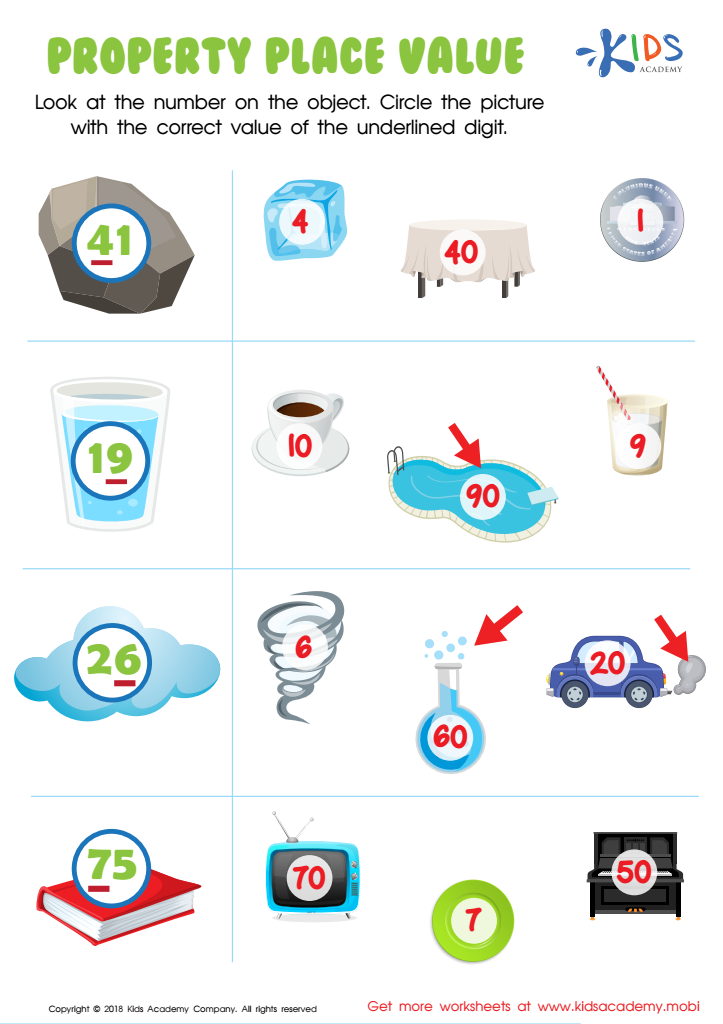
Property Place Value Worksheet
Help your child learn place value with this engaging worksheet! Kids Academy knows that colorful pictures motivate learners. Instruct them to name the place value of the underlined numbers on the left. Then, look through the images on the right to find the numbers that represent the indicated place value.
 Assign to My Students
Property Place Value Worksheet
Worksheet
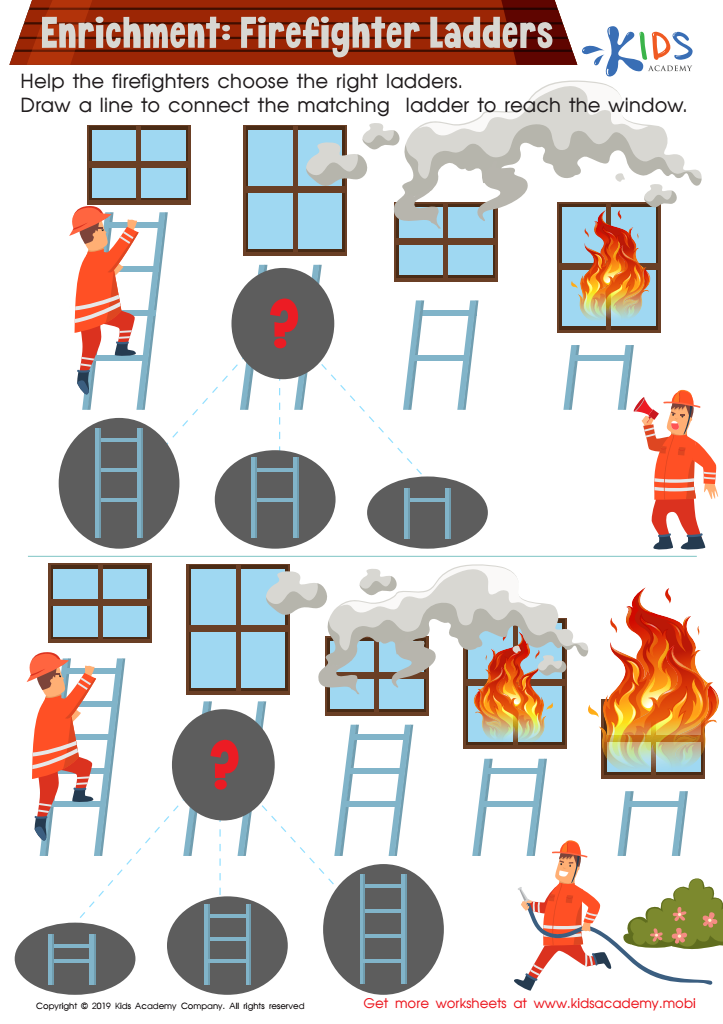
Enrichment: Firefighter Ladders Worksheet
Firefighters are vital to their communities. If your kids want to become firefighters, they'll love this worksheet. Ask them to spot the firemen in the picture. Then, help the firemen pick the right ladders to reach the windows. Draw lines to connect the ladders that match. It's a great learning activity!
Enrichment: Firefighter Ladders Worksheet
Worksheet
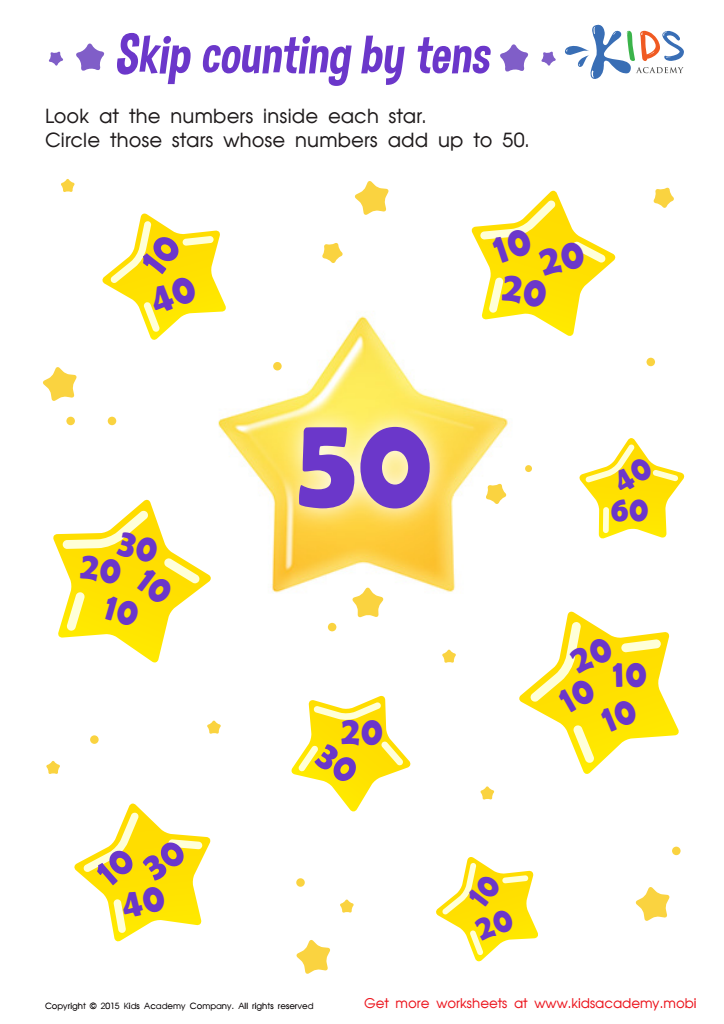
Learn Dozens: Skip Counting by Tens Printable
This skip counting by 10 worksheet helps kids strengthen fluency, practice addition & build number sense. They'll use problem-solving skills to find the correct answer, which is revealed by stars. This worksheet is a fun way to practice crucial foundational math skills.
Learn Dozens: Skip Counting by Tens Printable
Worksheet
Join Kids Academy for Free
Who is primarily going to use this learning content?





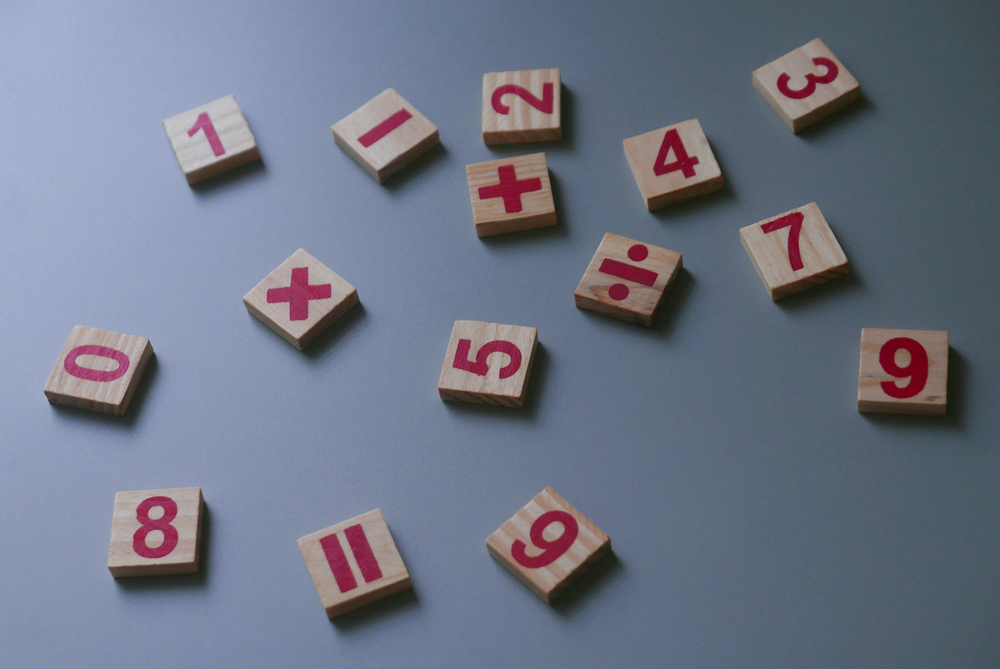


Practicing multiplication for children aged 4-7 is crucial for several reasons. At this young age, children are developing foundational numeracy skills that will serve them throughout their education. Early exposure to multiplication concepts leads to a stronger understanding of math, helping children grasp more complex topics later on, such as division, fractions, and even algebra.
Additionally, multiplication itself is a building block of mathematics. By introducing it early, parents and teachers can foster a positive attitude towards math, reducing anxiety and encouraging children to approach challenges with confidence. Engaging children in fun multiplication activities, like games and songs, makes the learning process enjoyable, increasing retention and motivation.
Moreover, practicing multiplication supports the development of critical thinking and problem-solving skills, as children learn to identify patterns and relationships between numbers. It's also beneficial for developing fine motor skills through hands-on activities and visual aids.
Ultimately, reinforcing multiplication skills in early years sets the stage for lifelong mathematical competence, laying the groundwork for academic success and everyday life scenarios where multiplication is applied. By investing time in these skills, parents and teachers can empower children to become confident learners in mathematics and beyond.








