Problem-solving abilities Numbers Worksheets for Ages 4-7
8 filtered results
-
From - To
Enhance your child's problem-solving skills with our engaging Numbers Worksheets, designed for ages 4-7. These worksheets focus on developing critical thinking through fun and interactive math challenges, empowering young learners to easily grasp essential concepts. Each activity promotes number recognition, counting, and basic math operations, ensuring a comprehensive understanding of numbers. Tailored to foster creativity and logical reasoning, these worksheets will inspire your child to approach problems with confidence. Whether at home or in the classroom, our Problem-solving Numbers Worksheets offer the perfect blend of education and enjoyment, setting a strong foundation for future math success. Discover the joy of learning today!
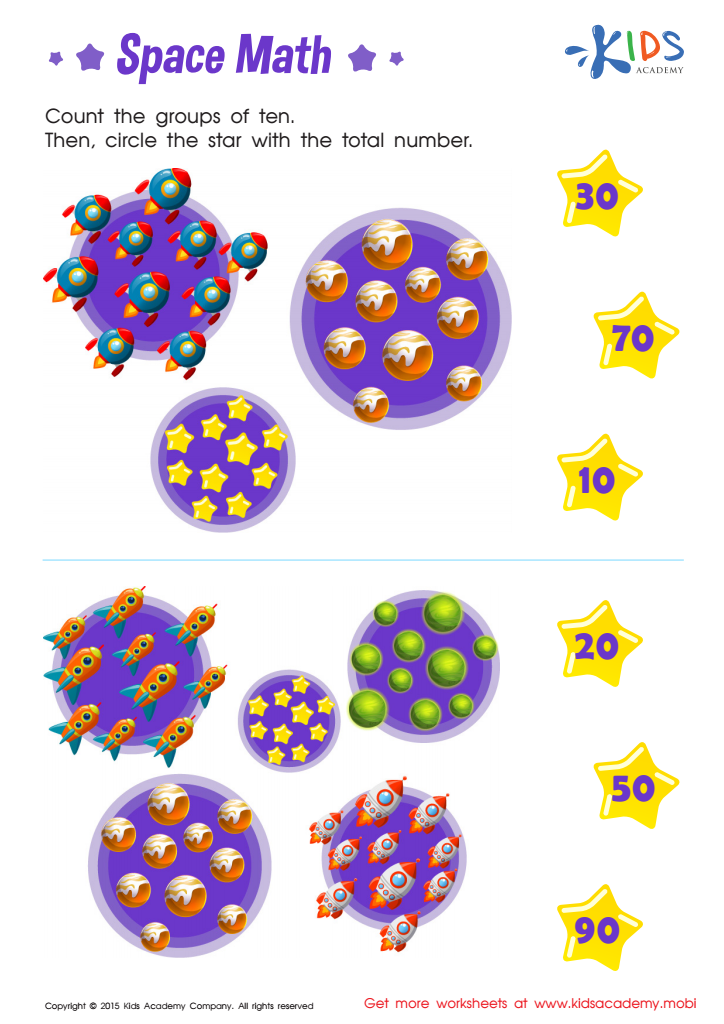
Learn dozens: Space math Worksheet
 Assign to My Students
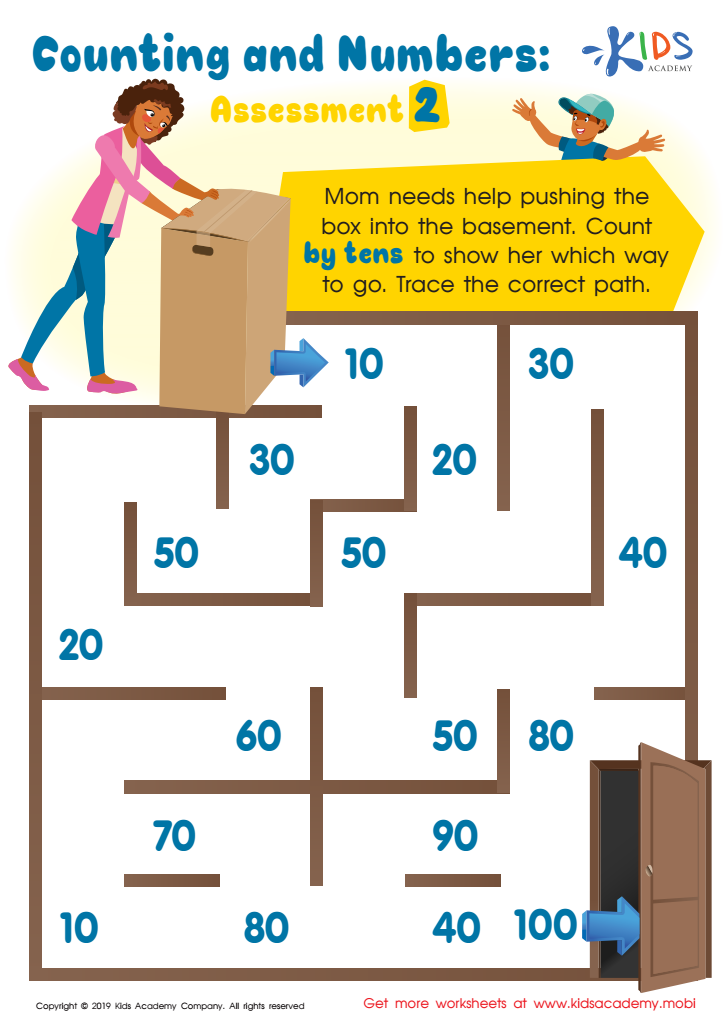
Counting and Numbers: Assessment 2 Worksheet
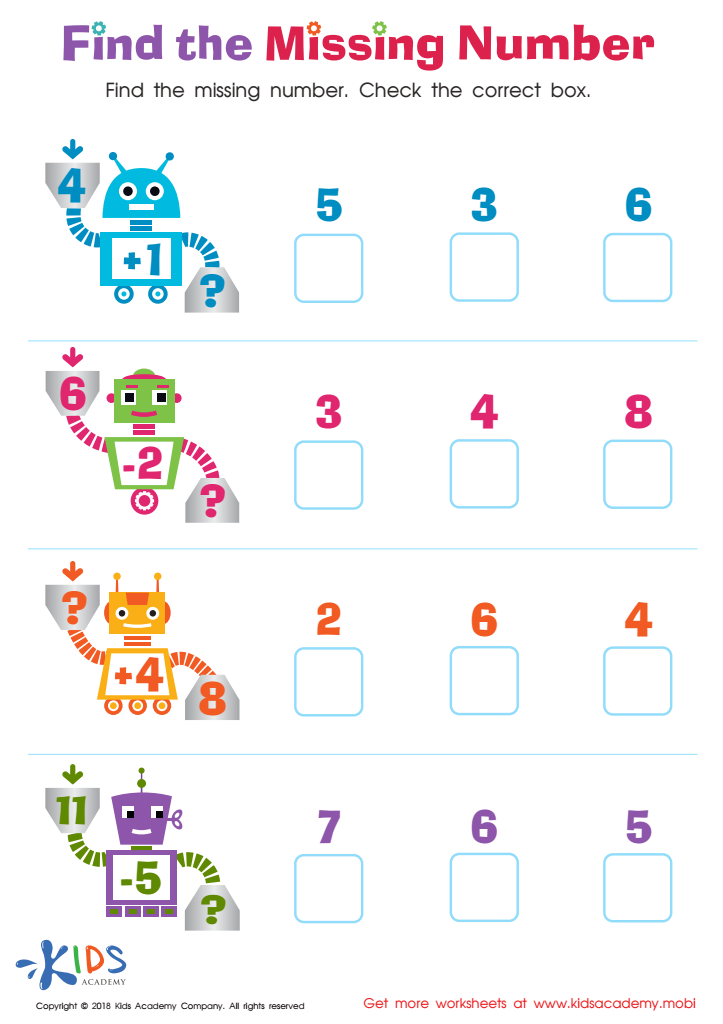
Find the Missing Number Worksheet
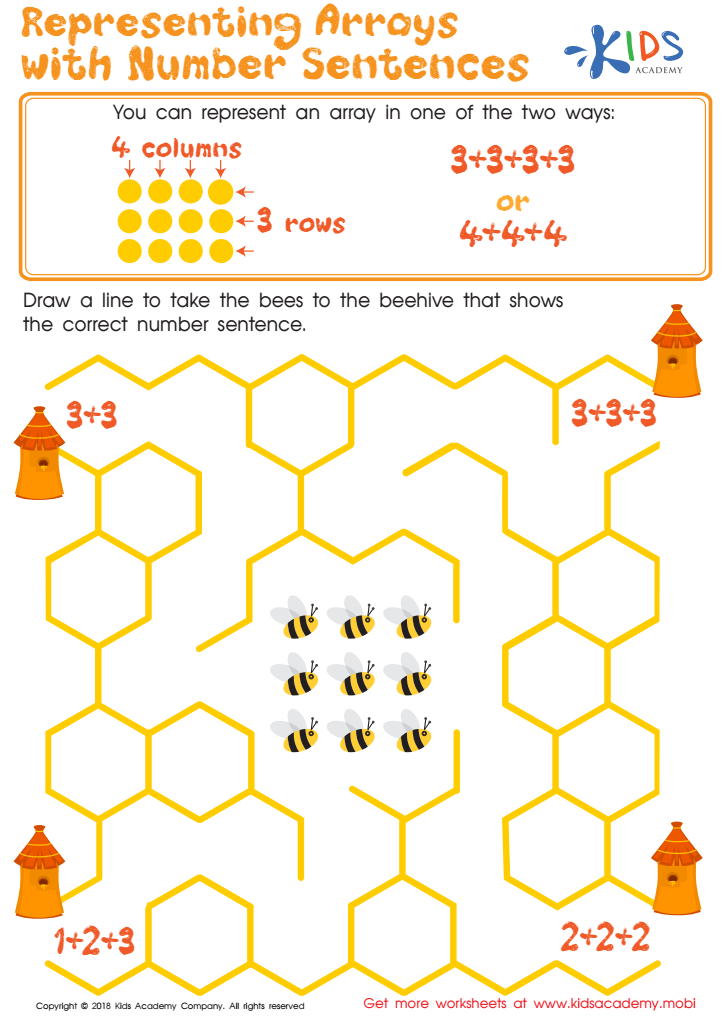
Representing Arrays with Number Sentences Worksheet

Sweet Shop – Counting Coins Worksheet
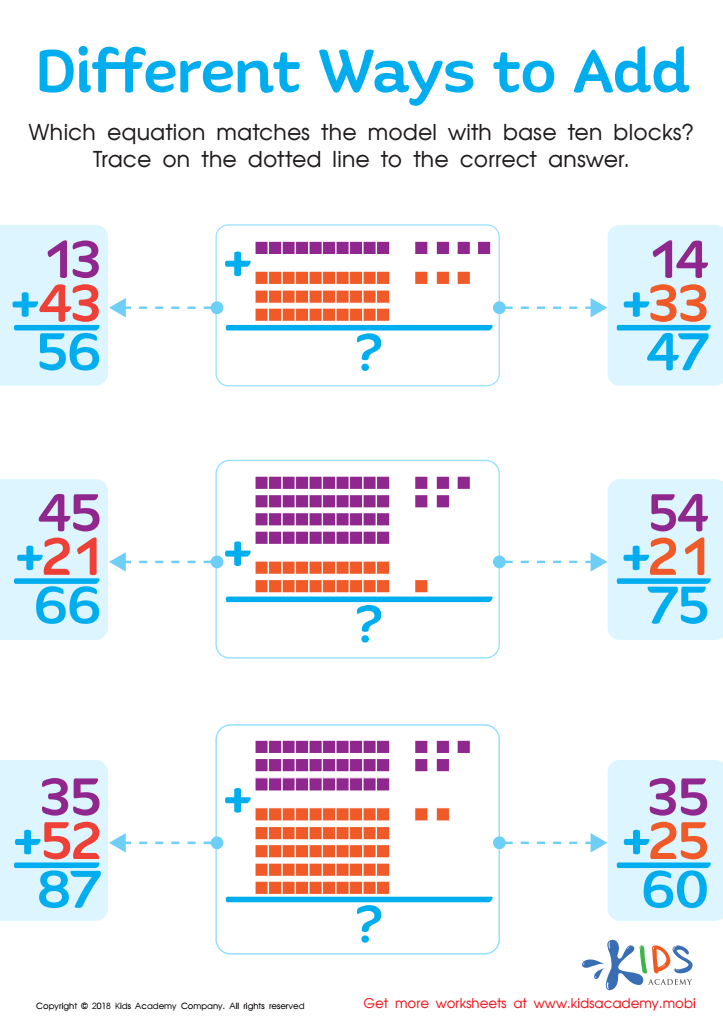
Different Ways to Add Worksheet
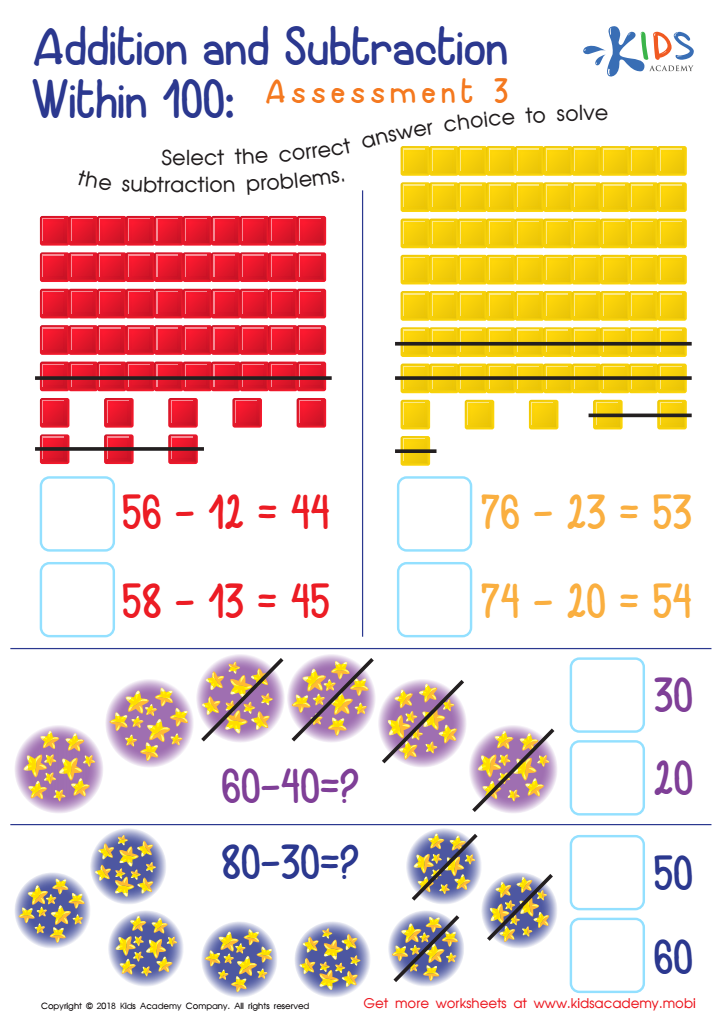
Addition and Subtraction Within 1: Assessment 3 Worksheet
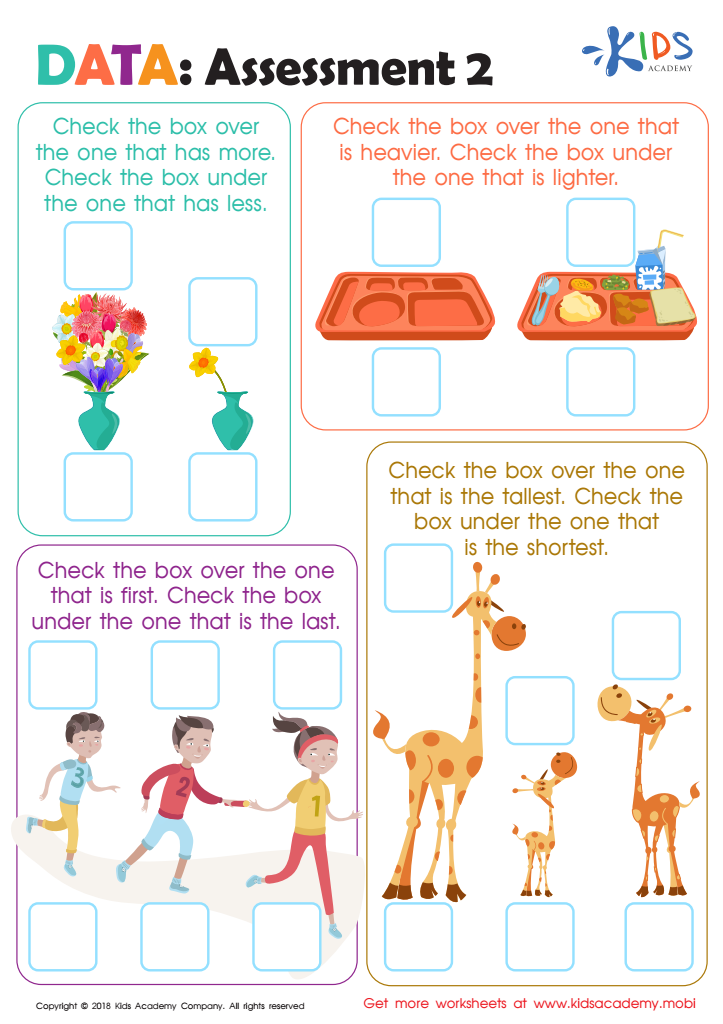
Data: Assessment 2 Worksheet








Problem-solving abilities in children aged 4-7 are crucial for their overall development and future success. At this age, children are forming foundational cognitive skills that will carry on through their academic and personal lives. Engaging with problem-solving, especially in the context of numbers, helps children learn critical thinking, promote creativity, and enhance their ability to analyze situations.
When parents and teachers foster these skills, they create opportunities for children to approach challenges with resilience and confidence. Numeracy-focused problem-solving encourages children to explore concepts such as addition, subtraction, patterns, and even basic reasoning. These early experiences make math more tangible and relatable, allowing children to see its real-world applications.
Moreover, proficient problem-solving in mathematics lays the groundwork for advanced skills later on. In an increasingly numerate world, a solid foundation can influence career choices and daily decision-making as an adult. Additionally, possessing robust problem-solving skills deeply influences emotional well-being, helping children navigate frustrations and setbacks effectively.
By caring about and investing in problem-solving abilities, parents and teachers empower children not only academically but also socially and emotionally, equipping them with the essential tools for lifelong learning and adaptability.








