Understanding tens Numbers Worksheets for Ages 4-7
4 filtered results
-
From - To
Introducing our "Understanding Tens Number Worksheets" designed specifically for children ages 4-7! These engaging and educational exercises simplify the concept of tens, helping your child build a strong foundational understanding of place value. Ideal for early learners, these worksheets use vibrant visuals and fun activities to make counting by tens exciting and approachable. From tracing and counting to matching and coloring, each activity helps young minds grasp the significance of tens in everyday numbers. Perfect for both classroom and at-home learning, our worksheets set the stage for future math success. Give your child a head start with fun and effective learning tools!
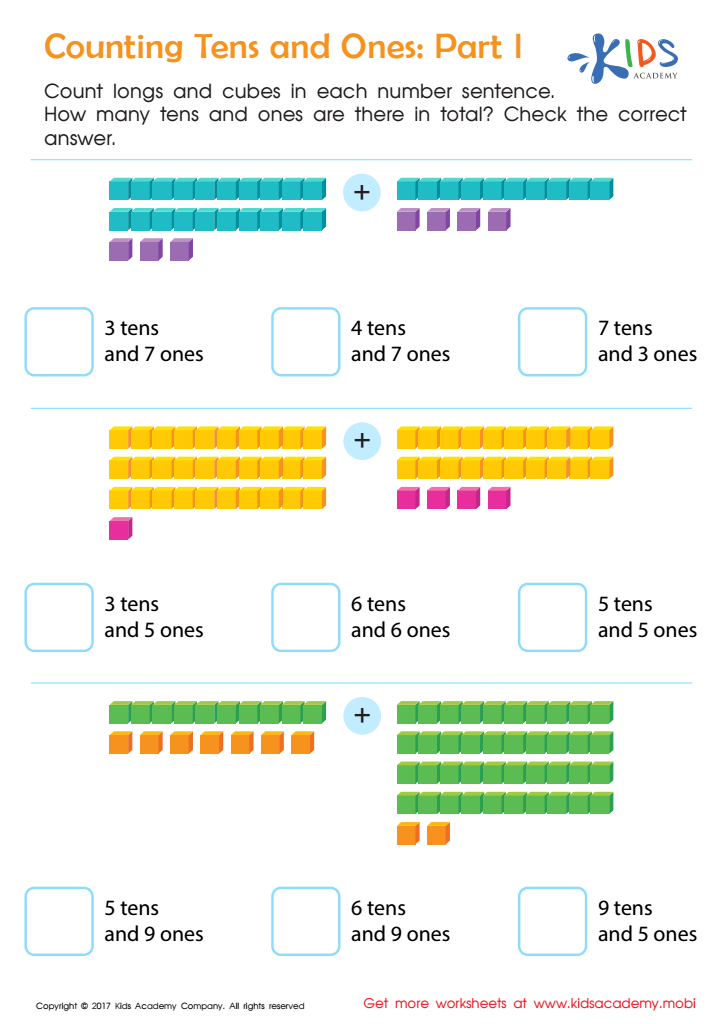
Counting Tens and Ones: Part 1 Worksheet
 Assign to My Students
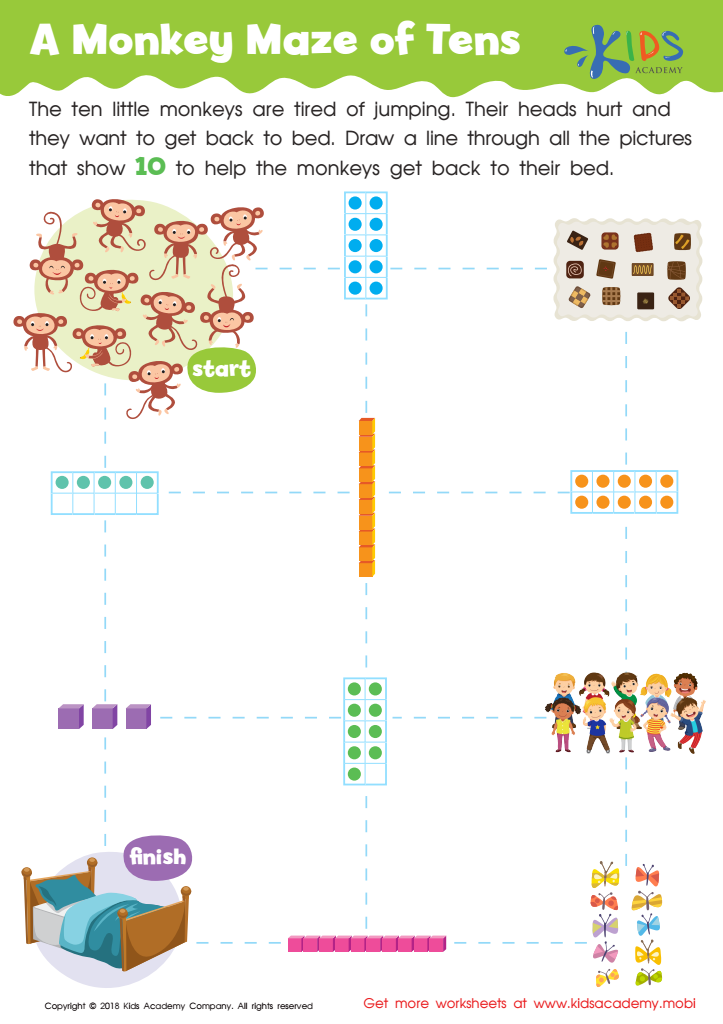
A Monkey Maze of Tens Worksheet
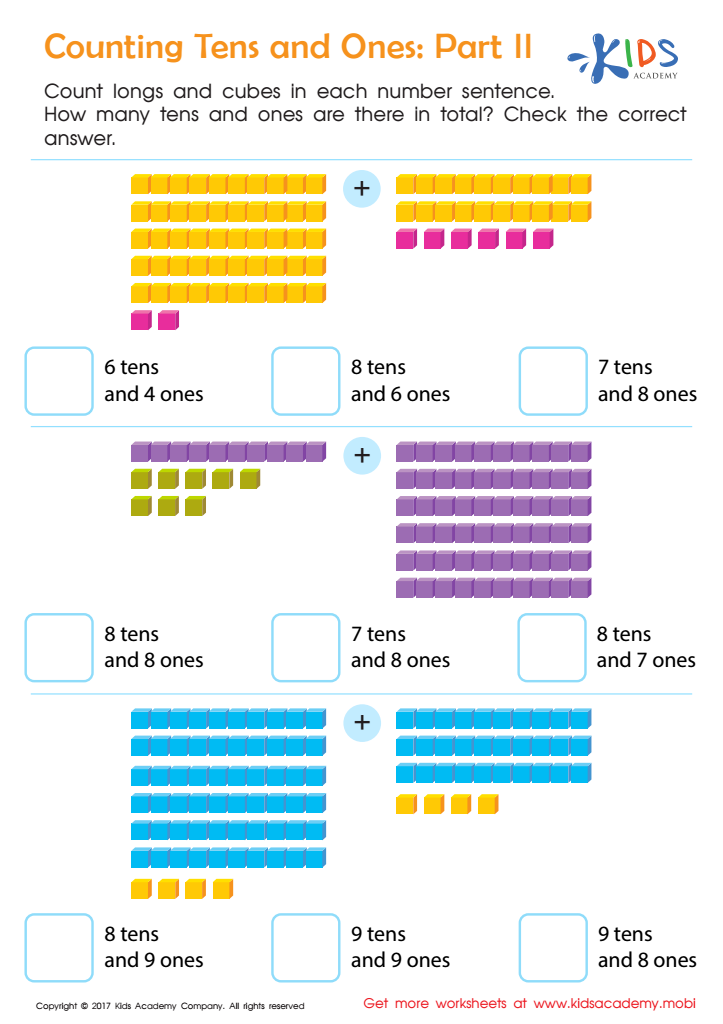
Counting Tens and Ones: Part 2 Worksheet
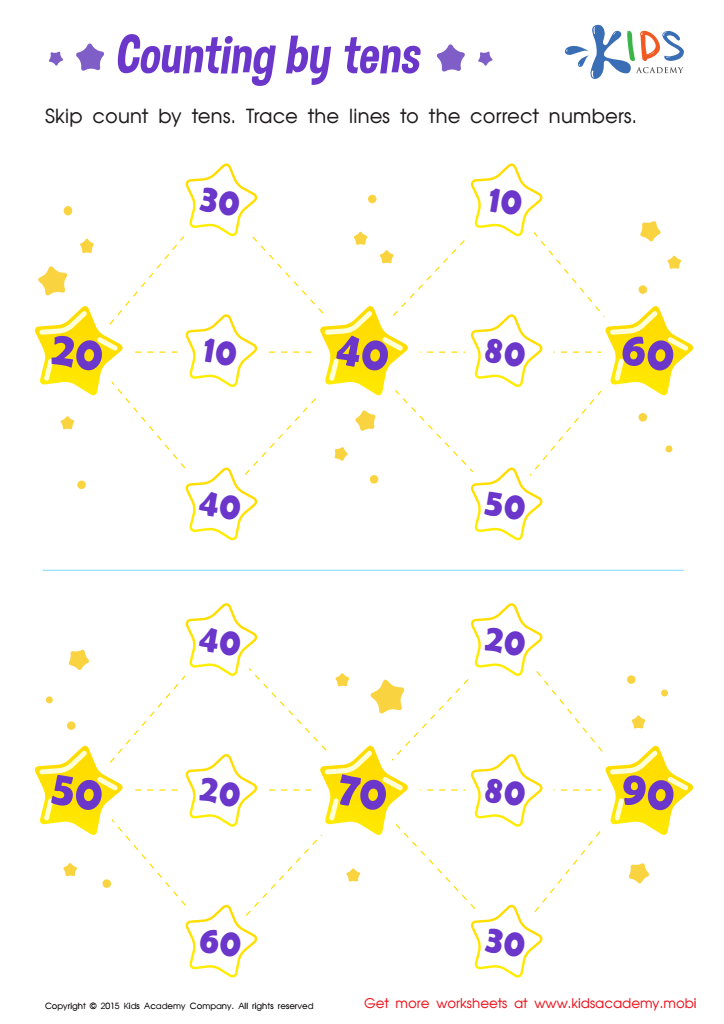
Learn Dozens: Counting by Tens Printable





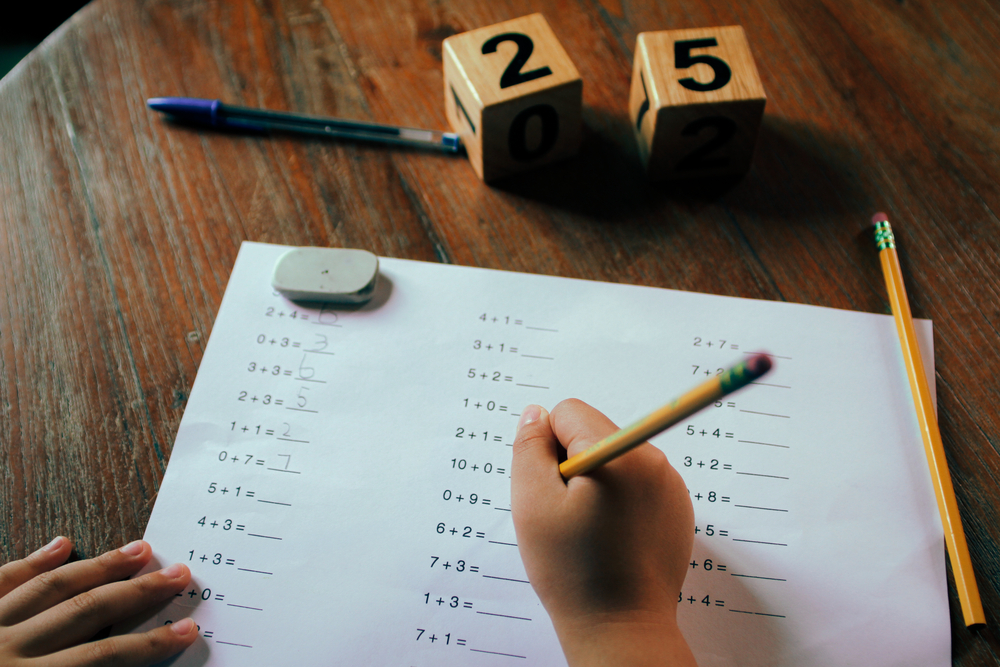


Understanding tens numbers, the building blocks of our base-10 numerical system, is foundational for children ages 4-7. These early years are crucial for developing a child's mathematical thinking. When parents and teachers focus on helping children grasp tens, they provide a framework that supports their entire mathematical journey.
Firstly, knowing tens improves counting abilities. Children learn that numbers are grouped into sets of ten, which simplifies adding, subtracting, and even understanding larger numbers. This clarity can make math less intimidating and more approachable, fostering a positive attitude towards learning.
Understanding tens also enhances problem-solving skills. As children comprehend how numbers are constructed and deconstructed into tens and ones, they become better at recognizing patterns and relationships between numbers. This ability is essential for tackling more complex mathematical concepts later on, such as multiplication and division.
Furthermore, learning about tens supports cognitive development. It encourages logical thinking and boosts memory as children remember numerical details and methods.
In summary, by prioritizing the understanding of tens numbers for young children, parents and teachers lay a strong numerical foundation that enhances counting, supports problem-solving, and encourages positive attitudes towards math learning. This base helps smooth their transition to more complicated concepts in their educational journey.








