Vocabulary enhancement Numbers Worksheets for Ages 4-7
6 filtered results
-
From - To
Our "Vocabulary Enhancement Numbers Worksheets for Ages 4-7" offer engaging exercises designed to bolster your child's numerical understanding and vocabulary skills. Through a series of colorful and interactive activities, children learn to recognize, write, and count numbers. These worksheets incorporate age-appropriate language skills, ensuring kids not only grasp numerical concepts but also enrich their vocabulary in a fun and effective manner. Perfect for early learners, these worksheets create a strong foundation in math and literacy, setting up your child for success in future learning endeavors. Start enhancing your child's vocabulary and numerical skills today!
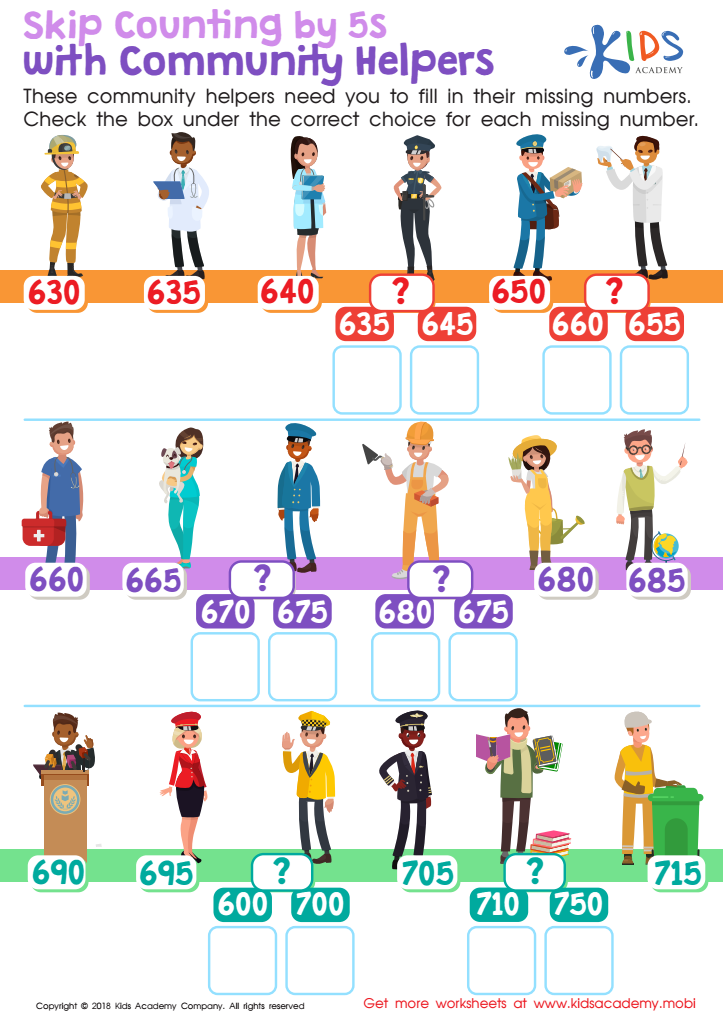
Skip Counting by 5s With Community Helpers Worksheet
 Assign to My Students
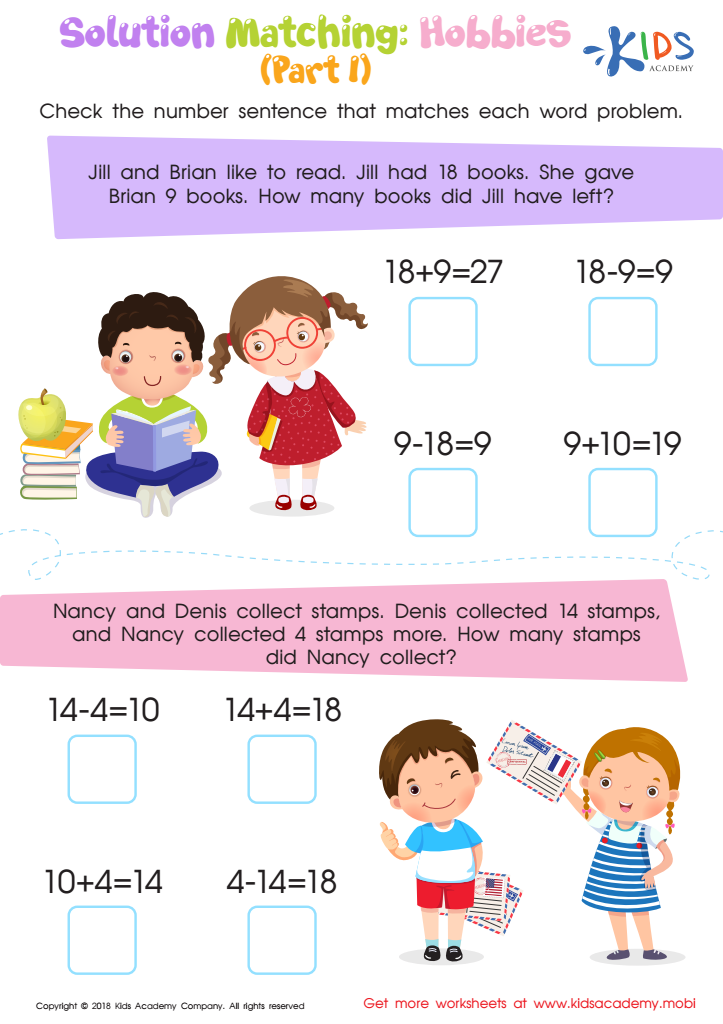
Solution Matching: Hobbies. Part 1 Worksheet
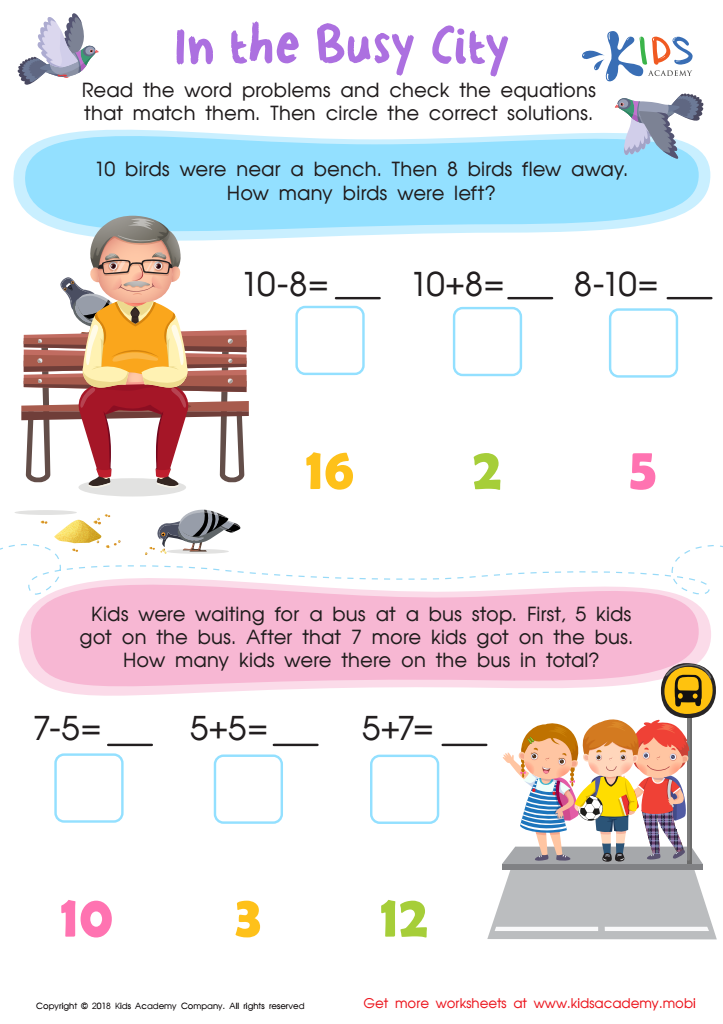
In the Busy City Word Problems Worksheet
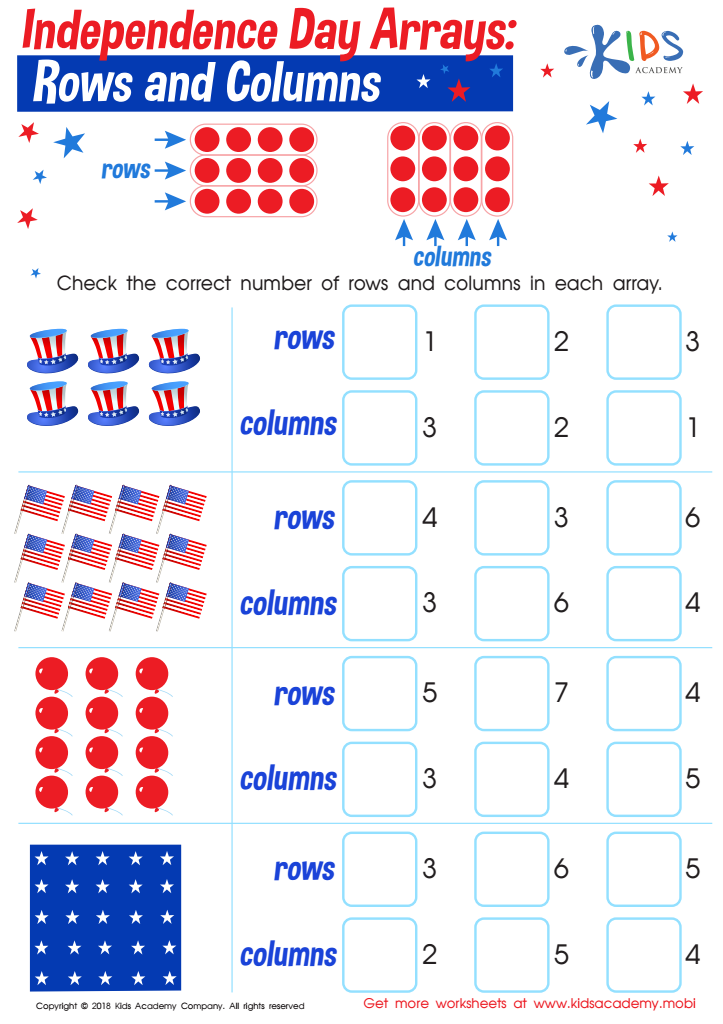
Independence Day Arrays: Rows and Columns Worksheet
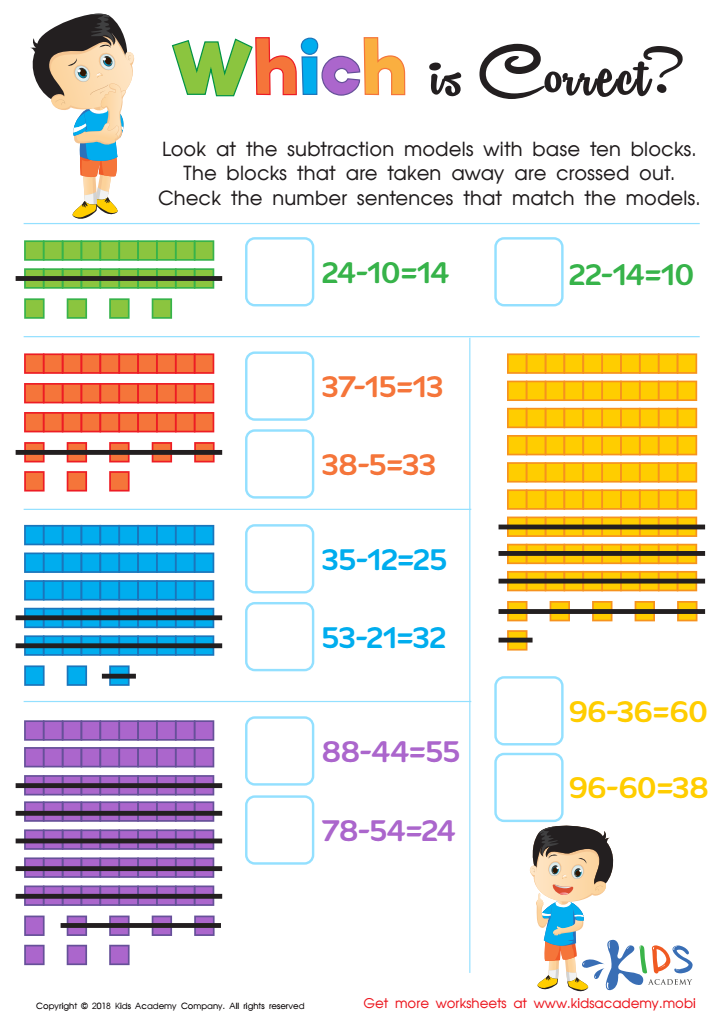
Which Is Correct? Math Worksheet
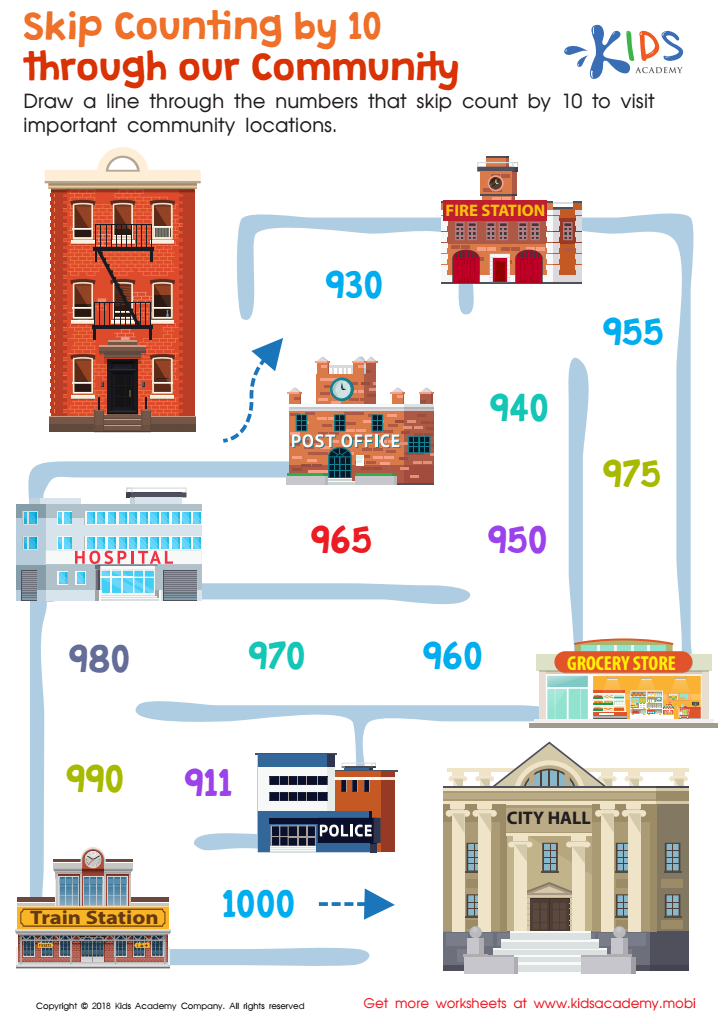
Skip Counting by 10 Through Our Community Worksheet








Vocabulary enhancement is crucial for children aged 4-7 because it significantly influences their cognitive development, literacy skills, and academic success. During this critical period, children's brains are highly receptive to language acquisition, and a rich vocabulary lays a strong foundation for effective communication.
First, vocabulary growth enhances reading comprehension. Children who understand more words can recognize, decode, and comprehend text better, fostering a love for reading and learning. Early exposure to diverse vocabulary also improves their ability to express thoughts and emotions accurately and confidently, aiding in social interactions and emotional regulation.
From a numerical standpoint, integrating vocabulary with numbers complements cognitive skills development. Learning number words and mathematical terms helps children grasp basic math concepts, such as counting, adding, and differentiating quantities, and nurtures logical thinking.
Moreover, a well-rounded vocabulary directly correlates with future academic success. As curricula become more rigorous, children with a broader vocabulary find it easier to understand instructions, engage with content, and excel across subjects.
Teachers and parents play a pivotal role in vocabulary enhancement. They can create a language-rich environment through conversations, reading aloud, and engaging activities. By prioritizing vocabulary growth, cooperative efforts between parents and teachers ensure children develop the essential communication and cognitive skills needed for their future endeavors.








