Fine motor skills (drawing) Math Worksheets for Ages 4-7
6 filtered results
-
From - To
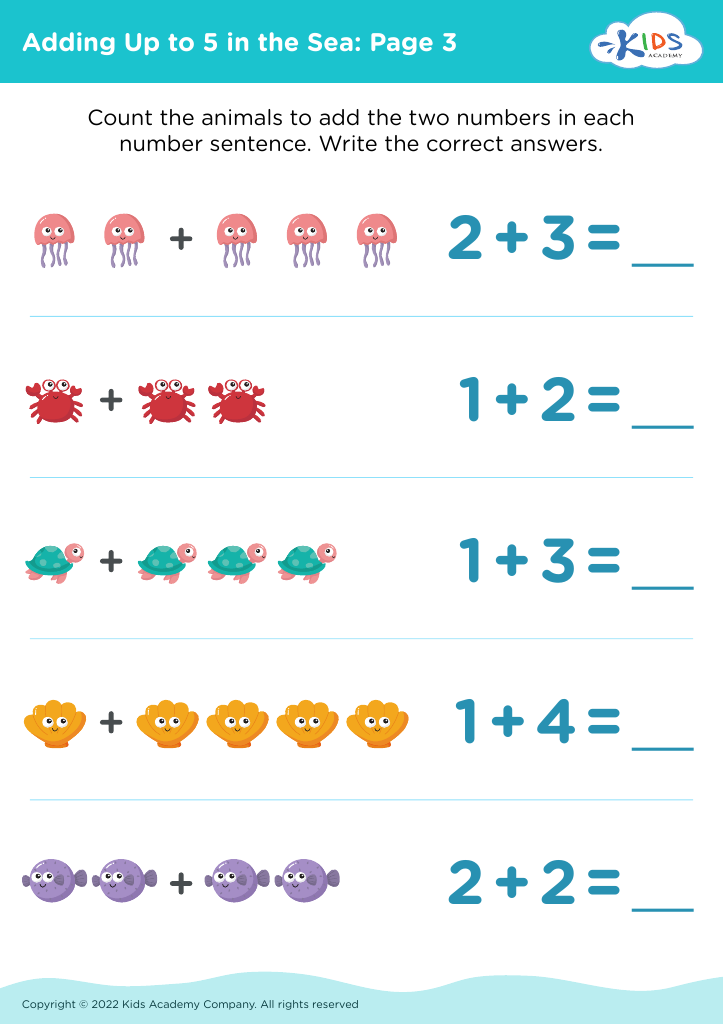
Discover our engaging Fine Motor Skills (Drawing) Math Worksheets designed for children aged 4-7! These printable resources blend learning and creativity, helping your little ones enhance their fine motor skills while tackling essential math concepts. Each worksheet features fun drawing activities that promote hand-eye coordination and dexterity, alongside lessons in numbers, shapes, and patterns. Encourage your child's artistic expression as they grasp foundational math skills through imaginative tasks. Our expertly crafted worksheets ensure a valuable learning experience that supports early childhood education. Perfect for homeschooling, classroom use, or at-home practice, these worksheets lay the groundwork for future academic success!
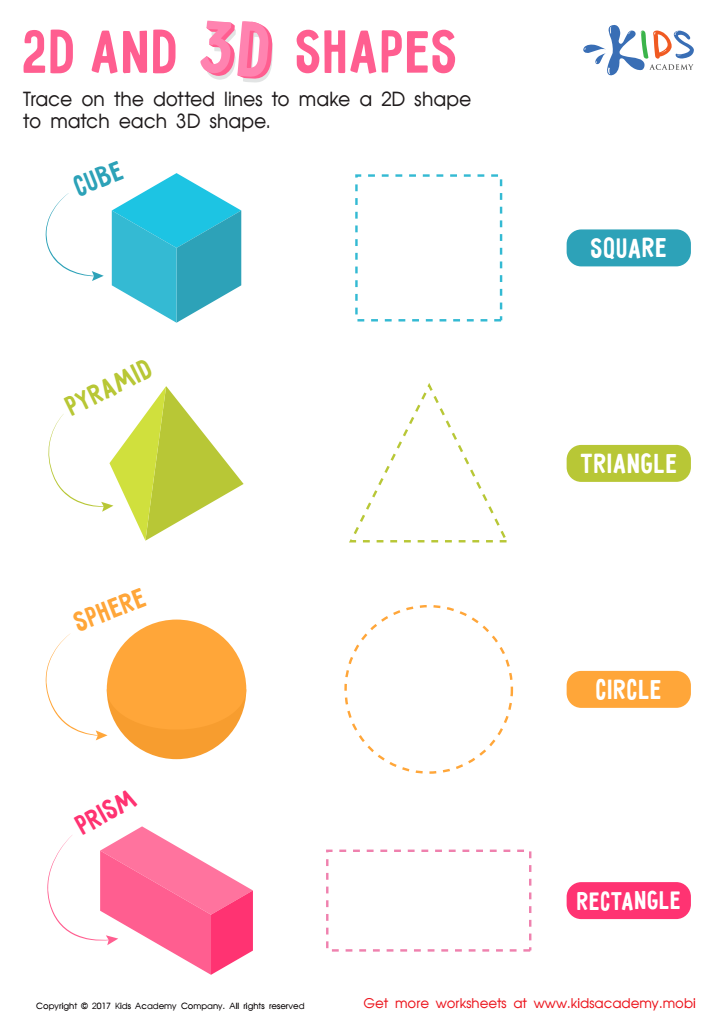
2D and 3D Shapes Worksheet
 Assign to My Students

Make it Even: St. Valentine's Day Worksheet
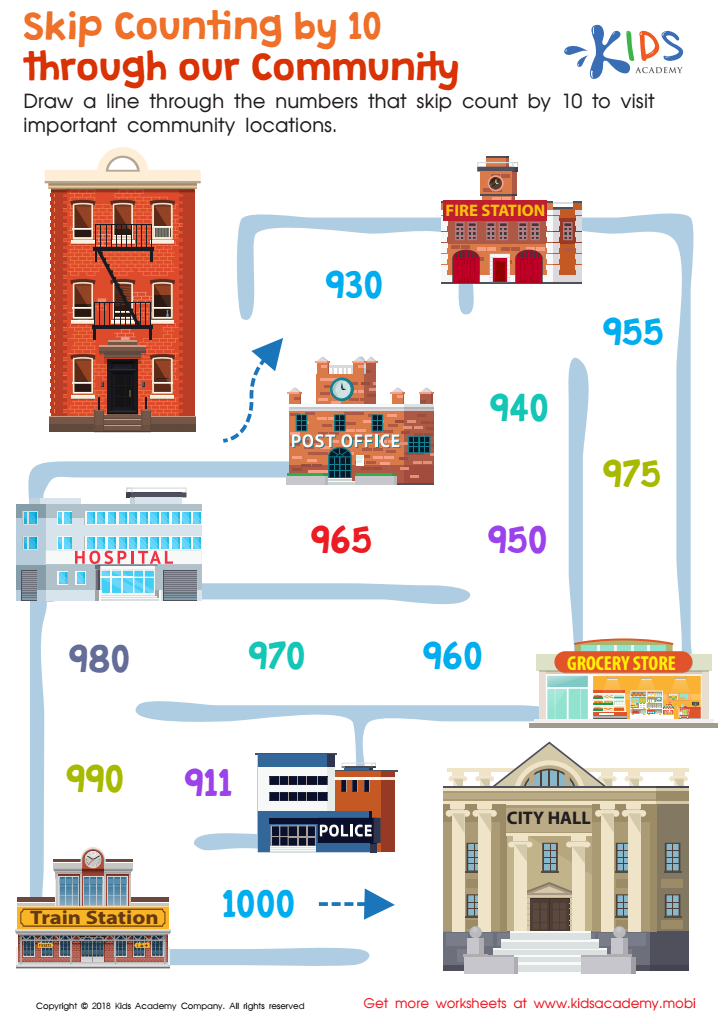
Skip Counting by 10 Through Our Community Worksheet
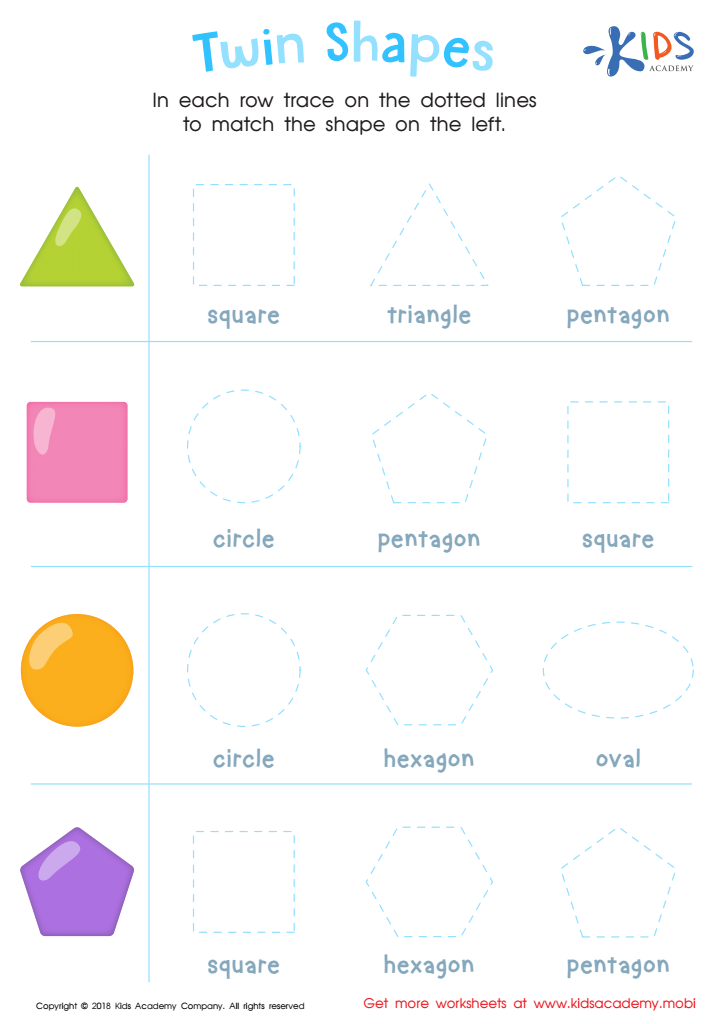
Twin Shapes Dot-to-Dot Worksheet
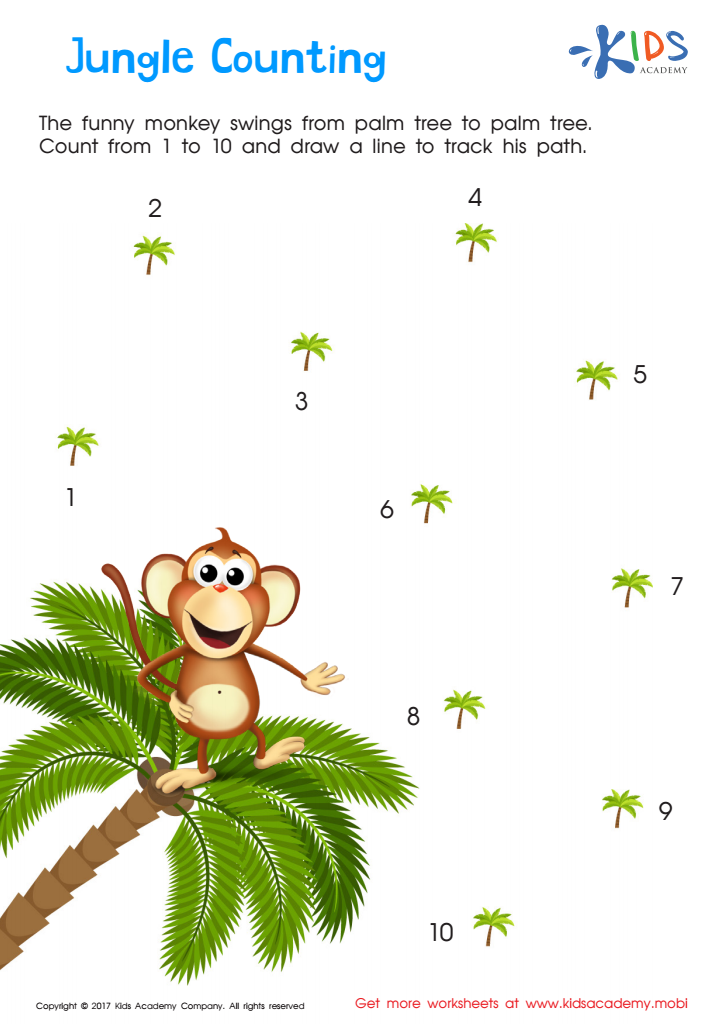
Jungle Counting Connect Dots Worksheet


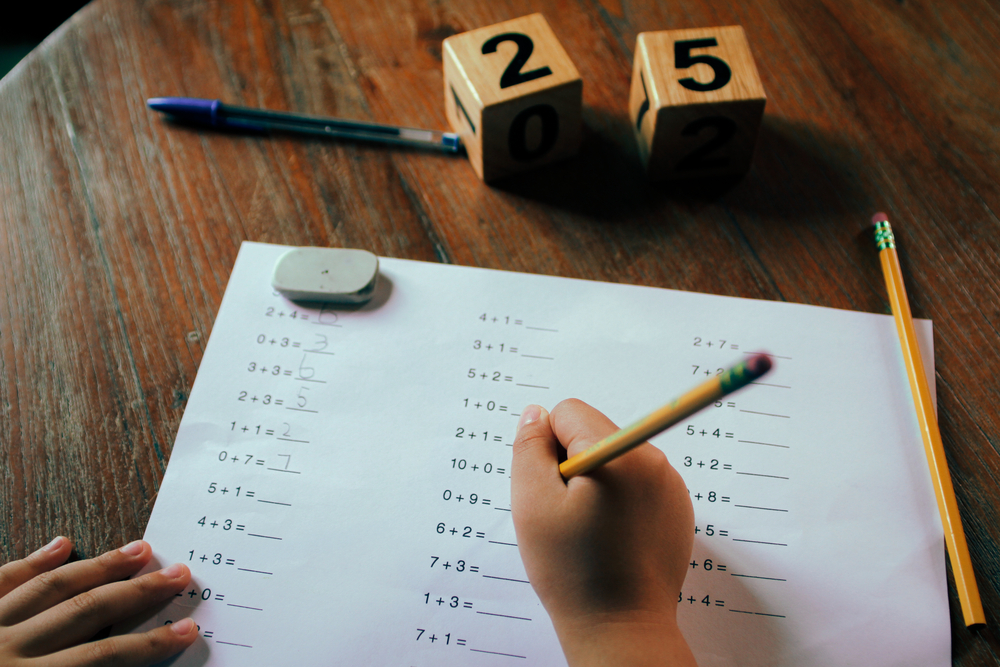




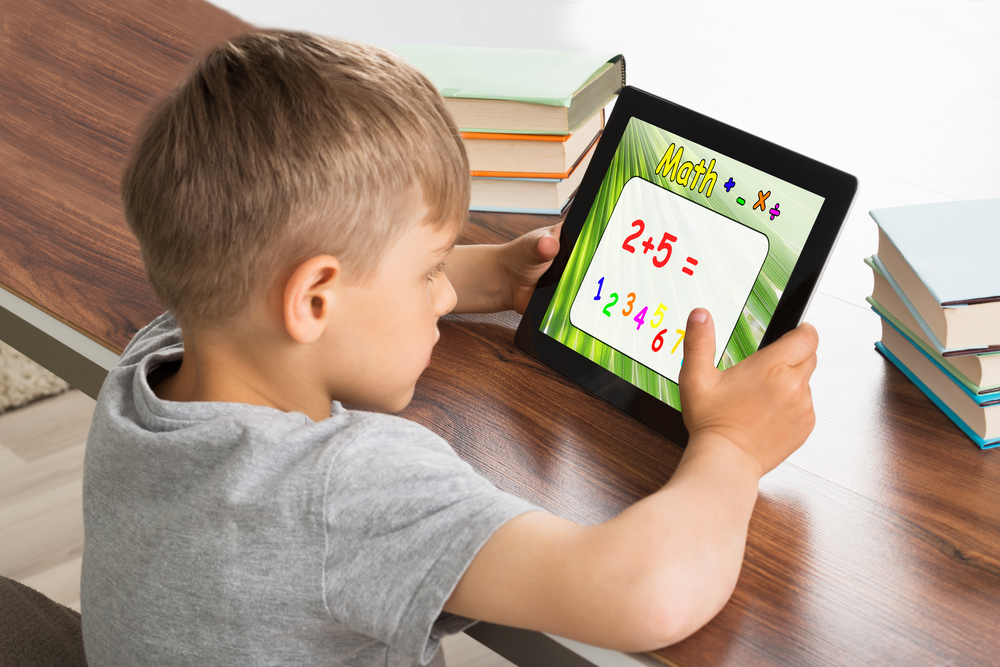
Fine motor skills are essential for children's overall development, particularly in the early years. For children aged 4-7, developing these skills through drawing and other activities lays the foundation for numerous critical abilities. First, fine motor skills enhance children's hand-eye coordination, enabling them to effectively manipulate objects, which is crucial in everyday tasks such as writing, cutting with scissors, and eventually typing.
Drawing, a key activity for developing fine motor skills, allows children to experiment with different materials and techniques, fostering creativity and self-expression. Moreover, as they learn to control their movements with greater precision, they gain confidence in their abilities, positively impacting their self-esteem and motivation.
Math skills are intricately linked to fine motor development; as children engage in drawing shapes or measuring objects, they practice problem-solving and spatial awareness. These skills are fundamental for understanding more complex mathematical concepts. Additionally, early experiences in drawing and manipulatives help young learners grasp numeracy through tangible, hands-on exploration.
By prioritizing fine motor skill development through drawing and math-related activities, parents and teachers can ensure children are prepared for future academic success and everyday challenges, nurturing a well-rounded learning experience.








