Shape Recognition Math Worksheets for Ages 4-7 - Page 3
104 filtered results
-
From - To
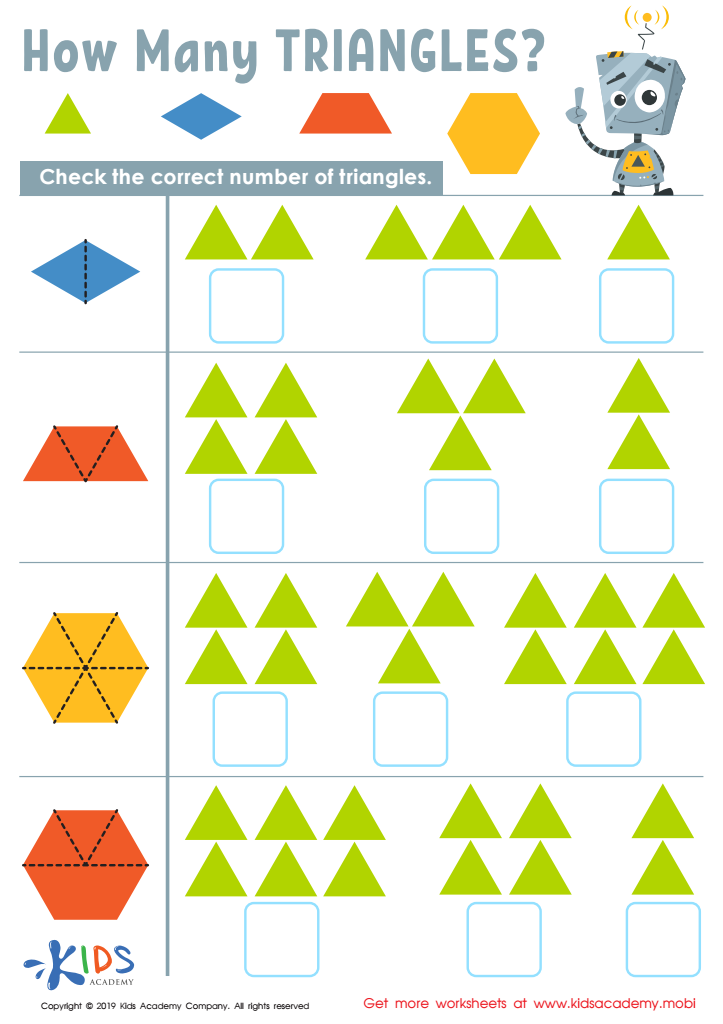
How Many Triangles Worksheet
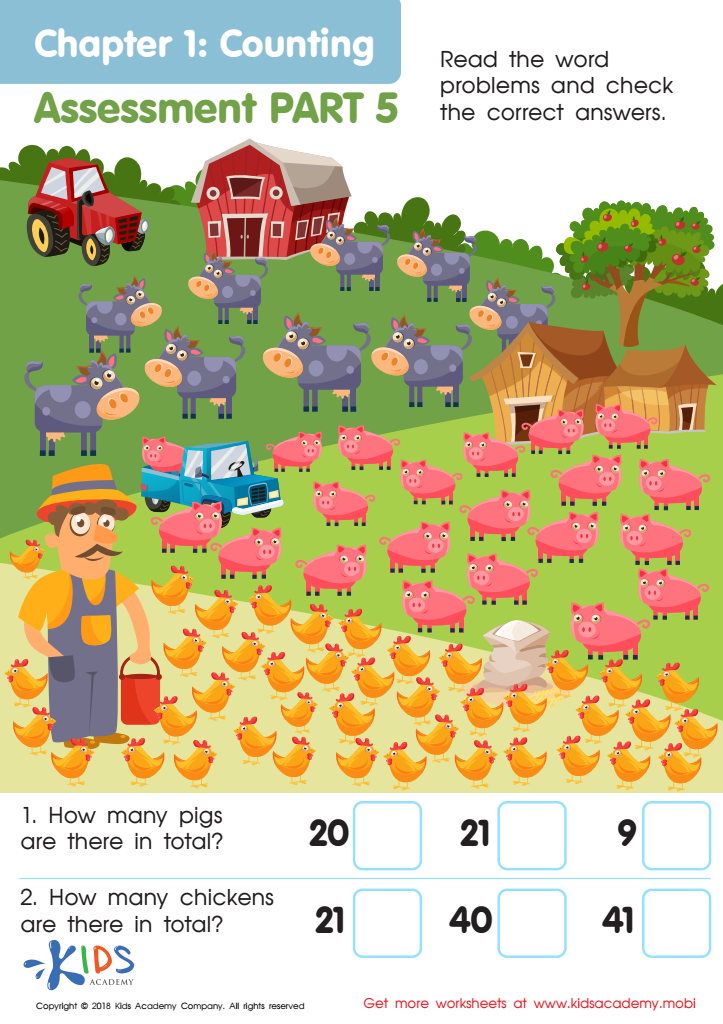
Counting: Assessment 5 Worksheet
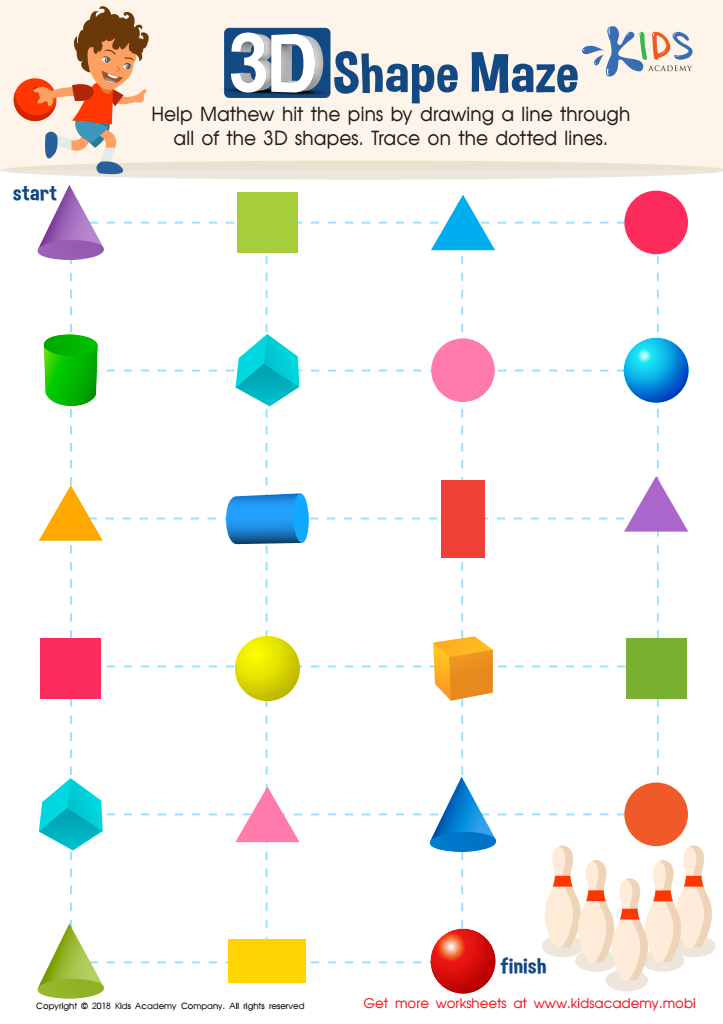
Shapes Maze Geometry Worksheet
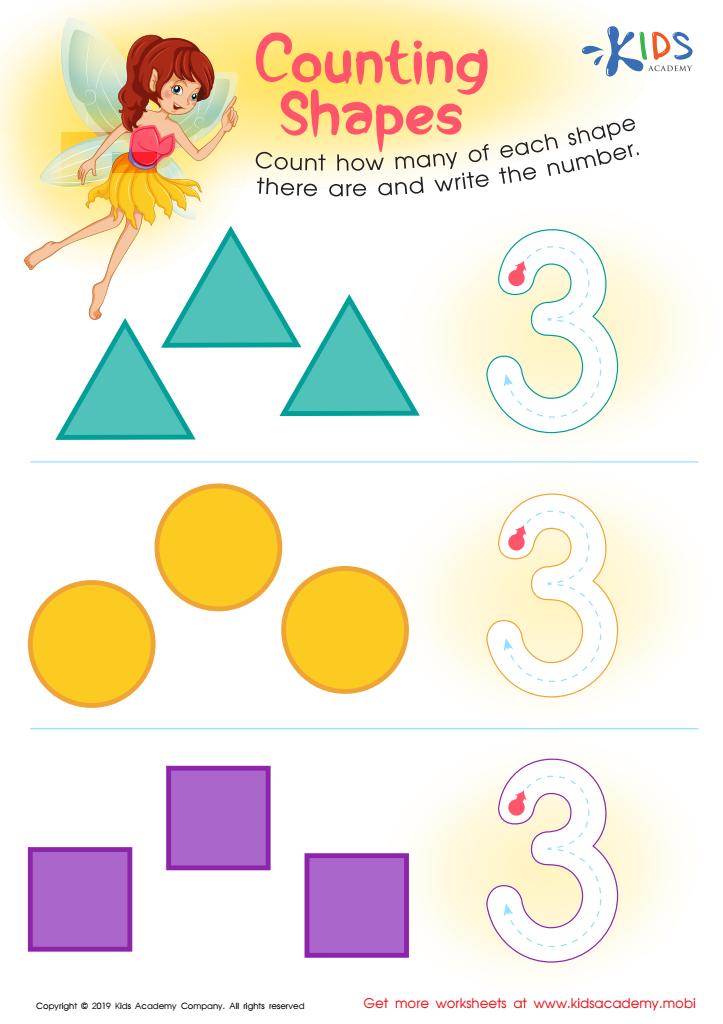
Counting Shapes Worksheet
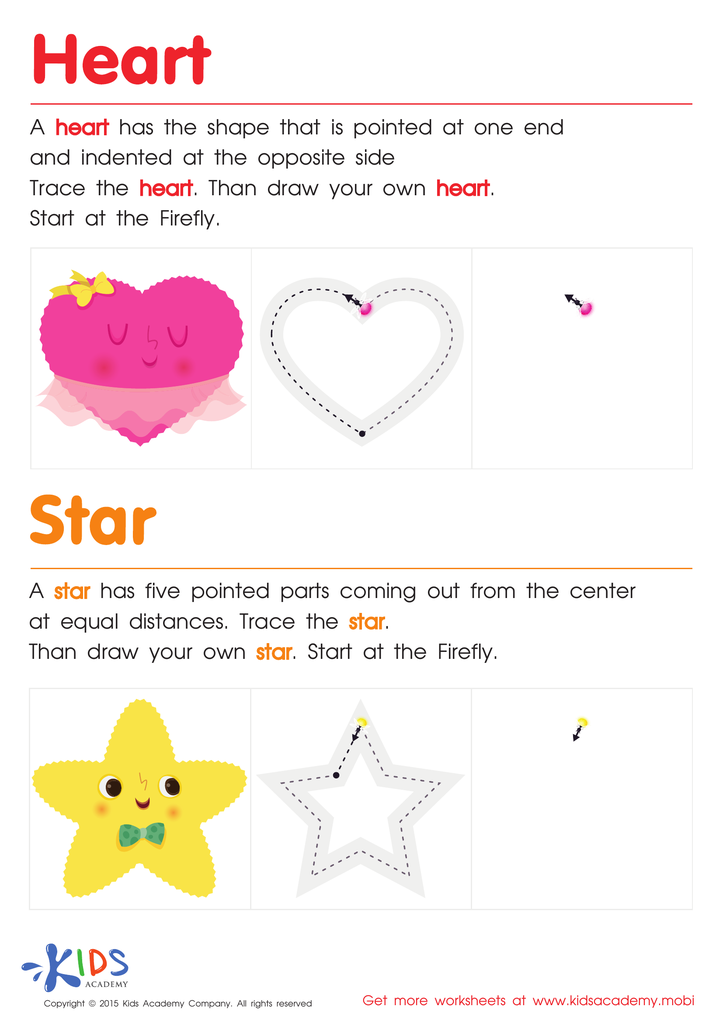
Let's Learn to Draw Hearts And Stars Printable
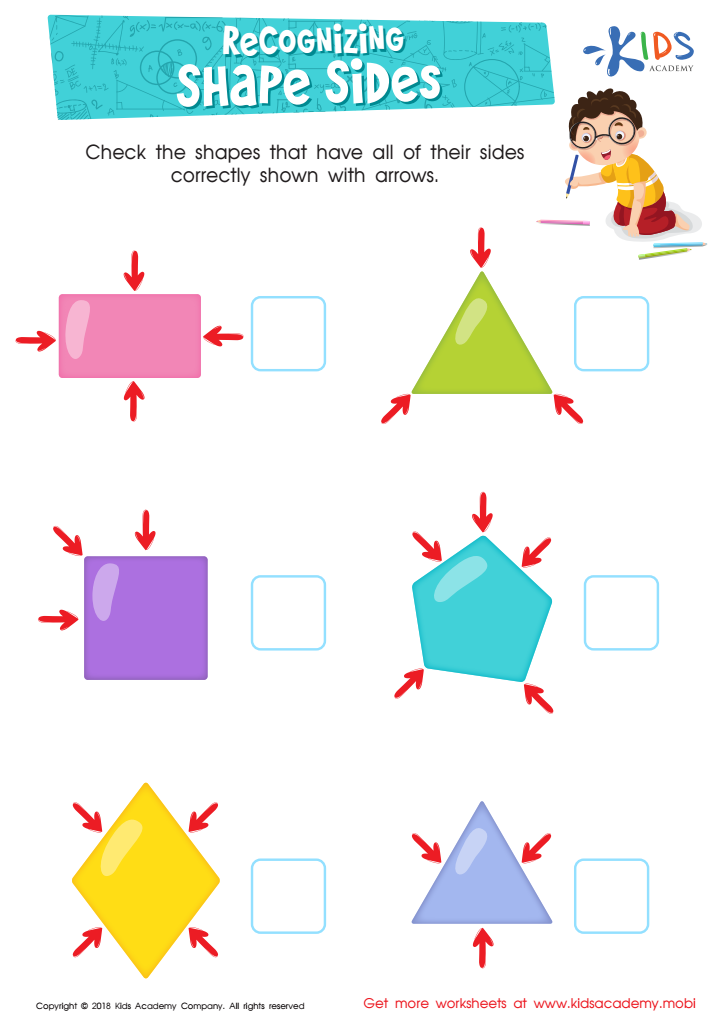
Recognizing Shape Sides Worksheet
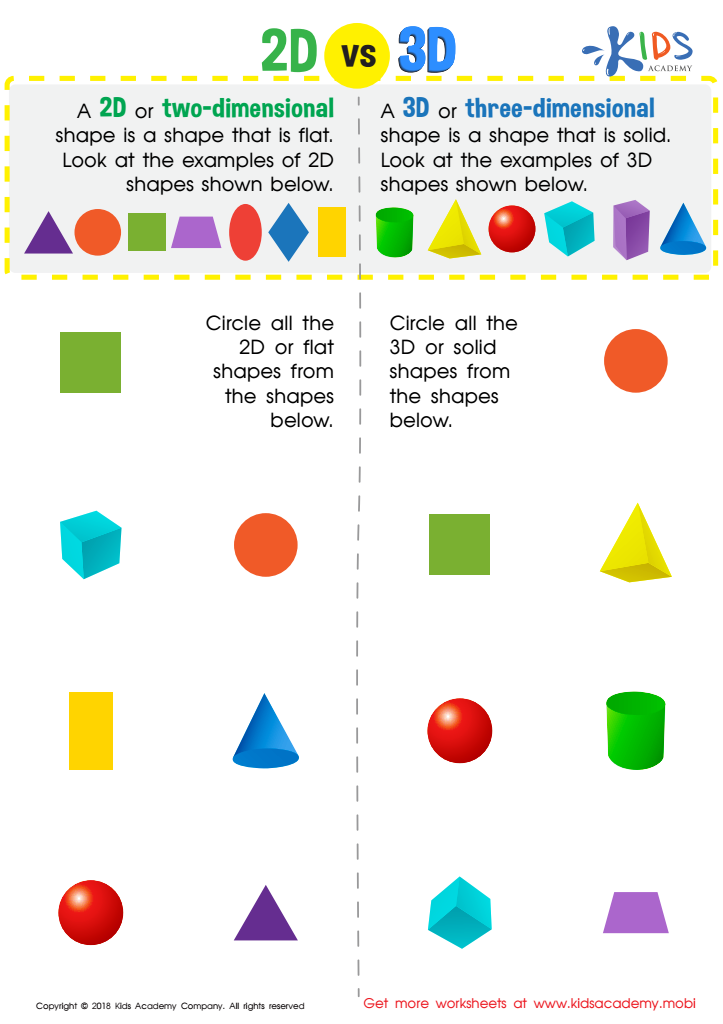
2D vs 3D Shapes Worksheet
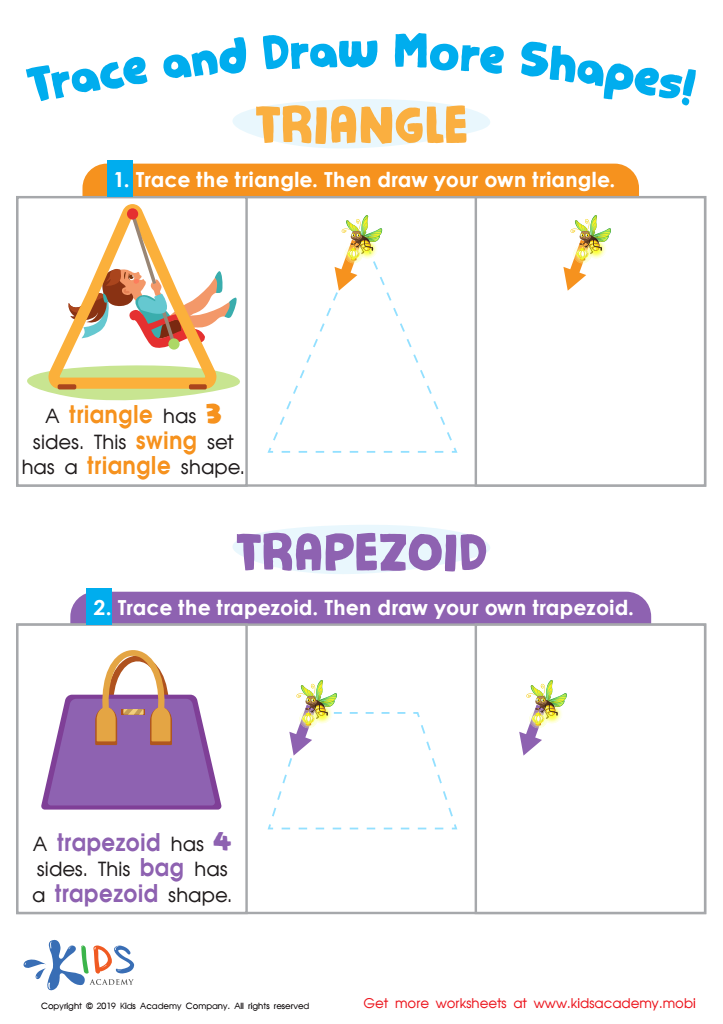
Trace and Draw More Shapes Worksheet
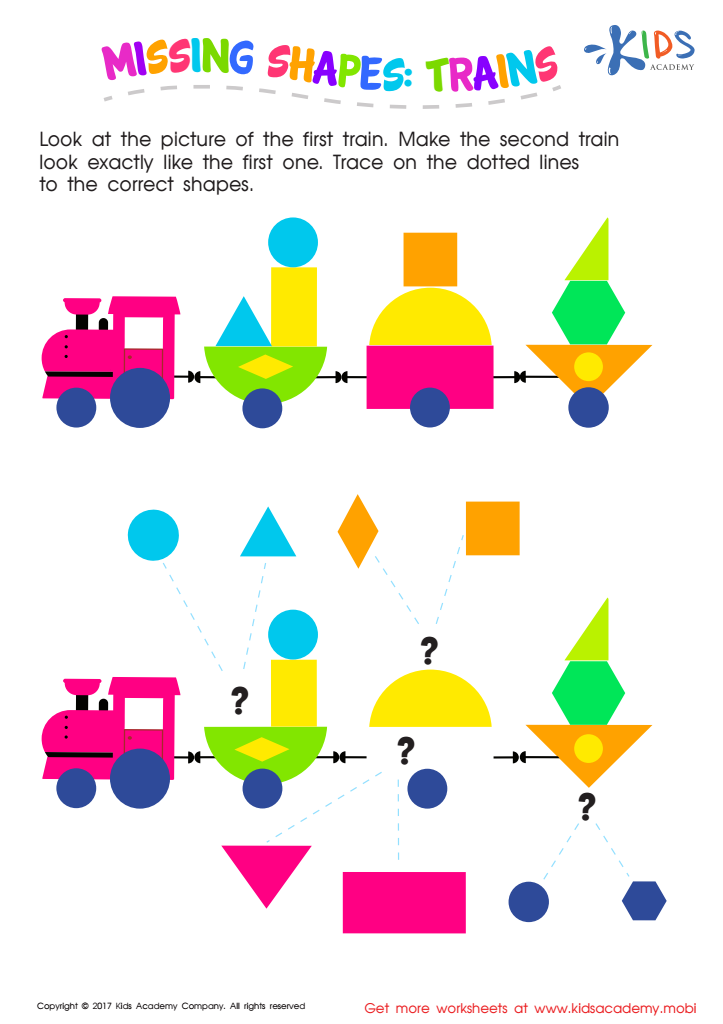
Missing Shapes: Trains Worksheet
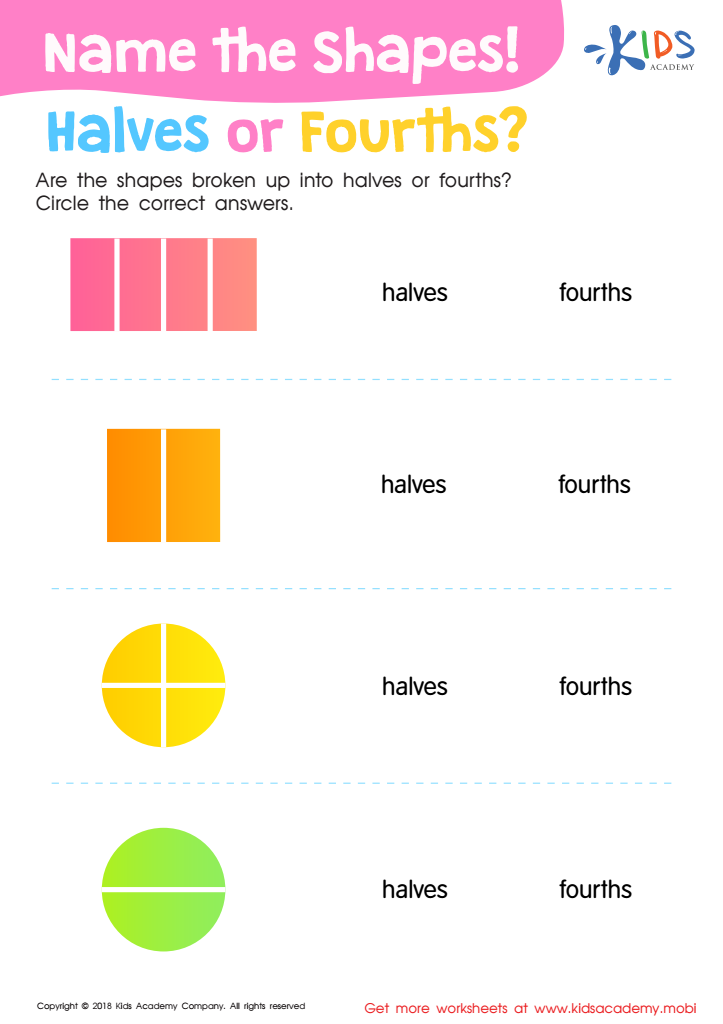
Name the Shapes Halves or Fourths? Worksheet
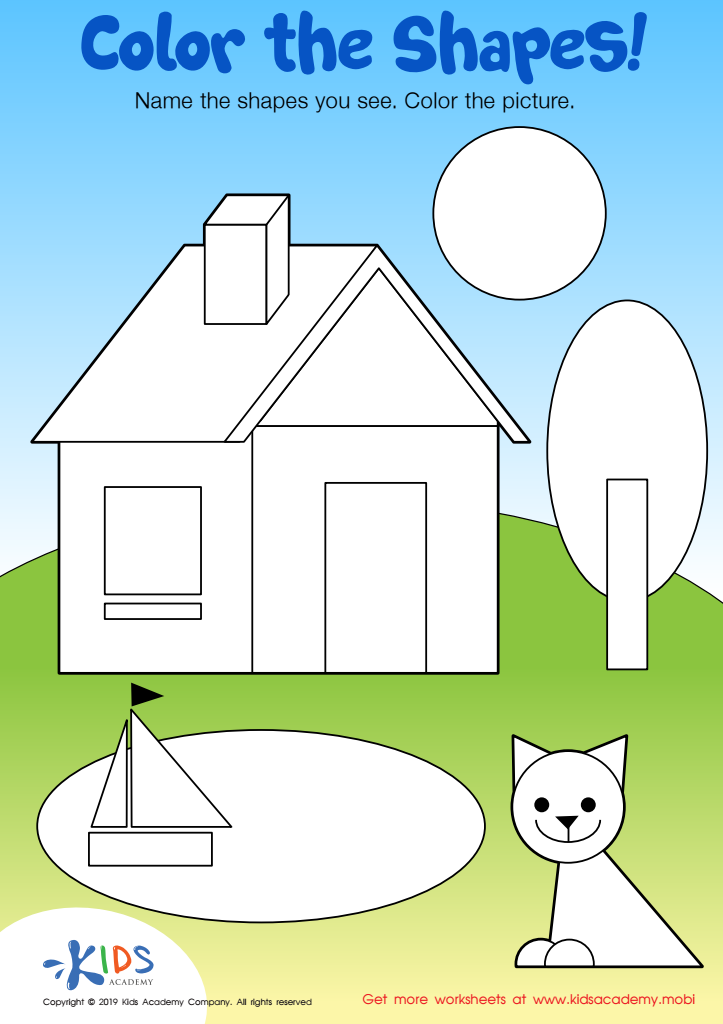
Color the Shapes Worksheet
 Assign to My Students
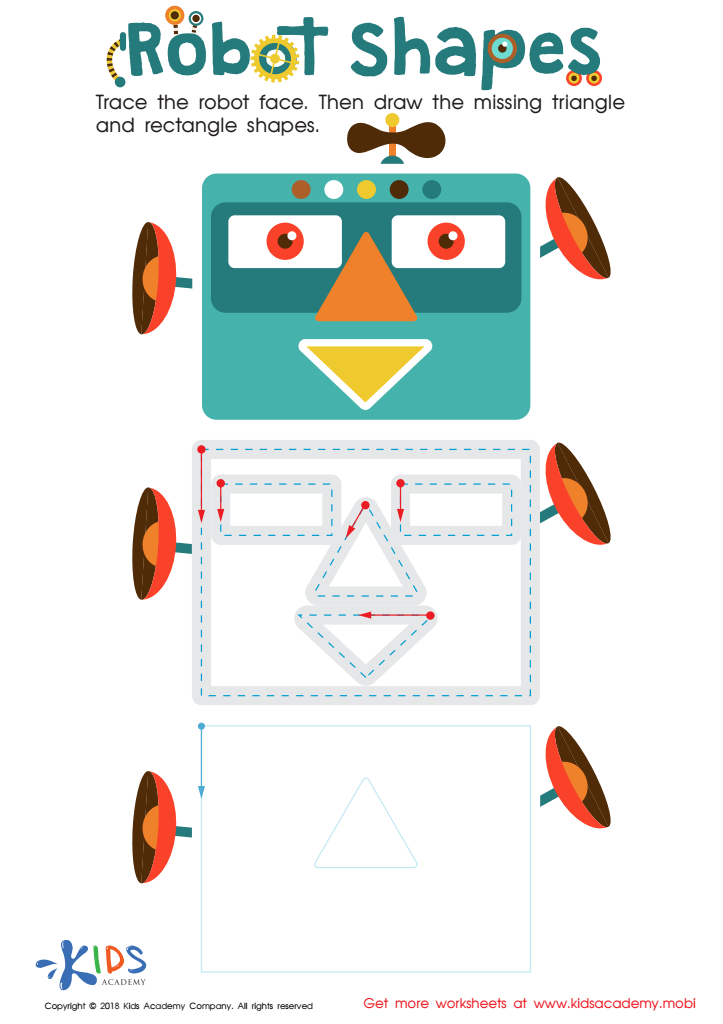
Robot Shapes Worksheet
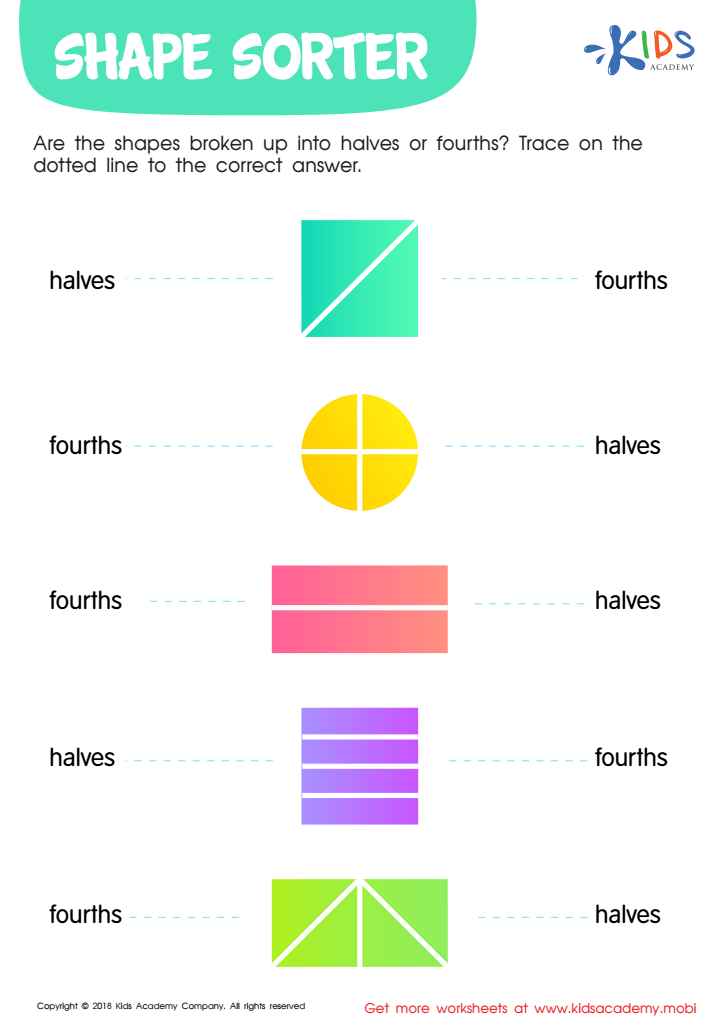
Shape Sorter Worksheet
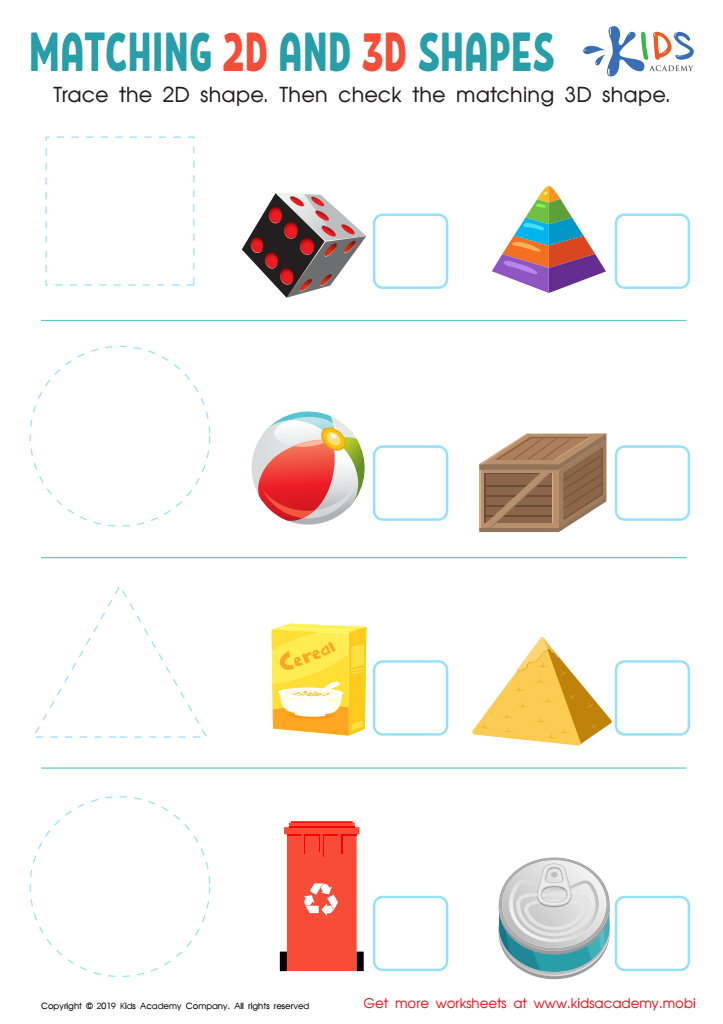
Matching 2D and 3D Shapes Worksheet
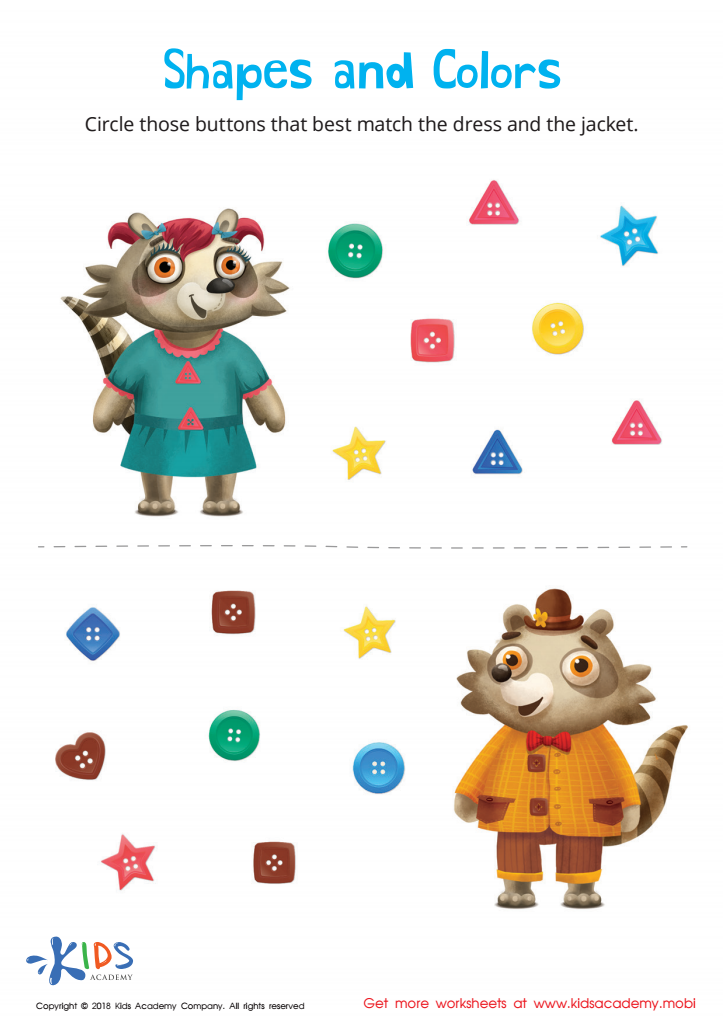
Shapes and Colors Worksheet
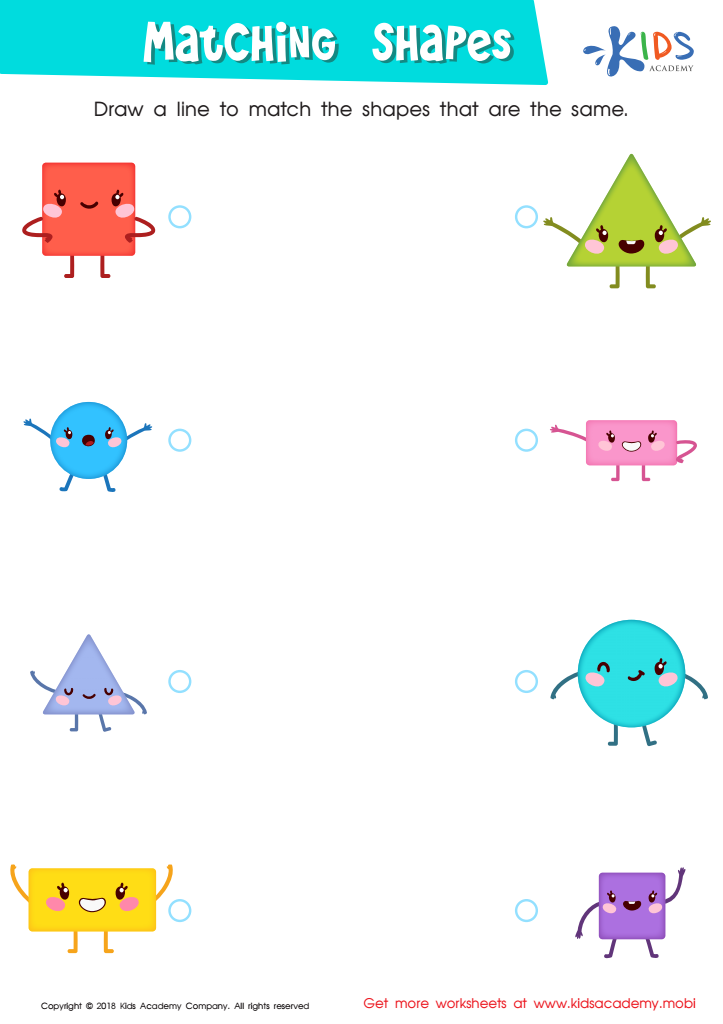
Matching Shapes Worksheet







Shape recognition is a fundamental skill in early mathematics that significantly impacts children's cognitive development. For children aged 4-7, recognizing and understanding shapes is not just about identifying circles or squares; it lays the groundwork for more complex mathematical concepts such as measurement, spatial awareness, and geometry.
Parents and teachers should prioritize shape recognition as it encourages critical thinking and problem-solving skills. Engaging in activities that promote shape recognition enables children to categorize and differentiate objects, which is crucial for developing logic and reasoning abilities. Additionally, shape recognition contributes to language development, as children learn to articulate their observations and descriptions.
Furthermore, understanding shapes can enhance children’s everyday life skills, such as navigating their environment and engaging in artistic activities. Incorporating shape recognition into play and learning activities fosters creativity and exploration.
Moreover, strong shape recognition skills are linked to later math success. Children who struggle with these foundational concepts may find it more challenging to grasp advanced math topics in later years. By prioritizing shape recognition at this formative age, parents and teachers can support a solid mathematical foundation that inspires confidence and curiosity in learning.








