Visual Learning Math Worksheets for Ages 4-7 - Page 3
98 filtered results
-
From - To
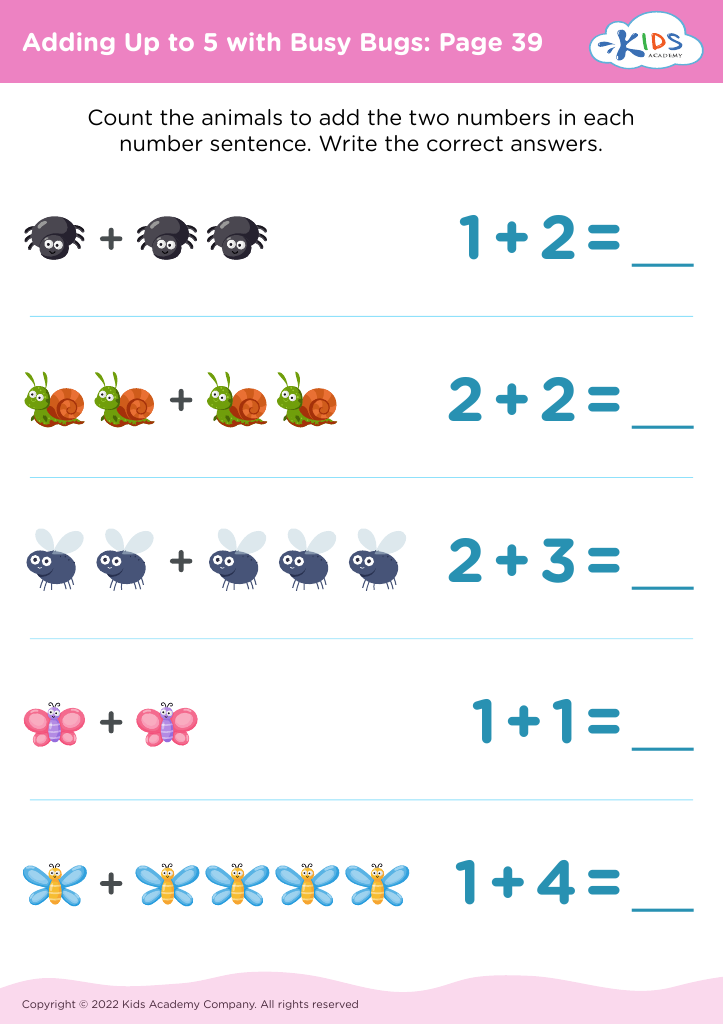
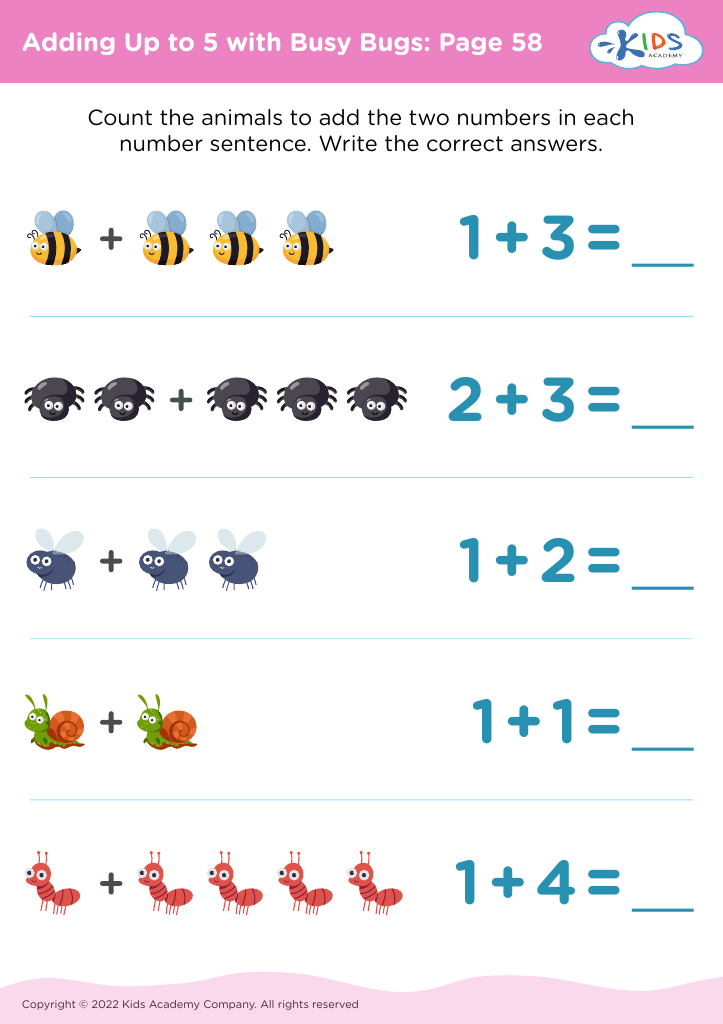
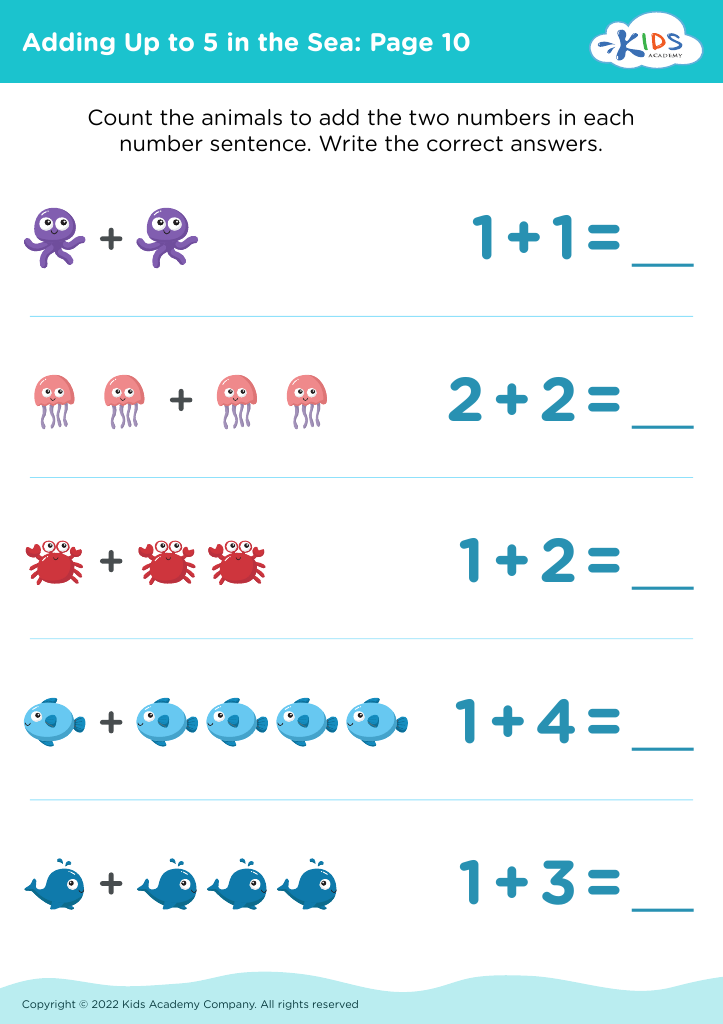
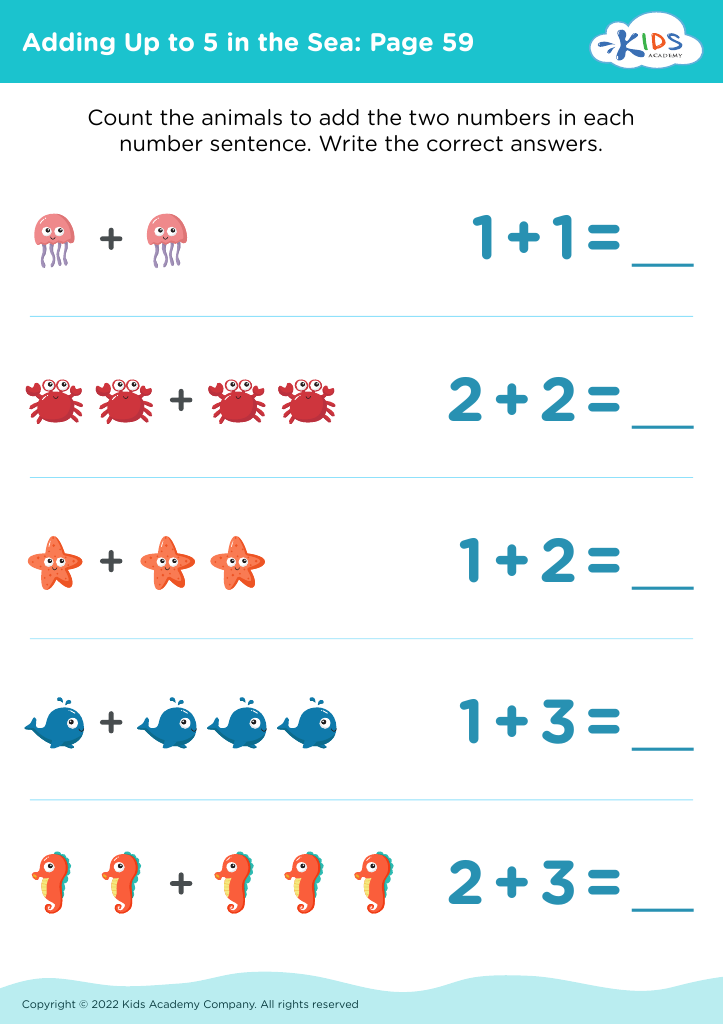
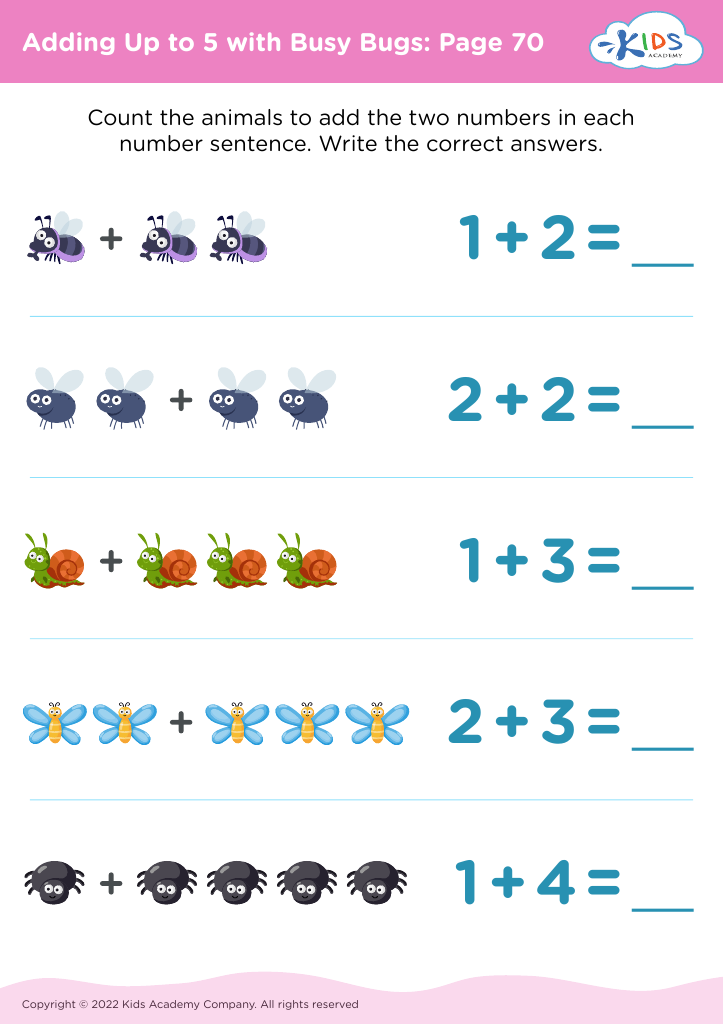
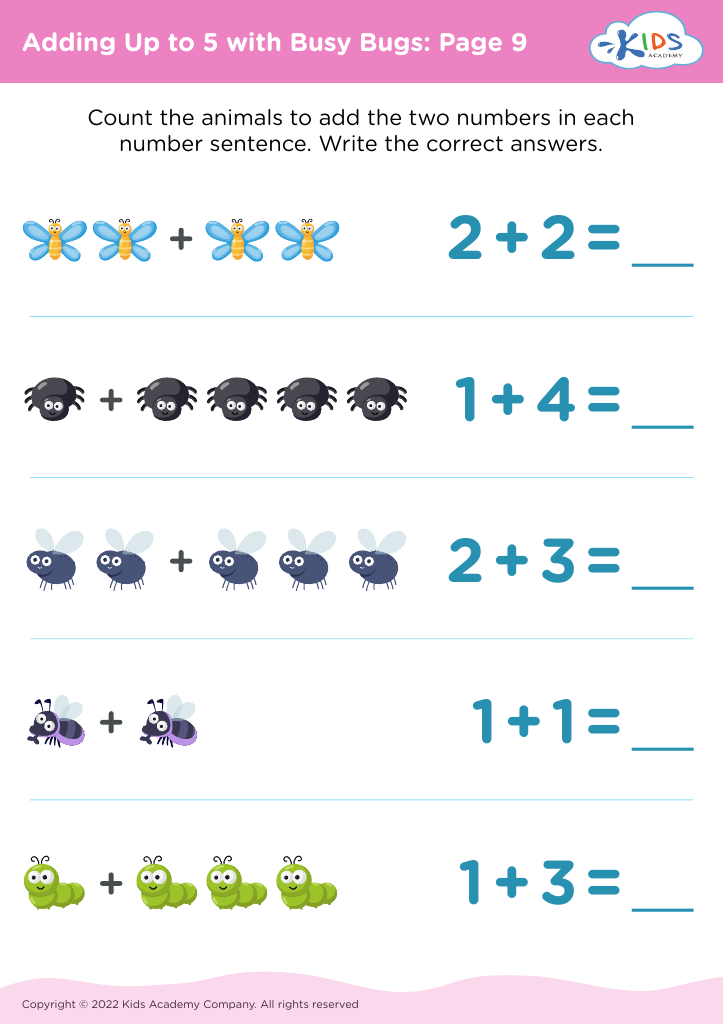
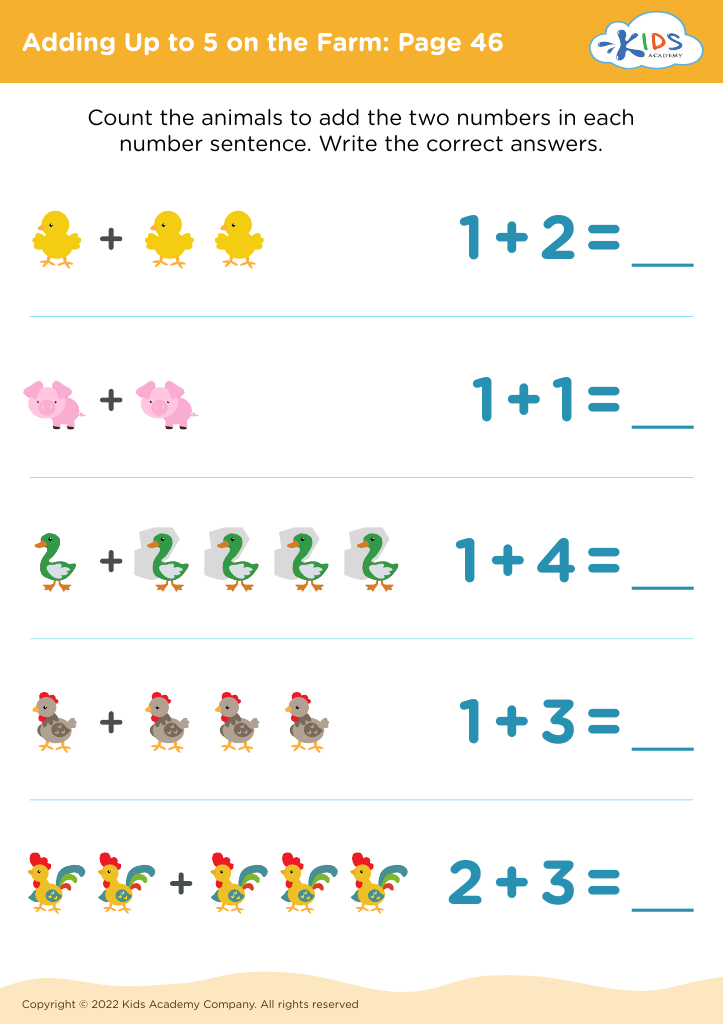
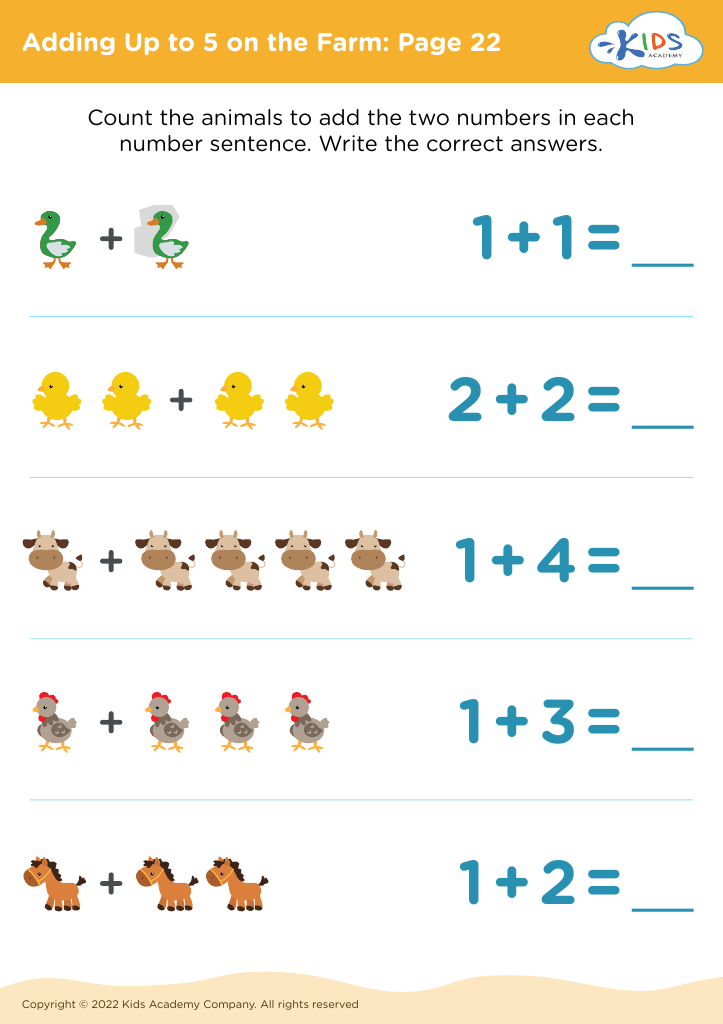
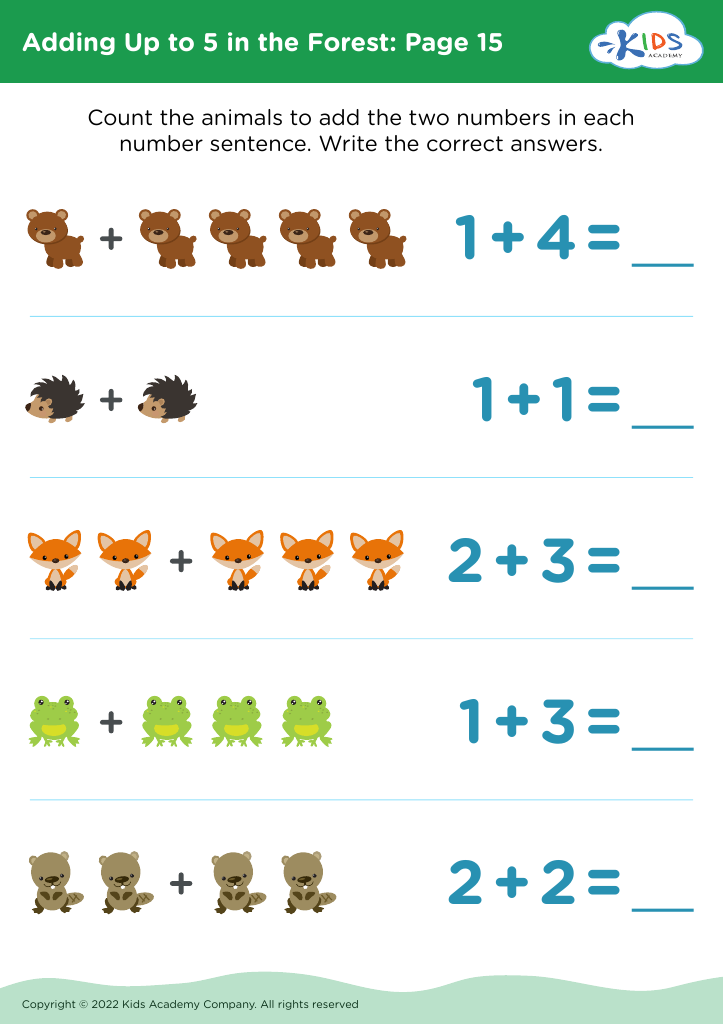
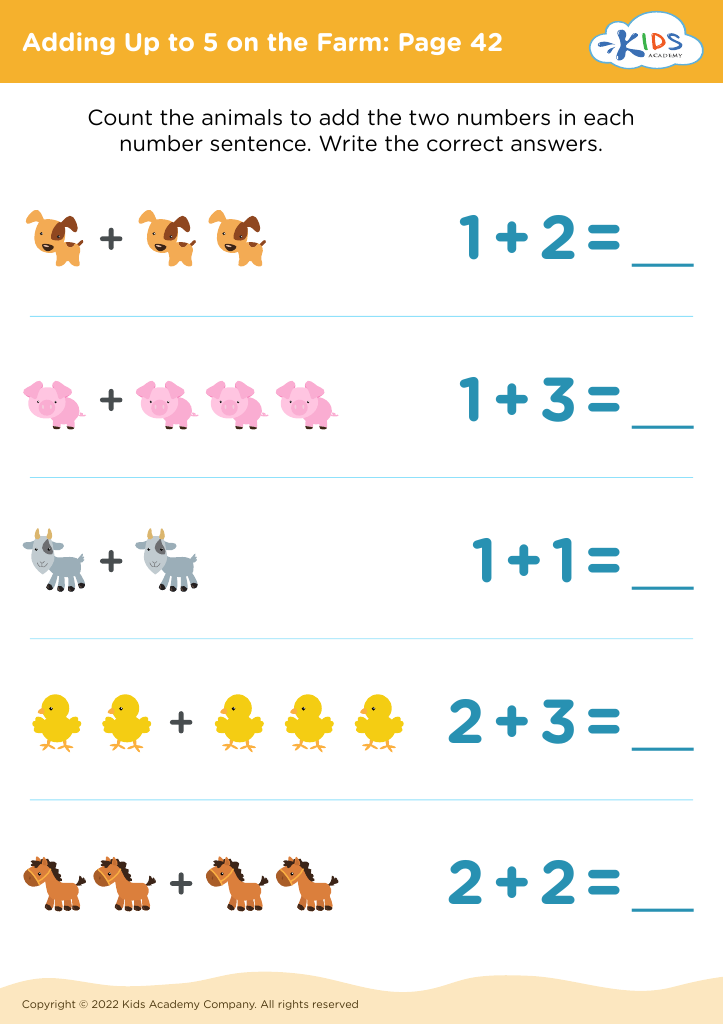
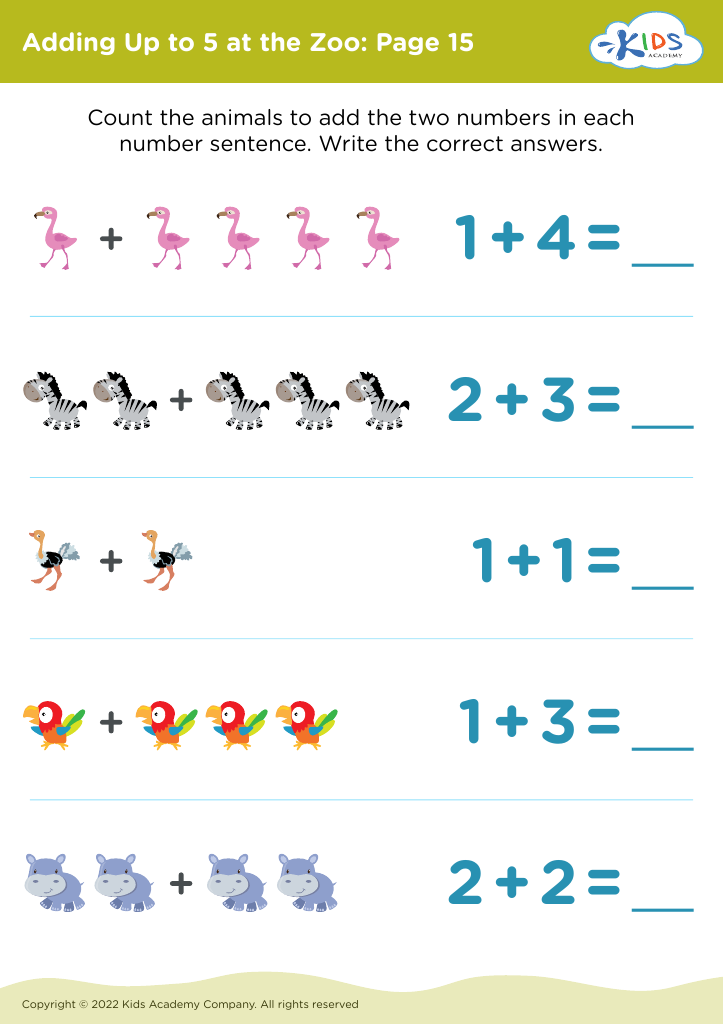
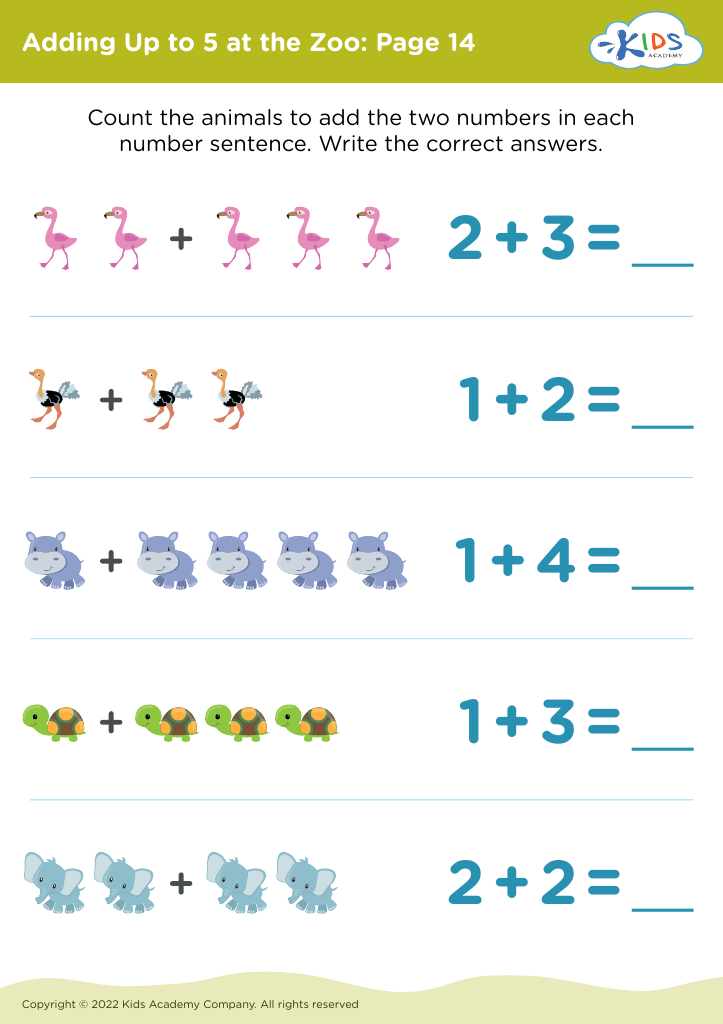
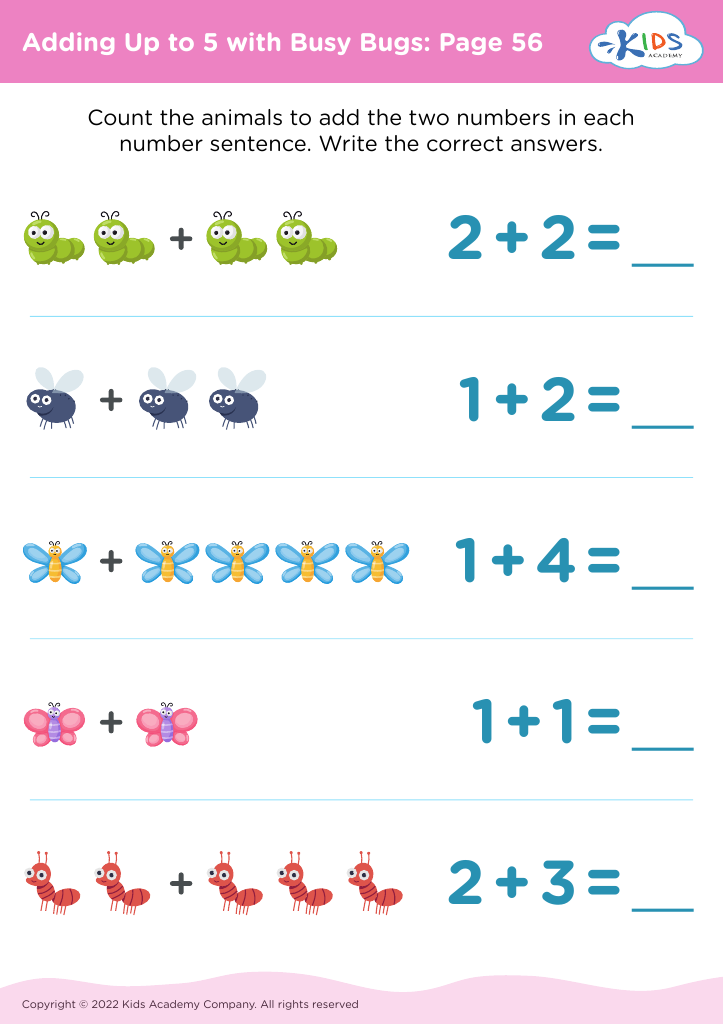
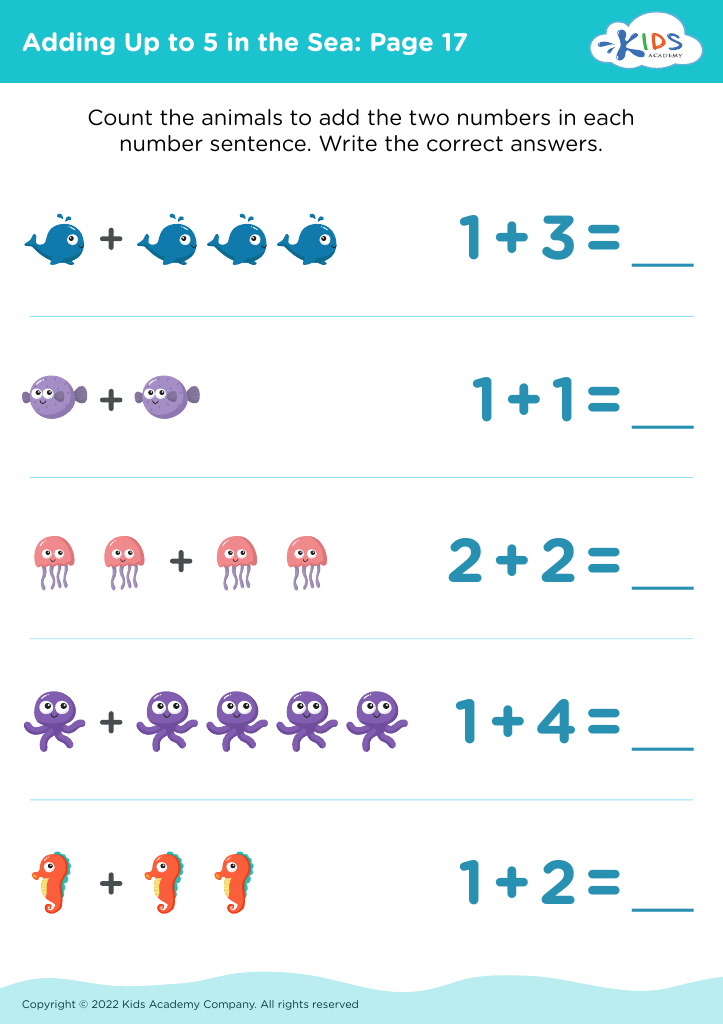
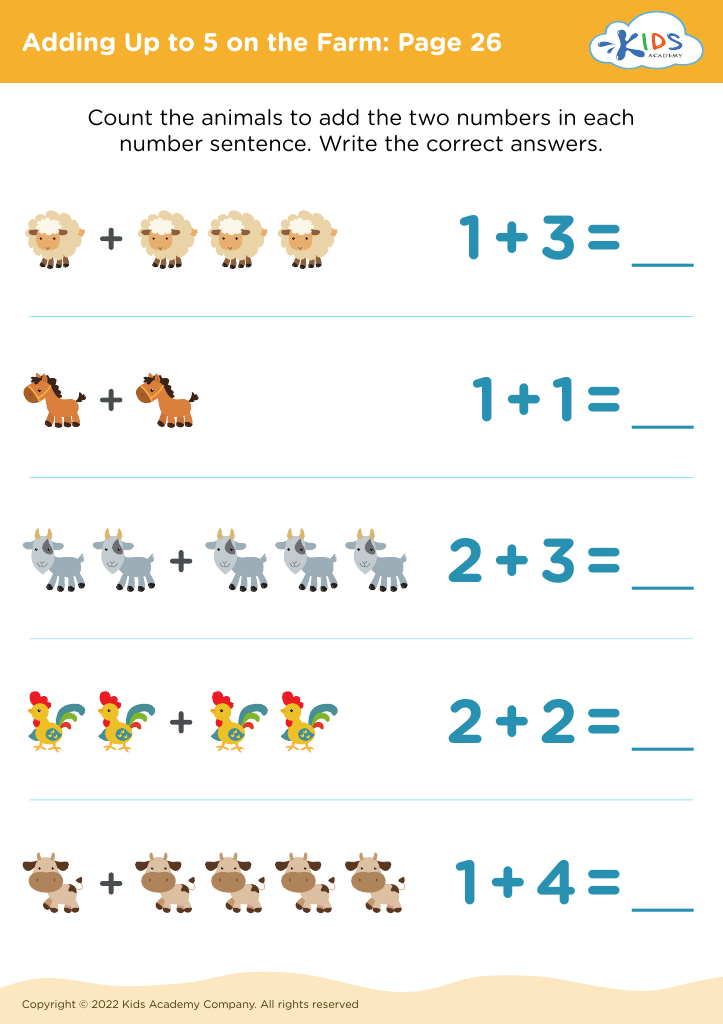
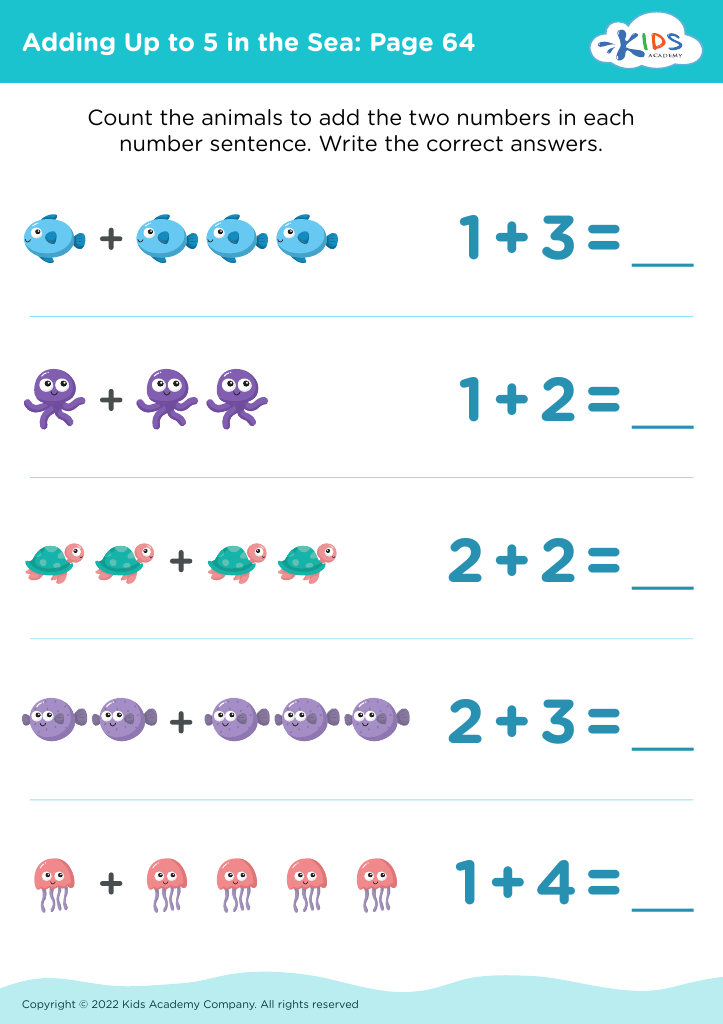
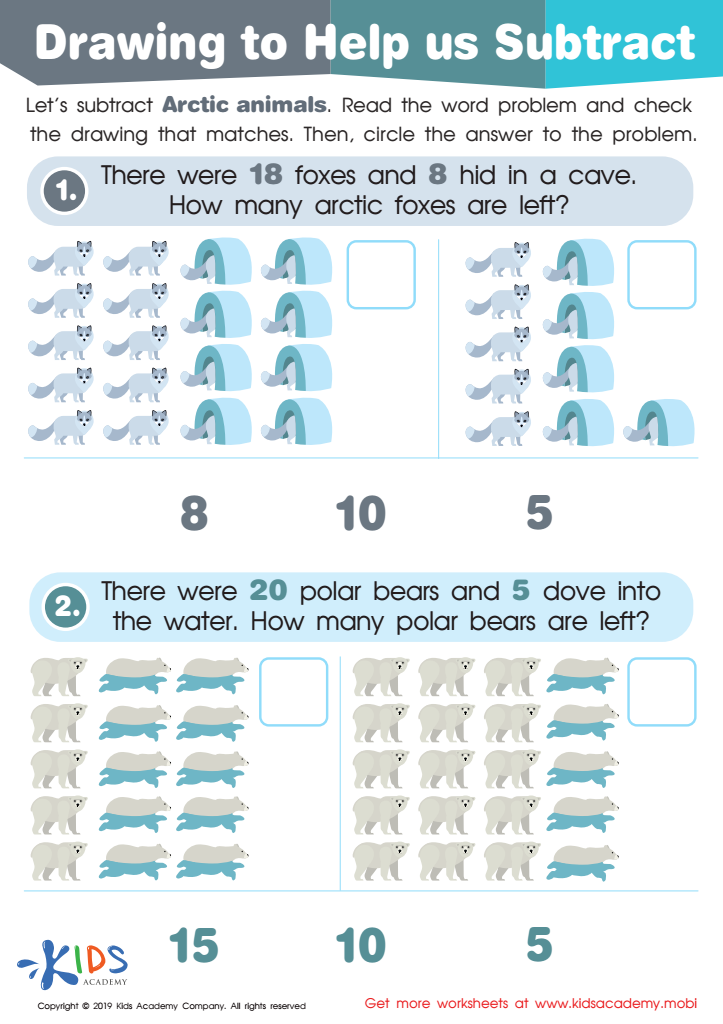
Drawing to Help Us Subtract Worksheet
 Assign to My Students
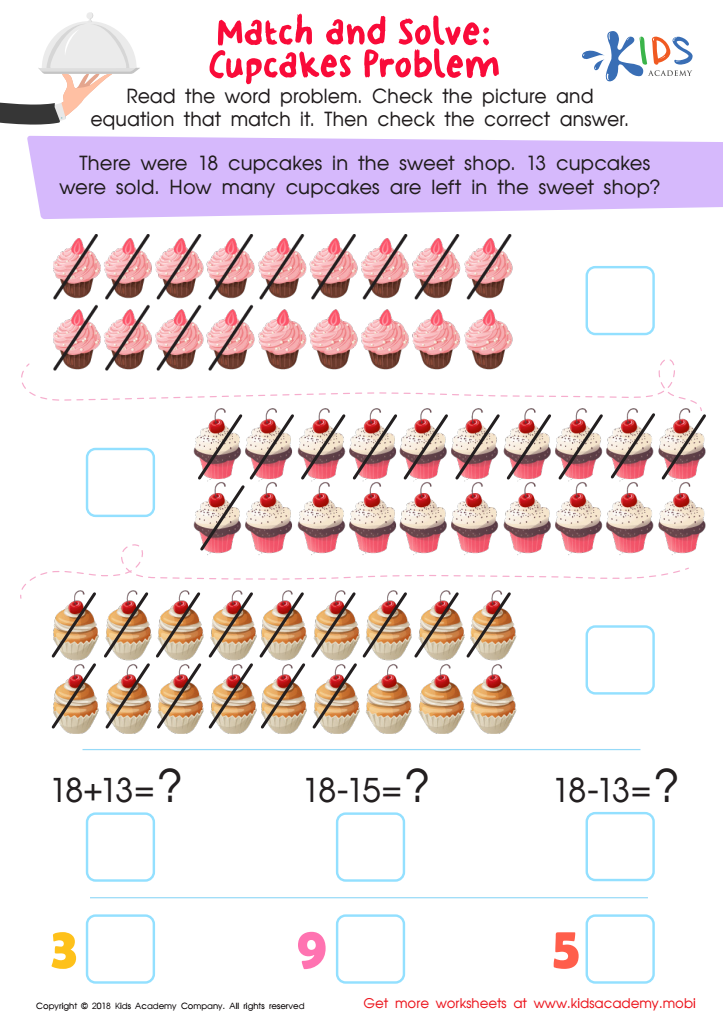
Match and Solve: Cupcakes Problem Worksheet
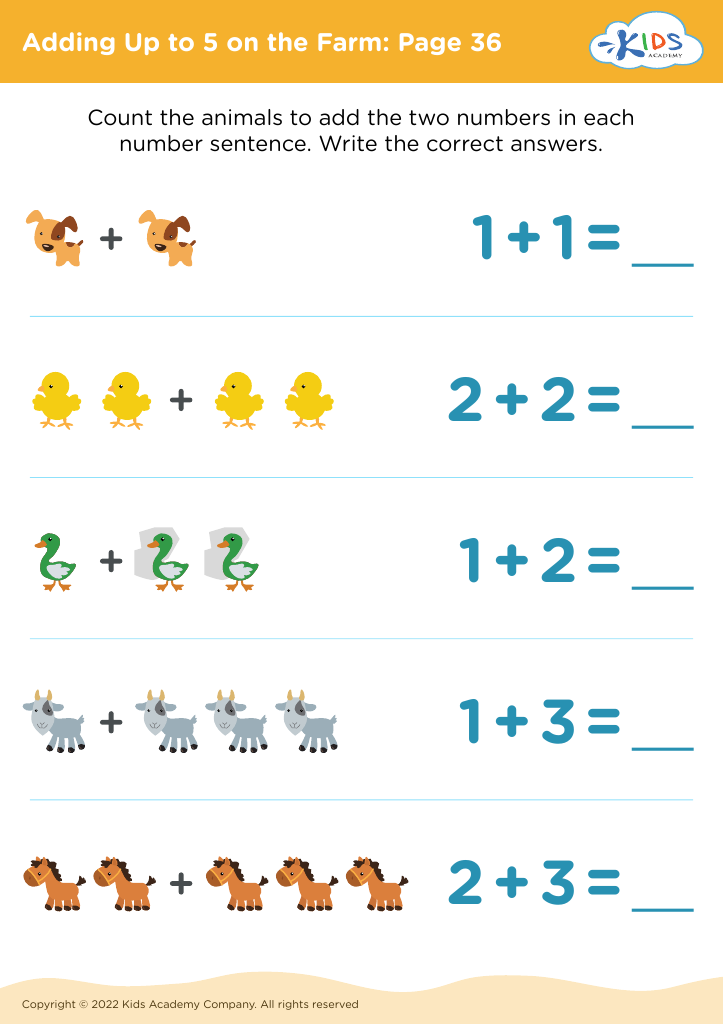
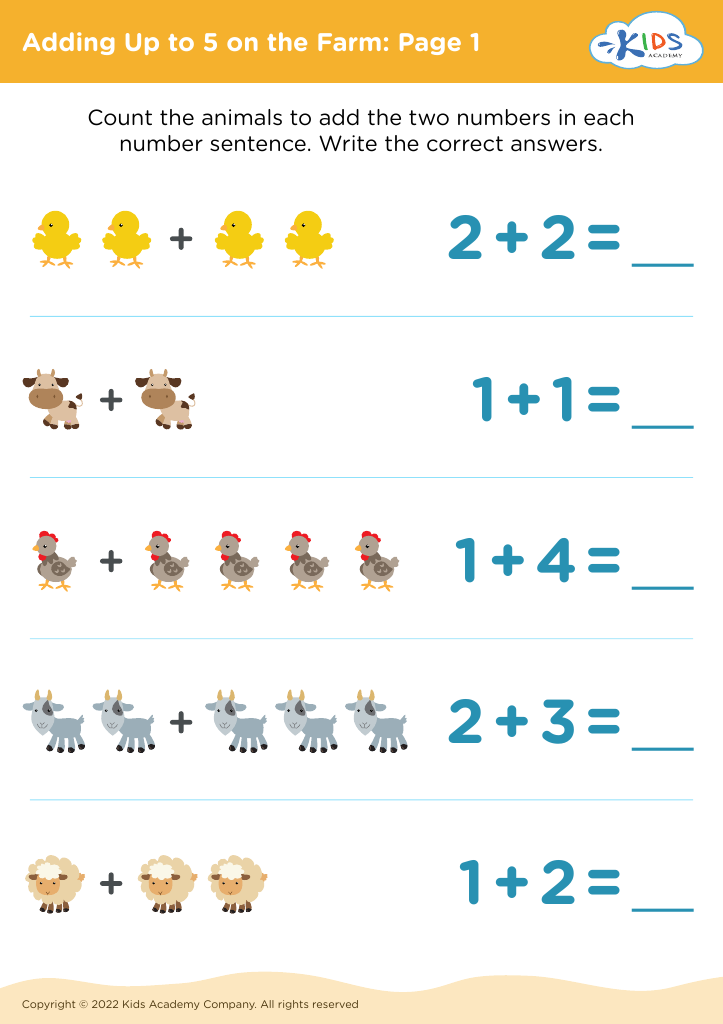
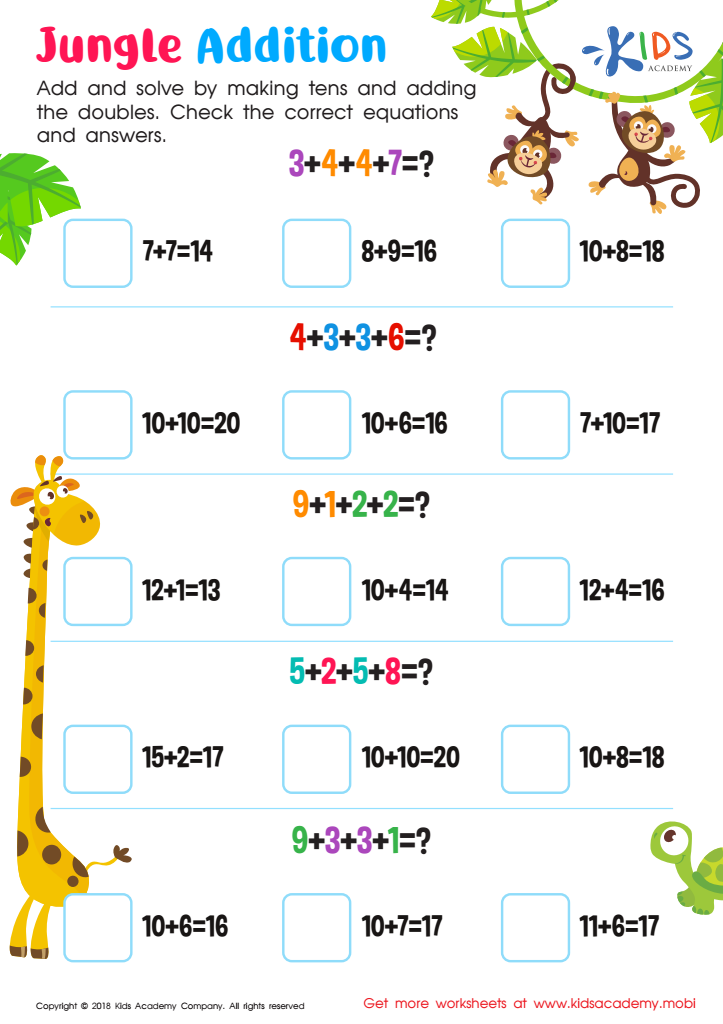
Jungle Addition Worksheet
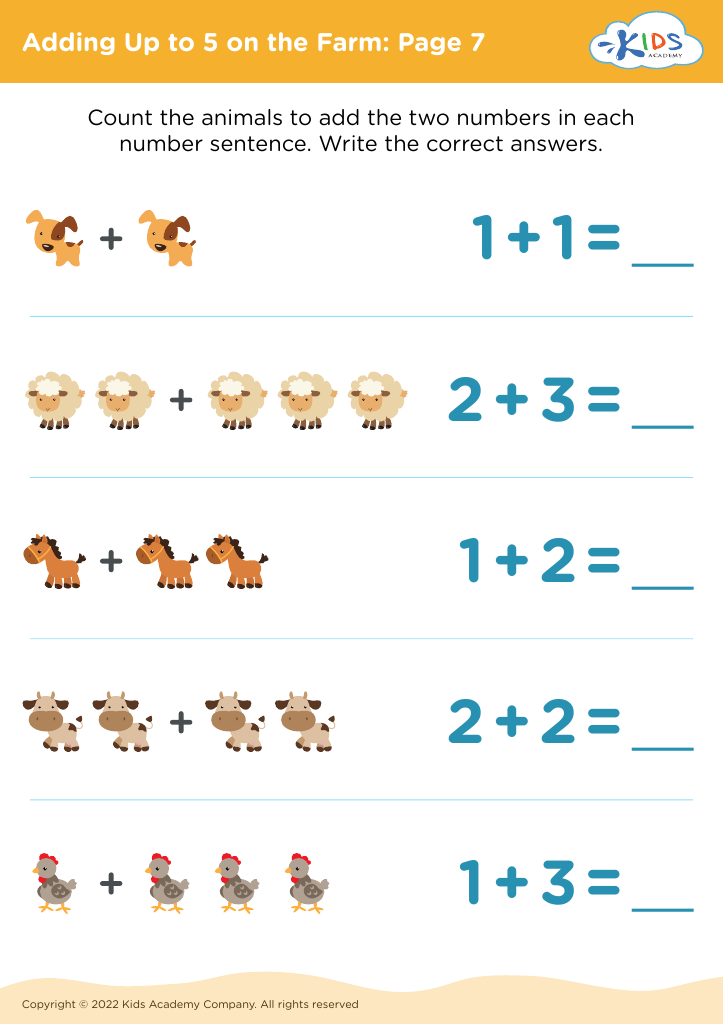







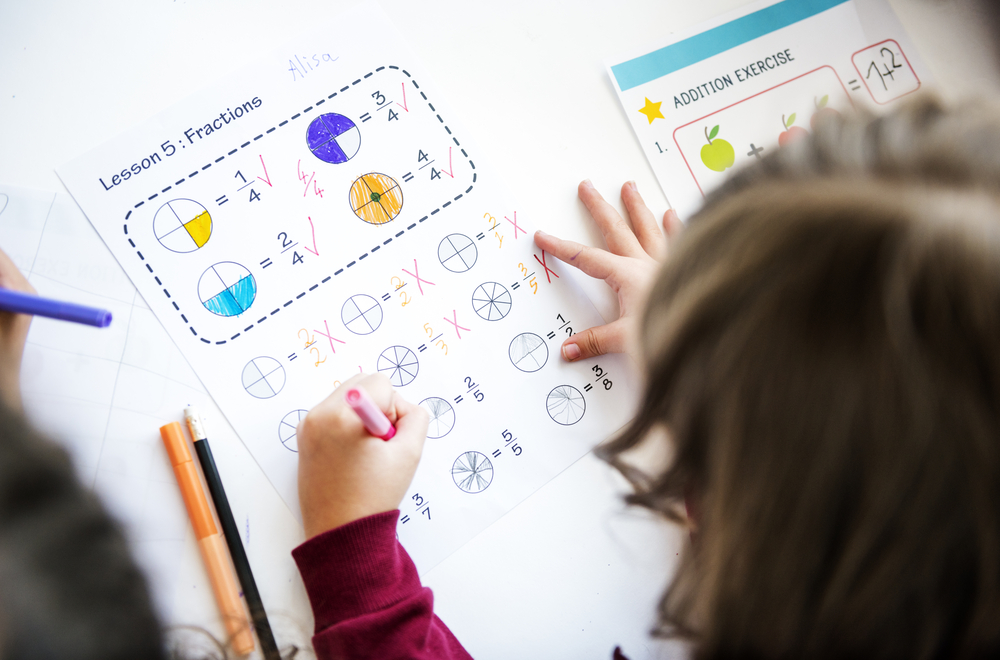
Visual Learning in Math for ages 4-7 is critical for several reasons. First, it caters to the developmental stages of young children, who learn best through images, colors, and hands-on activities. Visual aids like blocks, drawings, and charts help children grasp complex mathematical concepts by presenting them in a tangible, relatable way.
Furthermore, using visual strategies can enhance engagement and motivation, making math enjoyable rather than intimidating. When children can see and manipulate objects, they are more likely to develop a positive attitude toward learning and problem-solving. Visual learning also accommodates different learning styles, ensuring that all students, whether they are visual, auditory, or kinesthetic learners, have an opportunity to excel.
Additionally, visual learning activities help reinforce foundational skills, such as counting, pattern recognition, and spatial awareness. These early competencies are essential for later success in more advanced math. By encouraging visual learning, parents and teachers can foster critical thinking, creativity, and a lifelong love of math. Ultimately, investing time in engaging young learners through visual methods prepares them not only for academic success but also for real-world problem-solving as they grow.








