Cognitive Development Reading Worksheets for Ages 4-7
28 filtered results
-
From - To
Discover our engaging Cognitive Development Reading Worksheets designed specifically for children aged 4-7. These worksheets focus on enhancing critical thinking, problem-solving, and comprehension skills through fun and interactive activities. Tailored to align with early learning standards, our resources promote the development of vital cognitive abilities while fostering a love for reading. With colorful illustrations and age-appropriate content, kids will enjoy completing activities that challenge their minds and boost their vocabulary. Ideal for home or classroom use, our worksheets support educators and parents in cultivating essential reading skills that lay the foundation for lifelong learning. Access our collection and inspire young learners today!
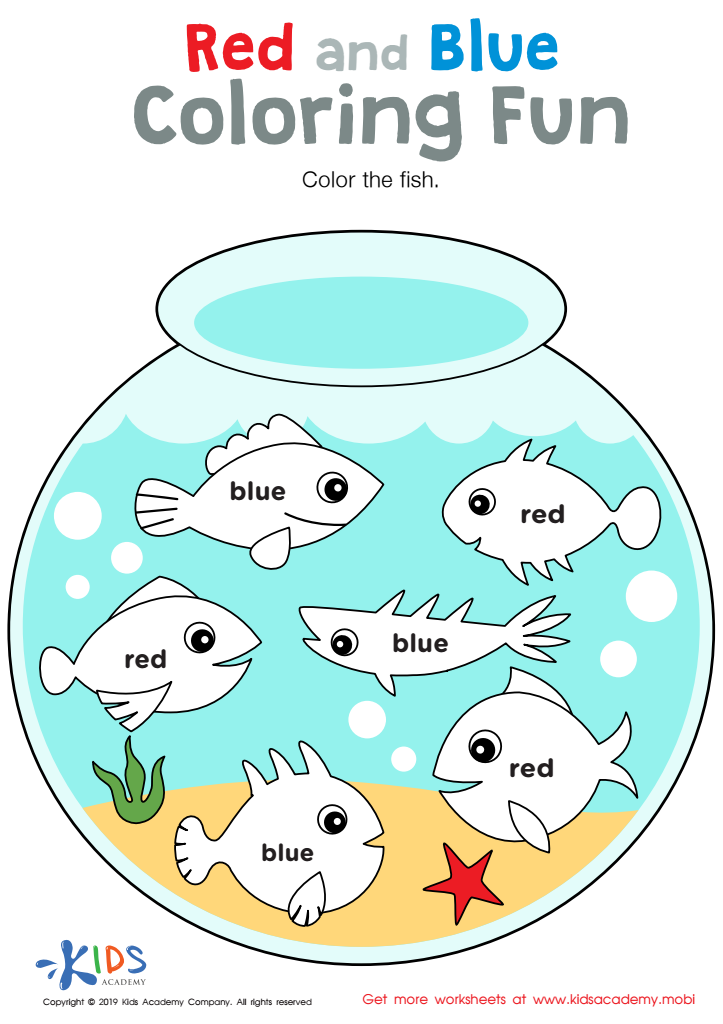
Red and Blue Coloring Fun Worksheet
 Assign to My Students
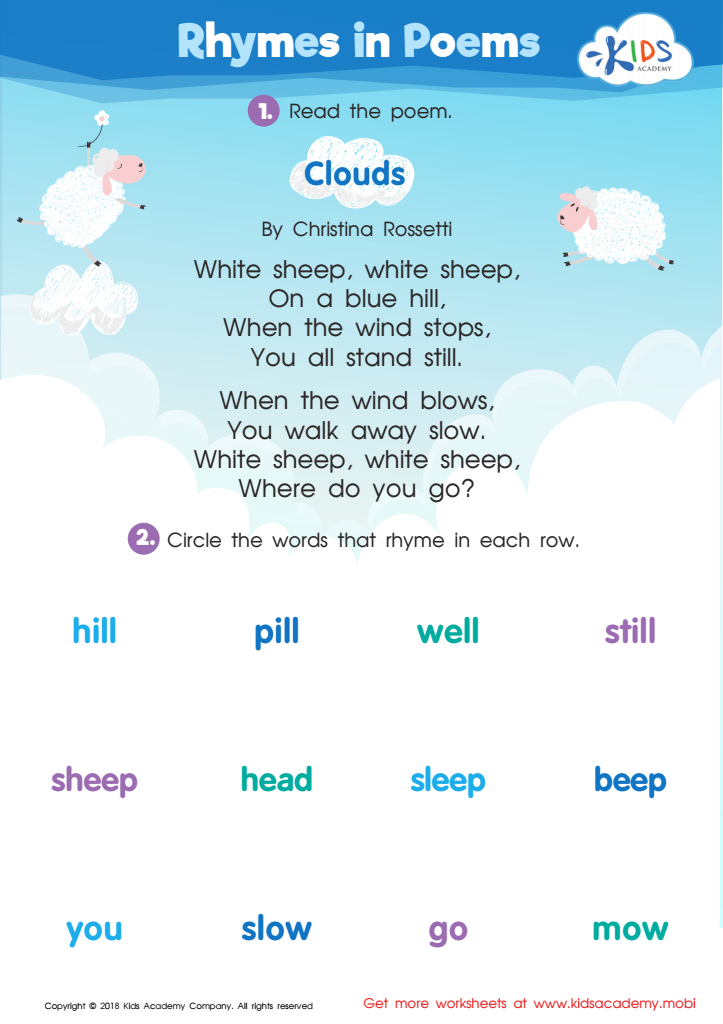
Rhymes in Poems Worksheet
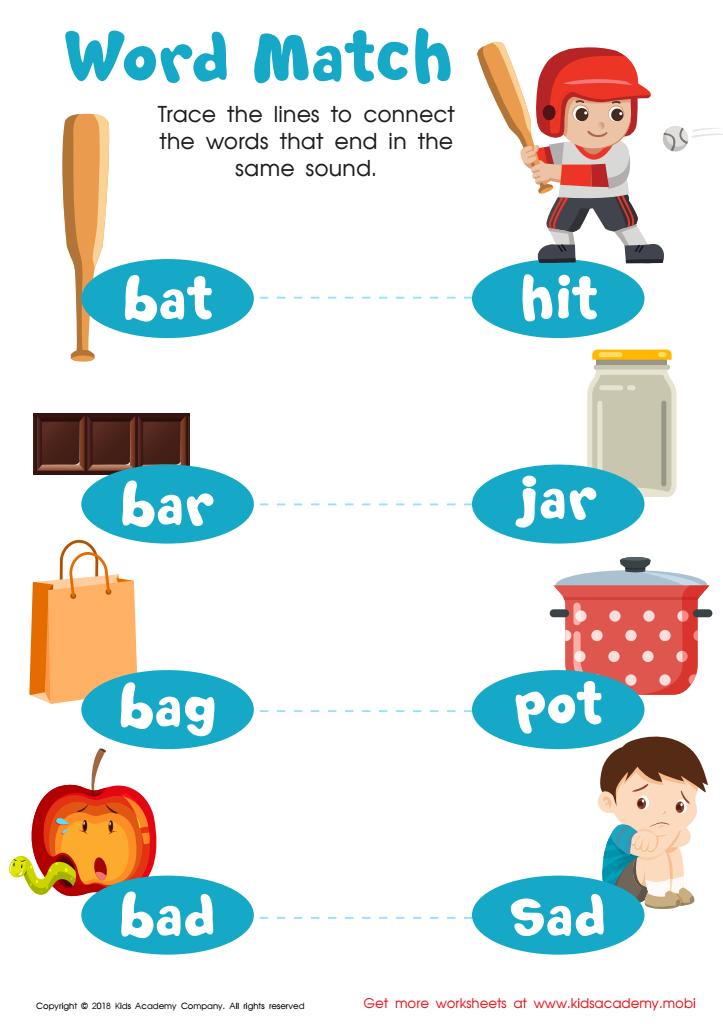
Word Match Reading Worksheet
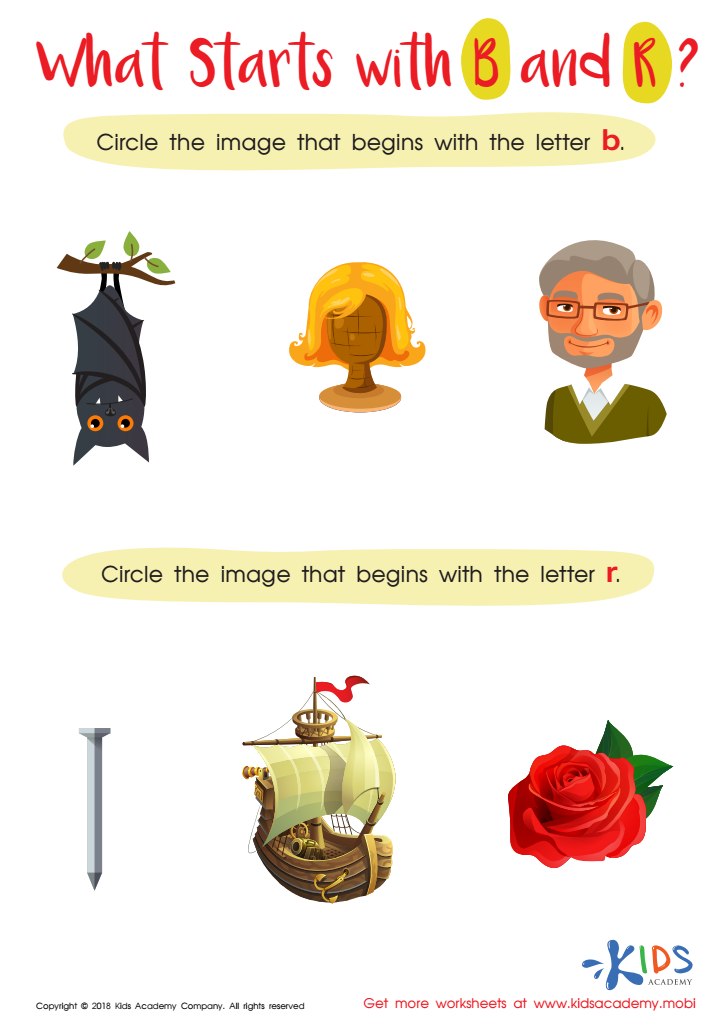
What Starts with B and R? Worksheet
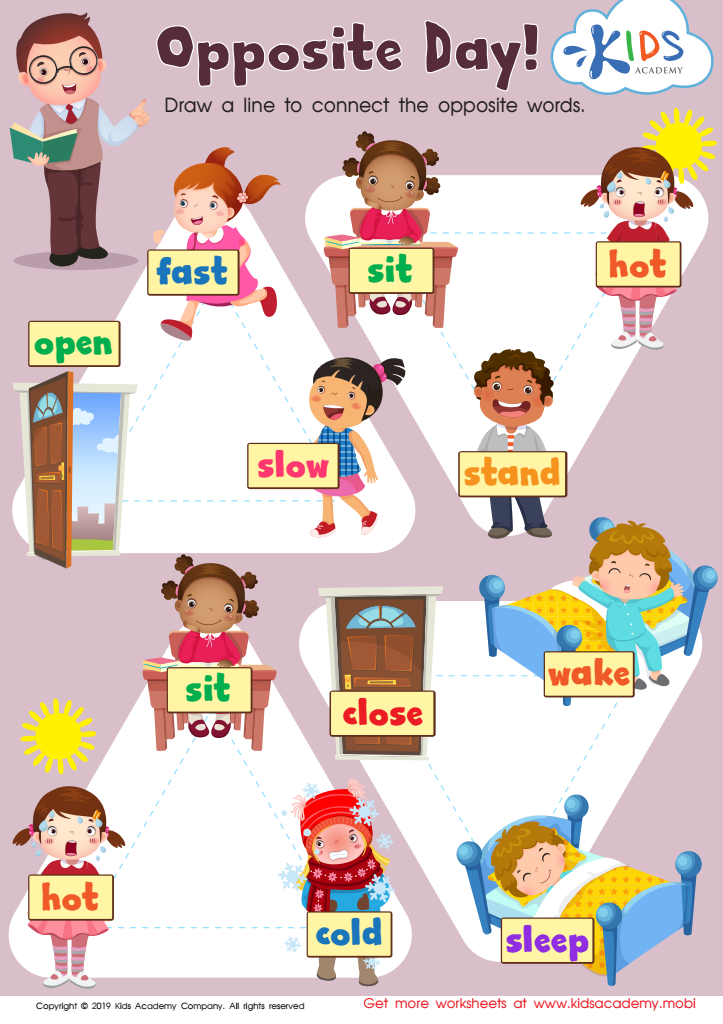
Opposite Day Worksheet
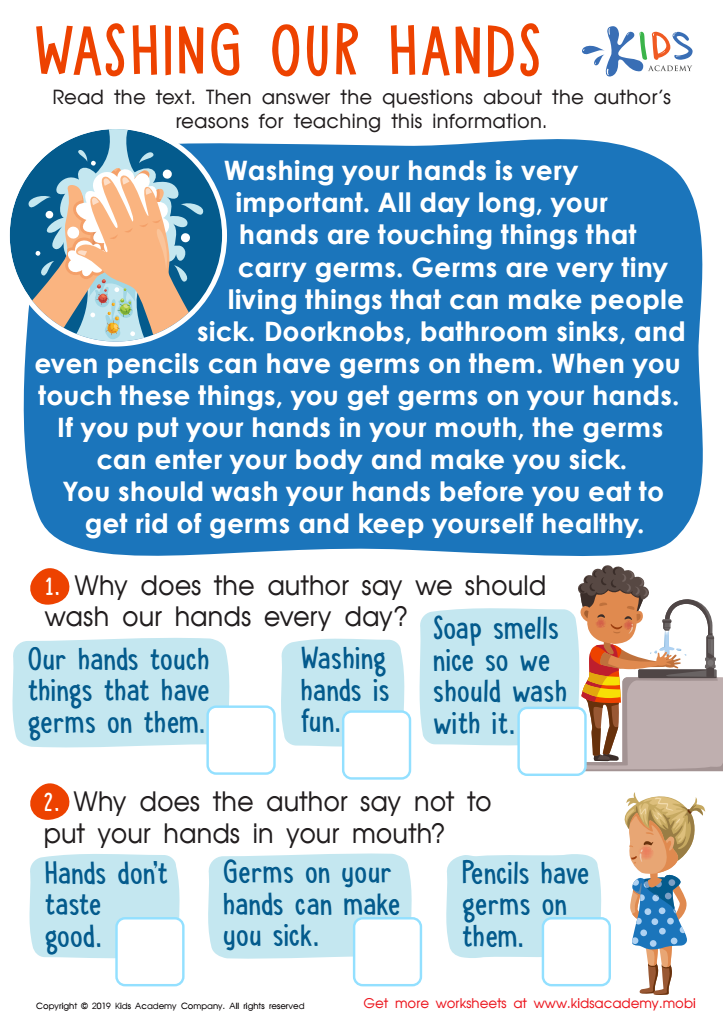
Washing Our Hands Worksheet
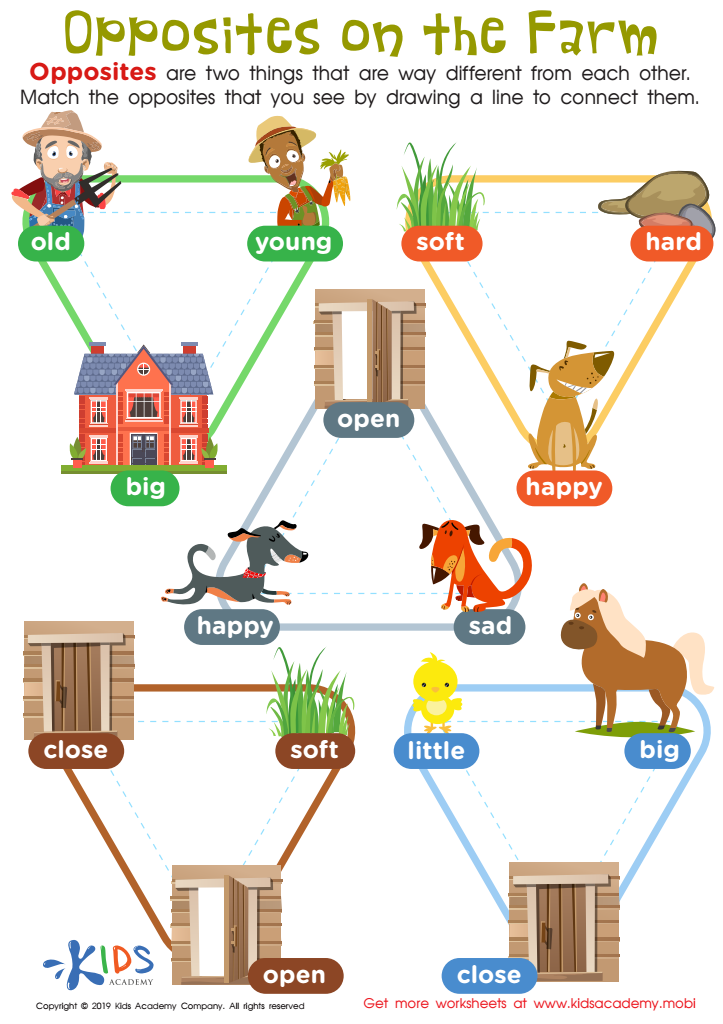
Opposites on the Farm Worksheet
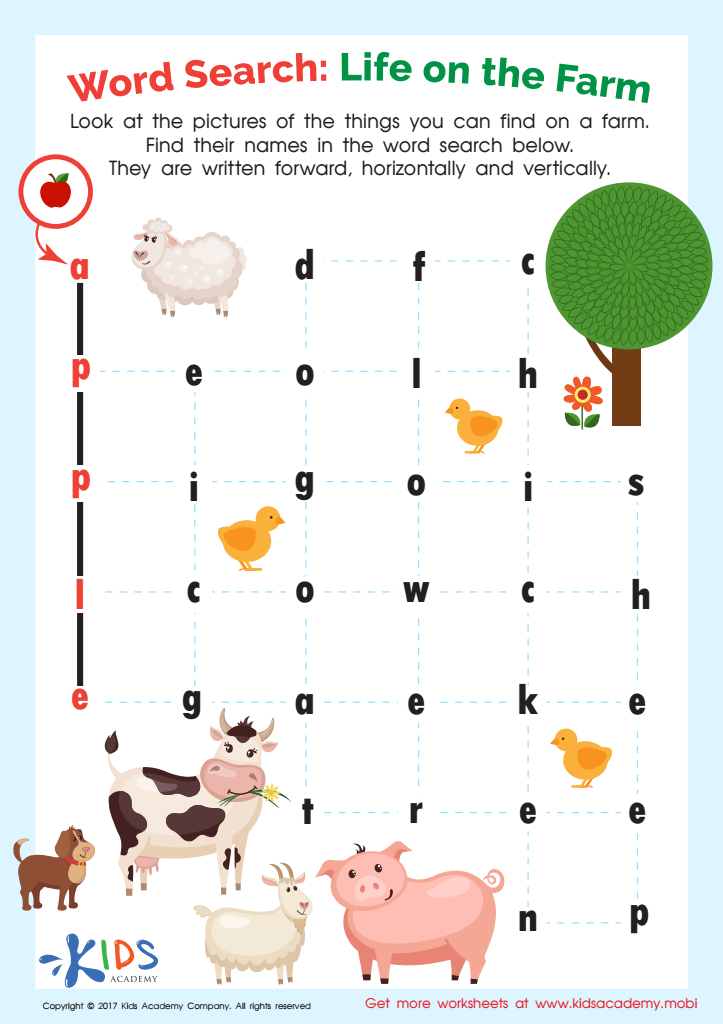
Word Search Puzzles Worksheet
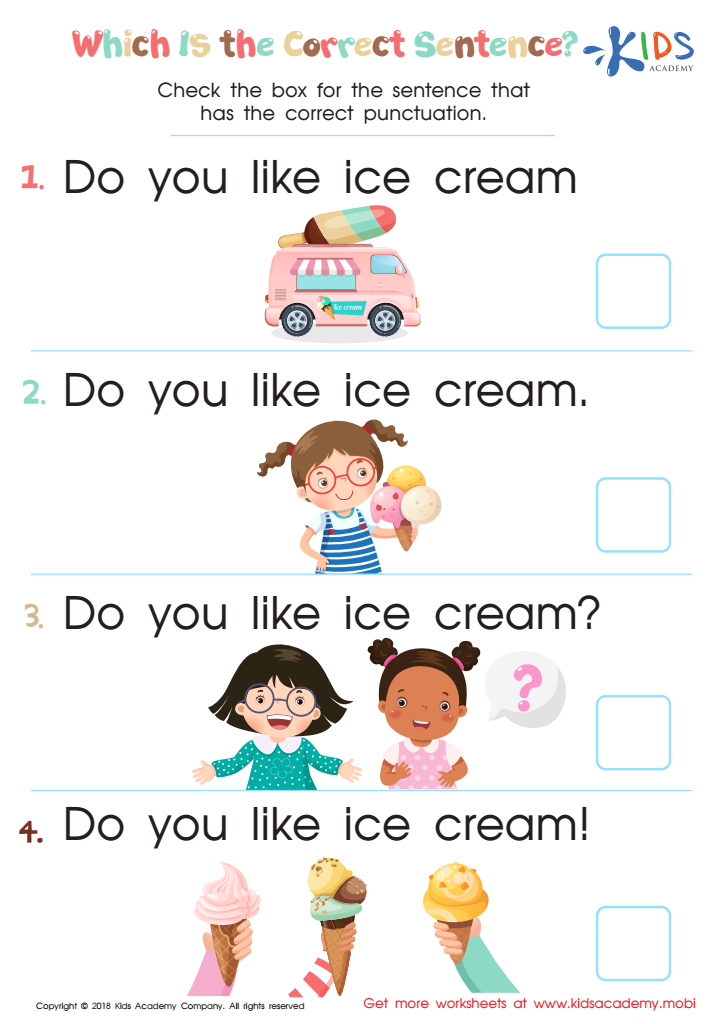
Which is the Correct Sentence? Worksheet
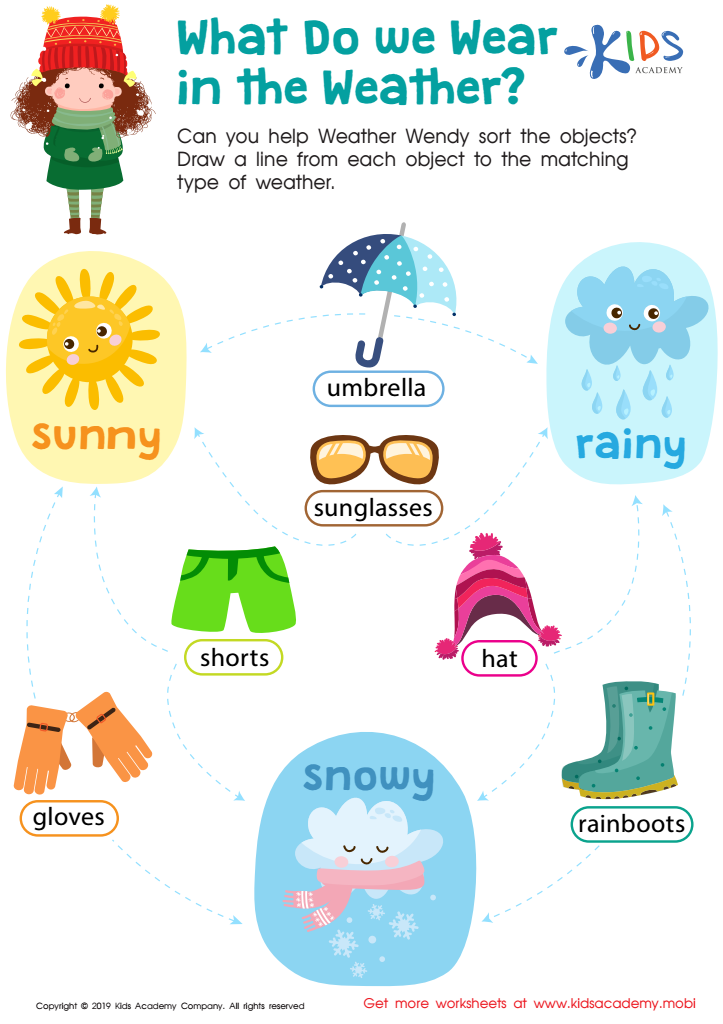
What Do We Wear in the Weather? Worksheet
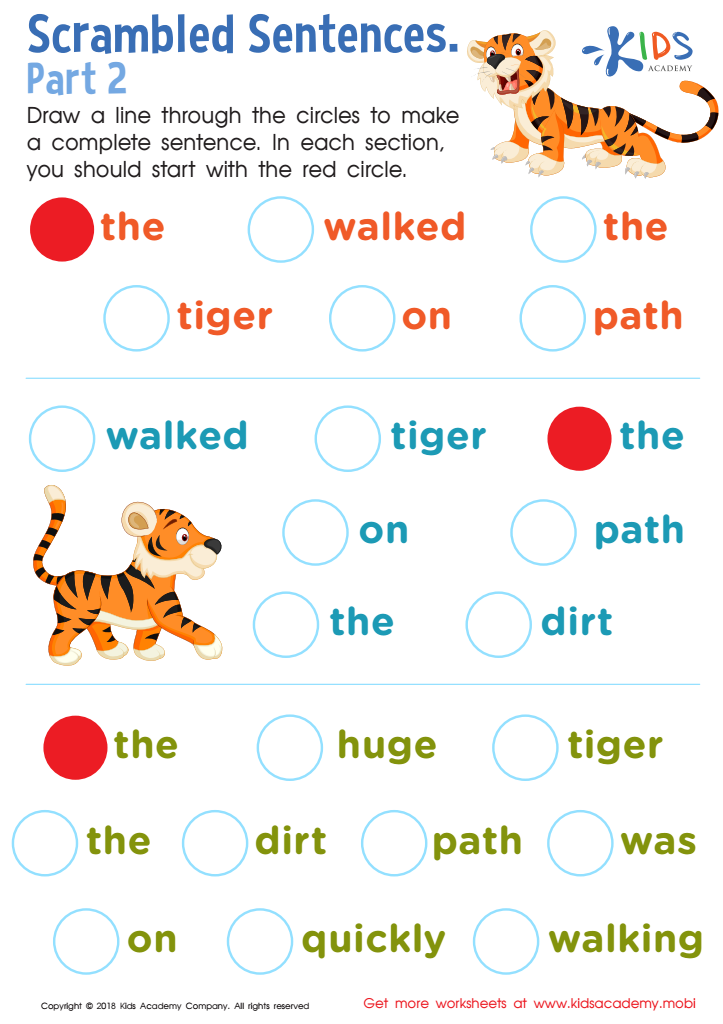
Scrambled Sentences Part 2 Worksheet
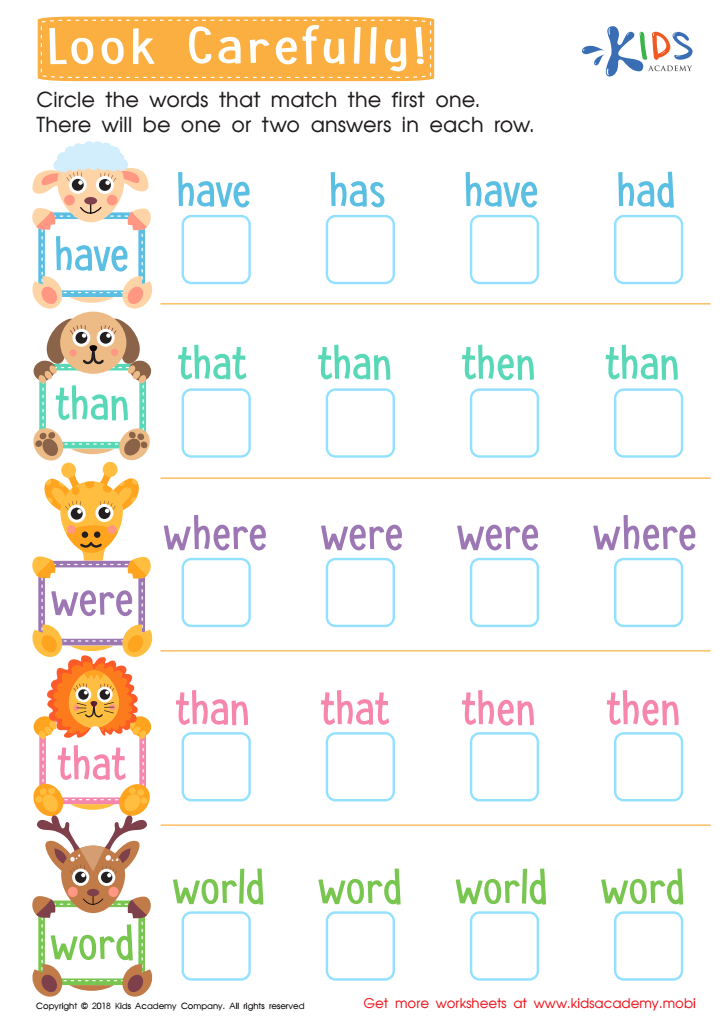
Look Carefully Worksheet
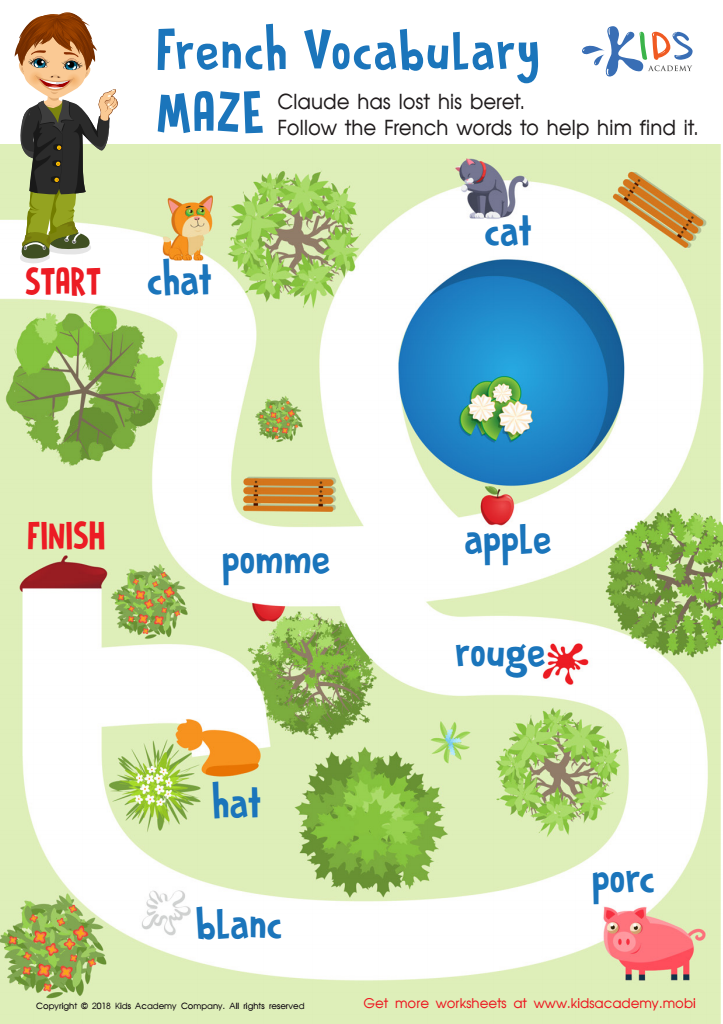
French Vocabulary Maze Worksheet
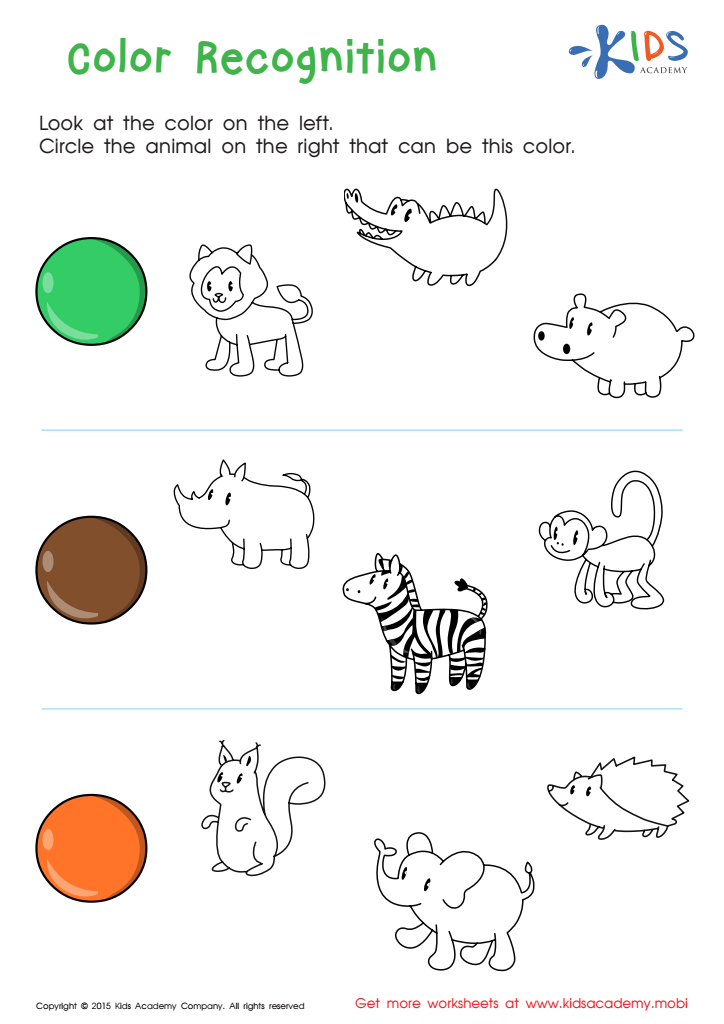
First Words: Color Recognition Worksheet
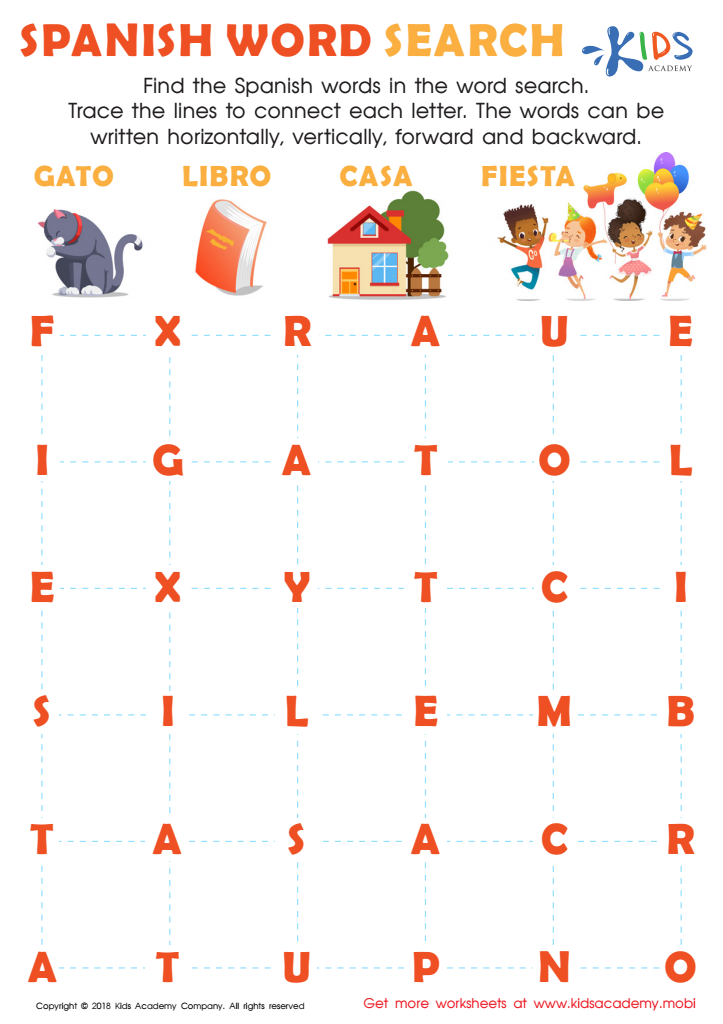
Spanish Word Search Worksheet
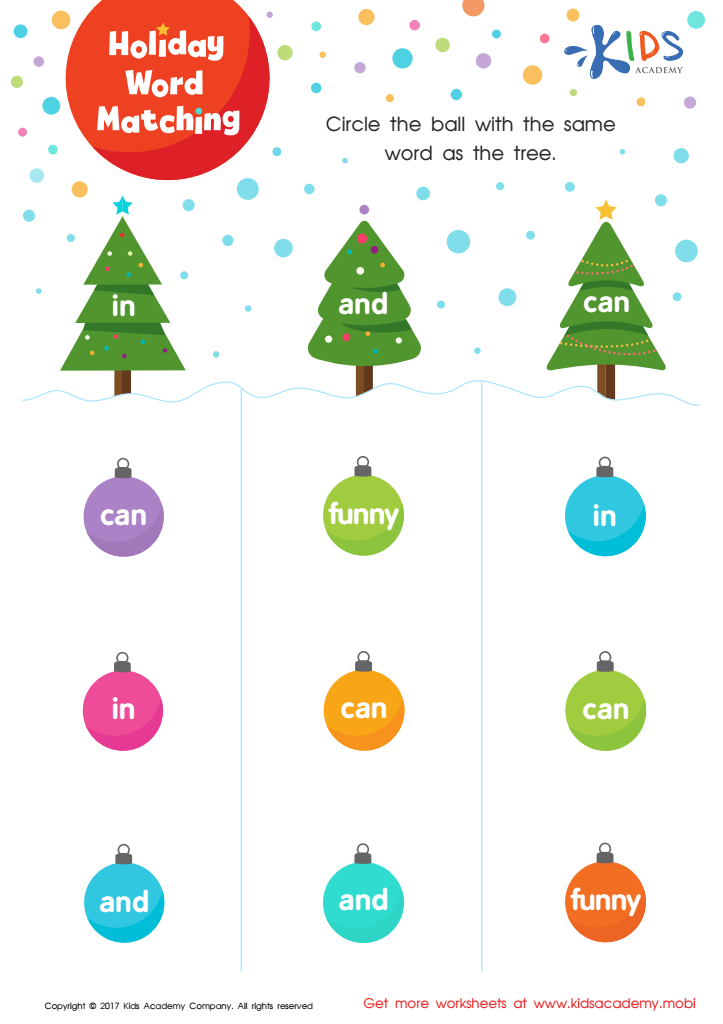
Holiday Word Matching Worksheet
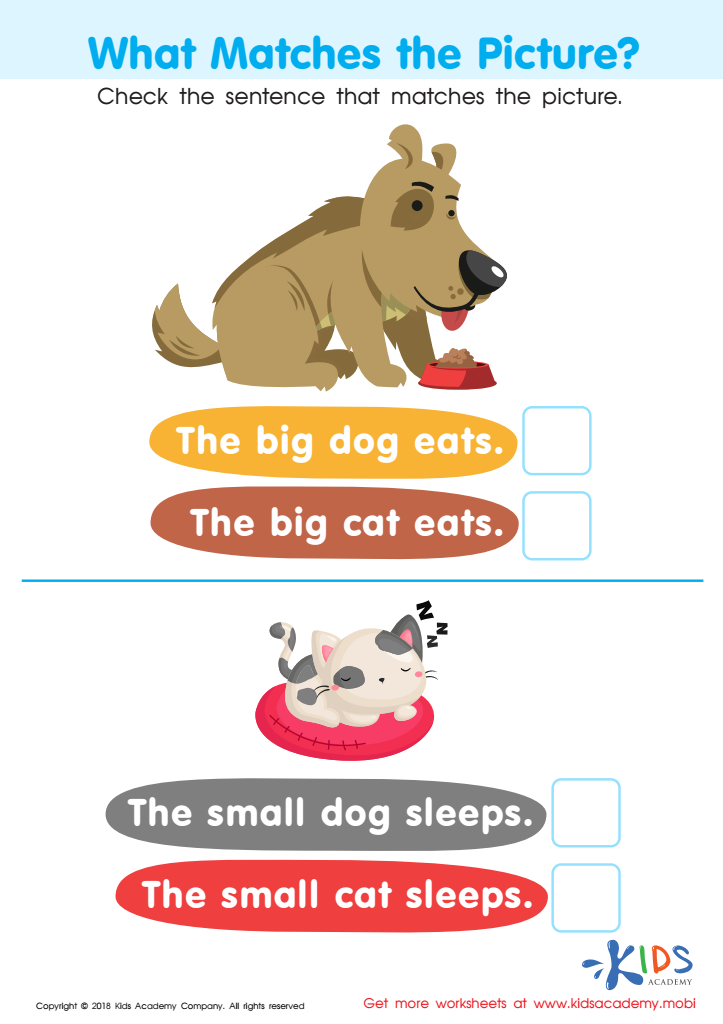
What Matches the Picture? Worksheet
The Bingo Song: Coloring The Farmer Worksheet
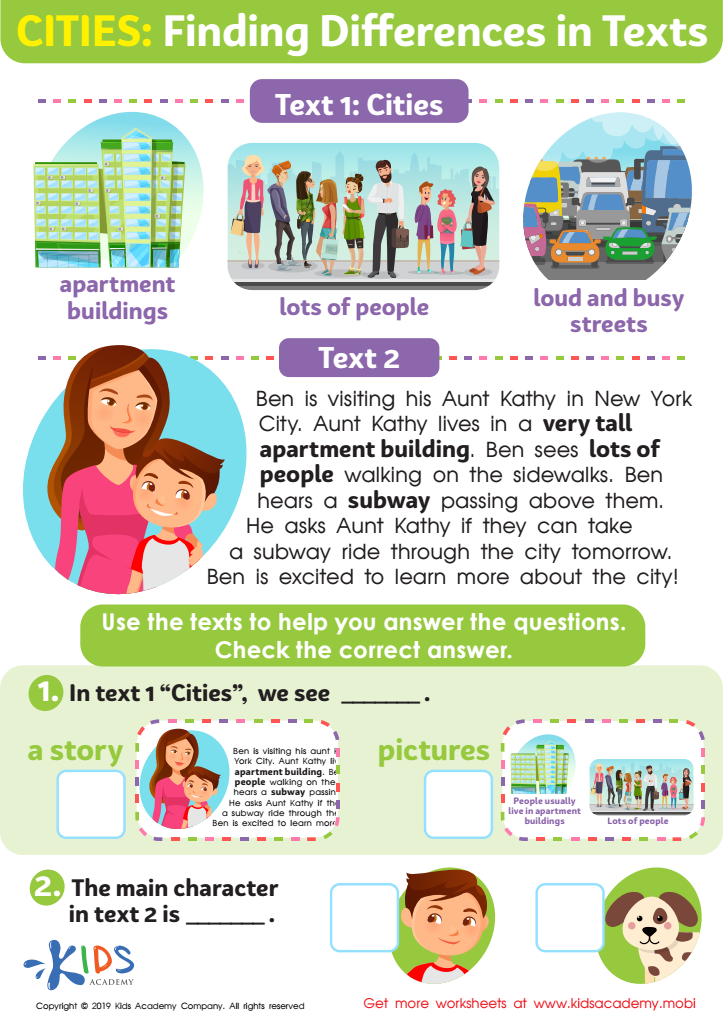
Cities: Finding Differences Worksheet
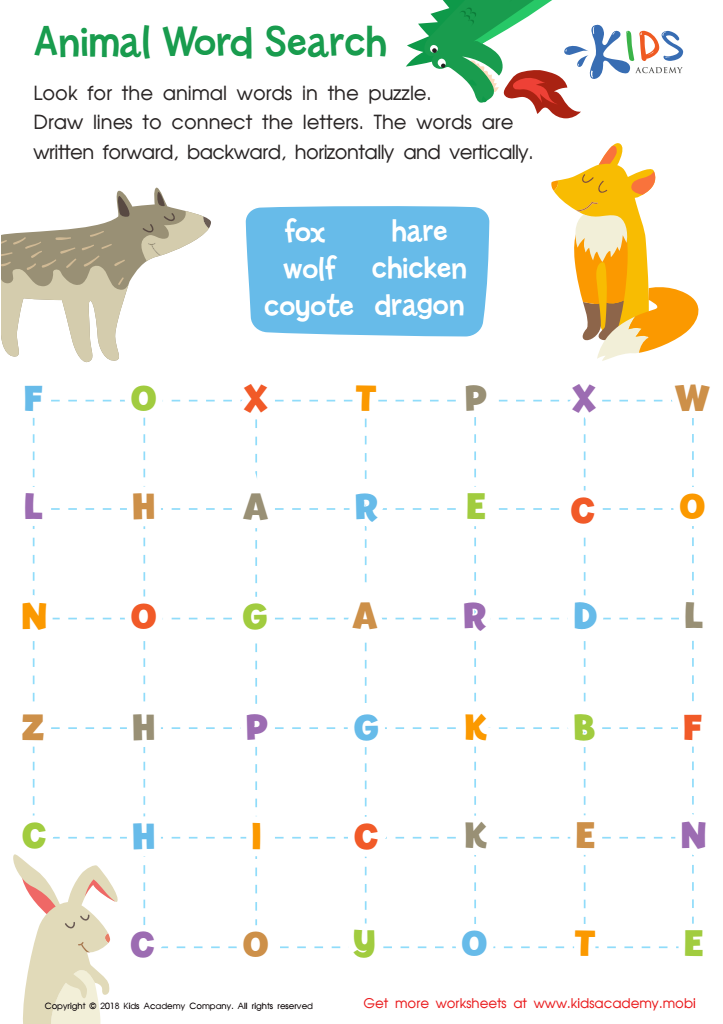
Animal Word Search Worksheet
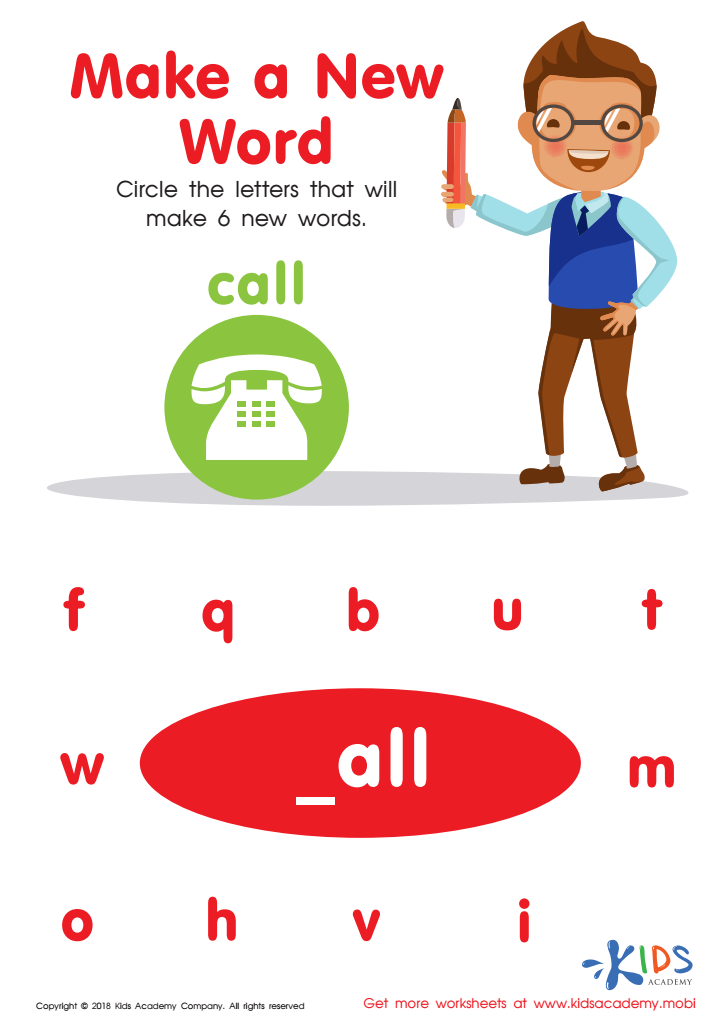
Make a New Word Worksheet
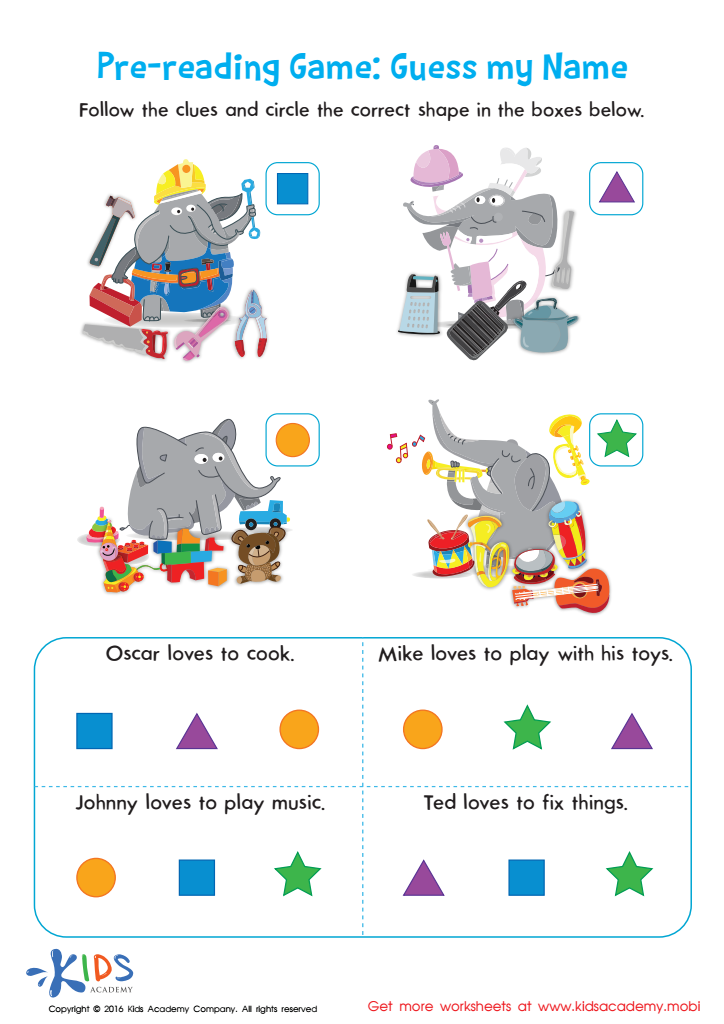
Pre Reading Worksheet Guess My Name

The Bingo Song: Coloring The Dog Worksheet

Pen Rhyming Words Worksheet







Cognitive development in reading for children aged 4-7 is pivotal, as this stage lays the foundation for lifelong literacy skills. During these formative years, children's brains are highly receptive, making them uniquely capable of absorbing language, understanding context, and developing critical thinking skills. Engaging in reading activities promotes vocabulary acquisition, comprehension, and imaginative thinking.
Moreover, reading during this age enhances problem-solving skills and encourages children to analyze and synthesize information, which are crucial cognitive abilities in their academic journey. Teachers and parents play vital roles in nurturing these skills; by promoting a habit of reading, they stimulate children’s curiosity and engagement with the world around them. This involvement is not just about academic success but also about fostering emotional and social development, as children learn to empathize and connect with characters and contexts.
Additionally, early positive reading experiences can instill a love for books, setting the stage for ongoing education and a thirst for knowledge. In essence, prioritizing cognitive development in reading helps ensure children are well-equipped for future learning challenges, boosting their self-confidence and enjoyment in their educational journey. Thus, promoting reading in this critical age range should be a shared goal of educators and parents alike.








