
Counting objects Reading Worksheets for Ages 4-7
3 filtered results
Difficulty Level
Grade
Age
-
From - To
Subject
Activity
Standards
Our Counting Objects Reading Worksheets for ages 4-7 provide a dynamic and interactive approach to early math and reading skills. Perfect for young learners, these printable worksheets help children practice counting while improving their ability to recognize and read numbers. Bright illustrations and engaging activities make learning fun and effective. Each worksheet is designed to reinforce counting objects and enhance cognitive development in a playful yet educational manner. Ideal for both classroom and home use, these worksheets are a great resource for parents and teachers to support early learning in a structured and enjoyable way. Explore now for a head start in mathematics!
Favorites
With answer key
Interactive
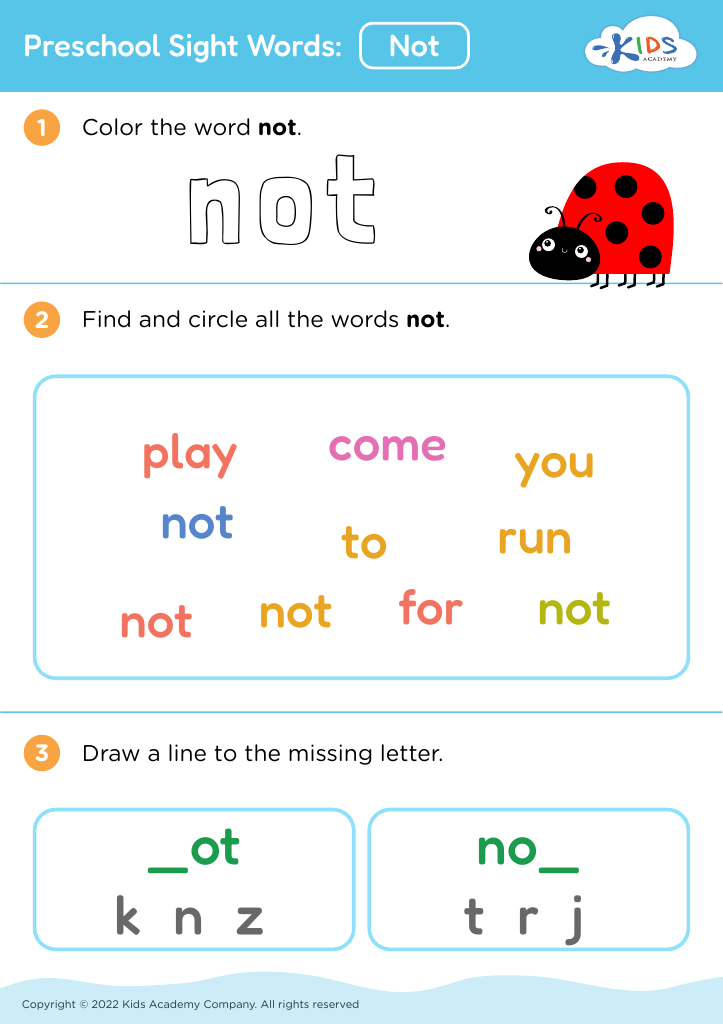
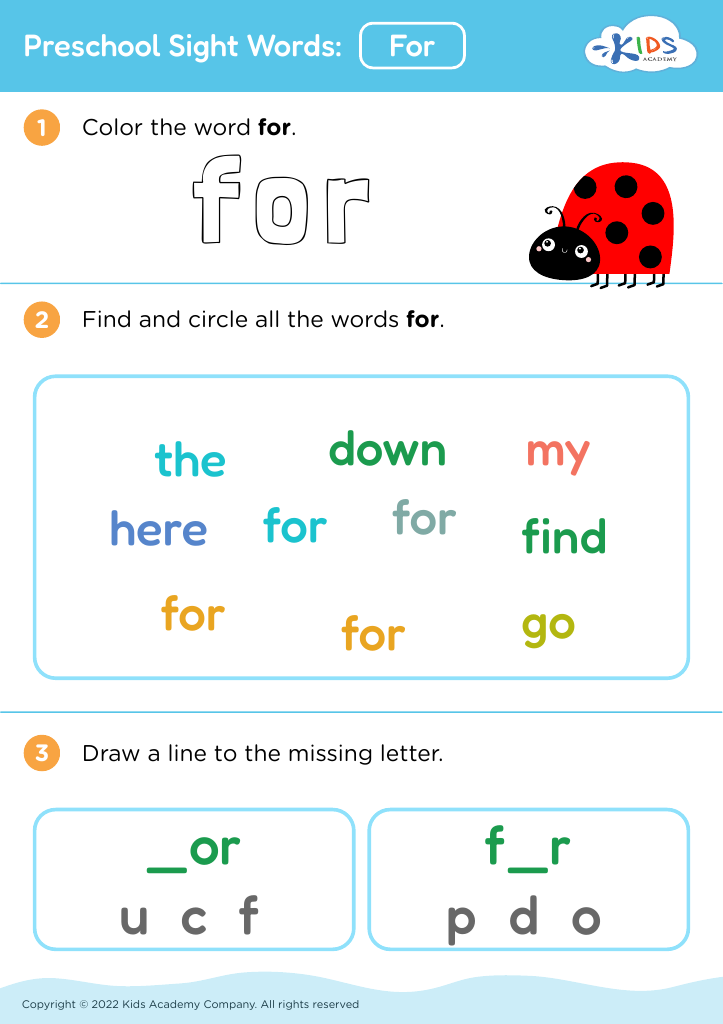
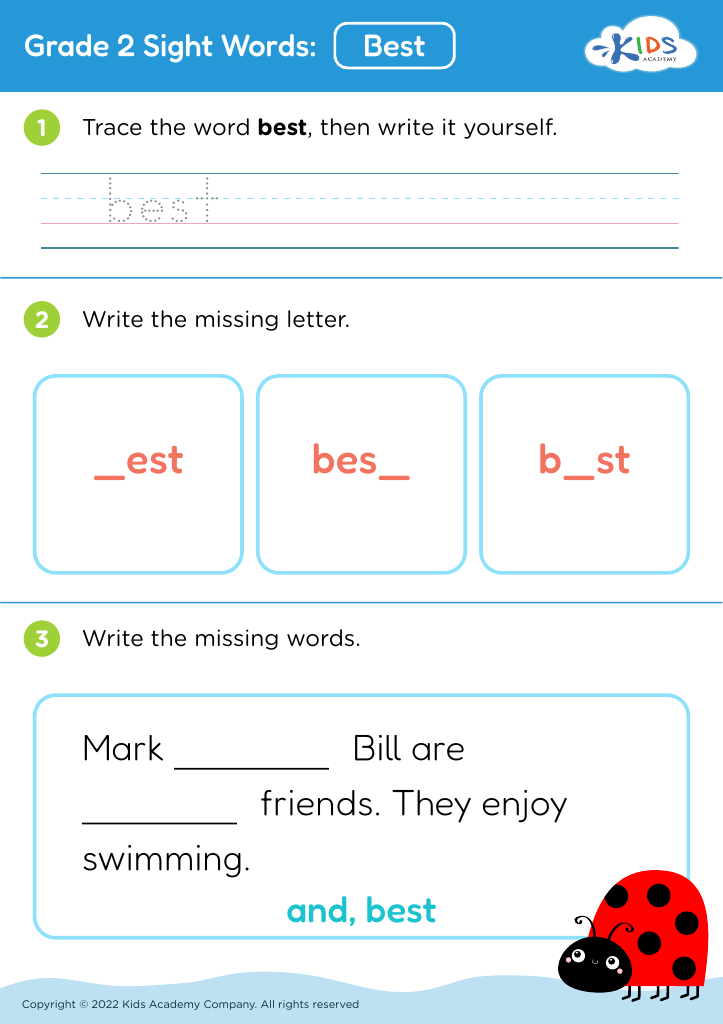
Learning Skills
Join Kids Academy for Free
Who is primarily going to use this learning content?






Counting objects and engaging in reading are foundational skills for children ages 4-7, shaping their future learning experiences. During these formative years, over-counting objects helps children understand numbers, build one-to-one correspondence, and develop numerical fluency, all critical for later math achievements. For instance, counting blocks or toys instills basic arithmetic principles, building confidence and enthusiasm that organics future mathematical exploration.
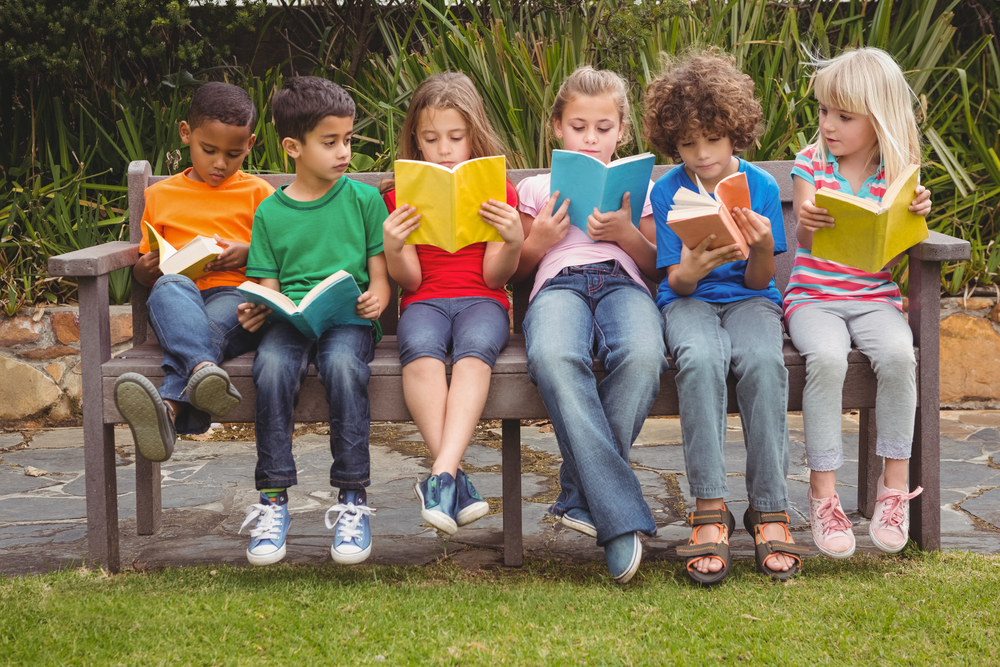
Similarly, reading at a young age enhances language acquisition and literacy. Exposure to books expands vocabulary, improves comprehension, and introduces sentence structures, fostering communication skills. When parents or teachers read to children or encourage independent exploration of picture books and simple texts, they stimulate cognitive development and imagination. These activities form the foundation of critical thinking and problem-solving skills.
Moreover, early engagement in these activities strengthens the parent-child or teacher-student bond. Activities like reading picture books together or counting familiar items create enjoyable learning experiences, instilling a lifelong love for learning. In essence, nurturing counting and reading skills in young children sets the stage for academic success and positive emotional development, making it worthwhile for parents and teachers to dedicate time and effort to these critical early educational practices.








