Critical Thinking Reading Worksheets for Ages 4-7 - Page 2
58 filtered results
-
From - To
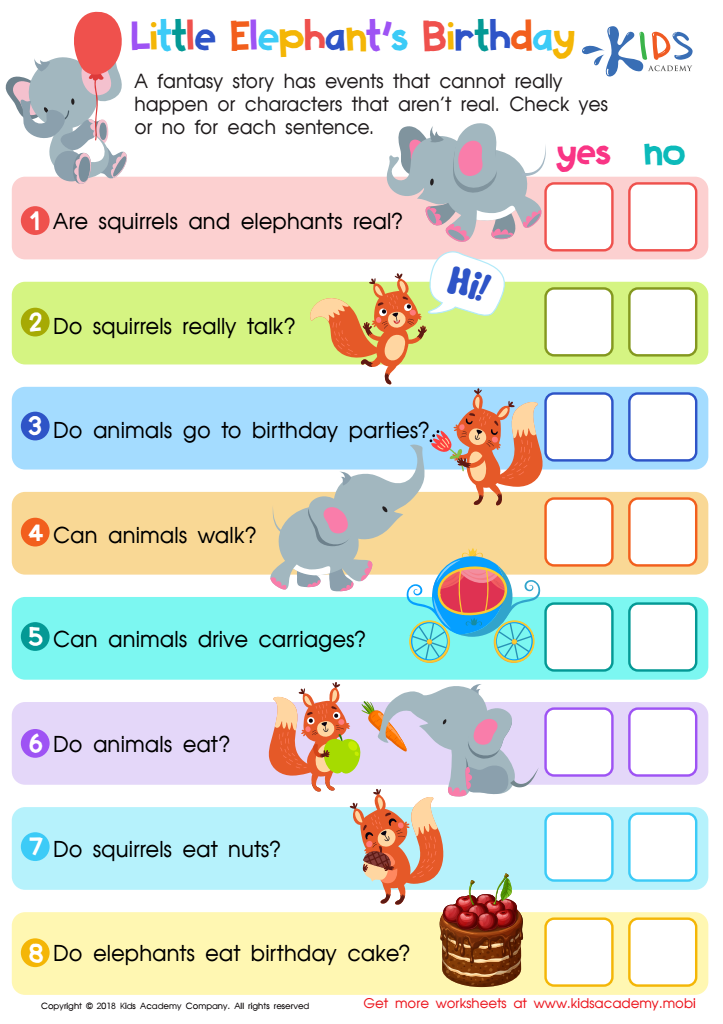
Little Elephant's Birthday Worksheet
 Assign to My Students
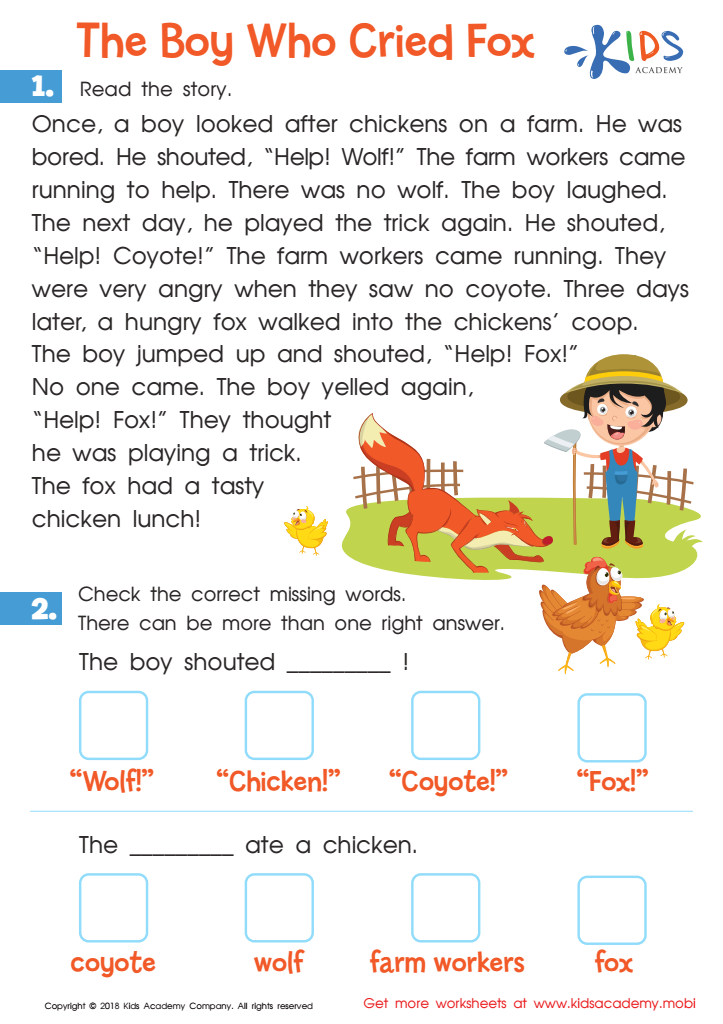
The Boy Who Cried Fox Worksheet
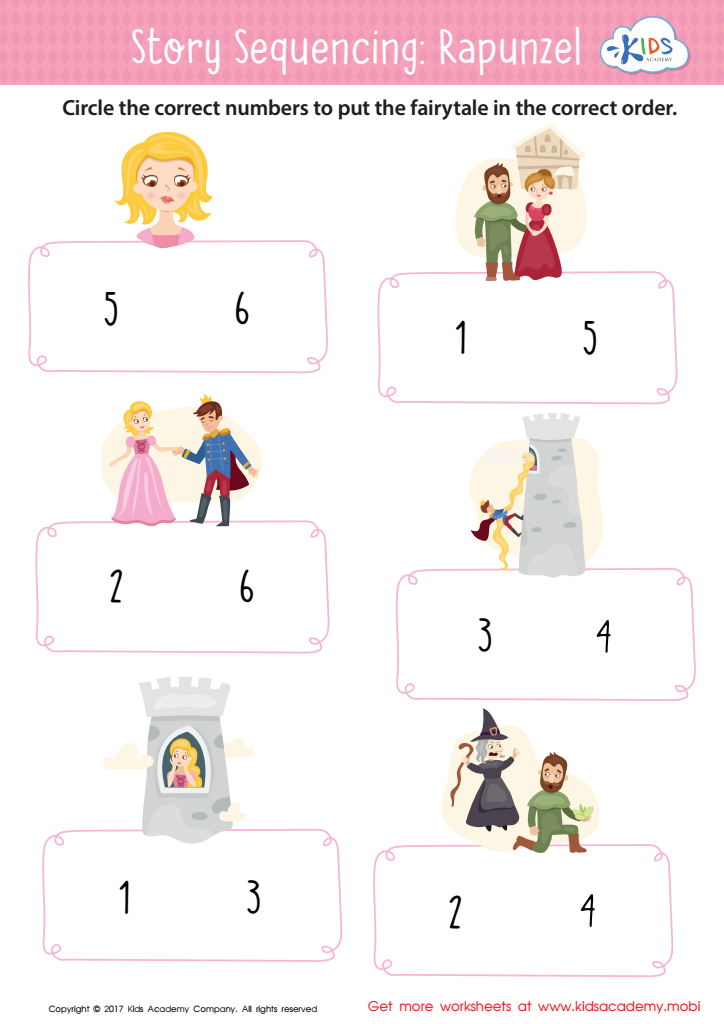
Rapunzel Story Sequencing Worksheet
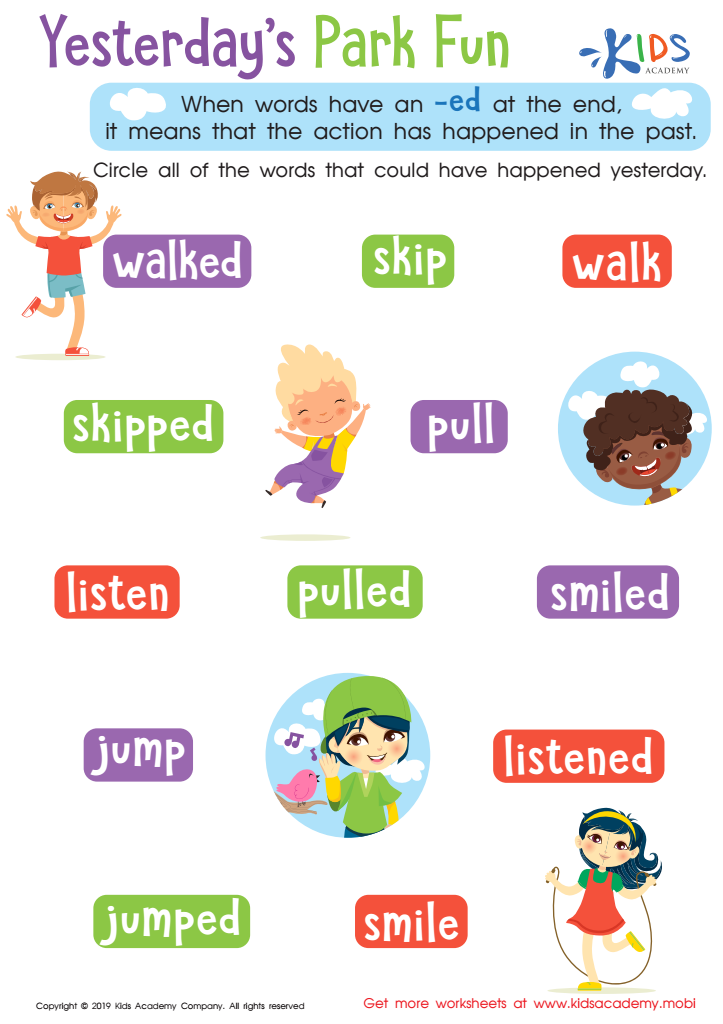
Yesterday's Park Fun Worksheet
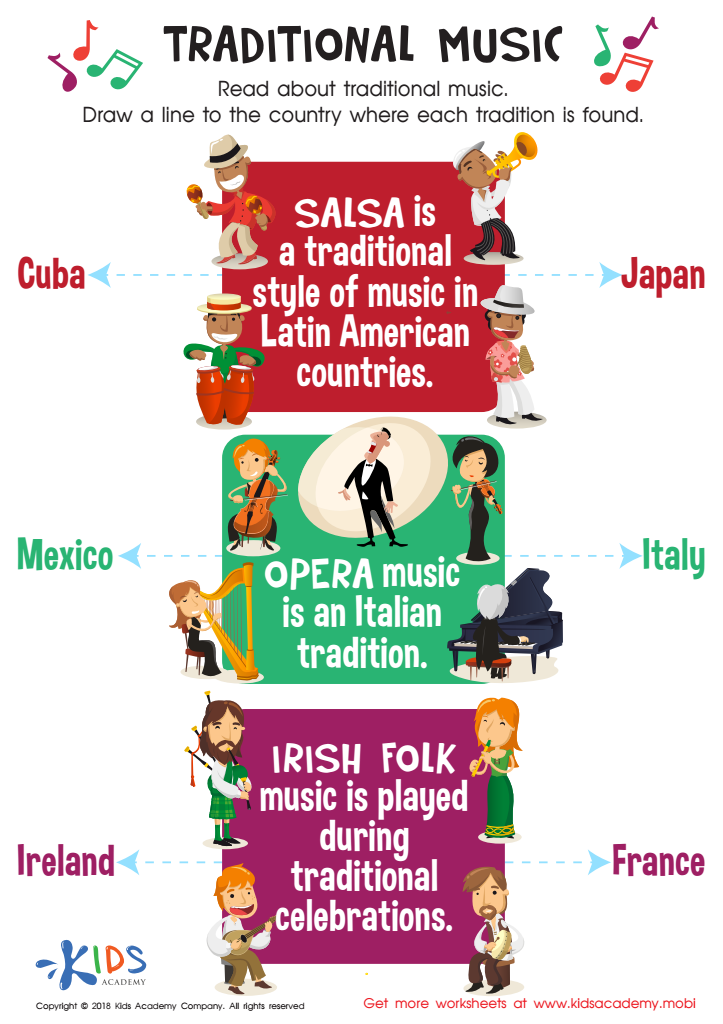
Traditional Music Worksheet
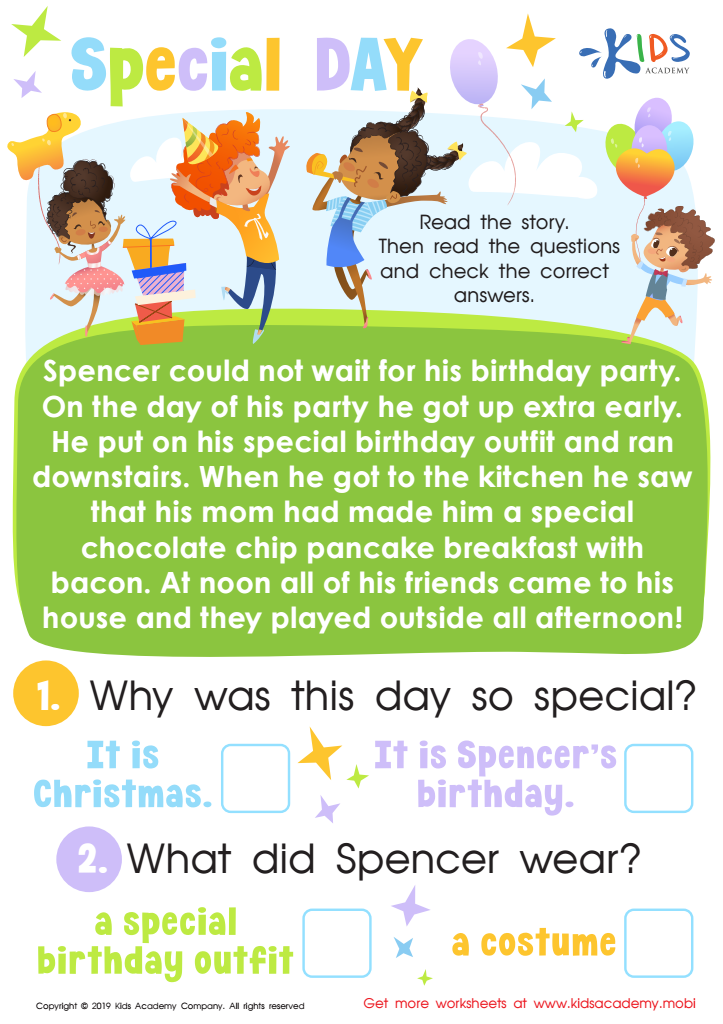
Special Day Worksheet
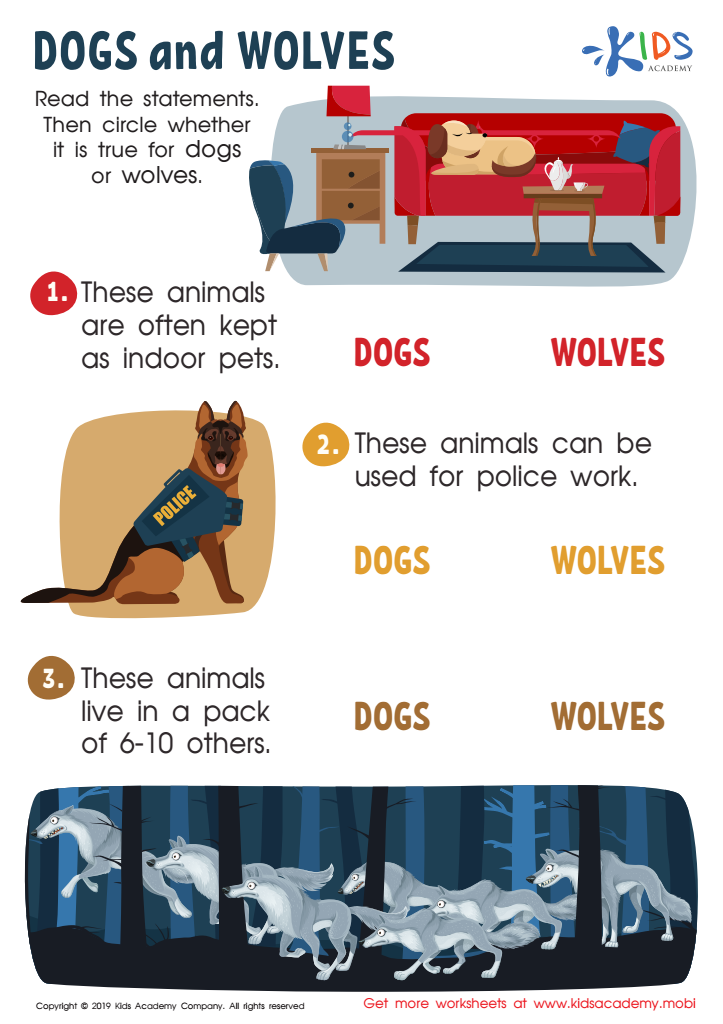
Dogs and Wolves Worksheet
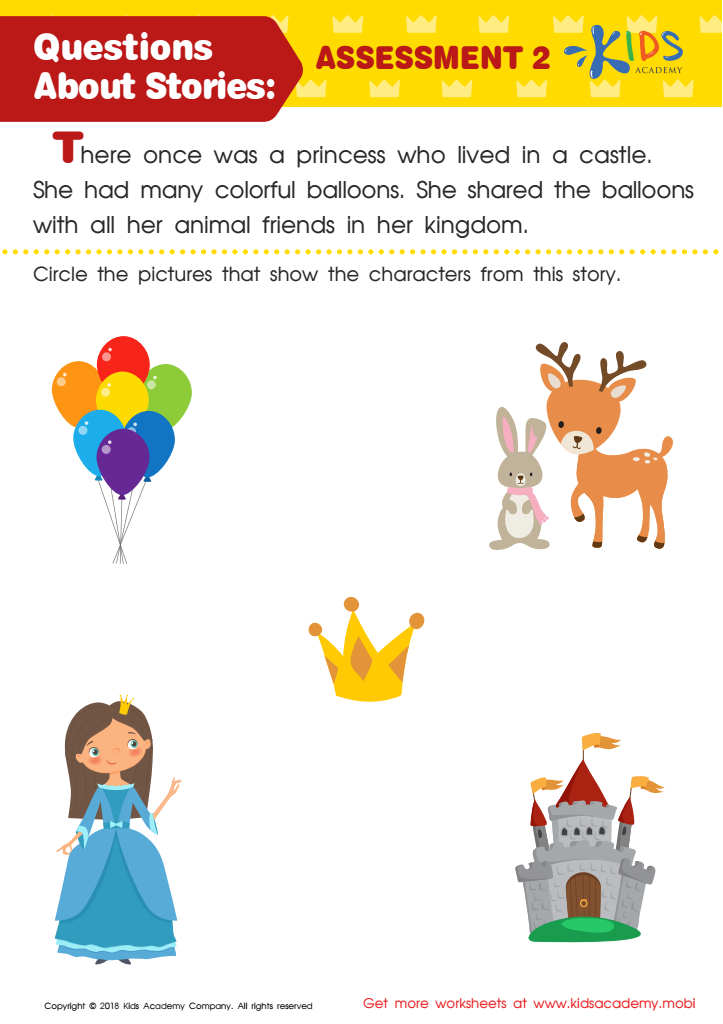
Questions About Stories: Assessment 2 Worksheet
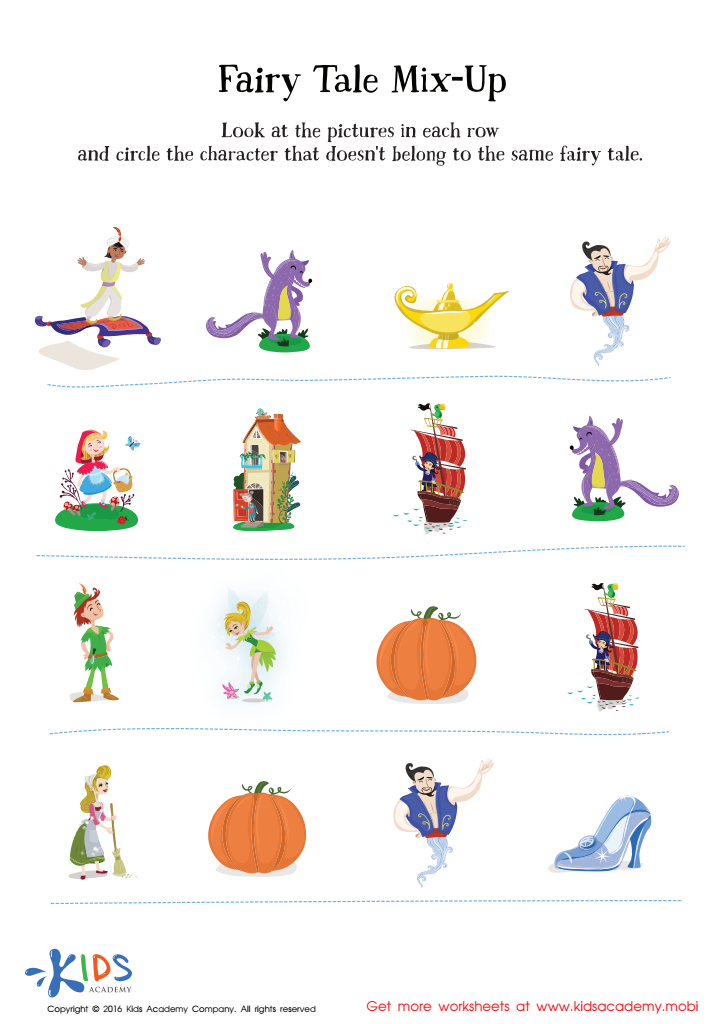
Fairy Tale Worksheet: Story Mix Up
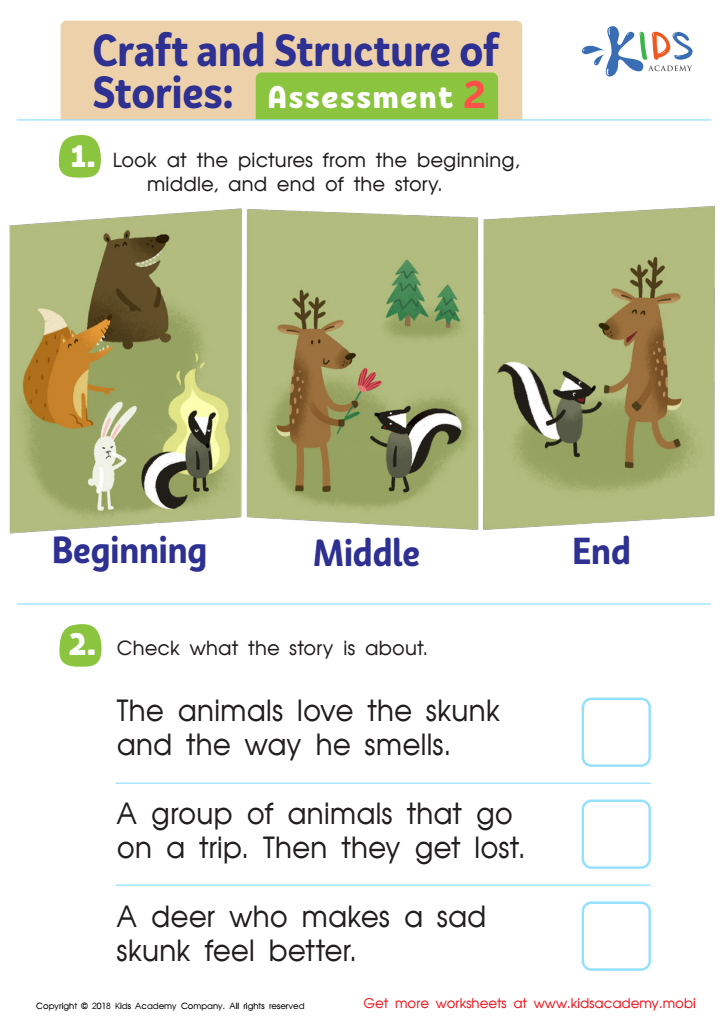
Craft and Structure of Stories: Assessment 2 Worksheet
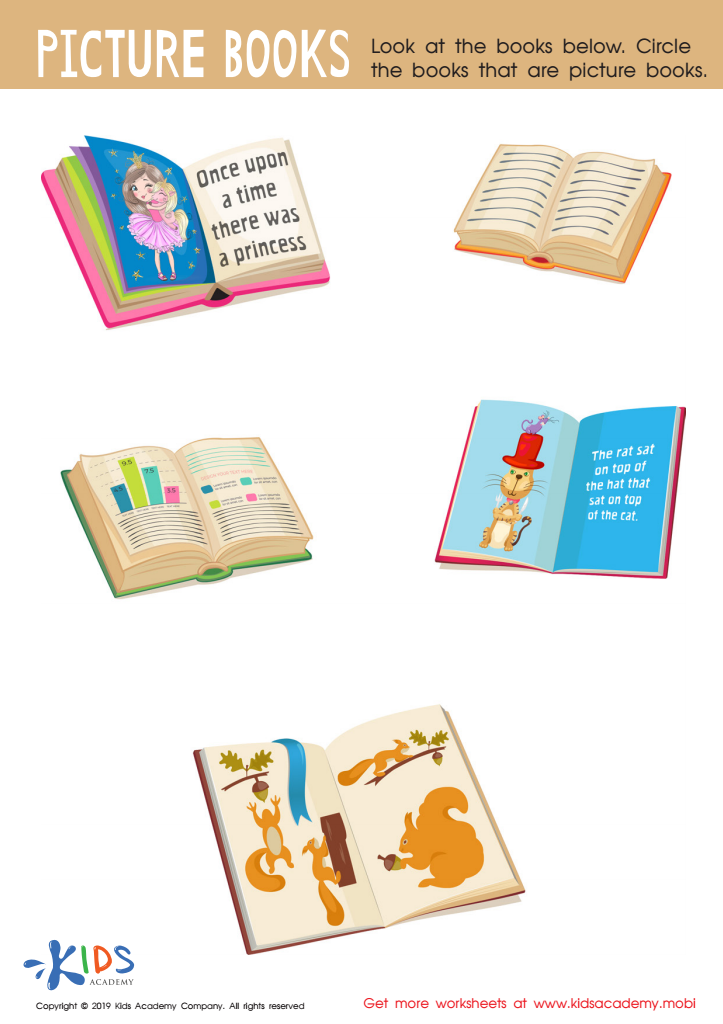
Picture Books Worksheet
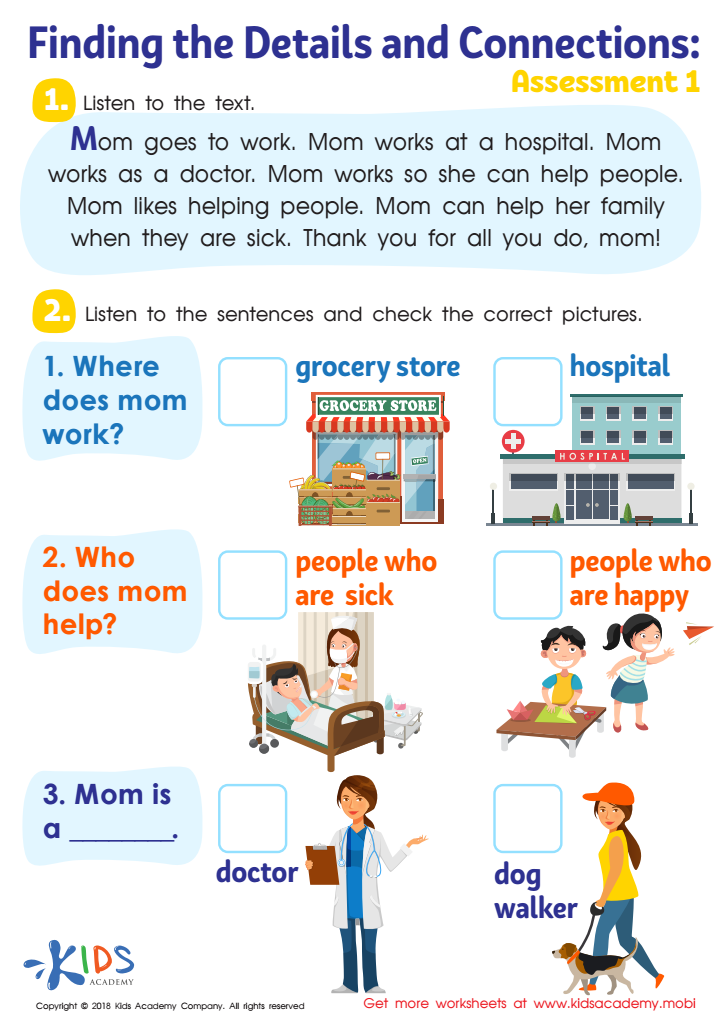
Finding the Details and Connections: Assessment 1 Worksheet
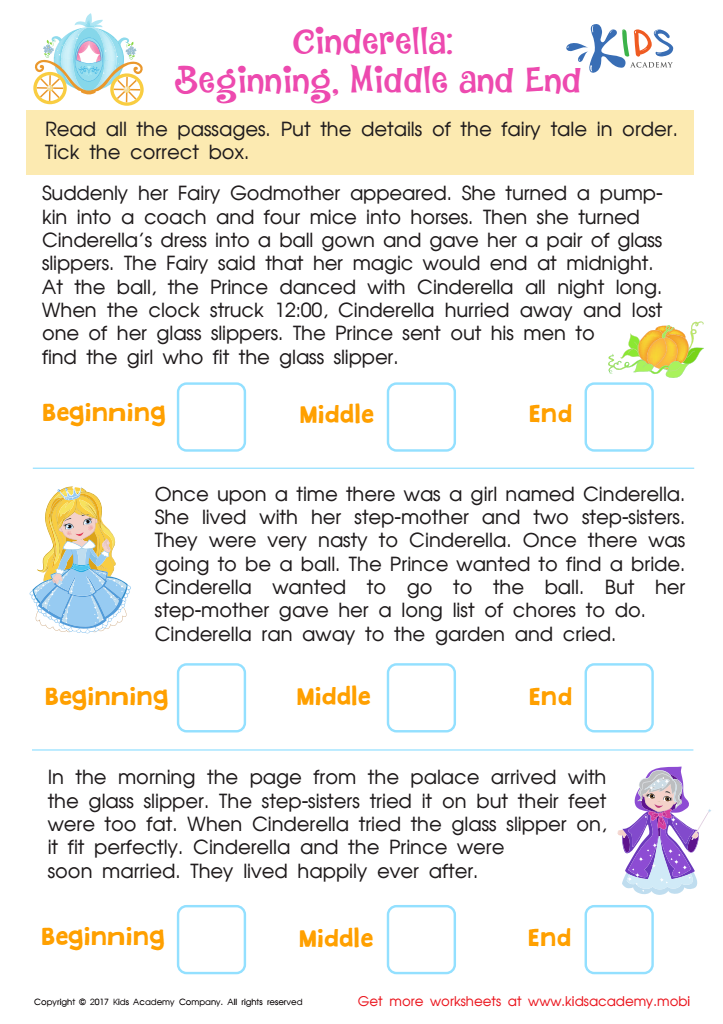
Cinderella: Beginning, Middle and End Worksheet
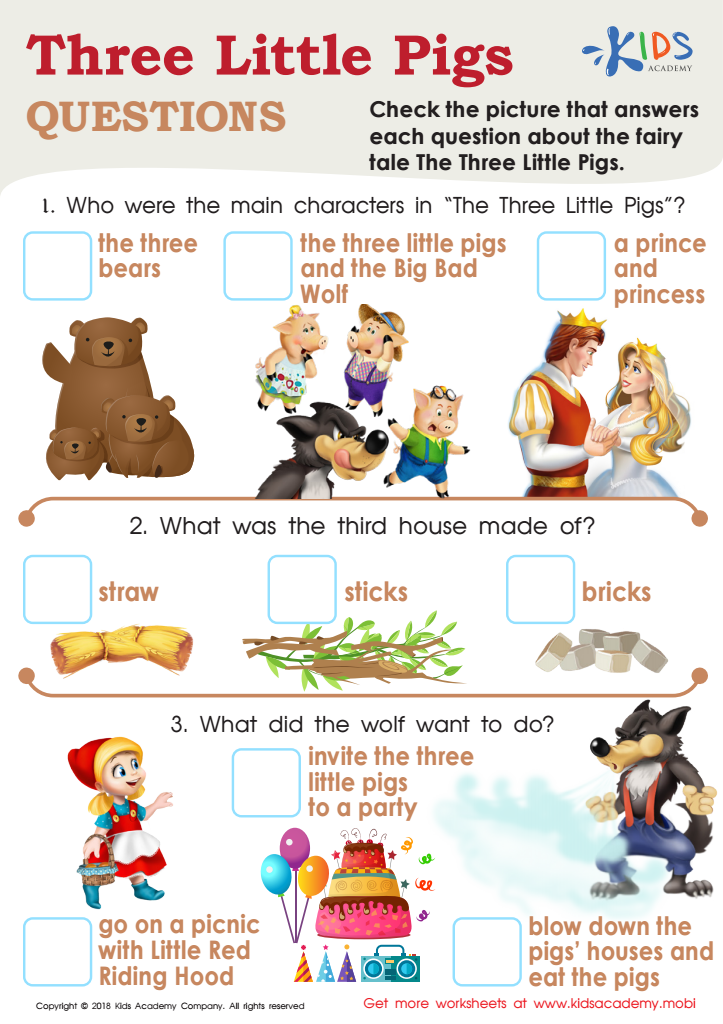
Three Little Pigs Questions Worksheet
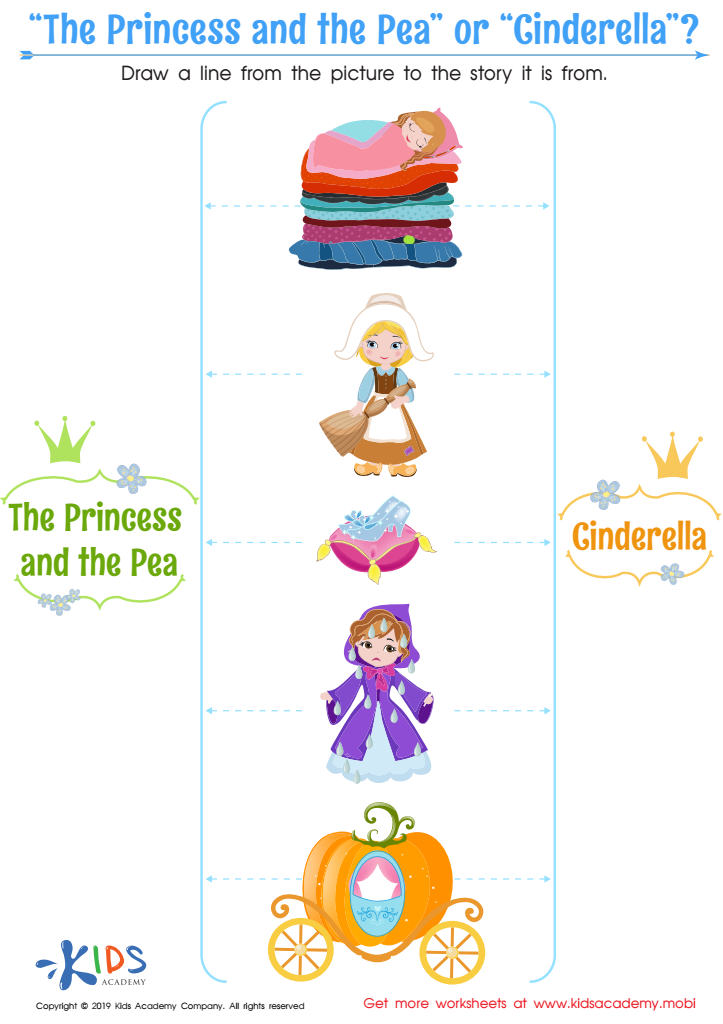
“The Princess and the Pea” or “Cinderella” Worksheet
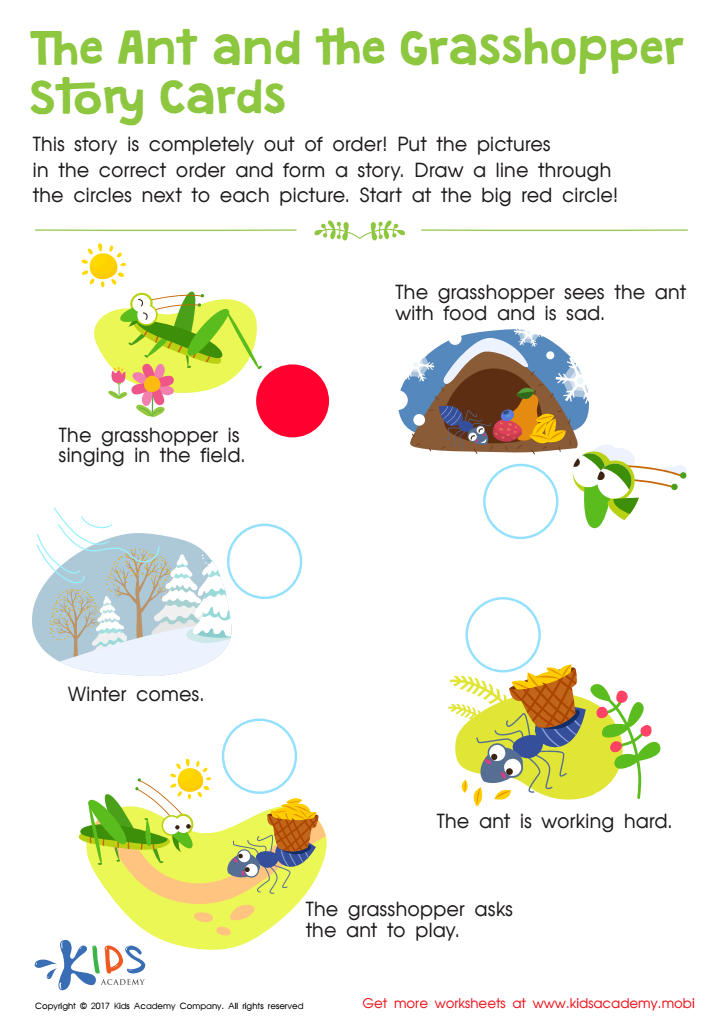
The Ant and The Grasshopper Worksheet
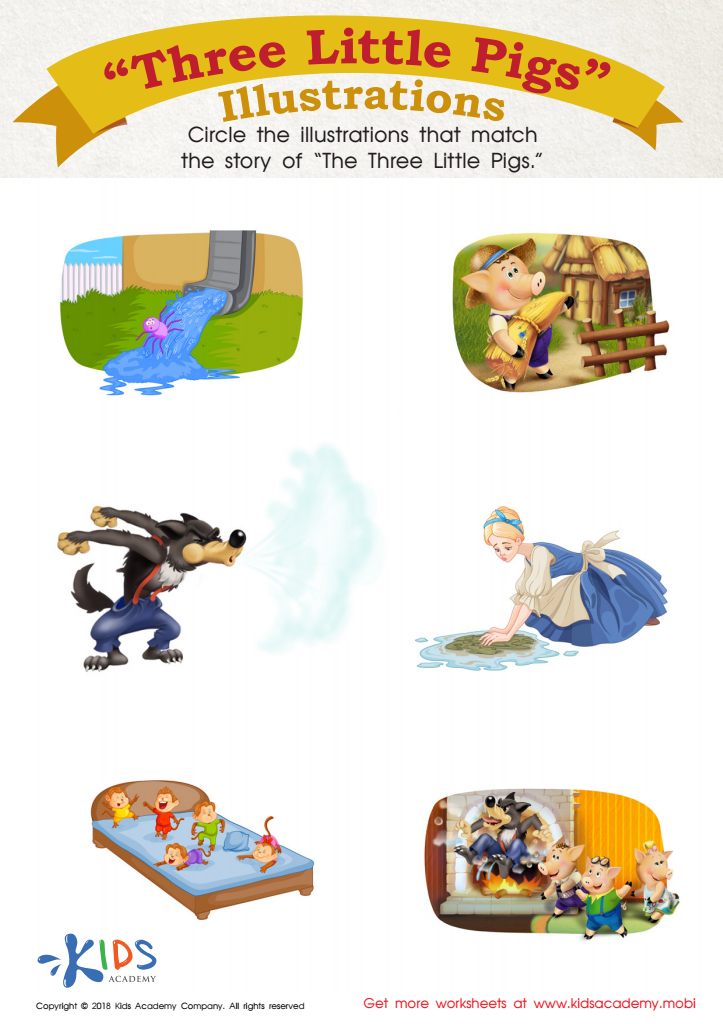
Three Little Pigs: Illustrations Worksheet

Questions About Stories: Assessment 1 Worksheet
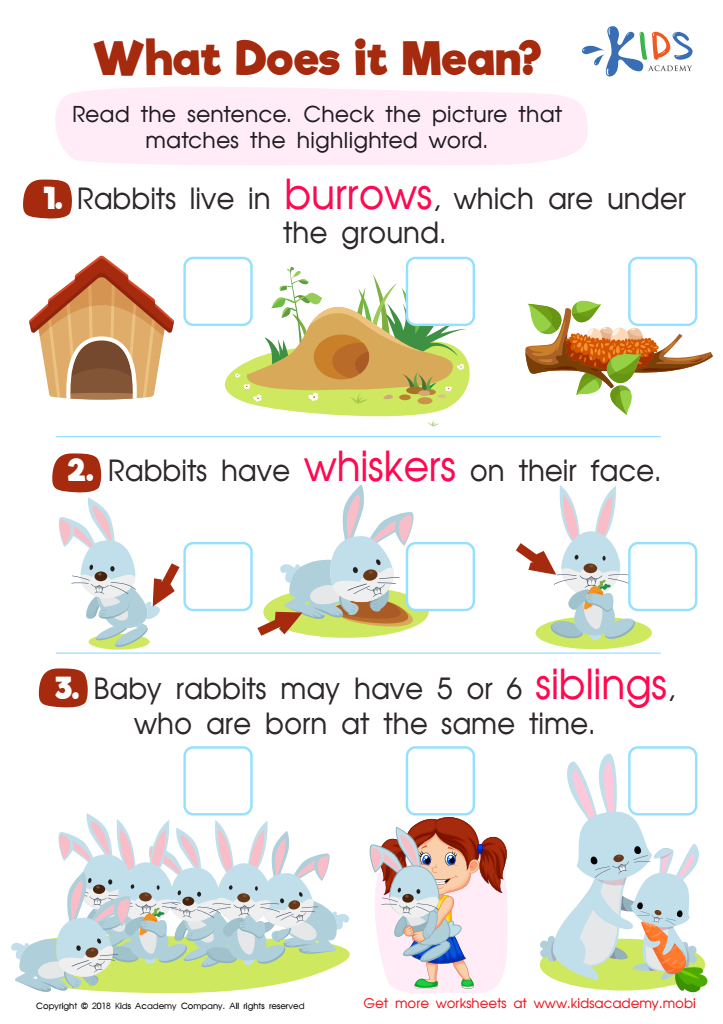
What Does It Mean? Worksheet
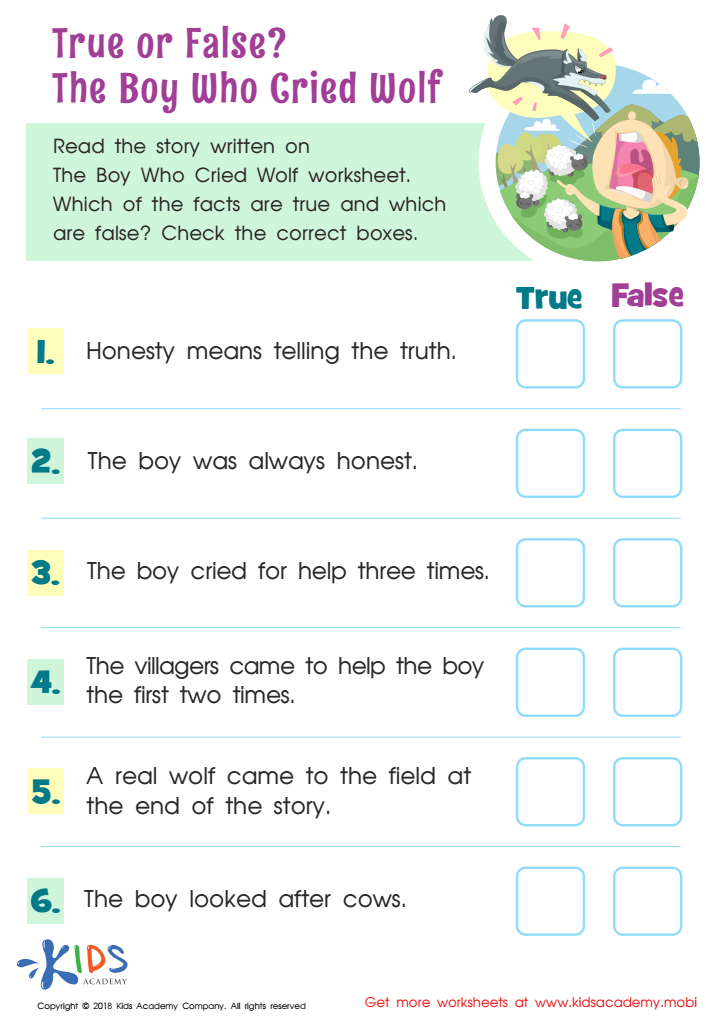
True or False? The Boy Who Cried Wolf Worksheet
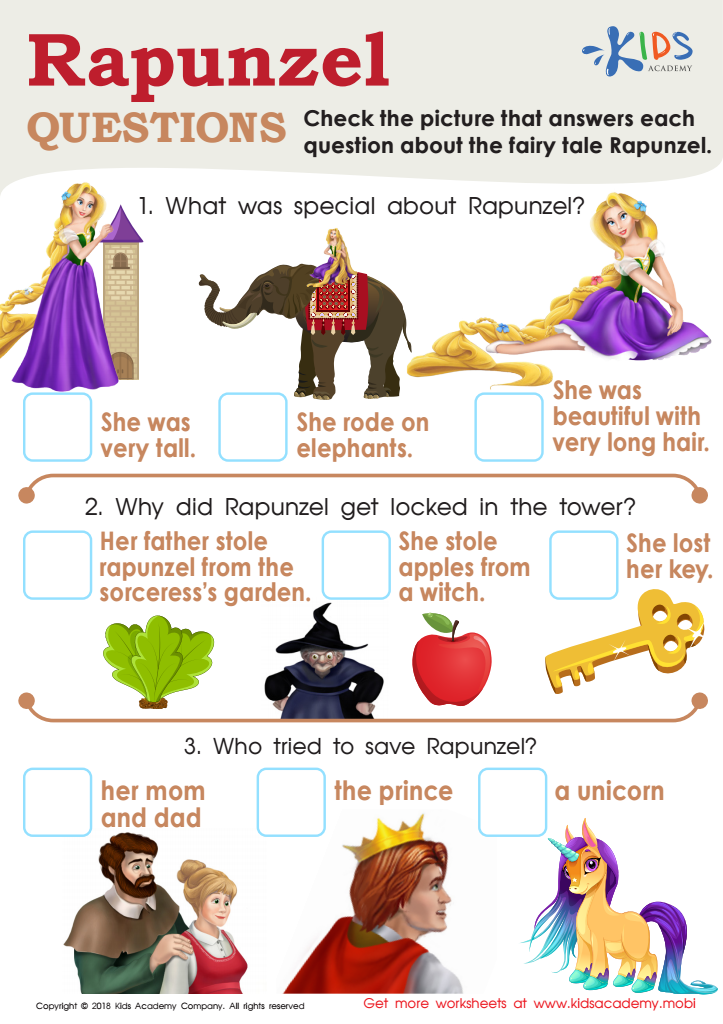
Rapunzel Questions Worksheet
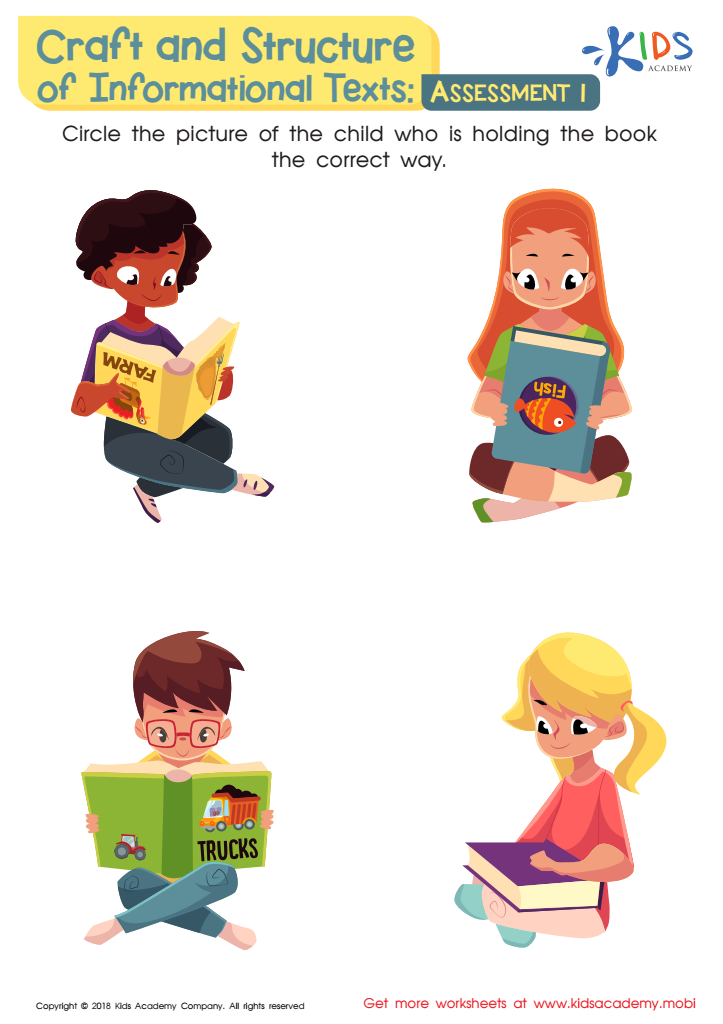
Craft and Structure of Informational Texts: Assessment 1 Worksheet
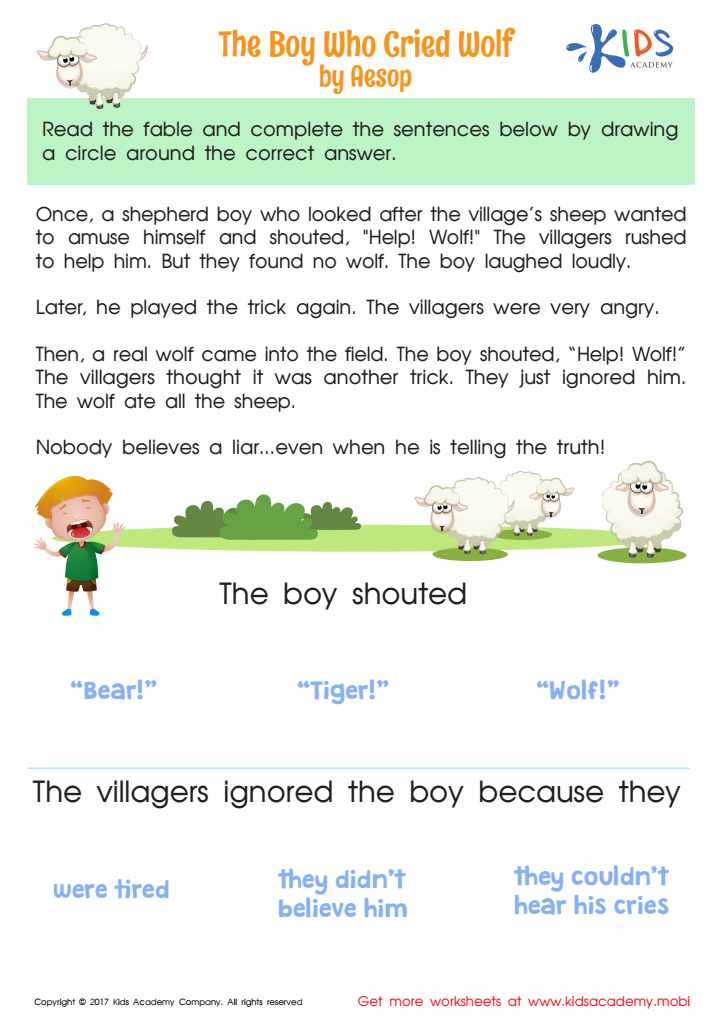
The Boy Who Cried Wolf Worksheet

Assessment: First Thanksgiving Worksheet








Critical thinking reading skills are essential for children ages 4-7, as they lay the foundation for lifelong learning and cognitive development. At this early age, children's brains are highly adaptable and can form critical understanding frameworks that will benefit all future learning endeavors. Parents and teachers should prioritize these skills because they enable young learners to not just read words but to comprehend, analyze, and evaluate the information that they are exposed to.
When children engage in critical thinking while reading, they learn to ask questions, make predictions, and draw connections to their own experiences and other texts. This deepened level of engagement enhances their comprehension and retention. Moreover, critical thinking prompts curiosity and a love for learning, turning reading from a passive activity into an interactive and stimulating experience. It also fosters problem-solving abilities and boosts creativity, as children learn to think outside the box and view situations from multiple perspectives.
Early development of these skills can also contribute positively to children's academic success, improving their performance in various subjects beyond just language arts. It prepares children to become independent thinkers who are capable of navigating complex situations and making informed decisions, thus equipping them with the tools necessary for future academic and personal growth.








