Filters

58 filtered results

Clear all filters
Favorites
With answer key
Interactive

58 filtered results

Difficulty Level

Grade


Check out this FREE Trial Lesson on Reading for age 4-7!

Illustrations in a Text

Favorites
With answer key
Interactive
  • 4-7
  • Critical Thinking
  • Reading
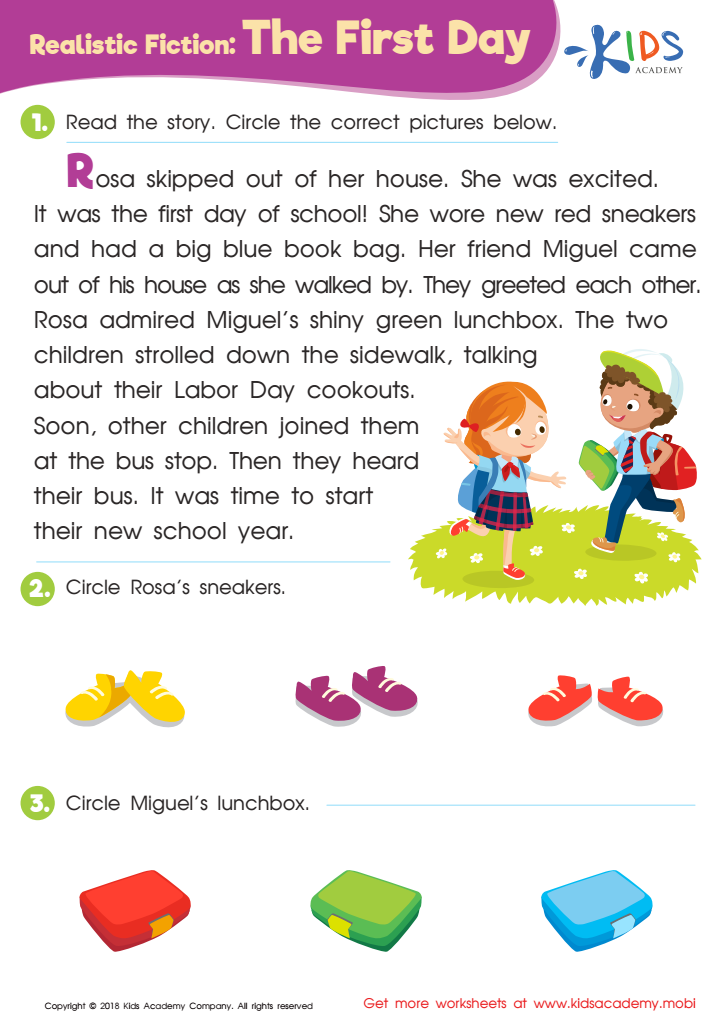
Realistic Fiction: The First Day Worksheet

Realistic Fiction: The First Day Worksheet

Fiction is made-up events, so story-writing is fiction writing. In this worksheet, there's a short story about Rosa, her friend Miguel, and their first day back at school. Read the story aloud to your kids and help them circle the right pictures to the questions. Repeat if needed.
Realistic Fiction: The First Day Worksheet
Worksheet
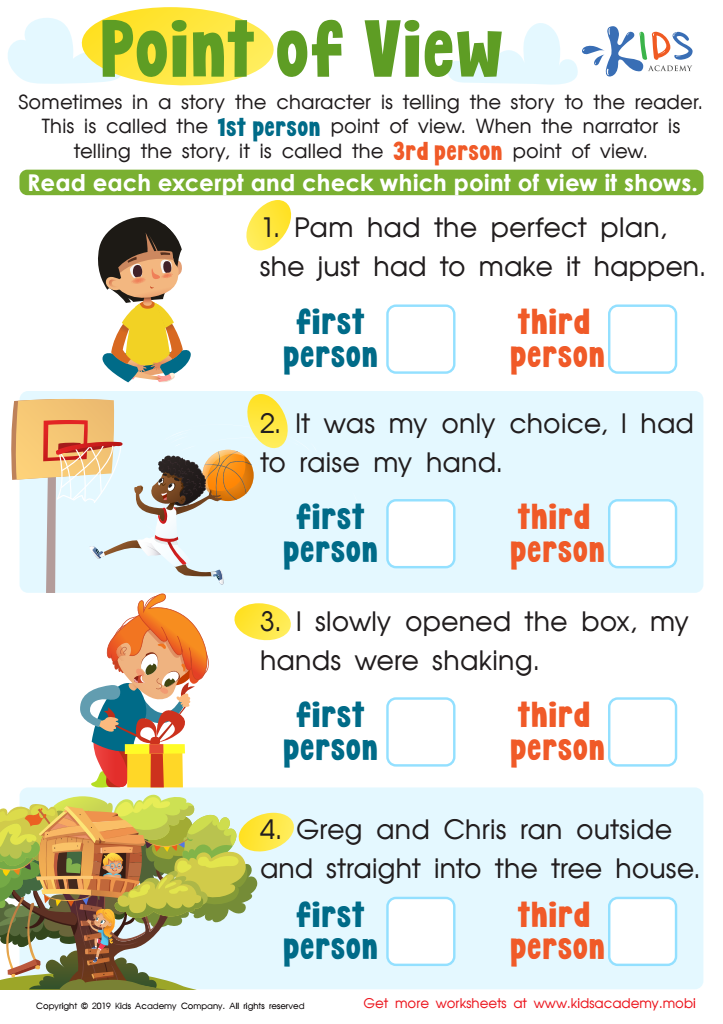
Point of View Printable

Point of View Printable

Teach your kids about points of view with this worksheet! In a story, characters can tell the story in first person or it can come from a narrator in third person. Read the excerpt in the worksheet and ask your kids to identify which point of view it is.
Point of View Printable
Worksheet
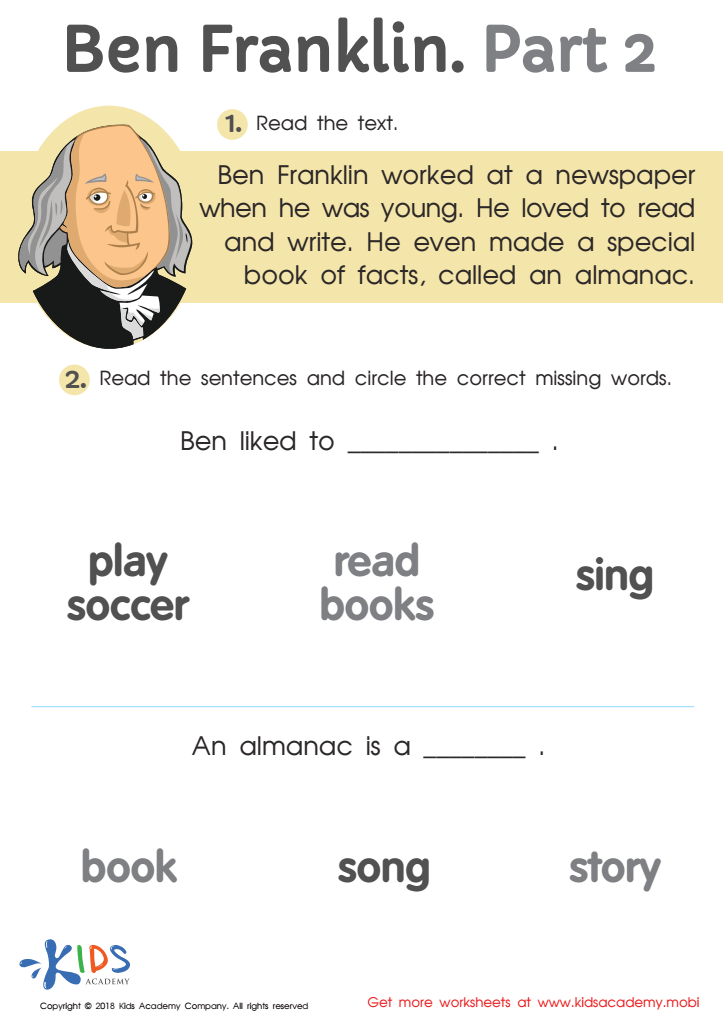
Ben Franklin Part 2 Worksheet

Ben Franklin Part 2 Worksheet

History is filled with great figures, like Benjamin Franklin. Let your kids in on the legacy by introducing them to the founder of the US fire department, diplomat, and inventor. Then, use a worksheet to have them fill in the blanks with the correct word to teach them more. Read the text, then read the sentences and have them circle the missing word.
Ben Franklin Part 2 Worksheet
Worksheet
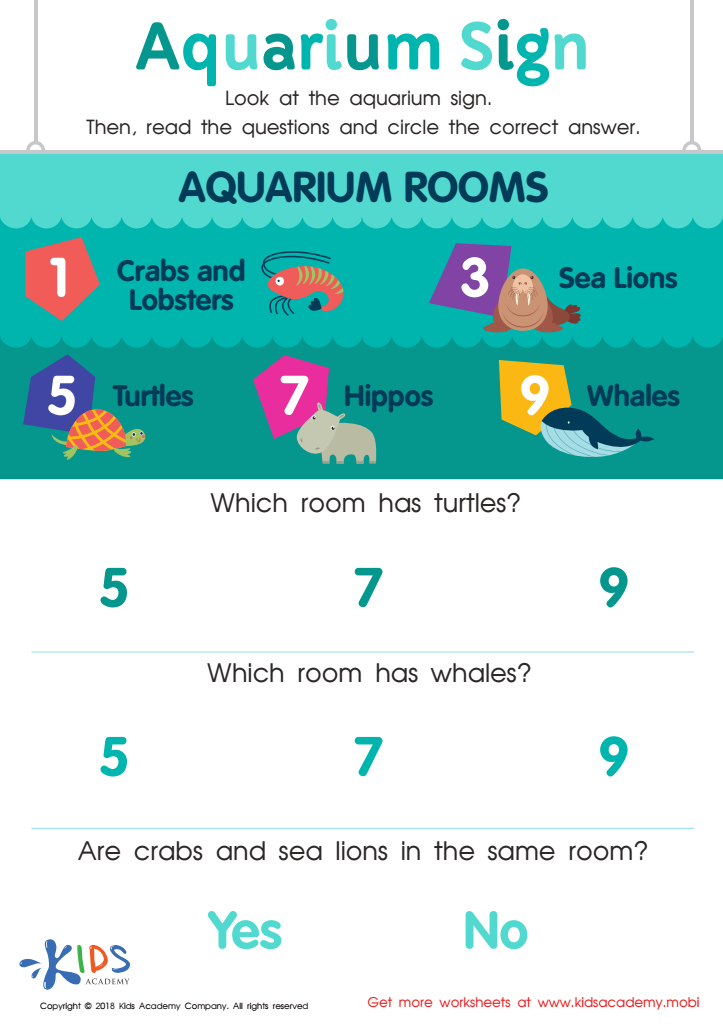
Assessment: Aquarium Sign Worksheet

Assessment: Aquarium Sign Worksheet

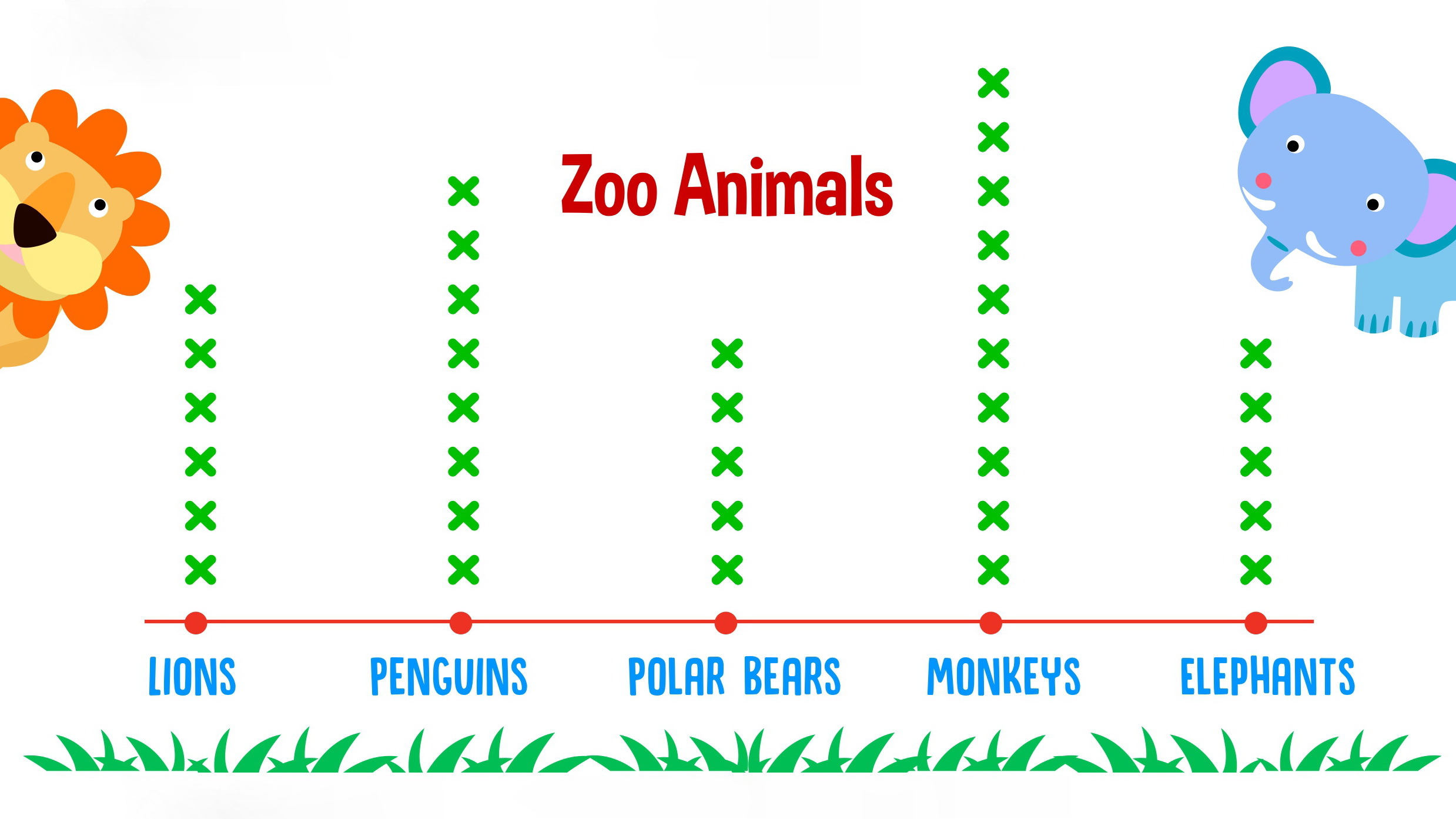
Take your kids to an aquarium and marvel at the sea creatures! Help them identify the animals they see, and ask them which one is their favorite. Look at the aquarium sign and point to each creature. Ask your kids the questions and help them circle the right answer.
Assessment: Aquarium Sign Worksheet
Worksheet
Look at the Pictures: The Princess and the Pea Worksheet

Look at the Pictures: The Princess and the Pea Worksheet

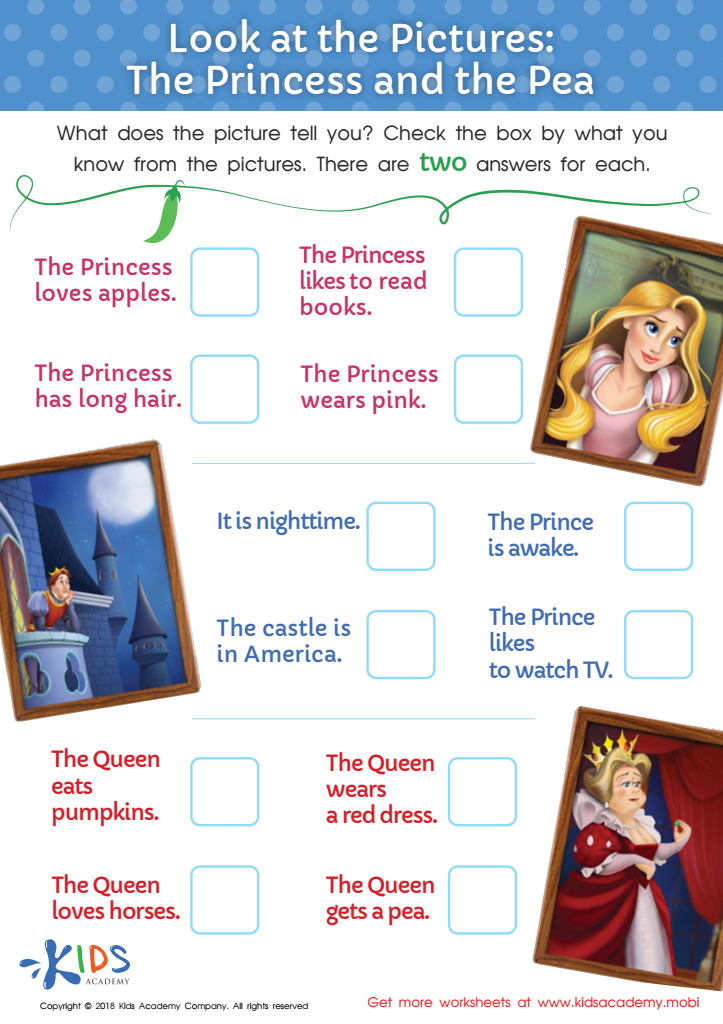
Early readers can benefit from picture clues to understand stories and text. Looking at images helps them learn the meaning of words and comprehend events. Use this worksheet on The Princess and the Pea to let students observe and learn from the pictures. It's a great way to help them comprehend early reading materials.
Look at the Pictures: The Princess and the Pea Worksheet
Worksheet
Princess and the Pea Questions Worksheet
Princess and the Pea Questions Worksheet
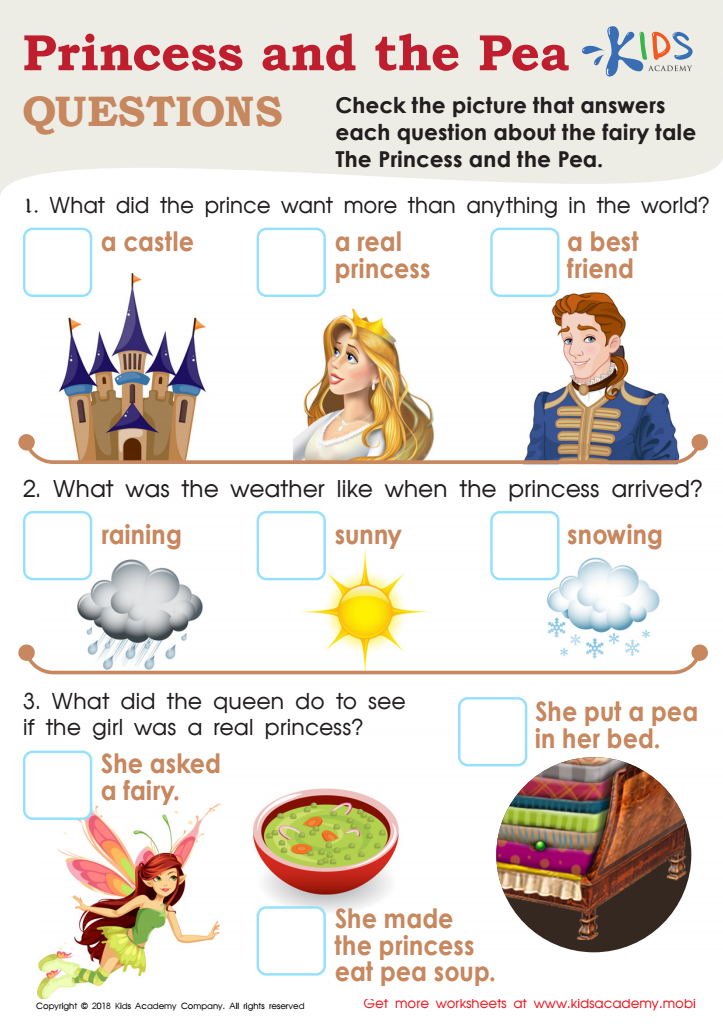
Your kid knows The Princess and the Pea inside-out? Test their knowledge with this worksheet. Ask your little one to read the questions and match each one to the picture. It's a fun way to see just how much attention they've paid to their bedtime story.
Princess and the Pea Questions Worksheet
Worksheet
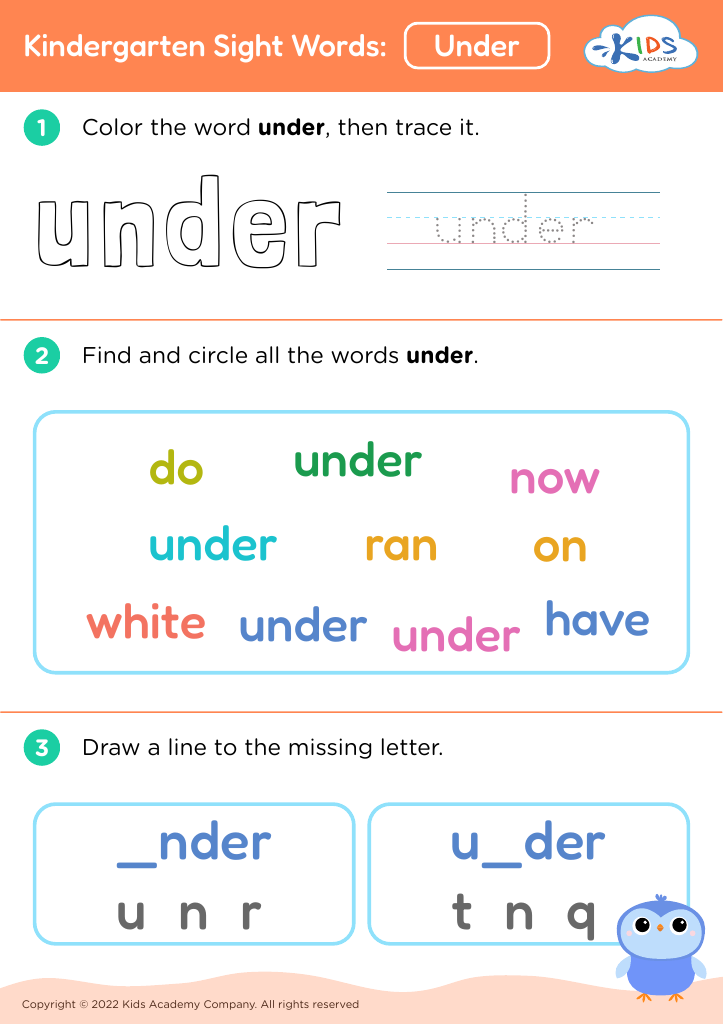
Kindergarten Sight Words: Under

Kindergarten Sight Words: Under

Kindergarten Sight Words: Under
Worksheet
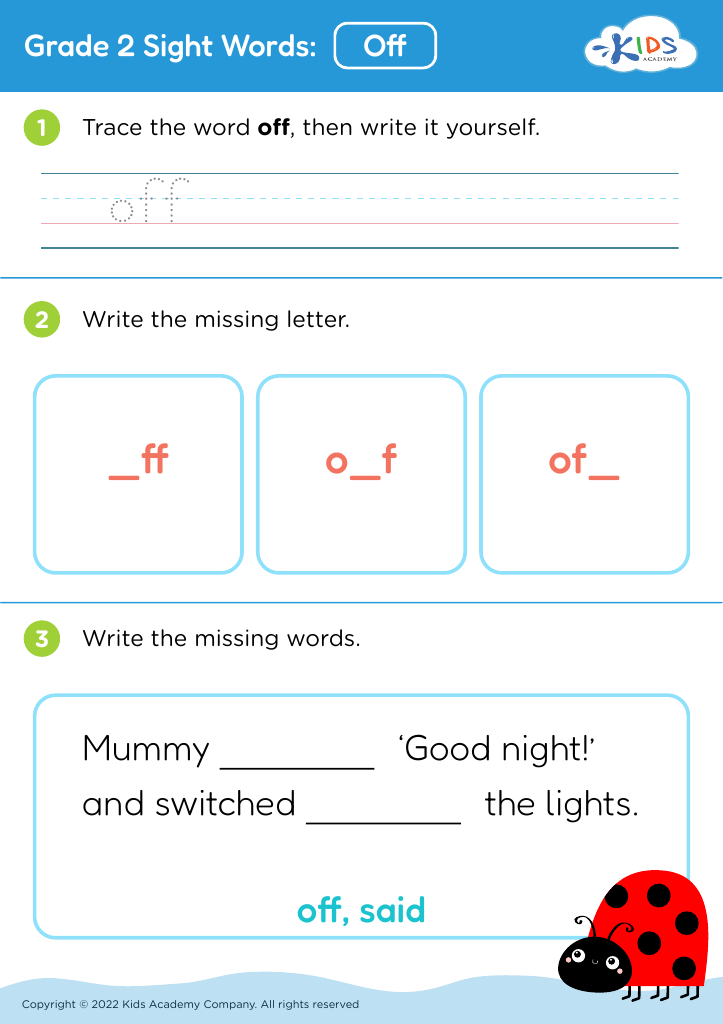
Grade 2 Sight Words: Off

Grade 2 Sight Words: Off

Grade 2 Sight Words: Off
Worksheet
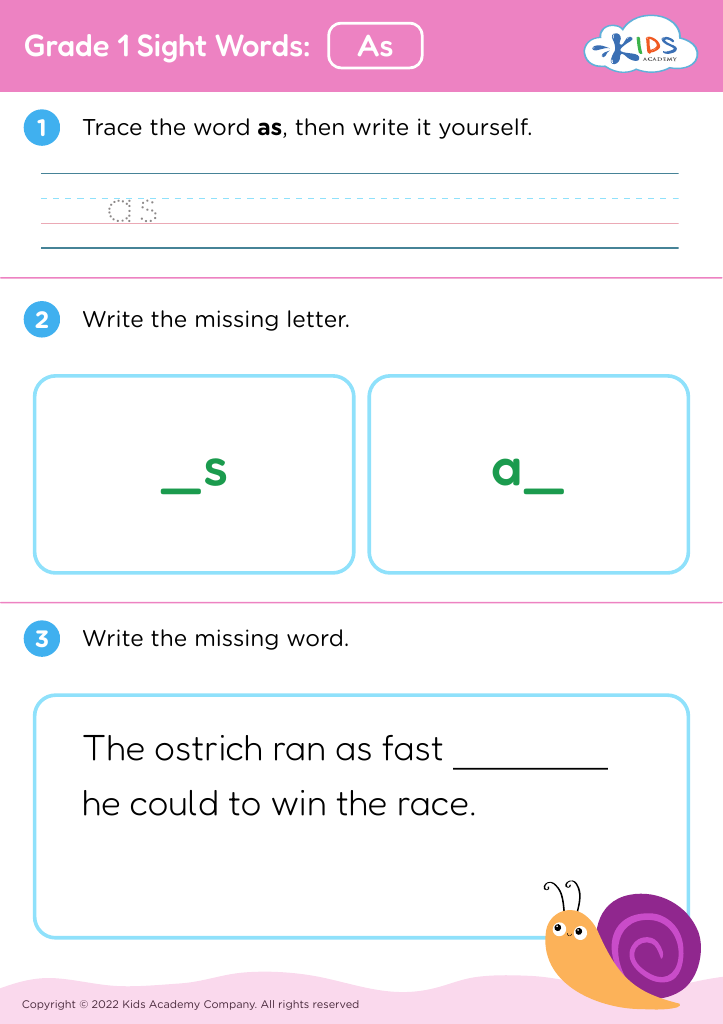
Grade 1 Sight Words: As

Grade 1 Sight Words: As

Grade 1 Sight Words: As
Worksheet
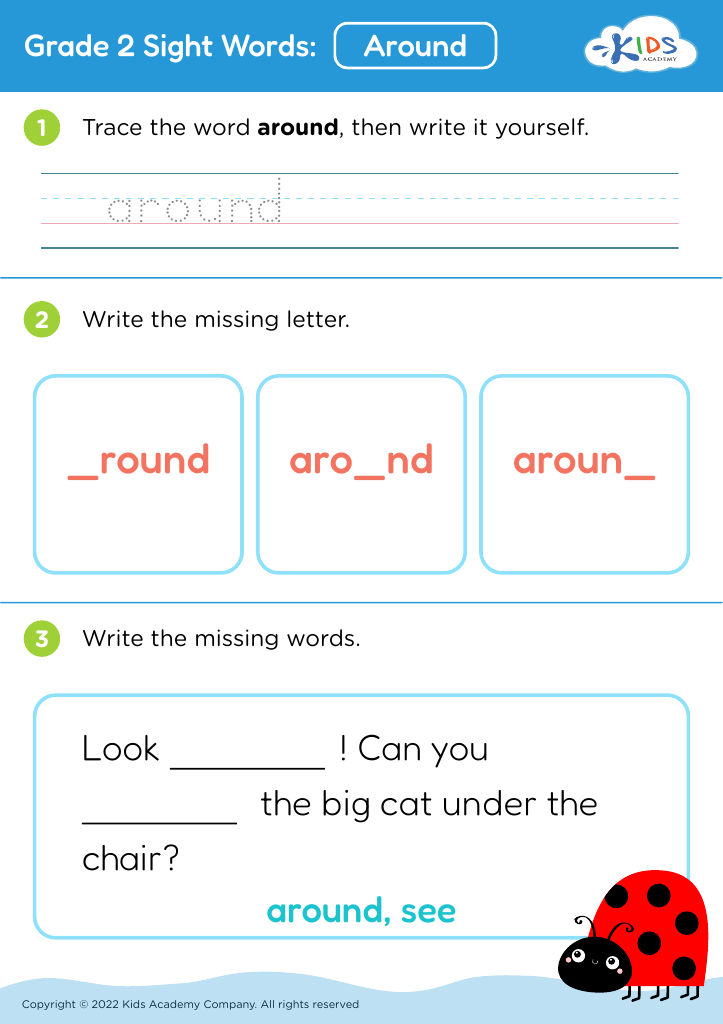
Grade 2 Sight Words: Around

Grade 2 Sight Words: Around

Grade 2 Sight Words: Around
Worksheet


... 2 3

Critical thinking reading skills are essential for children ages 4-7, as they lay the foundation for lifelong learning and cognitive development. At this early age, children's brains are highly adaptable and can form critical understanding frameworks that will benefit all future learning endeavors. Parents and teachers should prioritize these skills because they enable young learners to not just read words but to comprehend, analyze, and evaluate the information that they are exposed to.

When children engage in critical thinking while reading, they learn to ask questions, make predictions, and draw connections to their own experiences and other texts. This deepened level of engagement enhances their comprehension and retention. Moreover, critical thinking prompts curiosity and a love for learning, turning reading from a passive activity into an interactive and stimulating experience. It also fosters problem-solving abilities and boosts creativity, as children learn to think outside the box and view situations from multiple perspectives.

Early development of these skills can also contribute positively to children's academic success, improving their performance in various subjects beyond just language arts. It prepares children to become independent thinkers who are capable of navigating complex situations and making informed decisions, thus equipping them with the tools necessary for future academic and personal growth.