Improving math skills Reading Worksheets for Ages 4-7
4 filtered results
-
From - To
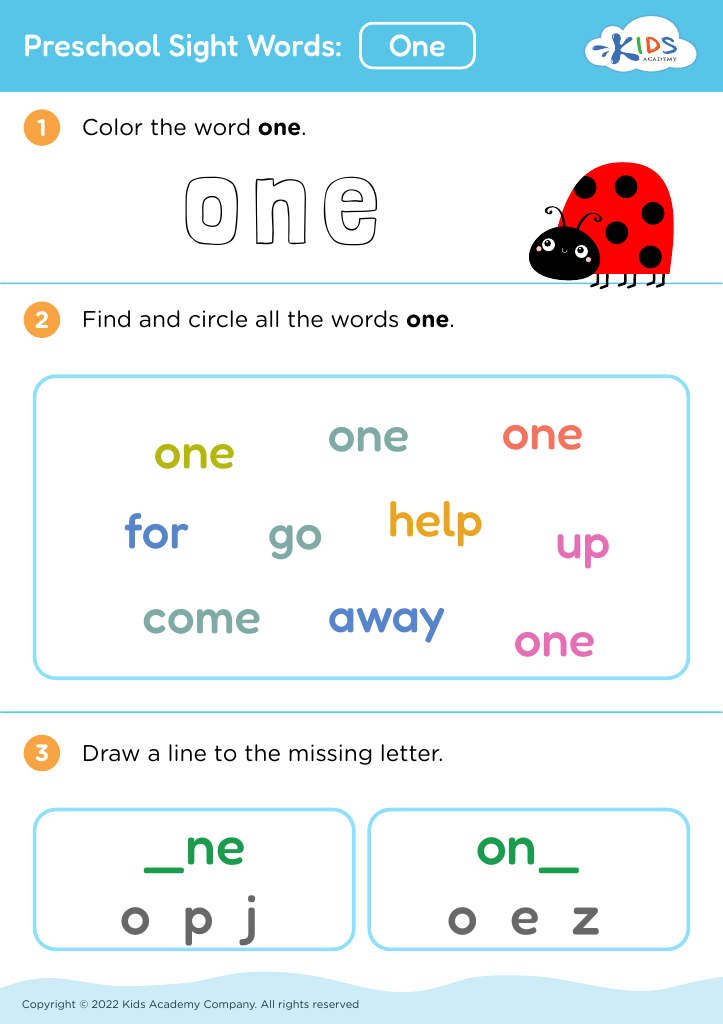
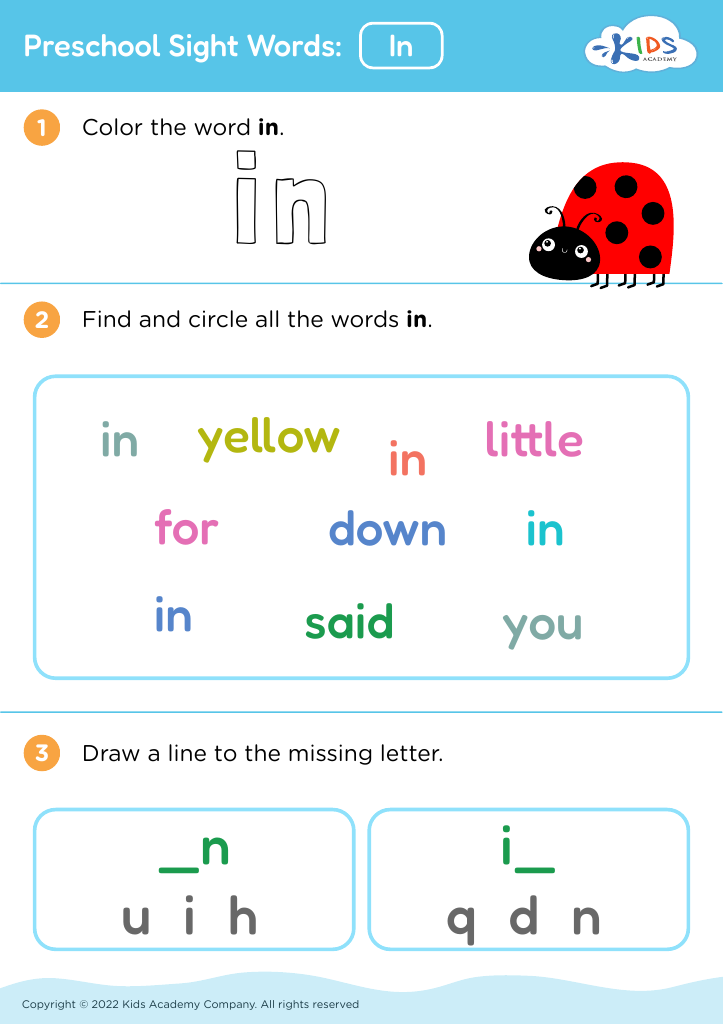
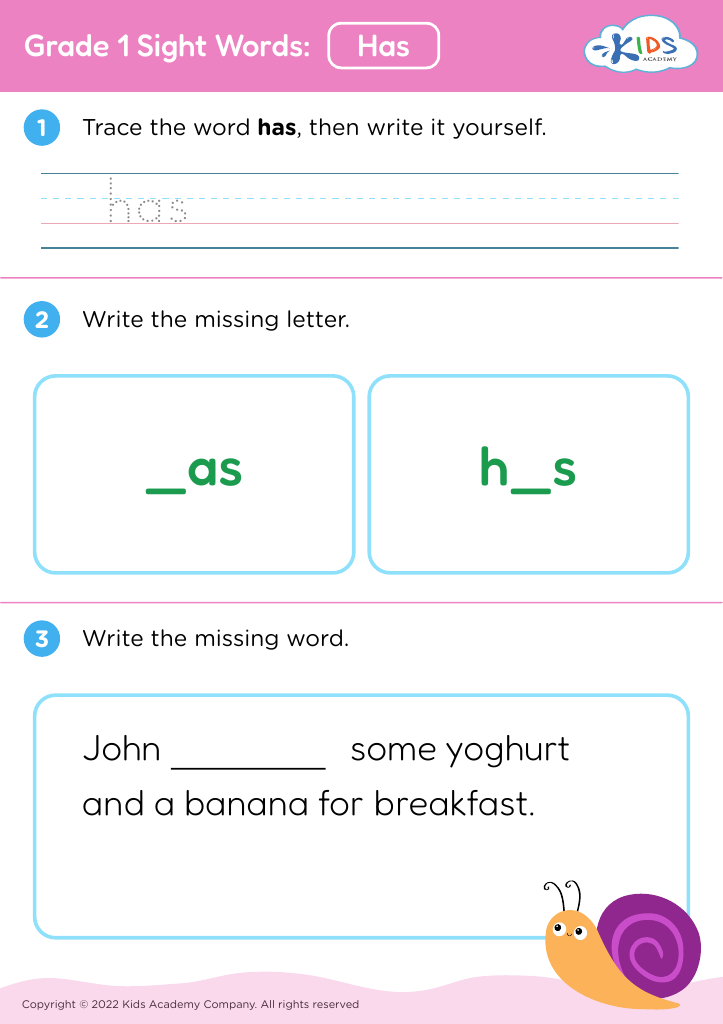
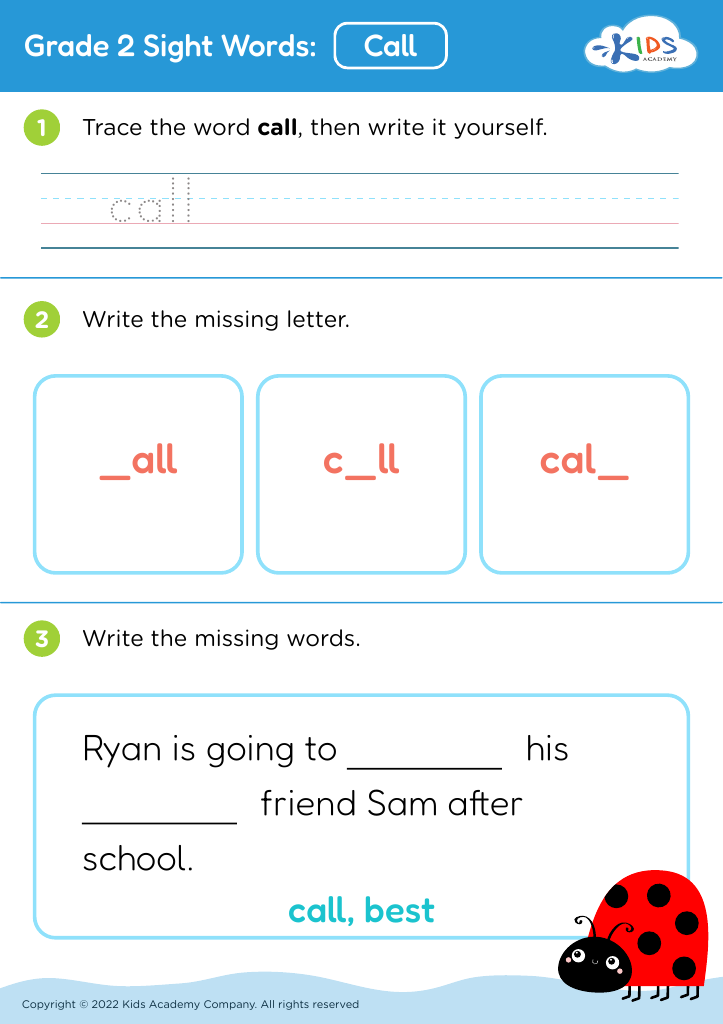
Discover our engaging "Improving Math Skills Reading Worksheets" designed specifically for children aged 4-7! These printable worksheets seamlessly blend math concepts with reading practice, making learning interactive and fun. Each activity focuses on essential skills such as counting, number recognition, and basic problem-solving, all while fostering early literacy. Vibrant illustrations and easy-to-follow instructions ensure that young learners stay motivated and encouraged. As kids enhance their math proficiency, they also improve their reading comprehension, laying a strong foundation for future success. Explore our collection today and watch your child's confidence and abilities blossom in both math and reading!








Improving math skills in children aged 4-7 is crucial for various reasons, and parents and teachers play a pivotal role in this development. First, early math skills lay the foundation for future academic success. At this age, children are naturally curious, and fostering their interest in math through engaging activities can lead to a lifelong appreciation for the subject.
Additionally, early math proficiency enhances critical thinking and problem-solving skills. When children learn to recognize patterns, understand numbers, and carry out simple operations, they develop analytical skills that are essential not just in academics but in everyday life. Moreover, math is not just about numbers; it promotes perseverance and resilience, as children learn to tackle challenges and think logically.
Furthermore, integrating math skills into daily routines transcends traditional learning. Parents and teachers can use practical examples—like cooking or shopping—to teach concepts, making learning enjoyable and relevant. This real-world application reinforces understanding and sparks enthusiasm.
Finally, embracing early math education ensures that children build confidence in their abilities. When children feel confident in their math skills, they are more likely to engage fully in learning and take academic risks, paving the way for a successful and fulfilling educational journey.








