Vocabulary expansion Reading Comprehension Worksheets for Ages 4-7 - Page 2
27 filtered results
-
From - To
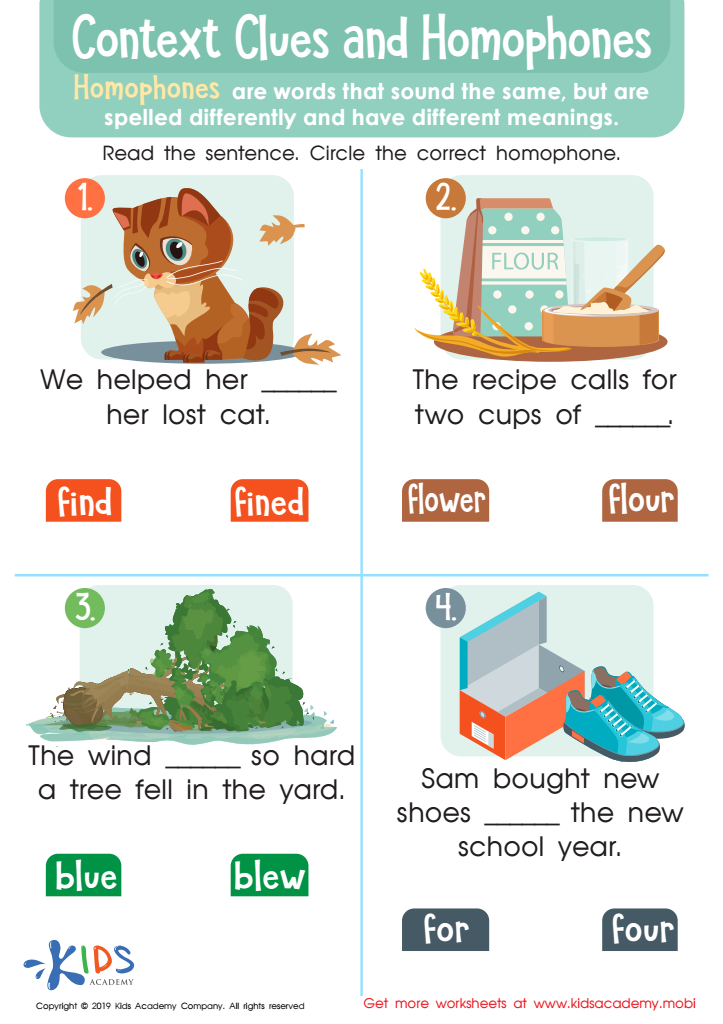
Context Clues and Homophones Worksheet
 Assign to My Students
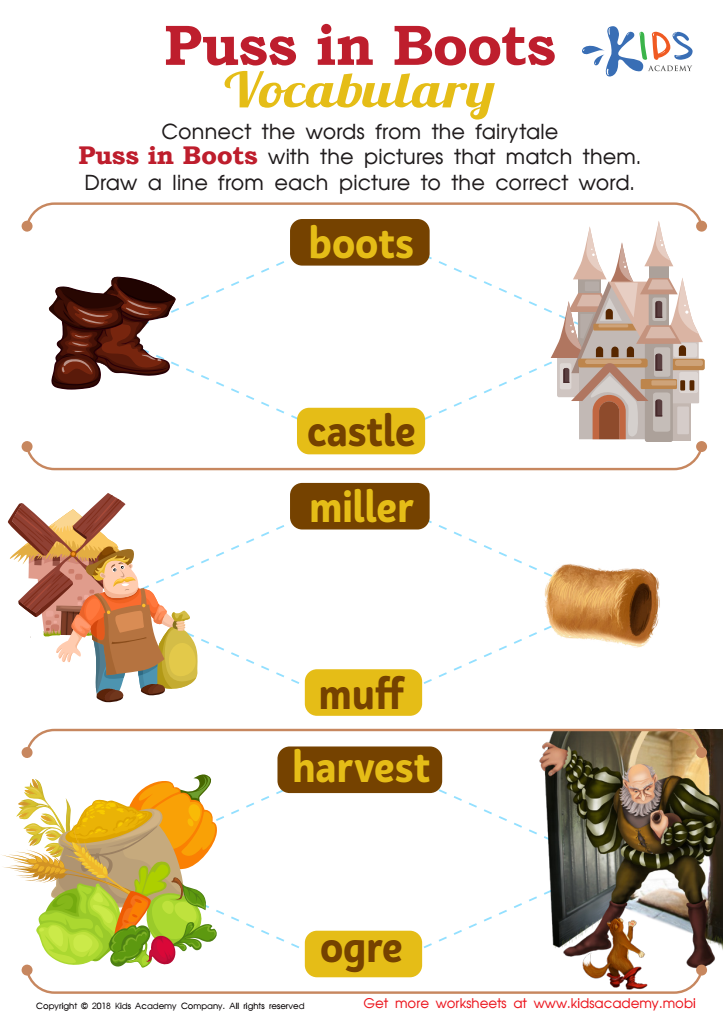
Puss in Boots Vocabulary Worksheet
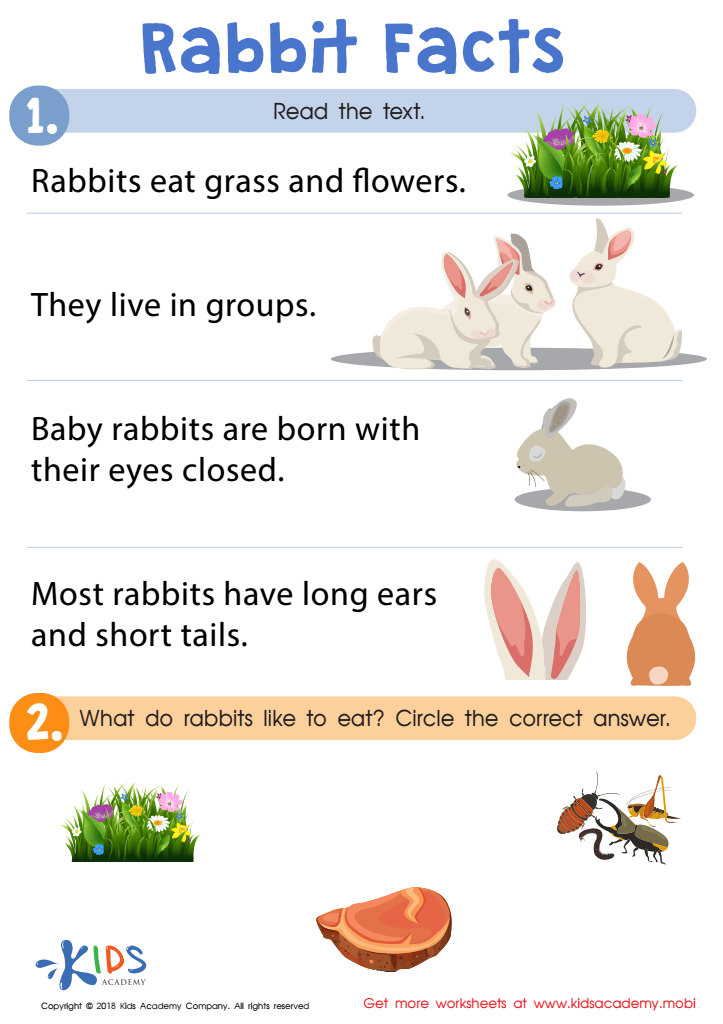
Rabbit Facts Worksheet







Vocabulary expansion and reading comprehension are crucial aspects of early childhood education, particularly for ages 4-7, as they lay the foundation for future learning and academic success. First, a strong vocabulary helps young children express their thoughts and understand others better. When kids know more words, they can communicate their needs, feelings, and observations more effectively, which boosts their confidence and social skills.
Second, vocabulary and reading comprehension are closely related. A child with a broad vocabulary finds it easier to understand what they read. Comprehending stories, instructions, and new concepts in books enhances cognitive skills and fosters a love for reading. Children who enjoy reading are statistically more likely to achieve academic success across various subjects in school.
Lastly, early exposure to diverse vocabulary prepares children for more complex language they will encounter later. This early preparation reduces frustration and builds resilience, helping them tackle challenging subjects with more ease and motivation.
Therefore, parents and teachers contribute not simply to a child's immediate educational needs by focusing on vocabulary and reading comprehension, but also to their lifelong learning journey, social abilities, and overall confidence. Making these fundamental skills a priority sets the stage for a child's future achievements and well-being.








