Color Identification Science Worksheets for Ages 4-7
3 filtered results
-
From - To
Unlock the vibrant world of color with our Color Identification Science Worksheets designed for ages 4-7. These engaging, educational activities help young learners explore and identify various colors while fostering essential skills in science. Each worksheet features fun illustrations and interactive tasks tailored to capture children’s imaginations, supporting their cognitive development. From sorting and matching to recognizing different hues, our printable worksheets provide a perfect blend of learning and play. Ideal for classroom or at-home learning, these resources are designed to ignite a passion for science and creativity in your early learners.
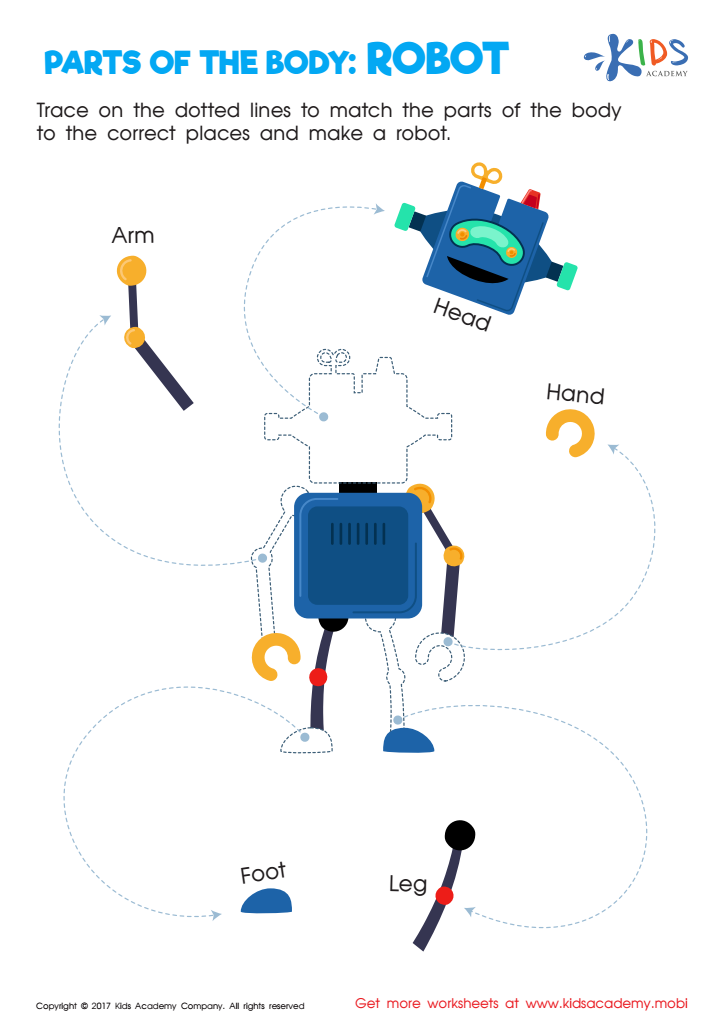
Robot Printable
 Assign to My Students
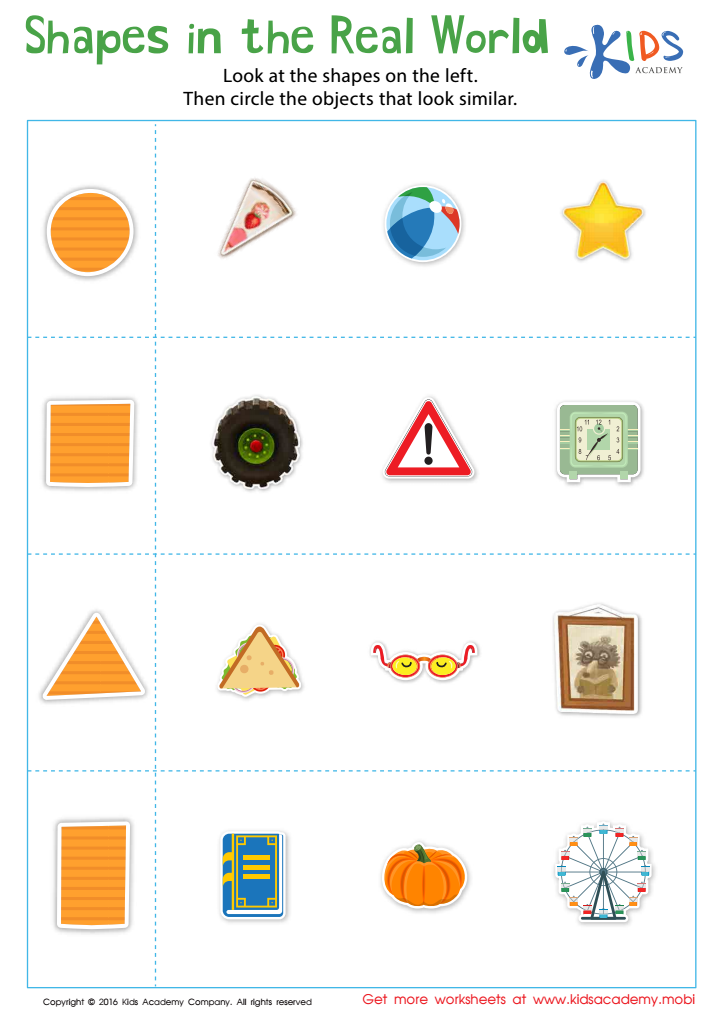
Shapes in the Real World Worksheet
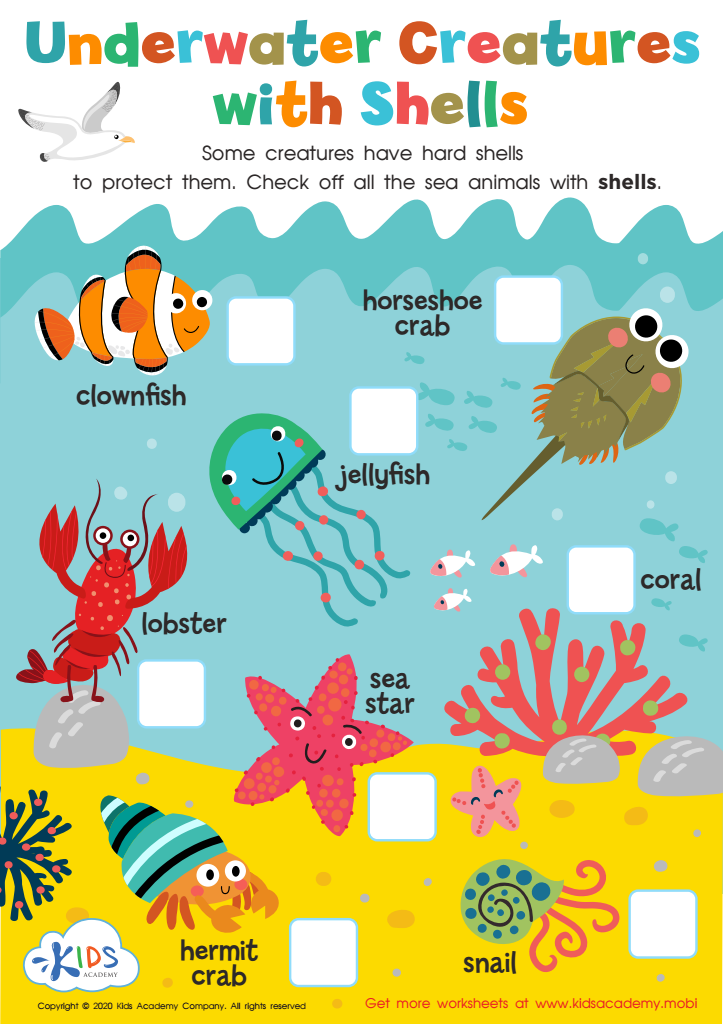
Underwater Creatures with Shells Worksheet







Color identification is a crucial developmental skill for children aged 4-7, playing a significant role in their cognitive and sensory development. Parents and teachers should prioritize this aspect of learning for several reasons.
Firstly, color recognition enhances visual discrimination skills. By distinguishing between different shades and hues, children sharpen their ability to notice and interpret visual information, a fundamental step in reading and writing. For example, understanding that certain letters and numbers are visually distinct helps in learning how to read and do math.
Secondly, identifying colors contributes to language development. When children learn the names of various colors, they expand their vocabulary and practice using descriptive language. This, in turn, fosters better communication skills and encourages richer storytelling and expression.
Moreover, discussing and identifying colors can support emotional and social development. Colors often have emotional associations, and learning to identify and communicate about colors helps children understand and articulate their own emotions and read the emotional cues of others.
Incorporating color identification into play and learning activities also makes education enjoyable and engaging. Activities involving colors, such as coloring books, sorting games, and arts and crafts, captivate children's attention and creativity, making learning a more positive experience.
In summary, mastering color identification for young children aids in visual and language development, enhances emotional intelligence, and makes learning engaging, setting a strong foundation for future educational success.







