Enhancing categorization skills Science Worksheets for Ages 4-7
3 filtered results
-
From - To
Discover our engaging "Enhancing Categorization Skills Science Worksheets" designed for children aged 4-7. These interactive worksheets encourage young learners to explore the concept of categorization through fun science-related activities. Kids will sort various objects and organisms into groups based on characteristics such as color, size, and type. With captivating illustrations and simple instructions, these worksheets promote critical thinking and foundational science skills. Perfect for home or classroom use, they foster creativity and make learning enjoyable. Help your child develop essential categorization skills while nurturing their curiosity about the natural world with our thoughtfully crafted, printable resources. Start exploring today!
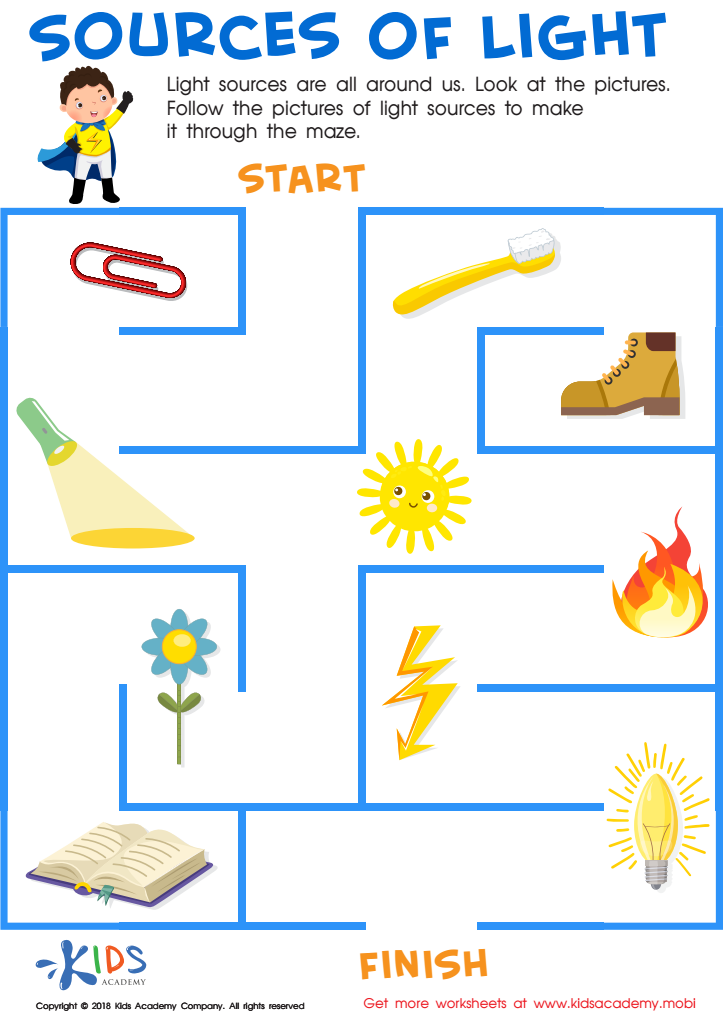
Sources of Light Worksheet
 Assign to My Students
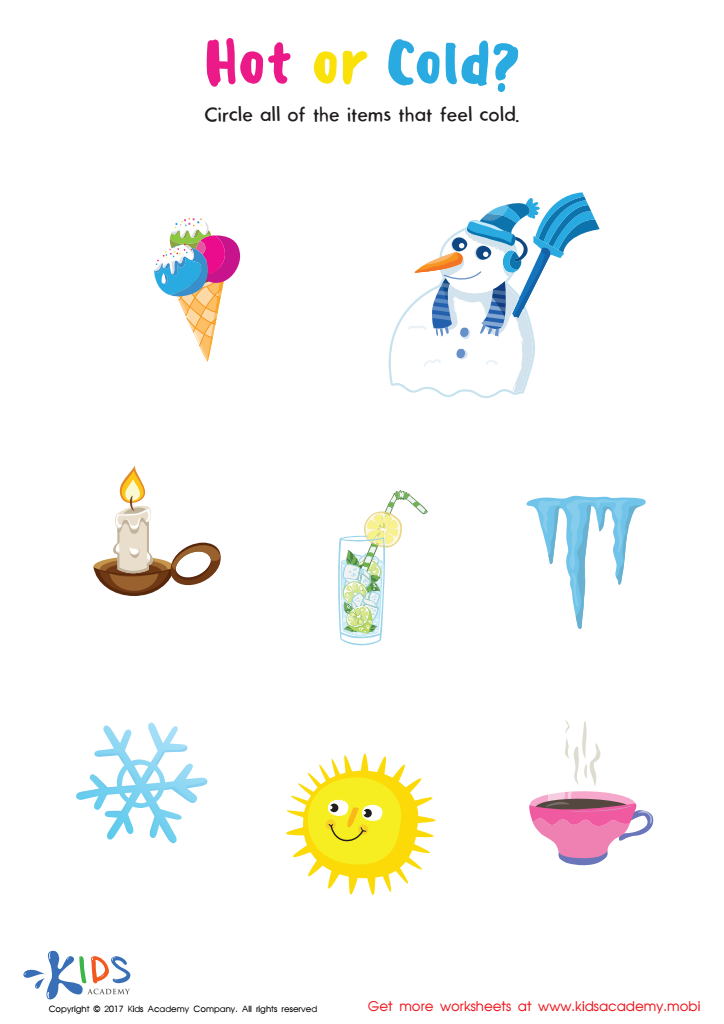
Hot or Cold Printable
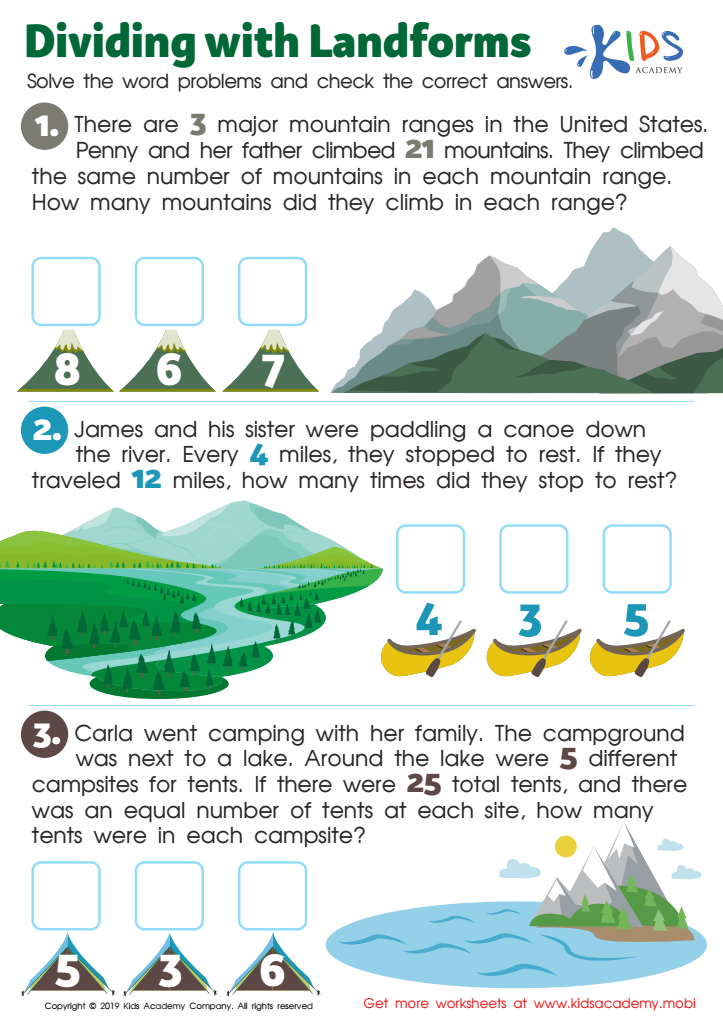
Dividing with Landforms






Enhancing categorization skills in young children, particularly ages 4-7, is crucial for their cognitive development and overall learning. During these formative years, children begin to understand the world through patterns, similarities, and differences. By focusing on categorization, parents and teachers foster analytical thinking, helping children to make connections between concepts, which is foundational in science education.
Categorization skills enable children to group similar objects, organisms, or phenomena, paving the way for scientific inquiry. For example, classifying plants and animals helps children comprehend ecosystems and biodiversity, whereas sorting materials based on their properties introduces them to basic scientific principles. Such skills also boost vocabulary and language development, as children learn to articulate why certain items belong together.
Furthermore, strong categorization skills contribute to problem-solving abilities, empowering children to approach challenges systematically and logically. Teachers and parents who emphasize these skills enrich children's learning experiences and prepare them for more complex concepts in later education. Ultimately, enhancing categorization skills not only supports academic progress in science but also cultivates a curious mindset and a lifelong love for learning. Fostering these skills creates confident, competent learners ready to navigate the complexities of the world around them.







