Enhancing observational skills Science Worksheets for Ages 4-7
7 filtered results
-
From - To
Enhancing observational skills is crucial for young learners aged 4-7, and our Science Worksheets provide an engaging way to foster this ability. Designed to spark curiosity, these worksheets encourage children to explore their environment through fun activities and interactive lessons. As students observe, compare, and classify objects, they develop critical thinking and analytical skills. Each worksheet is tailored to meet educational standards while ensuring that learning is enjoyable and hands-on. With colorful illustrations and simple instructions, our resources aim to inspire a love for science and observation from an early age, paving the way for future scientific exploration and understanding.
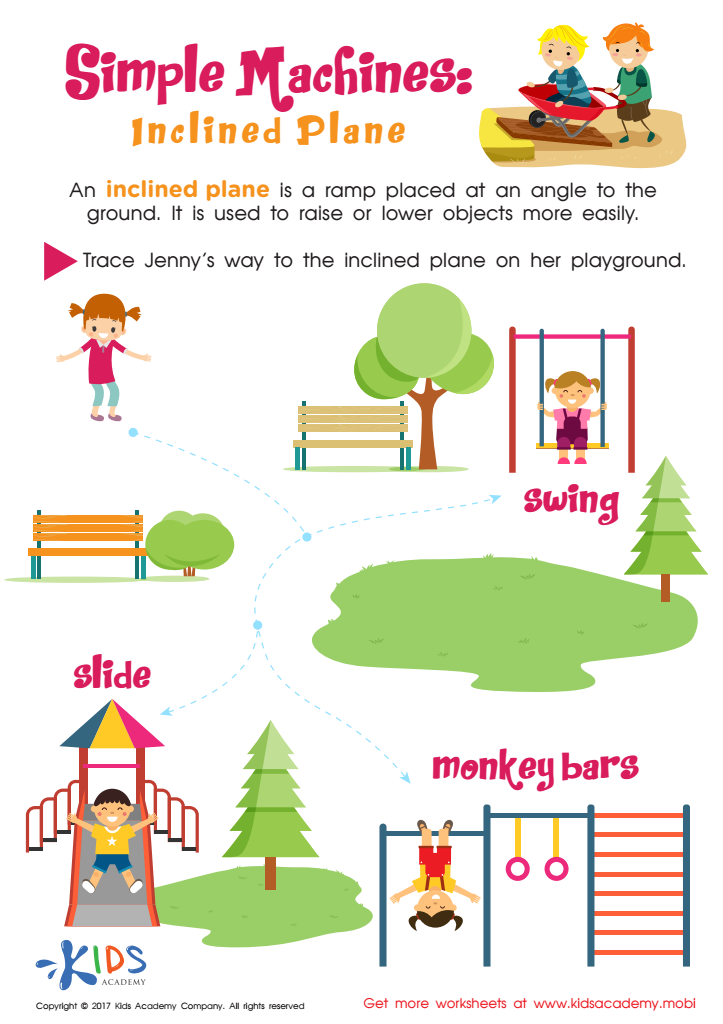
Simple Machines Inclined Plane Worksheet
 Assign to My Students
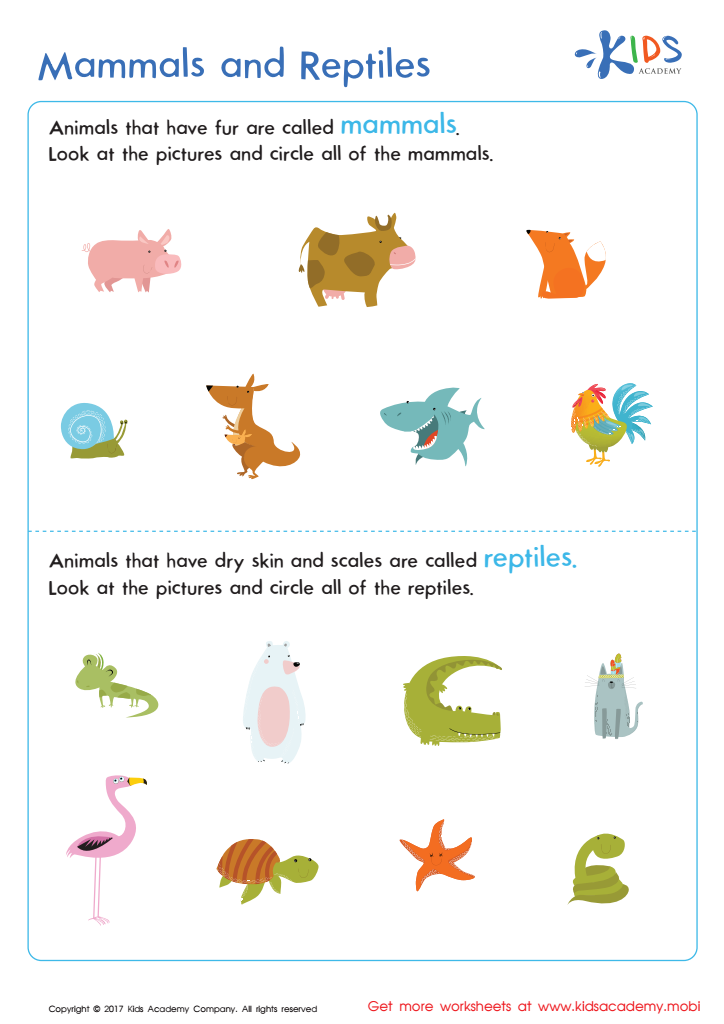
Mammals and Reptiles Worksheet
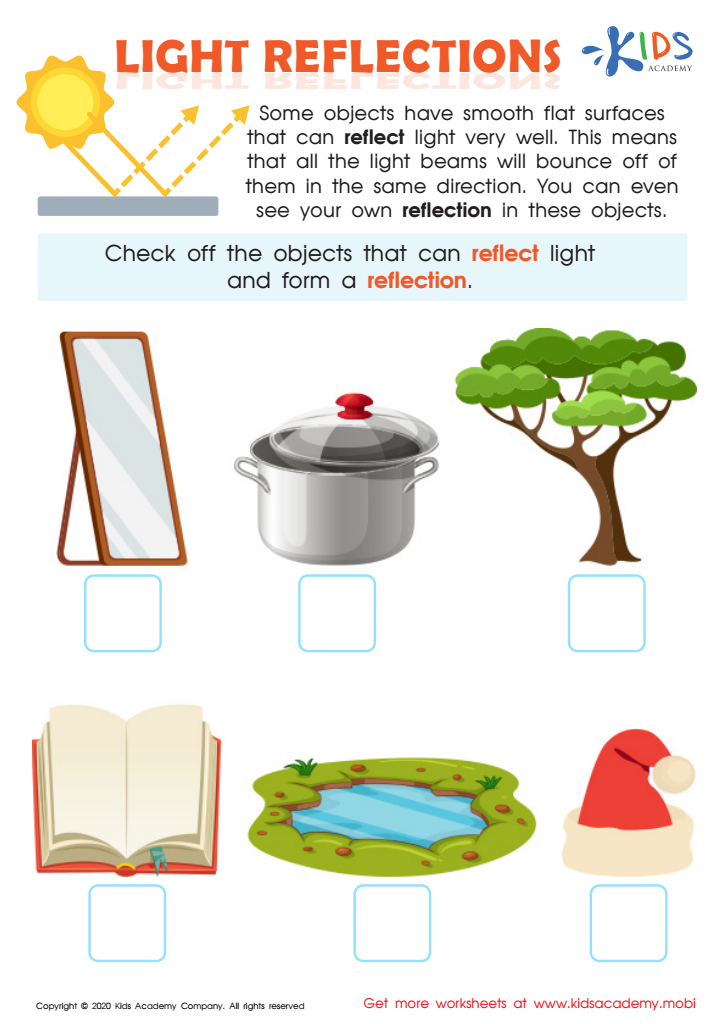
Light Reflections Worksheet
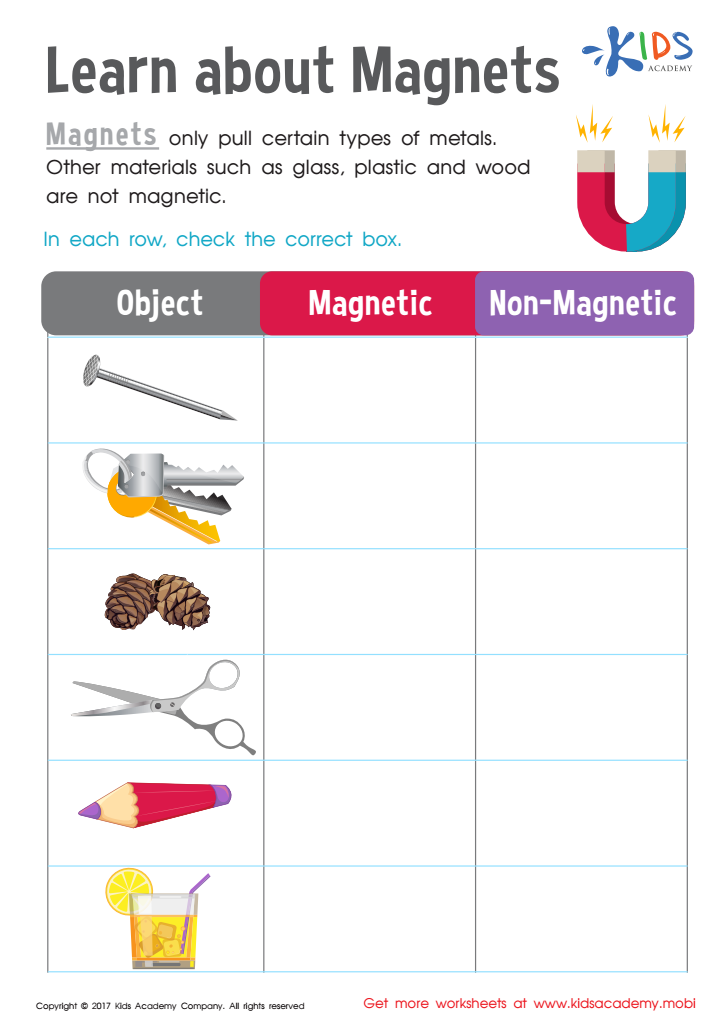
Magnetic Or Not Worksheet
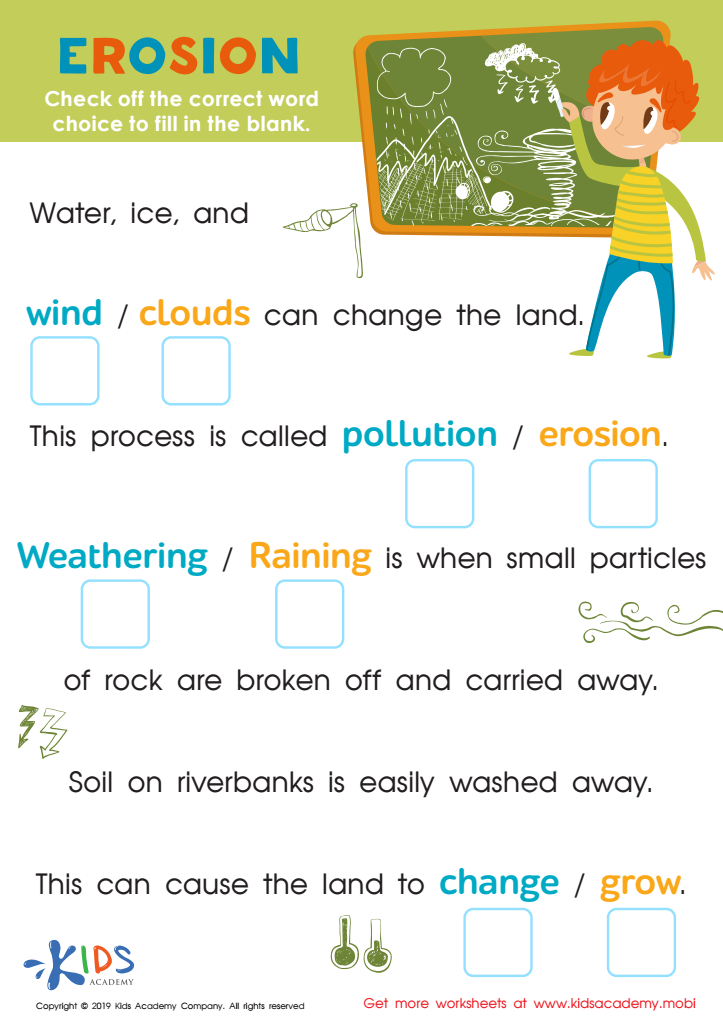
Erosion Worksheet
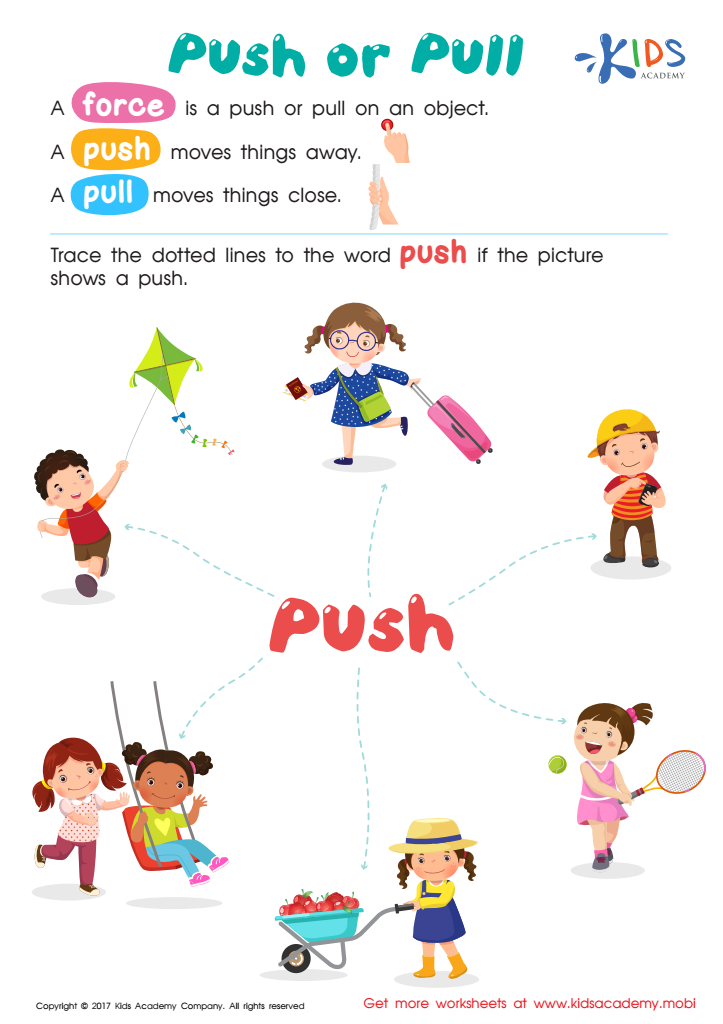
Push or Pull Worksheet
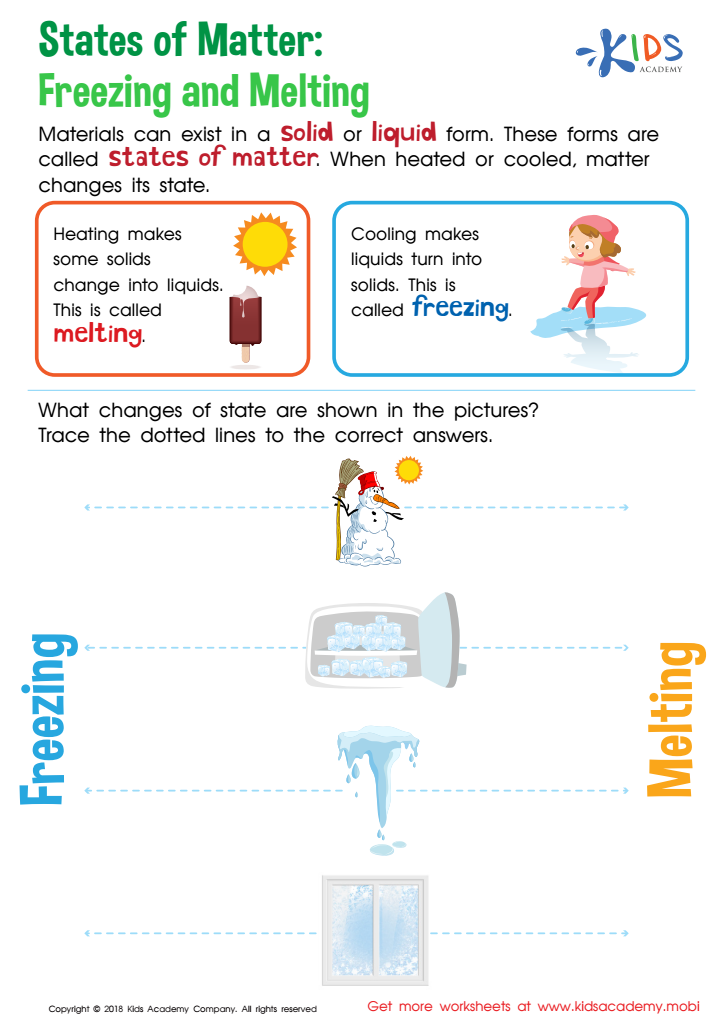
States of Matter: Freezing and Melting Worksheet






.jpg)
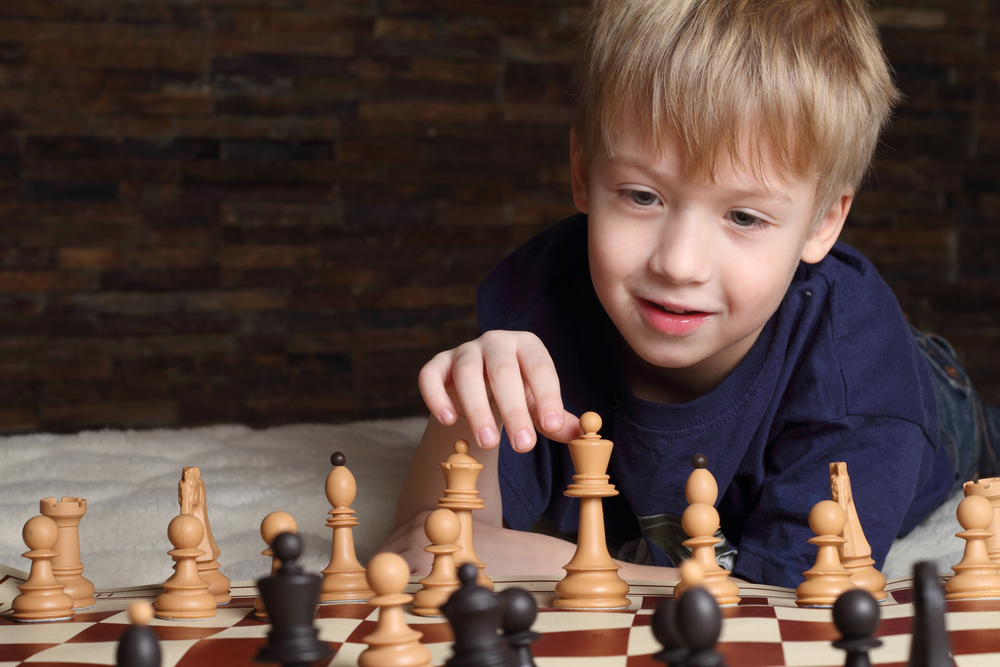
Enhancing observational skills in young children, particularly those aged 4-7, is crucial for fostering their curiosity and understanding of the world around them. During this developmental stage, children are naturally inquisitive and eager to explore. Strengthening their observational abilities helps them to notice details, recognize patterns, and make simple deductions, which are foundational skills for scientific thinking.
Parents and teachers play a pivotal role in nurturing these skills through interactive learning experiences. By encouraging children to observe their environment closely—whether it’s through nature walks, experiments, or simple classroom activities—they become more engaged and invested in their learning. Observation promotes critical thinking, problem-solving, and the ability to formulate questions, which are key components of scientific inquiry.
Moreover, enhanced observational skills support language development as children learn to articulate their findings and articulate their thoughts. Engaging with children in discussions about their observations fosters communication and boosts confidence. In a rapidly changing world, equipping children with the ability to observe and analyze will prepare them for future academic pursuits and real-life challenges. Overall, nurturing these skills lays the groundwork for a lifelong love of learning and exploration.







