Understanding directions Science Worksheets for Ages 4-7
4 filtered results
-
From - To
Unlock the wonders of science with our "Understanding Directions Science Worksheets" designed for ages 4-7! Helping young learners navigate basic concepts, these engaging worksheets enhance comprehension and critical thinking by guiding them to follow instructions. Your child will explore fascinating scientific principles while practicing vital skills such as listening, reading, and problem-solving. Each worksheet features fun activities that spark curiosity and encourage exploration, making learning an adventure! Perfect for home or classroom use, our resource fosters a love for science and helps children develop essential skills they'll use for years to come. Dive in and watch your child's confidence grow!
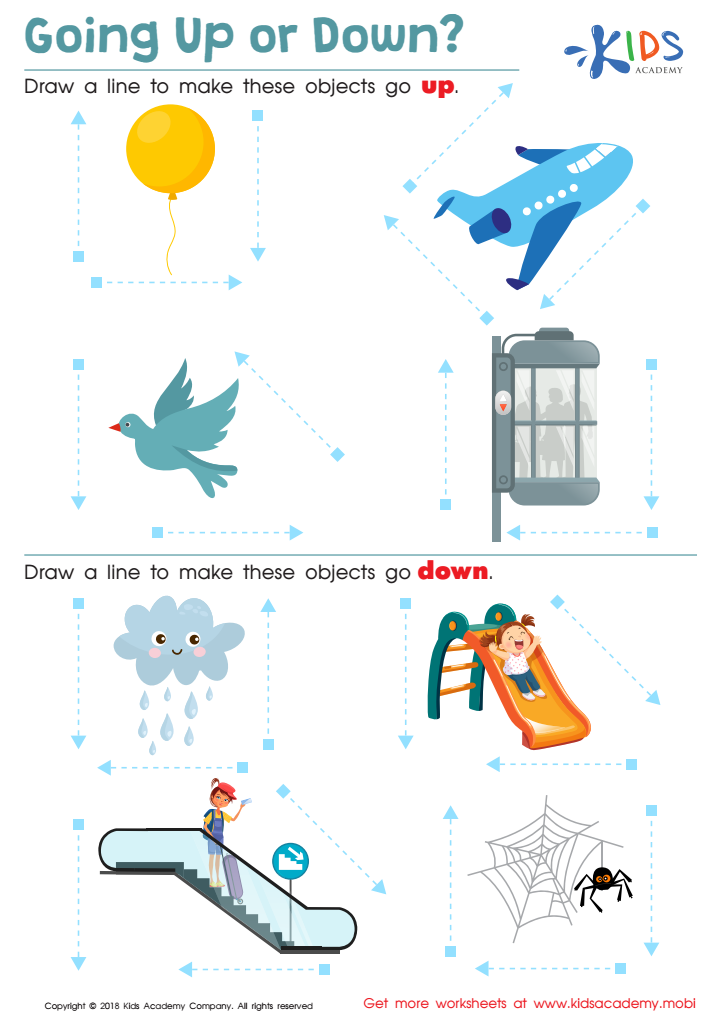
Going up or Down? Worksheet
 Assign to My Students
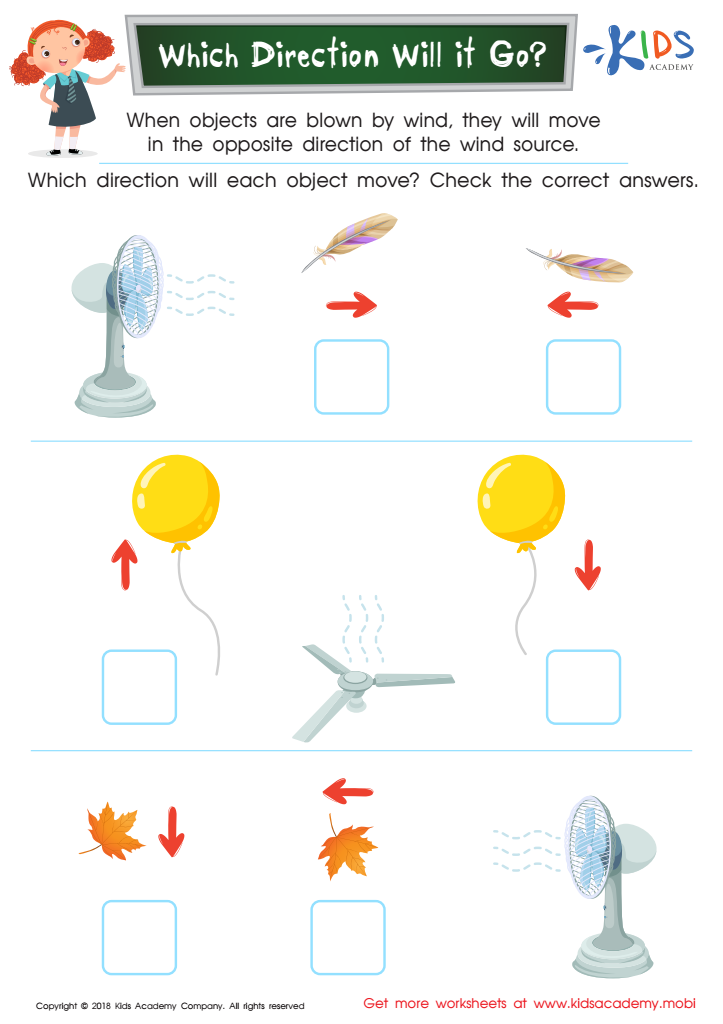
Which Direction Will it Go? Worksheet
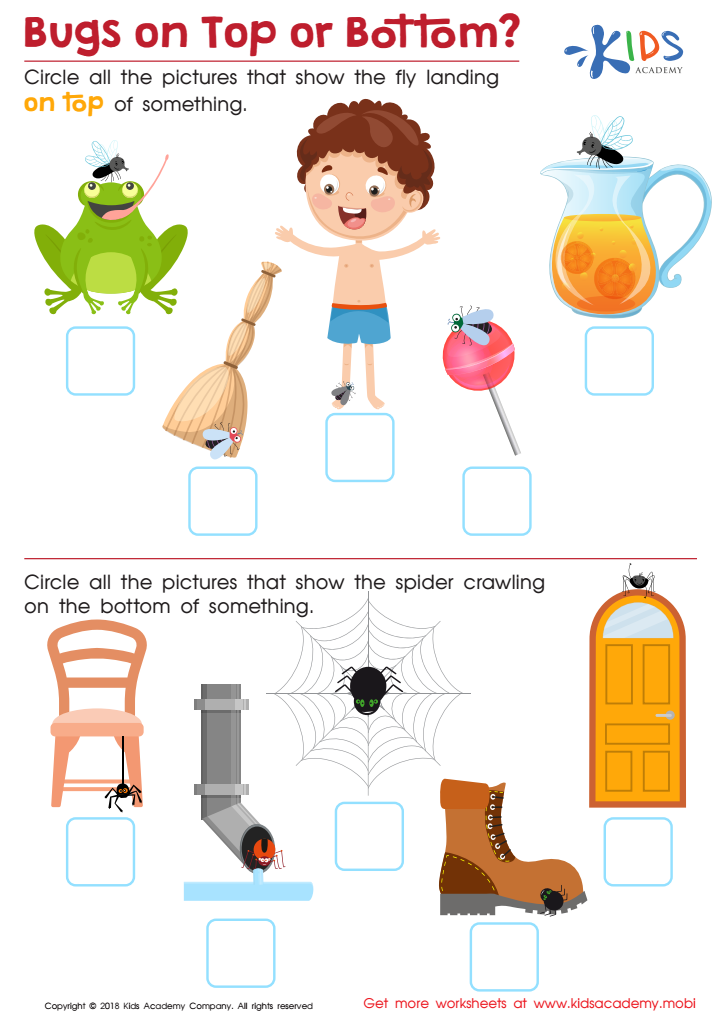
Bugs on Top or Bottom? Worksheet
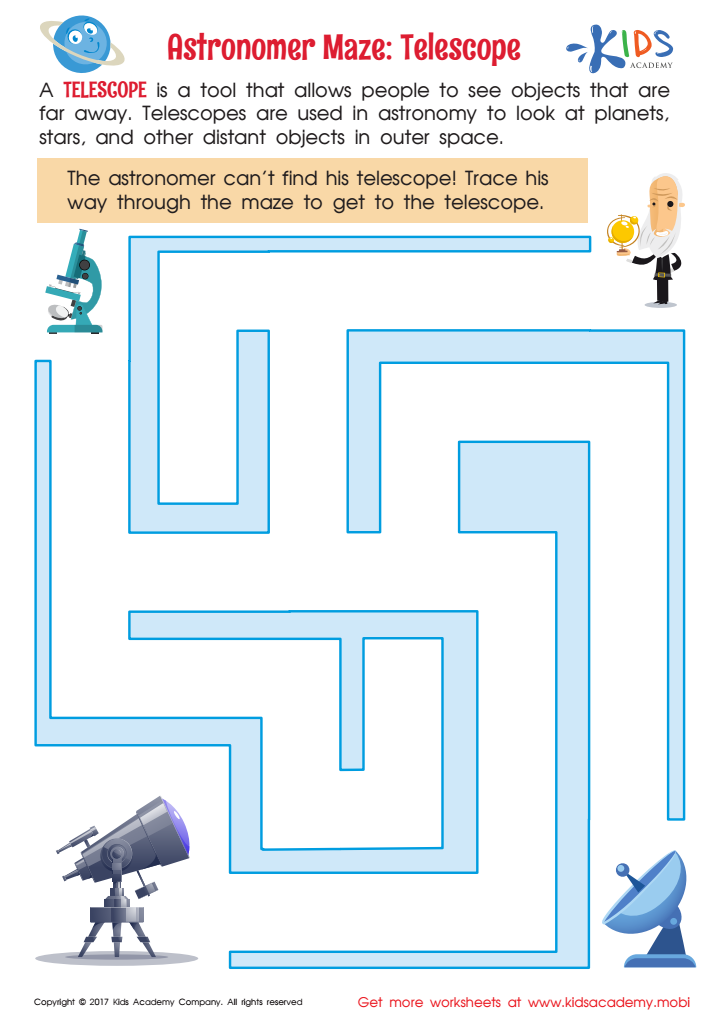
Astronomer Maze: Telescope Worksheet




%20(1).jpg)


Understanding directions in science is crucial for children ages 4-7 because it lays the foundation for critical thinking and problem-solving skills. During these formative years, children are naturally curious and eager to explore their surroundings. Teaching them how to follow directions helps enhance their ability to comprehend and conduct scientific experiments, fostering a spirit of inquiry.
Additionally, clear understanding of instructions promotes safety during science activities, ensuring that children can engage in hands-on experiences without unnecessary risks. When children learn to interpret and follow directions, they develop essential fine motor skills, enhance their ability to focus, and cultivate patience.
Moreover, science often involves collaborative projects, making it essential for children to communicate effectively and work well with peers. By understanding directions, children build teamwork skills and learn how to articulate their ideas and listen to others.
For parents and teachers, fostering these skills in young learners not only enriches their educational experience but also cultivates a love for science that can last a lifetime. Encouraging curiosity and reinforcing skillsets like following directions prepares children for future academic success and promotes a lifelong passion for learning and discovery.







