Vocabulary expansion Science Worksheets for Ages 4-7 - Page 2
27 filtered results
-
From - To
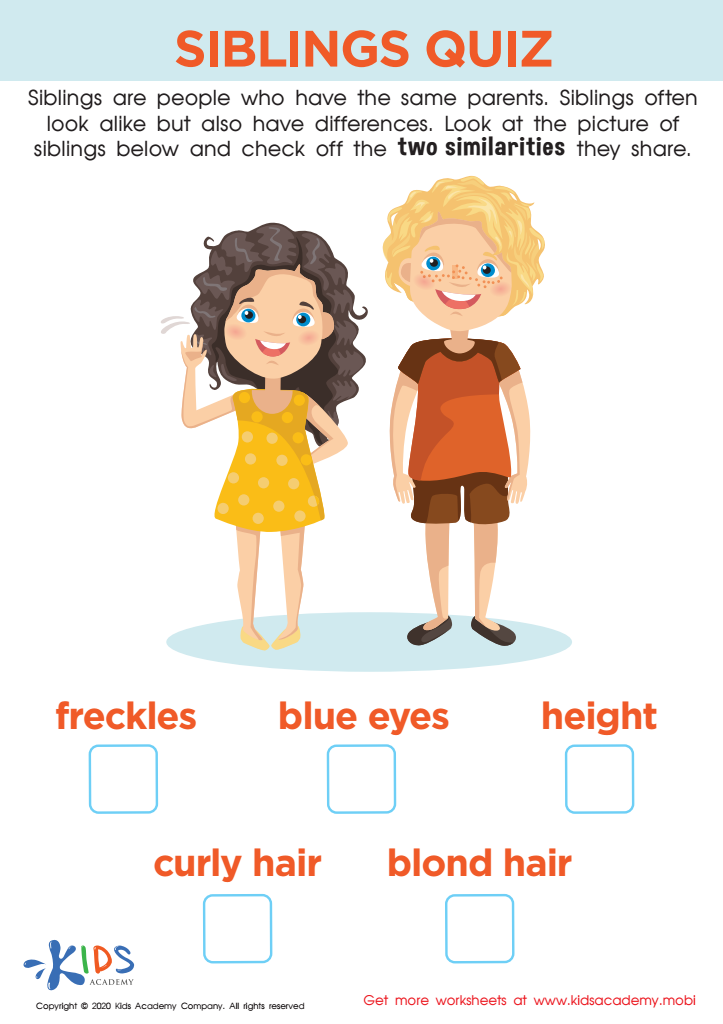
Siblings Quiz Worksheet
 Assign to My Students
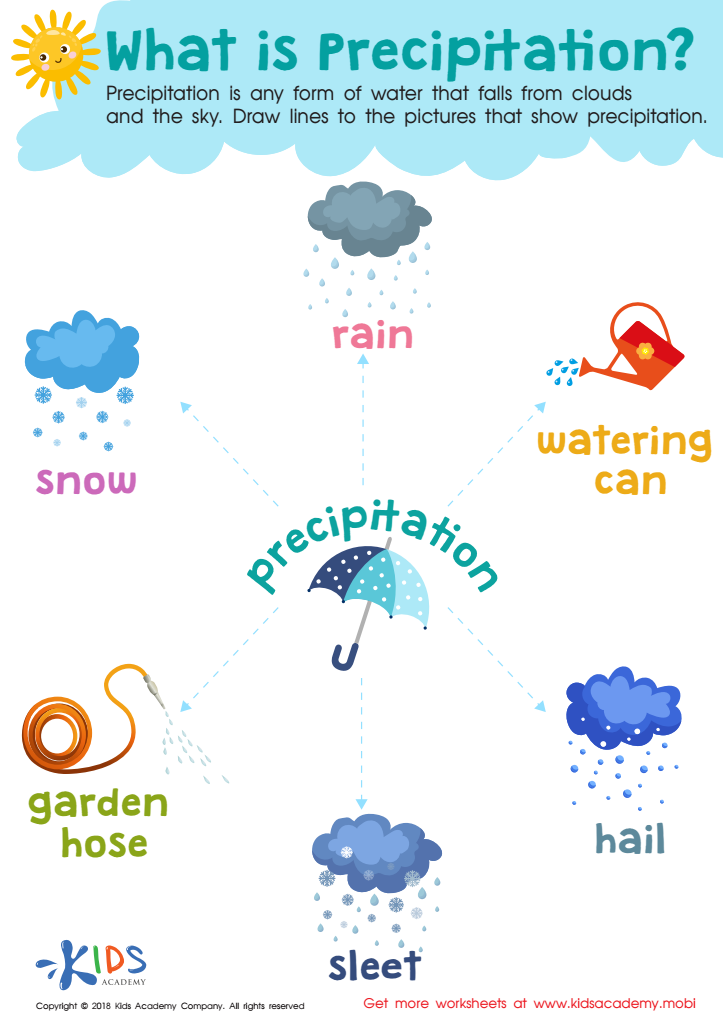
What Is Precipitation? Worksheet
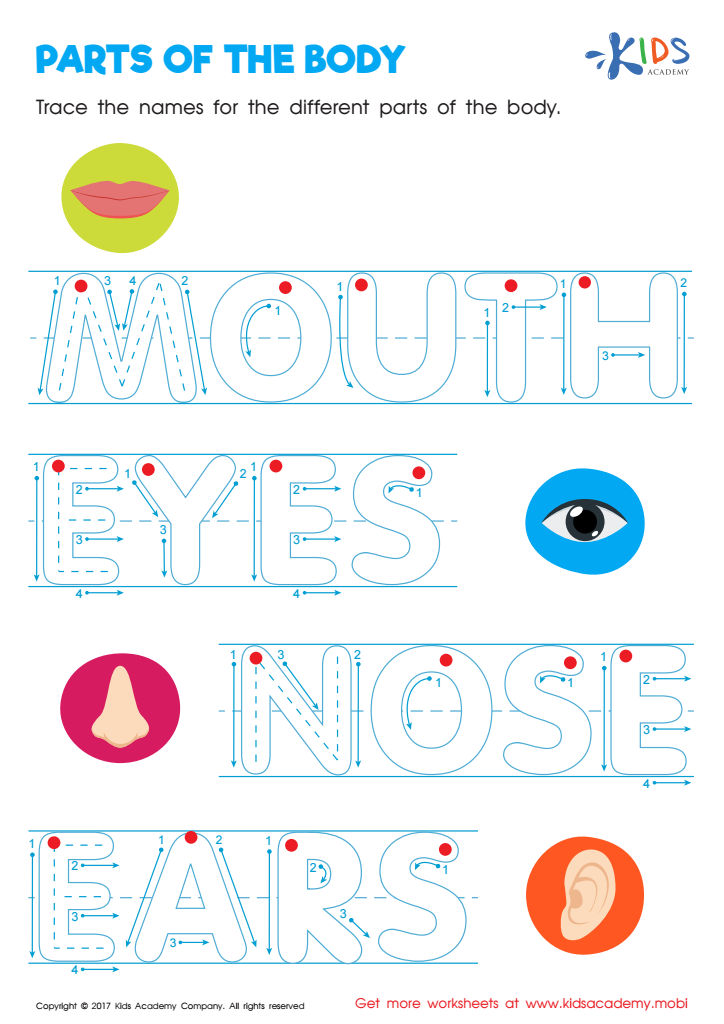








Vocabulary expansion in young children, particularly ages 4-7, is critical for their overall cognitive and social development, especially in the context of science. At this age, children are naturally curious, making it an ideal time to introduce scientific concepts and terms. A rich vocabulary facilitates comprehension and allows children to describe their experiences and observations accurately. This not only enhances their understanding of scientific concepts but also nurtures their ability to articulate thoughts and questions.
Teachers and parents play a pivotal role in this learning phase. By engaging children in science-related activities and discussions, they can promote vocabulary growth through exploration and experiential learning. For instance, involving children in hands-on experiments or nature walks allows them to connect words with actions, fostering deeper understanding.
Furthermore, a robust vocabulary is intertwined with literacy skills. As children develop stronger reading and writing capabilities, they become better equipped to tackle more complex scientific ideas in the future. Ultimately, fostering vocabulary in science empowers children to communicate effectively, think critically, and develop a lasting love for learning. Together, parents and teachers can create an enriching environment where scientific vocabulary flourishes, setting a foundation for lifelong learning.







